
You sit down, scan the menu, and feel genuinely excited. Everything sounds incredible. The problem? Some of those dishes have secrets that only people who work in professional kitchens actually know about. Chefs spend their entire careers watching how food is sourced, stored, prepared, and - yes - sometimes mishandled.
The insider knowledge they carry can be genuinely shocking. From dishes that are basically reheated leftovers to items that come with a real food safety risk, the gap between what a menu promises and what actually lands on your plate can be enormous. Let's dive in.
1. Soup of the Day
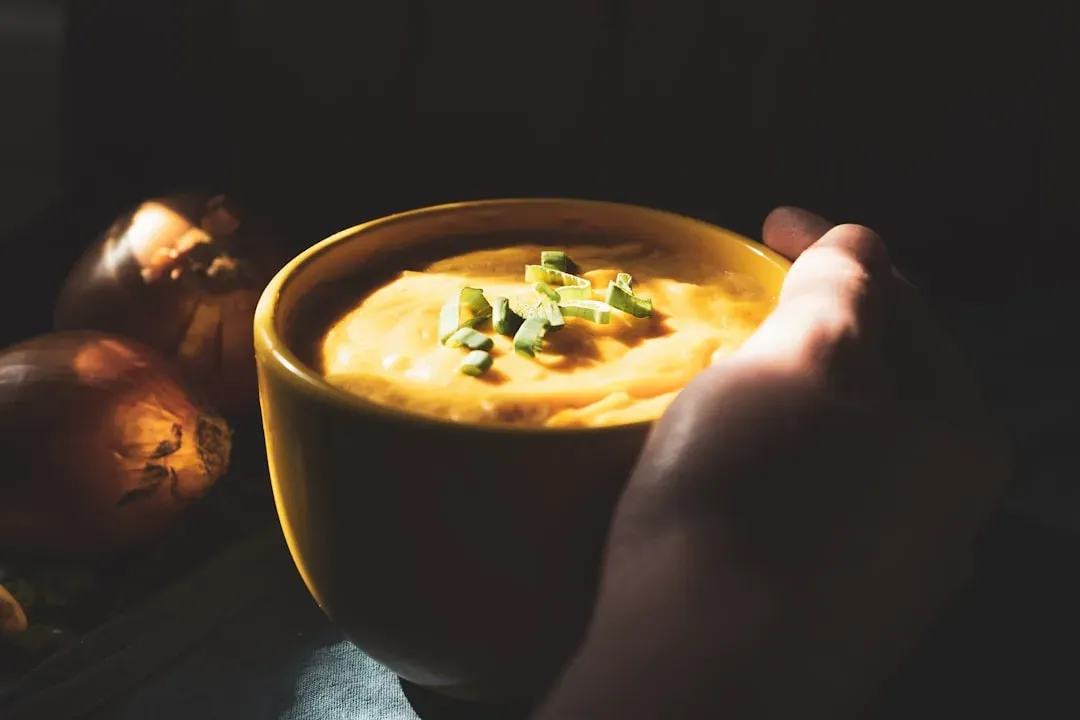
It sounds warm, comforting, and freshly made. But here's the thing - "soup of the day" is often one of the most misleading items on any menu. According to chef Michael DeLone of Nunzio in Collingswood, New Jersey, ordering the "Soup of the Day" is code in the hospitality industry for "the back of the house is trying to get rid of its walk-in inventory from the weekend before vendor deliveries come in for the following week."
The term "soup of the day" can be misleading because many kitchens make enormous batches that sit around for extended periods. A giant pot of soup gets made at the start of the week and reappears daily until it's gone. Think of it like reheated leftovers - at restaurant scale.
Soups in restaurants can often lack vibrancy and lean too heavily into saltiness to give them flavor. Keep in mind that soup is famously a pretty cheap meal to create, and you might be paying above the odds if you order it at a restaurant. Honestly, there are much better ways to spend your dining budget.
2. Fish on a Monday (or Any Off-Delivery Day)
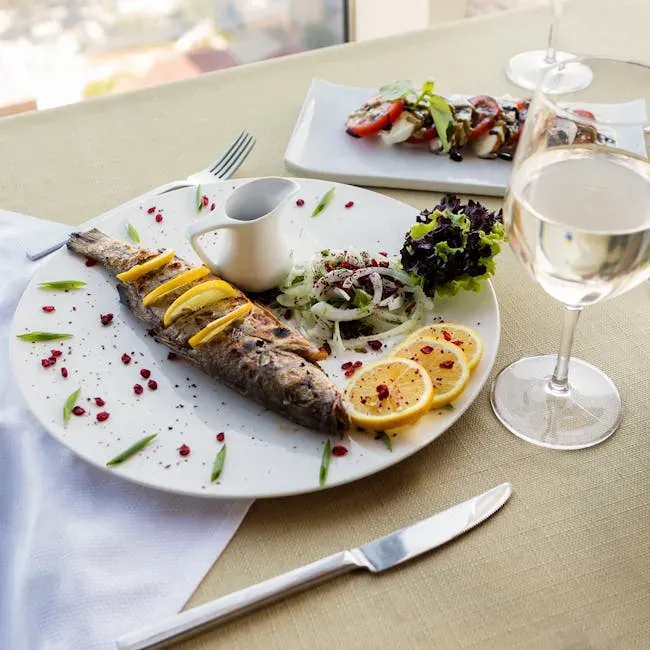
Ordering fish at a restaurant is always a bit of a gamble, but some days of the week make it far riskier than others. Many restaurants get seafood deliveries on Thursdays or Fridays, meaning that Monday's fish is several days old. Fish sitting too long leads to a loss of freshness and a higher risk of foodborne illness.
Executive Chef Eric Duchene of the JW Marriott Scottsdale Camelback Inn Resort warns that raw fish should not be ordered on Sunday nights, because restaurants don't receive deliveries on Sunday, so you will not get the freshest products. That's a real professional telling you to skip the fish special on certain nights of the week.
Chef Chaz Lindsay, owner and executive chef of Pulito Osteria and Rowan's in Jackson, Mississippi, said he generally avoids cooked fish unless the restaurant is known for it. Properly cooking fish is an art form - one of the most difficult skills to master, in his opinion. More often than not, he finds it underwhelming. Unless it's a dedicated seafood spot with a stellar reputation, you may want to rethink that grilled salmon.
3. Eggs Benedict
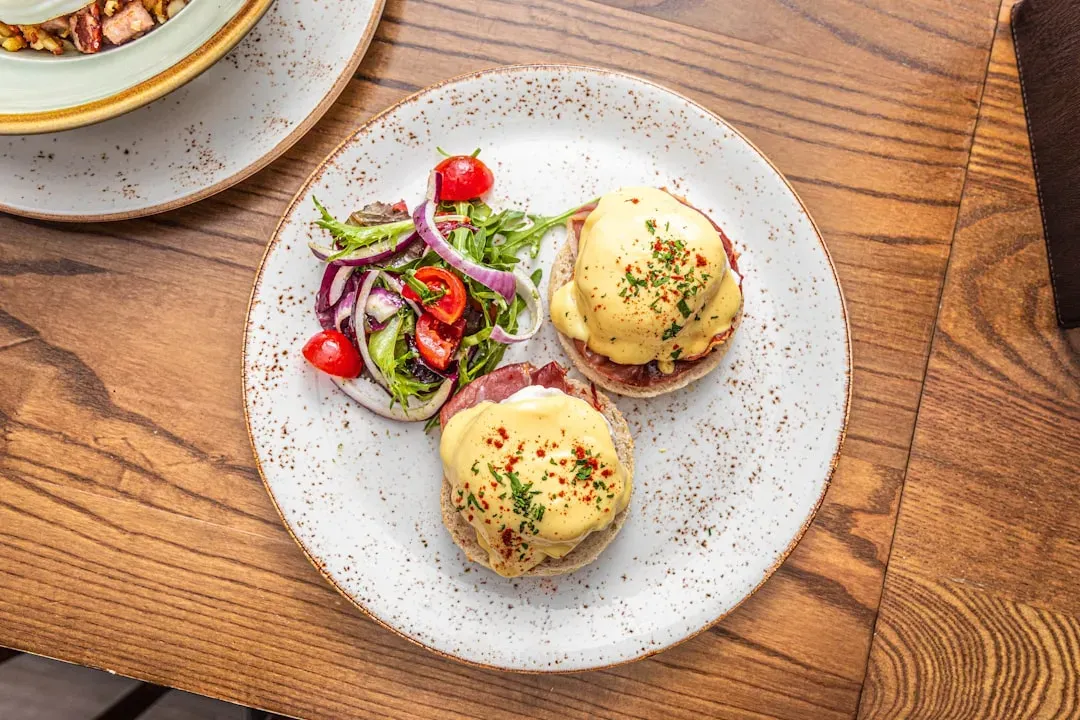
Brunch culture has made Eggs Benedict the crown jewel of weekend dining. It's almost a rite of passage. Yet for many experienced chefs, it's one item they quietly skip every single time. Chef Clifton Dickerson of the Auguste Escoffier School of Culinary Arts explained that hollandaise sauce is temperamental, especially during a busy brunch rush. If it's not made to order or held just right, you can end up with a broken sauce or something that's been sitting too long.
Eggs Benedict can pose some unique health hazards that other brunch dishes may not. If hollandaise is left to sit at room temperature, as can often be the case, it can quickly become a host for bacteria which may end up causing food poisoning.
Popular brunch items such as hollandaise sauce are, according to Anthony Bourdain, seldom made to order and are playgrounds for bacteria. Brunch is also when the lesser group of cooks tend to get scheduled, such as newer chefs. That's a combination worth thinking about before you place that order.
4. Risotto
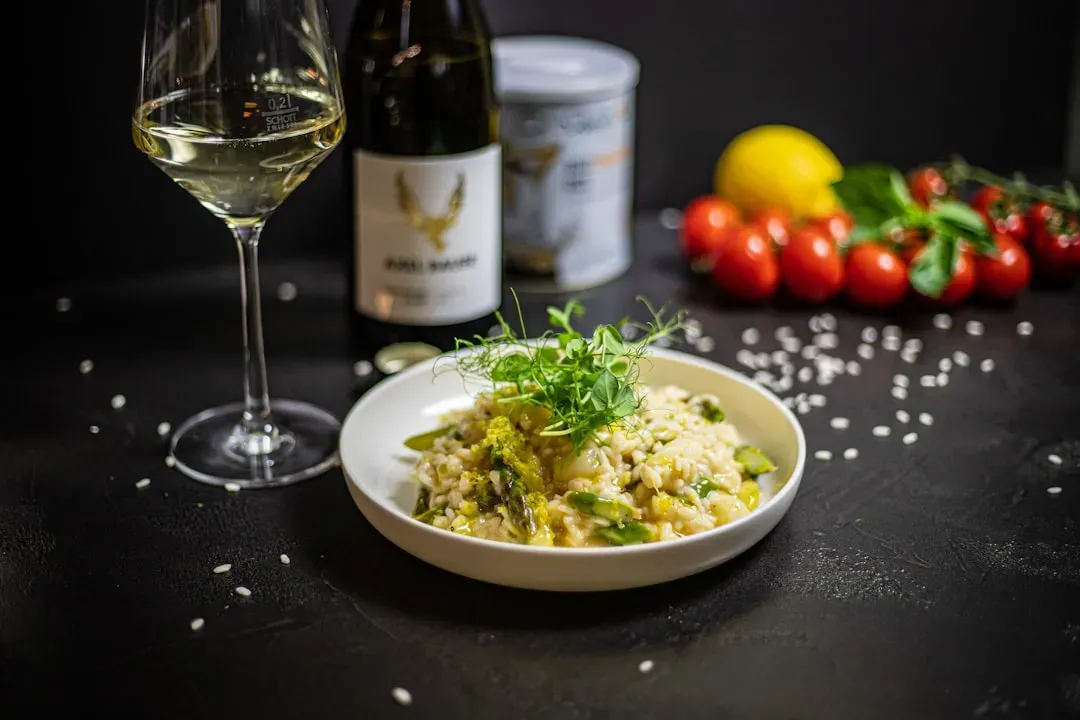
Few dishes carry as much promise on a menu as risotto. It sounds luxurious. Creamy, slow-cooked, deeply flavored. The reality in most restaurants, though, is considerably less romantic. Brian Motyka, executive chef of Longman and Eagle in Chicago, says that most of the time risottos are pre-cooked, heated up, finished with cream (which is a big no), and then over-cooked beyond the al dente texture that you're looking for.
The chef explains that risotto is best when the rice is cooked entirely to order, finished with butter and Parmesan, and served with an almost flowing consistency. Pre-cooking the rice and reheating it destroys the entire point of the dish. If you find a restaurant that is cooking their rice to order, then go ahead and order it - but that is rarer than you'd think.
Think of it like this: risotto is to restaurant shortcuts what a sandcastle is to a high tide. The moment the process gets rushed or held, the whole thing collapses. Unless your server can confirm it's made fresh to order, this is one to skip.
5. The House Salad
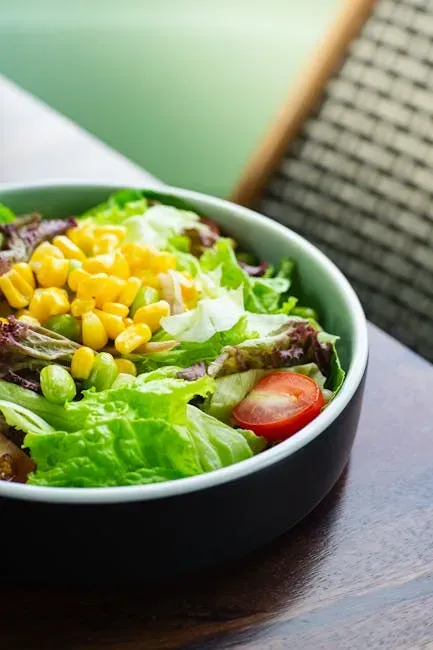
Salads feel safe. Healthy, simple, easy. But according to multiple chefs, they're among the most overpriced and underwhelming things you can order. When you go to a restaurant and just want some leafy greens and vegetables, and they're charging you $14 to $16 for a bunch of pre-cut tasteless carrots and pre-cooked chicken, that's a genuinely bad deal.
Not only can salads often not be as fresh as you'd like, but if they've been sitting out for a while, they could be a breeding ground for bacteria, and they are often highly overpriced for what they are, leading you to pay more for way less. That's a double problem: you're paying too much and potentially taking a health risk.
Food safety experts warn that salads, sprouts, and deli meats pose foodborne illness risks despite their healthy reputation. Leafy greens now cause more outbreaks than hamburgers. That stat surprises most people. It surprised me too, honestly. A $15 salad that's been sitting in a bowl since prep time is not the healthy choice it appears to be.
6. Truffle Anything (Especially Truffle Oil)
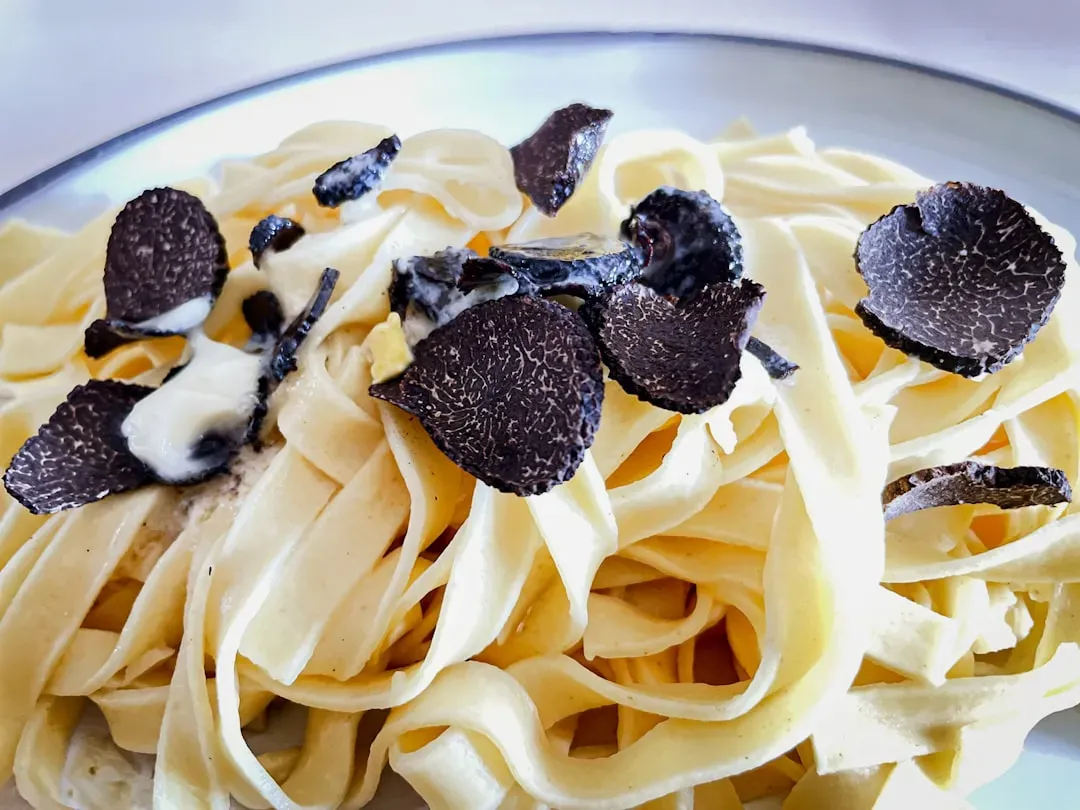
Truffle fries, truffle pasta, truffle aioli - the word "truffle" has become one of the most overused menu buzzwords of the past decade. Here's the thing: most of the time, it's completely fake. Truffle oil, often marketed as a luxurious ingredient, is one item chefs advise against ordering at restaurants. Most truffle oil used in restaurants is synthetic, made from chemical flavorings rather than real truffles. This means you're paying a premium for an artificial product that can overpower dishes with its strong, unnatural taste.
Another menu buzzword that's usually subpar in its quality is truffles, and some say it's usually a red flag. Real truffles are extraordinarily expensive and perishable. If a restaurant is generously drizzling "truffle oil" over a ten dollar side of fries, you can be confident it's not the real thing.
It's a bit like ordering "champagne flavor" candy and expecting actual Moët. The name is there, the luxury is not. For a truly gourmet experience, it's better to choose dishes that feature fresh, high-quality ingredients instead of relying on truffle oil. That's advice worth keeping in your back pocket every time you see the word "truffle" on a menu.
7. Basic Pasta Dishes
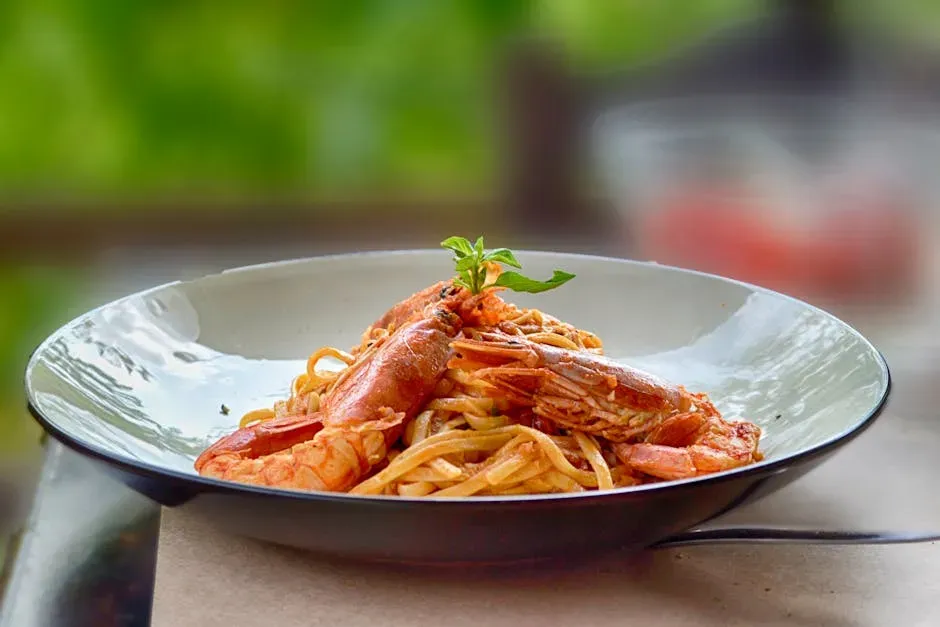
Pasta is cheap to make. Genuinely, remarkably cheap. The markup at restaurants can be staggering, and many chefs simply refuse to pay it. Spaghetti, fettuccine, or penne is common on non-Italian restaurant menus, yet pasta dishes are often overpriced, especially if you calculate the cost of ingredients. Marcus Mooney, executive chef of Seattle Sutton's Healthy Eating, once worked for an Italian restaurant group in Chicago and says they were charging $20 for a plate of rigatoni with marinara sauce, and the cost was $1.
Pasta dishes with a basic pasta and sauce are surprisingly expensive for a dish that is inexpensive to cook, according to Nina Swasdikiati, the owner of Ping Pong Thai in Las Vegas. She actively avoids ordering them when dining out. It's one of those things that becomes impossible to unsee once you know it.
One major misconception is that everything on a restaurant menu is prepared fresh and to the same standard. In reality, some dishes are bought pre-made, frozen, or pre-cooked to save time and reduce costs, particularly appetizers and side dishes. Basic pasta is often a prime candidate for exactly this kind of shortcut. Save that fettuccine for a restaurant that actually specializes in handmade pasta.
8. Well-Done Steak
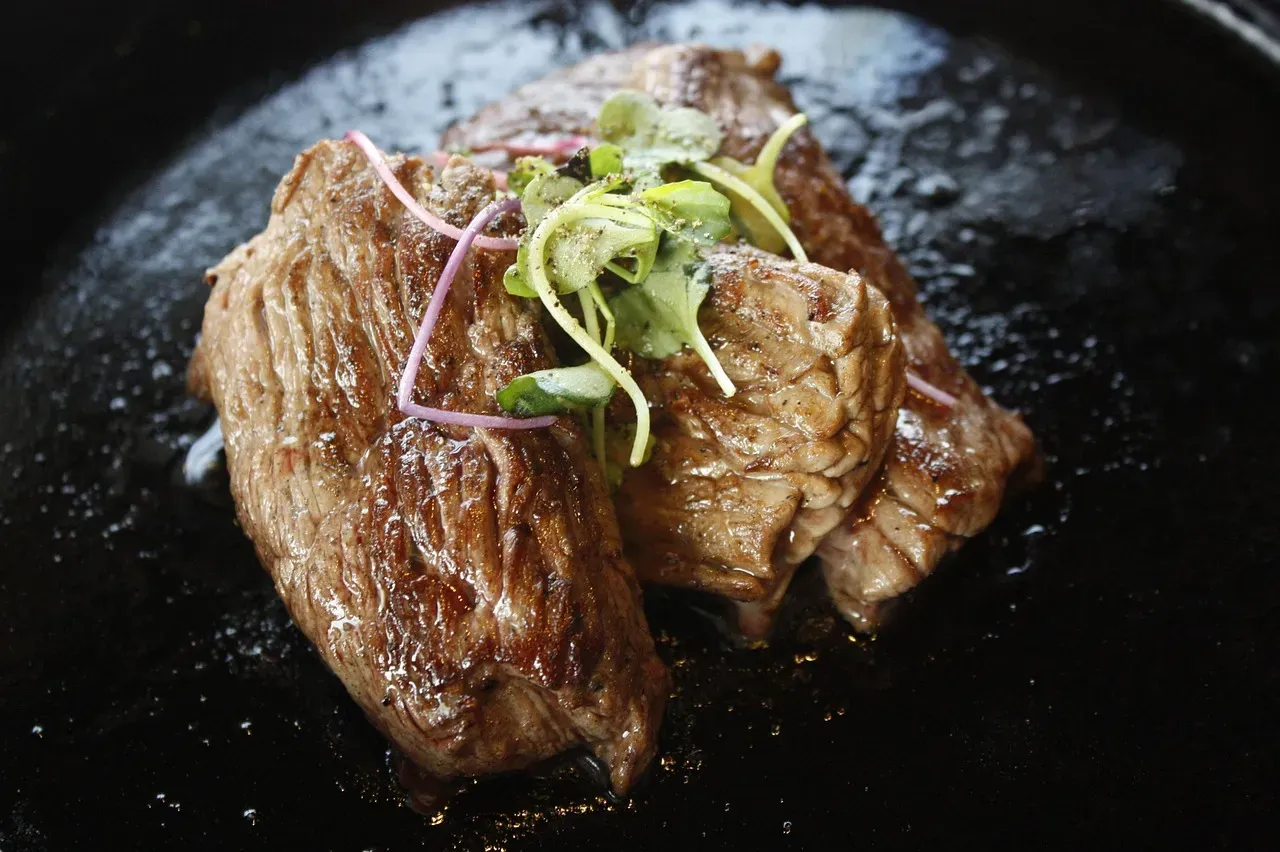
Ordering a steak well-done is one of those choices that sends a very particular signal to a kitchen. And that signal is not a good one. According to Anthony Bourdain's famous 1999 New Yorker article, chefs have a tradition called "save for well-done." In other words, meat that they would otherwise throw out is saved for customers who order a cut well-done. Overcooking meat can disguise toughness, bad smells, or otherwise unsavory elements.
Chefs dislike cooking steak well-done because it destroys flavor and tenderness. Many places use lower-quality cuts for well-done orders since the texture is ruined anyway. You're essentially paying full price for the kitchen's least desirable cut of beef.
Even aside from food safety concerns, chefs aren't going to use the best cuts of meat for those who want theirs overcooked. Many culinary professionals consider well-done meat to be improper, as it turns the meat grey and chewy. If you enjoy the experience of dining out on a great steak, medium-rare or medium is where the real quality shows up.
9. The Daily Special at the Wrong Kind of Restaurant
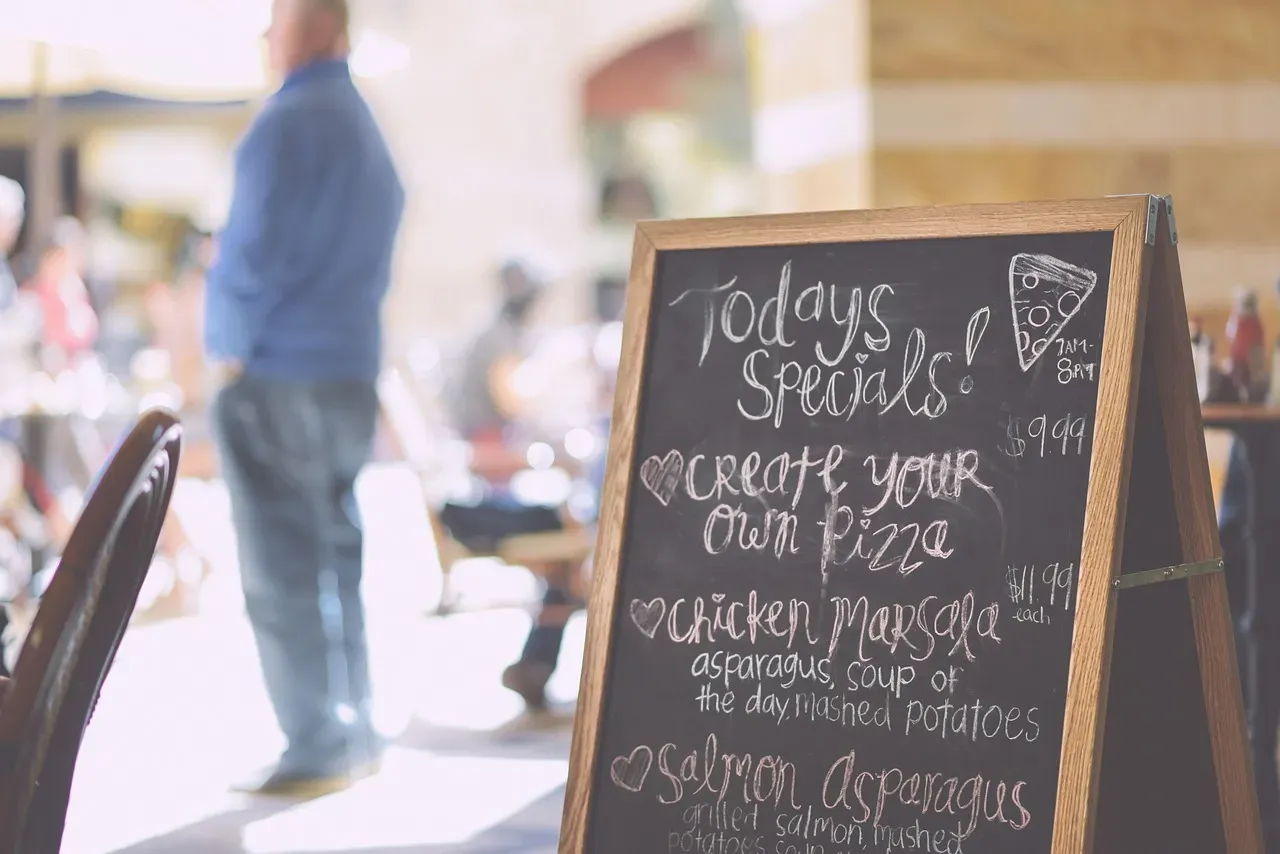
Specials sound exciting. They're framed as exclusive, limited, and freshly inspired. Sometimes that's true. Often, it isn't. Executive chef and owner Alberto Morreale of Farmer's Bottega in San Diego says he never orders the specials when eating out at other restaurants, because some restaurants put together their specials for the day based on what's about to expire or what they're trying to get rid of faster.
Looking at the size of the menu is also important. If it's more than two pages long, the restaurant has to keep a large inventory of food. More than likely, you're not getting a fresh meal. A bloated menu is a telltale sign that shortcuts and frozen ingredients are involved. The "special" in that scenario might just be the most urgent item that needs to leave the kitchen today.
Perhaps most surprising is the idea that chef's recommendations are always about flavor and experience. Sometimes, chefs recommend dishes to move inventory or highlight items with higher profit margins. At a small, focused restaurant with a tight menu? The special is probably genuinely special. At a massive chain with forty options on the menu? Think twice before you trust the chalkboard.
---
Next time you sit down with a menu, remember: the people who know kitchens best are the ones who've worked in them. Their instincts about what to skip aren't arbitrary - they're built on years of seeing exactly what happens between the storeroom and your plate. The question worth asking yourself isn't just "does this sound delicious?" It's "does this restaurant actually do this dish well?" That single shift in thinking might be the most valuable dining upgrade you ever make.
What do you think - did any of these surprise you? Drop your thoughts in the comments.


Leave a Reply