
You sit down, order your usual, and something feels... off. The portion looks a little smaller. The sauce tastes like it came from a bag. The bread arrived stale before you even touched a menu. You can't quite put your finger on it, but something has changed.
Here's the uncomfortable truth: many restaurants are quietly adjusting their standards in ways most diners never consciously notice. They're not shutting down kitchens or serving bad food outright. They're doing something far more subtle. And understanding what those habits look like could completely change how you see your next meal out.
Shrinking Portions Without Changing the Price

Let's be real. Portion shrinkage is one of the sneakiest ways a restaurant can quietly erode your experience while keeping the bill the same. It's the restaurant equivalent of a candy bar that's technically the same weight but somehow fits in a smaller wrapper. The plate still looks full, but when you actually start eating, you realize there's just less food there.
Roughly one in four restaurant operators now openly admit they are reducing portion sizes to manage costs. That number feels shockingly high when you consider it spans everything from casual chains to neighborhood spots. Industry analysts are even asking whether restaurants can increase the quality of key ingredients to offset that shrinkage, or improve atmosphere and hospitality to justify what's become a smaller plate at the same price.
Among consumers who said dining out "wasn't worth the money," most were disappointed in food quality and portion size following a recent visit. This was particularly true among Gen Zers, nearly three quarters of whom ranked food quality in their top three reasons for disappointment. Diners notice. They just don't always say so to your face.
Using Pre-Made and Pre-Packaged Ingredients Instead of Fresh
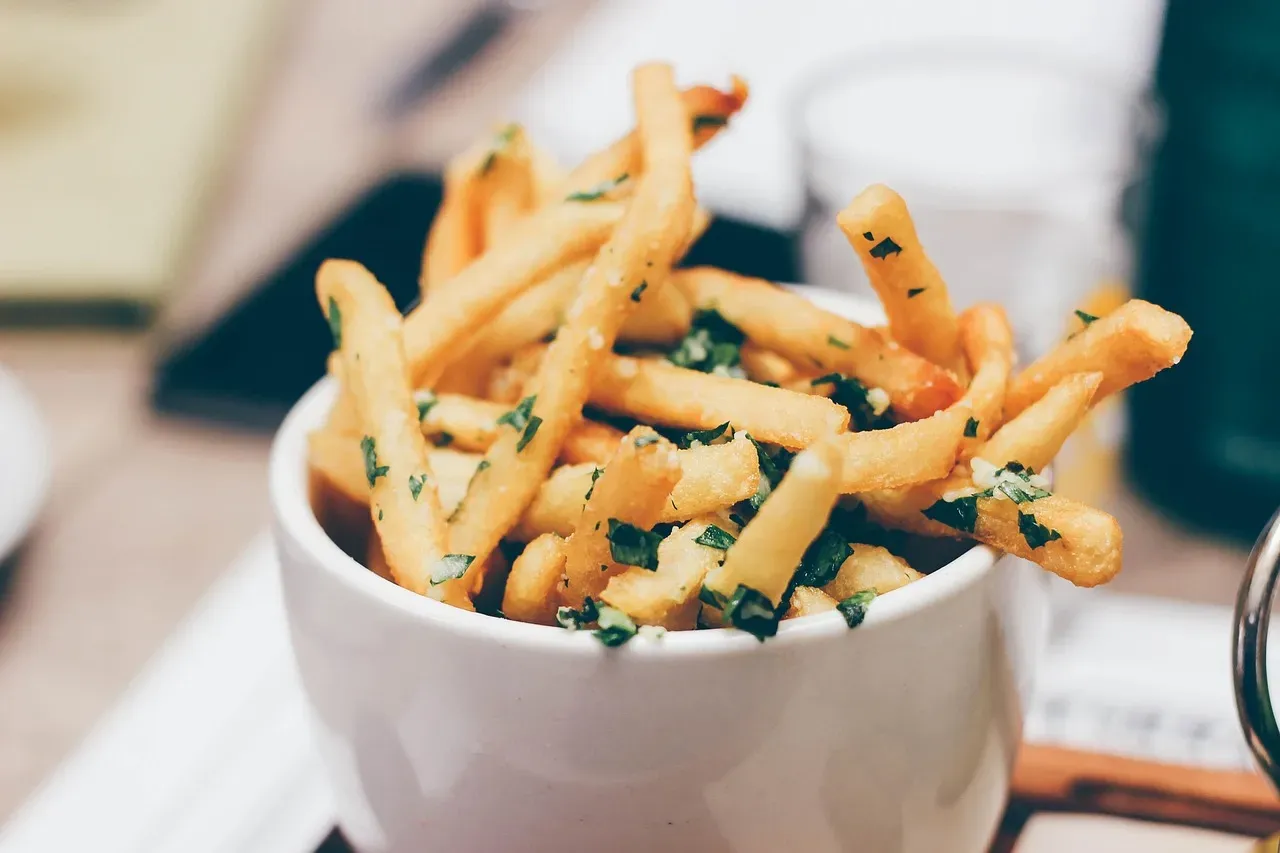
Ask most chefs and they'll defend fresh prep with their whole heart. But walk behind enough restaurant kitchens and you'll find shelf-stable sauces, pre-portioned proteins, and industrial bags of seasoning blend doing the heavy lifting. It's a corner that's surprisingly easy to cut, and surprisingly hard for customers to detect when the flavors are masked by salt and heat.
There's an undeniable stigma historically following the use of pre-prepped or pre-portioned items in restaurants. Chefs take pride in cooking everything from scratch, and customer sentiment often equates pre-prepped restaurant foods with shortcuts at the expense of quality. For many, the thought of convenience food products in restaurants evokes rubbery, dense, or flavorless entrees.
According to Business Waste, the average restaurant wastes between four and ten percent of all food inventory, and the majority of waste occurs during prep. Shrinkage from improper storage, spoilage from over-prepping, or prep mistakes from inexperienced staff all add unforeseen costs. This creates a real business incentive to shift toward pre-made options, even if quality takes a quiet hit in the process.
Quietly Downgrading Ingredient Quality
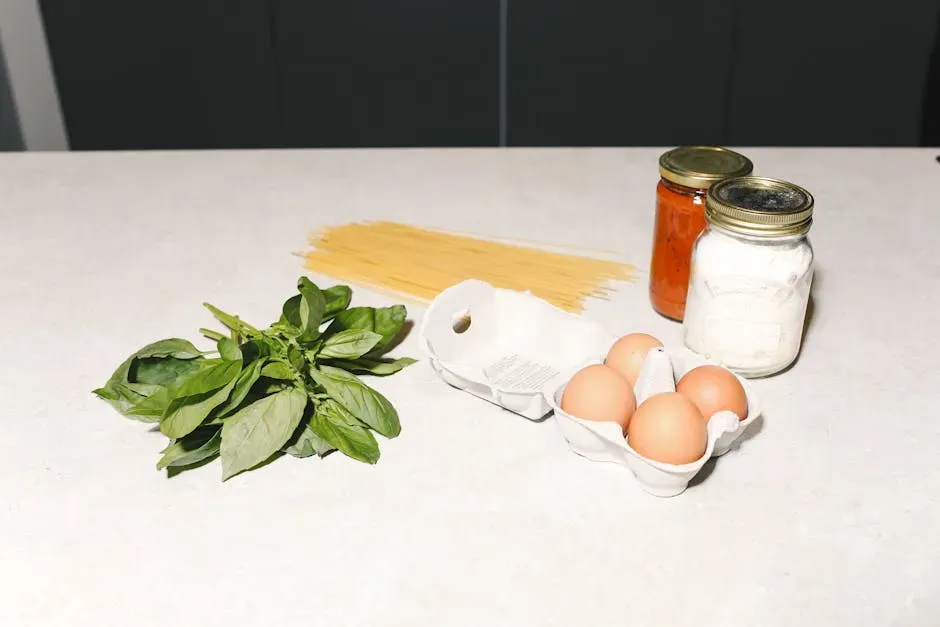
Swapping a premium ingredient for a cheaper equivalent is one of the oldest tricks in the restaurant cost-cutting playbook. Think farmed salmon masquerading as wild-caught, butter blends replacing actual butter, or a generic wine used in a sauce that's supposed to feature a specific regional variety. The dish still has the right name on the menu, but the soul of the ingredient has quietly left the building.
A striking ninety-five percent of restaurants cited food costs as a significant challenge in 2024. That kind of pressure forces operators into uncomfortable decisions about which ingredients are "noticeable enough" to stay premium and which ones can be quietly swapped. A study of over 1,800 internet users from July 2024 found that more than half of guests are willing to pay extra for premium ingredients. The irony is that diners want quality, operators know it, and yet ingredient swaps keep happening anyway.
Chasing the lowest-cost ingredients might make for a good budget spreadsheet, but it often underestimates the downstream costs of raw prep, including labor, spoilage, oil degradation, and yield loss. Cheaper ingredients don't always mean cheaper meals to produce, though many operators don't do the full math until it's too late.
Over-Relying on Untrained or Inexperienced Staff
Consistency in a kitchen depends almost entirely on the people behind the pass. When restaurants cut corners by under-investing in training, the result shows up on the plate. One night the steak is perfect, the next it's overcooked. The sauce is thicker on a Tuesday than it is on a Saturday. These are not accidents. They're symptoms of a workforce that hasn't been properly equipped.
A persistent labor shortage continued to plague the restaurant industry in 2024, with operators facing difficulties in attracting and retaining staff. High turnover rates added to operational costs and impacted service quality, requiring investment in training and employee engagement programs to maintain standards.
It's essential that operators invest in comprehensive training programs and foster a positive work environment. A well-trained, motivated workforce is the cornerstone of exceptional service and high-quality products, two factors that are critical to generating customer loyalty. Skipping that investment is a shortcut that quietly punishes guests well before it ever shows up in a review.
Shrinking the Menu Without Telling Anyone
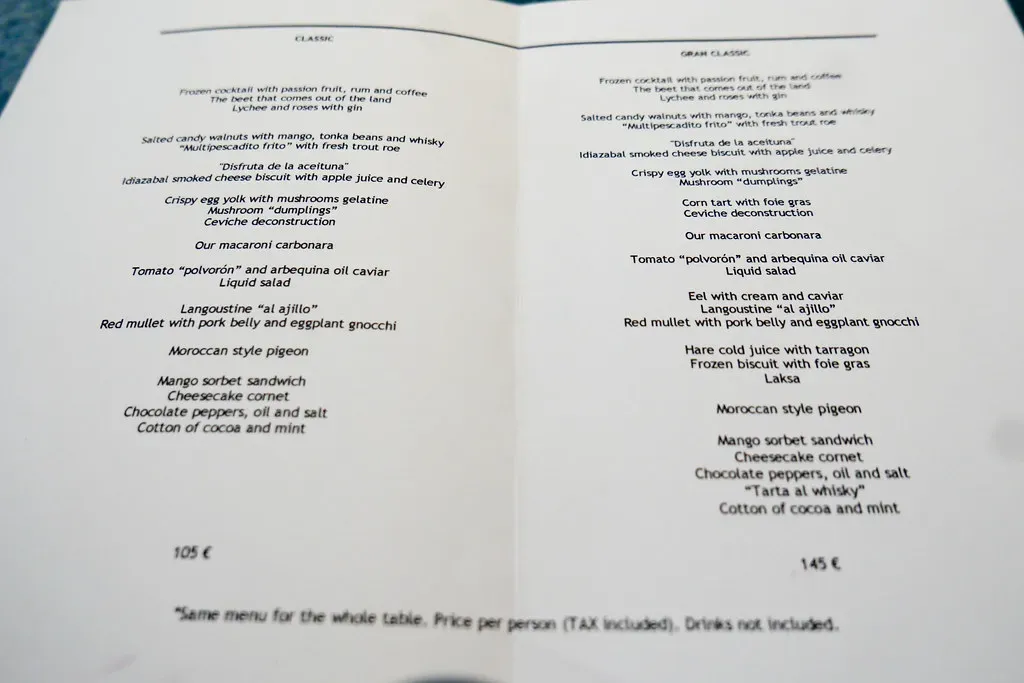
Walk into your favorite restaurant after a few months away and count the menu items. Quietly, without fanfare or explanation, dozens of dishes may have simply vanished. This "menu streamlining" is often sold internally as simplification, but in reality, it reduces variety, limits choice, and often signals that the kitchen can no longer consistently execute a full lineup.
More than a third of restaurant operators say they plan to streamline menu offerings in 2025, making this one of the most widespread industry habits right now. It's not inherently wrong to simplify a menu, but when it happens quietly, without improving the remaining dishes, it's effectively a reduction in what you're getting for your money.
Many consumers say that the hospitality is missing from the guest experience at many restaurants, and thirty-eight percent of consumers say the value of eating out overall has declined. A shrinking menu, quietly executed, rarely helps that perception. It just gives fewer reasons to come back.
Hiking Prices While Pretending Nothing Changed
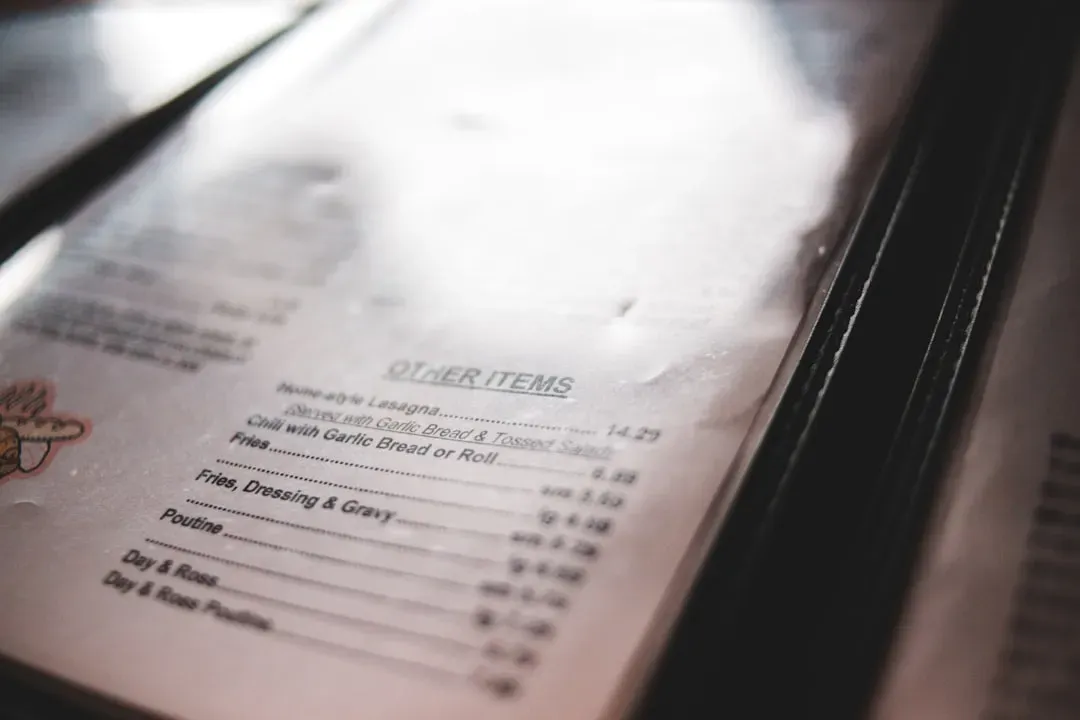
Price increases happen. Inflation is real. Nobody reasonably expects a restaurant to absorb every cost shock without adjusting. The problem is when prices go up quietly, menus are redesigned to obscure those changes, and the value delivered to the customer somehow goes in the opposite direction at the same time. That's not business management. That's a subtle breach of trust.
According to the James Beard Foundation report, ninety-one percent of independent restaurants raised prices in 2024 to offset rising labor and ingredient costs. Most kept increases within five to ten percent, but for some, even a fifteen percent hike wasn't enough to maintain margins. The report found that restaurants raising prices beyond this point often saw customer traffic decline, suggesting diners are hitting their spending limit.
According to the US Consumer Price Index, "food away from home" rose about six percent from January 2024 to September 2025, driven by rising labor, rent, and ingredient costs. Meanwhile, "food at home" rose only around three percent over the same period. If the gap widens, consumers may perceive there to be less value in dining out relative to the cost of doing so. Honestly, many already have.
Ignoring Food Presentation as Budgets Tighten
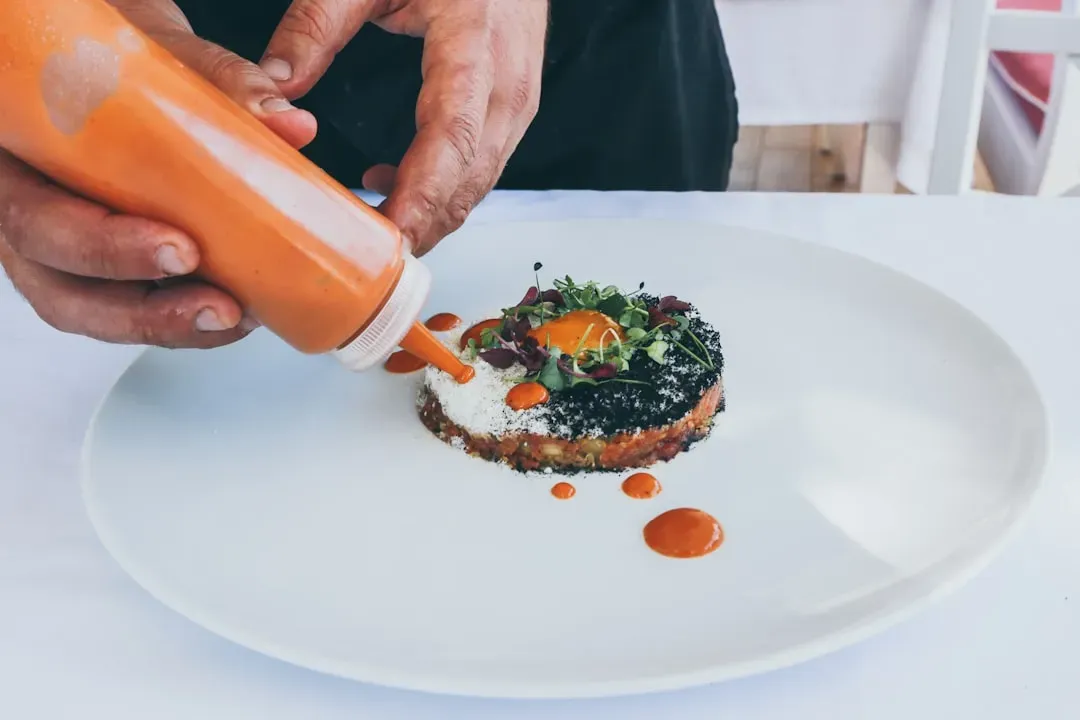
There's a reason fine dining places a sprig of microgreens on a plate so deliberately. Presentation communicates care. When a kitchen stops bothering, it sends a signal, even if you can't consciously decode it. Sloppier plating, mismatched garnishes, or dishes that look like they were assembled in a hurry all quietly erode your sense of what you're paying for.
More than half of consumers say food presentation affects their perception of quality at full-service restaurants. That's not a small number. Presentation is essentially a silent quality signal, and when restaurants let it slip, diners register it on a subconscious level before they've even taken a single bite.
For sixty-nine percent of fine dining guests, food quality is the most important factor when choosing a restaurant. Another seventy percent of fine dining customers prioritize the dining environment when picking a restaurant. The two things guests care most about, quality and environment, are exactly the first things a restaurant under financial pressure tends to compromise on.
Turning Hospitality Into a Transaction

Think about the last time a waiter genuinely seemed glad you were there. Not scripted-glad, but actually warm and engaged. It's rarer than it used to be. When restaurants tighten budgets, service training is often the first casualty. Staff are stretched thinner, turnover climbs, and the human warmth that makes dining out worth the money quietly evaporates.
At some restaurant concepts, customers are ordering on their phones, picking up a bag from a series of cubbies, never having to interact with a single person. At full-service restaurants, they may bring up the menu using a QR code and pay with the same phone system. While in the short term these solutions may feel beneficial, in the long term consumers start to lose the human connection, the touch of hospitality.
Sixty-four percent of full-service diners now prioritize the experience over the price. When the vibe is off, the lighting is harsh, and no one explains the wine list, guests stay home and order in. That's a brutal but fair verdict from consumers who simply want to feel like someone cares about their evening.
Misleading Menu Descriptions That Overpromise

Words on a menu are marketing. "House-made," "farm-fresh," "artisanal," "slow-cooked" - these labels carry genuine weight in a diner's mind. They signal effort, care, and sourcing standards. The corner-cutting habit that's hard to see but easy to feel is when these words stay on the menu even after the practices behind them have quietly disappeared.
Demonstrating naturalness, such as using scratch-made, minimally processed ingredients, could be key in reassuring diners of the quality behind a higher price point. When restaurants use that language without actually doing the thing, they're borrowing trust they haven't earned. And diners, over time, pick up on the gap between the promise and the plate.
Thirty-nine percent of guests feel restaurant value has decreased, and misleading menu language is a significant driver of that feeling. The disconnect between what a menu says and what arrives at the table creates a subtle but persistent dissatisfaction that slowly erodes loyalty without any single moment you can point to.
Cutting Cleanliness Standards Under Pressure

This one's uncomfortable to think about, but it's real. When a restaurant is understaffed, overworked, or dealing with razor-thin margins, cleaning schedules slip. It doesn't happen all at once. It happens in increments. The grease trap gets cleaned a little less often. The reach-in coolers don't get wiped down quite as regularly. The dining room baseboards are ignored for weeks at a time.
Seventy-three percent of consumers list cleanliness as one of their top three priorities when visiting a full-service restaurant. That makes it arguably the single most broadly valued aspect of the dining experience, ahead of menu variety, atmosphere, and even price. Yet cleanliness is also one of the areas most vulnerable to invisible corner-cutting when kitchens are under pressure.
More than sixty percent of restaurant operators said their restaurant had a decline in customer traffic between 2023 and 2024, and nearly forty percent said their business was not profitable in 2024. Financial pressure of that magnitude creates conditions where shortcuts can feel inevitable, and hygiene standards are rarely the loudest voice in the room when the books don't balance.
Abandoning Sourcing Transparency to Cut Costs
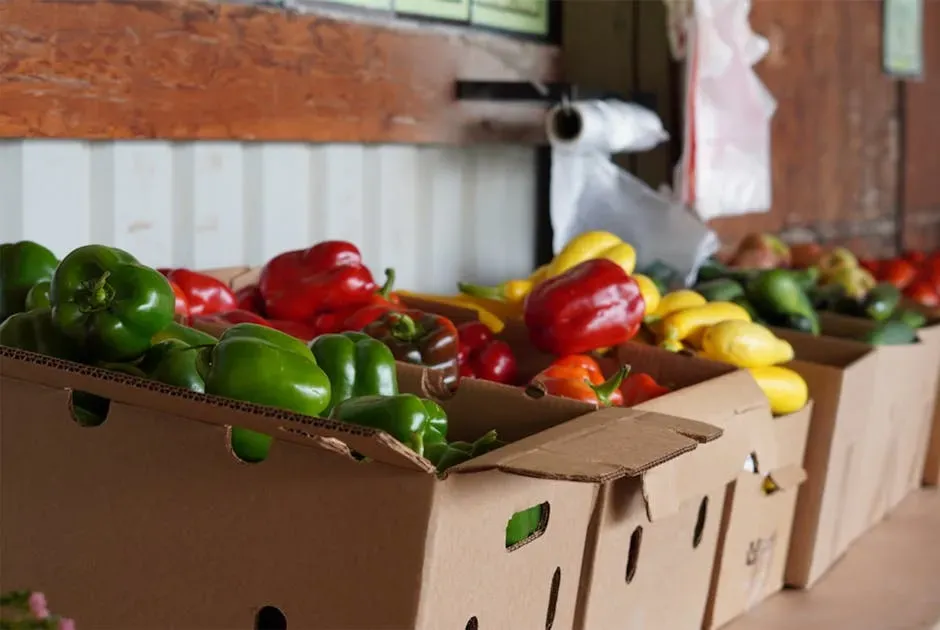
Not so long ago, "locally sourced" and "seasonal ingredients" were genuine promises backed by real relationships with nearby farms and producers. For many restaurants, those relationships have quietly dissolved under cost pressure, replaced by the same industrial distributors everyone else uses. The menu still mentions the farm by name. The farm just ships via a bulk warehouse now.
Diners increasingly prefer locally sourced, sustainable, and health-conscious menu options. That preference is strong and growing, which makes sourcing transparency not just an ethical issue but a business one. According to Mintel's data, about forty-one percent of consumers define value in health through natural ingredients, while another forty percent look for high-protein options. Diners are asking real questions about what's in their food, and vague or outdated sourcing claims quietly undermine the entire value proposition of dining out.
Rising concerns about health and well-being are pushing consumers away from overconsumption and processed foods. They want indulgence, but with quality seasonal ingredients, healthier artisanal cuisine, and above all, homemade. Restaurants that abandon genuine sourcing in favor of cheaper supply chains are swimming against one of the strongest tides in consumer sentiment right now.
Conclusion: The Slow Erosion No One Announces
None of these habits announce themselves. There's no press release when a restaurant switches to a cheaper protein supplier, no sign on the door when training budgets get slashed. The corner-cutting happens in the background, one small decision at a time, and the cumulative effect is a dining experience that leaves you feeling vaguely let down without being able to say exactly why.
The good news is that awareness changes things. For diners, knowing what to look for makes it easier to vote with your wallet and support the restaurants that genuinely invest in quality. The data is clear: nearly ninety percent of full-service restaurant customers want value options that don't sacrifice quality. That's not an unreasonable ask. It's actually the whole point of going out to eat.
The next time something feels slightly off at a restaurant you love, trust that instinct. It might be telling you something worth listening to. What would you have guessed was the most widespread habit? Tell us in the comments.



Leave a Reply