
Most people think snacking is the enemy of a slim waistline. Honestly, that belief has caused more harm than good. The real question isn't whether you snack - it's what you're snacking on, and when, and why. Get those answers right, and your mid-afternoon bite becomes an ally rather than a saboteur.
Recent studies have found that snacking represents as much as a quarter of our daily calories. That number alone should make you think carefully about what's going in your mouth between meals. The difference between shrinking your waistline and quietly expanding it often comes down to a handful of very specific food choices. Let's dive in.
Snack #1: Greek Yogurt With Berries - The Protein Powerhouse
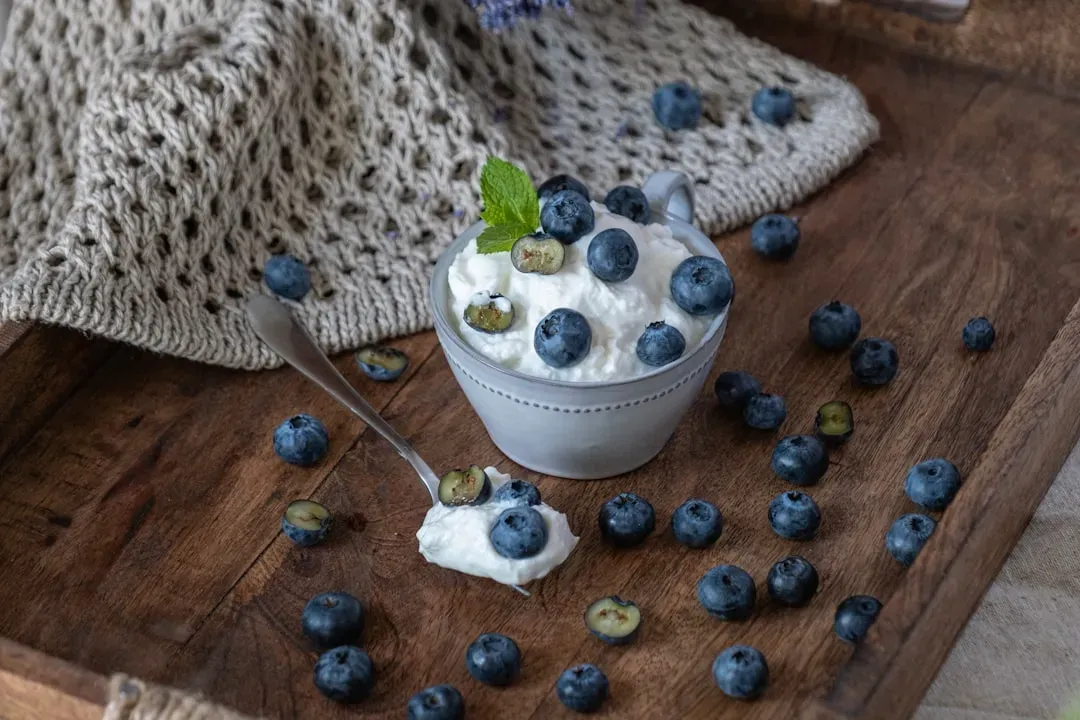
There's a reason Greek yogurt keeps showing up on every serious nutrition list. Low-fat Greek yogurt provides around 12 grams of high-quality protein per half cup - nearly double the protein of conventional yogurt. That protein hit is no small thing when you're trying to manage hunger through a long afternoon.
In one study, people who ate a Greek yogurt snack with 24 grams of protein felt fuller for longer and waited longer to eat their next meal compared to those who had lower-protein snacks. Pair it with a handful of blueberries or strawberries and you're adding fiber and antioxidants without a significant calorie cost.
Eating yogurt has been linked to lower body weight, BMI, waist size, and body fat in several studies, and a comprehensive review found that people who regularly eat yogurt tend to have lower body fat and smaller waistlines. Just make sure you go plain and unsweetened. Flavored varieties can sneak in surprising amounts of added sugar.
Snack #2: A Handful of Almonds - Small But Mighty
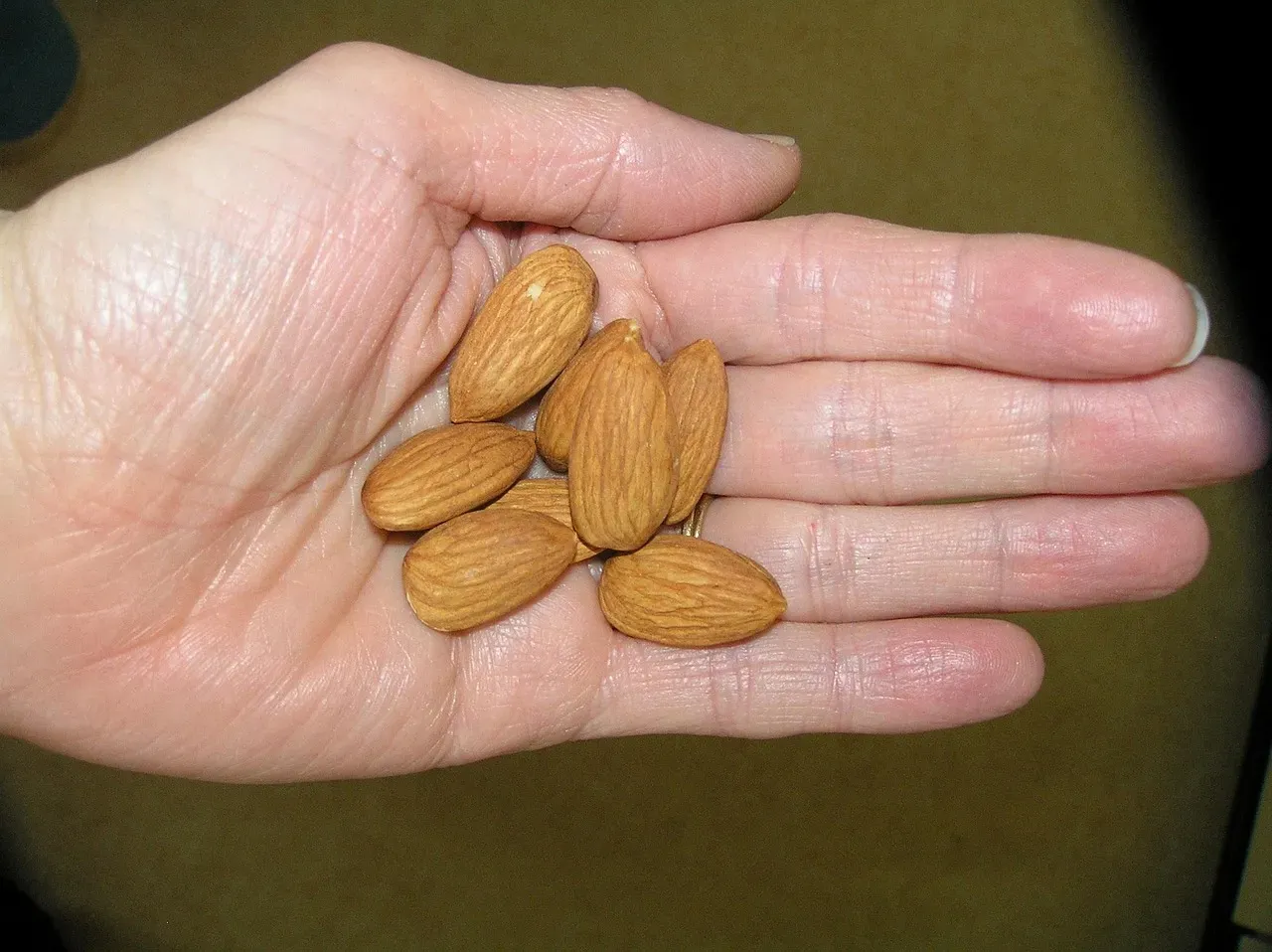
Nuts have this undeserved reputation as a "fattening" food. Let's clear that up. Research studies have shown that nuts don't generally contribute to increased calorie intake or weight gain when eaten in moderation, in part because you feel satisfied after eating them, and they've also been associated with a decreased risk of heart disease and overall mortality.
Packed with protein, fiber, and healthy fats, nuts and seeds are excellent choices for adults looking to shed pounds, and almonds in particular have been shown to boost satiety, meaning they help you feel full longer. Think of almonds as tiny appetite regulators - a small handful goes a long way.
Thirteen almonds provide a 100-calorie snack with 7.8 grams of healthy fats. That's a genuinely satisfying snack at a surprisingly modest caloric cost. The key, always, is portion control - nuts are calorie-dense, so a measured amount is far smarter than eating straight from the bag.
Snack #3: Apple Slices With Peanut Butter - The Classic Combo
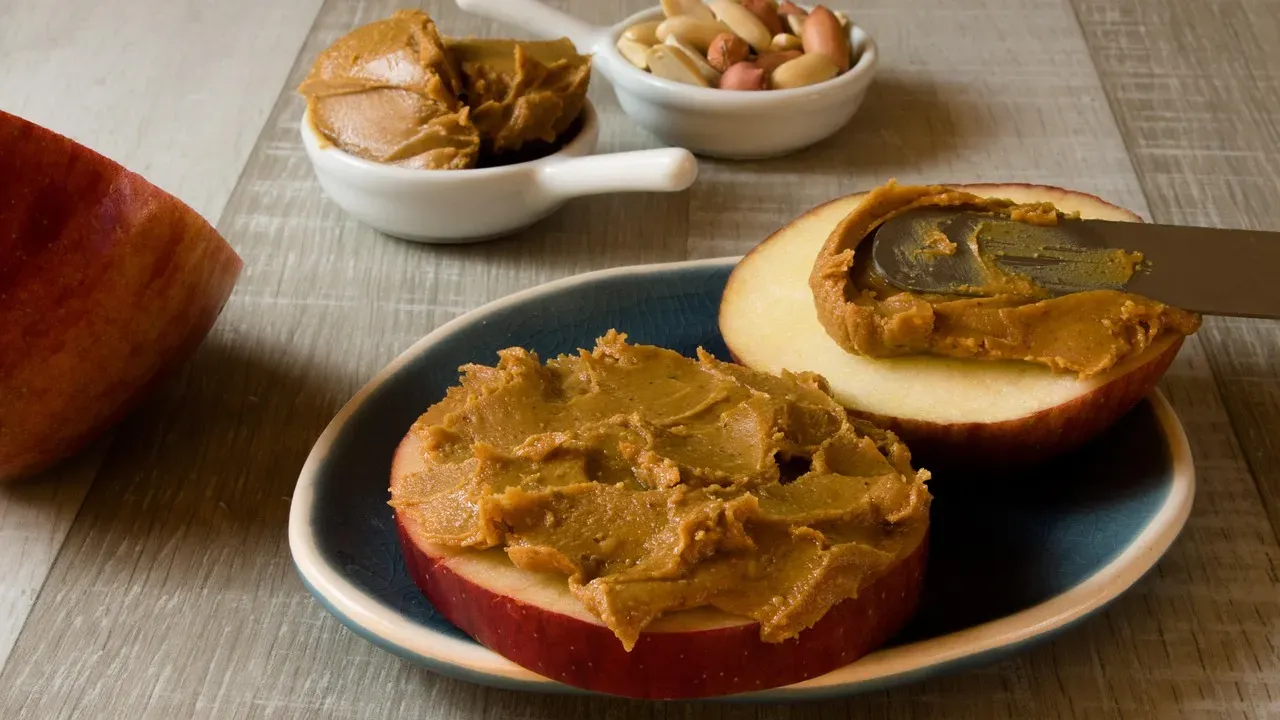
This one almost feels too simple to be effective. It isn't. Apples are a great source of fiber, and partnering them with natural peanut butter gives you a boost of good fats and protein. That combination of fiber plus protein is essentially the gold standard for a satisfying, weight-friendly snack.
A combination of fiber-rich apples and protein-packed peanut butter makes this a satisfying snack that keeps hunger at bay. It's also endlessly practical. You can prep it in under two minutes, throw it in a container, and eat it at your desk without anyone giving you a second glance.
The fiber in the apple slows digestion, while the fat and protein in the peanut butter signal fullness to your brain. Together, they work like a biological alarm system against overeating. Combine two tablespoons of almond butter with apple slices and you'll feel satisfied with 8 grams of fiber and 6 grams of plant-based protein.
Snack #4: Veggies With Hummus - The Unsung Hero
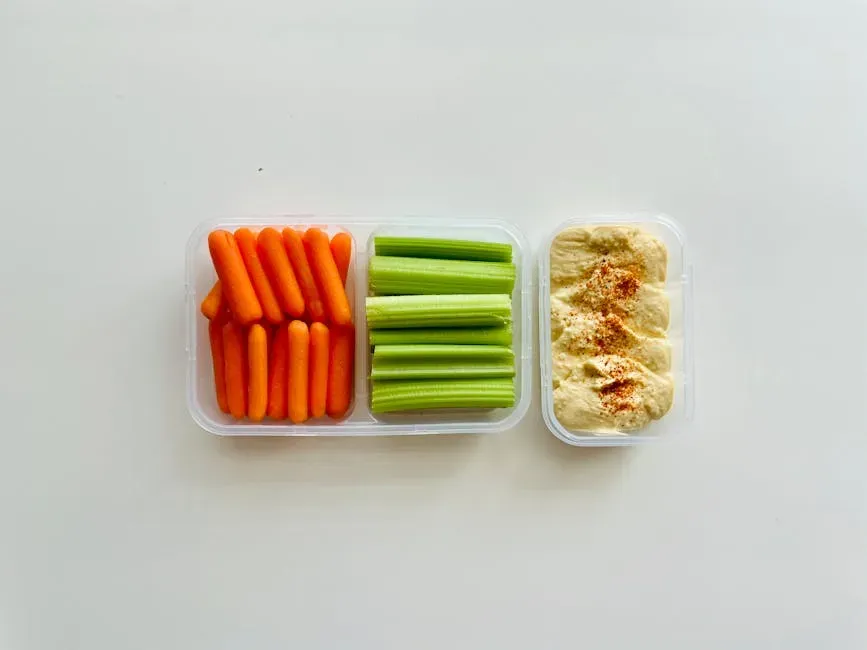
Carrots dipped in hummus might not sound exciting, but the nutritional profile is genuinely impressive. Rich in protein and fiber, hummus is an excellent dip for raw vegetables like carrots, cucumbers, and bell peppers, which are high in water and fiber, making them ideal snacks that keep you full without adding excess calories.
Two tablespoons of hummus, a good dip for a low-calorie vegetable snack, has just 50 calories and 2.8 grams of fat. Now pair that with a cup of crunchy raw carrots and you've built a snack that has real volume, real fiber, and barely any caloric weight. It's a pretty elegant trick, honestly.
Whether it's baby carrots or cucumber slices, your veggie choice will give you that crunch while being low in calories and full of essential nutrients, and hummus delivers a good mix of protein, fiber and healthy fats. This snack works particularly well if you're someone who genuinely craves something savory in the mid-afternoon lull.
Snack #5: Cottage Cheese With Fruit - The Comeback Kid

Cottage cheese has had a major cultural revival, and for once, the hype is well-deserved. It's low in calories and fat, and it's high in protein - about 12 to 14 grams per half cup of low-fat 2% cottage cheese. That protein density makes it one of the more efficient snacks for managing hunger without piling on calories.
One pear has 6 grams of fiber to help you feel full, and a half cup of cottage cheese offers 14 grams of protein - pair the two together and you've got a snack that's doing serious nutritional work. It's creamy, a little sweet, and genuinely filling. I think people underestimate how satisfying this combination actually is.
High-protein foods like eggs, Greek yogurt, and cottage cheese can boost your metabolism and promote fat loss. The beauty of cottage cheese specifically is that it's low in sugar compared to most dairy snacks and adapts well to both savory and sweet pairings. Top it with pineapple, berries, or even a sprinkle of cinnamon, and it never gets boring.
Snack #6: Air-Popped Popcorn - Whole Grain Satisfaction
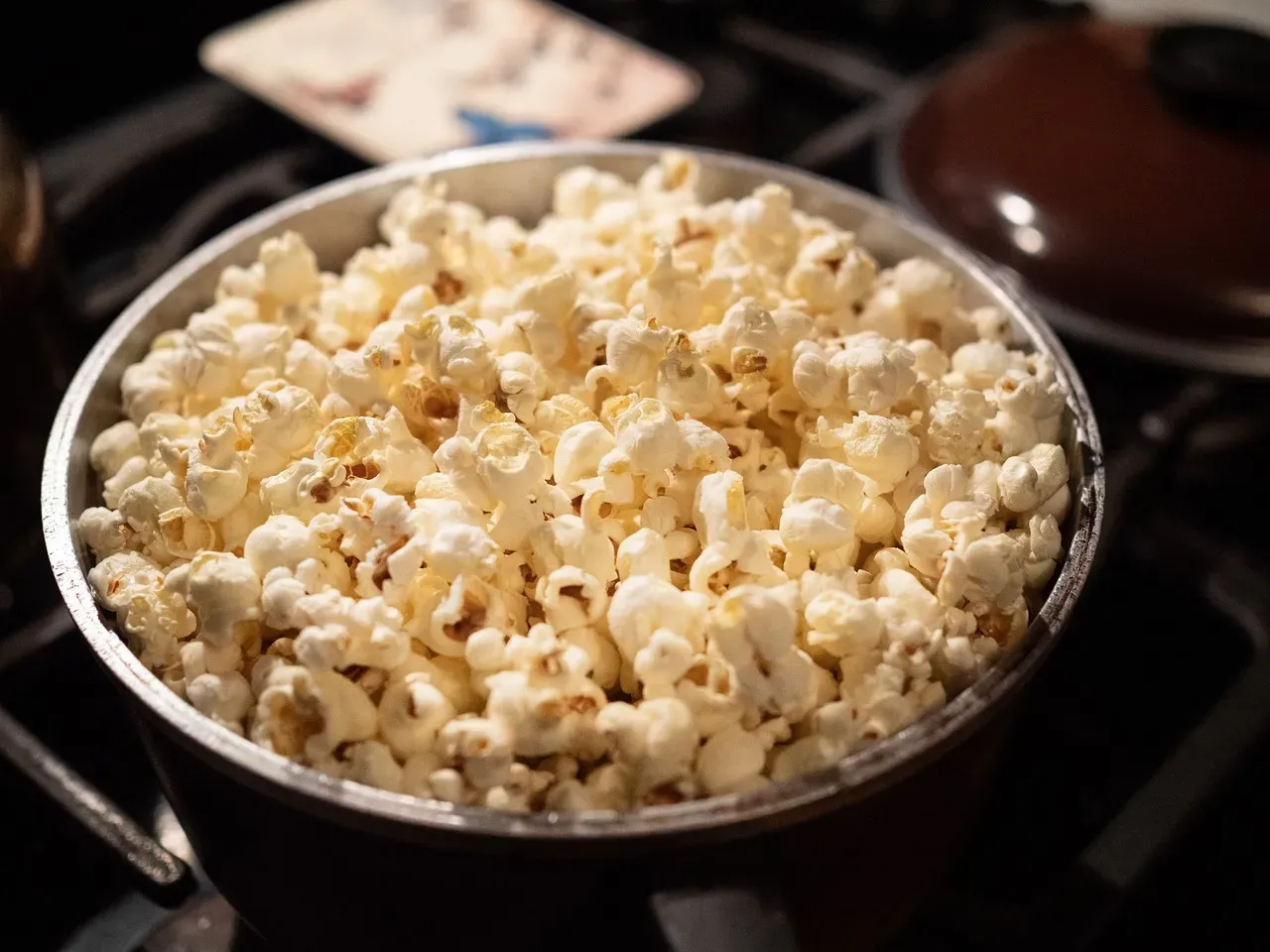
Here's the thing about popcorn: it gets lumped in with junk food because of what's done to it, not what it actually is. Popcorn is a whole grain that is a high-volume, low-calorie food when air-popped. The bad reputation belongs entirely to the butter-soaked, heavily salted movie theater version.
Two cups of air-popped popcorn has 62 calories and is a good source of nutrients such as magnesium and potassium. That's an extraordinarily low calorie count for the volume you're eating. In snacking terms, that's roughly the equivalent of getting a great deal on something you actually wanted.
Even a few cups of air-popped popcorn can feel more satisfying than many packaged snacks, especially if you love that crunchy texture, and light seasoning keeps the snack simple without changing how it digests. Try smoked paprika, nutritional yeast, or garlic powder for flavor that doesn't come with a caloric penalty. Research indicates that popcorn eaters report higher satiety and lower overall calorie intake.
Snack #7: Hard-Boiled Eggs - Portable Protein
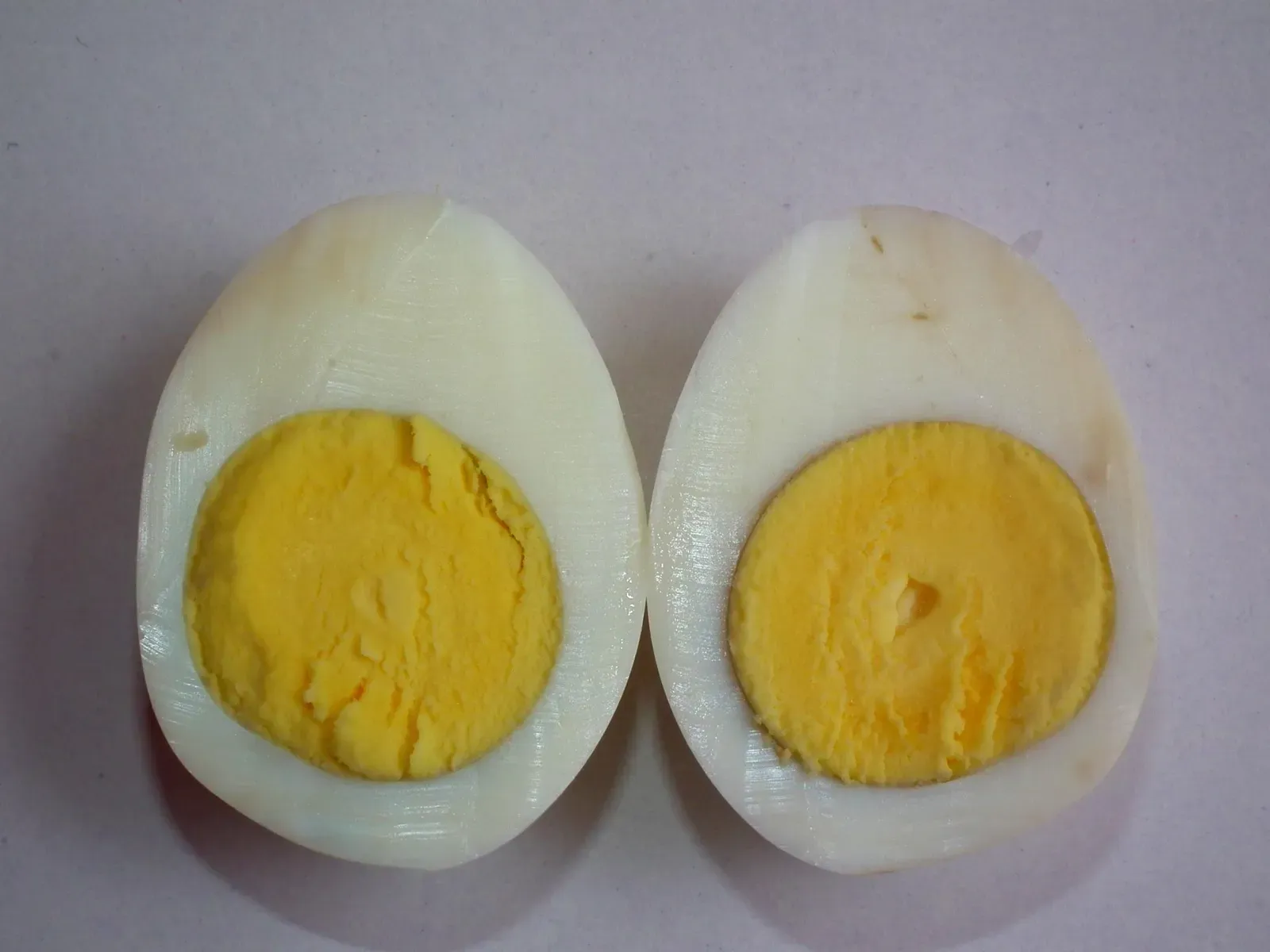
Hard-boiled eggs are one of those snacks that are almost criminally underrated. Eggs are among the best low-calorie snacks for weight loss due to their high protein content, helping you feel full for longer, and can be prepared in advance for a quick snack. Prep a batch on Sunday and you're stocked for the entire week.
Research on fullness consistently points to two nutrients that matter most - protein and dietary fiber. Protein takes longer to digest and supports satiety signals, fiber adds volume and slows how quickly food moves through the digestive system, and snacks that include one or both tend to keep hunger quieter than snacks made mostly of refined carbohydrates.
A single egg contains about 6 grams of protein for roughly 70 to 80 calories - that's a pretty lean deal. Pair two eggs with a piece of fruit and you've assembled a snack that hits protein, fiber, and natural sweetness without venturing anywhere near the 200-calorie danger zone. Hard-boiled eggs are the meal-prep champion of weight-conscious snacking.
Snack to Avoid #1: Potato Chips - The Worst Offender
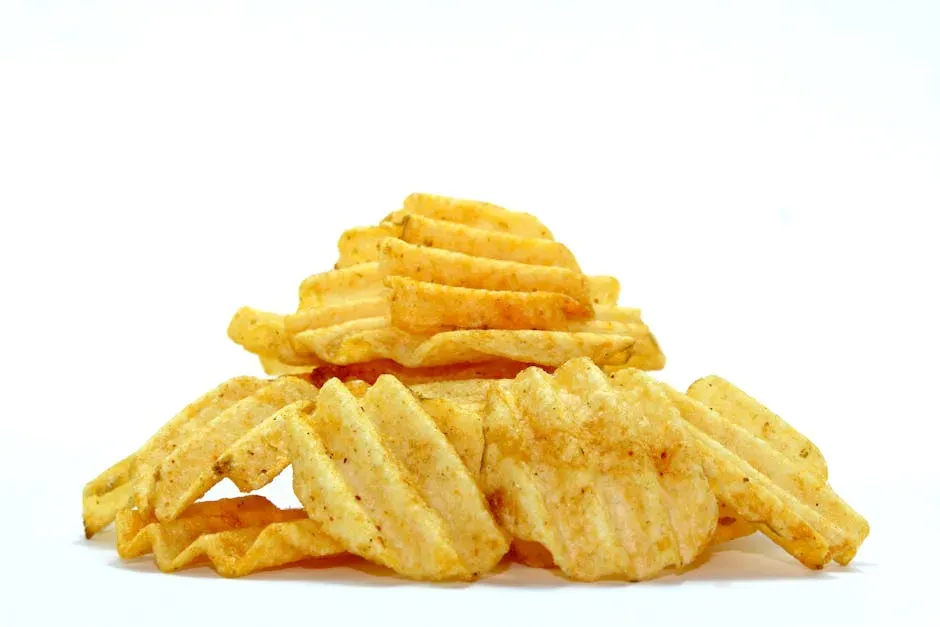
Potato chips might be the single most damaging snack you can reach for habitually. The research here is striking. Based on increased daily servings of individual dietary components, 4-year weight change was most strongly associated with the intake of potato chips, at 1.69 pounds of gain per four-year period. That landmark finding came from the New England Journal of Medicine, tracking over 120,000 participants.
Potato chips are high in fat, refined carbs, and salt, and observational studies have associated them with weight gain. The real trap is the combination of those ingredients - salt drives you to eat more, fat raises the calorie density, and refined carbs offer no meaningful satiety signal to your brain.
Potato chips, with their high calorie density and low satiety index, can lead to overconsumption without providing much nutritional value. It sounds harsh, but that's exactly what the evidence says. Think of chips not as a snack but as a slow, crispy mechanism for consuming calories you won't even notice or remember eating.
Snack to Avoid #2: Sugary Drinks Masquerading as Snacks

Sugary drinks - sodas, sweetened juices, energy drinks - are technically liquid calories, but nutritionally they behave like the worst possible snack. Soda is high in calories and added sugar yet lacks important nutrients, and research shows that people who regularly drink sugary soda are much more likely to gain weight than those who don't.
Ultra-processed foods and high-sugar snacks can cause rapid spikes and crashes in blood sugar, undermining fat loss efforts. With a liquid sugar hit, your blood glucose shoots up fast and then drops hard, leaving you hungrier than you were before you drank anything. It's a cycle that works directly against weight loss.
Sugar-sweetened beverages were associated with a full pound of weight gain over a four-year period in the same large-scale Harvard-linked study that identified potato chips as the top offender. The really frustrating part? Liquid calories don't register the same way solid food does. Your brain simply doesn't clock them as fullness, which means you eat just as much at your next meal anyway.
Snack to Avoid #3: Ultra-Processed Packaged Snacks
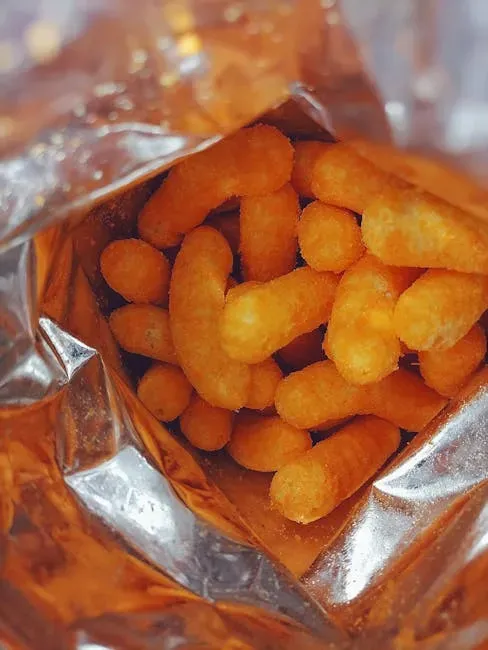
This category is broad but critically important. Granola bars that are essentially candy, flavored rice cakes loaded with additives, sugary "protein" bars, and snack cakes all fall here. Regular intake of ultra-processed hyperpalatable snacks that contain added salt, sugar, and fats but are low in nutrients and high in calories can increase a preference for these types of foods, leading to a change in eating behaviors and diet quality.
On an ultra-processed diet, people ate about 500 calories more per day than they did on a minimally processed diet, according to a controlled NIH clinical trial published in Cell Metabolism. That's a staggering difference - nearly half a day's extra calories, consumed almost unconsciously. And the reason, researchers suspect, is that ultra-processed foods are engineered to bypass your natural fullness signals.
A 2024 review of 45 previous studies with nearly 10 million participants found strong evidence that a diet high in ultra-processed foods increases the risk of obesity by 55%. The packaging may say "light," "natural," or "baked," but the ingredient list tells a different story. Portion distortion is another challenge, as marketing tactics and "health halo" labeling often mislead consumers into eating more than intended. Read every label. Trust the ingredients, not the front of the packet.
Conclusion: It's Not About Willpower, It's About What You Choose
The gap between a snack that helps you lose weight and one that quietly packs on pounds isn't always obvious at first glance. Studies that used nutrient-dense snack foods were associated with weight loss or weight maintenance, whereas those that used energy-dense snack foods were associated with weight gain. The research is genuinely clear on this point.
Research further suggests that eating frequently throughout the day reduces overeating later in the day, as opposed to skimping on calories throughout the day, which too often leads to overeating later. The goal isn't to stop snacking - it's to snack smarter. A few deliberate swaps could make a measurable difference over months and years.
Reaching for a handful of almonds instead of a bag of chips, or plain Greek yogurt instead of a flavored, sugar-loaded variety, sounds deceptively small. Over time, though, those small choices compound into real outcomes. What would you swap first?



Leave a Reply