
Most people don't realize how dramatically food choices shape three of the body's most essential systems at the same time: cholesterol levels, body weight, and immune defense. We tend to think of these as separate battles, each fought with different tools. But the science increasingly shows they are deeply connected, and certain foods influence all three at once.
Cardiovascular disease remains the leading cause of death worldwide, with elevated LDL cholesterol as a major risk factor. Beyond medications, dietary interventions and functional foods offer significant cholesterol-lowering potential. The good news? Some of the most powerful tools are already sitting in supermarkets. You just need to know which ones actually have the research behind them. Let's dive in.
1. Oats: The Beta-Glucan Powerhouse
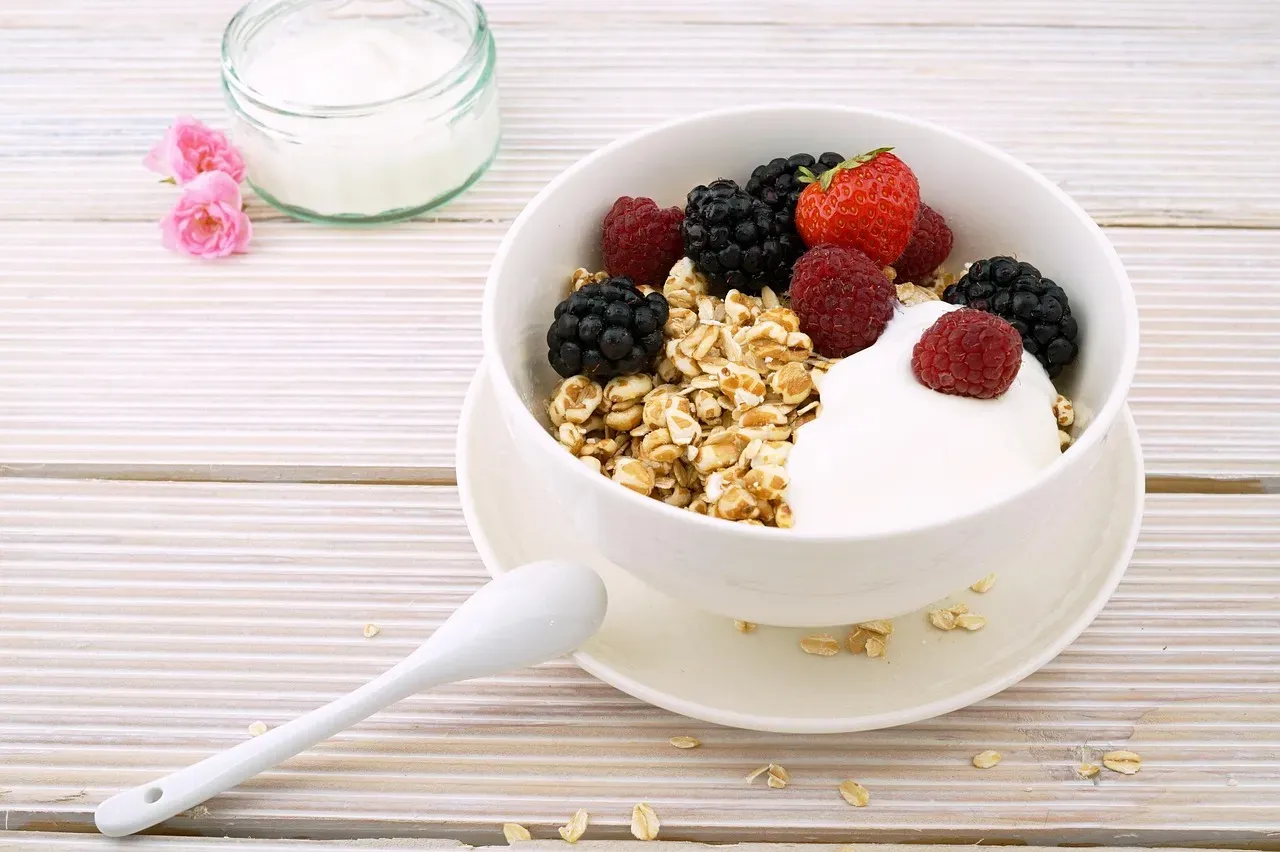
Oats are honestly one of the most well-studied foods on this entire list, and the evidence is hard to argue with. The significant clinical evidence for the cholesterol-lowering effects of beta-glucan has led health authorities in the US, Europe, and elsewhere to permit health claims attributing a lowering of cardiovascular disease risk to consumption of specific amounts, generally 3 grams per day, of beta-glucan.
Oat beta-glucan in doses of at least 3 grams per day reduced LDL and total cholesterol relative to control by 0.25 mmol/L and 0.30 mmol/L respectively, with statistical significance. That might sound modest on paper, but think of it like slowly sanding down a rough edge over time. Consistent, measurable, and real.
The mechanisms by which beta-glucan may lower cholesterol levels are thought to be linked to its ability to prevent re-circulation or enhance excretion of bile acids, effects related to its gel-forming properties. Since bile acids are a major repository of cholesterol in the body, this leads to an overall reduction in cholesterol from the system. On top of cholesterol control, oats' high fiber content helps regulate appetite, making them a smart choice for weight management too.
Clinical trials into the effects of beta-glucan on the immune system have demonstrated that beta-glucans not only affect the immune system but may also reduce cholesterol levels. Few breakfast foods can boast that kind of triple action.
2. Avocado: The Misunderstood Fat Fighter
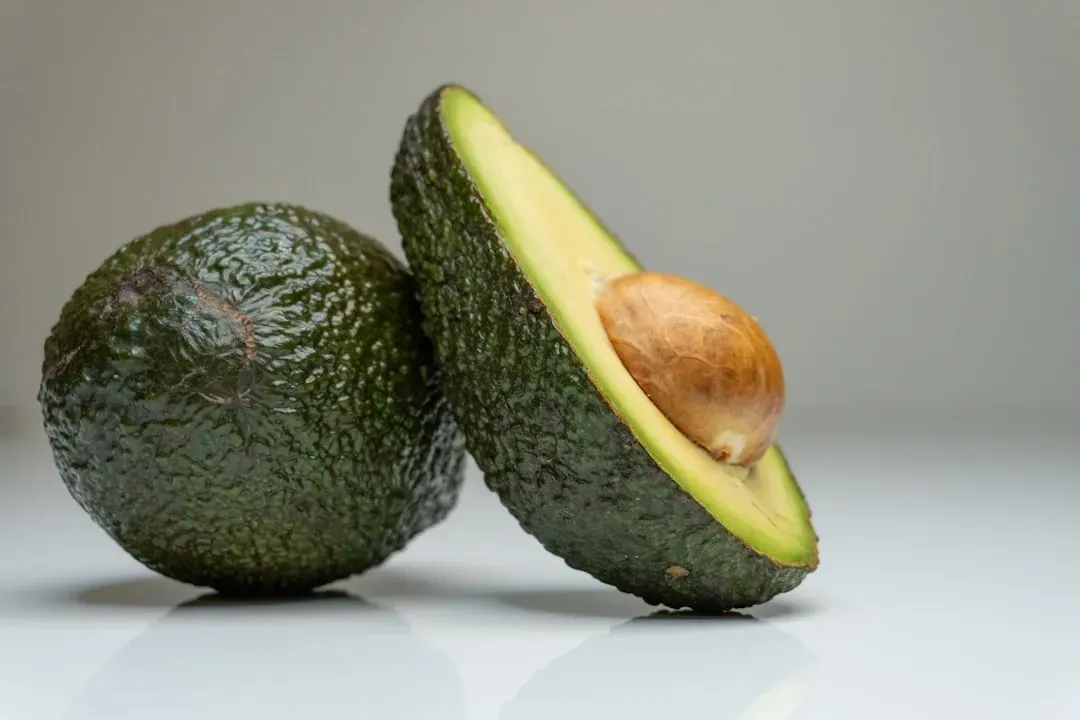
For years, people avoided avocados because of their fat content. Turns out, that was exactly backwards. Avocados are sources of monounsaturated fatty acids, vitamins, minerals, fiber, phytosterols, and polyphenols. That combination is practically a blueprint for heart and metabolic health.
A meta-analysis of randomized controlled trials showed a significant reduction in total cholesterol and LDL cholesterol in avocado groups versus controls. A nonlinear dose-response analysis found an inverse association between higher avocado intake above 250 grams per day and LDL-C levels, as well as between longer consumption beyond 23 weeks and total cholesterol reduction.
Half an avocado provides up to about a fifth of the daily recommended fiber, about a tenth of potassium, as well as notable amounts of magnesium and folate, plus healthy monounsaturated and polyunsaturated fatty acids. That nutrient density is remarkable for a single half-serving of any food.
Avocados are a popular superfood due to their potential health benefits and versatility. They provide a good dose of healthy fats and folate. Avocados also contain generous doses of antioxidants, which help the body's immune system naturally respond to damage caused by oxidative stress.
3. Blueberries: Small Berries, Big Immune Impact
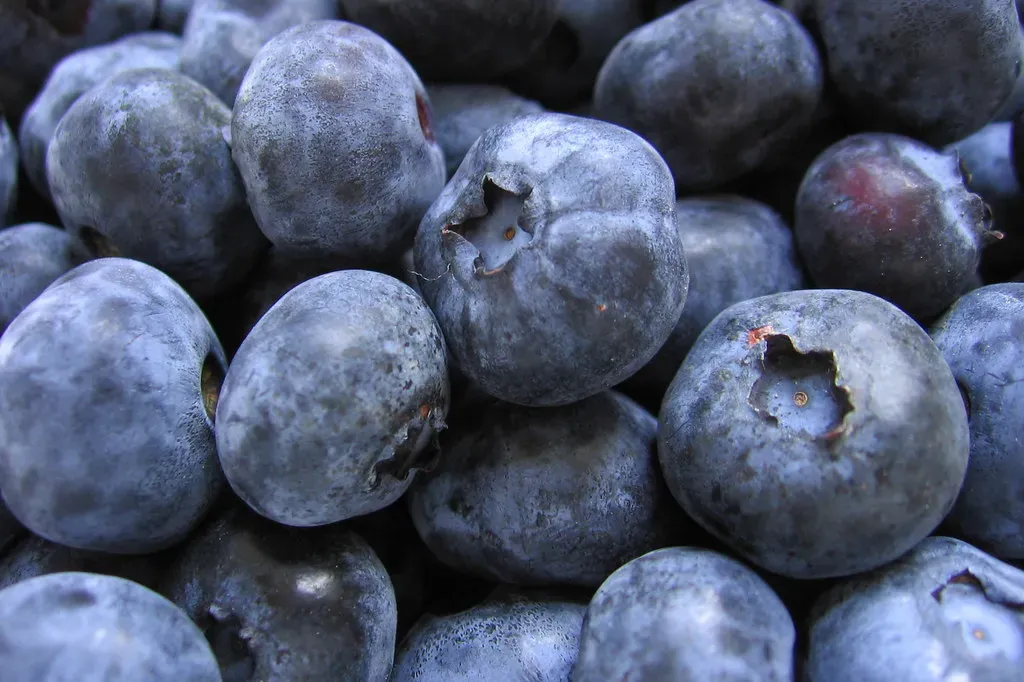
I'll be honest, blueberries are one of those foods that almost seem too good to be true. Small, sweet, and available year-round frozen. Yet the data behind them is genuinely impressive. Packed with anthocyanins, vitamin C, and fiber, blueberries continue to top the charts in 2025. Studies from Harvard School of Public Health suggest regular blueberry consumption supports brain health, reduces inflammation, and helps maintain health markers.
The antioxidants in blueberries help fight free radicals, assisting the body in preventing cell damage and oxidative stress. This is the foundation of how they support immune function. Think of antioxidants as tiny repair crews running through your cells, patching damage before it spirals into disease.
Blueberries also contain soluble fiber, which, like oats, contributes to cholesterol management. Their low caloric density makes them one of the smartest foods to add volume and nutrition to a meal without adding excess energy. For weight balance, that combination is hard to beat.
Kaempferol, a flavonoid abundant in berries among other plants, was found in a Tokyo University of Science study to act as a microbiological antagonist in the gut that ultimately boosts the number of regulatory T cells, which suppress the body's allergic and inflammatory response. Berries work for immunity on multiple fronts simultaneously.
4. Walnuts: Brain Food That Also Lowers Bad Cholesterol
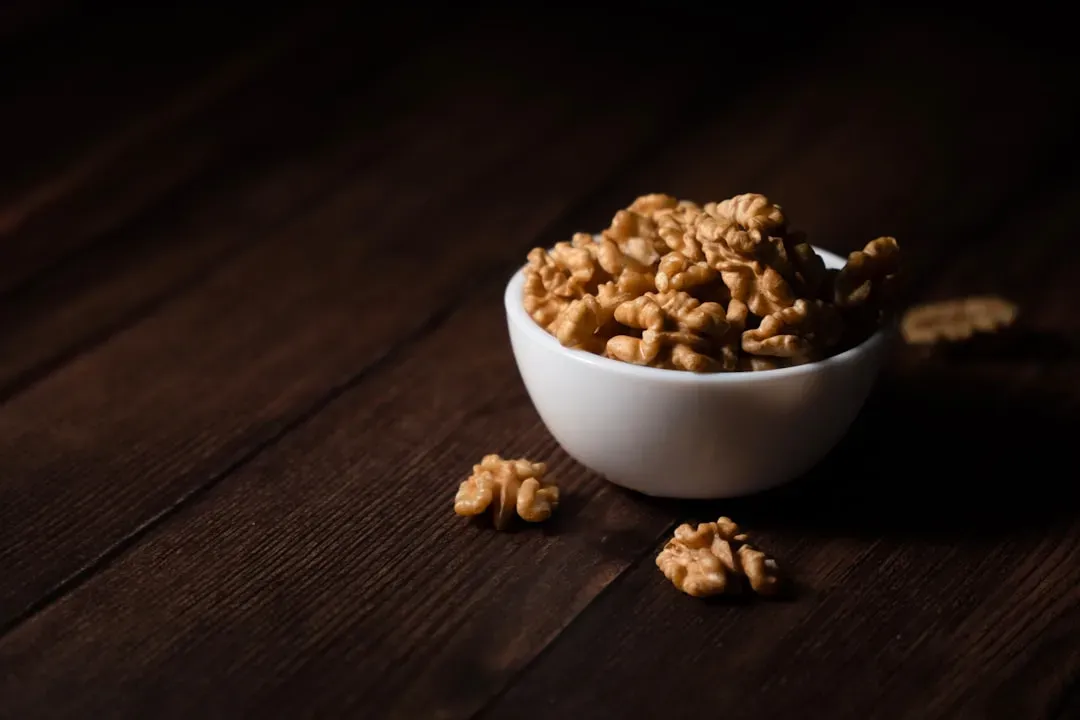
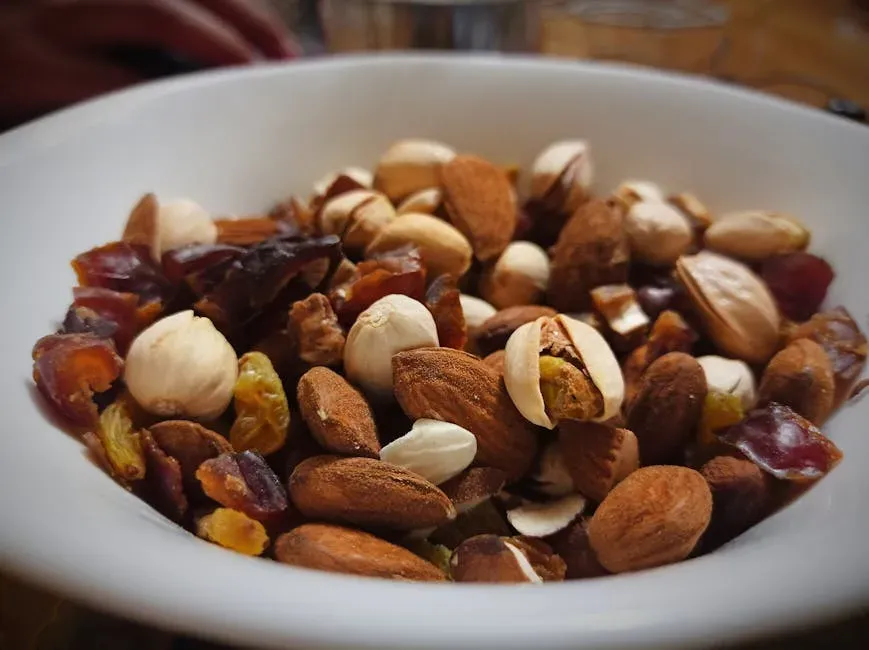
Walnuts are the one nut that deserves a category of its own. All nuts including almonds, cashews, hazelnuts, pecans, pistachios, and walnuts are included in evidence-based dietary portfolios for heart health. So are all sorts of seeds such as chia, flax, hemp, pumpkin, sunflower, and sesame. Still, walnuts stand out because of their particularly high omega-3 fatty acid content.
Walnuts are a good source of protein, which supports daily energy levels and muscle maintenance. These tree nuts contain vitamin E and may promote the growth of healthy gut bacteria. They are also rich in protein and healthy fats like omega-3 fatty acids that play a role in healthy nutrition and overall immune support.
The Portfolio Diet, a scientifically validated, plant-based dietary approach, integrates soluble fiber, plant sterols, soy protein, and nuts to significantly reduce LDL cholesterol and improve cardiometabolic health. Walnuts are one of its key pillars. A handful a day is genuinely enough to make a measurable difference.
For weight balance, walnuts offer something surprising. Despite being calorie-dense, studies consistently show that regular nut consumers tend to weigh less than non-consumers. The satiety effect of the protein, fat, and fiber combination keeps hunger at bay far longer than processed snacks ever could.
5. Chia Seeds: Tiny Seeds With Triple-Threat Benefits
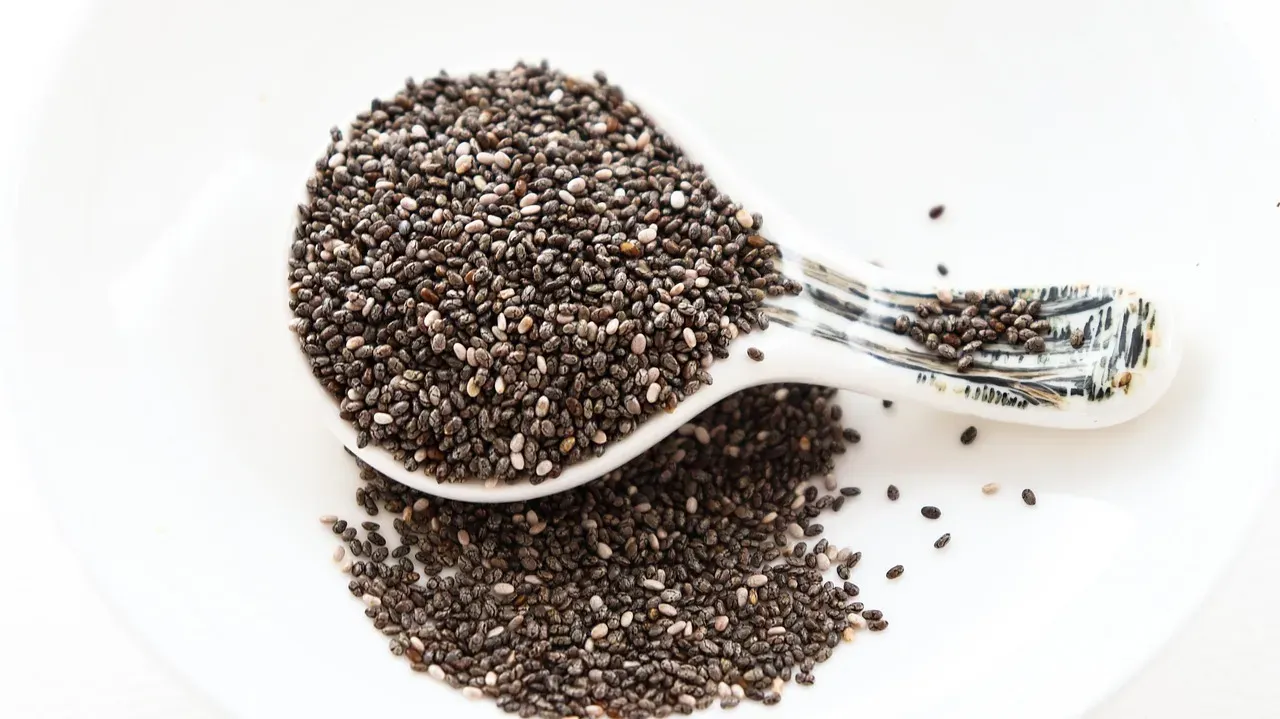
Chia seeds are composed of functional components including fiber, polyphenols, antioxidants, omega-3 fatty acids, vitamins, minerals, and peptides. They are also a good source of vegetable protein, unsaturated fat, carbohydrates, and ash. Chia seed components are helpful in cardiovascular disease by reducing blood pressure, platelet aggregation, cholesterol, and oxidation.
A 2025 meta-analysis involving approximately 2,500 participants found that chia supplementation resulted in significant reductions in diastolic blood pressure, systolic blood pressure, total cholesterol, LDL-C, triglycerides, waist circumference, and C-reactive protein. That last one, C-reactive protein, is a key marker of systemic inflammation and immune dysregulation.
Chia seeds have a high concentration of dietary fiber and increased concentrations of anti-inflammatory and antioxidant compounds. They are used for weight loss plus enhancing blood glucose and lipid profile. It's worth noting that some meta-analyses show more modest lipid effects in otherwise healthy individuals, with stronger results seen in those with obesity or type 2 diabetes.
Chia seeds are a nutrient-rich food with active ingredients that are beneficial to human health. Antioxidants are beneficial in combating oxidative stress and lessening the regularity and severity of inflammatory reactions. Additionally, chia seeds boost both immune response and resistance.
6. Fatty Fish: Omega-3s That Protect at Every Level
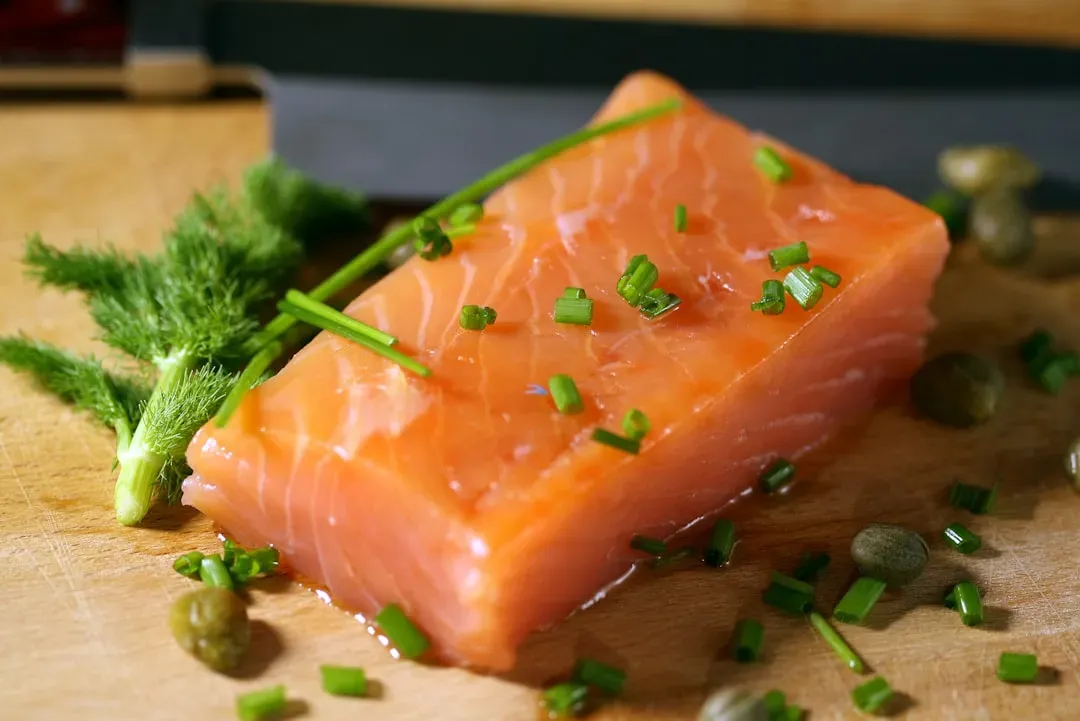
Salmon, mackerel, sardines, and herring are not just good protein sources. They are among the most potent dietary tools available for cardiovascular and immune health. Wild salmon is an excellent source of zinc and vitamin D, which contributes to the body's respiratory function and immune response. This essential vitamin supports both innate and adaptive immunity, while also working to maintain homeostasis throughout the body during illnesses and inflammation. Fatty fish is also filled with omega-3 fatty acids, a compound known to help maintain overall health and support the immune system.
Here's the thing about omega-3s: they don't just lower triglycerides. They actually shift the body's inflammatory balance at a cellular level. Researchers studying over 1,000 children found that omega-3 fatty acids may help protect against myopia, while saturated fats may increase risk. Children with more omega-3 in their diet had healthier outcomes. That range of benefit, from eyes to arteries, says a lot about how foundational these fats are.
For weight balance, fatty fish offers an impressive protein-to-calorie ratio. High-quality protein increases satiety, preserves muscle during calorie restriction, and supports a healthy metabolic rate. Aiming for at least two servings of fatty fish per week is a recommendation shared by the American Heart Association and echoed by most current dietary guidelines.
7. Almonds: The Cholesterol-Lowering Snack With Proof
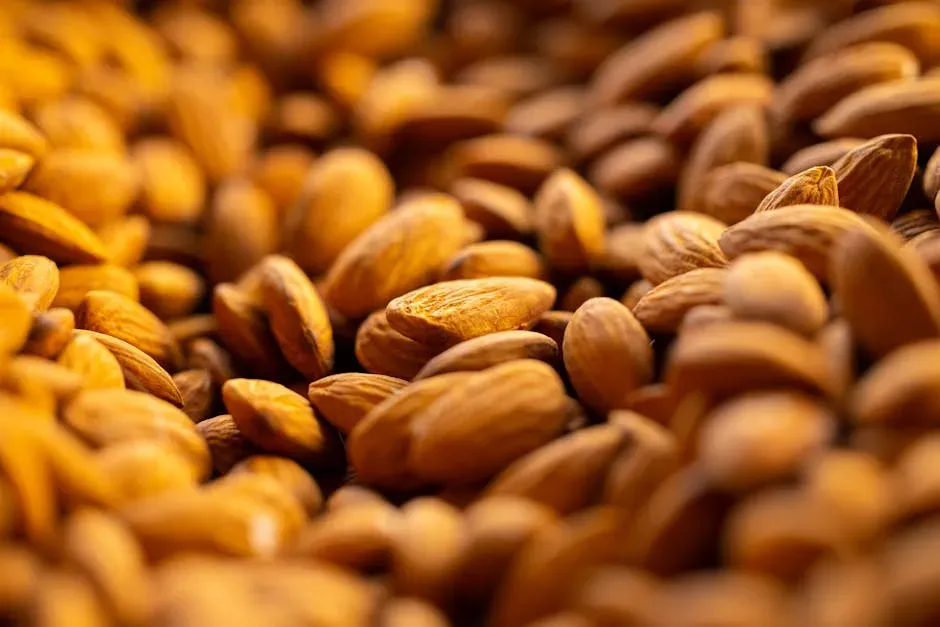
Almonds are one of the most researched nuts in the world, and their popularity is only growing. High in vitamin E, protein, and magnesium, a study published in Nutrition Reviews linked daily almond consumption to improved heart health and better cholesterol levels. That's not wellness marketing. That's a peer-reviewed meta-analysis.
The vitamin E in almonds plays a specific role in preventing the oxidation of LDL cholesterol. Oxidized LDL is the form that actually damages arterial walls. So almonds aren't just lowering cholesterol, they're also reducing the harm that remaining cholesterol can do. Think of it as a two-stage defense.
In the intestines, viscous fiber binds to bile acids, which carry fats from the small intestine into the large intestine for excretion. This triggers the liver to create more bile acids, a process that requires cholesterol. If the liver doesn't have enough cholesterol, it draws more from the bloodstream, in turn lowering circulating LDL. Almonds contain this type of fiber, making them part of this same natural mechanism.
A small handful of raw almonds, roughly about 23 to 28 grams per day, has repeatedly appeared in clinical research as the effective dose. Honestly, that's one of the most accessible therapeutic doses in nutritional science.
8. Turmeric: Ancient Spice, Modern Immune Science
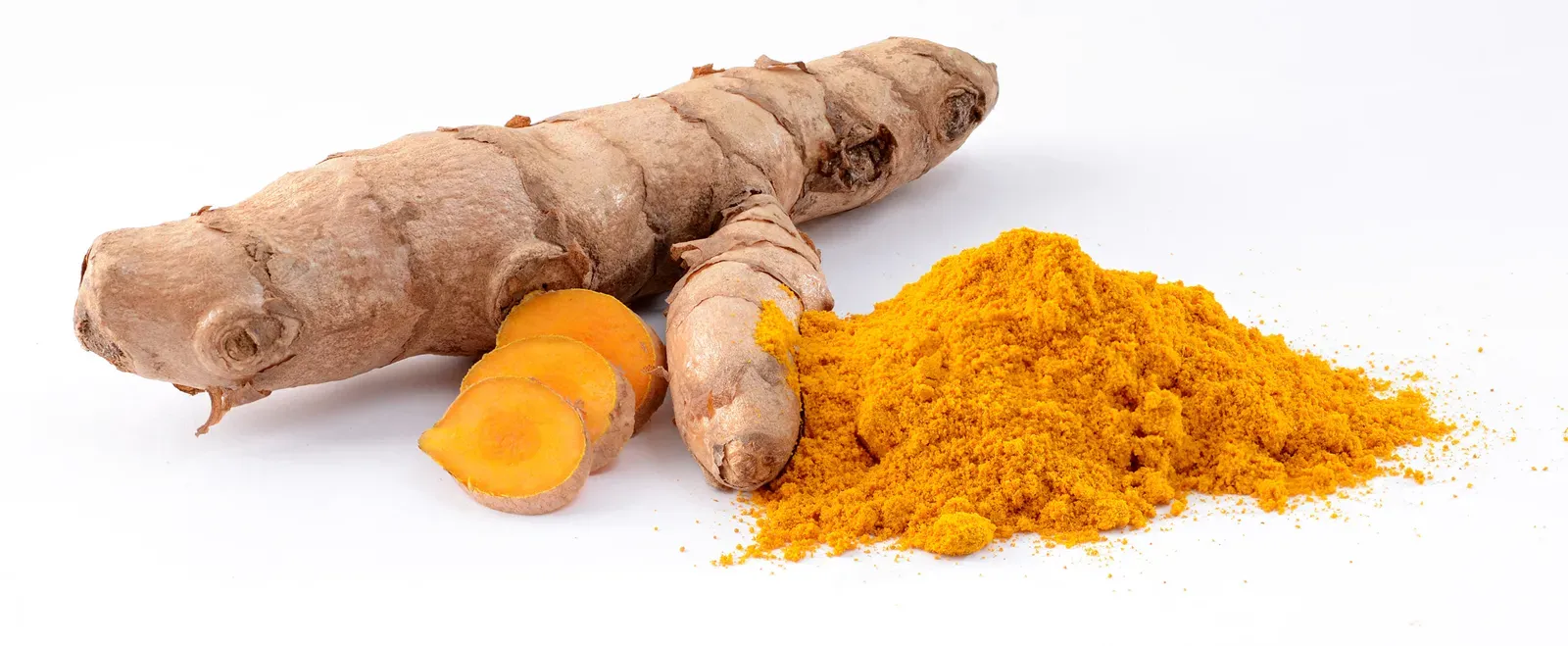
Turmeric has been used in Ayurvedic and traditional Chinese medicine for centuries. Science is finally catching up with what those traditions always knew. Turmeric has become more mainstream, especially in wellness drinks. Its power ingredient is curcumin, known for its anti-inflammatory properties. Research from Johns Hopkins Medicine notes turmeric's potential in supporting joint health and reducing inflammation-related conditions.
Curcumin's mechanism of action is fascinating. It directly inhibits several molecular pathways that drive chronic inflammation. This makes it relevant not just for joint pain but also for metabolic inflammation, which is the low-grade, persistent inflammation that underlies obesity, elevated cholesterol, and immune dysfunction all at once.
Key functional components in cholesterol management include polyphenols such as those found in garlic and other plant sources, highlighting their mechanisms of action and typical LDL-C reductions observed in clinical studies. Curcumin falls within this polyphenol category and is increasingly included in cholesterol-lowering research protocols.
One practical note. Curcumin is poorly absorbed on its own. Combining turmeric with black pepper, which contains piperine, dramatically improves absorption, by nearly twenty times according to some estimates. This is the kind of small detail that makes the difference between using a spice and actually getting the benefit from it.
9. Legumes: The Underrated Heavy Hitters
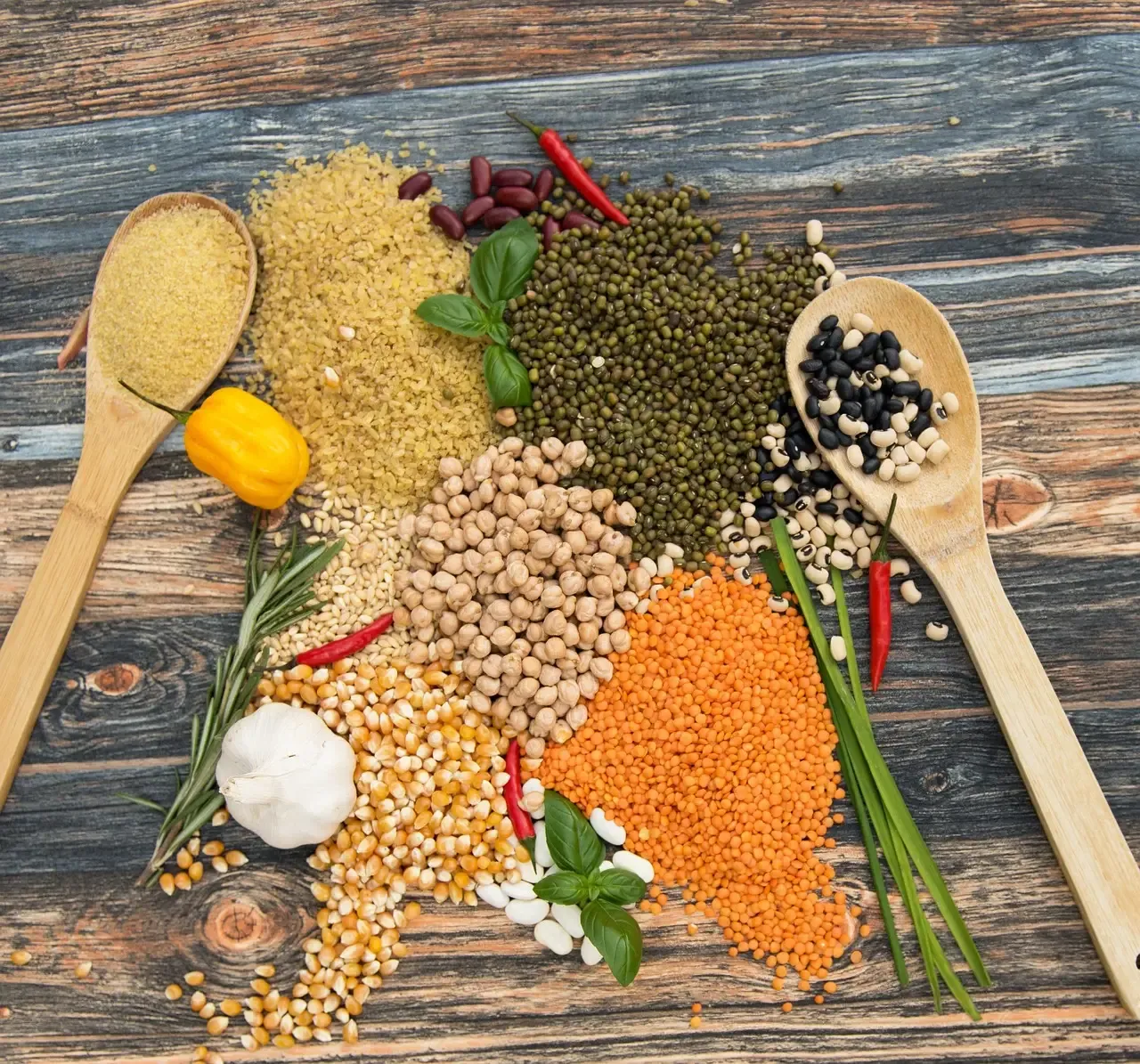
Beans, lentils, and chickpeas rarely get the spotlight they deserve. They're inexpensive, filling, and backed by a mountain of research. Plant protein from legumes, including beans, lentils, peas, and particularly soybeans, is central to evidence-based dietary patterns. In 1999, the FDA authorized a health claim for soy protein, noting that consuming at least 25 grams daily as part of a diet low in cholesterol and saturated fat may lower the risk of heart disease.
Plant sterols, also known as phytosterols, exist naturally in nuts, soybeans, peas, and canola oil. Plant sterols have a structure similar to cholesterol, and eating them helps limit the amount of cholesterol the body can absorb. Legumes are one of the richest dietary sources of these natural blockers.
Beans are an excellent vegetarian source of protein and offer a good amount of fiber. Studies show that beans may play a role in managing illnesses, although more research is needed. Beans also provide other essential nutrients like potassium and magnesium, the latter of which supports the body's inflammation responses.
For weight control, legumes are among the most satisfying foods per calorie available. A bowl of lentil soup keeps hunger away for hours. Swap them in regularly for processed carbohydrates or red meat, and the combined effect on cholesterol, weight, and immune health becomes surprisingly significant over weeks and months.
10. Green Tea: The Antioxidant Drink That Earns Its Reputation

Green tea is one of the few beverages with a legitimate scientific case for health benefits. Green tea is rich in catechin antioxidants, which can help maintain the body's immune response and protect against cell damage. Catechins are also found in black tea, coffee, berries, and grapes. Green tea can also play a role in helping inflammation thanks to being a source of polyphenols, which in turn may support the immune system. Polyphenols are naturally occurring antioxidants that help neutralize free radicals while also offering gut support.
According to a 2024 report from the International Food Information Council, more than roughly seven in ten U.S. consumers actively look for functional foods that support long-term health. Green tea sits at the very top of that functional food category, precisely because of its catechin and EGCG content.
Research links green tea consumption to modest but consistent reductions in LDL cholesterol and body weight over time. The EGCG compound in particular appears to modestly increase fat oxidation and thermogenesis, making green tea a genuinely useful, if not dramatic, tool for weight balance when consumed regularly as part of a healthy diet.
Two to three cups per day seems to be the range where benefits in the research literature become measurable. It's a gentle intervention, nothing like a drug, but added to everything else on this list, it contributes to a cumulative effect that over months and years can be genuinely meaningful.
Conclusion: The Sum Is Greater Than the Parts
What stands out across all ten of these foods is not that any single one is a cure. None of them are. What makes them extraordinary is that they address cholesterol, weight, and immunity through overlapping and complementary pathways simultaneously. It's been another strong year for new research into the health benefits of natural foods, some of which have been used in traditional medicine for centuries. Be it weight loss, cell repair, inflammation, or heart health, these so-called superfoods may not be miracle cures, but evidence suggests certain ones are more than just wellness hype.
The real power lies in combining them. Oats and avocado for breakfast, legumes and fatty fish for lunch, almonds and blueberries as a snack, a turmeric-spiced dinner, and green tea through the day. That's not a restrictive diet. That's just intelligent, evidence-backed eating. Beyond medications, dietary interventions and functional foods offer significant cholesterol-lowering potential.
Which of these foods do you already eat regularly, and which ones surprised you? Start small, pick two or three from this list, and build from there. Your future self will notice the difference.



Leave a Reply