
It started as one of those low-stakes personal experiments - no dramatic resolution, no social media challenge attached to it. I just stopped buying soda for a month and paid close attention to what happened next. What I found surprised me in a few ways. Some changes were fast and obvious. Others crept up quietly, building over three or four weeks until I couldn't ignore them anymore. Here's what actually shifted, backed by real research.
The First Few Days Were Harder Than Expected

Stopping soda suddenly can bring noticeable side effects. Caffeine withdrawal is common and may cause fatigue, headaches, irritability, dizziness, and nausea. That's exactly what happened around day two. The headaches were dull but persistent, and my energy dipped noticeably in the afternoon. It wasn't unbearable, but it was real - and it caught me off guard because I hadn't thought of my soda habit as a dependency.
If you've been a habitual drinker of regular or diet soda for years, you probably can't quit cold turkey without a headache or two. The reason is that most sodas, with the exception of Sprite and Ginger Ale, contain a significant amount of caffeine - and headaches occur in up to half of people who abruptly cut out caffeinated beverages. Knowing that helped me stay the course. These symptoms typically only occur in the first few days to one week of cutting back on caffeine and are temporary. By day eight, the headaches had fully cleared.
My Energy Levels Actually Stabilized

Fizzy drinks give you a quick burst of energy, but that doesn't last long. Once the sugar rush wears off, you feel even more tired than before. This is because sugary drinks cause your blood sugar to spike and then crash. I had been living inside that cycle for years without fully registering it. The afternoon slump I blamed on work or poor sleep? A lot of it was the can of soda I'd been drinking at lunch.
By ditching fizzy drinks, energy levels become more stable throughout the day. Instead of feeling exhausted by mid-afternoon, you can have steady, natural energy to keep up with daily demands. Around week two, this became unmistakably clear. As one nutrition expert notes, "I find that when people cut back on caffeine they have more energy because the caffeine causes very big highs and lows." The steadiness that replaced the sugar-driven rollercoaster felt almost strange at first - but good strange.
Something Shifted With My Teeth and Skin

The average soda has a pH of 2.5, making it about as acidic as lemon juice. Switching to a sugar-free beverage means no more sugar and acid eating away at tooth enamel. Enamel is the first line of defense for your teeth, and once it wears off, your teeth become susceptible to decay. You can't get enamel back once it's lost. You may also notice less tooth staining, helping your teeth look brighter. I noticed my teeth felt less sensitive within about two weeks - a subtle change, but a welcome one.
Cutting back on soda can have a noticeable effect on your skin. Research suggests that excessive sugar may worsen acne, so saying goodbye to sugary drinks could lead to clearer, healthier skin. While the direct causal link between soda and acne is still an area of ongoing research, evidence strongly suggests that reducing or eliminating sugary beverages can positively impact skin health by mitigating factors like inflammation, excess sebum production, and hormonal imbalances. By week three, my skin looked calmer - less reactive around my jaw and forehead than it normally does.
My Gut Stopped Complaining So Much
If you drink soda often, especially versions with lots of sugar or artificial ingredients, you're more likely to be bloated and gassy and to have heartburn or acid reflux. Both carbonation and high sugar can irritate your system. I had accepted a certain level of post-meal bloating as normal. After two weeks without soda, that bloating had noticeably reduced. It wasn't until I stopped feeling it that I realized how consistent it had been before.
Your gut is filled with many types of necessary bacteria that help you thrive when they're in balance. With a high-sugar diet, some bacteria overgrow and overwhelm more beneficial bacteria. Imbalanced gut bacteria can lead to colitis or a "leaky gut." The artificial sweeteners found in diet soda might also negatively affect your gut microbiome - the community of beneficial bacteria in your digestive tract - which plays a key role in immune function, nutrient absorption, heart health, and more. Removing soda from my routine seemed to give my digestive system the quiet it needed to reset.
The Numbers Behind Soda Are Hard to Ignore
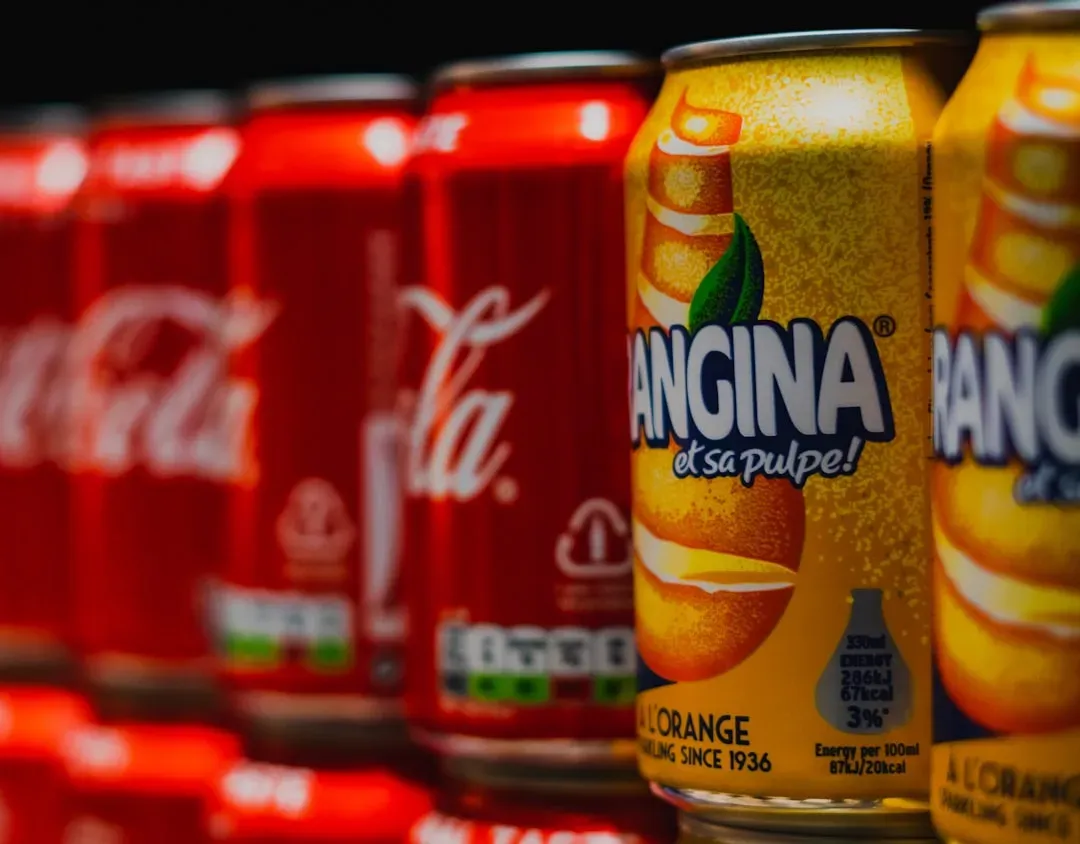
According to the Centers for Disease Control, nearly half of adults in the U.S. consume at least one sugary drink like soda or lemonade every day, and roughly two-thirds of young people drink at least one beverage with added sugar daily. That's a staggering number of people regularly pouring something into their bodies that is associated with weight gain, obesity, type 2 diabetes, heart disease, non-alcoholic liver disease, tooth decay and cavities, and gout. Seeing those facts laid out made quitting feel less like a sacrifice and more like basic self-preservation.
A 2025 research review published in Advances in Nutrition shows that for each serving of a sugary drink like soda per week, your risk of type 2 diabetes goes up by 4%. A standard 12-ounce regular soda has more than 10 teaspoons of added sugar, adding about 150 calories. Many fizzy drinks are packed with hidden calories, and even one can a day adds up fast. By switching to water or other healthy alternatives, you can cut out hundreds of calories a week - without making any other changes. I didn't set out to lose weight during this experiment, but trimming those hidden calories simply by swapping my drink made a visible difference by the end of the month.
The Heart and Blood Sugar Connection Is Real

Harvard researchers evaluated an average of 18.5 years of health data from more than 15,000 middle-aged and older adults with diabetes and found that people who drank sugary drinks had up to 20% higher risk of early death, 25% higher risk of developing cardiovascular disease, and 29% higher risk of cardiovascular-related death compared to those who drank coffee, tea, low-fat milk, or water. Encouragingly, replacing just one daily sugar-sweetened drink with a non-sugary one was tied to as much as an 18% reduced risk of early death and a 24% reduced risk of cardiovascular-related death.
In a recent study, participants were randomly grouped to either continue drinking diet soda five times per week after lunch or substitute it with water. During the study, participants followed a six-month weight loss intervention and a 12-month maintenance program. At the 18-month follow-up, researchers found participants in the water group experienced significantly greater weight loss. Additionally, 90% of study participants in the water group reached type 2 diabetes remission, compared to only 45% in the diet soda group. Those numbers made my one-month experiment feel like a very small, very obvious starting point for a much bigger change.



Leave a Reply