
Getting older has a lot of perks. Retirement, grandchildren, finally knowing who you are. But here's the part nobody puts on the greeting cards: your body starts processing food differently, and some things you've eaten your whole life can quietly turn against you.
The foods on this list aren't necessarily obvious villains. Some of them even wear a health halo. What changes everything is the aging body itself - slower metabolism, a weakened immune system, shifting kidney function, and dozens of medications that interact with what's on your plate. So before you reach for that next snack, let's talk about what nutritionists are actually warning seniors to avoid in 2026. You might be surprised by a few of these.
1. Ultra-Processed Foods: The Silent Culprit in Almost Every Aisle

Walk through any grocery store and roughly two thirds of what you see has been ultra-processed. That means it's been engineered in a lab, stripped of its natural structure, and loaded with additives. Common examples include commercially produced breads, sugar-sweetened beverages, potato chips, packaged cookies, and chocolate confectionery, and their consumption may be associated with a wide range of adverse health outcomes.
For seniors, the risks are amplified. Sarcopenia, the loss of muscle mass and function, commonly affects older adults, and frequent consumption of ultra-processed foods increases the risk of sarcopenia or accelerates its onset. That's muscle you desperately need to stay mobile, independent, and upright.
An updated systematic review and meta-analysis covering over 1.1 million participants found that those with the highest ultra-processed food consumption had a roughly fifteen percent increased risk of all-cause mortality. That is not a small number. According to data from the U.S. Centers for Disease Control and Prevention, more than half the calories Americans eat and drink come from ultra-processed foods tied to increased risks for heart disease, obesity, diabetes, and cancer.
2. Processed and Deli Meats: The Carcinogen Hiding in Your Sandwich

That ham and cheese sandwich seems harmless enough. Honestly, it's one of the most common lunches for older adults. Yet processed meat has been treated through smoking, curing, salting, or fermentation - this includes bacon, ham, deli meat, sausage, and hot dogs - and processed meat is a known carcinogen.
Sodium nitrite, a chemical salt commonly used in processed meats such as bacon, ham, and deli meats, was associated with a roughly thirty percent increase in the risk of prostate cancer, while potassium nitrate was associated with a higher risk of breast cancer and an increase in all cancers. A large 2026 study based on health data from over 100,000 adults over fourteen years confirmed these connections.
Deli meats like pre-packaged turkey and ham slices are one of the main sources of sodium in the American diet - just six thin slices can contain as much as half the daily recommended sodium intake. For seniors with blood pressure concerns, that is genuinely alarming. In a marked shift from prior reports, the Dietary Guidelines Advisory Committee now recommends reducing intake of red and processed meats and eating more plant-based sources of protein.
3. High-Sodium Foods: The Blood Pressure Time Bomb
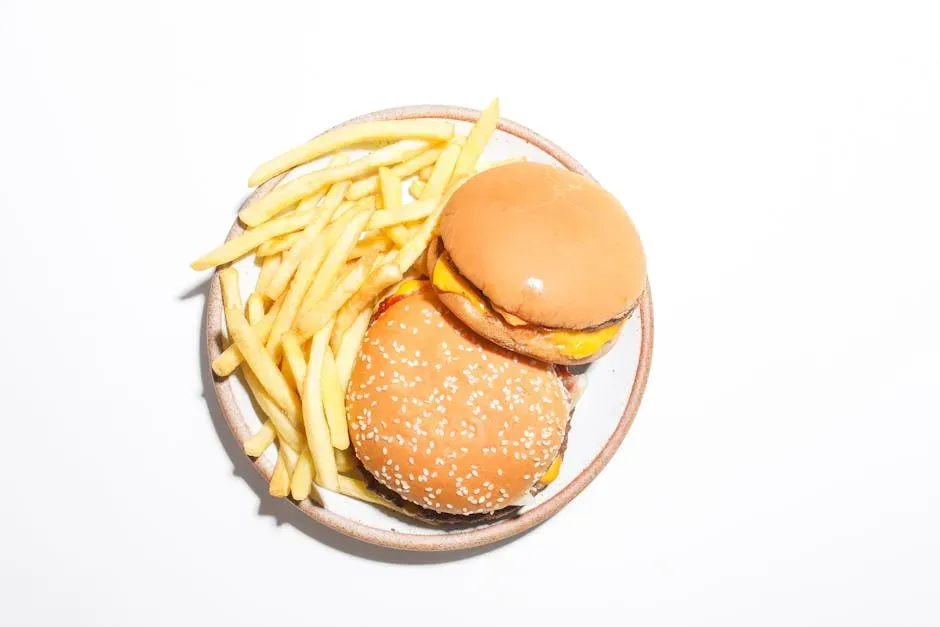
Salt is everywhere. It's in your canned soups, your frozen dinners, your crackers, your sauces. And the older you get, the more dangerous it becomes. High-sodium foods pose significant health risks for seniors, as excessive sodium intake can lead to hypertension, increasing the risk of heart attacks and strokes.
According to experts from the National Academies of Sciences, Health and Medicine Division, seniors over 71 should limit their sodium intake to no more than 1.2 grams per day. To put that in perspective, a single can of chicken noodle soup can contain close to that entire limit in one serving.
High-salt foods can lead to a range of adverse health consequences for seniors, including high blood pressure, stroke, heart failure, and a general feeling of sluggishness and fatigue. It also causes fluid retention, which means swollen ankles and legs - something many older adults chalk up to aging when diet is actually the culprit. Swap canned goods for fresh or frozen alternatives, and use herbs and spices instead of reaching for the salt shaker.
4. Fried Foods: When Comfort Food Becomes a Cardiovascular Risk

Nobody's saying fried chicken isn't delicious. It absolutely is. But let's be real: what happens inside your body after years of eating deep-fried foods is far from delicious. French fries, donuts, and egg rolls are often sources of unhealthy fats and oils, and fried fare is typically high in trans fats, hydrogenated oils, and tropical oils, which raise cholesterol and are linked to heart disease, diabetes, and cancer, while also being loaded with calories that can lead to weight gain and obesity.
Fried foods are especially unhealthy for seniors as they are high in saturated and trans fats, which can increase the risk of heart disease, stroke, and Type 2 diabetes. For an aging cardiovascular system that may already be under stress, this is serious fuel to the fire.
Foods deep fried in oil contain high saturated fats and trans fats, which can cause plaque buildup in the arteries, and healthier food preparation alternatives include grilling, roasting, steaming, and boiling. Think of it this way: swapping the fryer for the oven doesn't eliminate the pleasure of your favorite foods. It just removes the part that's quietly damaging your arteries.
5. Sugar-Sweetened Beverages and Sodas: Liquid Calories with Zero Benefit
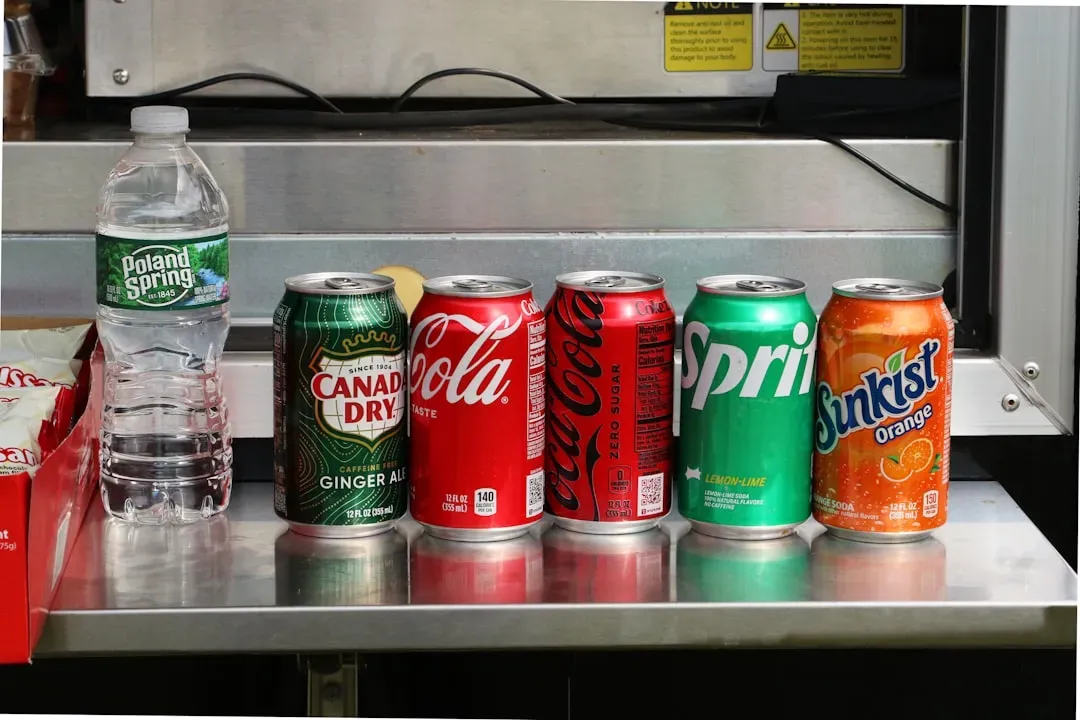
Soda has no redeeming nutritional qualities. None. Yet it remains one of the most commonly consumed beverages in the country. Sodas can pose significant health risks for seniors, including increased chances of diabetes and negative impacts on dental health. Seniors already face heightened risks for both conditions, making the combination particularly damaging.
No amount of added sugars or nonnutritive sweeteners is recommended or considered healthy or part of a nutritious diet, according to the latest dietary guidelines, which also state that people should avoid sugar-sweetened drinks. The latest 2025-2030 dietary guidance takes a notably firm stance on this.
Added sugars found in candy and sweetened beverages can cause seniors to gain weight and increase the risk of heart disease, diabetes, and tooth decay. It's worth noting that the caloric needs of older adults are already lower than those of younger people, meaning every empty-calorie sip takes up space that real nutrition should be filling. Herbal teas or infused water are genuinely satisfying alternatives once you give them a real chance.
6. Diet Sodas and Artificially Sweetened Products: Not the "Healthy" Swap You Think
Here's the thing: switching from regular soda to diet soda is not the win it appears to be. At first glance, a drink or food product containing an artificial sweetener might seem like a good alternative to products high in sugar, but research has shown that artificial sweeteners contribute to weight gain and cause other health problems.
Over recent years, researchers have linked diet soft drinks to everything from obesity to sugar cravings to depression, and a study in the Journal of General Internal Medicine suggests that routinely drinking artificially sweetened soft drinks may increase the risk of vascular events like a heart attack or stroke. That is not what most people expect from their zero-calorie cola.
Foods and drinks labeled "sugar-free" are often assumed to be a healthier choice, but they frequently contain artificial sweeteners that aren't healthy and can be detrimental to your health. The latest dietary guidance from the 2025-2030 guidelines even recommends limiting foods with low-calorie nonnutritive sweeteners specifically. It's hard to say for sure whether any one sweetener is the worst offender, but the overall pattern of consumption is clearly a problem.
7. Raw and Undercooked Foods: A Food Safety Crisis Waiting to Happen

This one surprises people. Sushi lovers and fans of rare steaks take note: raw foods that were fine for you at forty can be genuinely dangerous at seventy. Adults 65 and older are more likely to get sick from certain germs spread through food, like Salmonella, Campylobacter, and Listeria, and some foods more likely to spread harmful germs include undercooked meat and eggs, unpasteurized milk and cheese, and unwashed produce.
Nearly half of people aged 65 and older who have a lab-confirmed foodborne illness from Salmonella, Campylobacter, Listeria, or E. coli are hospitalized. Nearly half. That is a staggering rate compared to younger adults. What feels like a mild stomach bug for a 30-year-old can become a life-threatening emergency for a senior.
Consuming raw or undercooked foods increases the risk of contracting food poisoning, and adults 65 and older are more likely to be hospitalized because, as you age, your body may have more difficulty getting rid of toxins, your stomach may not produce enough acid to kill bacteria, and you may have a weakened immune system. This includes raw oysters, rare beef, undercooked eggs, unpasteurized cheeses, and sashimi-style sushi.
8. High-Sugar Processed Snacks and Empty-Calorie Foods

Cookies, chips, pastries, candy bars, snack cakes. These foods are engineered to be impossible to put down, and that is precisely the problem. A lot of foods bought on the go or in the snack aisle are known as empty-calorie foods, processed and high in sugar, fat, and carbohydrates but lacking nutrients that make you feel full and energized, and eating a diet with a lot of these foods can cause unwanted weight gain.
Refined grains, sugary foods, and ultra-processed products are visually minimized in the new 2025-2030 dietary guidelines framework, reinforcing the idea that they should play a smaller role in the overall diet. Nutritionists aren't just being preachy about this. The science is exceptionally clear.
Think of empty-calorie snacks like counterfeit money. They look like food, they feel like food, but there's no real value inside. For seniors who already struggle to get adequate protein, fiber, vitamins, and minerals from a reduced-calorie diet, every snack that delivers nothing but sugar and starch is a missed opportunity to nourish the body. The new dietary guidelines suggest a single meal should not contain more than ten grams of added sugars.
9. Grapefruit and Grapefruit Juice: The Medication Interaction Nobody Talks About
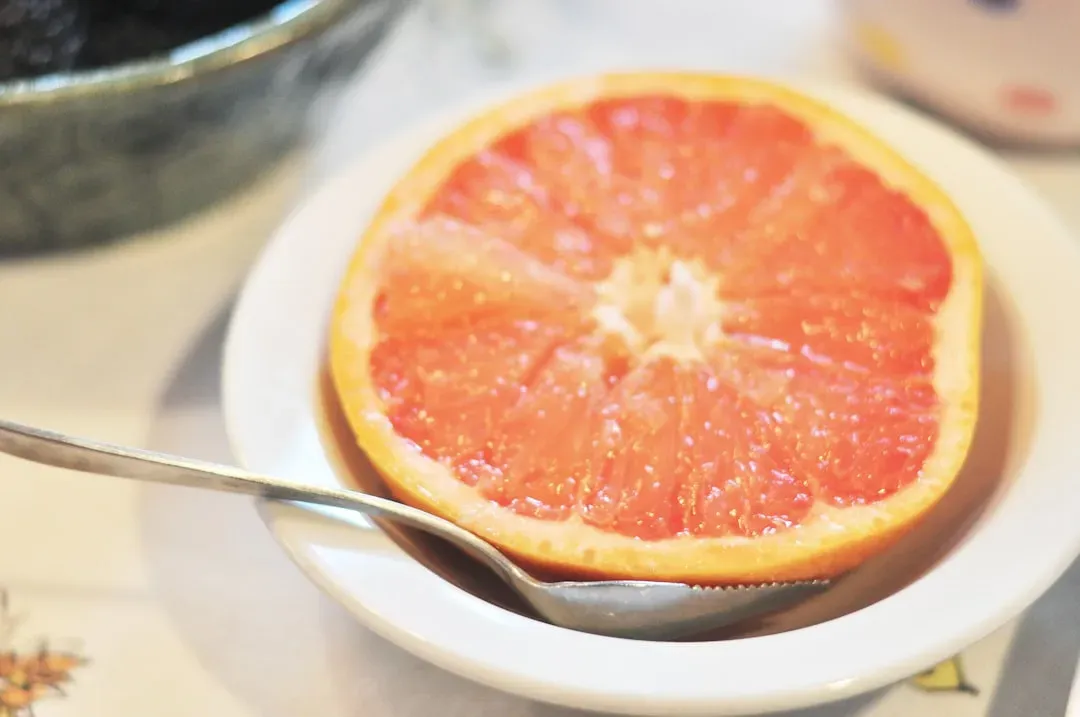
Most people would never put grapefruit on a "dangerous foods" list. It's a fruit. It's healthy. Isn't it? For younger adults, yes. For seniors on medication, it can be a genuine hazard. Grapefruit juice can interfere with medication for high blood pressure, insomnia, and anxiety, and it can actually make the effects of those drugs more concentrated - so it's vital to check medication directions to see if grapefruit is listed as something to avoid.
You wouldn't expect grapefruit to appear on a list of foods to avoid after 60, but the juice of a grapefruit can interfere with medications taken for insomnia, anxiety, and high blood pressure, and other fruits and juices consumed in moderation are a better bet for older adults.
The chemical compounds in grapefruit block an enzyme in the digestive system that normally breaks down many common medications. The result is that too much of the drug enters your bloodstream. This applies to some statins, calcium channel blockers, certain immunosuppressants, and a range of other commonly prescribed drugs for seniors. It sounds almost too mundane to matter, but it genuinely does. Always ask your pharmacist if your medications interact with grapefruit.
10. Alcohol: A Risky Habit That Compounds with Age

A glass of wine with dinner feels civilized, social, even comforting. Many older adults enjoy it regularly without a second thought. Yet the relationship between aging and alcohol is increasingly well understood. Alcohol sensitivity generally declines with age, and it may lead to interactions with medications, increased blood pressure levels, and negatively affect sleep as well as liver health.
As we get older, a glass of wine or mug of beer may affect us differently than it did when we were younger - not only does alcohol negatively impact sleep quality, but it can raise blood pressure and cause hypoglycemia in older adults with diabetes, and it can also interfere with some medications. For seniors managing multiple prescriptions, this interaction risk is very real.
Even though moderate drinking has been linked to some health benefits in general, alcohol can be detrimental to seniors, with excessive use leading to liver damage, stroke, and depression, meaning seniors should limit their intake of alcoholic beverages and focus on getting adequate nutrition from other sources. The truth is, no senior's health plan is made better by regular alcohol consumption - and for many, scaling back or cutting it out entirely leads to noticeably better sleep, energy, and mood within just a few weeks.




Leave a Reply