
When I fed the latest climate science into an AI and asked it point-blank which foods are most at risk of disappearing from our tables by 2050, the list it generated was not exactly comforting. From your morning cup of coffee to the chocolate bar in your desk drawer, the crops and ingredients we take for granted every single day are under serious, documented threat. The AI pulled from peer-reviewed research, agricultural data, and real-world price signals - and what came back was a picture of a food system quietly unraveling under the pressure of a heating planet.
Coffee: The World's Favorite Morning Ritual Is Fading Fast

Of the 124 known coffee species, 75, or roughly 60%, are under threat of extinction according to published research, including arabica, one of the two main species grown and consumed globally alongside robusta. That is not a distant, theoretical risk. A study predicts that the global area suitable for arabica coffee will decrease by half by 2050, and in 2024 alone, arabica prices jumped by 80%, with wholesale prices reaching a nearly 50-year high.
If temperatures continue to increase, 80 percent of the land in Brazil and Central America, where the most popular coffee bean, arabica, is currently grown, will be unsuitable by the year 2050, and during that same time period, a 50 percent decline in growing regions around the world can be expected. In Brazil, the arabica variety saw a 43% price increase after the worst drought in seven decades, and in Vietnam, low rainfall has shrunk the coffee harvest to its lowest level in 13 years.
Chocolate: A Sweet Treat Turning Into a Luxury Item
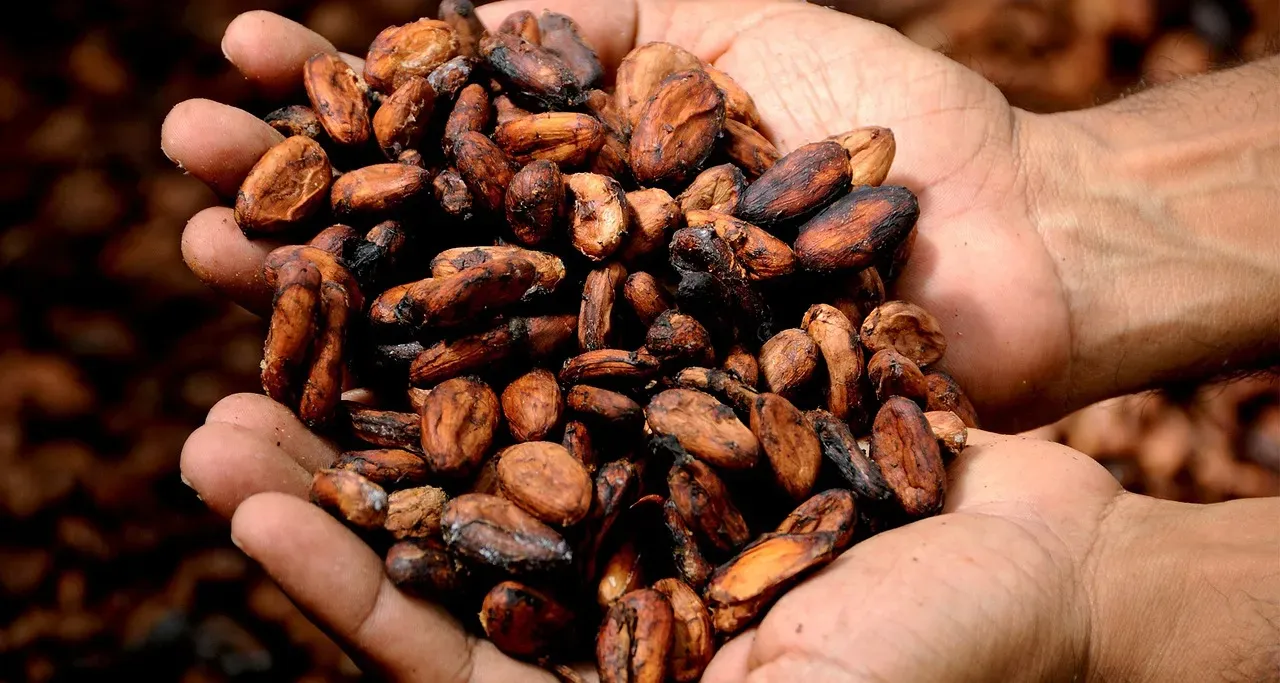
In 2024, global cocoa stocks dropped to their lowest levels in a decade, and price hikes meant cocoa surpassed the growth of every other commodity in the value chain. By early 2025, chocolate manufacturers like Hershey's reported profit forecasts below analysts' expectations, with costs for premium chocolate products increasing by as much as 30% in some markets. This is no temporary blip. Chocolate prices soared to levels not seen since the 1970s, with experts warning of a cocoa-free world by 2050.
In Ghana and Côte d'Ivoire, which together produce 54% of the world's cocoa, shifting rainy seasons have led to smaller, less reliable harvests, and the International Cocoa Organization (ICCO) predicted a global shortfall of 462,000 tons for the 2023/24 season. The danger to chocolate comes from an increase in evapotranspiration, especially since the higher temperatures projected for West Africa by 2050 are unlikely to be accompanied by an increase in rainfall - meaning that as higher temperatures squeeze more water out of soil and plants, it is unlikely that rainfall will increase enough to offset the moisture loss.
Wine: A 60-Year Production Low and a Shrinking Map

In 2024, global wine production was estimated at 225.8 million hectolitres, marking a 4.8% decline from 2023 - the lowest level since 1961, reflecting a continuation of climate and market-driven pressures. Extreme climate events including frosts, droughts, and heavy rains disrupted vineyard conditions globally, while increased disease pressure from high humidity and weather variability favored fungal outbreaks.
Seventy percent of the world's winemaking regions could become unsuitable for growing wine grapes if global temperatures exceed 2°C above the preindustrial average, according to a study in Nature Reviews Earth and Environment that compiled decades of research. Up to 90% of winemaking regions in the lowlands and coastal areas of Greece, Italy, Southern California, and Spain could disappear by the end of the century.
Staple Crops: When the Basics Become Unreliable
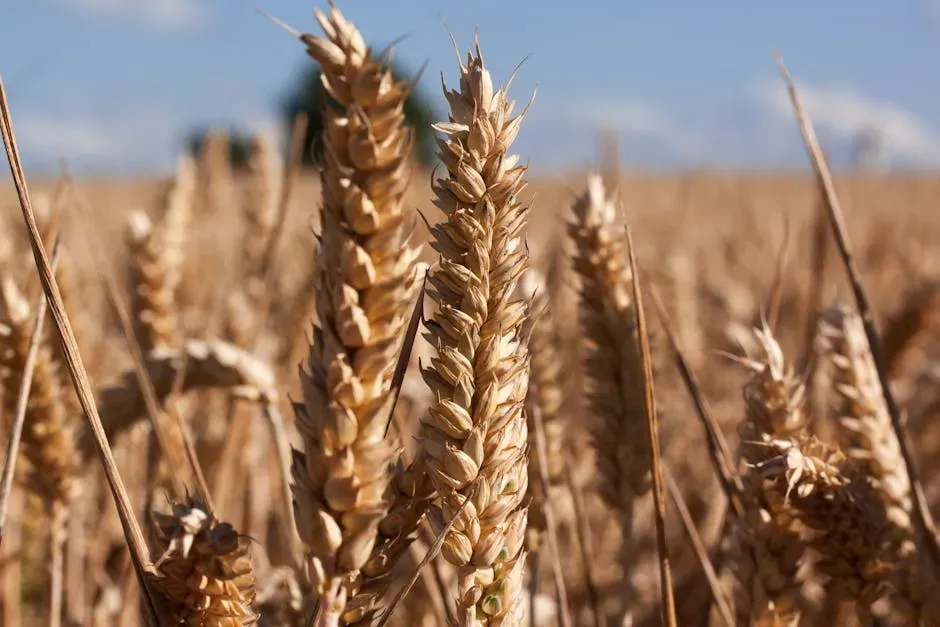
Core foods like corn, wheat, soy, rice, and potatoes are at risk due to the global rise in temperature, with some estimates showing that global production could be substantially reduced by 2050, and it is not just warming that is impacting these crops but growing regions, rainfall, and storm strength too. A landmark 2025 study published in Nature, drawing on data from more than 12,000 regions across 55 countries, underscored just how severe the problem is. Global warming exceeding 2 degrees Celsius above the 2001–2010 average would likely cut global food production capacity from six staple crops by nearly a quarter.
The United States is the second-largest corn grower in the world after China, producing billions of pounds per year, mainly in California and the Midwest, and NASA research shows corn yields could decline by 24% as early as 2030 under high greenhouse gas emission scenarios. According to a 2025 study published in Nature Food, with global warming of 2°C, up to 31% of staple crop production land would be lost, with rice being among the most affected crops.
Avocados, Bananas, and Potatoes: Your Everyday Produce Under Siege
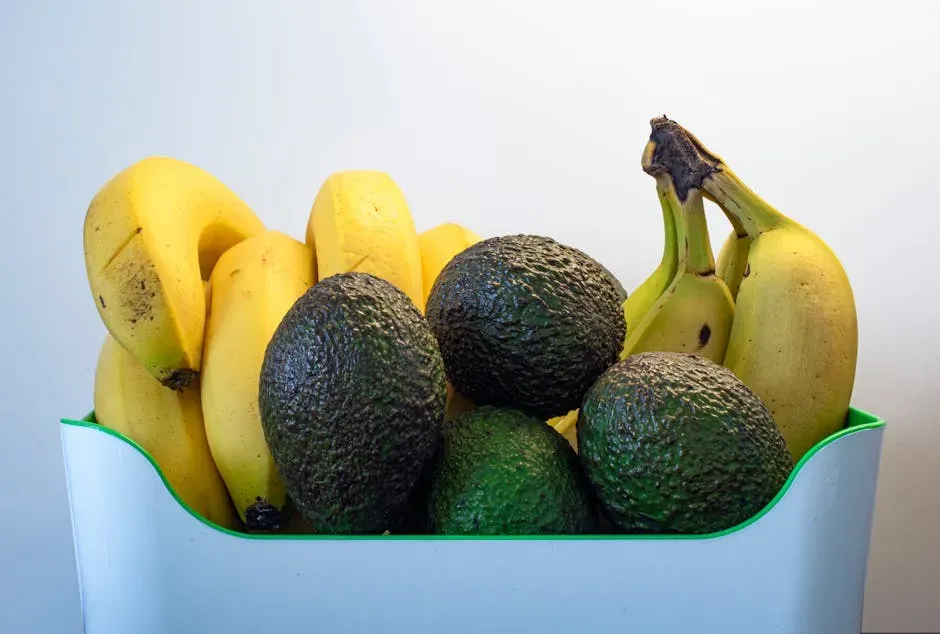
A report published by Christian Aid shows that avocado production is under threat due to climate change, with avocado regions expected to decline between 14% to 41% by 2050. Wild avocado varieties, which carry traits that could help crops adapt to stress, are under threat, with habitat loss and climate change pushing many toward extinction. Experts have flagged this as a major problem, since without wild relatives, breeders cannot create more resilient versions of the fruit.
Bananas and plantains are grown in the tropics as cash crops or as local food sources, and researchers found that due to rising temperatures over the past 20 years, plantain production fell by 43%, while popular varieties of bananas are also threatened by diseases like black leaf streak, which can spread faster and further in hotter weather. Potato harvests in Europe have already been hit hard by unpredictable weather, and the International Food Policy Research Institute estimates that global potato production will decrease by 9% by 2050.
The Hidden Crisis: Food Is Getting Less Nutritious, Not Just Scarcer

A study by the Harvard Chan School found that "when food crops like wheat, corn, rice and soy are exposed to CO2 at levels predicted for 2050, the plants lose as much as 10% of their zinc, 5% of their iron, and 8% of their protein content." This means the crisis is not only about disappearing foods but about foods that become nutritionally hollowed out long before they vanish entirely. The climate crisis is also expected to increase malnutrition by reducing nutrient availability and the quality of food while increasing prices, with higher temperatures and increased concentrations of CO2 leading to lower levels of nutrients like iron, zinc, and protein in crops such as soy, wheat, and rice - a problem especially troubling in poor countries with less food diversity.
By 2050, climate change will drive global commodity prices up by as much as 18 percent compared to a no-climate-change scenario, and as many as 78 million more people will face chronic hunger, with low- and middle-income countries bearing much of the burden, with the majority of increased hunger occurring in Africa south of the Sahara. A 2025 systematic review found that, without effective adaptation measures, climate change could reduce global agricultural food production by up to 14% by 2050.




Leave a Reply