
For decades, conversations about American dining began and ended with the same names: New York, Los Angeles, Chicago. These cities carried the culinary crown almost by default, their reputations built on Michelin stars, celebrity chefs, and decades of cultural prestige. Something has shifted, though. A new wave of food energy is surging through cities and regions that most people once overlooked, and the national conversation around food in America is being rewritten in real time.
Philadelphia Earns Its Place at the Table
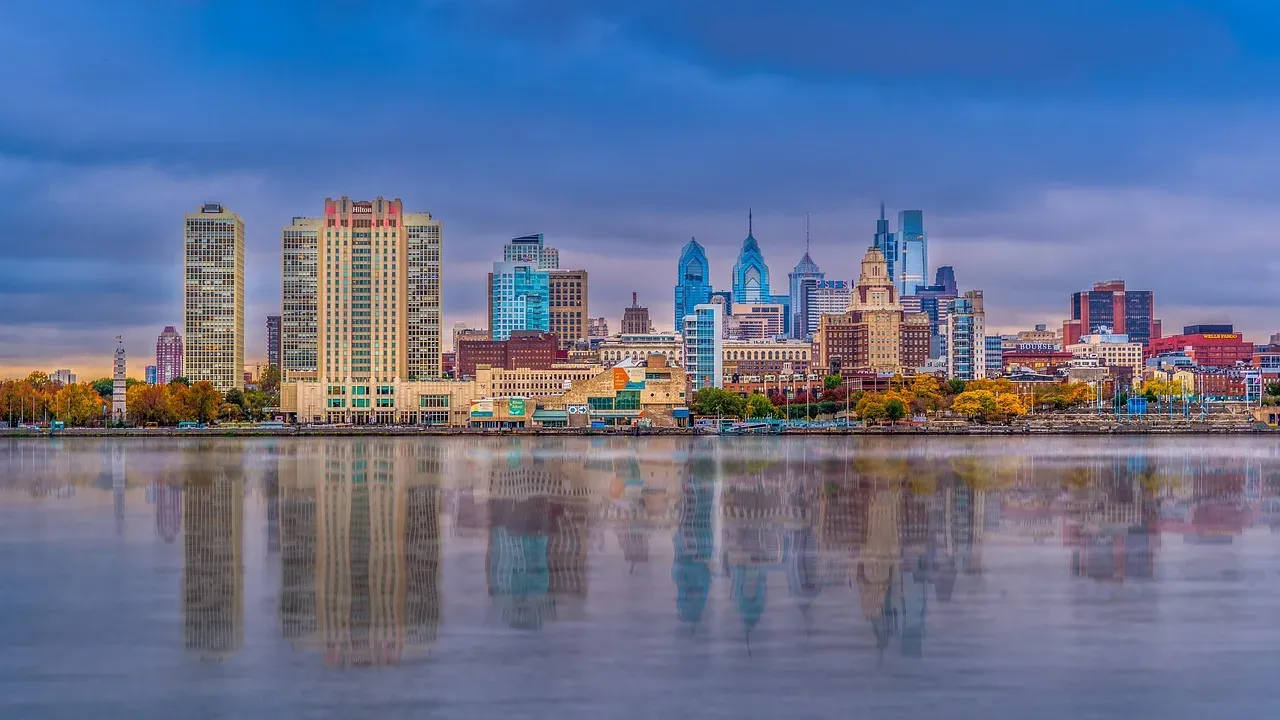
In 2025, for the first time ever, the Michelin Guide came to Philadelphia, unveiling its updated North American guide at the Kimmel Center. Three restaurants walked away with major wins: Friday Saturday Sunday, Provenance, and Her Place Supper Club all received a Red Star. That alone should silence anyone who still considers Philly a second-tier food city. Additionally, Pietramala won a Green Star for sustainable dining, alongside a collection of Bib Gourmands and Michelin Selected awards.
Philadelphia is increasingly being described as the new Cradle of Culinary, a de facto one-stop destination for chef-driven concepts and passion projects rooted in local sourcing and neighborhood vibes. Four Philadelphia restaurants and chefs received nominations for the James Beard Awards in 2025, including Jesse Ito, Amanda Schulman, Friday Saturday Sunday's Lover's Bar for Outstanding Bar, and Phila Lorn for Emerging Chef. Few cities outside the traditional coastal elite can claim that kind of recognition in a single year.
Houston's Relentless Rise
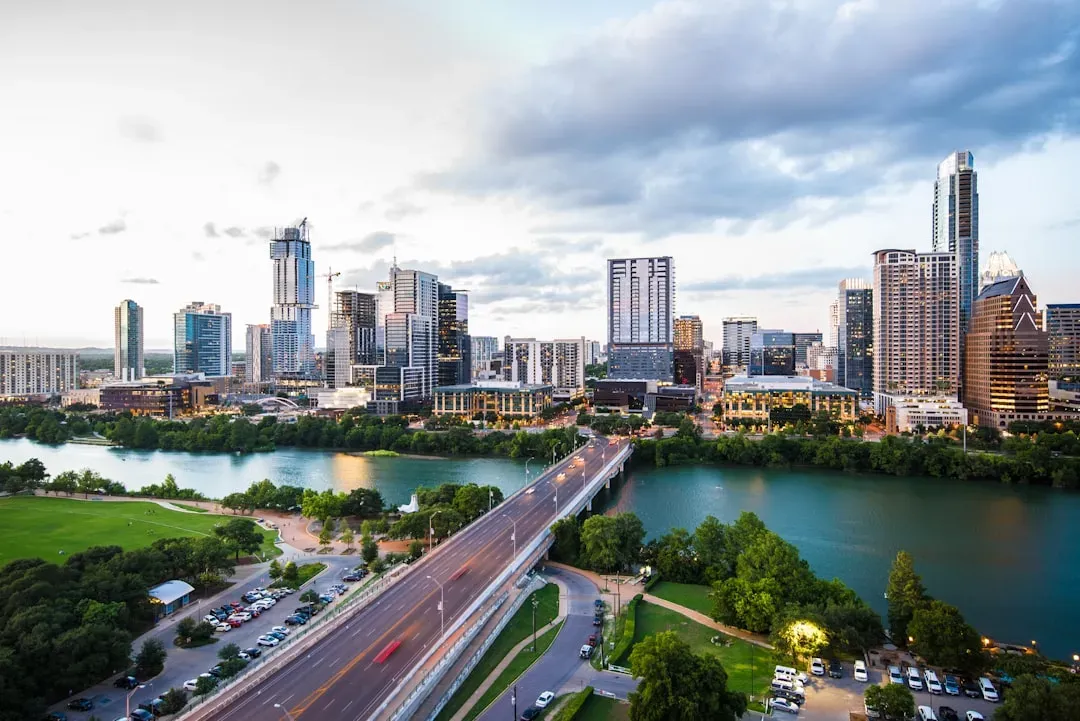
In 2025, Houston's dynamic food scene earned notable highlights, including new Michelin-recognized restaurants, acknowledgment from Food and Wine Global Tastemakers as one of the "Top 10 U.S. Cities for Food and Drink," and a spot on Travel + Leisure's "14 Cities to Savor." This isn't a fluke. Houston has been methodically building its culinary identity for years, and the national media is finally catching up. Looking ahead to 2026, Houston's food scene is expected to continue making an impact as the city adds to its more than 12,000 restaurants.
ChòpnBlọk, located in Montrose, is a fast-casual restaurant concept that carefully unveils the West African culinary experience. Named one of the New York Times' 50 best restaurants in the U.S., it also earned a spot on Esquire's 2025 "Best New Restaurants in America" and was highlighted in Southern Living as one of the "20 Best Restaurants in the South." Chef Suu Khin of Burmalicious earned a James Beard Award nomination and a CultureMap Tastemaker Award for Best Pop-Up/Startup in 2025. Her occasional dinner services typically sell out quickly, reflecting a voracious Houston appetite for Burmese dishes like tea leaf salad and lemongrass fish noodles.
Nashville Transforms Into a Luxury Dining Capital
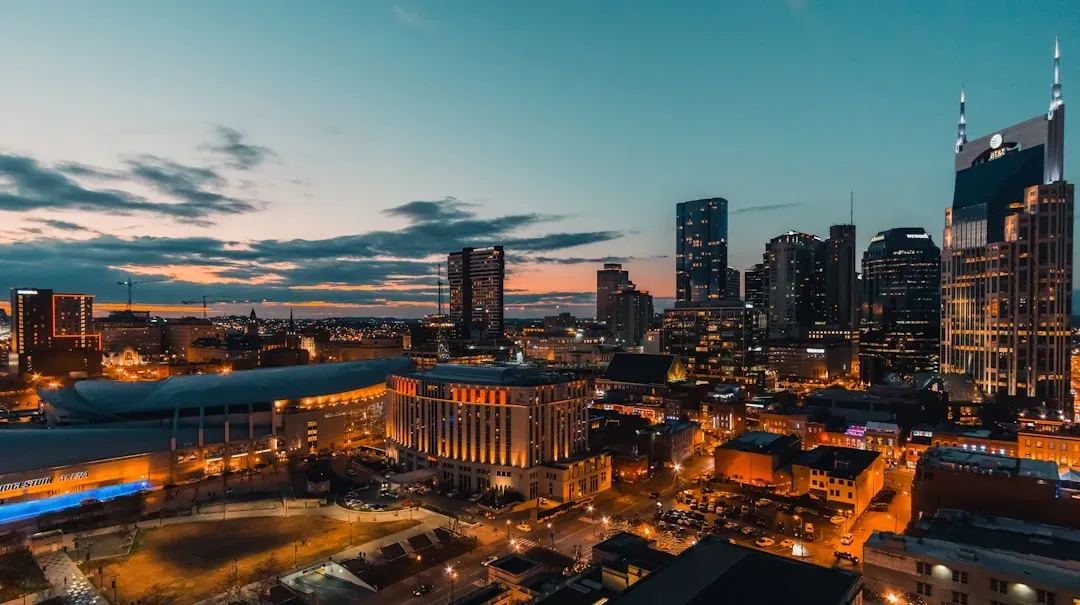
2025 was a year of fundamental change in Nashville's food scene. The city has historically been associated with hot chicken and honky-tonks, but something far more ambitious is taking shape. Chef Jake Howell from the restaurant Peninsula won the James Beard Award for Best Chef: Southeast in 2025, a distinction that signals Nashville is producing talent worthy of national attention rather than simply importing it.
Nobu, Pastise, and celebrity chef Jose Andres all announced plans to open restaurants in Nashville's future. These represent the Hermes and Louis Vuitton of the food world, signaling a luxury dining culture that few other cities can match, with additional high-profile restaurant groups making new opening announcements seemingly every day. A vibrant social media ecosystem has also grown to embrace the scene, with accounts like @nashvillehiddengems and @nashvillefoodfan booming in popularity in 2025.
Milwaukee Claims Its Spot Among America's Great Culinary Destinations
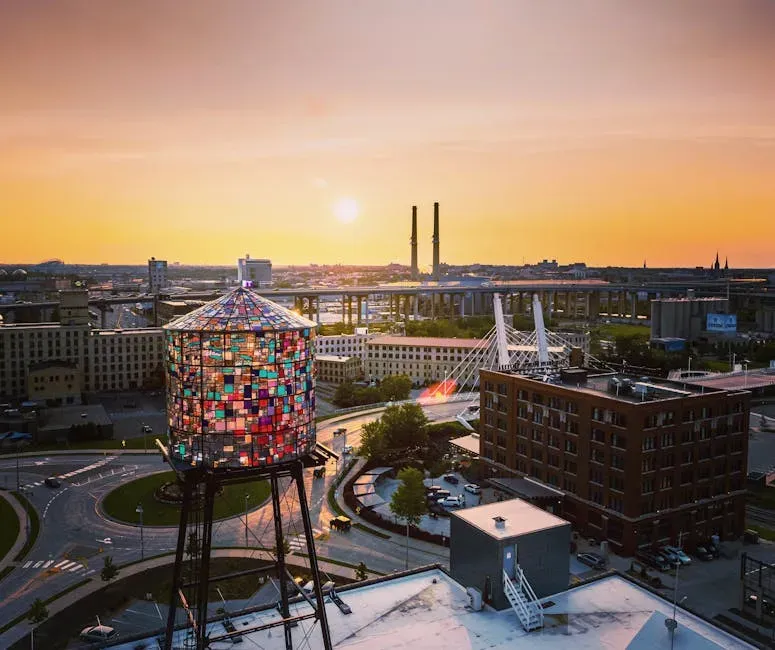
Milwaukee isn't trying to catch up to the nation's top food cities - it's claiming its place among them. With James Beard-caliber chefs, award-winning restaurants, and culinary creativity drawing national acclaim, the city's dining scene is redefining what it means to eat in the Midwest. It's a bold claim, but the evidence supports it. Milwaukee Public Market has been named the best public market in the country two years running, further positioning Milwaukee as one of the most buzzed-about culinary cities in the Midwest.
Chef Dane Baldwin, winner of the 2022 James Beard Award for Best Chef: Midwest, brings subtle elegance and inventive pairings to The Diplomat. Another James Beard Award-winner, Chef Adam Siegel, now executive chef of Lupi and Iris, marries French and Italian coastal traditions in a sleek downtown space. At Birch, Chef Kyle Knall draws on his fine-dining background and the bounty of Wisconsin's agricultural landscape to deliver wood-fired menus that are both rustic and refined. As Knall himself put it, "Milwaukee's dining scene is fueled by incredible Midwest agriculture and a community of chefs who turn peak season ingredients into thoughtful, boundary-pushing food."
Portland and the Pacific Northwest Rewrite the Rules
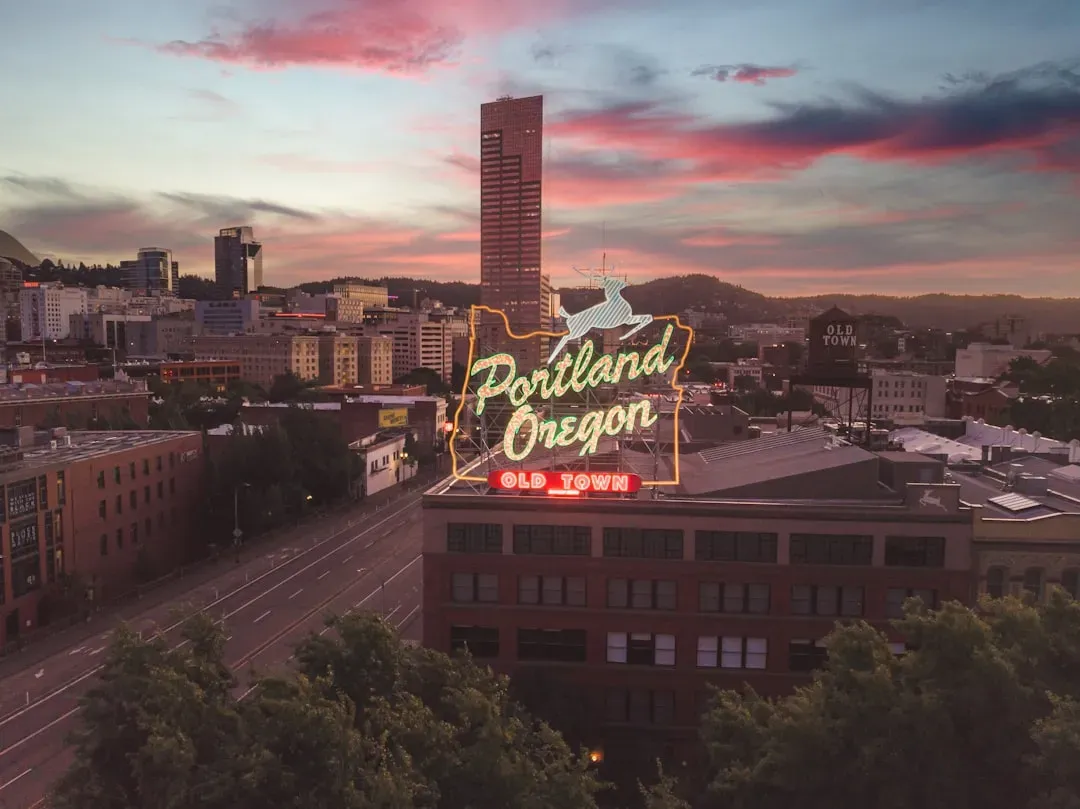
Portland secured the title of America's second-best foodie city in WalletHub's 2025 findings without a single Michelin-starred restaurant to its name, proving that exceptional access to affordable and diverse food and drink options is what it takes to build a worthy culinary scene. That ranking came as a surprise to some, but anyone paying attention to Portland's food map saw it coming. Portland's food scene is now so strong that the city is exporting concepts to other locales, with notable 2025 examples including Il Leone opening a second wood-fired pizzeria location in Park Slope, Brooklyn, and Crispy Gai planning a second location in Providence, Rhode Island.
Restaurant Terra Mae showcases Portland's allure for national dining and tourist attention, blending Portuguese and Japanese cuisine from a women-led kitchen inside the highly anticipated hotel Cascada. The fusion has roots going back to the 1500s, when a Portuguese ship was blown off course to Japan, and the menu brings that history through the bounty of the Pacific Northwest. Portland, Maine, meanwhile, delivers fresh, local ingredients with a strong farm-to-table spirit. Seafood, especially lobster and chowder, sits at the center of its culinary identity, while its award-winning restaurants showcase creative coastal cooking influenced by French and Spanish techniques.
The South and Third-Culture Cuisine Drive a National Conversation
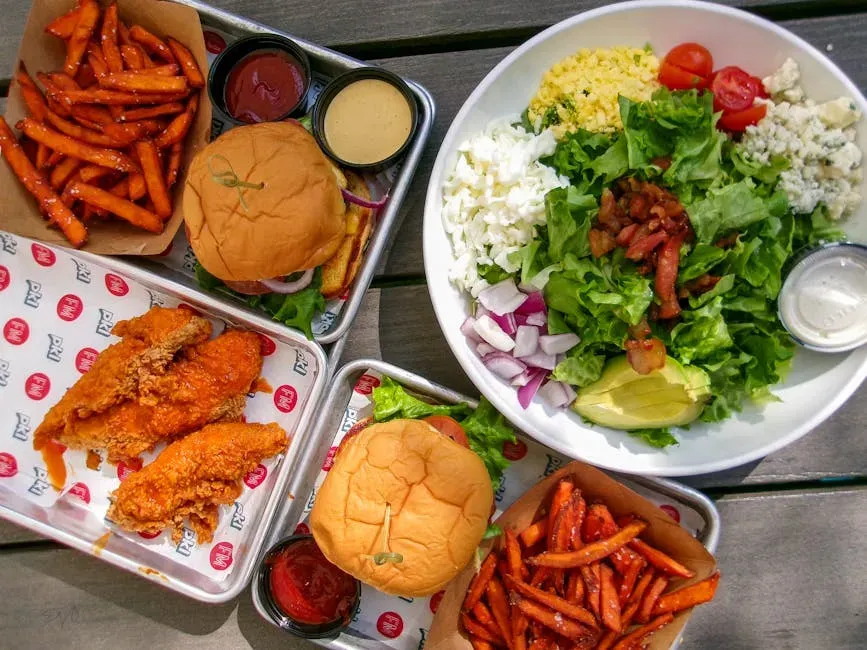
The 2026 What's Hot Culinary Forecast from the National Restaurant Association shows diners craving fusions of past trends and modern flavors. Familiar favorites are being reimagined with global influences, while wellness and affordability remain top of mind among consumers. Nowhere is this playing out more vividly than across the American South and in cities with strong immigrant food communities. The South is celebrated for its rich culinary heritage that embraces bold flavors and comforting dishes, with recent years seeing a resurgence in traditional Southern cuisine infused with contemporary elements as chefs revamp classics like fried chicken and gumbo by adding unexpected twists such as global spices or plant-based ingredients.
Culinary sensibilities that blend global and biographical influences are changing the way Americans think and talk about food. Hailed as the rebirth of New American food by Bon Appetit, third-culture cuisine celebrates the plurality of American identities. As 2026 approaches, the momentum behind next-generation Indian cuisine, West African food, and other heritage-driven menus shows no signs of slowing down, with cultural representation, generational shifts, and culinary innovation creating a perfect storm for these cuisines to thrive. Many restaurants are also deepening community ties by featuring ingredients sourced from nearby farms and producers, emphasizing freshness and sustainability.



Leave a Reply