
There is one question every sushi lover should ask before pulling up a stool at the bar: does this place actually know what it is doing with raw fish? Sushi looks simple. A piece of fish on a thumb of rice, a roll wrapped in nori, a delicate slice of sashimi fanned across a plate. But behind that apparent simplicity is a web of food safety demands that even experienced operators sometimes fail to meet. The single biggest red flag - the one that matters most before you ever taste a bite - is whether the fish display case and the bar itself show visible signs of poor temperature control and careless handling. Everything else flows from there.
The Fish Display Case Tells You Everything
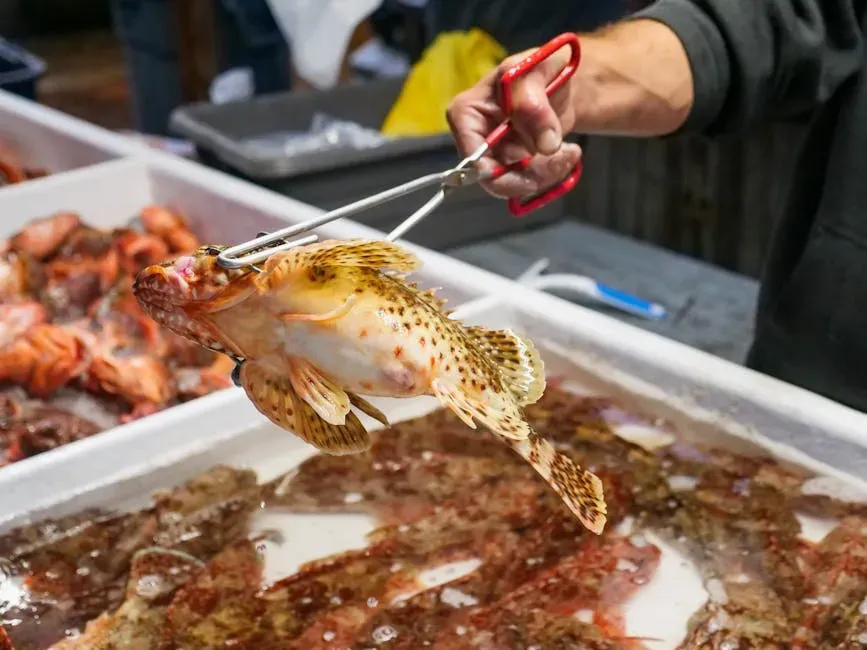
Before you sit down, take a long look at the display case. Is the fish sitting in neat, cold, covered compartments, or does it look like it has been resting at room temperature under warm spotlights for who knows how long? Michelin-starred sushi chef George Ruan of Jōji in New York City is direct about this: the most important practice in sushi preparation is keeping things cold, and fish temperature must stay below 42 degrees Fahrenheit. That threshold is not arbitrary. It is the point below which dangerous bacterial growth slows dramatically.
Preparing sushi involves a great deal of handling of both raw and cooked foods, and because sushi is eaten without any further cooking, it is essential that it is prepared correctly and safely. Unlike a steak that gets finished on a grill at 400 degrees, every bacteria or parasite present in a poorly handled piece of tuna or salmon goes straight to your plate and then into your stomach. A display case that looks warm, uncovered, or crowded with fish that has lost its color is not a minor concern - it is a direct threat.
No Sourcing Information on the Menu Is a Serious Warning Sign
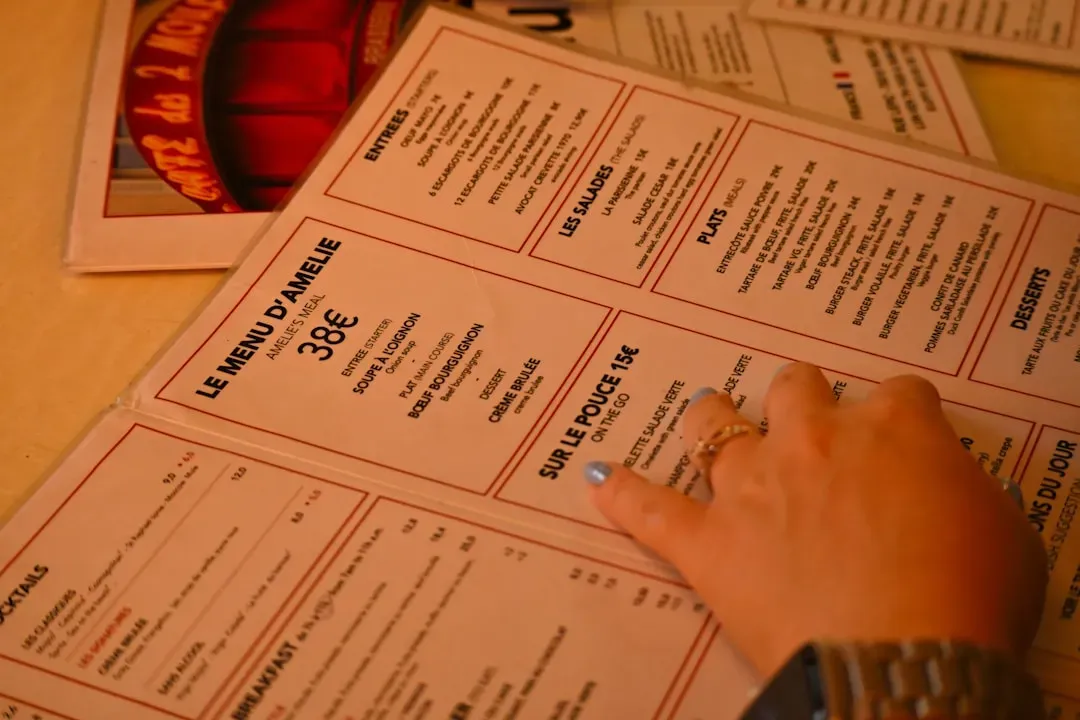
A sushi restaurant menu should include sourcing information, whether it is in the description of each nigiri or sushi roll, or at the bottom of the page. You should see details like Alaskan snow crab as an ingredient or the origin of any wild-caught fish, so you can be better informed about the seafood you are about to order. A menu that simply lists "tuna" or "salmon" with no further detail is not being coy - it may be hiding something.
The importance of seafood sourcing cannot be understated. There are plenty of economic, ethical, and environmental reasons to choose seafood for which we know the origin. Knowing where seafood comes from helps us avoid fish fraud, a practice that is sadly becoming more common. The NFI Sushi Council, which held its inaugural meeting in Boston in March 2024, is working to establish crucial standards, including defining what "sushi-grade" and "sashimi-grade" actually mean, while aiming to increase consumer confidence through standardized seafood naming conventions and rigorous safety protocols. Until those standards are universal, the burden falls on you as the customer to ask questions.
Fish Mislabeling at Sushi Bars Is Shockingly Common
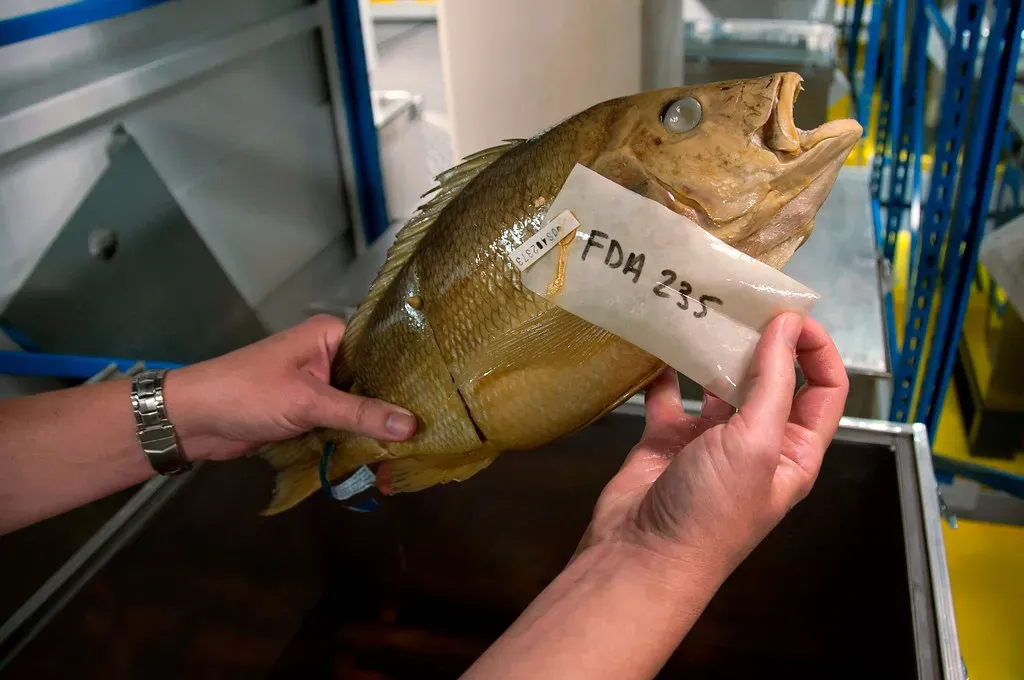
The numbers here are genuinely alarming. A meta-analysis of U.S. seafood studies published in 2025 revealed an overall mislabeling rate of 39.1%, with the leading form being species substitution at 26.2%. That means when you order one thing at a sushi bar, there is a meaningful statistical chance something else entirely lands in front of you - and you will likely have no idea.
A 2024 study published in PLOS ONE tested DNA-barcoded salmon samples from 67 grocery stores and 52 sushi restaurants in Seattle, and found that 18% of all samples were mislabeled. Unlike grocery stores, Seattle sushi restaurants often sold farmed salmon mislabeled as wild salmon, with substitutions of vendor-claimed wild salmon with farmed salmon occurring in 32.3% of sushi restaurant samples, compared to 0% of grocery store samples. All salmon substitutions in sushi restaurants financially harmed the customer, as they were given a cheaper market-priced fish. The fish on your plate is not always what you paid for.
Visible Cleanliness at the Sushi Bar Itself Matters Enormously
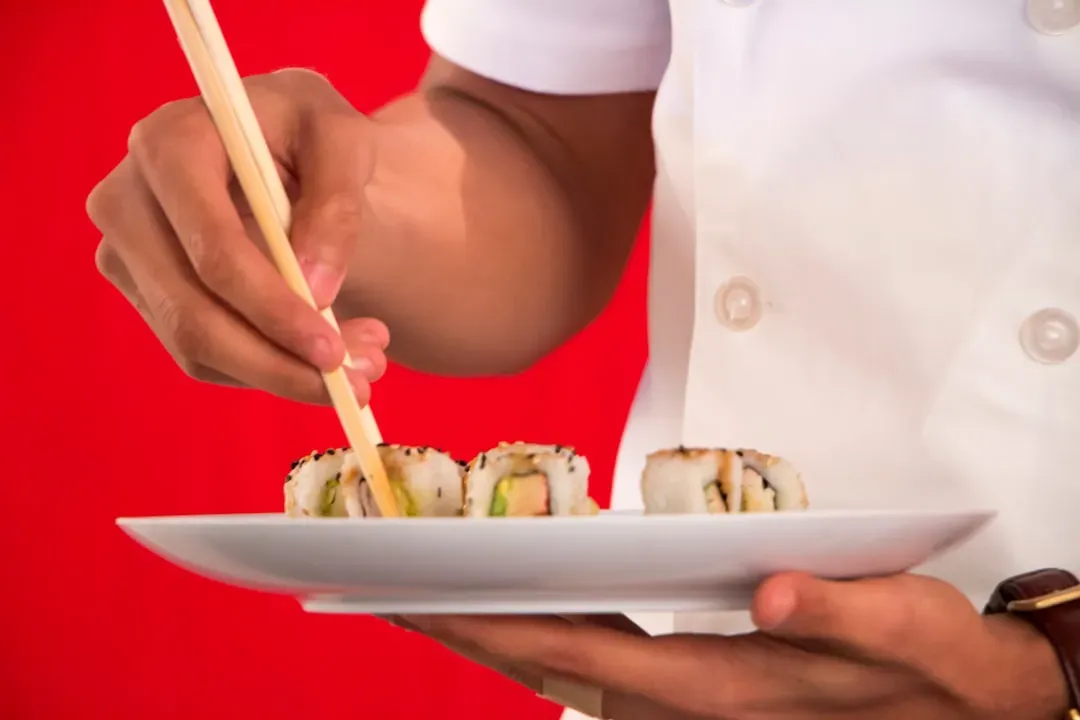
The sushi bar is a live stage. You can watch the chef work, and what you see matters. At a Scottsdale sushi restaurant inspected in July 2025, health officials found that cutting boards and knives used for slicing raw fish were cleaned using only a sanitizer towel to wipe them down, and were only cleaned once per day - and when the inspector pointed out a dirty can opener, an employee took it outside and began cleaning it in the mop sink. These are not isolated failures; they reflect everyday habits in a kitchen.
Only clean and sanitized equipment must be used when preparing sushi, and it is recommended that prior to preparation all benches and utensils which come in contact with the sushi and its ingredients are sanitized. Sushi rolling machines must be periodically cleaned and sanitized during the day to remove the build-up of rice and destroy pathogenic bacteria. If the chef's station looks sticky, cluttered, or the cutting board has visible staining - trust what you see and leave.
Parasite Risk in Raw Fish Is Real and Ongoing
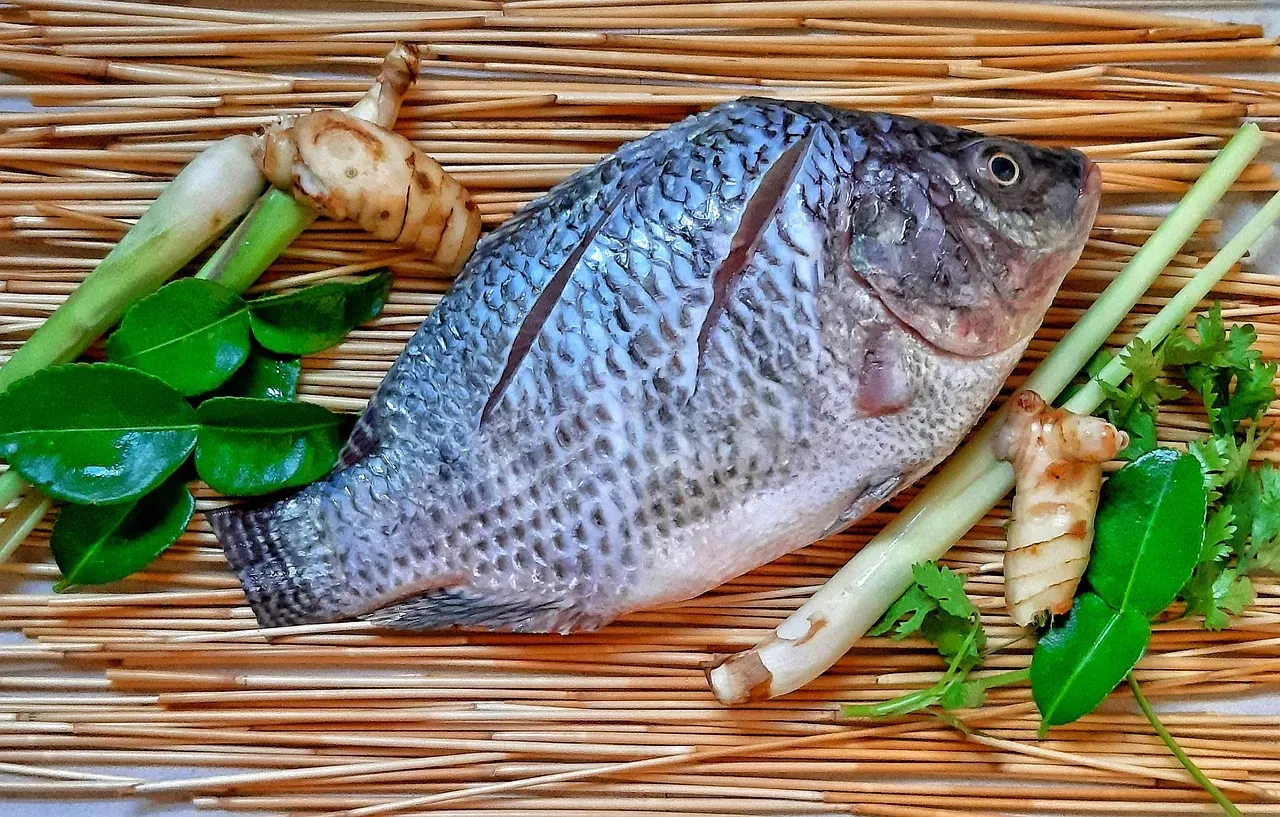
Parasites in raw sushi fish are not a theoretical concern. Since 2013, Anisakis - a parasitic worm found in raw seafood - has been recorded as a separate cause in Japan's food poisoning statistics. Since 2018, it has consistently ranked first among all causes of reported food poisoning, with reported case numbers fluctuating considerably: 566 cases in 2022, 432 in 2023, and 330 in 2024. Japan is a country with some of the most rigorous fish handling standards on earth, which makes those numbers even more telling for the rest of the world.
In January 2025, the Japanese Food Safety Commission published a comprehensive risk profile on Anisakis, finding that a single larva is sufficient to trigger anisakiasis and that the contamination rate for the same species fluctuates considerably from year to year, depending on water temperature, fishing ground, and ecological conditions. It is imperative for sushi establishments to obtain seafood products only from approved, reputable sources, and upon purchasing frozen seafood products, written documentation from the supplier should be requested to ensure the product meets parasite reduction freezing requirements. A reputable bar will be able to tell you exactly how their fish is handled.
Health Inspection History Is Public - Use It
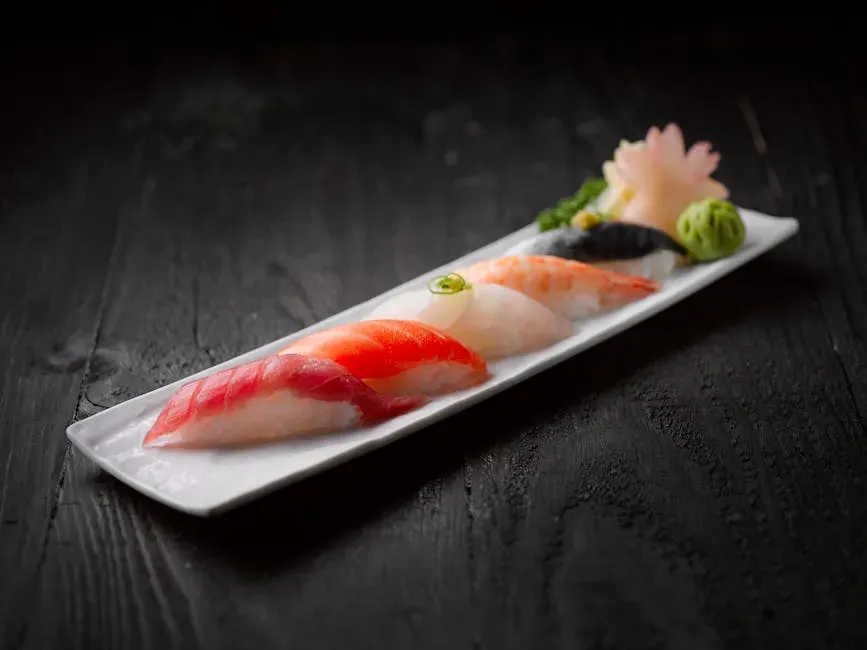
Most people walk into a sushi restaurant without ever checking its inspection record. That is a mistake. The Sacramento health department found one sushi restaurant in violation of several food safety codes during an inspection in early 2025 and recommended it shut down. Major evidence of rodent infestation was observed throughout the facility. One dead mouse was found in a trap underneath shelving in the rice dry storage room, and 25 rodent droppings were found next to the end of the sushi bar. That is not a minor paperwork violation - that is a direct contamination risk sitting inches from where your fish is prepared.
Health departments in cities like New York conduct unannounced inspections of restaurants at least once a year, checking that restaurants comply with food safety rules, with violations carrying point values that correspond to a letter grade. Before you sit down, pull up the local health department's database on your phone. Health inspection reports are available to the public via online databases, and the reports detail issues found and often include a letter grade. Spending thirty seconds on a search can save you days of genuine misery.




Leave a Reply