
Most of us think we're doing our appliances a favor every time we scrub, spray, or run a cleaning cycle. The reality is a little more uncomfortable. Some of the most common kitchen cleaning habits aren't just unhelpful - they're actively shortening the lifespan of appliances that cost hundreds, sometimes thousands, of dollars to replace. Scratched cooktops, broken fridge shelves, and clogged dishwashers can all result from something as simple as using the wrong cleaning products - and repairs can be surprisingly expensive. Here are five habits that seem perfectly reasonable but are quietly wrecking your kitchen.
1. Overusing the Oven's Self-Cleaning Cycle
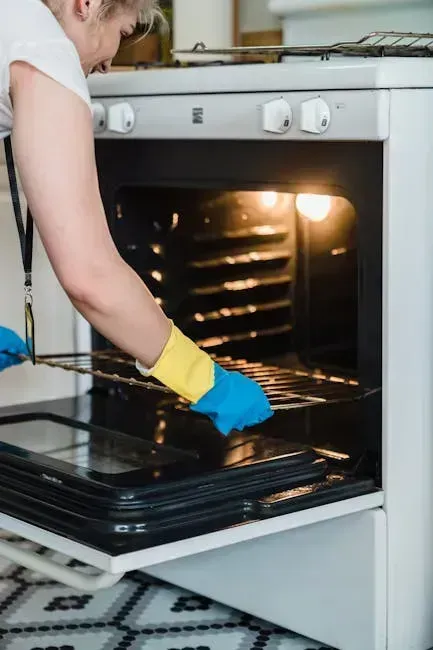
It feels like a brilliant shortcut - press a button, walk away, and return to a spotless oven. But the self-cleaning feature is one of the most misused functions in the modern kitchen. A self-cleaning oven burns away food deposits using high temperatures, and the typical cleaning cycle takes several hours to complete, reducing food to ash with exposure to temperatures of around 932 degrees Fahrenheit. Those extremes come at a cost to the appliance itself. Extreme heat can weaken or warp door seals, glass, hinges, racks, and electronic controls over repeated cycles, while porcelain-coated racks can blister, flake, or discolor, and high temperatures can damage thermostats, wiring, circuit boards, or temperature sensors, shortening component life.
Appliance experts are consistent on this point: the self-clean feature is not meant for routine use. Consumer Reports cites Darin Detwiler, PhD, a former appliance technician, who notes he has heard of people using it monthly, but that you should only use it once or twice a year. Even though a clean oven is important, if you have a self-cleaning oven, it is recommended not to put the range through a clean cycle too frequently, because the high heat generated during a clean cycle combined with the increased use of the element can cause premature failure of a component. Between deep cleans, a paste of baking soda and water applied to soiled surfaces is a far safer alternative for day-to-day maintenance.
2. Lining the Oven Bottom with Aluminum Foil
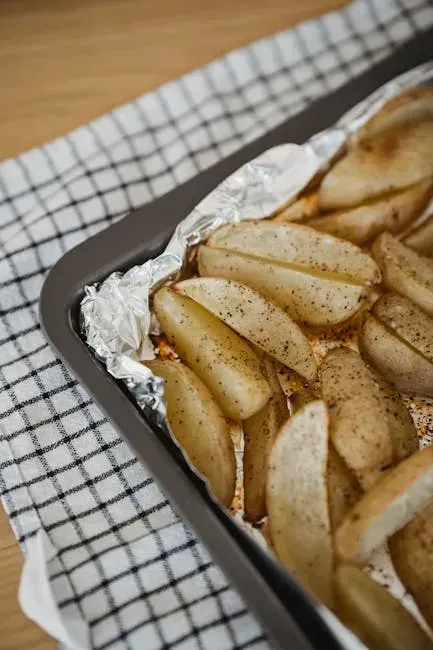
Placing aluminum foil at the bottom of the oven is one of those cleaning shortcuts passed down through generations. It seems clever - catch the drips before they happen, then just throw the foil away. But appliance professionals have been warning against this practice for years, and the risks are real. According to Whirlpool, lining the bottom of your oven with foil can interfere with heat circulation, potentially damaging the heating elements and interior finish, and causing food to cook unevenly. You may even need to recalibrate the oven and reset the temperature controls at a cost of a few hundred dollars.
The danger goes beyond performance. Foil can trap heat and adhere to the bottom of an oven, possibly causing a fire in both gas and electric models. Ron Shimek, president of Mr. Appliance, is equally direct on the matter. He notes that placing foil on the bottom of the oven can shorten its life, because even though people think it makes future cleaning easier, in the long term it can block airflow and interfere with the heating element, which can cause oven failure or make recalibration necessary. The fix is simple: place a cookie sheet or baking tray on the rack below whatever you're cooking to catch any drips without blocking airflow.
3. Using Abrasive Scrubbers and Wrong Products on Stainless Steel
Stainless steel appliances look sleek and modern, and keeping them that way takes more care than most people realize. The instinct to grab a rough sponge or a generic all-purpose spray to tackle grease and fingerprints is understandable - but it's one of the fastest ways to permanently damage your appliances. Unlike other surfaces, the finish on steel appliances can be permanently damaged by the wrong cleaning products, and harsh chemicals, steel wool pads, or even glass cleaner with ammonia can leave streaks or scratches that are difficult to repair. The damage often compounds over time, making the surface more porous and more susceptible to rust.
Certain popular household cleaners are especially problematic on stainless steel. Cleaners with ammonia should never be used, as not only will they eat through the stainless steel, but they can also dye it purple. Using the wrong cleaning products can also contribute to surface scratches, as abrasive cleaners, steel wool pads, and rough sponges are harsh on stainless steel and can leave behind unsightly marks. The right approach is straightforward: use a soft microfiber cloth, move in the direction of the grain, and stick to mild dish soap or a product specifically designed for stainless steel. While stainless steel is popular for its durability and resistance to corrosion, cleaning it can be tricky because it scratches easily and risks damage if the wrong cleaning products are used.
4. Spraying Cleaners Directly onto Appliance Controls and Knobs
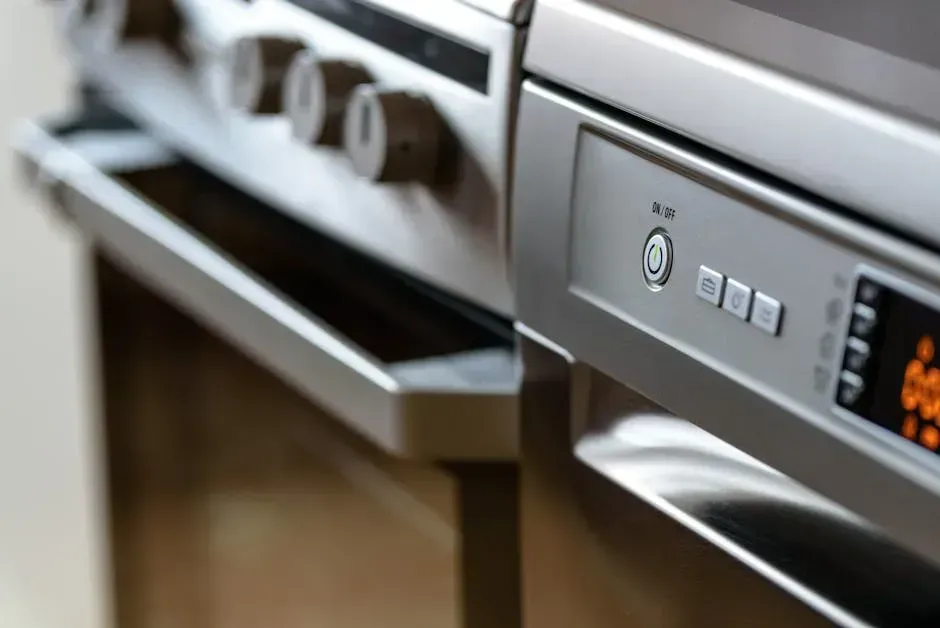
When you're in a cleaning groove, it's tempting to spritz a general-purpose cleaner across the entire stovetop surface - knobs, controls, and all. It looks thorough. It feels efficient. Unfortunately, it's one of the more damaging things you can do to a modern appliance. Spraying the controls and knobs with regular household cleaners can create problems because the liquid could get behind the knobs and switches and short out the control panel. On appliances with digital touch panels, the risk is even higher, since moisture and electronics are a genuinely dangerous combination.
The same principle applies to microwaves, where interior cleaning habits matter just as much. Splatters on the inside of the microwave seem harmless, so people are often lax about cleaning them up - however, over time they can turn rock-hard and even burn the walls of the appliance, so cleaning the microwave regularly with an all-purpose cleaner can prevent the need for premature repairs and replacement. When cleaning around controls, the correct method is to spray the cleaner onto a cloth first and then wipe carefully - never directly onto buttons, knobs, or display panels. Consulting your appliance's user manual for manufacturer-specific cleaning guidelines can also help avoid voiding warranties or causing damage.
5. Neglecting the Refrigerator Condenser Coils
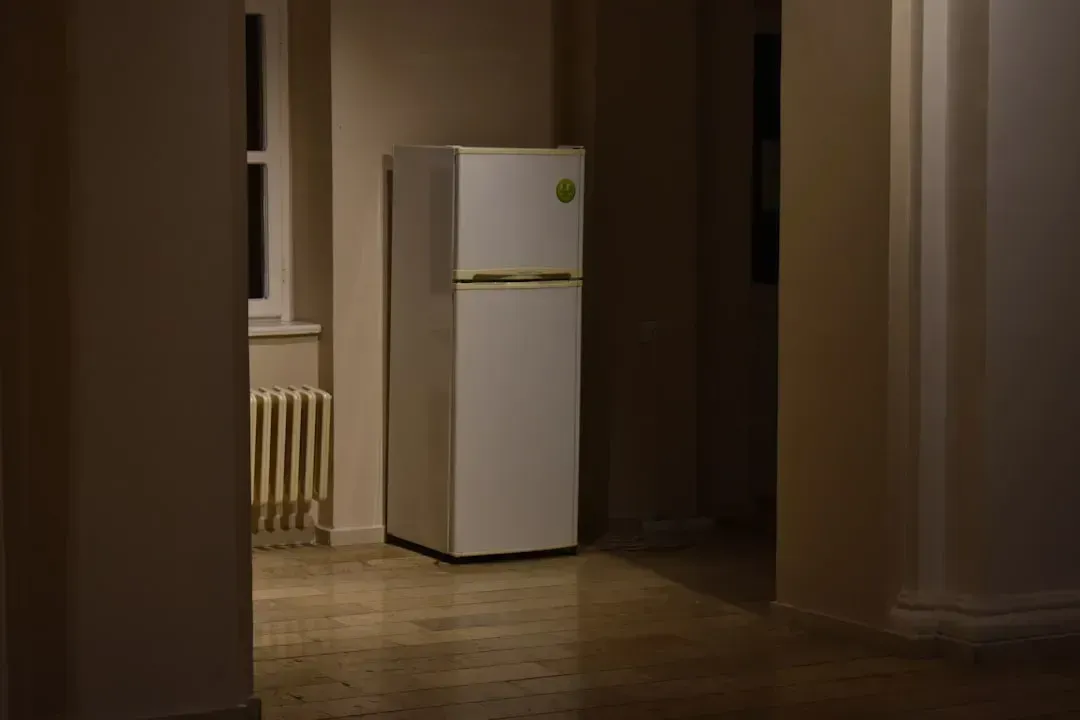
This one isn't really a cleaning habit so much as a cleaning habit that almost nobody has - and the consequences are significant. The condenser coils on your refrigerator are responsible for releasing heat so the refrigerant can stay cold. When they get coated in dust and debris, the entire system has to work harder. Condenser coils at the base, back, or top of the fridge help dissipate heat so that the refrigerant can stay chilled, and when dirt and dust accumulate, the appliance has to work harder, possibly shortening its life. This isn't a minor inconvenience - a refrigerator running constantly under strain will fail much sooner than one that's properly maintained.
Appliance experts recommend vacuuming or brushing the coils at least twice a year, a task that takes only minutes but pays off significantly in appliance longevity. Poorly maintained appliances not only waste energy but also increase your carbon footprint, and a neglected appliance is prone to breakdowns, leading to unexpected expenses and disruptions in your daily routine. The CPSC Hard Screening Report from 2025 estimated that housewares and kitchen appliances alone account for $3.5 billion annually in preventable injuries and deaths - a figure that underscores just how consequential neglected maintenance can be. Most appliances last between 7 and 15 years, with refrigerators and ranges lasting 10 to 15 years and microwaves lasting 7 to 10 years - and regular maintenance can extend these lifespans considerably.




Leave a Reply