
There are flavors out there that most people will never encounter in their lifetime. Not because they aren't curious enough, but because these ingredients exist in a world most of us only glimpse in food documentaries, high-end restaurant menus, or the occasional rabbit hole on the internet. Some of them have histories stretching back thousands of years. Others come with price tags that could make your rent look modest.
The global specialty food ingredients market is projected to reach a staggering USD 240.9 billion by 2028, soaring from USD 179.8 billion in 2023. Clearly, the world has developed a serious appetite for the extraordinary. So - how adventurous is your palate, really? Let's find out.
1. Saffron - The Spice Worth More Than Gold

Let's be real, saffron is the undisputed king of rare spices, and its story is genuinely jaw-dropping. As of 2024, Iran produced some 90% of the world's total saffron supply. At US$5,000 per kilogram or higher, saffron has long been the world's costliest spice by weight. Think about that for a second - weight for weight, it has historically traded at prices rivaling gold itself.
Crocus sativus flowers bloom in the fall for only a few days and must be picked in the early hours of the morning, by hand. The labor-intensive nature of the harvesting created a market where saffron is several times more expensive than many other popular spices. Honestly, it's like nature designed it to be as difficult to harvest as humanly possible.
The high retail value of saffron is maintained on world markets because of labor-intensive harvesting methods, which require some 440,000 hand-picked saffron stigmas per kilogram, equivalent to 150,000 crocus flowers. Forty hours of labor are needed to pick 150,000 flowers. If you've ever used a pinch of saffron in a risotto, you've essentially held dozens of hours of human labor in your fingertips.
In 2024, the price of saffron skyrocketed due to factors such as geopolitical tensions, limited production, and high demand. As a culinary and medicinal marvel, saffron's distinct flavor and significant health benefits have made it increasingly sought after. The flavor itself is utterly unique - earthy, floral, and vaguely honeyed, with that unmistakable golden hue it lends to everything it touches.
2. White Truffles - The Underground Diamonds of Gastronomy
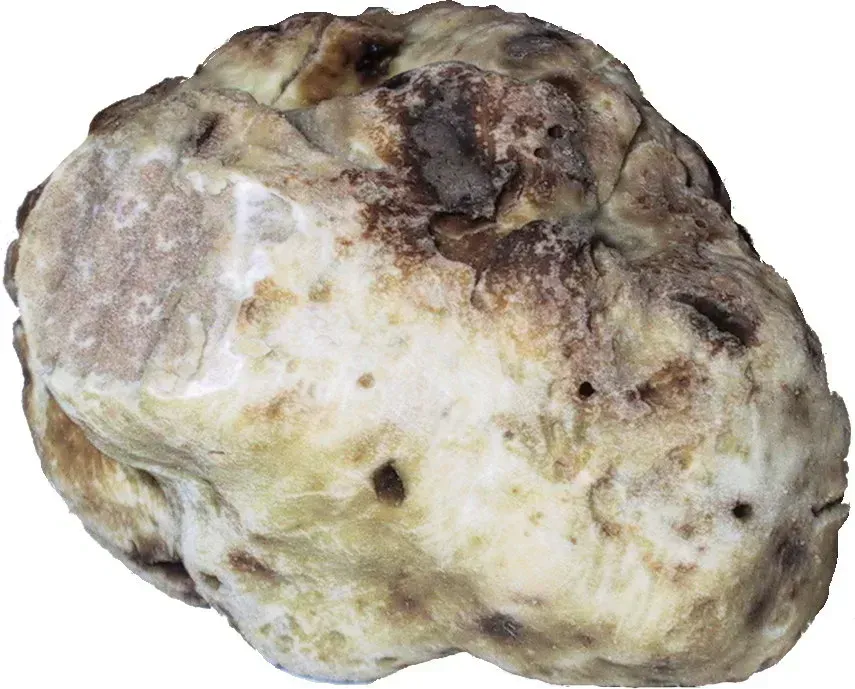
Few ingredients inspire the same level of near-religious reverence among chefs as the white truffle. These things grow underground, in symbiosis with specific tree roots, and cannot be mass produced. Think of them like the lottery tickets of the food world - except the stakes are even higher.
Hidden beneath the soil, truffles are a type of fungus that grows among the root systems of certain trees, like oak, beech, and hazel. Because of this delicate symbiotic growing process, it's nearly impossible to mass-cultivate truffles the way most commercially grown mushrooms are. That fundamental biological reality is precisely why prices remain stratospheric year after year.
White truffles can cost up to $4,000 per pound and black truffles usually cost between $300 and $800 per pound. Italian white truffles and white alba truffles from Italy can reach $4,000 per lb during peak season. And the scarcity is only getting worse - according to Jeffrey Coker, president of Burwell Farms, truffle production today is only a tiny fraction of what it was a century ago, which has caused the price of this popular gourmet delicacy to steadily rise.
The black truffle, known as the "black diamond" of gastronomy, remains one of the most coveted ingredients for chefs and restaurateurs worldwide. If white truffles are the diamonds, black truffles are their slightly more accessible - though still wildly expensive - cousins. Either way, tasting either variety fresh, shaved thin over a plate of warm pasta, is a genuinely once-in-a-lifetime experience for most people.
3. Kopi Luwak - The World's Most Controversial Coffee
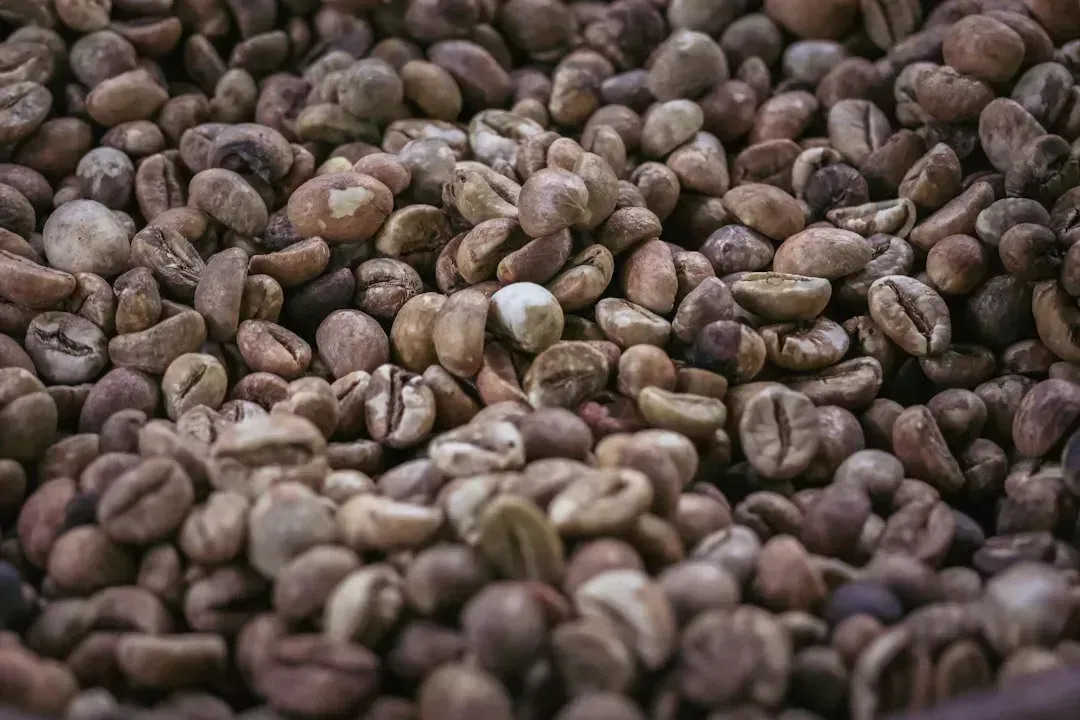
I know it sounds crazy, but stay with me. Kopi luwak, also known as civet coffee or mongoose coffee, is a rare coffee made from coffee cherries partially digested by the Asian palm civet (Paradoxurus hermaphroditus), a small mammal native to Southeast Asia. Yes, you read that correctly. Coffee that passed through an animal's digestive system - and people pay enormous amounts for it.
This really expensive coffee originated in Indonesia during the Dutch colonial era in the 18th to 19th centuries, when local farmers, barred from harvesting coffee, collected civet-excreted beans. Today, kopi luwak is produced mainly in Sumatra, Java, Bali, Sulawesi, and parts of the Philippines and Vietnam, with prices ranging from $100 to $1,300 per kilogram. The history alone is remarkable - born from colonial-era resourcefulness, elevated into a luxury product.
Authentic wild-sourced beans remain incredibly scarce, with estimates at just 500 to 1,000 pounds annually worldwide. That near-invisible supply is part of what drives its mystique. Kopi luwak coffee is prized for its smooth, complex flavor. Coffee experts describe it as smooth and low-acid, with minimal bitterness and a velvety mouthfeel. Rich and aromatic, it carries notes of chocolate, caramel, and subtle earthiness.
Here's the thing though - the ethical side of this ingredient is deeply complicated. An estimated 90% of commercial kopi luwak comes from civets kept in cruel, inhumane "factory farm" conditions. So if you ever try it, the sourcing matters enormously. Wild-sourced and ethically certified is the only route worth considering.
4. Yuzu - The Citrus You've Been Missing Your Whole Life
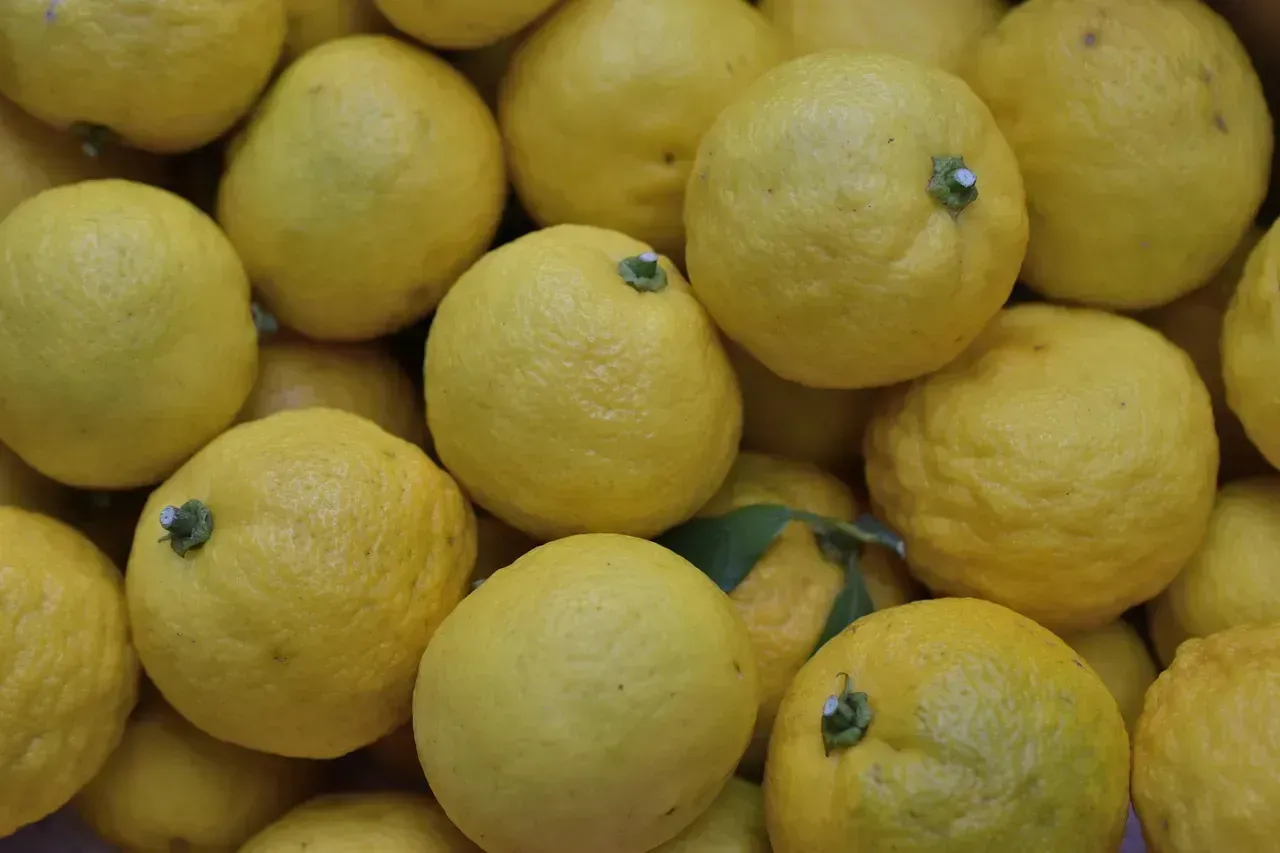
Most people in the West have never tasted fresh yuzu. That's a genuine shame, because it's unlike anything else in the citrus world - and chefs have known this for centuries. Yuzu is an uncommon Chinese citrus fruit that has thrived in the mountainous areas of Korea and Japan for more than 1,000 years. It's a hybrid of a sour mandarin and an Ichang papeda, one of the hardiest citrus types, which makes it possible to grow in cooler climates where other citrus would not survive.
At first glance, yuzu looks like a small, craggy lemon with a thick, uneven rind. Slice it open, and you'll discover an intoxicating aroma that blends lemon, grapefruit, and floral notes with hints of pine and spice. The flavor is bold but nuanced - tart, slightly sweet, and intensely fragrant. Imagine if a lemon and a grapefruit had a more interesting, more aromatic baby. That's yuzu.
In the United States, the Department of Agriculture has a ban on the import of fresh yuzu alongside most citrus plants from abroad, including both the fruit and the trees. This is intended to prevent the spread of contagious diseases amongst domestic crops. That ban is a major reason why so few Americans have ever tasted it fresh. Exotic fruit flavors like yuzu, lychee, and rambutan, already evident in nonalcoholic beverages and desserts, will help pave the way for exotic fruits to expand across menus.
Yuzu grows slowly, generally requiring ten years to fruit. A decade of patience just to harvest the fruit. That kind of agricultural commitment alone explains why yuzu carries a certain reverence in Japanese culinary culture - and why it remains elusive, even as its popularity quietly explodes worldwide.
5. Fennel Pollen - The Secret Spice of Italian Chefs
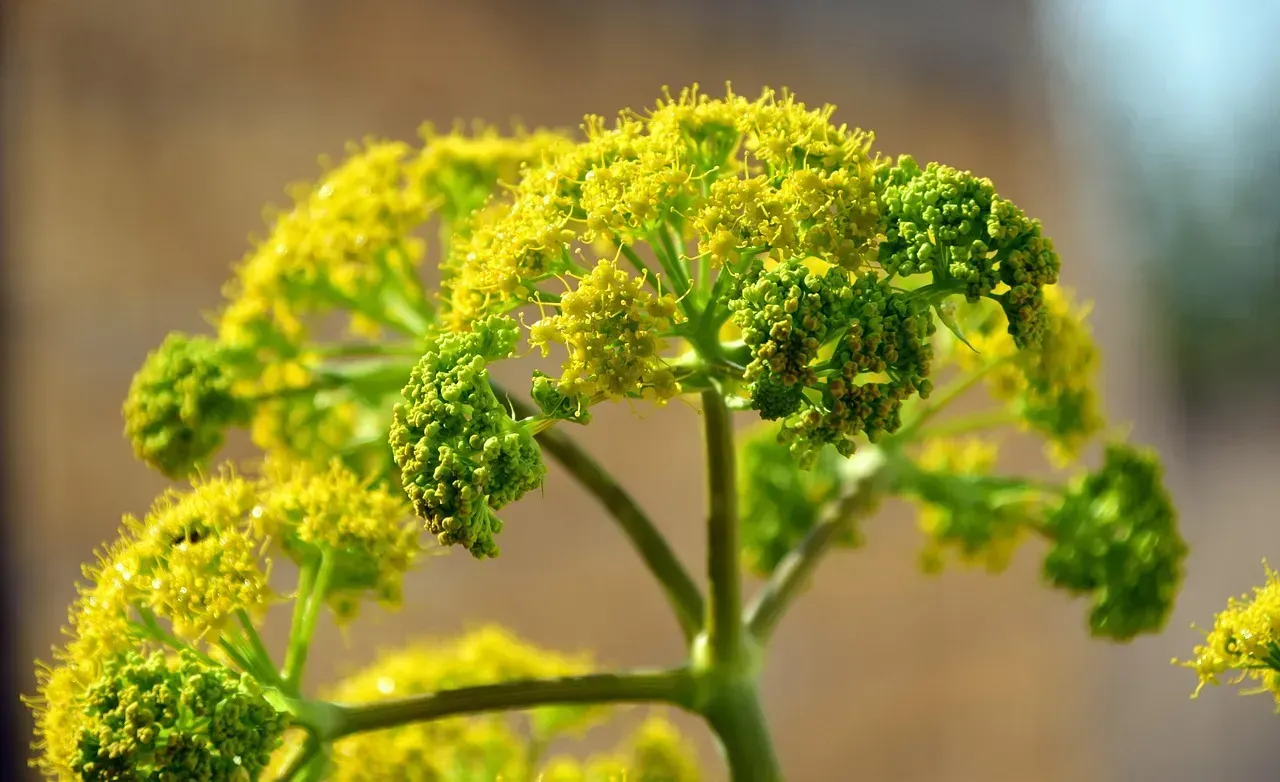
Most people know fennel the vegetable. Far fewer have encountered fennel pollen, the ultra-fine golden dust collected from fennel flowers that chefs have been quietly using as a secret weapon for years. It smells like sweet licorice sunshine. That's the best description I can offer.
Fennel pollen is harvested from fennel flowers, with each plant producing only a small amount of pollen. The harvesting process is extremely labor-intensive, as the pollen must be collected by hand. Its unique flavor profile, combining hints of licorice, saffron, and anise, makes it a sought-after spice despite its high price. The fact that it has to be collected by hand, flower by flower, means it never gets cheap.
At up to $416 per pound at retail prices, fennel pollen occupies a rarefied tier. Consumers are becoming more adventurous in their culinary pursuits and seeking out bolder tastes. From Korean gochujang to West African spices, the wide range of complex flavors available to consumers will continue to expand. Fennel pollen fits perfectly into this era of flavor adventurism - intense, unusual, and almost impossible to replicate with any substitute.
Used sparingly - just a pinch, really - it transforms grilled pork, pasta, pizza dough, or roasted vegetables into something that tastes like it came from a restaurant with a Michelin star. It's one of those rare ingredients where you ask yourself: where has this been my whole life?
6. Grains of Paradise - Pepper's Forgotten, More Interesting Cousin
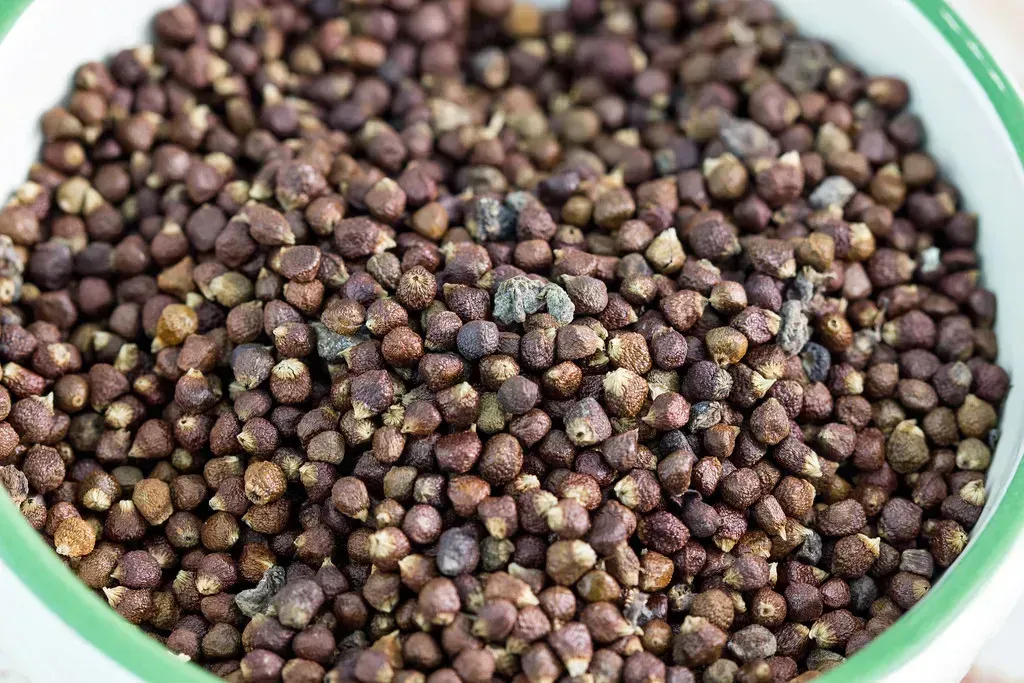
Here's an ingredient that was once traded alongside black pepper and saffron as one of the most coveted spices in the medieval world, then nearly vanished from Western kitchens entirely. Grains of paradise deserve a serious comeback - and in food circles, they're quietly getting one.
Native to West Africa, grains of paradise have a flavor similar to black pepper with a hint of citrus. They are harvested from the seeds of the Aframomum melegueta plant. The spice's limited growing regions and labor-intensive harvesting contribute to its high cost. Additionally, its culinary and medicinal uses add to its value. Think of it like pepper that went on a gap year to West Africa and came back more interesting.
Ingredients such as sumac, preserved lemon, and black lime provide both tanginess and depth, appealing to those seeking exotic flavors with a health-conscious edge. Grains of paradise belong in exactly that same conversation - a bridge between the familiar and the thrillingly foreign. The spice carries warming, citrusy, floral notes that regular black pepper simply cannot replicate.
Craft brewers have been rediscovering grains of paradise as a flavoring agent in specialty ales and saisons. Chocolatiers use them to finish dark chocolate. And progressive chefs are sprinkling them over lamb, game meats, and even cocktails. As consumers become increasingly exposed to global cuisines, the demand for exotic and ethnic ingredients, such as spices, herbs, and flavor enhancers, has surged. Grains of paradise may just be the most underrated beneficiary of that trend.
7. Black Garlic - Humble Ingredient, Extraordinary Transformation
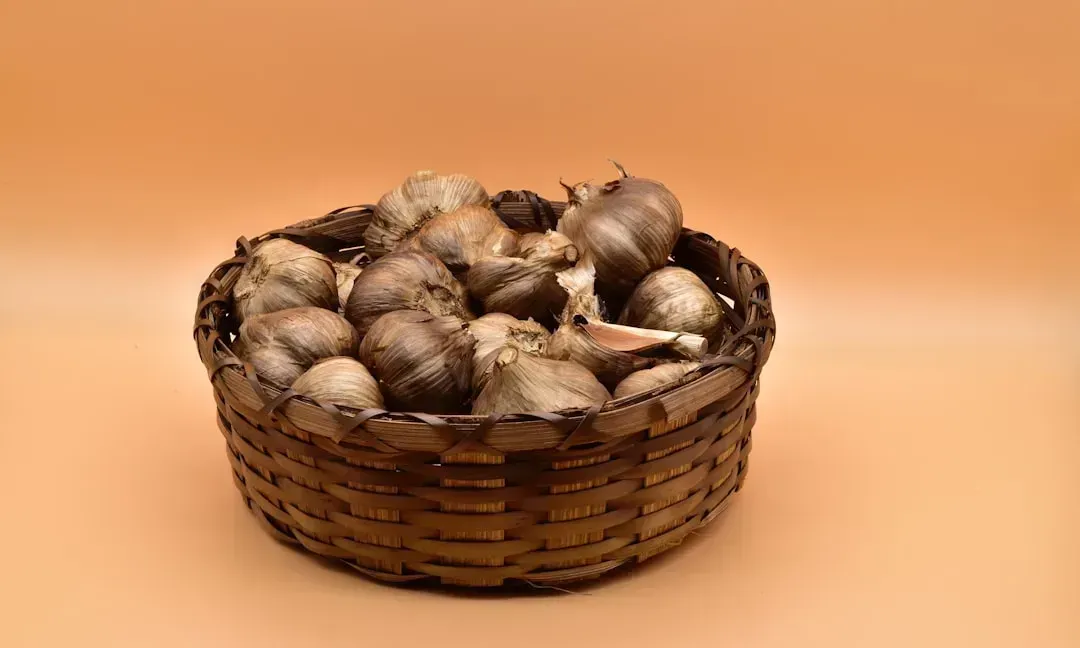
Honestly, few transformations in the food world are as quietly dramatic as what happens when you take a regular garlic clove and subject it to weeks of gentle heat and humidity. What comes out the other end is something almost unrecognizable - black, soft, syrupy, and tasting nothing like raw garlic.
Black garlic, an East Asian ingredient, works brilliantly in a simple yet versatile condiment like aioli to dip fries in or spread on a burger. That casual suggestion barely scratches the surface of what black garlic can do. Its flavor profile is a revelation - deeply savory and sweet simultaneously, with notes of molasses, balsamic vinegar, and tamarind, and none of the sharpness you associate with fresh garlic.
The transformation happens through a process called the Maillard reaction combined with enzymatic activity during a controlled aging process that typically takes 30 to 90 days at low temperatures. Patience is the only technique required. The 2024 flavor trends report highlights a focus on innovative and global flavors, health-conscious and sustainable ingredients, and the rise of the standout flavor, catering to consumers' desire for culinary exploration and indulgence. Black garlic fits that brief perfectly.
The antioxidant content in black garlic is significantly higher than in its raw counterpart, making it both a culinary and functional food powerhouse. It's one of the few rare ingredients on this list that you can actually make at home with nothing more than a rice cooker and time. Try it once, and you'll never look at garlic the same way again.
8. Tamarind - The Tangy Treasure Most Western Kitchens Are Missing
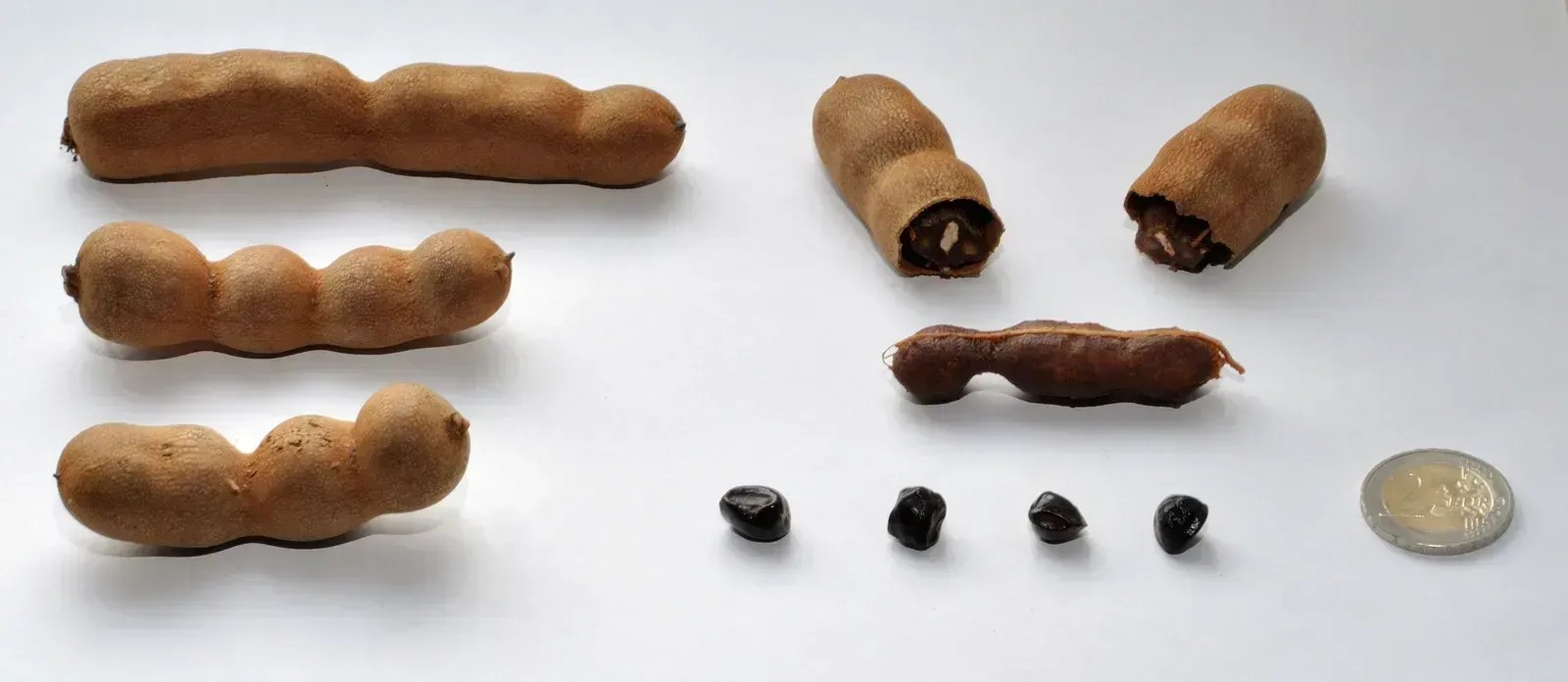
Tamarind is one of those ingredients that, once you know it, you can't un-know it. It's the backbone of countless cuisines across Asia, Africa, Latin America, and the Caribbean - yet in many Western homes, it remains completely foreign. That's a genuine culinary injustice worth correcting.
McCormick & Co. identified tamarind as the flavor of 2024, which says something. The bright and tropical flavors of tamarind, aji amarillo, and guava reflect a trend toward freshness and vibrancy. These ingredients are particularly popular in sauces, marinades, and beverages, appealing to consumers who value both flavor and health benefits. The food industry is catching on to what billions of people have known for centuries.
As the "pickle craze" begins to become mainstream, experts expect consumers to start seeking out complex sour flavor experiences with other ingredients such as balsamic and even tamarind. Tamarind is perfectly positioned to be the next big crossover hit - it delivers that same satisfying sour-sweet complexity that consumers are clearly craving right now. Its sticky, dark paste has a depth that lime juice and lemon simply cannot replicate.
From pad thai and chutneys to BBQ marinades and agua fresca, tamarind proves that extraordinary flavor doesn't always require extraordinary rarity or expense. A third of consumers are drawn to flavors that are new, unique, and different, and Gen Z values creativity one-and-a-half times more than baby boomers, opening the door for unexpected flavor juxtapositions. Tamarind is the perfect entry point for anyone ready to start exploring ingredients beyond the ordinary - bold, ancient, and deeply satisfying.
Conclusion
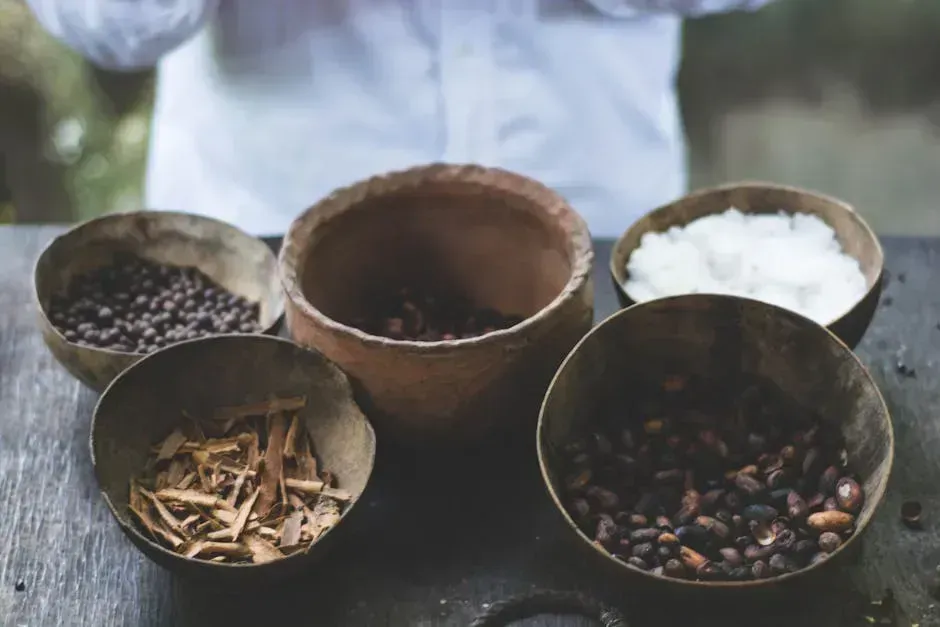
The world is staggeringly full of flavors that most of us never encounter - ingredients that have shaped entire civilizations, powered ancient trade routes, and inspired centuries of culinary devotion. From the crimson threads of saffron hand-picked at dawn to the underground diamonds of the Italian forest, each of these rare ingredients carries its own extraordinary story.
You don't have to spend a fortune or travel across the globe to begin exploring. Tamarind paste is accessible and affordable. Black garlic can be made at home. Yuzu products are increasingly available online. The journey toward a richer, more adventurous palate can start with a single unfamiliar ingredient in your next meal.
How many of these eight have you actually tasted? Drop your answer in the comments - and if there's a rare ingredient you've tried that didn't make this list, we'd love to hear about it.




Leave a Reply