
There's a specific type of shopper haunting the aisles of every Kroger, Trader Joe's, and Whole Foods in America. They've got a reusable tote, a rough budget in mind, and an ambition to eat well without going broke. They compare labels, debate the organic berries, and occasionally treat themselves to something that looks like it came from a restaurant. Sound familiar? This is the middle-class foodie - and their grocery cart tells a surprisingly revealing story about where food culture, economics, and aspiration collide in 2026.
If you've ever wondered what actually lands in that cart versus what people wish they could afford, you're not alone. The answer is more layered and more interesting than you might expect. Let's dive in.
The Weekly Budget: More Constrained Than You'd Think
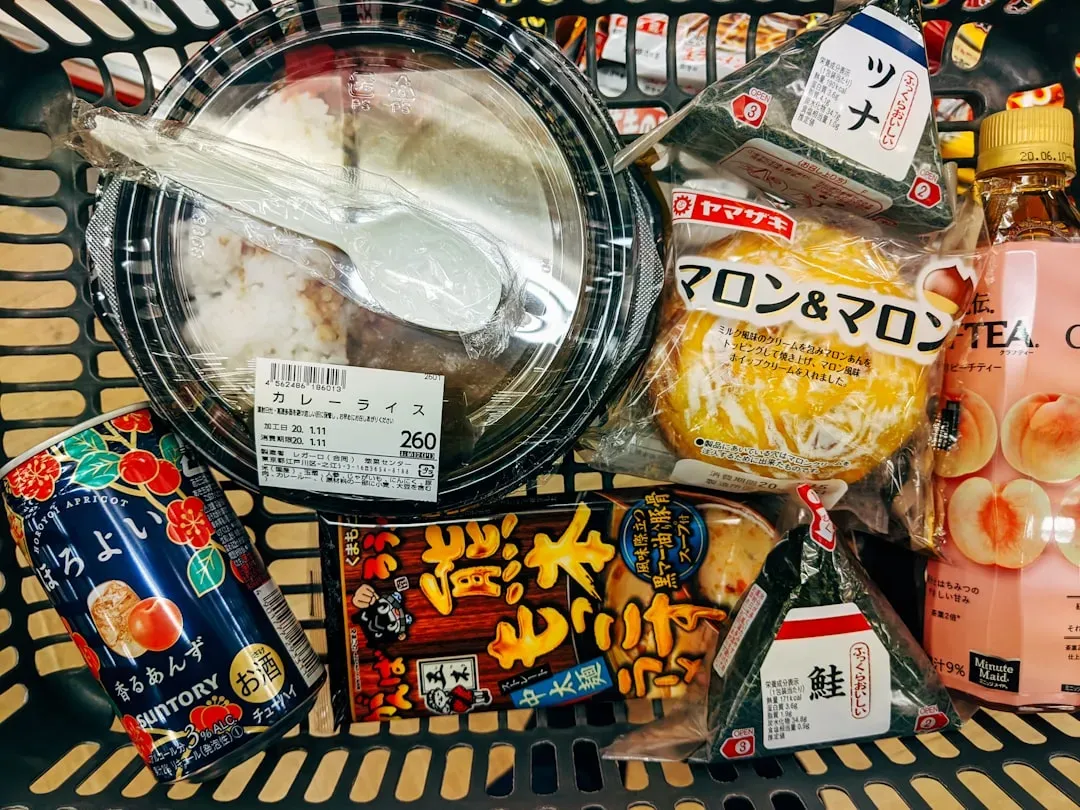
Let's be real about the numbers first, because they set the stage for everything else. As of February 2025, the average weekly grocery spending per household in the U.S. is $170 - a figure that covers everything from staples to splurges. For a middle-class family juggling rent, utilities, and health care, that's a firm ceiling, not a starting point.
Beyond food prices, higher living costs such as housing, utilities and health care have also influenced spending decisions, with roughly three in ten middle-income households citing these pressures. In other words, the grocery budget isn't just competing with food cravings - it's competing with everything else in modern life.
Grocery shopping used to be automatic for many middle-class families: you bought what you needed, maybe glanced at the weekly ad and moved on. Now every trip requires math. Is that brand-name pasta sauce really worth three dollars more? Multiply that question across fifty items, and you start to understand the mental load of the modern foodie shopper.
Fresh Produce: The One Non-Negotiable
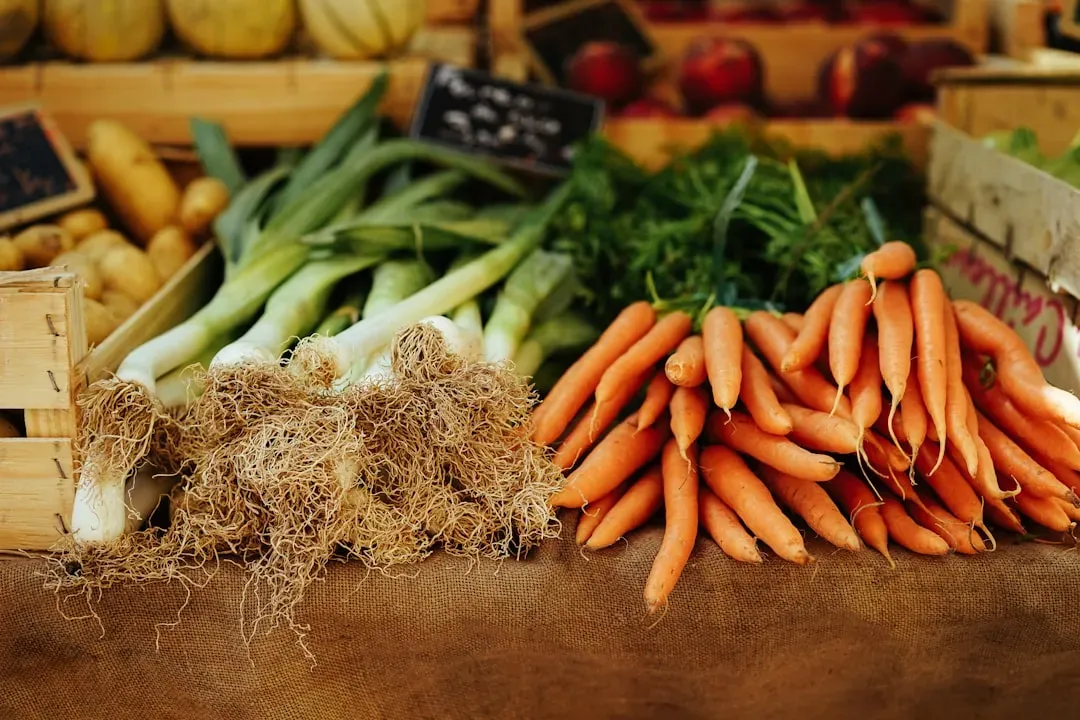
Ask any self-identifying foodie what they never skip at the store, and fresh produce lands at the top almost every time. The data backs this up strongly. At $22.7 billion, organic produce held its top spot as the standout category, accounting for nearly 30% of total organic sales in 2025, with a steady growth rate of 5.3% for the year. Fruits and vegetables are the gateway to the organic habit - and the middle class is leading that charge.
Berries remain the hero of the organic produce category, with sales rising to $4.4 billion, an increase of over ten percent. Think about that the next time you reach for those pricier organic blueberries. Millions of other shoppers are making exactly the same call.
Health and wellness continue to be powerful drivers of fresh food purchases, with consumers prioritizing options that align with their desire for healthier lifestyles. Fresh produce remains a cornerstone of this trend, as shoppers increasingly seek out fruits and vegetables and minimally processed foods to support their nutritional goals. Honestly, I think this is the one category where the middle-class foodie truly refuses to compromise - even when everything else gets traded down.
The Store Brand Switcheroo: Quality Without the Logo
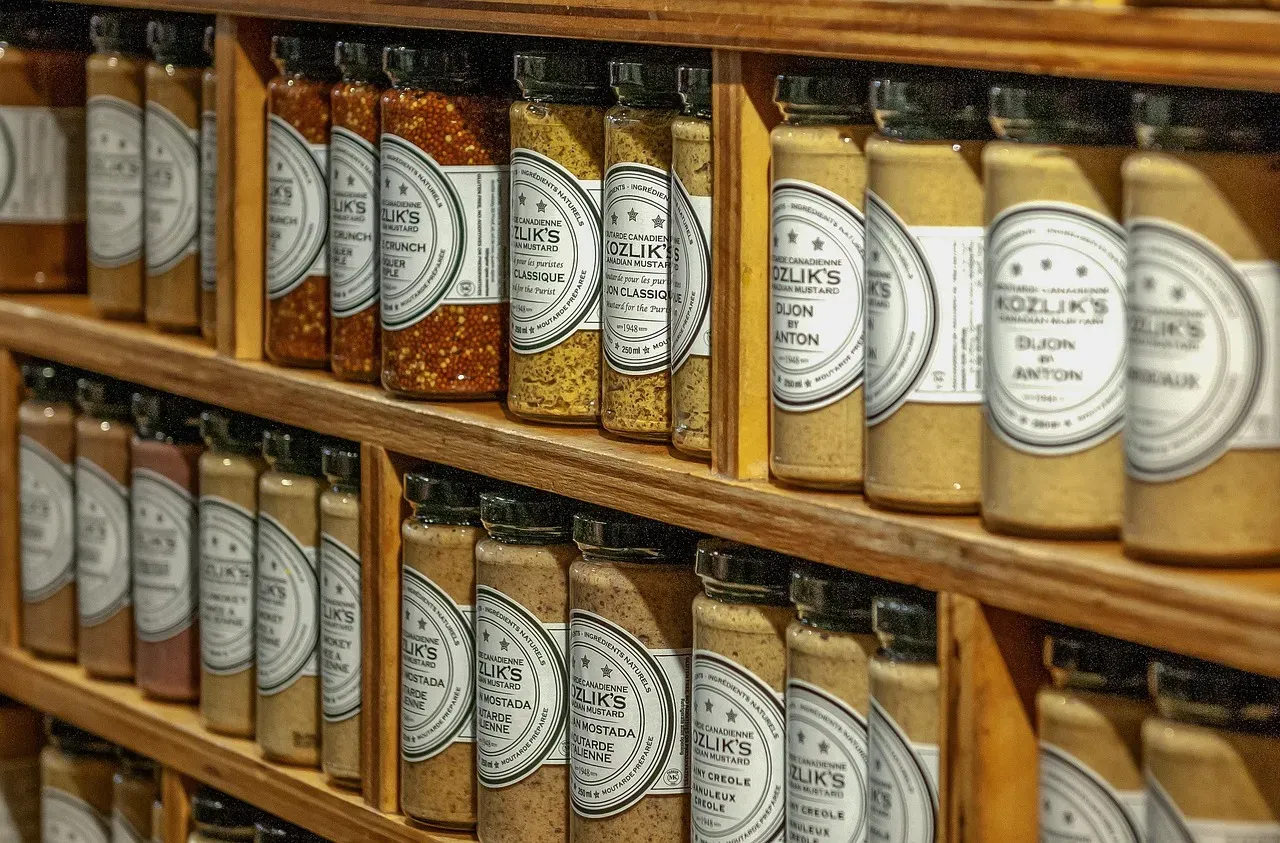
Here's the thing that nobody wants to fully admit: the store brand revolution is real, and it's changing the cart of the middle-class foodie fast. Private label product sales in the United States rose 3.3% last year compared with 2024 to a record $282.8 billion. Private label sales grew nearly three times as quickly as sales of national brands. The data reflects strong and ongoing shopper and retailer interest in store-brand goods as affordability concerns continue to grip consumers.
A large share of shoppers - roughly four in five - say store brands are "just as good or better than" name brands, according to an Ipsos survey. That's a seismic shift in perception. A decade ago, reaching for the store brand felt like an admission of financial struggle. Today, it feels smart.
Consumers with household incomes above $100,000 are becoming more likely to buy private label groceries, according to recent survey results from management consulting firm Alvarez and Marsal. So it's not just budget-squeezed shoppers doing this. It's the aspirational middle class too - the people who want to spend more on the olive oil but save money on the canned tomatoes. A perfectly rational strategy, when you think about it.
Organic Dairy, Eggs, and the "Worth It" Calculus
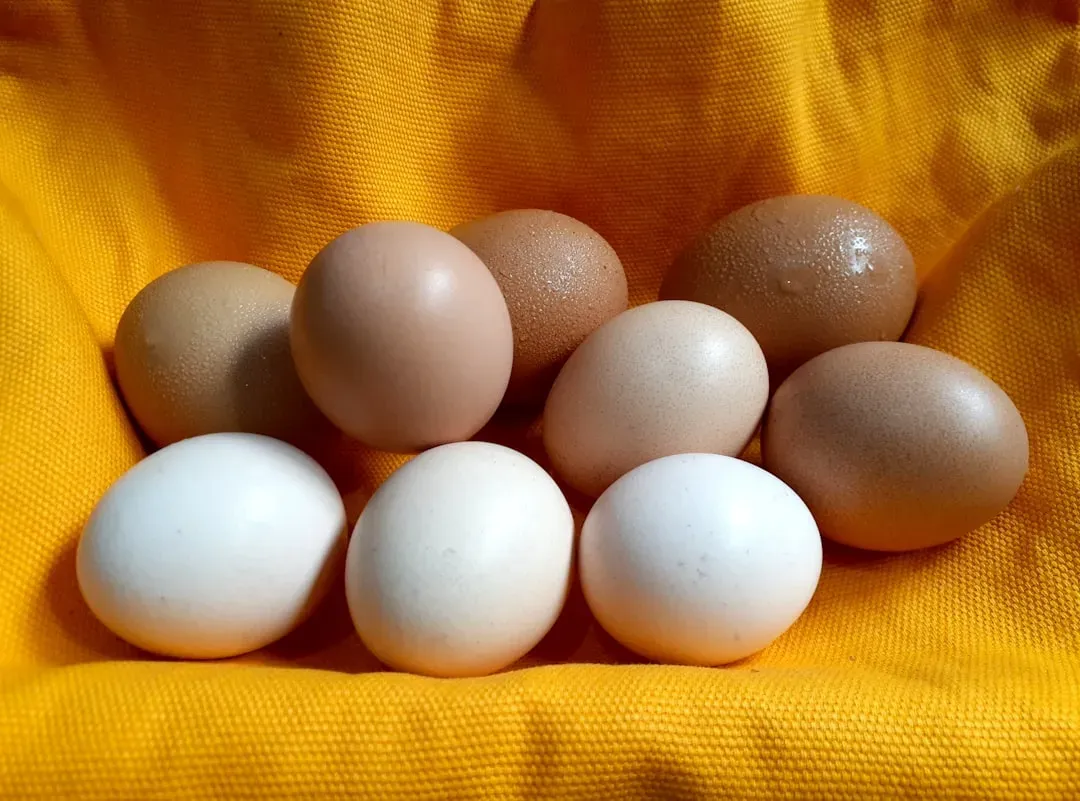
The egg and dairy section is where the middle-class foodie's values get tested hard. Prices in this aisle have been punishing. Due to a resurgence of a highly pathogenic avian influenza outbreak that began in 2022, egg prices rose the most - nearly nine percent - across food products in 2024. Grabbing a carton of eggs without wincing became a small act of courage.
Organic dairy and egg sales grew at a notably strong rate of over twelve percent to reach $9.6 billion in 2025, a more than one billion dollar increase from a year prior. This growth aligns with the current health and wellness trend resonating with shoppers who are looking for high quality, nutrient-dense products even when priced at a premium.
Organic egg sales rose by an impressive 22.4%, even in the face of prices that are still high because of the lingering impact of the avian influenza epidemic. People are not just tolerating the higher price - they are actively choosing it. That tells you something powerful about how the middle-class foodie prioritizes quality when it truly matters to them.
Meat: Strategic Splurges and Smart Swaps
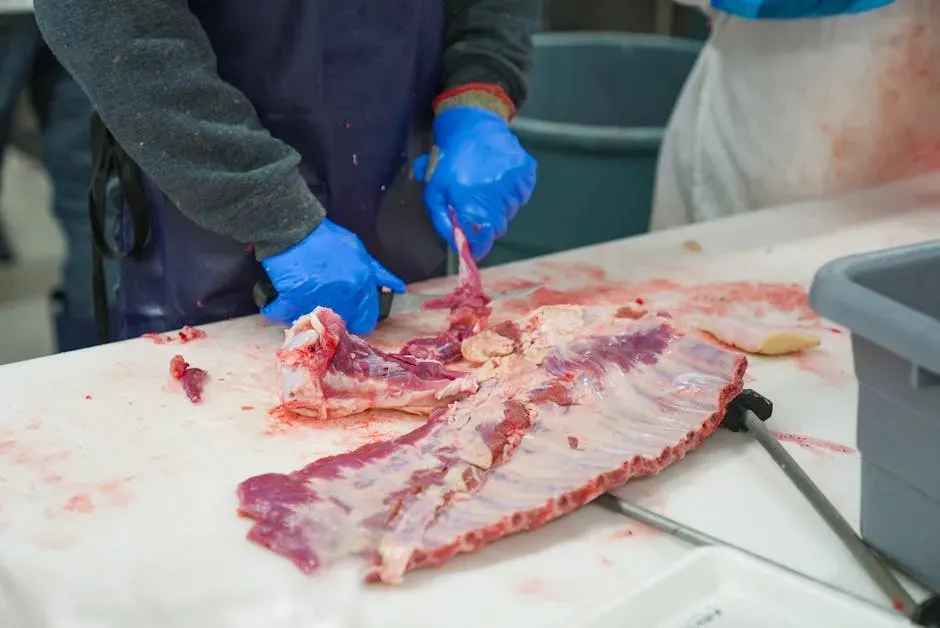
Meat is where the middle-class foodie performs the most visible balancing act. The second largest price increase in 2024 was in beef and veal prices, up more than five percent, followed by sugar and sweets. Beef, once the unquestioned center-of-plate protein, has become something you think twice about buying every single week.
Food departments are fueling recent price increases, with meat leading the way, up eleven percent. The practical response from a middle-class grocery cart? Fewer premium cuts, more chicken thighs, more ground beef stretching across multiple meals. It's not glamorous, but it's smart cooking.
Still, when the middle-class foodie splurges on meat, they are going bigger and more intentional. In poultry, meat and seafood, the big story in 2025 was the growth in organic beef. Topping $1.4 billion in sales with an extraordinary growth rate of 44.3%, beef had the highest increase of any category for the year. The treat-yourself moment has shifted from quantity to quality - a smaller piece of something exceptional rather than a larger portion of something average.
The Multi-Store Strategy: Shopping Like a Chess Player
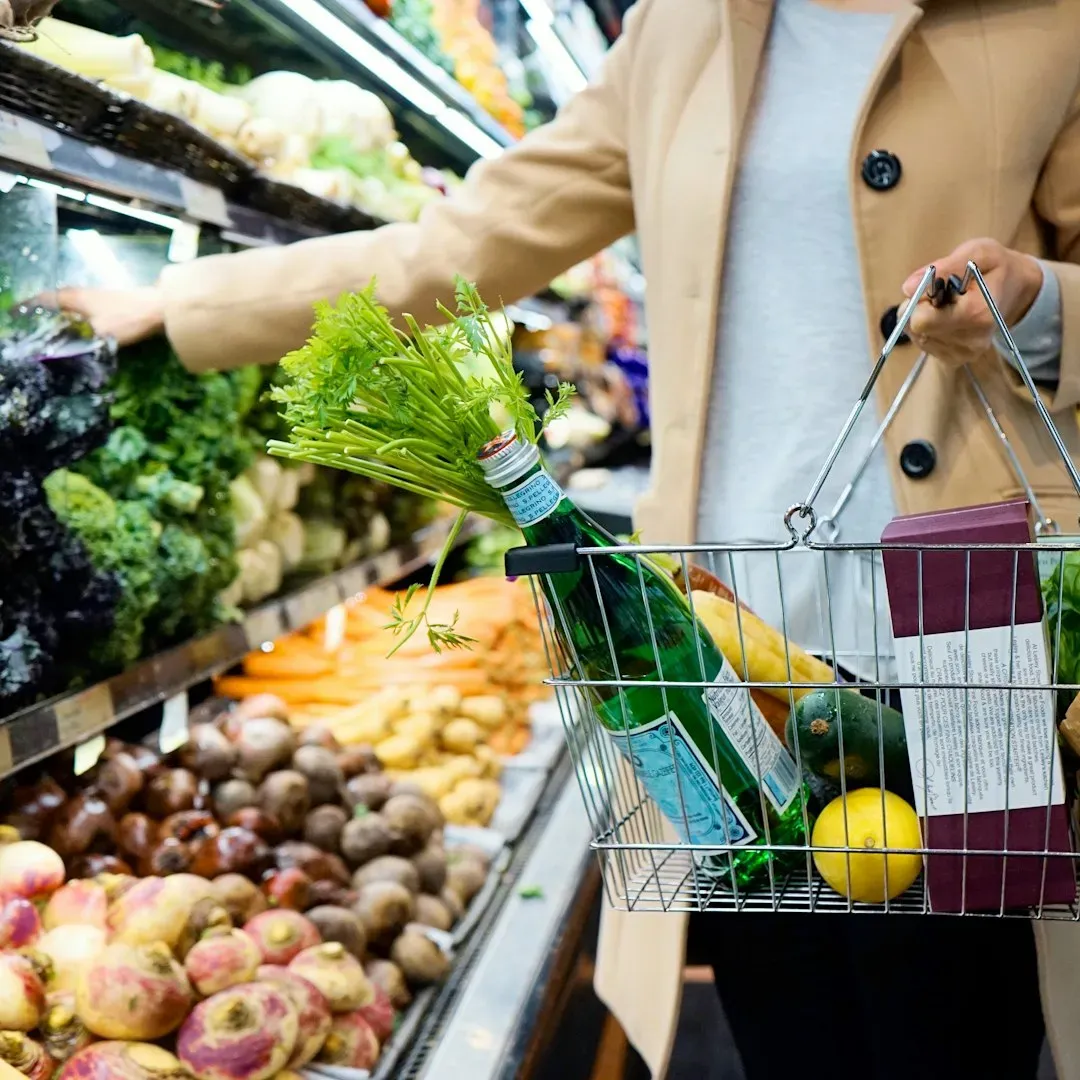
One thing that rarely gets talked about when people picture the typical grocery run is just how deliberately the modern middle-class shopper has stopped being loyal to a single store. Instead of relying on a single grocery store for their weekly haul, U.S. consumers have been increasingly visiting multiple stores in search of deals, discounts, and specialty items. This trend solidified in 2024 and has carried over into 2025 as well.
According to NielsenIQ data, warehouse clubs are growing their share of food spending across income groups, especially among those with higher incomes. Think Costco for paper towels, olive oil, and frozen salmon. Trader Joe's for the interesting snacks and cheap wine. Aldi for pantry staples. A regular supermarket or farmers market for fresh produce. The middle-class foodie has turned grocery shopping into a circuit.
According to the December 2025 Consumer Food Insights Report from Purdue University's Center for Food Demand Analysis and Sustainability, 82% of consumers modified their shopping behavior in 2025. The most common adjustments? Seeking out discounts and splitting the shop across multiple retailers. The most common adjustments were seeking discounts and trading down to store brands. Nonessential purchases were also cut: the snacks, specialty items and things that used to go into the cart without a second thought.
The Wellness Aisle: Where Aspiration Meets Reality
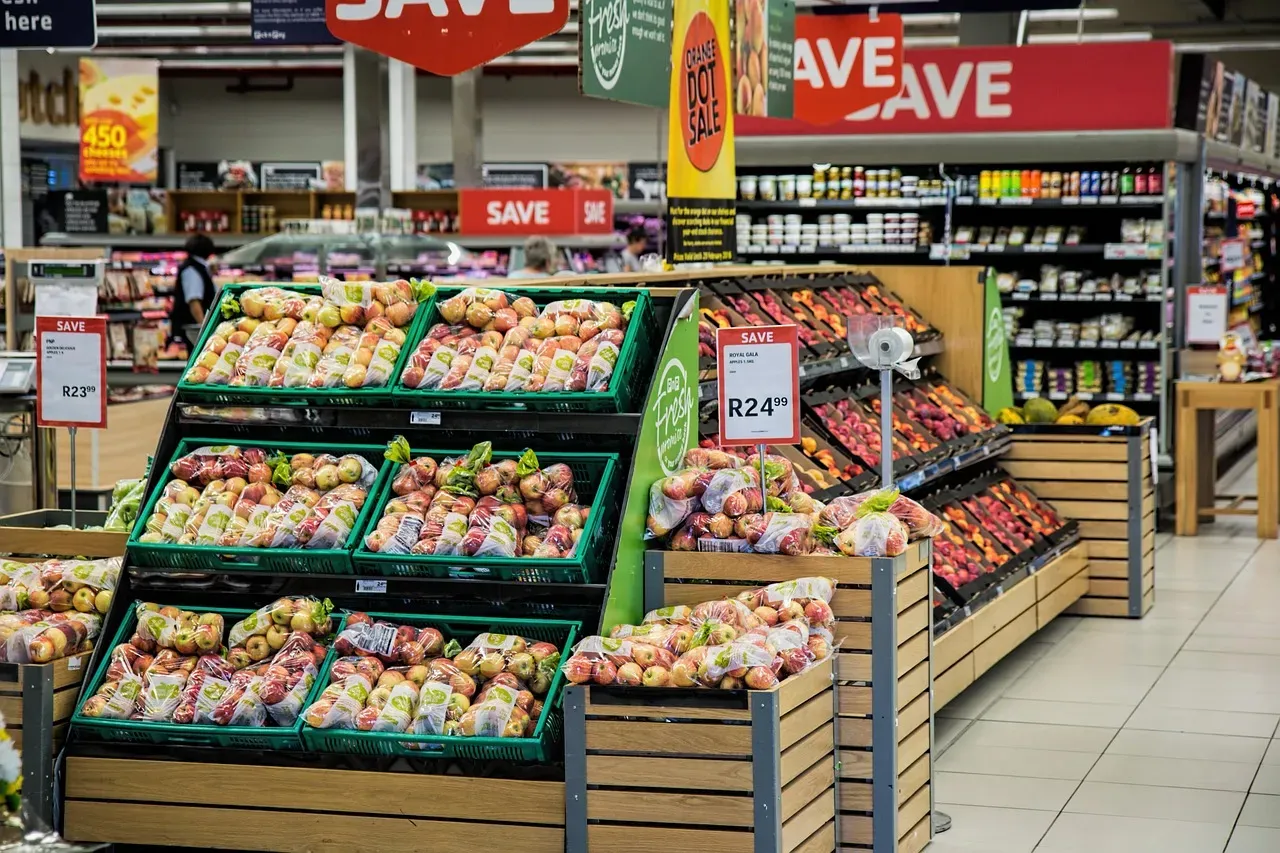
Walk into any well-stocked grocery store in 2026 and you will find an expanding wellness section that looks more like a supplement shop than a food store. The middle-class foodie is drawn to it like a moth to a very expensive flame. The wellness trend has transformed ordinary supermarkets into veritable health emporiums, reflecting a significant shift in consumer priorities and shopping habits.
Key trends that influenced purchases of organic products in 2025 included desire for cleaner ingredients and formulation profiles, as consumers focus on their personal health and wellness. With continually shifting attitudes towards "food as medicine," consumers increased their protein intake again in 2025, with products containing more protein showing up across categories from functional beverages to cereals to snacks.
Seventy-two percent of grocery shoppers identify themselves as health conscious, according to Progressive Grocer's Consumer Expenditures Study. That is a remarkable number. It means the majority of people pushing carts through any given store are at least trying to make health-driven choices, even when price and habit push back. The middle-class foodie cart in 2026 reflects exactly that tension - aspirations packed carefully alongside budget realities, one item at a time.
The middle-class foodie is not buying caviar or processed junk. They're buying fresh produce with genuine enthusiasm, organic dairy when it feels worth it, store-brand pantry staples without shame, and the occasional grass-fed steak as a deliberate reward. They're doing math in their heads, hopping between stores, and trying to eat well without blowing the budget. It's a smarter, more considered way of shopping than most people give it credit for. What would you honestly find in your own cart if you looked closely?



Leave a Reply