
There is something nobody tells you when you spend years behind a professional stove. You stop being able to eat without thinking. Every bite becomes a little autopsy. You notice the salt levels, the balance, the technique, and yes, whether that person across the table just drowned their premium cut in a river of ketchup. Twelve years in professional kitchens changes how you look at food. It also changes how you quietly judge the people eating it.
Now, before you close this tab, let me be clear. This is not gatekeeping for the sake of ego. It is about understanding that certain food choices reveal a whole lot more than hunger. They hint at curiosity, openness, risk tolerance, and cultural exposure. Some foods function like a mirror. Let's find out what they might be saying about you.
The Well-Done Steak: A Chef's Quiet Nightmare
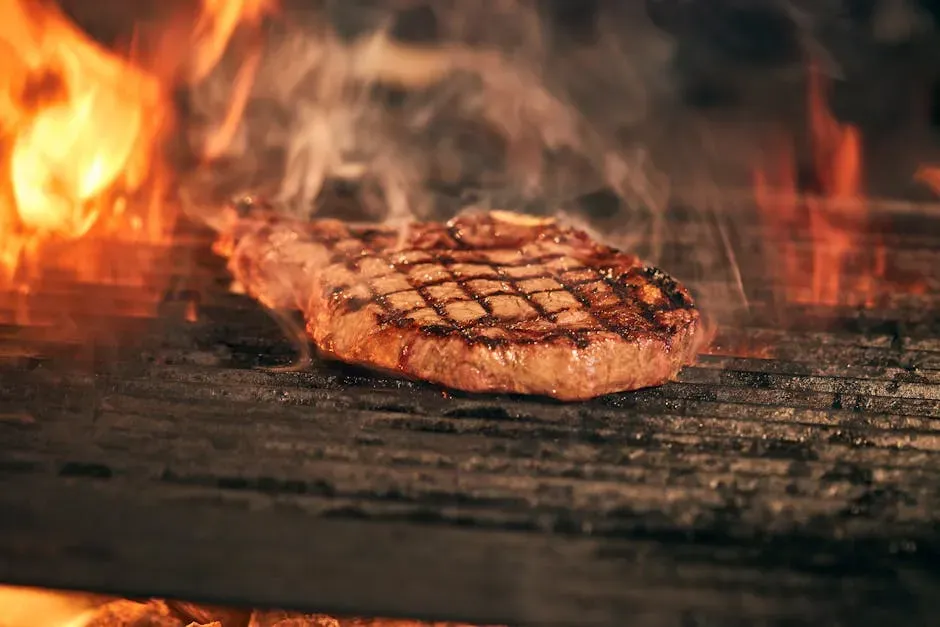
Let's be real. Nothing sends a quiet shudder through a professional kitchen faster than the words "well done, please." Well-done steak is generally considered tough and dry due to the loss of moisture and muscle fiber tension, making it a less popular choice among chefs and culinary enthusiasts. That is not opinion. That is physics.
Medium-rare is the common consensus among the culinary community. Steak loses moisture as it cooks, and the muscle fibers tense up the longer it sits on the heat. A well-done steak, having been on the cooking surface the longest, is also the driest and toughest level of doneness. Think of it like leaving a sponge in the sun. You paid for something beautiful, then cooked all the beauty right out of it.
Some folks embrace both an exterior char and a no-pink interior, while others feel that a well-done steak is akin to a culinary crime. Whether a matter of personal taste or professional pride, the well-done steak continues to evoke strong opinions from kitchens to dining rooms. Honestly, I will cook it however you ask. Every guest deserves respect. Still, inside, I am grieving a little.
Ketchup on a Steak: The Double Offense
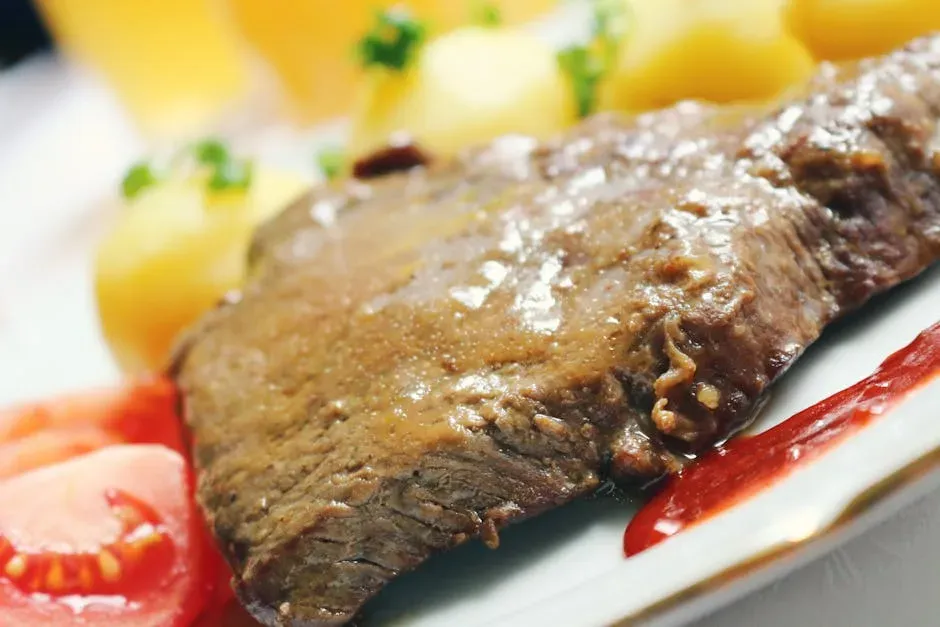
If ordering well-done opens the first door of quiet judgment, reaching for the ketchup bottle slams through the second. Ketchup, a condiment often paired with well-done steak, is criticized for potentially overpowering the rich umami flavor of the beef, leading many to opt for other sauces that complement the meat better.
Here is the thing. Ketchup is not a villain in all contexts. It belongs on fries, it works on burgers, and in Chicago, the ongoing war over ketchup on hot dogs is practically a religion. Nowhere is ketchup more controversial than in Chicago, where putting it on a hot dog is culinary heresy. Elsewhere, it's totally normal. The line is clear: kids can have it, adults get judged.
Ketchup is thicker and sweeter than a standard tomato sauce, and its tangy sweetness can overpower the rich umami flavor of your steak. When you pour it over a carefully seared prime cut, you are essentially painting over a Rembrandt with house paint. I will not say a word to your face. The look says enough.
Refusing to Engage with Umami: The Flavor Fifth You're Missing
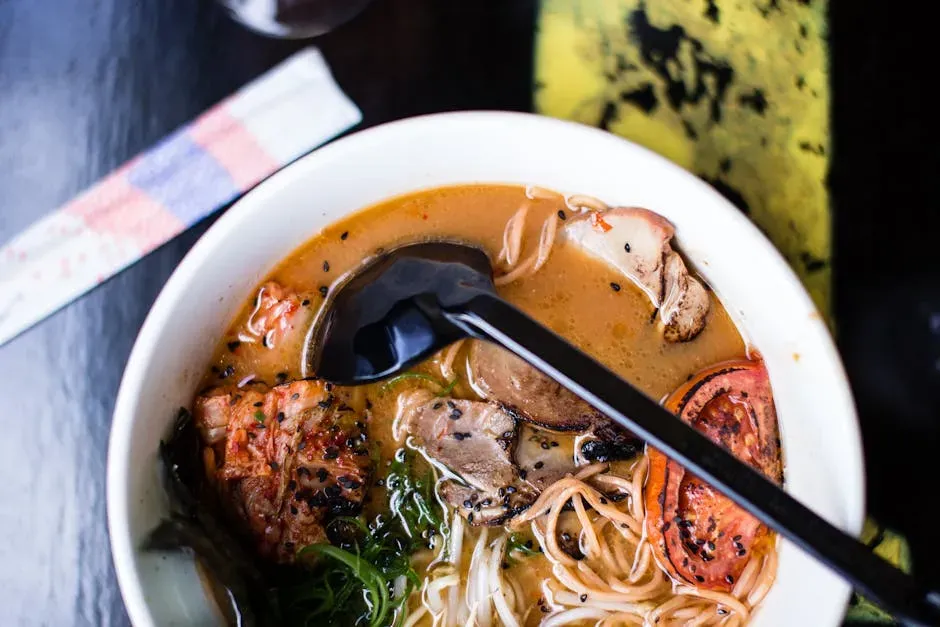
If someone at the table pushes away a dish because it tastes "too intense" or "weird," and that dish happens to be built on deep umami notes, I pay attention. Umami is our fifth basic taste, and it literally translates from Japanese to "essence of deliciousness." In 1908, Kikunae Ikeda discovered that the amino acid glutamate is responsible for the umami taste.
Umami has global recognition as the fifth elementary taste, alongside sweetness, sourness, saltiness, and bitterness. Umami compounds are known to enhance the sensation of recognized flavors such as salty, sweet, bitter, and others. Avoiding it is like saying you only want to hear three notes of music. You are cutting yourself off from a whole dimension of flavor.
The market tells the same story. The Umami Flavors market accounted for USD 2.23 billion in 2024 and is expected to reach USD 4.79 billion by 2035, growing at a compound annual growth rate of around 7.2% between 2025 and 2035. The world is leaning into umami harder than ever. Turning your nose up at it is not a quirk. It is a missed opportunity.
Being Afraid of MSG: The Misunderstood Ingredient
I have watched people at dinner tables visibly recoil at the mention of MSG. And every time, I have to fight the urge to give a small, gentle lecture. Despite being falsely maligned, MSG is a completely safe, more nutritious way to improve the taste of food products, as it can reduce sodium by up to 30%.
In December 2024, Food & Wine published a roundup detailing their top trends and ingredients that changed the way people cooked that year, and coming in at number two on the list was MSG, which can be used to add umami flavor to everything from burgers to soups to salad dressings. This is not a fringe movement. It is a full-scale culinary rehabilitation.
The FDA has classified MSG as "Generally Recognized as Safe" (GRAS), meaning it is considered safe when consumed within recommended limits. So when someone refuses a dish because it might contain MSG, they are rejecting science, decades of Asian culinary tradition, and frankly, some of the most delicious food on earth. That tells me something about their relationship with curiosity.
Defaulting to Salt Before Tasting: The First Instinct That Reveals Everything

Reaching for the salt shaker before taking a single bite is, to a chef, a kind of insult. It signals one thing loudly. You have already decided the food is not good enough before you have given it a chance. Think of it like judging a book by the font on the cover.
Here's the thing. Professional kitchens season in layers. There is salt added to the water, to the protein, to the sauce, to the finish. The food on your plate has been thought about more than you probably realize. Scientists estimate that smell accounts for 70 to 90 percent of flavor, and over 61 percent of consumers now rank aroma as one of the most important factors when choosing what to eat or drink. If you never pause to actually taste before correcting, you are missing what aroma and proper seasoning are already doing for you.
It's a small habit that reveals a larger pattern. People who pre-salt tend to be on autopilot with food. They are not tasting. They are fueling. And there is no judgment in that as a lifestyle choice, but in a restaurant, at a table someone has worked hard to set, it stings a little.
Only Ordering "Safe" Foods on an Adventurous Menu
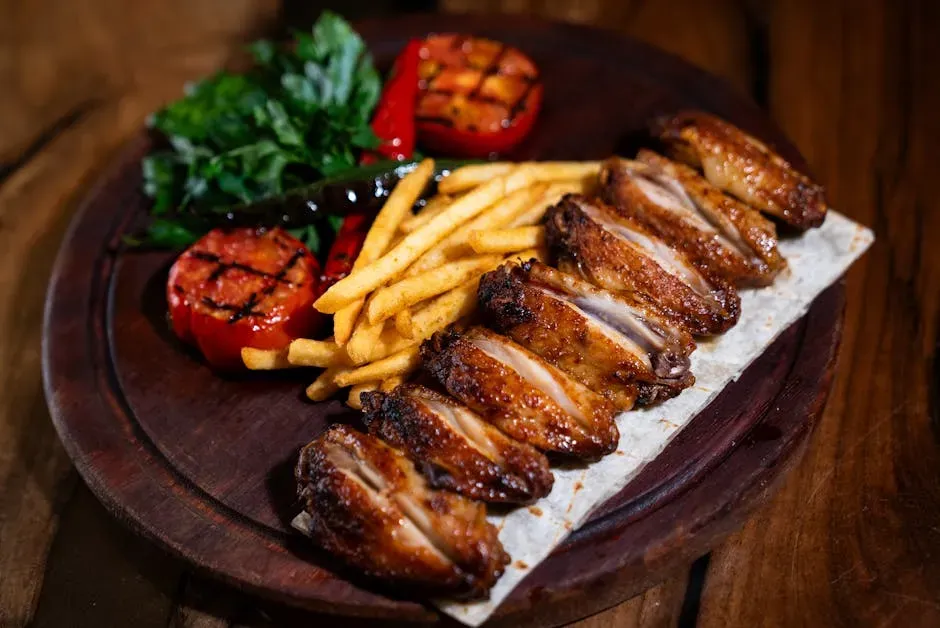
Imagine going to a restaurant known for its bold, globally inspired plates, and ordering the plain grilled chicken. I know, I know. Dietary restrictions exist, and they are completely valid. I am not talking about those. I am talking about the person who could order anything and still reaches for the blandest option out of pure habit.
Led by Gen Z, younger consumers seek stimulation from their foods and beverages and are looking for exciting and adventurous taste experiences that tell a story and make a connection with them emotionally. It is not just a trend. It reflects a genuine evolution in what people want food to do for them. Food has become emotional, cultural, narrative. Refusing to engage with that is a choice, and it does say something.
About 85 percent of consumers have either researched, purchased, or considered purchasing a product or service after seeing friends, family, or influencers post about it. Consumers are most interested in seeing and acting on influencer content about food and beverages, and 75 percent of respondents say they're likely to try a viral food or beverage trend after seeing it on social media. Curiosity about food is essentially universal now. Holding back from it entirely reads, in the kitchen, as a closed door.
Dismissing an Entire Cuisine as "Not for Them"
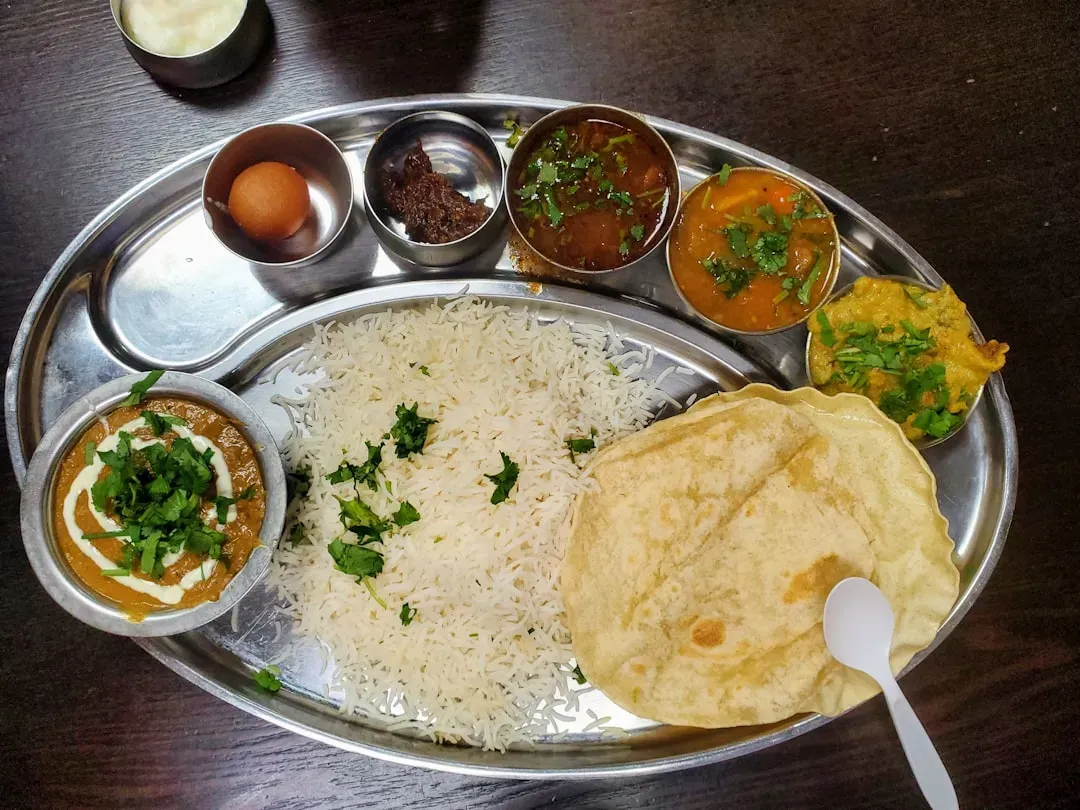
This one honestly bothers me the most. Someone sitting down at a table and casually announcing they "don't eat Indian food" or "can't do Asian flavors" without ever having given either a real, genuine chance. It is not a preference. It is a wall.
Today, chefs are embracing the full spectrum of regional cooking across India, showcasing bold, authentic flavors without compromise. This new wave of culinary innovation is redefining what various global cuisines mean in America, moving beyond the predictable and into the extraordinary. The culinary landscape has never been richer or more accessible. Dismissing entire traditions shuts the door on thousands of years of human ingenuity.
The data agrees. For its World Food Awards 2025, TasteAtlas set out to approach the debate about the world's best cuisines with something concrete. The food-mapping platform aggregated 477,287 valid ratings across 15,478 dishes and food products, turning millions of individual eating experiences into a global leaderboard of 100 cuisines. The world voted. Every major cuisine earned its place at the table. Refusing to try is refusing to listen.
I think of food like language. You would not brag about only speaking one. So why would you brag about only eating one type of cuisine? That combination of willful narrowness and pride is, to me, the most telling food behavior of all.
The next time you sit down to eat, somewhere, somehow, a chef is watching. Not to humiliate you, and not to enforce any rigid rule. It is just that after twelve years of cooking, food choices are a language all their own. What is yours saying about you?



Leave a Reply