
Every time you roll that cart down the grocery aisle, there's a quiet calculation happening in your head. How much did this cost last month? Is this really what a dozen eggs is going for now? After years of relentless food inflation that pushed grocery bills to genuinely painful heights, there's finally a glimmer of hope on the horizon for certain staples. Not across the board, not evenly, but in some very specific, very interesting corners of the supermarket.
The outlook for 2026 points toward a gradual return to near-normal historical inflation levels, with most forecasts expecting price increases to ease further as supply chains continue to stabilize and agricultural markets move into more balanced territory. Still, relief won't arrive at every shelf at once. Some items are genuinely poised for a meaningful price drop, and knowing which ones could actually change how you shop. Let's get into it.
1. Eggs: The Most Dramatic Comeback Story in the Grocery Store
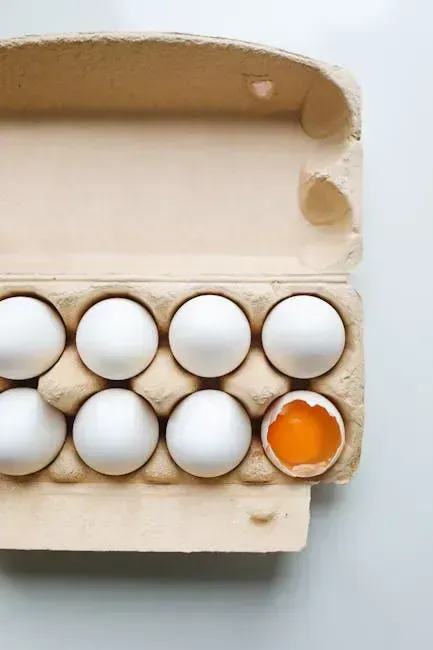
Let's be real, no food item dominated the headlines more than eggs over the past two years. In the first quarter of 2025, egg prices were marred by an outbreak of avian influenza, causing prices to skyrocket and peaking in March at $6.23 per dozen, according to the Federal Reserve Bank of St. Louis. That's not a typo. Six dollars for a dozen eggs.
An ongoing outbreak of Highly Pathogenic Avian Influenza (HPAI) that began in 2022 caused egg prices to increase by reducing egg-layer flocks and egg production. Retail egg prices increased 32.2 percent in 2022, 1.4 percent in 2023, 8.5 percent in 2024, and a staggering 21.9 percent in 2025. That's a brutal multi-year run for shoppers.
The price of eggs dropped by more than 40 percent year over year in February 2026, as shortages caused by the longest-running avian flu outbreak have stabilized. The recovery is already well underway. Egg prices are predicted to decrease 26.8 percent in 2026, with a prediction interval of negative 39.7 to negative 9.9 percent, according to the USDA Economic Research Service.
U.S. egg production has been recovering. Despite an increase in the number of monthly HPAI detections in February 2026, USDA is projecting an increase in egg production in 2026 over 2025. That's a genuinely encouraging sign for anyone who's been quietly rationing their omelets.
2. Dairy Products: Cheese, Butter, and Milk Finally Cooling Off

Honestly, dairy has been a mixed bag. Some products surged, others wobbled, but the broader trajectory is now shifting downward in a way that should feel noticeable at the checkout. Prices for eggs, dairy products, and fats and oils are predicted to decline in 2026 compared to 2025, according to USDA forecasts. That's a meaningful cluster of items heading the right direction.
The dairy products index is down 0.3 percent from a year ago, with January year-to-year percentage changes showing fresh whole milk at negative 0.4, cheese at negative 1.2, and butter at negative 5.0 percent. Think about that for a second. Butter is already down five percent compared to a year ago.
The FAO Dairy Price Index averaged 121.8 points in January 2026, falling by five percent from December and standing nearly 15 percent below its level a year ago. This marked the seventh consecutive monthly decline of the index, driven largely by lower world cheese and butter prices.
Ample supplies in Europe and the United States exerted downward pressure on cheese quotations, while world butter prices also continued to fall, reflecting seasonally higher milkfat availability and accumulated inventories in Europe. Supply finally catching up to demand is the story here, plain and simple.
3. Fats and Oils: A Quiet But Real Price Relief

This one might surprise you. Cooking oils, vegetable shortening, margarine, the stuff you barely think about until you're staring at an $11 bottle of olive oil, are also heading in a more favorable direction. Prices for eggs, dairy products, and fats and oils are predicted to decline in 2026 compared to 2025, based on the USDA's March 2026 Food Price Outlook.
Some commodities experienced meaningful declines compared with the previous two years, with wheat, vegetable oils, and certain produce categories seeing improvements in supply, helping limit inflation across many processed foods, baked goods, and cooking staples. The supply-side story for oils is actually one of the more positive developments in the entire food sector right now.
Among categories that experienced large price decreases between January and February 2026, fats and oils was specifically listed alongside eggs and other meats. The trend line is clear. Whether it's the canola oil you use for weeknight stir-fry or the vegetable shortening tucked in the back of a pantry, this category is genuinely easing. It's not flashy news, but it matters when you're cooking every night.
4. Wheat and Flour: Grains Finally Working in Consumers' Favor
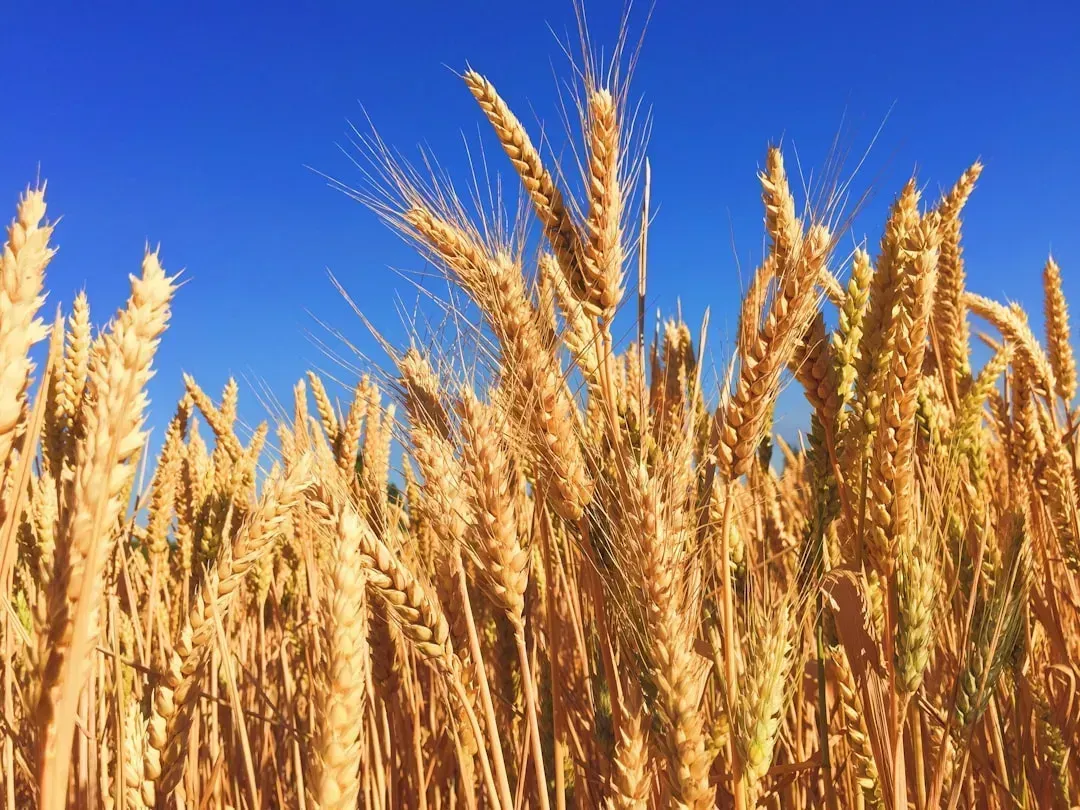
If you bake bread, make pasta, or buy any packaged grain-based product, this one's for you. Wheat prices surged dramatically when the Russia-Ukraine war disrupted global exports in 2022, and the hangover from that shock has been long. But the data now looks meaningfully different. Prices peaked for farm-level wheat in the first half of 2022 following the beginning of the Russia-Ukraine war. After decreasing by 23.1 percent in 2023, 22.3 percent in 2024, and 10.9 percent in 2025, farm-level wheat prices are expected to decline at a slower rate in 2026.
Global grain supply growth is expected to return to its long-term annual trend in 2025 through 2026, with wheat and maize supply growth projected to exceed their long-term averages, with record production for both crops. Record production is exactly the kind of language that should translate to lower prices on store shelves.
Wheat production is estimated to increase by 7 percent in 2025, followed by an additional 4 percent growth each year in 2026 and 2027. This could positively impact prices for bread and bakery products for consumers. I know it sounds almost too good to be true after years of grain price shocks, but the numbers back it up.
5. Pork: Prices Growing Slower Than Almost Any Other Meat

Forget about beef for now, it's going nowhere good in 2026. But pork? This is quietly becoming the smart shopper's protein of choice, and the data supports exactly that. Pork prices fell 0.6 percent from January 2026 to February 2026 and are predicted to increase just 1.3 percent in 2026, with a prediction interval of negative 3.6 to 6.6 percent, meaning pork could actually decline outright.
Prices for four food-at-home categories are predicted to grow slower than their 20-year historical average rate of growth. These include pork, other meats, poultry, and fresh fruits. Pork is essentially flirting with flat-to-negative territory in a market where nearly everything else is still trending upward.
Total 2026 pork production is forecast at 28 billion pounds, 2.5 percent higher than 2025 production, according to USDA's Economic Research Service. More supply coming into the market is almost always good news for your wallet. Think of it this way: pork is doing the heavy lifting as a budget protein right now, the way chicken did a decade ago.
6. Poultry (Chicken): Near-Flat Prices Amid Rising Production
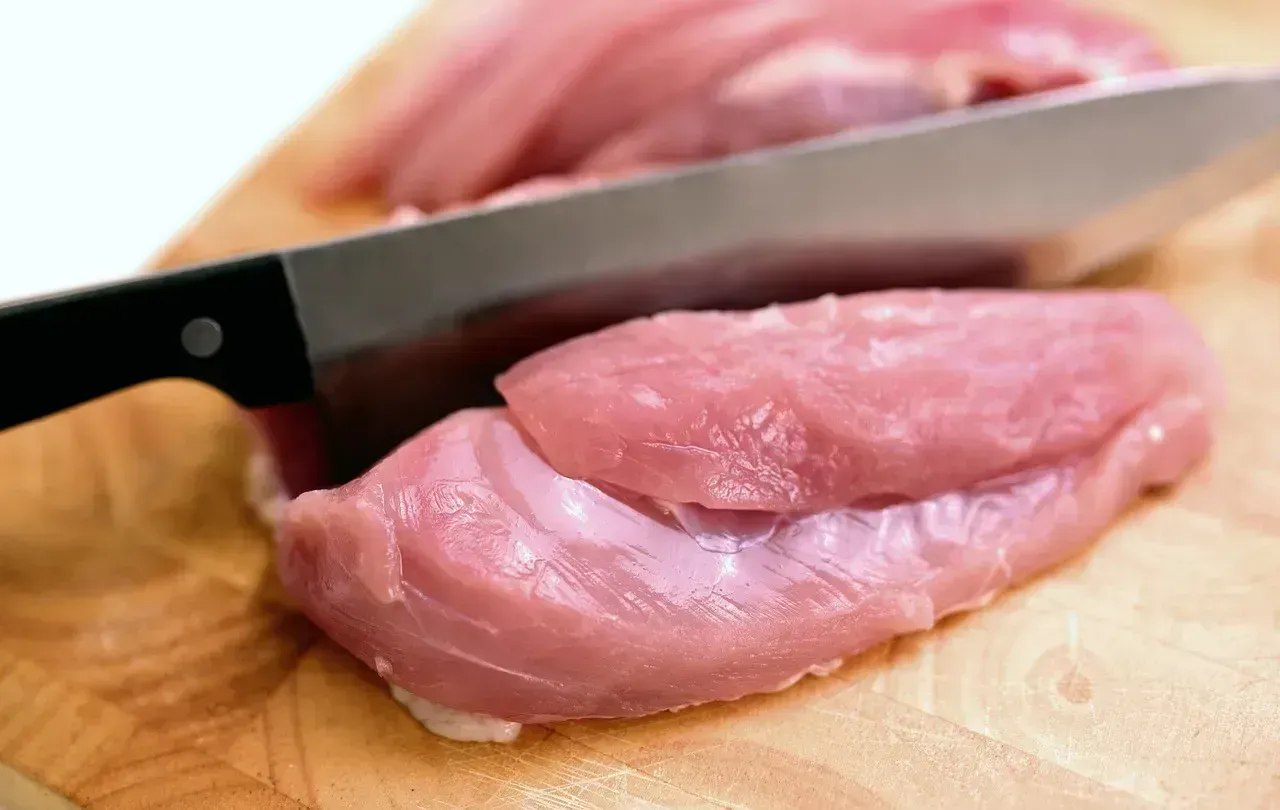
Chicken has long been the reliable fallback when beef prices spike, and in 2026 it continues to hold its ground without breaking the budget. Poultry prices increased by just 0.3 percent from January to February 2026 and were 2.2 percent higher in February 2026 than in February 2025. Poultry prices are predicted to increase just 0.3 percent in 2026, with a prediction interval of negative 3.6 to 4.3 percent.
Broiler production is raised for 2026 in USDA projections, as the uptick during the second half of 2025 suggests expansion into next year. More birds being processed means greater shelf availability and less upward price pressure. That's basic supply economics at work.
Here's the thing about chicken: it may not be the "sexy" inflation story the way eggs are, but quietly hovering near zero percent price growth in a broader environment where food is up roughly 3 percent overall is genuinely significant. Many shoppers are already buying less meat overall, while others are relying more on proteins like chicken and pork, which remain more affordable than beef. That behavioral shift is real and it's showing up in production numbers.
7. Sugar: Global Surplus Putting Downward Pressure on Prices
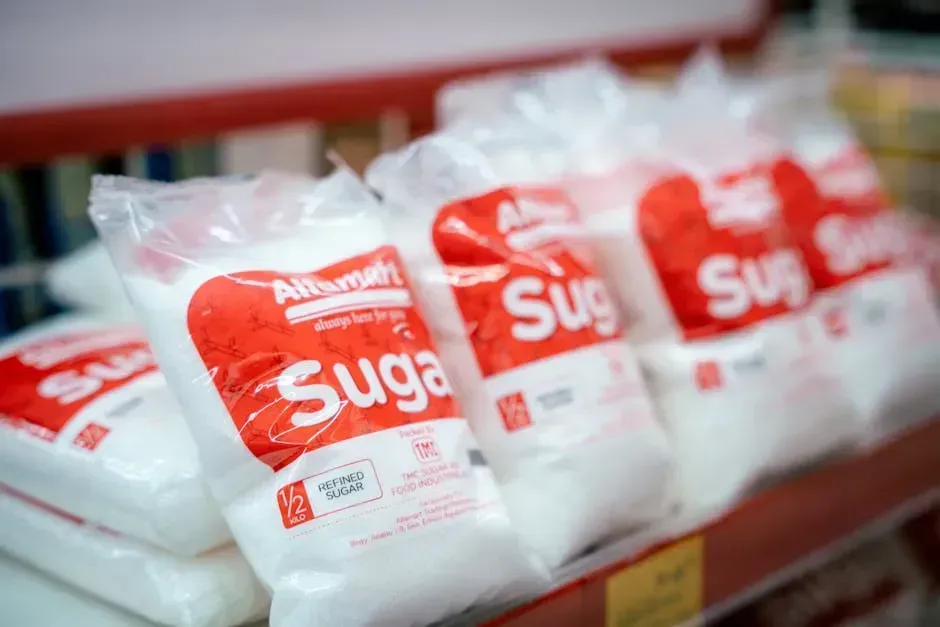
Sugar has had a volatile few years tied to weather patterns in Brazil and India, two of the world's largest producers. But things are shifting. The FAO Sugar Price Index was down 4.1 percent from January and by as much as 27.3 percent compared with February 2025, amid expectations of ample global supplies in the current season. That's a jaw-dropping year-over-year decline at the commodity level.
Analysts estimate that global sugar prices dropped by roughly 15 percent in 2025 compared to 2024, with an additional decrease of about 3 percent expected in 2026 due to production exceeding consumption, with prices stabilizing in 2027. When production outpaces consumption, prices fall. It's really that simple.
Now, a note of caution. Sugar prices at the commodity level don't always translate instantly to what you pay for a bag of granulated sugar at the supermarket. Retail prices move slower than futures markets. Grocery stores and food suppliers are typically quick to pass cost increases along to consumers, but the reverse is historically slower. Still, sustained commodity-level declines do eventually reach the shelf, and the trajectory is clearly in the right direction for sugar.
8. Coffee: After a Brutal 2025, Arabica Prices Could Finally Ease
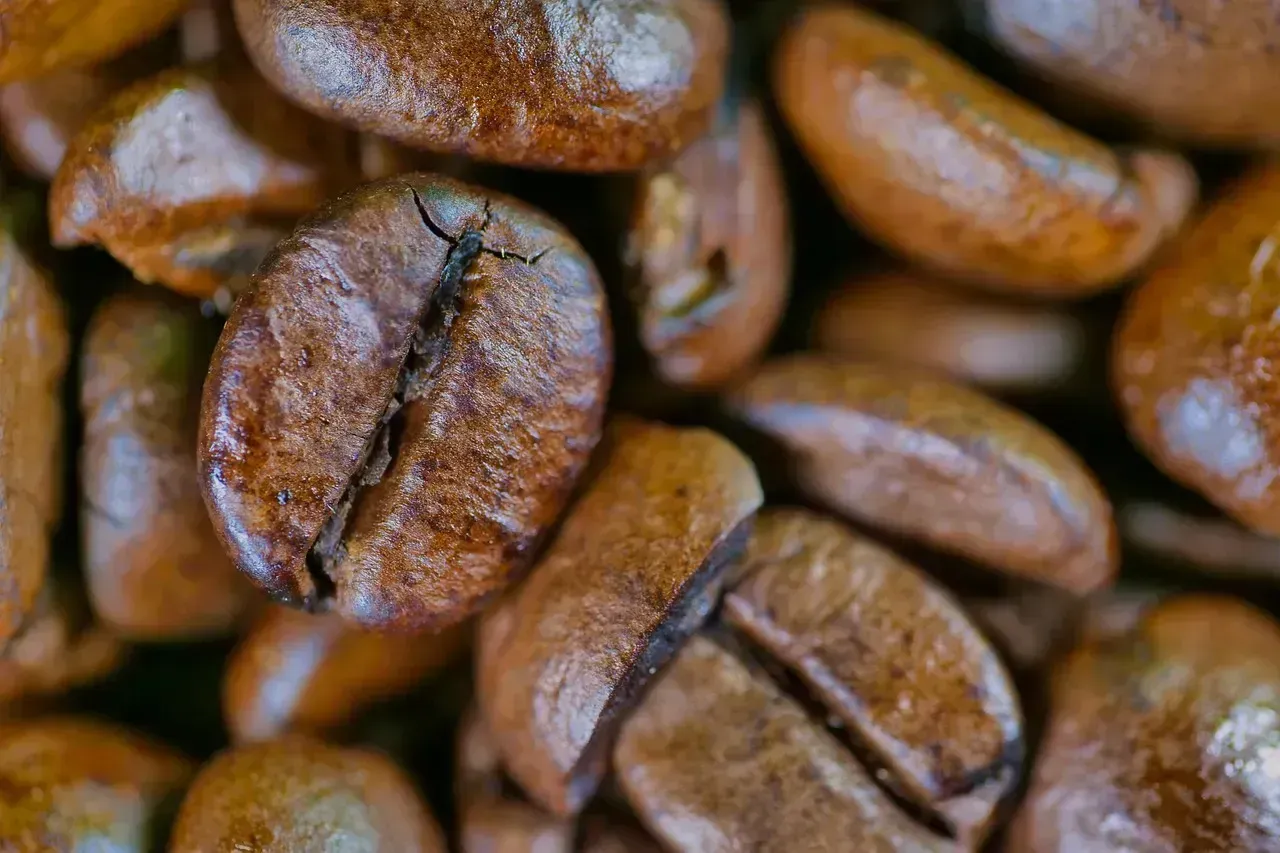
This one hurts to write because coffee drinkers have taken a serious beating. Prices for beverage materials including coffee and tea rose an eye-watering 11.8 percent in 2025, according to the Bureau of Labor Statistics. If your morning cup felt more expensive, it absolutely was.
The good news, though tentatively good, is that projections suggest some relief ahead. By the end of 2025, arabica coffee prices increased by roughly 50 percent compared to 2024. However, a decrease of about 13 percent is anticipated in 2026, followed by another 5 percent drop in 2027 due to increased production. A 13 percent decline would be a genuinely meaningful rollback for coffee lovers.
Ample global supplies are expected to keep food and agricultural raw material prices broadly stable, while beverage prices, notably coffee and cocoa, are projected to soften, according to a February 2026 World Bank analysis. It's hard to say for sure exactly when that softening will fully hit retail bags on supermarket shelves. But the commodity trend is unmistakable. Robusta prices are also expected to decline, with a projected fall of 2 percent in 2026, with another 2 percent decrease projected for 2027.
9. Fresh Fruits: Below-Average Price Growth on the Horizon

Fruit prices have been a relatively restrained part of the inflation story, but they haven't been immune either. The outlook for 2026, however, lands on the friendlier side. Prices for fresh fruits are predicted to grow slower than their 20-year historical average rate of growth in 2026, placing them among the most consumer-friendly food categories of the year.
According to the USDA Economic Research Service, the "food at home" index showed easing in 2025, with fruits, vegetables, grains, and oils benefiting from improved supply conditions, which helped balance pricing across supermarket shelves. Bananas, apples, oranges, seasonal berries, all of these should see more modest price movement than the categories experiencing persistent supply pressure.
Fruits and vegetables should stay close to normal historical inflation if weather patterns remain favorable. That caveat about weather is a real one. A drought in California or a freeze in Florida can flip fruit price forecasts pretty quickly. But absent major climate disruptions, fresh fruit is genuinely one of the calmer spots in the grocery store this year.
10. Wheat-Based Cereals and Bakery Products: Slower Increases Ahead

Bread, pasta, breakfast cereal, crackers, these staples took hits as wheat prices surged in 2022 and stayed elevated for years. The category is still seeing some price growth in 2026, but the pace is decelerating meaningfully. USDA predicts cereal and bakery prices are predicted to increase 1.1 percent in 2026, but could drop as much as 3 percent or increase as much as 5.5 percent, according to ERS analysis.
Prices for cereals and bakery products increased 1.5 percent across 2025, which is already slow by recent standards, and the 2026 forecast of roughly 1 percent growth is even more contained. For a category that was climbing sharply just two years ago, this feels like a real turning point.
After farm-level wheat prices decreased by 23.1 percent in 2023, 22.3 percent in 2024, and 10.9 percent in 2025, the continued downward trend in input costs is expected to flow through to processed grain products. Think of it like a pipeline: cheaper wheat at the farm level eventually means cheaper bread on the shelf. The pipe is long, but the water is flowing. Following an estimated 6 percent decline in 2025, the World Bank Group's food price index is projected to remain broadly stable in 2026, reflecting ample global supplies.
A Word of Caution Before You Celebrate
It would be easy to read all of this and expect your grocery bill to shrink dramatically in the next few months. Honest answer: it won't, at least not overnight. Food and beverage prices are unlikely to return to pre-pandemic levels, yet the pace of inflation should continue to settle during 2026. That's the real takeaway here.
While inflation may be slowing and even dipping in some categories, overall grocery bills will continue to rise for a range of reasons. According to FMI, the average weekly grocery spend is now $170, which is up significantly from 2020 when the average household spent $120 on groceries per week. That gap doesn't close in a year.
Still, knowing which specific staples are easing lets you shop smarter. Stock up on pork instead of beef. Lean into eggs again. Watch for dairy deals. Let the coffee sales catch up to the commodity price drops. Retailers and manufacturers are beginning to drop prices or at a minimum offer more promotions, according to NielsenIQ analysis, so the deals are coming, even if they arrive unevenly.
The grocery store is always a moving target. But for the first time in a long while, several arrows are pointing in your favor. What item on this list surprised you the most?




Leave a Reply