
You might think your order at a restaurant is just between you and your server. It isn't. The moment your request travels from the dining room to the kitchen pass, a seasoned chef begins forming a picture of exactly who you are. Years behind the stove train cooks to read diners the way a doctor reads symptoms. Your choices, your timing, your requests, and even your hesitations all tell a remarkably detailed story before the first bite ever leaves the kitchen.
1. Whether You Actually Read the Menu - Or Just Skimmed It
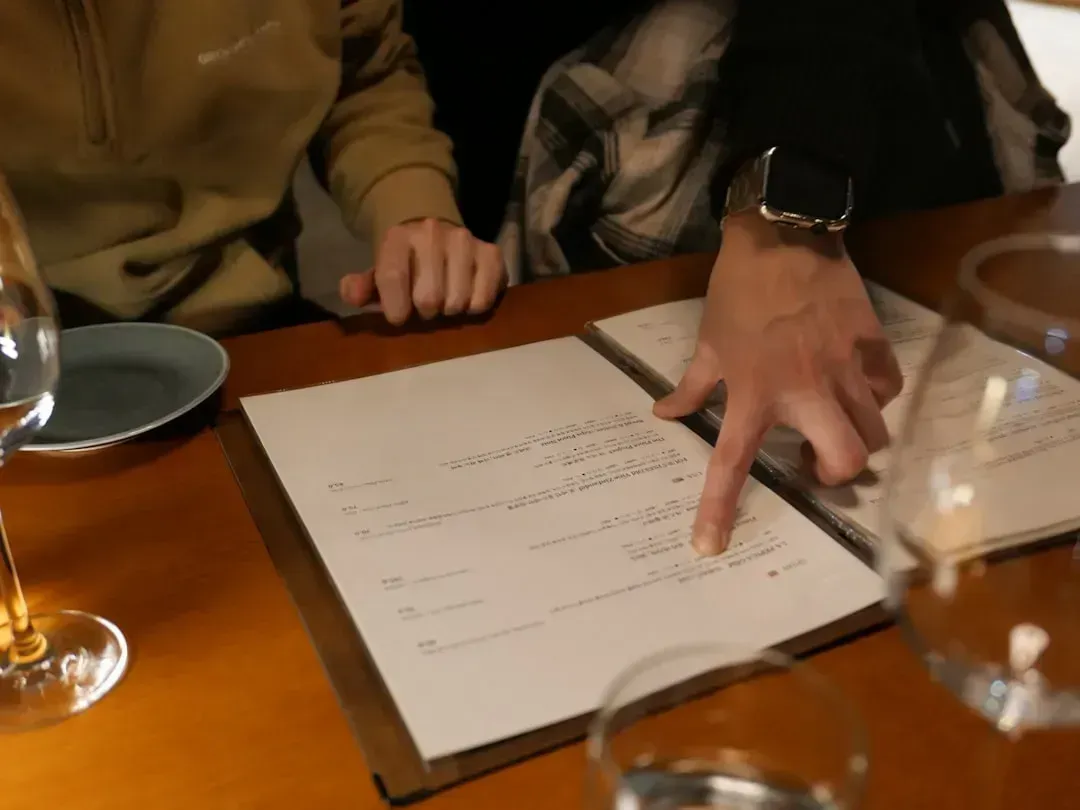
Chefs can tell almost instantly when a guest hasn't genuinely engaged with a menu. Asking for a dish that isn't listed, mispronouncing ingredients in a way that suggests a quick scan, or ordering something in a way that reveals zero familiarity with how it's prepared are all immediate giveaways. Restaurants pay close attention to how each meal description is written, because superlative claims fall flat, but enticing adjectives like "line-caught" or "sun-dried" feed the imagination. A guest who orders thoughtfully, referencing those descriptors, signals they've actually been paying attention.
When we look at a restaurant's menu, our eyes typically move to the middle first, before traveling to the top right corner and then the top left - a pattern menu engineers have dubbed the "Golden Triangle," where dishes with the highest profit margins are placed. Chefs know this. When a guest orders right from that zone without hesitation, it can suggest they fell into a design trap. Guests who venture beyond those sections and ask about less obvious items often earn a quietly impressed nod from the kitchen.
2. How You Handle Your Dietary Requests
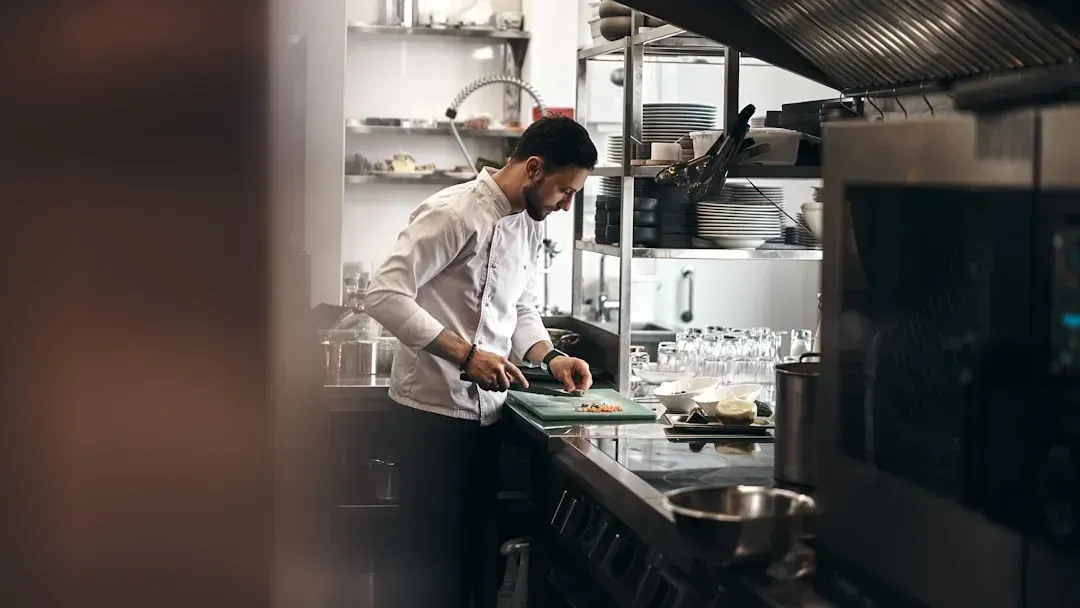
There's a massive difference between a genuine allergy and a simple preference, and professional chefs feel that distinction the moment it hits the ticket. A diner who communicates a real restriction clearly and respectfully gives the kitchen everything it needs to work safely and efficiently. Servers typically appreciate when diners are upfront about their needs and will often check with the chef to confirm safe options, which not only ensures safety but can also enhance the overall dining experience. A calm, clear explanation signals a diner who is informed and easy to work with.
A survey of thousands of chefs found that 41% have seen an increase in customer-specific dietary requirements, continuing a long-term trend. That number is only climbing. Chefs are now more equipped than ever to handle real needs - but they also recognize the difference between a guest with a genuine intolerance and one who is simply picking at a dish out of personal preference while calling it an allergy. Dietary restrictions refer to any ingredient or food item a person can't consume due to allergies, religious practices, health concerns, or personal morals, and for restaurants, all restrictions should be treated as important for every guest. Chefs respect that policy - even if they've quietly made their own internal assessment.
3. Your Relationship With Substitutions and Modifications
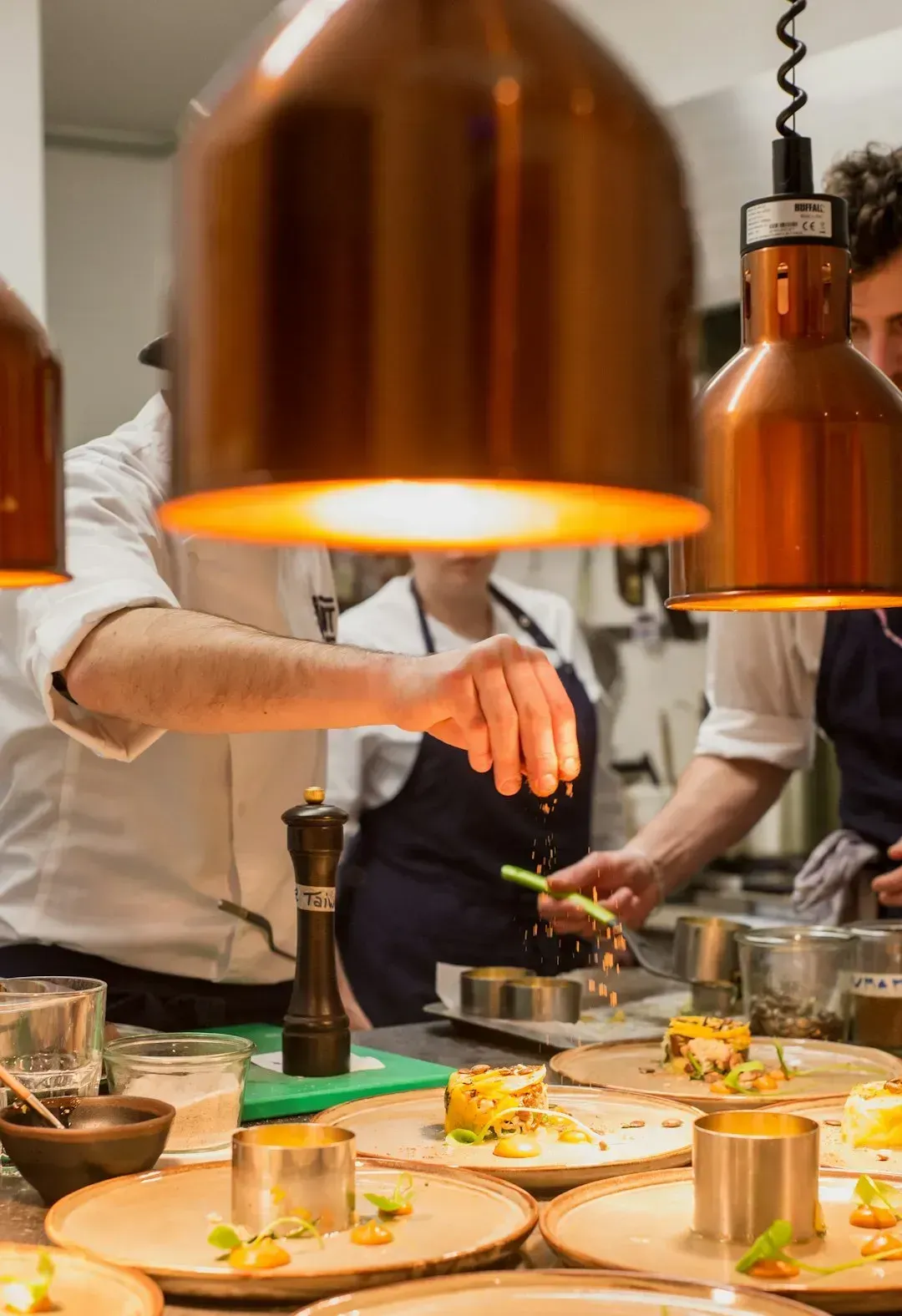
Asking for a minor modification is normal and perfectly fine. Ordering a dish and then substituting half its components is something else entirely. Experienced chefs understand that their menu is a constructed, balanced creation, and every ingredient serves a purpose. In general, chefs are far more excited to tell you about the food if they feel you are genuinely interested in the restaurant and not just interested in what you can get out of it. That sentiment extends directly to modifications - the fewer arbitrary ones you make, the more trust you extend to the kitchen.
A pasta dish may be modified with gluten-free noodles, or a salad can be made vegan by skipping cheese, and many restaurants are happy to accommodate requests - from substituting ingredients to crafting entirely new meals based on preferences. The key word there is "based on preferences" rather than simply dismantling a carefully engineered dish. Chefs notice when guests order the salmon and then ask for no sauce, no herbs, and no garnish. What remains tells the kitchen little about your taste and a lot about your confidence - or lack of it - at the table.
4. How Adventurous Your Order Really Is
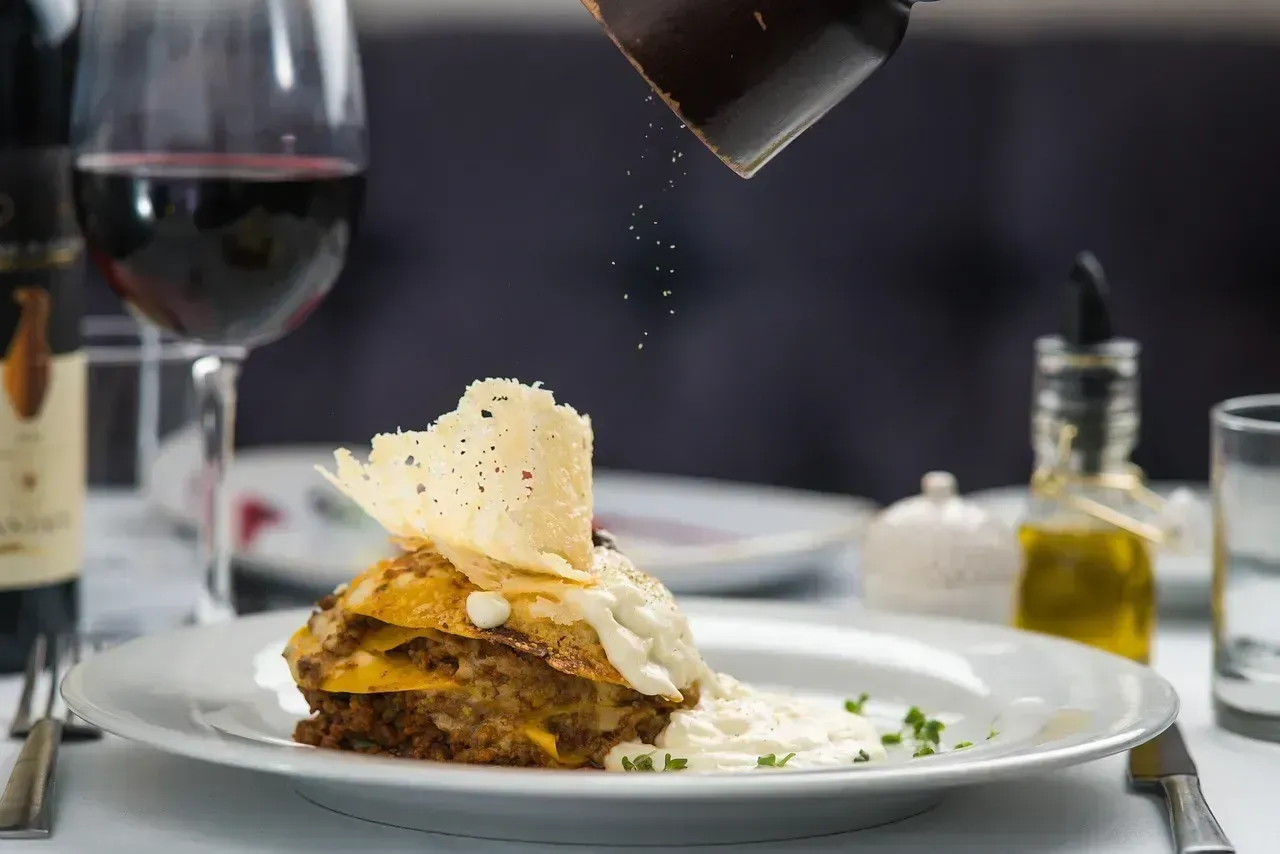
A guest's willingness to explore the menu is something chefs pay attention to closely. Consumers are becoming more adventurous with their choices, leading to an increase in diverse flavors on menus, with preferences moving toward Thai-inspired dishes, specialty spices, and globally influenced ingredients. When a diner orders one of those items with genuine curiosity, the kitchen notices. It signals that the person trusts the kitchen's expertise and is open to being surprised.
Playing it completely safe every single visit has its own message too. Research shows that 31% of consumers want to dine at restaurants more frequently than pre-pandemic, and their primary motivations are to try new foods and cuisines, as well as convenience. Yet plenty of diners still default to the most familiar item on the menu regardless of where they're eating. A chef who has spent months developing a dish will definitely notice when every table at a tasting-focused restaurant orders the one classic they recognize - it's a quiet signal about a guest's comfort zone and how much they're really leaning into the experience they've paid for.
5. The Pace and Confidence of How You Order
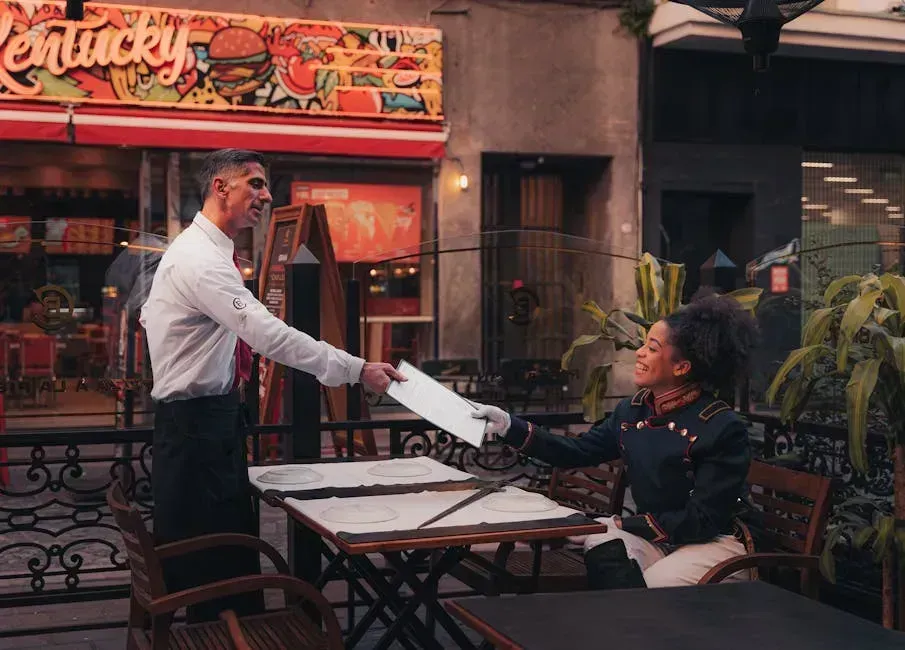
Confidence at the table is its own kind of currency, and chefs are aware of the ripple effect that starts the moment a table orders. A guest who orders clearly and decisively makes the server's job easier and, by extension, allows the kitchen to pace the meal more smoothly. A server who is confident and can describe and suggest food gets a 10 to 20% higher average tip, and knowing the menu inside and out means guiding and influencing the guest experience rather than just taking orders. That energy is contagious in both directions - a decisive diner inspires better service.
According to the 2024 US Foods Diner Dispatch survey, diners are willing to wait up to 26 minutes at a restaurant without a reservation, compared to only 20 minutes in 2023. Patience has grown, but so have expectations. Chefs and kitchen teams working under pressure can feel the difference between a table that's settled and engaged and one that's indecisive and changing its order mid-course. A guest who reads the menu in advance, asks sharp questions rather than vague ones, and orders with intention signals experience and respect for the craft happening behind the kitchen door.
6. Whether You're Actually There for the Food or Just the Performance
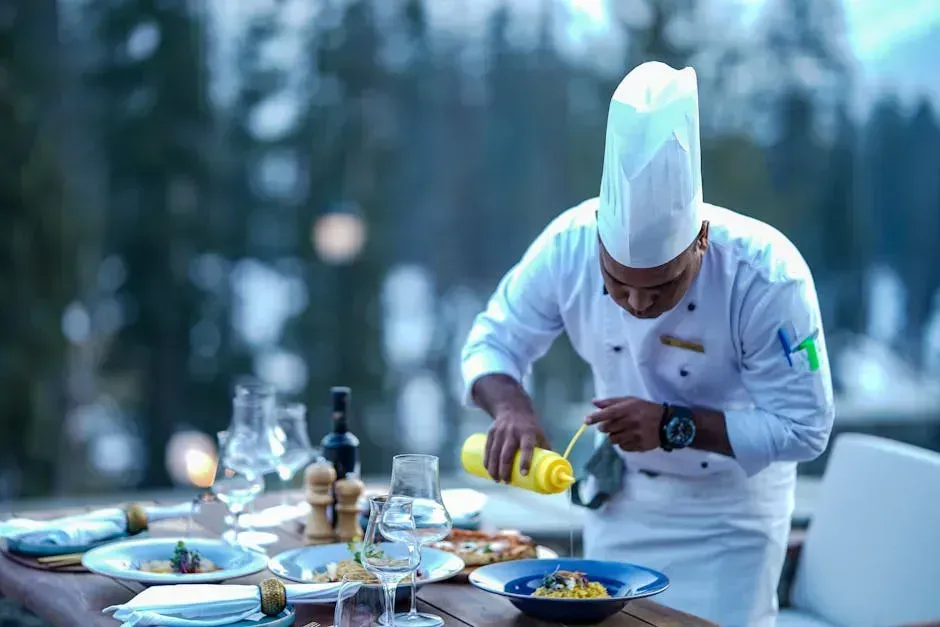
The modern dining landscape has shifted in telling ways. The appeal of dining out now centers around atmosphere for roughly two-thirds of diners, socialization for just over half, and special occasions for nearly half - with food quality itself coming in as a driver for roughly four in ten diners. Chefs feel this imbalance. A guest who photographs every plate before touching it, barely engages with the food, and spends the meal on their phone is broadcasting something loud and clear to the kitchen - the food is a backdrop, not the reason for being there.
Ethical dining now influences consumer choice, with U.S. data showing that roughly three-quarters of diners prefer eco-friendly restaurants and many are willing to pay extra for sustainable packaging and local sourcing. Guests who ask where the fish is from, how the produce is sourced, or what season inspired a particular dish are sending an equally clear message in the other direction. If something is local or homemade, most restaurants will want to tout that and put it on the menu, and chefs are genuinely enthusiastic when diners recognize and appreciate those decisions. That curiosity and engagement is the moment a guest transforms from a cover count into someone the kitchen is genuinely cooking for.



Leave a Reply