
There's something almost unfair about it. You follow the recipe exactly, use the freshest ingredients, and still end up with a dish that tastes fine, not great. Meanwhile, grandma threw things together without measuring a single cup, and somehow every bite felt like a warm hug. What was she actually doing differently?
Turns out, many of her kitchen habits have serious science behind them. They weren't just charming old habits passed down through generations, they were quietly brilliant techniques that modern research is only now catching up to. Get ready to look at your kitchen through completely different eyes. Let's dive in.
1. Cooking in a Cast Iron Skillet for Better Flavor and Even Heat
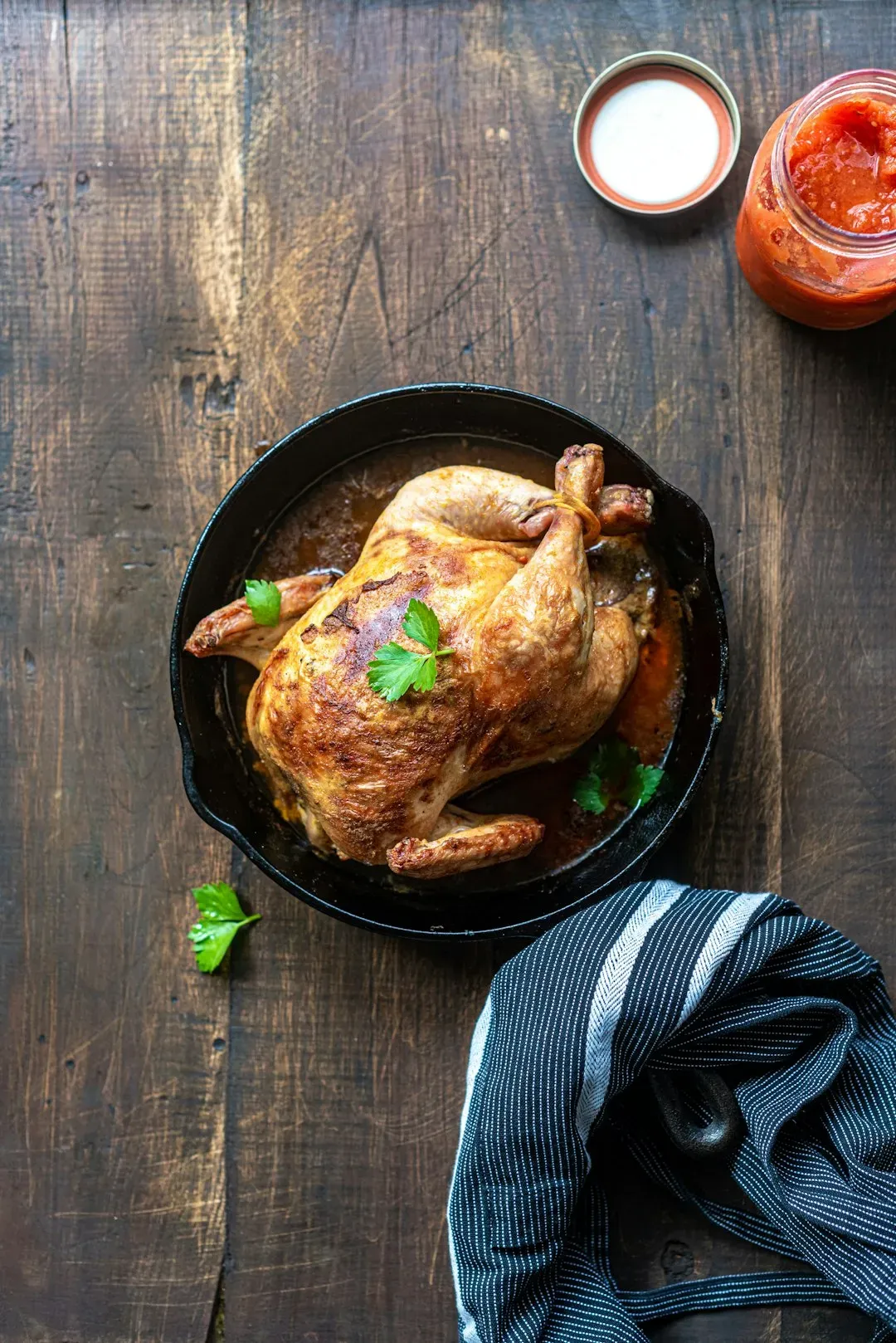
Grandma's heavy, blackened cast iron pan wasn't just an heirloom, it was a performance tool. Cast iron is a dense material that allows it to retain and distribute heat evenly over long periods of time, properties that are particularly useful when roasting vegetables, baking breads, and simmering stews. That even heat is what most cheap, thin pans simply cannot deliver.
Studies indicate that cast iron provides superior heat retention and distribution, making it effective for frying and baking, and food cooked in cast iron exhibited better browning and flavor development. That gorgeous crust on grandma's cornbread? That's cast iron doing its job.
Unlike many non-stick pans that contain synthetic chemicals like PFOA and PFAS, cast iron provides a natural non-stick surface when properly seasoned, eliminating the risk of these chemicals leaching into food. Honestly, that alone is a compelling reason to make the switch.
Unlike non-stick pans that can wear out or scratch, cast iron gets better with age, and a well-seasoned, properly maintained cast iron pan can last for generations. You can't say that about a flimsy modern skillet that's scratched within a year.
2. Browning Meat First - The Maillard Reaction Secret
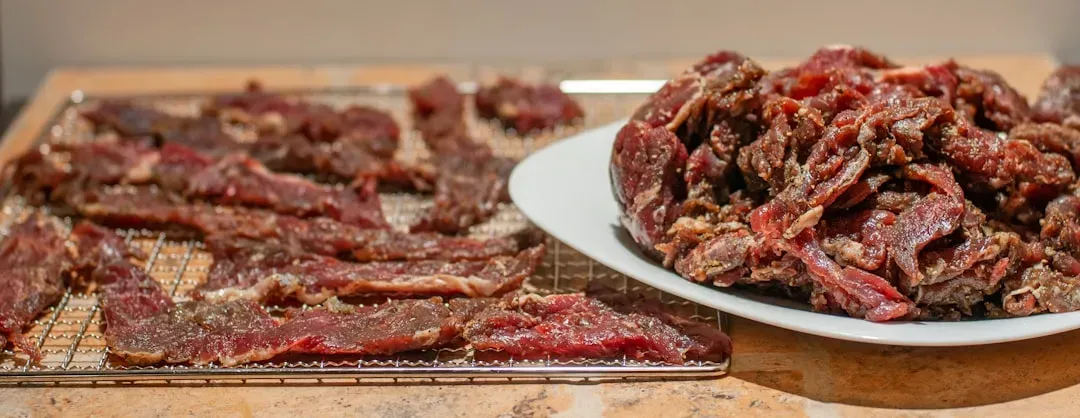
Grandma always browned her meat before adding it to a stew or putting it in the oven. When baking up a hearty dish, always brown the meat before you put it in the oven, as it makes the meat so much tastier. Simple advice, and it turns out to be grounded in real chemistry.
The Maillard reaction is a chemical reaction between amino acids and reducing sugars that creates melanoidins, the compounds that give browned food its distinctive flavor. Think of it as the moment your food stops being just food and starts becoming something genuinely delicious.
In the cooking process, Maillard reactions can produce hundreds of different flavor compounds depending on the chemical constituents in the food, the temperature, the cooking time, and the presence of air, and these compounds, in turn, often break down to form yet more flavor compounds. That layered complexity is the exact thing we crave in a well-cooked meal.
As the surface of foods warm in dry heat, the chemistry of foods react, scores of new compounds form, the surface starts to brown and get crunchy, and it develops a richness and depth of flavor and texture that cannot be produced by wet cooking methods like steaming or braising. Skipping this step is, I think, the single most common reason home-cooked stews taste flat.
3. Making Bone Broth From Scratch and Using It as a Base
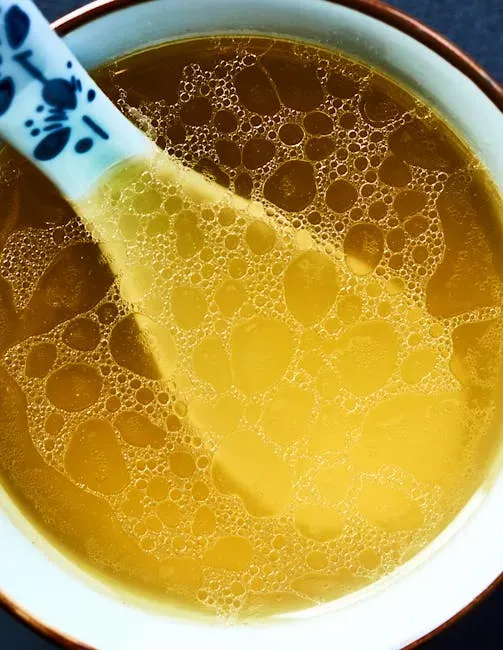
Grandma never threw away a chicken carcass. She'd drop it into a pot of cold water with aromatics and let it simmer low and slow for hours. Bone broth is a special form of stock made by simmering beef, lamb, chicken, turkey, or pork bones in water for 12 to 24 hours, and the resulting liquid is rich in collagen and protein, as well as micronutrients.
Research highlights that bone broth includes amino acids like glutamine, glycine, proline, histidine, and arginine, alongside minerals such as calcium, phosphorus, potassium, magnesium, and zinc, that are beneficial and not just a traditional remedy. Grandma probably didn't know the Latin names for any of this, but she knew the soup made people feel better.
Adding vinegar is important because it helps pull all of the valuable nutrients out of the bones and into the water, which is ultimately what you will be consuming. A splash of apple cider vinegar, that's the old secret that actually has a scientific explanation behind it.
A study in a 2024 issue of the Journal of Food Science found that hyaluronan and chondroitin sulfate in chicken-vegetable bone broth slowed osteoporosis progression in lab-based experiments. The science is still developing, but the flavour payoff alone is worth the effort every single time.
4. Seasoning in Layers, Not Just at the End
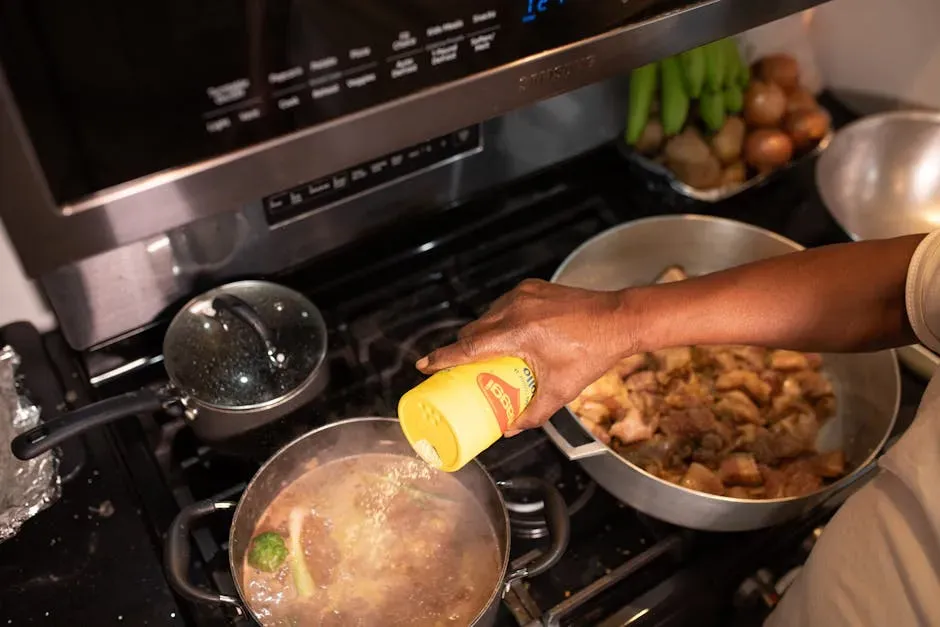
Here's the thing that trips up so many home cooks. They season their dish right before serving, sprinkle salt on top, and wonder why it tastes one-dimensional. Grandma never did that. Adding salt only at the end is like trying to flavor a potato by rolling it in salt - it stays on the surface. Seasoning in layers as you cook allows flavors to build and penetrate throughout the dish.
The correct approach is to season vegetables as they sauté, add salt when you add liquid, taste and adjust before serving, with each addition enhancing different aspects of your ingredients. This isn't complicated, it just requires attention and patience. Two things grandma had plenty of.
Think of seasoning like painting a room. One thick coat at the end looks rushed and blotchy. Multiple thin coats build depth and richness. The same principle applies to flavour. Cooking with awareness at every stage is what separates a good meal from an exceptional one.
5. Letting Dough Rest Before Rolling or Baking
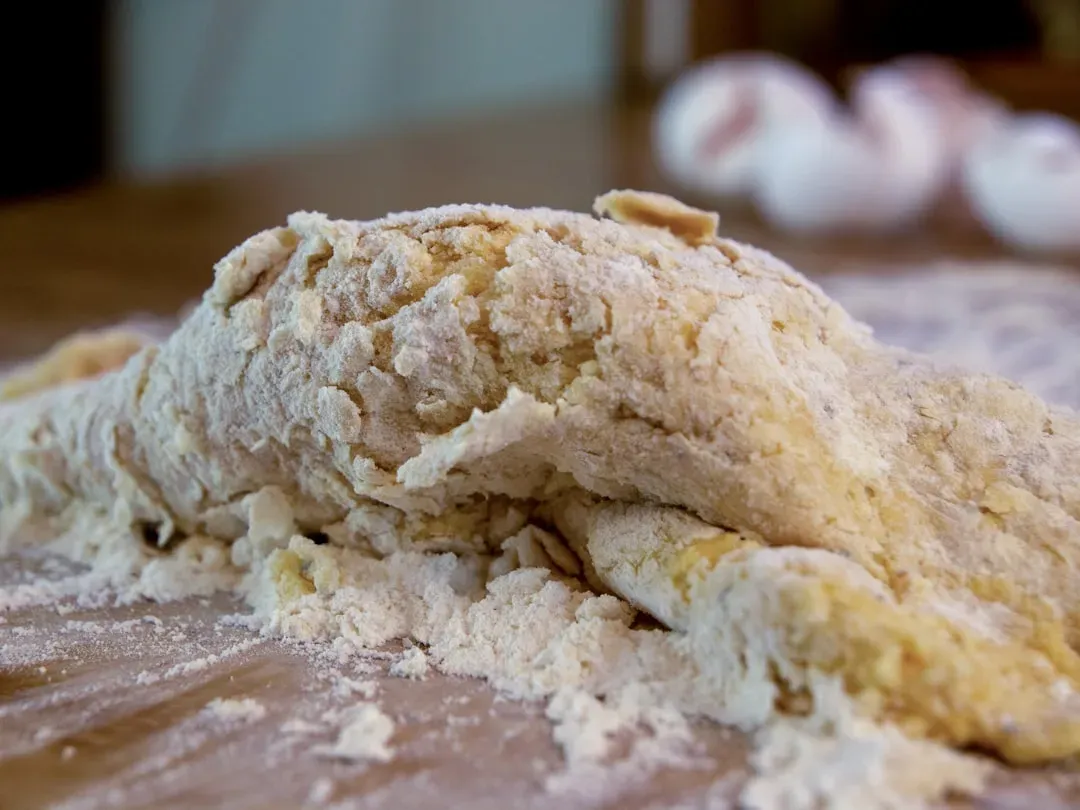
If you've ever tried to roll out pie dough only to have it spring back stubbornly, you skipped the resting step. Grandma knew to let her pie dough "rest" in the refrigerator, and science confirms she was right - when flour meets liquid, gluten development begins, and overworked gluten leads to tough, chewy results instead of tender, flaky goodness.
Resting allows the gluten strands to relax and the flour to fully hydrate. For pie crusts, 30 minutes makes them more pliable and less likely to shrink. For bread, resting between kneads develops better flavor and texture. It's genuinely that straightforward, yet so many people skip this step out of impatience.
It's a bit like asking someone to sprint a marathon after no warm-up. The dough needs a moment to settle, just like we all do. This patience-requiring step makes the difference between good and great baked goods. Grandma wasn't being slow, she was being smart.
6. Adding a Splash of Vinegar or Lemon to Finish a Dish
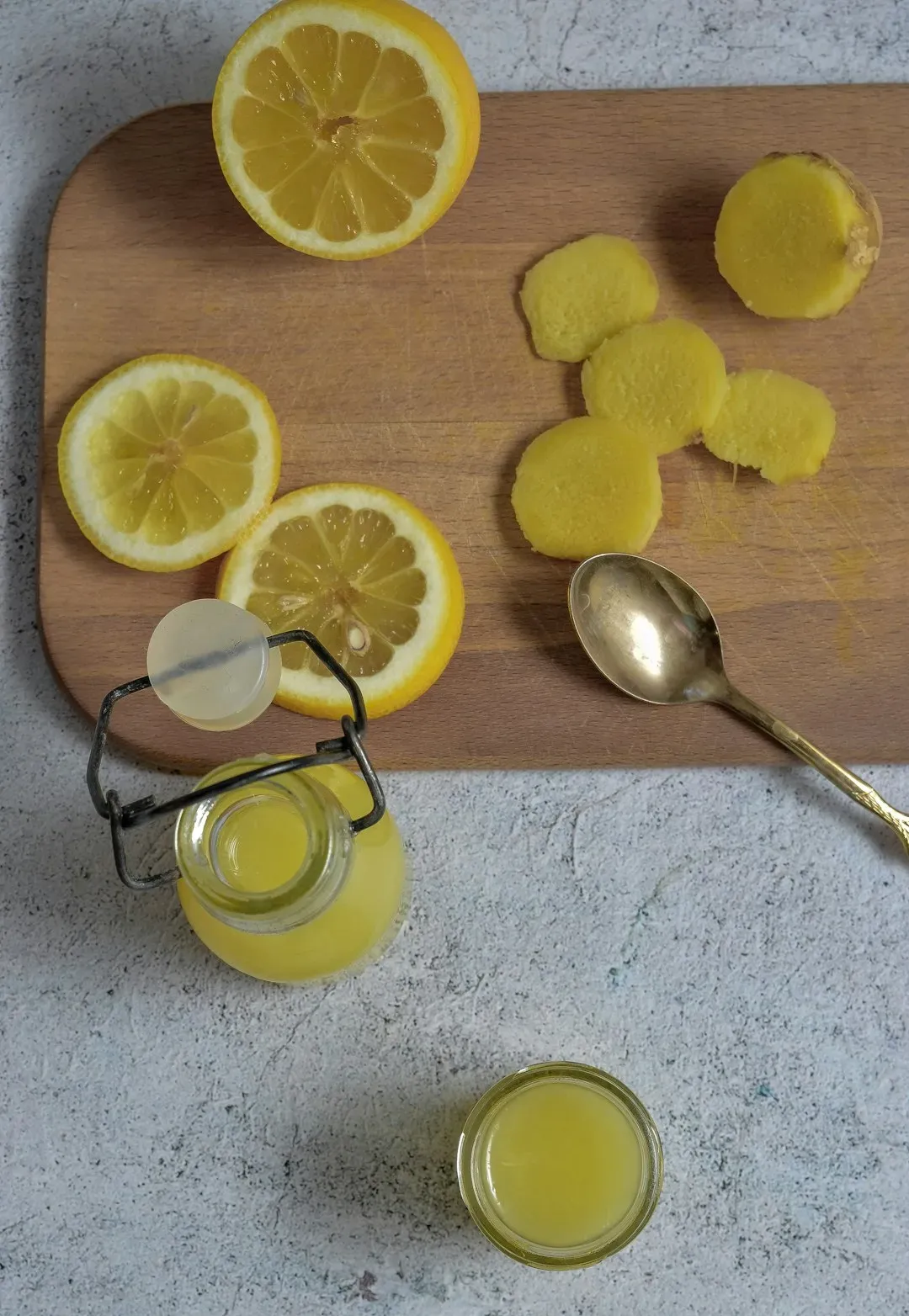
You've tasted a soup that seemed flat, added a little lemon juice, and suddenly it came alive. That's not a coincidence. When making lentil, bean, or broth-based soups, adding a little splash of vinegar or a squeeze of lemon at the very end of cooking helps to brighten the flavors, and that little touch of acidity brings the dish to life.
The reason this works is that our palates perceive acidity as brightness. Fat and salt add depth and roundness, but acid cuts through richness and wakes everything up. It's like turning on a light in a dim room. Grandma may not have explained it like a food scientist, but she felt it instinctively every single time she cooked.
When cooking rhubarb, for example, adding a little salt neutralizes the acid and cuts down on the amount of sugar required. The same balancing principle applies in reverse to savory dishes. Acid and salt are a team, and grandma played them brilliantly without ever thinking twice about it.
7. Using Parmesan Rinds to Deepen Soups and Sauces
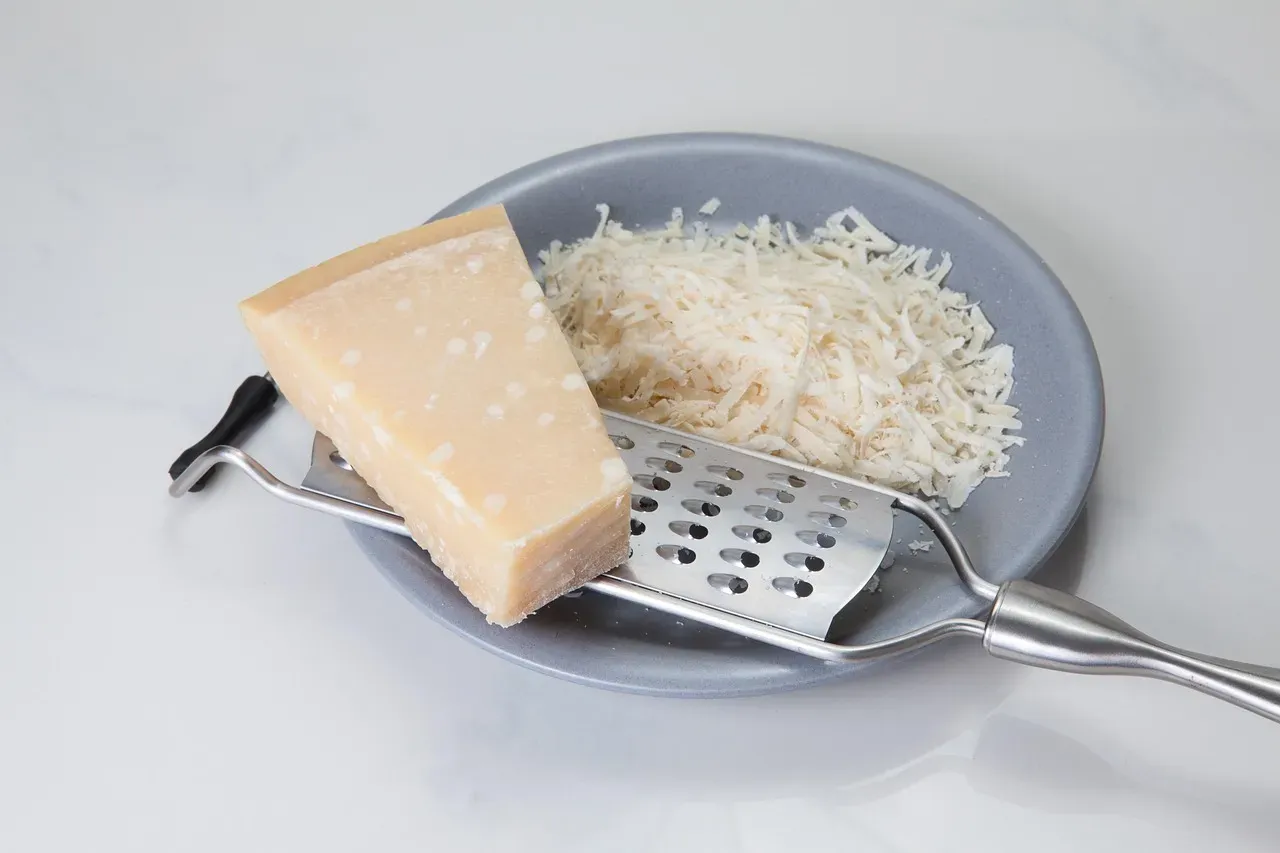
Let's be real, most of us throw that hardened Parmesan rind straight in the bin. Grandma would have looked at you sideways for that. Parmesan rinds contain concentrated umami goodness that can transform ordinary soups and stews into restaurant-worthy dishes. It's essentially a flavour bomb in disguise.
Tucking a rind into simmering minestrone, bean soup, or tomato sauce causes it to soften, releasing its savory magic throughout the pot, and you can remove it before serving or let it melt completely into the dish. This is one of those tricks that genuinely shocks people the first time they try it.
Our grandparents made meals from scratch because they had to, they didn't have grocery stores online or around the corner, and that necessity forged a deep, intuitive skill that many modern kitchens have gradually lost. The Parmesan rind trick is a perfect example. It uses what most people waste, and it delivers flavor that money simply cannot replace.
It's hard to say for sure exactly when this practice started, but it's deeply rooted in Italian cooking tradition, where nothing was ever wasted. The smart move is to keep a zip-top bag of rinds in the freezer, ready to enhance your next pot of comfort food. Start that bag today. Future you will be very grateful.
Conclusion: The Wisdom That Never Goes Out of Style
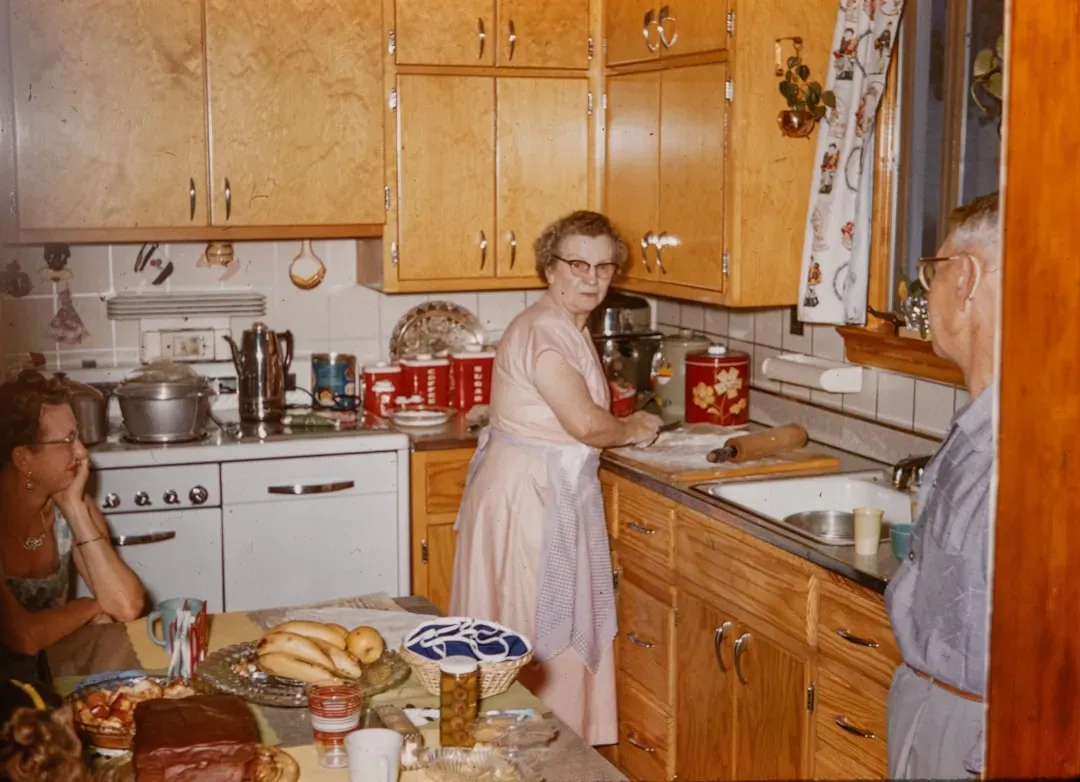
There's something remarkable about the fact that these tricks, developed long before food science existed as a field, keep getting validated by modern research. Grandma didn't have a culinary degree or a kitchen thermometer. She had patience, instinct, and decades of practice. That combination turns out to be extraordinarily powerful.
Home food preparation can be an affordable method for improving diet quality and reducing intake of ultraprocessed foods, two important drivers of diet-related chronic diseases - and that's not nostalgia talking, that's science from the University of North Carolina. So cooking from scratch, the way grandma did, isn't just sentimental. It's genuinely better for you.
The next time you reach for a shortcut, pause for just a moment and ask yourself what grandma would have done. Brown the meat. Simmer the bones. Rest the dough. Add acid at the end. None of these take superhuman effort, they just take a little more care. Isn't that worth it for a meal that people will still be talking about decades from now?




Leave a Reply