
Eating out used to feel a little simpler. You sat down, you scanned a menu, you ordered something that sounded good. But dining out in 2025 and 2026 is a different calculation entirely. As the cost of ingredients, labor, and utilities has continued to rise, many restaurants have responded by increasing their menu prices to protect profitability, with full-service restaurants seeing a year-over-year price increase of roughly four percent. That kind of pressure doesn't just squeeze restaurant owners. It sharpens the way diners look at their plates. Among consumers who say dining out "wasn't worth the money," most cite disappointment in food quality and portion size, and this was especially true among younger diners, with nearly three quarters of Gen Zers ranking food quality in their top three reasons for disappointment during a recent restaurant visit. These five dishes, in particular, have become the ones people swear they'll skip next time.
1. The Plant-Based Burger: A Revolution That Ran Out of Steam

Few menu additions generated as much excitement over the past decade as the plant-based burger. It was positioned as the future of dining, a guilt-free alternative that would win over even committed meat lovers. The reality, for many diners, never quite matched the hype. In 2024, plant-based meat and seafood dollar sales decreased seven percent, while unit sales decreased eleven percent, a decline that stretches across multiple years and shows no sign of reversing. Annual sales declined in 2025 to $273.5 million, nearing 2019 levels when meat alternatives like Beyond Meat first became mainstream.
The reasons are multiple and fairly straightforward. Research by Kroger, the Plant Based Foods Institute, and 84.51° found that 28 percent of Kroger shoppers who cut back on plant-based foods between 2023 and 2024 said the products no longer fit their budgets. A December 2024 survey conducted by Morning Consult on behalf of the Good Food Institute found that among consumers who had tried plant-based meat but not eaten it in the past year, 29 percent indicated that price was a top reason. Beyond price, taste does not meet expectations and remains among the top drivers of consumers leaving the category. The plant-based burger still sits on many menus, but fewer hands are raising to order it.
2. Truffle Oil Dishes: Paying a Premium for a Lab-Made Imitation
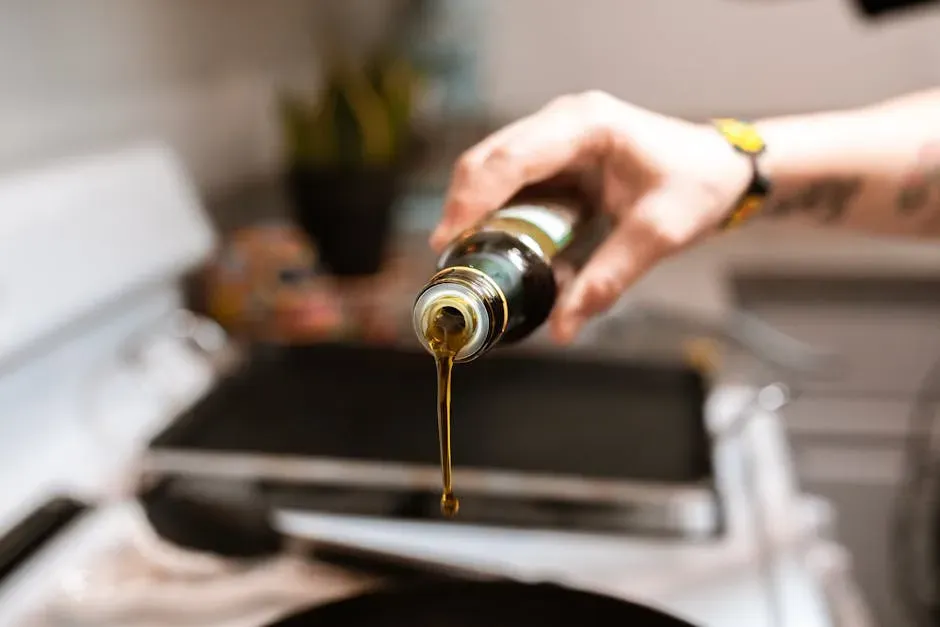
The words "finished with truffle oil" on a restaurant menu have a reliable effect: they signal luxury, and they justify a higher price. The problem is that what diners are actually getting has very little to do with real truffles. Most truffle oil contains no truffle at all. Instead, it is made of synthetic ingredients completely devoid of the earthy flavors of the real fungi. The most commonly used ingredient is 2,4-dithiapentane, a type of formaldehyde. Restaurants drizzle this cheap imitation - costing roughly $10 per bottle - on everything from fries to risotto, then charge premium prices for what they call "luxury."
Chefs themselves have become some of the loudest critics of the trend. Chef Chuck Valla, owner of Valla Table, noted he doesn't think truffles taste any better than dried shiitake mushrooms, while chef Sarabjit Singh Assi warned that "the obsession with truffle mushrooms, especially when synthetic truffle oil is being used, overpowers dishes, lacks nuance and often masks what could have been great ingredients." The dining culture has reached a point where some diners actually find real truffles, which are earthy, nutty, and delicate, to be "underwhelming" because they don't hit with the violent, artificial punch of the oil. Savvy diners are catching on and skipping anything on the menu that leans on the word "truffle" without specifying the real thing.
3. The Overpriced Pasta: A Dish That Costs Almost Nothing to Make
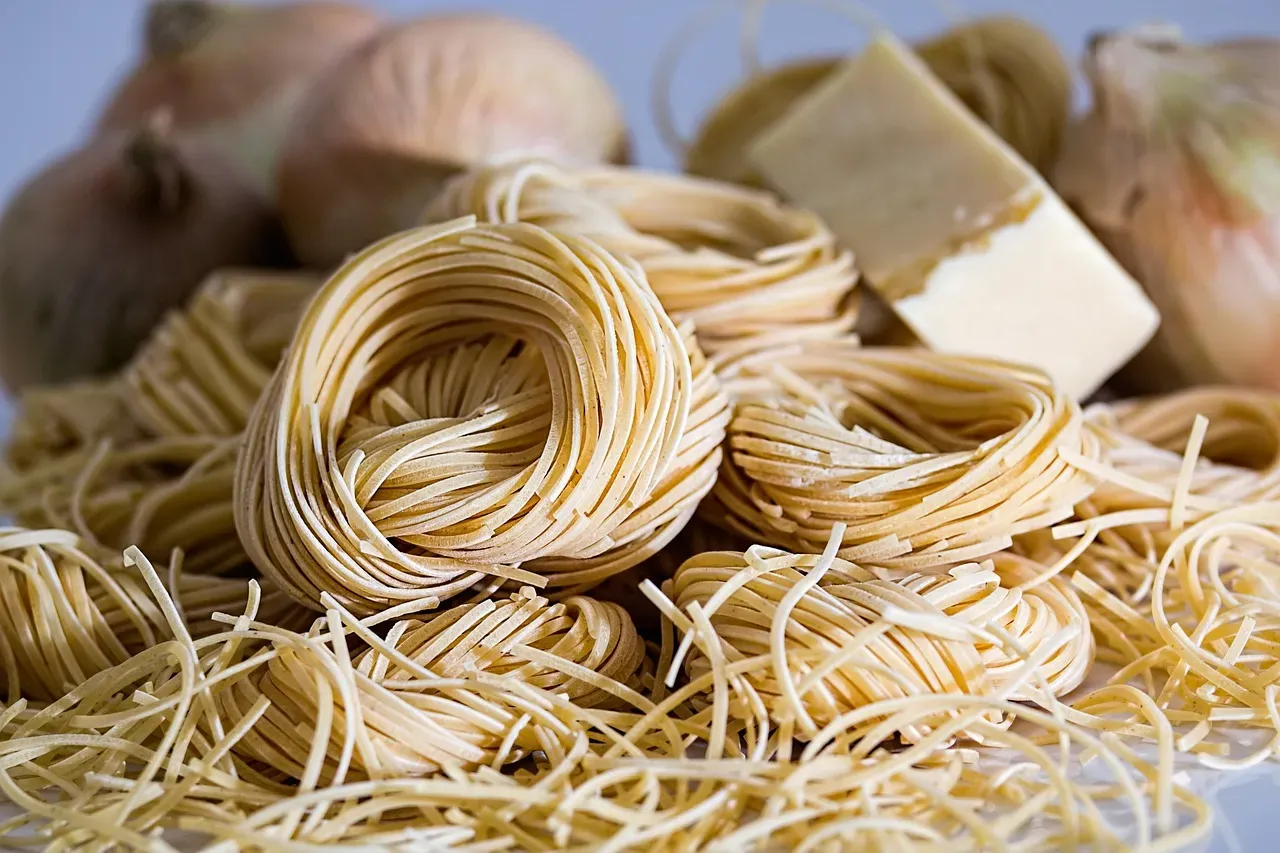
Pasta is one of the most beloved dishes in the world, and it is also one of the most reliably overpriced items on a restaurant menu. The math behind it is hard to ignore once you know it. A $25 plate of spaghetti represents one of the restaurant industry's highest profit margins. The pasta, sauce, and garnish likely cost the restaurant under $2 total to prepare. While pasta is a comfort food favorite, the markup can be significant. Restaurants capitalize on pasta's popularity and low-cost ingredients, but customers may feel shortchanged when the dish is ordinary and overpriced.
Diners are increasingly aware of this gap. According to a 2024 TouchBistro report, 45 percent of Americans say that menu price hikes directly impact their ordering decisions in a restaurant. A bowl of pasta that once felt like a reasonable mid-priced option now triggers a moment of pause. Consumers are demanding value in return for the hard-earned money they spend at restaurants, and according to Technomic's 2025 annual outlook, 72 percent of consumers wish more restaurants would offer value meals. When a simple pasta dish fails to deliver that value, diners remember it, and they think twice before ordering it again.
4. The Restaurant Omelet: A Breakfast Markup That Stings
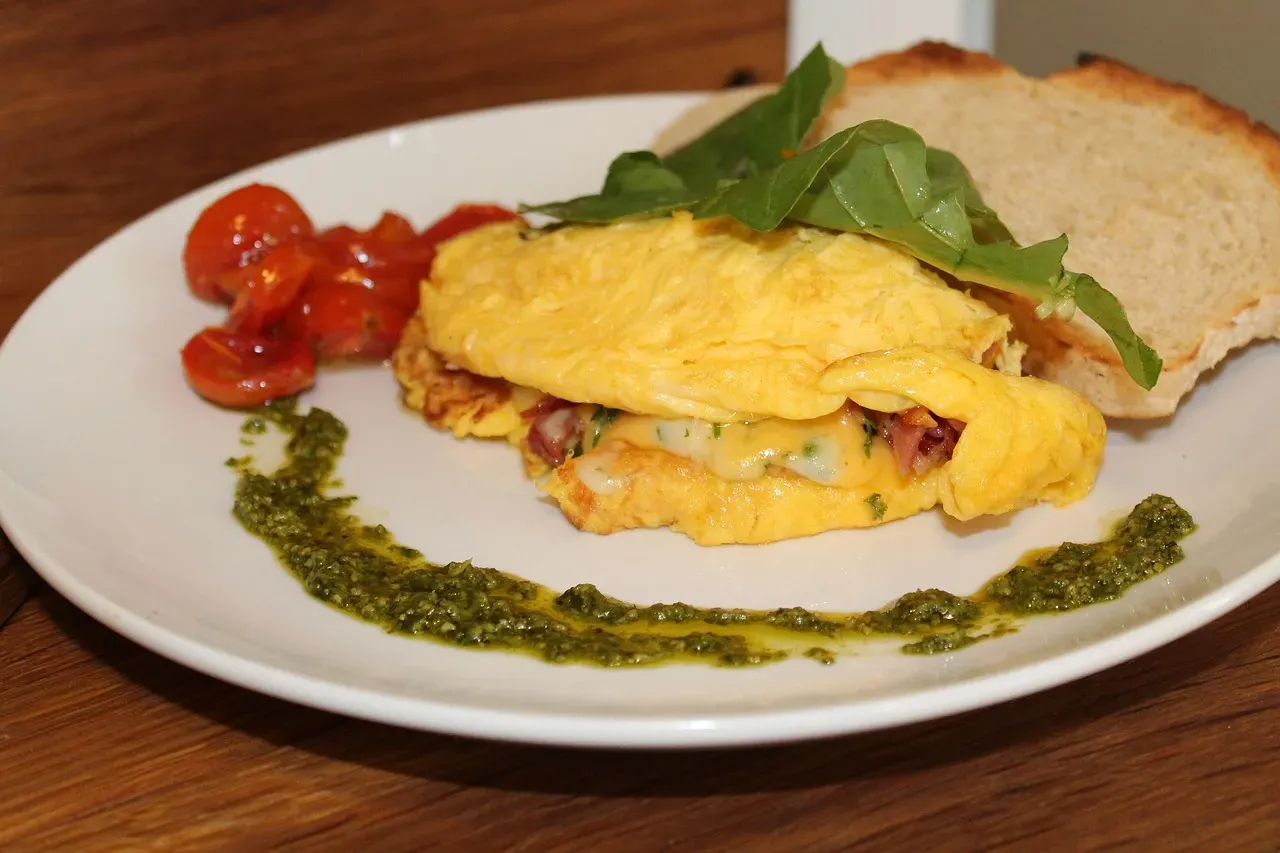
Breakfast is often treated as the "safe" meal to order out, the low-risk choice that can't go wrong. The omelet, in particular, looks reasonable on paper. A few eggs, some fillings, a side of toast. The trouble is the price tag attached to it rarely reflects the simplicity of what's on the plate. Markups for omelets can be as high as nearly six times the ingredient cost, making that breakfast out at a restaurant a painfully pricey choice. Breakfast foods have some of the highest profit margins in the industry, often 500 percent or more, since the ingredients are incredibly cheap, have long shelf lives, and require minimal skill to prepare.
The dissatisfaction isn't just about price in isolation. It's about the price relative to what arrives. Some 70 percent of Americans cite incorrect food temperatures as a major turnoff at restaurants. A rubbery, lukewarm omelet that cost $16 represents everything diners are now less willing to tolerate. "Rising menu prices haven't slowed diners down - they've simply raised expectations," as one food industry expert put it. When those expectations collide with a soggy brunch omelet, the disappointment tends to stick, and the next order goes elsewhere.
5. The "Soup of the Day": Charming Name, Questionable Reality

The soup of the day sounds like a thoughtful, handcrafted daily offering from the kitchen. In practice, it often isn't. The term "soup of the day" can be misleading, and some might even say laughable, because many restaurants make enormous batches that sit around for extended periods. Think of it like leftovers at a restaurant scale: a giant pot of soup gets made at the start of the week and reappears daily until it's gone. For diners who are paying elevated prices in an era of persistent food inflation, that feels like a quiet betrayal of trust.
Transparency has become a genuine currency in the dining world. According to insight gathered by booking platform Resy, today's diners have "discerning palates" and look for "quality, transparency and uniqueness" in their meals. A dish that refuses to reveal its ingredients or its origins checks none of those boxes. Around 52 percent of diners say food doesn't look or taste as described on the menu, and the soup of the day, by its very nature, offers no description at all. It's one of the few dishes where diners are essentially ordering blind, and more of them are deciding the gamble isn't worth it.
6. Avocado Toast: The Trend That Outlived Its Welcome
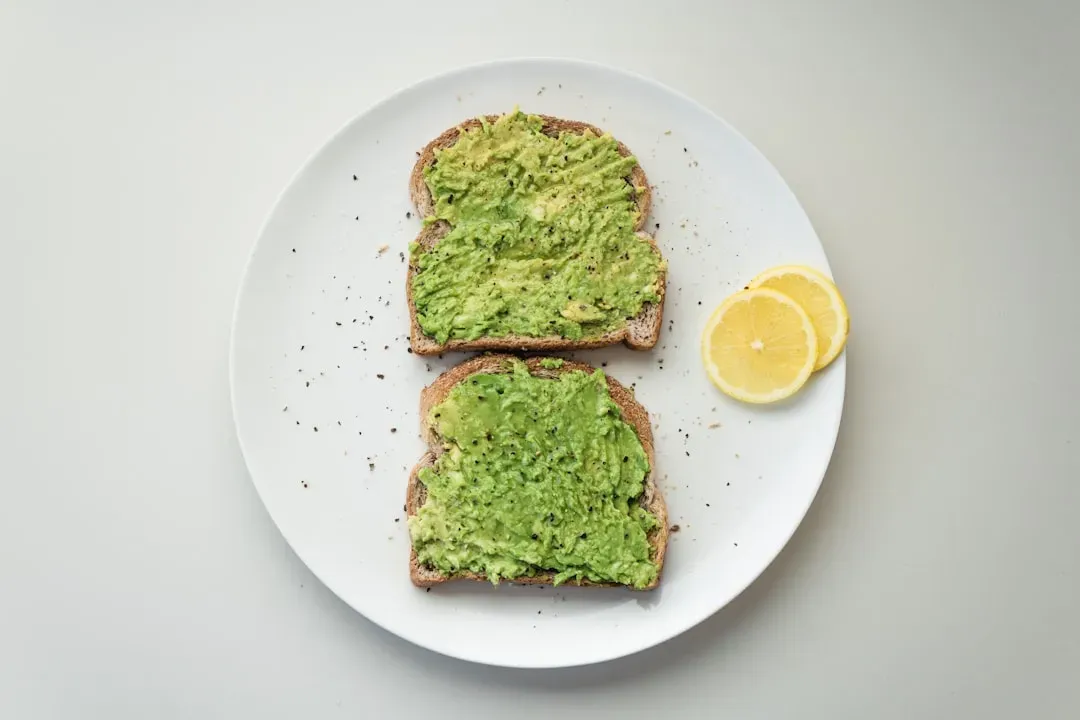
Avocado toast had a remarkable run. It emerged from health-café obscurity, conquered brunch menus coast to coast, and became a genuine cultural symbol of a certain era in dining. Avocado toast went from health-café curiosity to restaurant staple to cultural punchline in under a decade. Now, even chefs are questioning its staying power. The dish isn't bad, exactly. It's just become a placeholder on menus that haven't found anything more interesting to offer. In Menu Matters' survey of consumers, the one overriding need state for 2025 was "just give me something new," with 39 percent of consumers looking for more newness on menus.
At the price point many restaurants still charge for it, avocado toast is a particularly hard sell. Two slices of bread, mashed avocado, maybe a sprinkle of chili flakes, and a poached egg can run anywhere from $14 to $22 at upscale brunch spots. According to the U.S. Consumer Price Index, "food away from home" rose about six percent from January 2024 to September 2025, driven by rising labor, rent, and ingredient costs. Every dollar counts more now, and diners are growing far less likely to spend those dollars on something they can make at home in four minutes. Diners are increasingly looking for menu items that are hard to make at home, as well as higher quality proteins and global ingredients they can't purchase in a grocery store - and avocado toast is simply not that dish anymore.




Leave a Reply