
Every time you sit down at a restaurant, something quietly fascinating is happening around you. The menu in your hands, the music in the air, even the way your server phrases a simple question - none of it is accidental. Restaurants are sophisticated businesses operating on thin margins, and they have developed an entire science around nudging your behavior.
Honestly, most diners have no idea just how deep it goes. These aren't evil tricks, but they are deliberate moves - and once you see them, you really cannot unsee them. Let's dive in.
1. The Dollar Sign Has Been Quietly Removed From Your Menu

Take a close look at menus the next time you eat out. Increasingly, you won't see a dollar sign next to the price. This is completely intentional. A study carried out at Cornell University's Center for Hospitality Research tested menus with and without the dollar sign, and also with the prices written out in text (e.g., "Twenty-Five Dollars"), and researchers found that diners given a menu without dollar signs spent noticeably more than those whose menus had the prices written out or had dollar signs.
According to Cornell University's Hotel School, removing the dollar signs from a menu causes guests to spend around eight percent more. That might sound like a small shift, but across hundreds of tables on a busy Saturday night, it adds up fast. Think of it like removing a speed limit sign on a highway - without that visual cue, people naturally push further without even realizing it.
2. The "Decoy" Item Is There to Make Everything Else Look Reasonable
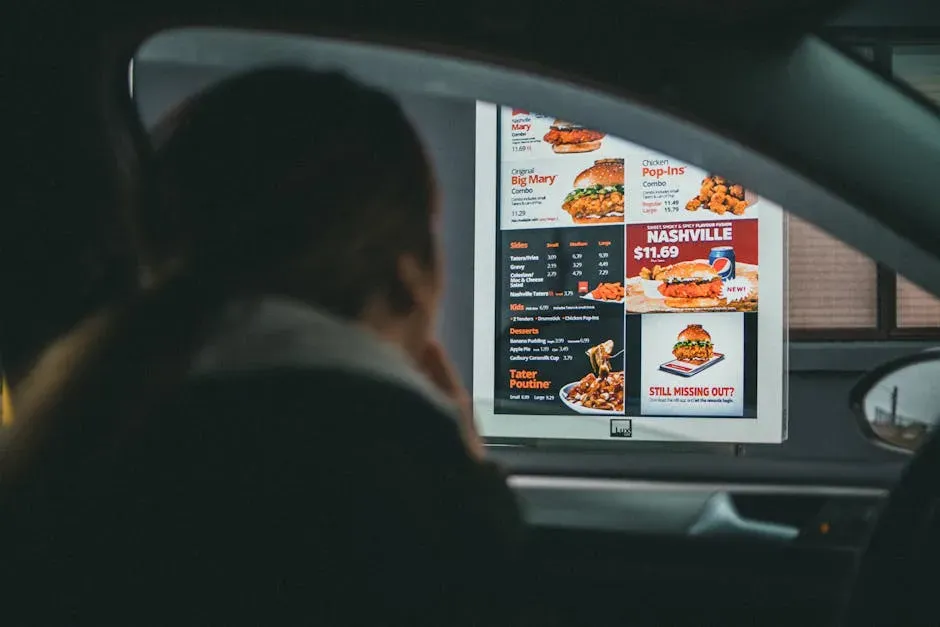
Restaurants commonly place a somewhat pricey item with a high profit margin close to a noticeably more expensive item with a lower profit margin on the menu, so that by comparison, the first option seems like a responsible choice for diners. This practice is called "decoy pricing," and the wallet-busting item that makes everything surrounding it seem like better value is called "the anchor."
If you see a $32 steak on a menu next to a $22 chicken dish, the chicken dish will appear to be good value for money even though it might not be the cheapest option overall. Most customers have an extremeness aversion - they'll never order the most expensive or least expensive items on the menu. By highlighting the very expensive filet mignon, for example, the less pricey sirloin steak directly below it seems more reasonably priced by contrast. The strategy is to position a high-priced item in a "sweet spot" with a highly profitable item right next to it.
3. The Menu's "Golden Triangle" Is Steering Your Eyes
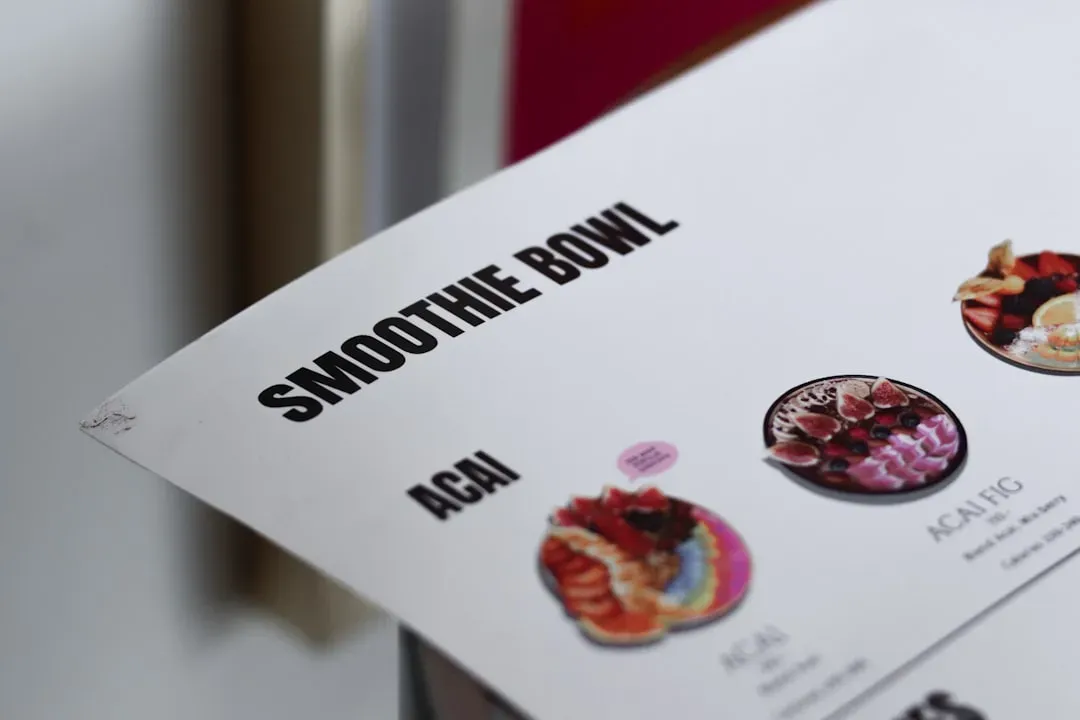
Your eyes don't wander freely across a menu. They follow a surprisingly predictable pattern, and restaurant designers know this better than anyone. Think of the menu like prime real estate in Manhattan - location is everything. Studies show customers' eyes naturally gravitate to the upper right corner first, creating what industry insiders call the "Golden Triangle," and items in this sweet spot enjoy a twenty-five to thirty-five percent higher selection rate.
Menu psychology is used to highlight profitable items by placing high-margin dishes in prominent areas, using bold fonts or eye-catching visuals to draw attention to the most profitable offerings, subtly influencing customers' choices and boosting the bottom line. Most restaurants improve profits by two to ten percent from a reengineered menu, according to Restaurants USA, and for an operation that earns one million dollars annually, a reengineered menu could mean an extra $100,000 each year.
4. The Water Question Is a Psychological Trap
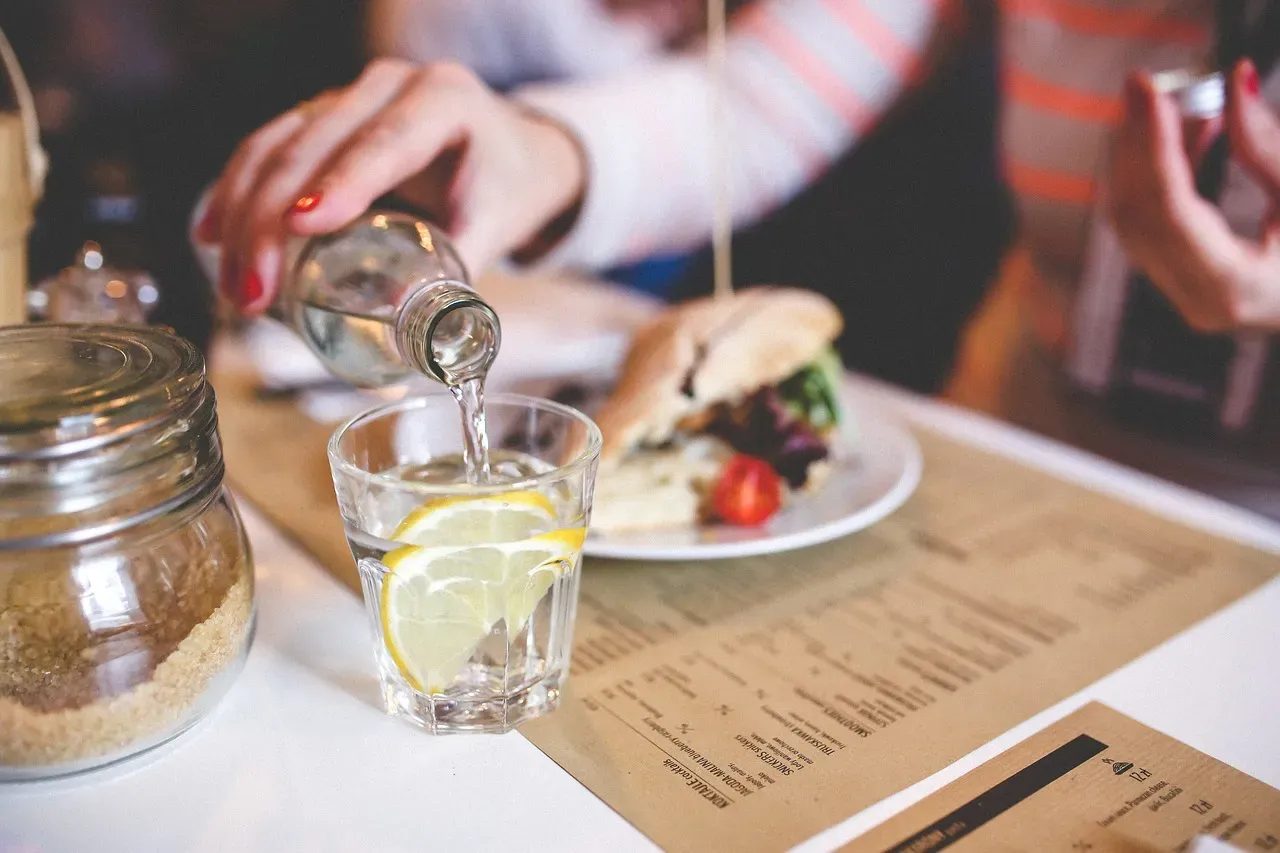
Here's a classic one that still catches people off guard. Some restaurants will bring bottled water to your table without asking, then charge you for it. Others will ask "Still or sparkling?" as if tap water isn't an option. Paying for water can add several dollars to your bill for something that should cost nothing.
In a Reddit forum for servers discussing upselling techniques, a user suggested asking diners if they'd like "flat or sparkling" water at the start of their meal. The customer may feel embarrassed to order tap water and cave for the pricier bottled water. Whether or not a diner was easily pressured may also signal to the server which person at the table is most likely to give in and order higher-ticket items in general. So that one simple water question is actually doing double duty.
5. The Music Playing Is Controlling How Fast You Eat
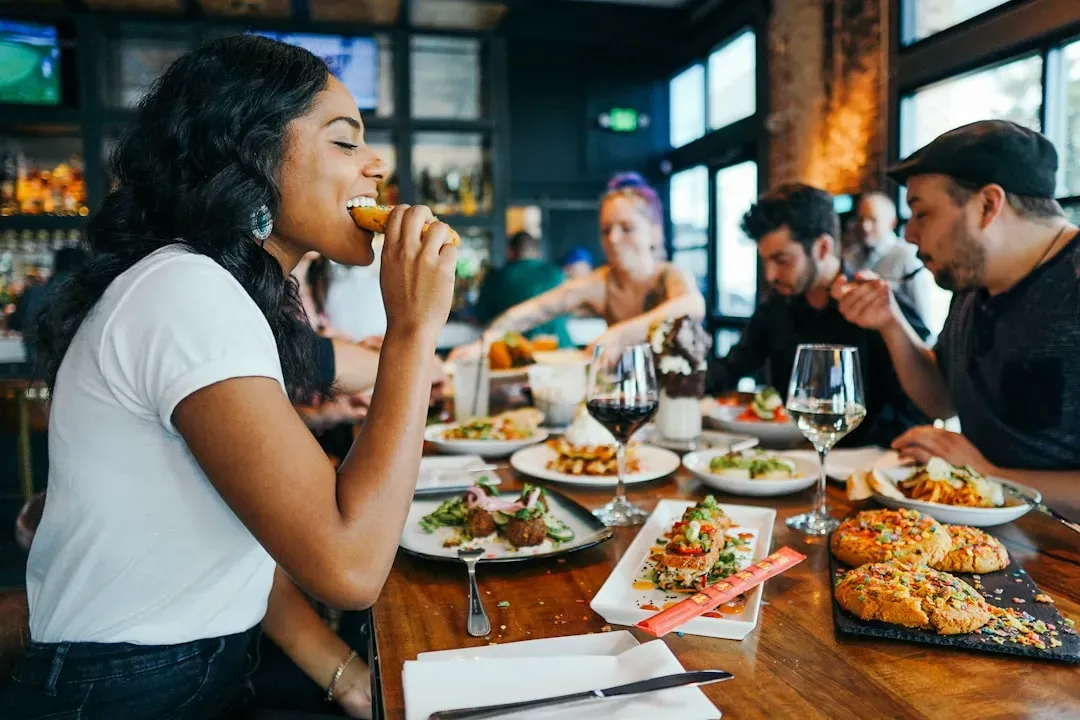
You'd never guess the playlist affects your wallet, but it absolutely does. The music playing affects diners in ways they don't always recognize. Up-tempo tunes genuinely help dial up heart rates, which is a real bonus for quick-service establishments where profit calls for pushing diners in and out at maximum speed. In higher-quality restaurants, the goal is exactly the opposite - they want you to linger, and classical music helps slow you down, making it more likely you'll order an extra course, a dessert, or another bottle of wine.
Fast-paced music in fast food restaurants makes you eat quickly and leave, increasing customer turnover. Slower, relaxing music in sit-down restaurants makes you linger longer and order more drinks and consider dessert. Studies show that roughly three in five people will order more food and drinks when they like the music playing, and that number jumps even higher for millennials. The volume and tempo of music can actually change how much you eat and drink.
6. "Today's Special" May Actually Be Yesterday's Inventory
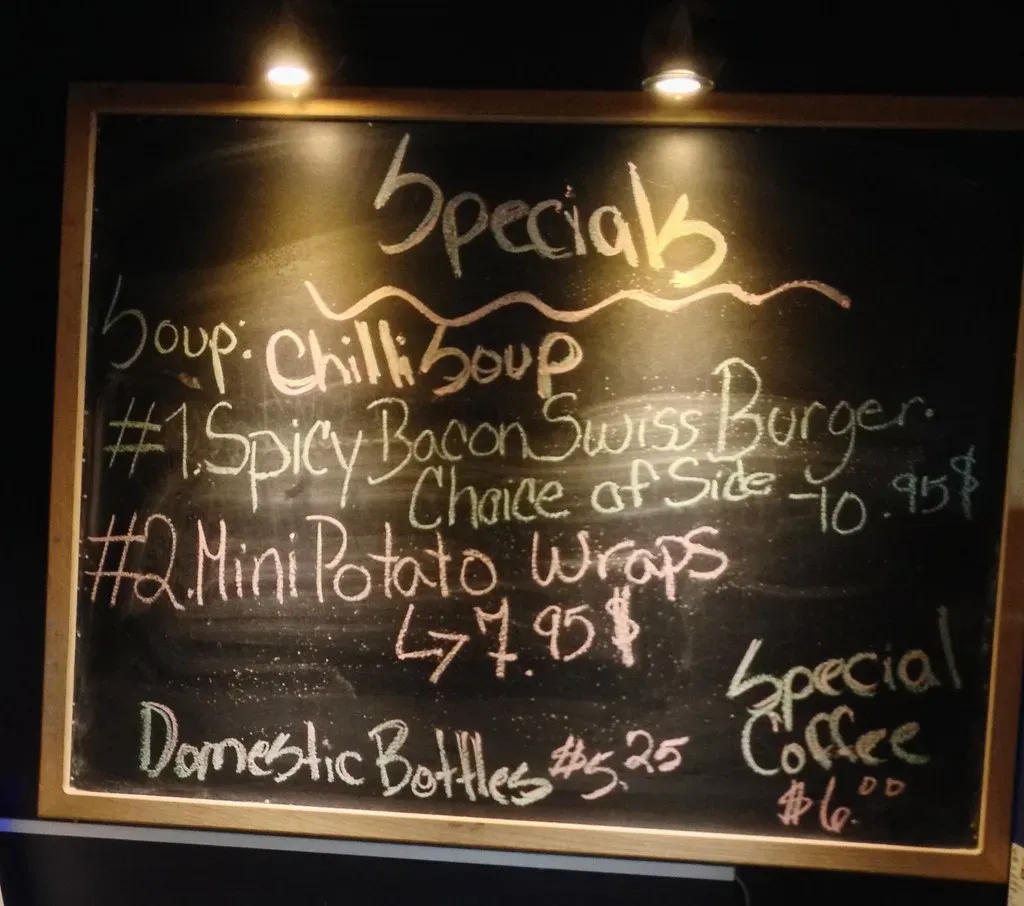
Servers genuinely love the specials announcement. It sounds exclusive, seasonal, and curated. But here's the thing - there's often a more practical reason behind it. When your server enthusiastically tells you about the day's specials, they might be trying to move ingredients that are about to expire. That "fresh catch of the day" could be Monday's leftover fish dressed up with a fancy sauce and a higher price tag. Restaurants use specials as a way to move inventory and reduce waste, but they'll present these dishes as exclusive or gourmet options.
This isn't to say the specials are bad food - often they're genuinely delicious. It's just worth knowing why that dish gets such an enthusiastic introduction. Around one in five restaurant operators admit to substituting ingredients to control food costs, so managing inventory creatively is very much a real part of daily restaurant operations. Still, a special can absolutely be a great deal. Just go in with your eyes open.
7. Evocative Menu Language Is Designed to Make You Spend More
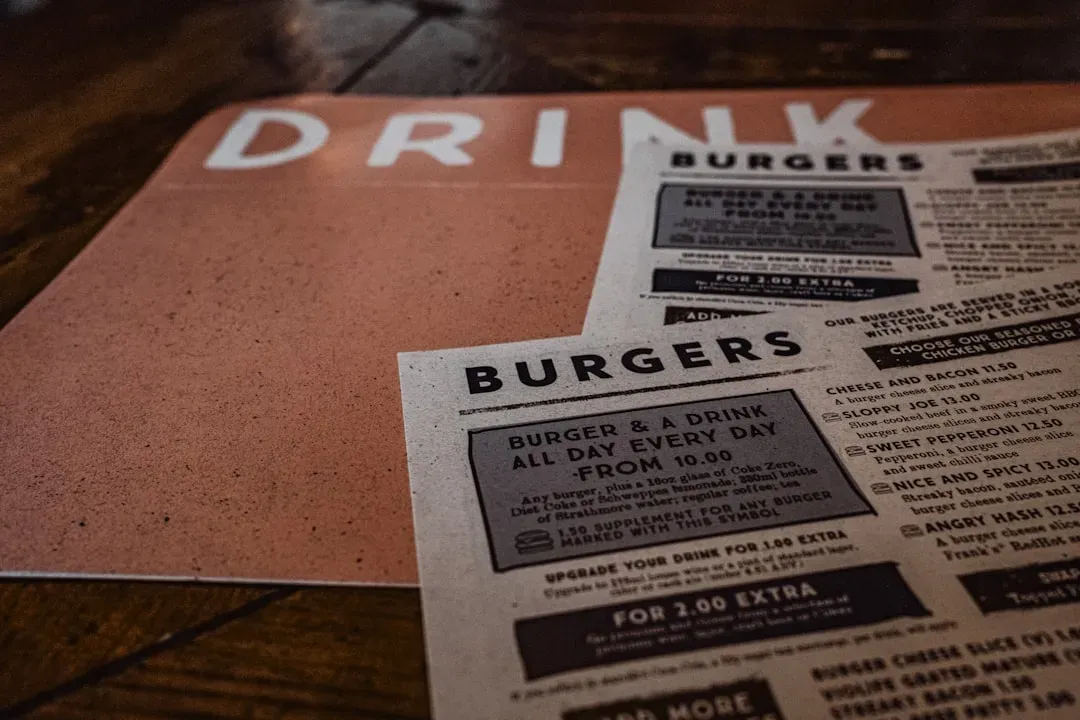
An influential study published in Advances in Consumer Research found that enticing language influenced diners' perceptions of their food. The highest-impact words and phrases invoked nostalgia ("Grandma's," "Old-Fashioned"), or appealed to the senses ("Sizzling," "Crisp," "Aromatic"). For some diners, giving the meal's ingredients a backstory - such as "ethically, sustainably raised pastured pork from our own farm" - also improved their perception of the meal and its value.
By connecting a dish to family, like calling cookies "Grandma's," restaurants invoke nostalgic memories and the resulting emotion motivates you to order. It's the food equivalent of a movie trailer that makes you cry in 90 seconds. When one bar transformed its simple "House Bloody Mary" into a "Hand-crafted Bloody Mary with house-infused pepper vodka, garden-fresh garnishes, and a secret spice blend," orders jumped by an extraordinary amount and guests happily paid more. Similarly, when a café changed "Chicken Sandwich" to "Free-range Herb-roasted Chicken on Artisanal Sourdough," sales doubled.
8. Cocktails Are a Far Better Moneymaker Than Dessert
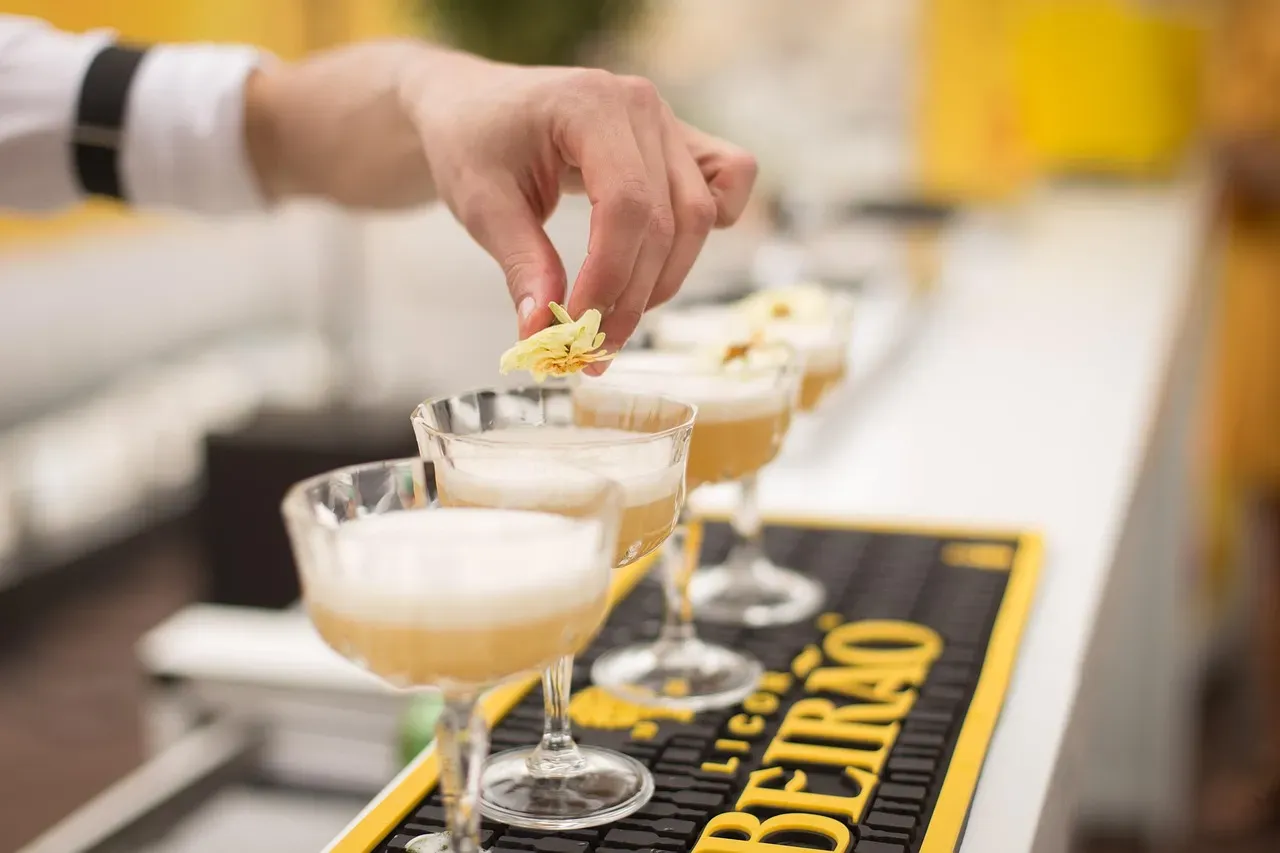
You've finished your meal and the server asks, "Would you like dessert - or perhaps another glass of wine?" That wording is not accidental. Ordering dessert might nudge the bill up a few dollars, but from the restaurant's standpoint, desserts have razor-thin profit margins and a concrete ceiling for how much diners are willing to pay. If a server offers dessert "or just another glass of wine," that gives the patron an opportunity to turn down dessert for something that seems like less of a commitment - but the wine is actually a better sale for the restaurant.
Beverages are where restaurants really make their money, plain and simple. According to CGA by NielsenIQ, cocktails added upwards of $11,400 to an establishment's bottom line in the first quarter of 2023 alone. The drink upselling is especially clever - when you order a cocktail, servers may ask what brand of liquor you prefer, automatically steering you toward top-shelf options that cost more. Once they get you thinking about premium options, you're more likely to splurge.
9. Happy Hour Is a Strategic Loss Leader, Not Just a Treat
Happy hour feels like the restaurant giving something back. Drinks are cheaper, maybe some apps are discounted. It feels like a deal, and in many ways it actually is - but not for the reasons most people think. For bars and restaurants, happy hour acts as a draw at their least busy hours, usually between 4 p.m. and 7 p.m. It gets people into the establishment early under the auspices of getting a deal and creates extra profit through the opportunity to upsell.
Taking into account an average lowered price point of around a fifth for alcohol and over a third for meals, a regularly priced $18 margarita rounded down to $14 and a pound of wings reduced from $16 to $10 is genuinely a steal. If you ate out twice a week at that rate, that would be the equivalent of saving over a thousand dollars per year. People are redefining what feels worth it, and this is precisely why happy hour is back in a big way heading into 2026 as diners seek more bang for their buck while gathering and savoring time together.
10. The Prix Fixe Menu Can Save You Serious Money
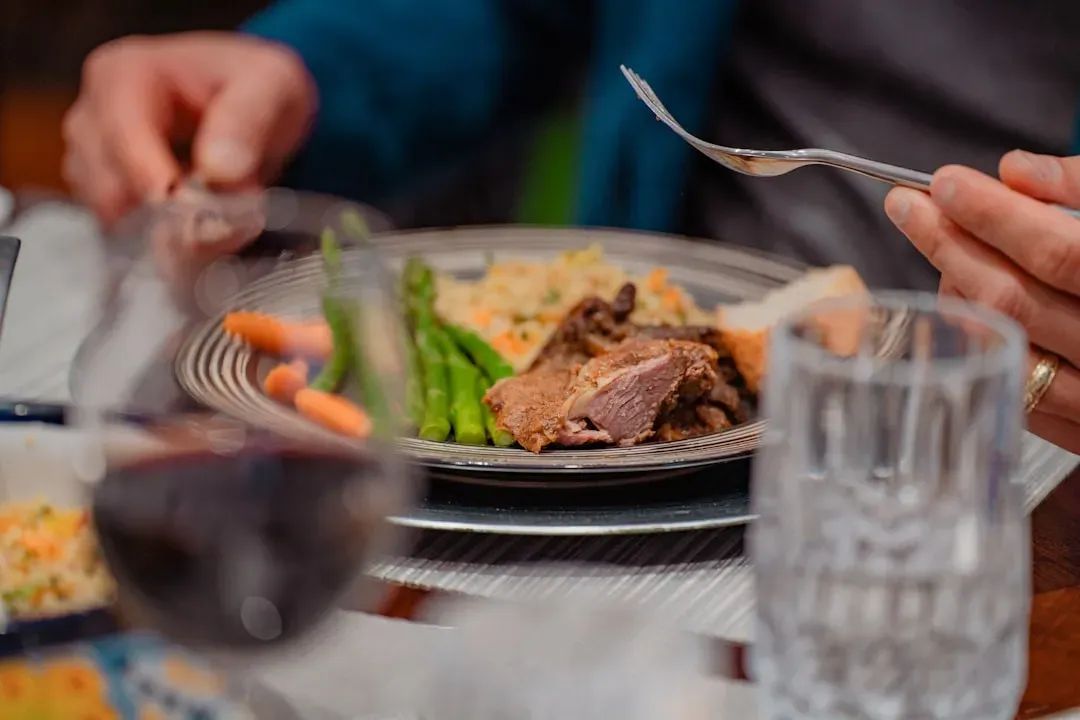
A prix fixe menu often looks fancier and more expensive than it really is. Ironically, it's one of the best deals a diner can find. The prix fixe is the rare instance in which what's good for a business is also good for the customer. The predictability around service and the more controlled cost of labor and food are passed along to diners in the form of more economical bills, and the courses added onto these menus cost thirty to forty percent less than ordering à la carte.
Most cities have some version of Restaurant Week, where restaurants attempt to entice diners with lowered prix fixe menus. The best way to get the most out of them is to compare the regular price of a restaurant's menu items with the prix fixe menu to ensure you're getting a real deal - and it's a great opportunity to enjoy a pricier restaurant at a fraction of the cost. I think most diners skip these menus assuming they're a gimmick, which means they're genuinely leaving money on the table.
11. Digital Kiosks Are Engineered to Make You Spend More
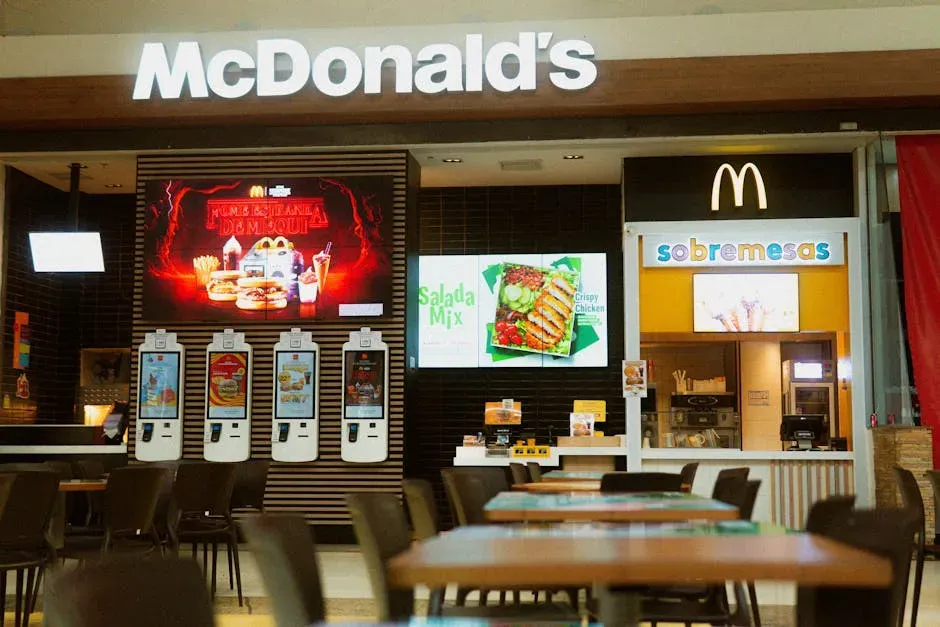
The self-service touchscreen kiosk at a fast-casual restaurant looks like a convenience upgrade. In reality, it's one of the most sophisticated upselling machines the industry has ever deployed. Fast food restaurants have discovered that digital ordering kiosks get customers to spend about ten percent more than human cashiers. These machines are programmed to suggest upgrades, add-ons, and extras at every step of the ordering process.
Digital kiosks never get tired of asking if you want to spend more money, unlike human cashiers who might feel awkward about constant upselling. It's worth taking your time with these machines and actually considering whether you want each suggested add-on before tapping "yes." Convenience is a major factor in dining decisions, and according to a survey of over 1,000 internet users in April 2024, roughly four in five Gen Z diners said online and mobile ordering options were a key satisfaction factor at fast-casual restaurants. The kiosk isn't going away - knowing how it works is your best defense.
The Takeaway: Now You See It
None of this means your favorite restaurant is out to get you. The restaurant business is notoriously difficult. While successful restaurants do rake in revenue, margins average only about seven percent bottom-line profit across the industry as a whole, which means the restaurateur needs to take in a million dollars to have just $70,000 of profit left at year-end. These shortcuts are survival tactics as much as anything else.
Still, knowledge is power. Now that you know about decoy pricing, the golden triangle, the water question, and the kiosk tricks, you can make genuinely informed choices - and maybe even enjoy the meal more knowing the game being played around you. Around nine in ten restaurants say they increased menu prices because of higher food costs, so everyone is navigating a tough landscape right now. The relationship between diner and restaurant is a bit like a friendly chess match - and you just learned a few of their opening moves.
Which of these shortcuts surprised you the most? Tell us in the comments below.



Leave a Reply