
There's something deeply satisfying about seeing the words "house-made" on a menu. It conjures up images of a chef carefully stirring a pot in the back kitchen, lovingly crafting something just for you. It feels personal. It feels authentic. It feels worth the extra few dollars they're charging for it.
The problem? It doesn't always tell the whole story. Across the restaurant industry, from casual diners to upscale bistros, the phrase "house-made" has quietly become one of the most stretched terms in the business. Insiders know it. Chefs talk about it. Consumers, for the most part, have no idea. So let's pull back the curtain.
1. "House-Made" Dressings That Start From a Bottle
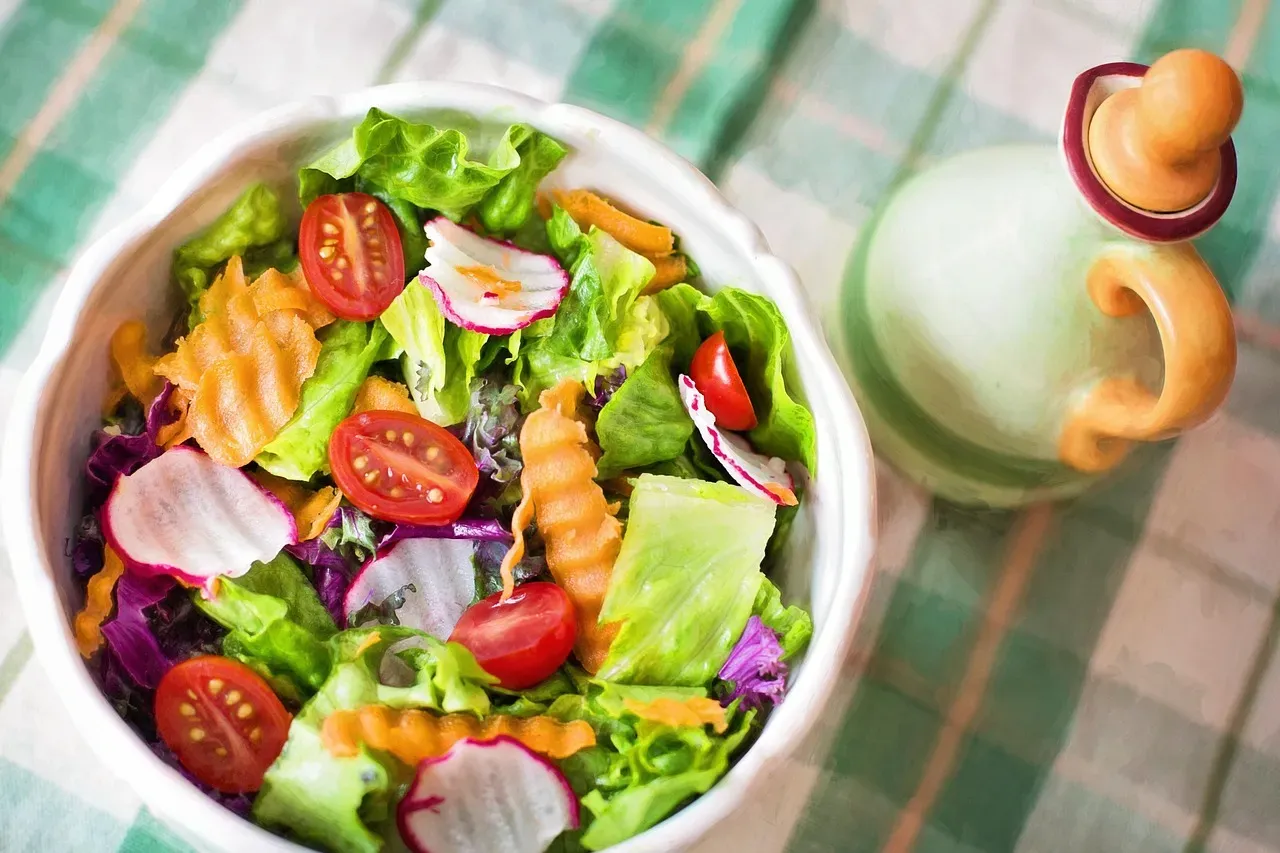
Here's the thing about salad dressings: making them truly from scratch takes time, quality ingredients, and consistent execution across every shift. That's a tall order in a busy kitchen. So what actually happens in a lot of restaurants? They start with a pre-bottled base and add a twist.
Some restaurant groups openly use a pre-bottled ranch dressing as a base and doctor it up, for instance, adding jalapeño for a customized variation served alongside signature dishes. That's a real technique used in the industry - honest in its own way - but calling the result "house-made" leaves something to be desired. Calling a tweaked bottled dressing "our signature house ranch" stretches the truth like warm taffy.
2. "House-Made" Bread That Arrives Par-Baked
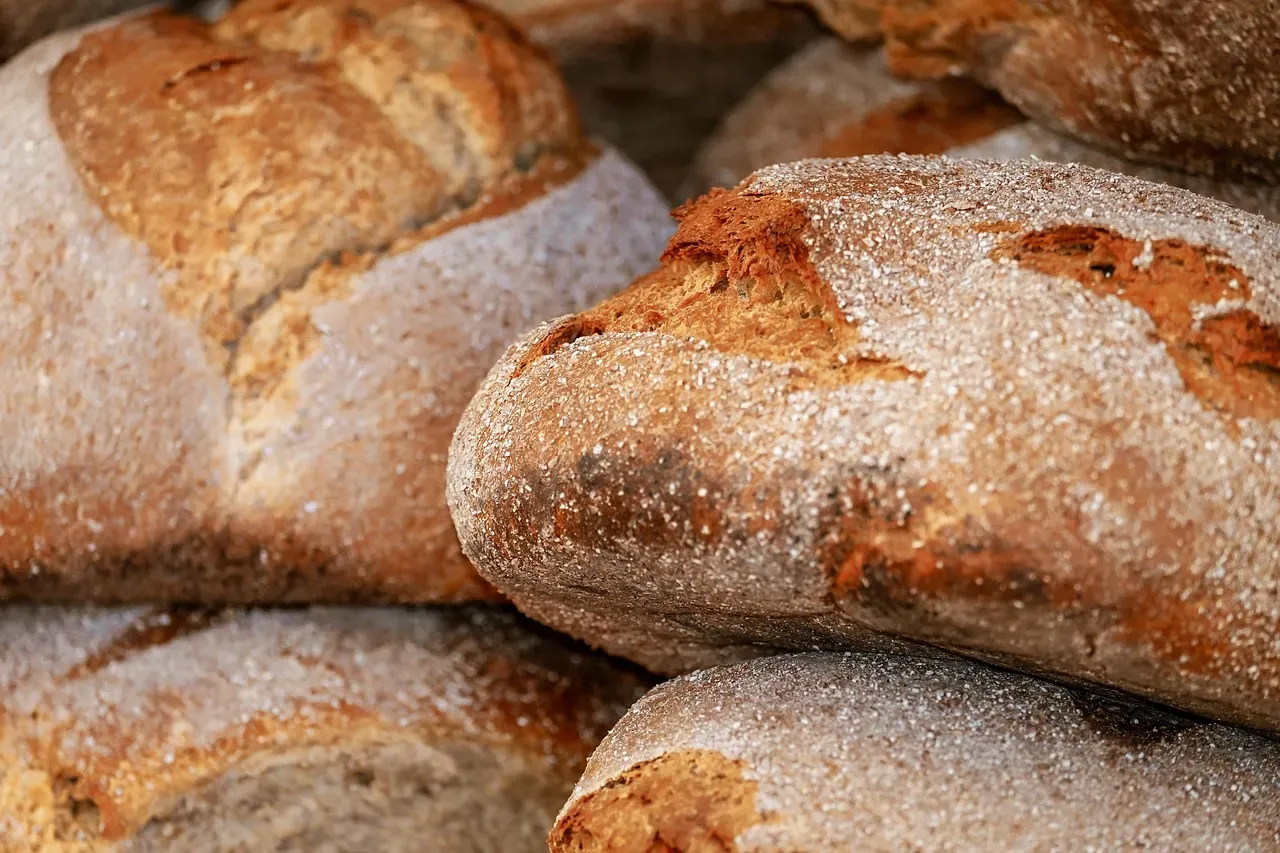
Freshly baked bread on the table is one of the great joys of dining out. The crust crackles, the steam rises, and you think: someone in this building made this. The reality in many mid-range restaurants is that "house-made" bread often means they finished baking something that arrived partially cooked from a supplier. This is known as par-baking, and it's extremely common.
Menu words and supplier specs are now reputational liabilities as much as they are marketing copy, as industry coverage put it bluntly in 2025. Par-baked products require minimal on-site effort, yet the "house-made" label travels with them all the way to your bread basket. Is it technically made in-house at the final stage? Maybe. Is it what the customer imagines? Almost certainly not.
3. The "House" Burger Patty That's a Standard Supplier Blend
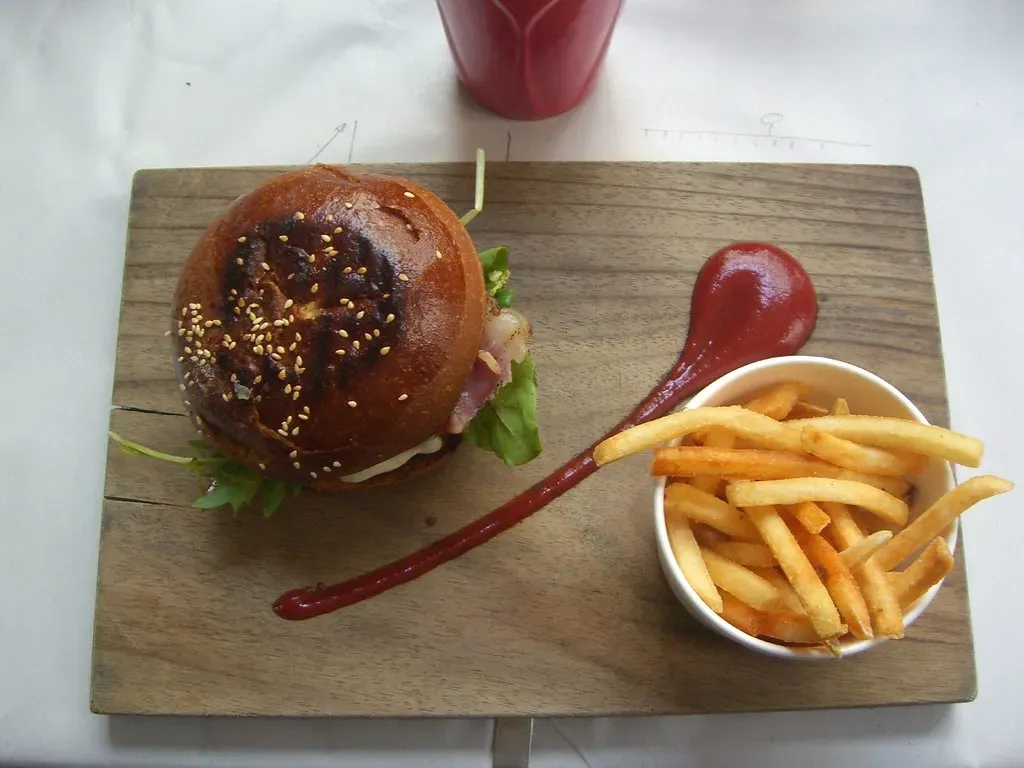
Few things feel more artisanal than a "house-blend burger." It suggests a custom mix of cuts, fat ratios, and grind styles developed by the kitchen team. In practice, a huge number of restaurants simply order their patties pre-formed and pre-portioned from a food service distributor. The blend is the supplier's blend, not the chef's.
By 2025, procurement teams, chefs, and legal departments were finally ending up in the same meeting, talking about authentication testing, traceability tools, and which claims to walk away from before they blow up on social or in a lab report. That shift tells you something: the industry itself is acknowledging that menu language has been used loosely for a very long time. A house-blend patty that isn't actually blended in-house is a small but telling example of how it happens.
4. "House-Made" Soups From a Concentrate or Base
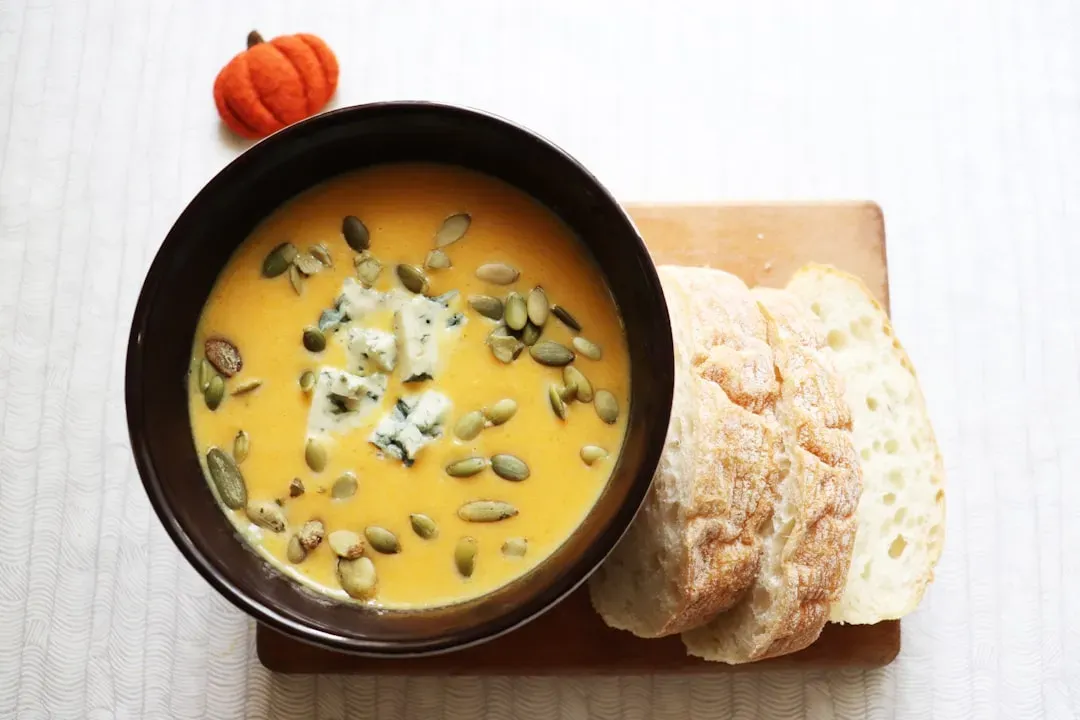
Soup is one of the sneakiest categories in the house-made debate. Many restaurants do genuinely make their soups in-house - but using a commercial soup base or bouillon concentrate as the foundation. They add vegetables, proteins, or herbs, and call it house-made. Technically there's some kitchen work involved, but the core flavor profile and salt content are being handled by a factory somewhere.
Food and labor costs both rose by roughly a third between 2019 and 2025, according to the National Restaurant Association, and that kind of sustained financial pressure forces operators into survival mode, which leads to shortcuts. Using a commercial soup base is one of those shortcuts. It saves hours of labor and reduces waste, but it quietly undermines any claim that the soup is truly house-made in the way customers imagine.
5. "House-Smoked" Meats That Are Partly or Fully Pre-Smoked
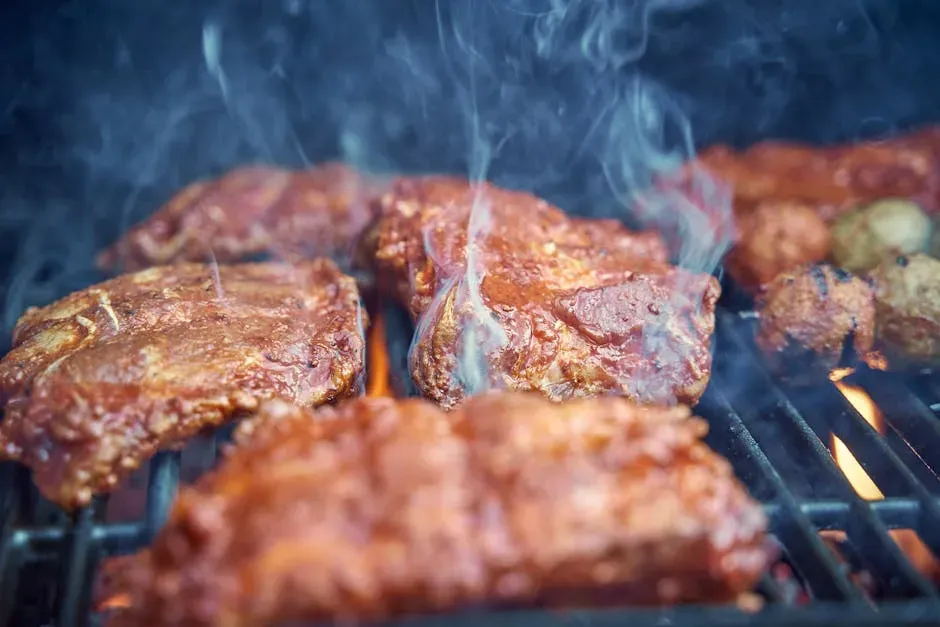
Barbecue culture has exploded in the last decade, and with it, the prestige of the phrase "house-smoked." Real pit smoking is genuinely labor-intensive. It requires specific equipment, hours of monitoring, skilled technique, and a commitment that many smaller or busier restaurants simply cannot realistically maintain every single day. Yet "house-smoked" still appears on menus where the smoking is minimal, inconsistent, or largely done off-site.
Some establishments receive meats that have already been smoked or partially cooked by a supplier, then finish them in-house with a brief exposure to smoke or heat. In 2025, the restaurant industry received a blunt signal: menu language is now both a reputational asset and a liability. When a diner orders "house-smoked brisket" and it tastes suspiciously uniform every single visit, something about that claim probably deserves a second look.
6. "House-Made" Pasta That Comes From a Commissary Kitchen
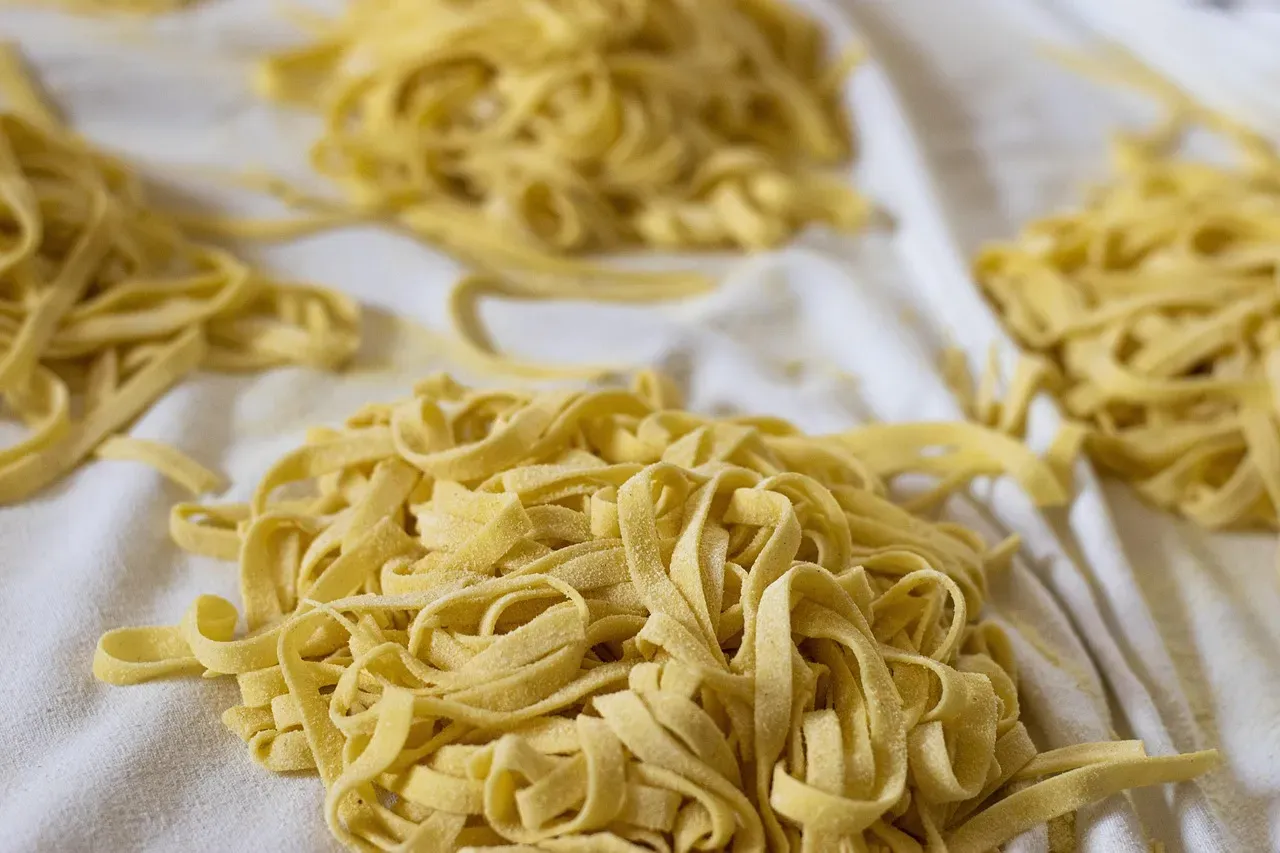
Fresh pasta is one of the most seductive promises a restaurant can make. The idea of handcrafted, flour-dusted pasta being rolled out somewhere behind that kitchen door is romantic and real-feeling. The truth is, restaurant groups with multiple locations often produce their pasta in a central commissary kitchen and then distribute it to their individual spots. Each location technically belongs to the same company - but no pasta is being made in the kitchen you're sitting in.
Even for single-location restaurants, some "house-made" fresh pasta is purchased from a third-party artisan pasta supplier. Chain concepts like Saladworks have openly made the switch from house-made preparations to supplier-developed recipes in an effort to bring consistency across locations. Consistency is a legitimate business goal, but it doesn't quite match the hand-rolled, lovingly made story the menu is implying.
7. "House-Made" Pickles That Were Cured Elsewhere
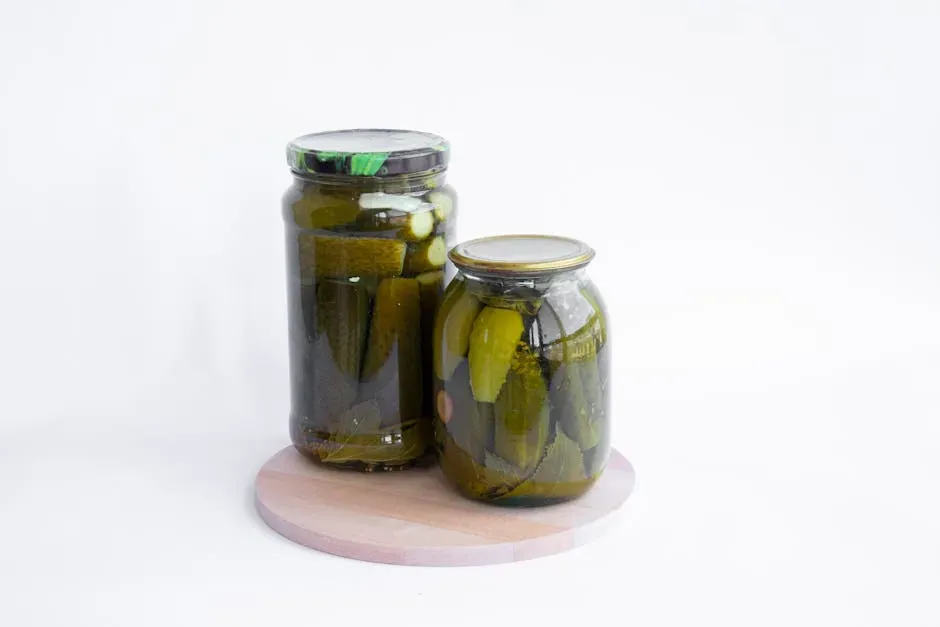
Pickles have had an extraordinary moment in food culture. House-made pickles, house-fermented kimchi, and artisanal brines have all become major selling points. They signal craft. They signal care. They signal that someone in that kitchen has time to stand over a fermentation crock. Honestly, I love a good house pickle. But the label is being applied surprisingly loosely in a lot of establishments.
Many places simply open a large commercial jar of pickles, transfer them to a serving bowl or ceramic dish, maybe add a sprig of something green, and present them as house-made. Others do a quick quick-brine in-house that takes twenty minutes and involves nothing more than vinegar and salt. The broader signal from the industry is clear: menu words carry reputational weight that goes far beyond just marketing copy. A truly fermented house pickle and a rinsed commercial one are very different products, and the customer is rarely in a position to tell.
8. "House-Made" Desserts Assembled From Pre-Made Components
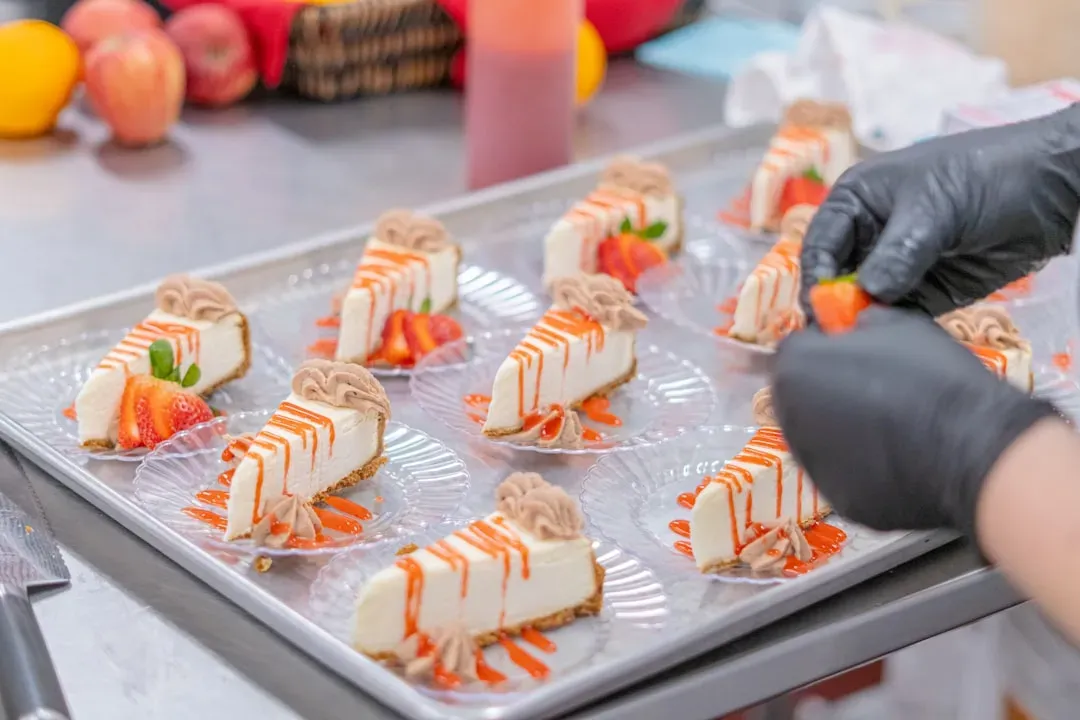
Desserts are deeply emotional for diners. Ordering the "house-made chocolate lava cake" or the "house-made cheesecake" carries an expectation that a pastry chef baked something specifically for your table. In reality, many restaurants outsource their desserts entirely or use commercially produced dessert components assembled and plated in-house. A slice of cheesecake delivered frozen and thawed, then topped with a drizzle of caramel, can easily wear the "house-made" badge with nobody in the building questioning it.
The National Restaurant Association's State of the Restaurant Industry report found that roughly four in ten restaurants reported generating no profit at all in 2023, and that financial reality pushes operators toward pre-made dessert components as a cost-control strategy. Maintaining a full pastry program is expensive. It requires staff, equipment, and serious planning. Pre-made desserts aren't inherently bad, but calling them house-made is a stretch that confuses customers.
9. "House-Made" Hot Sauce and Condiments With a Commercial Base
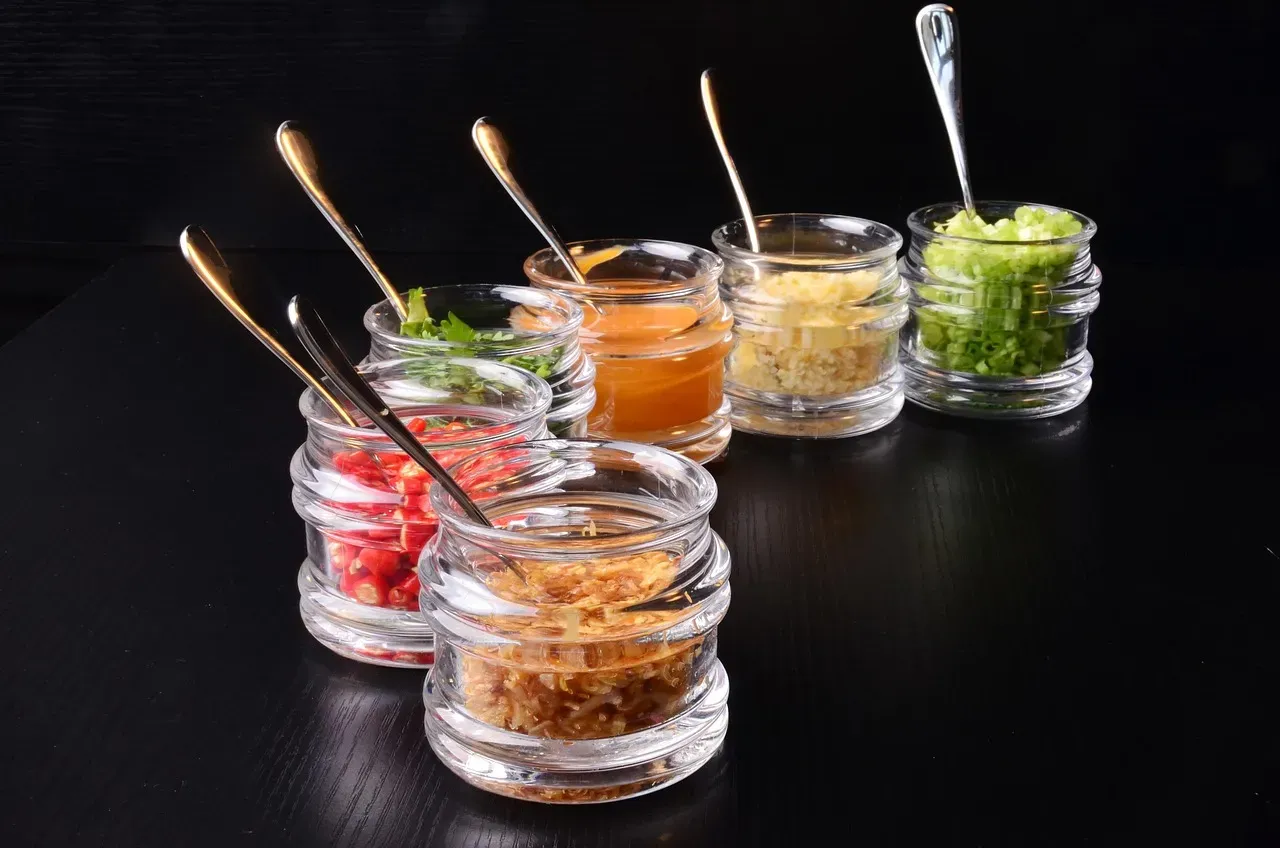
Walk into enough trendy restaurants and you'll find rows of small bottles labeled "our house hot sauce" or "chef's signature condiment." These products are genuinely exciting when they're real. However, a significant number of them are built on commercially produced hot sauce or condiment bases, with a small quantity of fresh chili or spice added to give the end product a vaguely customized flavor. The bottle gets a cool label. The menu gets a compelling story. The customer pays a premium.
Development with a supplier doesn't have to be a from-scratch recipe project, and some corporate chefs openly use supplier-made products as a foundation for their menu items. That honesty is actually refreshing. The problem is when the resulting product is then labeled "house-made" with no acknowledgment of the commercial base. It is a blurry line between smart kitchen efficiency and genuinely misleading the people paying for the meal.
10. The Broader Problem: No Legal Definition of "House-Made"
Here is arguably the most important point of all: unlike terms such as "organic" or "grass-fed," the phrase "house-made" carries no legal definition in most jurisdictions. There is no regulatory body checking whether a restaurant's "house-made aioli" was actually made in-house. No inspector is auditing your pickle program. No law requires a kitchen to disclose how much of a dish was made on the premises versus how much arrived pre-made from a distributor.
Many restaurants now rely on AI tools to create marketing materials, social media posts, and even menu descriptions, which adds yet another layer of potential inflation to menu claims. The broader signal for restaurants is that menu words are now reputational liabilities as much as they are marketing copy, and 2025 was the year the industry began genuinely grappling with accountability in sourcing and labeling. Until clearer standards exist, "house-made" will remain one of the most useful and most abused phrases in the food business.
Final Thought: What Should You Actually Do With This Information?
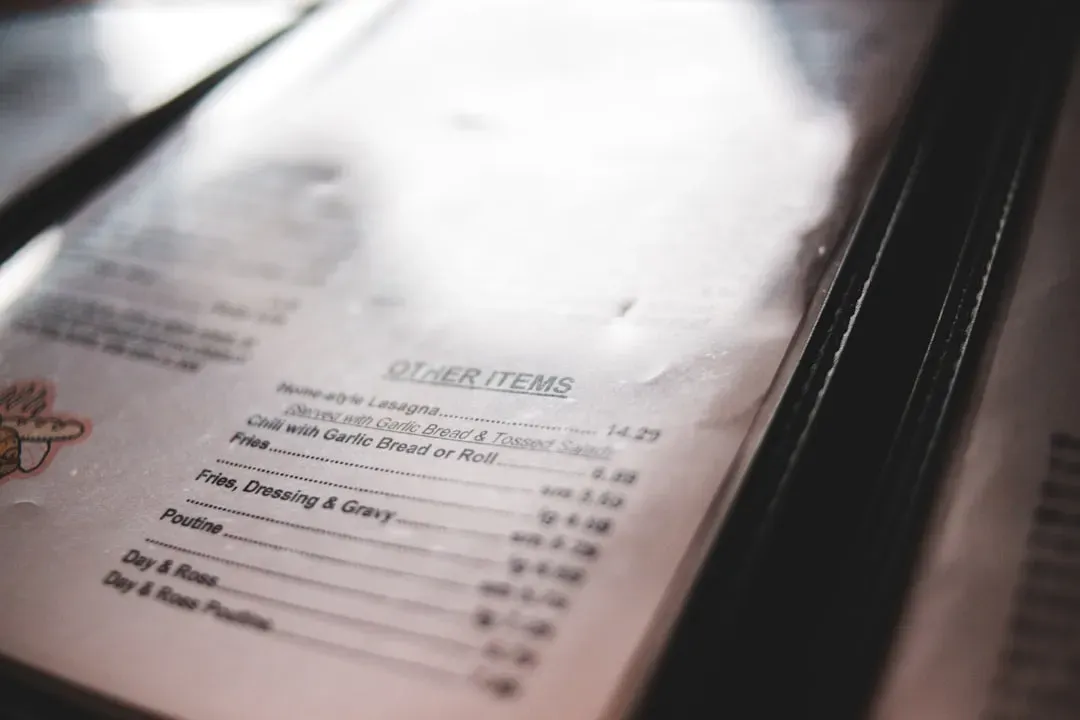
None of this means your favorite restaurant is lying to you in bad faith. Kitchen economics are genuinely brutal. Food and labor costs both rose by roughly a third between 2019 and 2025, according to the National Restaurant Association, and operators are navigating those pressures with the tools available to them. Some "house-made" shortcuts are barely worth raising an eyebrow at. Others represent a meaningful gap between what customers think they're paying for and what they're actually getting.
The smart move is to be a curious diner rather than a suspicious one. Ask your server what "house-made" means for a specific dish. Most honest kitchen staff will give you a real answer if you ask directly. According to a 2024 TouchBistro report, roughly half of Americans say that menu price increases directly impact their ordering decisions, which means diners are paying more attention than ever to the value equation. If you're spending more, it's completely reasonable to know exactly what you're getting.
The next time you see "house-made" on a menu, take a beat before you assume. What would you have guessed was actually happening in that kitchen?



Leave a Reply