
There's something almost theatrical about the American chain restaurant experience. You walk in, there's a laminated menu the size of a small atlas, the music is just a little too loud, and the food arrives looking suspiciously better than it tastes. We've all been there. We've all left wondering why we didn't just cook at home.
The restaurant industry has been going through a full-on crisis lately. In 2024, sales across the casual dining sector dropped nearly a full percent, while fast-casual chains and fast food actually grew. Customers are voting with their wallets, and increasingly, they're saying no to chains that have coasted on brand recognition alone. So here are the chains that foodies, food critics, and everyday diners have collectively flagged as just not worth your time or money anymore. Let's dive in.
1. TGI Fridays - The Nostalgia Trap
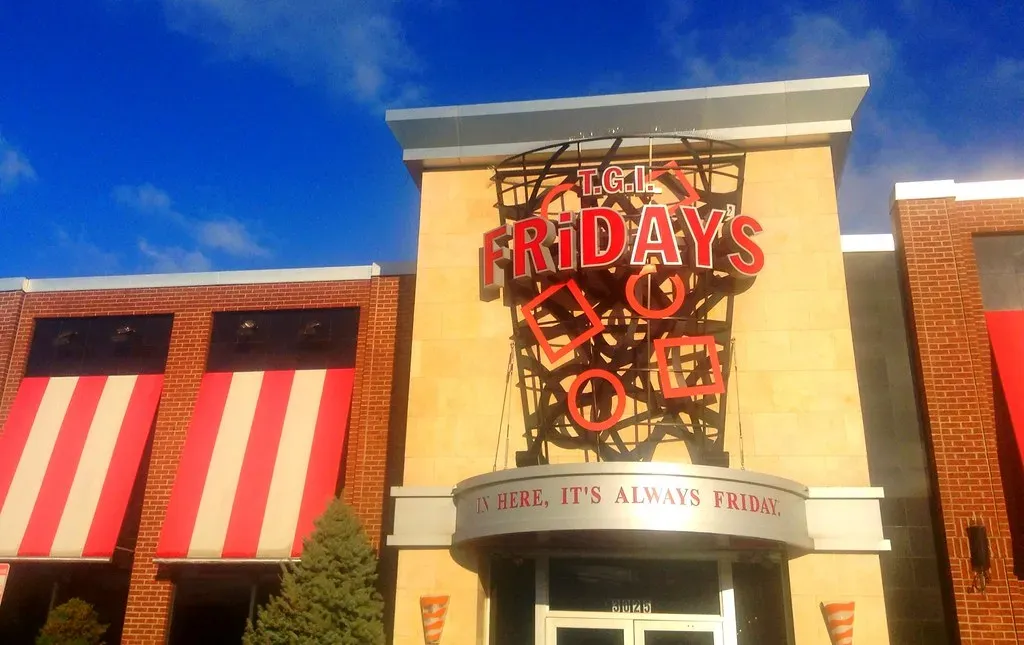
TGI Fridays was once the kind of place you'd go for a birthday dinner without a second thought. Loaded potato skins, oversized cocktails, all those quirky things nailed to the wall. Honestly, for a lot of people in the 1990s, it felt kind of cool. That era is long, long gone.
To say that TGI Fridays has had a difficult recent period is the understatement of the century. The chain was once one of the most beloved restaurants in the country, but over time began being viewed as a somewhat outdated place to eat. As new competitors came in and took over, TGI Fridays struggled, eventually filing for bankruptcy in November 2024.
TGI Fridays closed 134 restaurants amid its bankruptcy proceedings in 2024 alone. That trend accelerated in early 2025 when the company announced the closure of 36 locations in a single move, as the brand struggled to connect with younger diners. Foodies have moved on. The menu feels stuck in time, and the prices for that level of food quality are simply hard to justify.
2. Red Lobster - From Sea to Sad
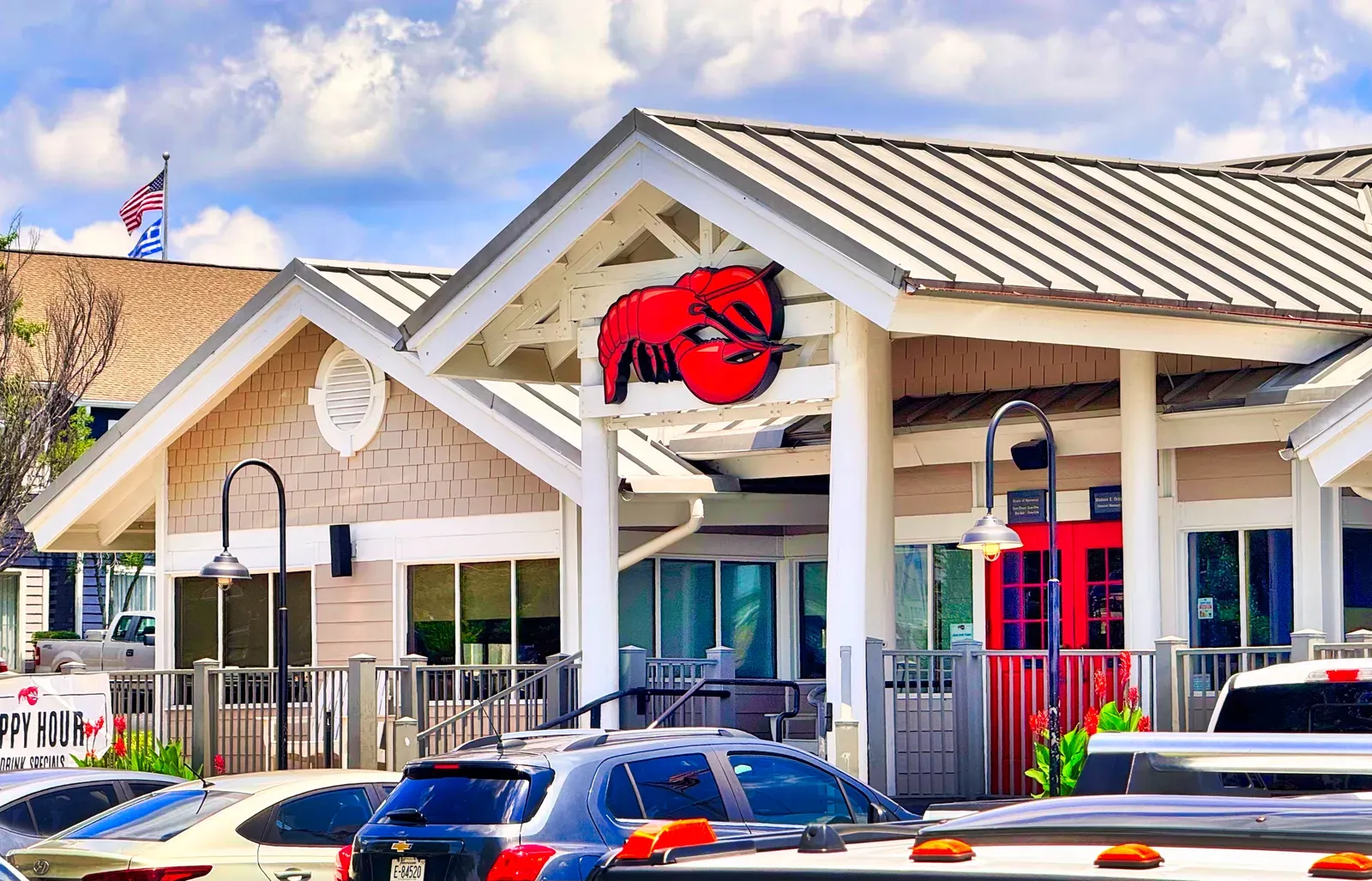
Red Lobster used to mean something. A special occasion dinner, maybe your grandmother's birthday, those fluffy Cheddar Bay Biscuits you couldn't stop eating. It had warmth. Then the wheels came off in the most spectacular fashion imaginable.
Red Lobster was driven into bankruptcy by mismanagement under former owner Thai Union. Thai Union cut Red Lobster's longstanding suppliers, pushed out veteran employees, and infamously made $20 endless shrimp a permanent menu item for the first time, devastating its profit margins. After filing for Chapter 11 bankruptcy in 2024, the chain continued its contraction, with dozens of underperforming restaurants permanently closing throughout 2025.
The core complaint from customers isn't just the shrinking footprint. It's that the food quality has become wildly inconsistent. As of recently, nearly three-fourths of all restaurant occasions are for takeout, and Red Lobster, built on the full sit-down experience, never figured out how to adapt. The biscuits are still good. Nearly everything else? Debatable, at best.
3. Denny's - The Diner That Lost Its Diner Soul
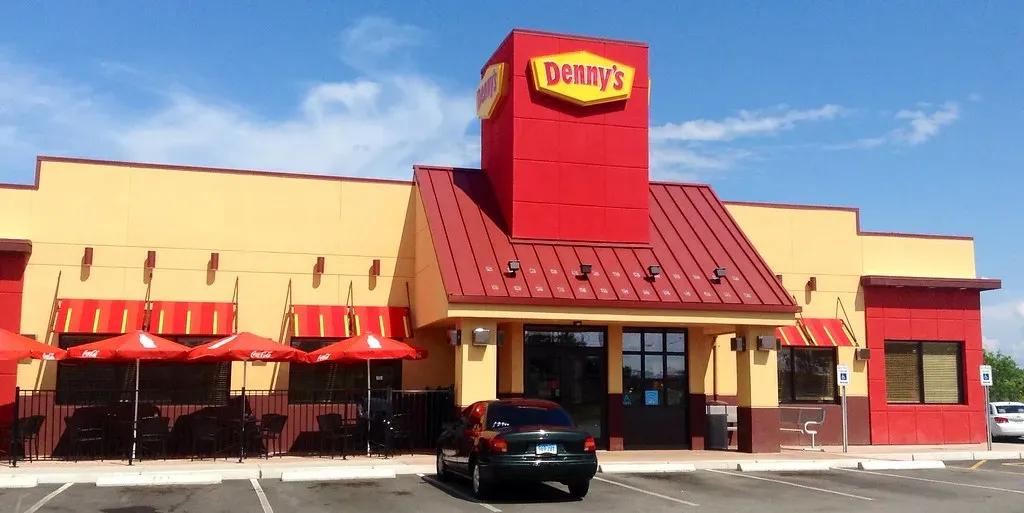
There's a specific, very American feeling that comes with sitting in a Denny's at 2 a.m. eating pancakes. It used to feel charming. But Denny's has been bleeding customers for years, and the numbers are genuinely alarming for a chain that was once a national institution.
According to the American Consumer Satisfaction Index, Denny's is the worst-rated full-service restaurant chain in 2025, with a score of just 75 out of 100 - and that score has continued dropping since 2024. Customers consistently flag long wait times and deeply inconsistent service quality, with some reporting it took over an hour just to be seated.
Denny's experienced a terrible 2024 and has been struggling to stay in business, announcing the closure of 50 restaurants in just a few months. A subsequent announcement confirmed 100 further closures planned throughout 2025, with more added shortly after. In total, 180 restaurants were due to close within just 24 months, a huge proportion of its remaining locations. For a chain this old and this recognizable, that's a really painful downfall to witness.
4. Applebee's - The Neighborhood Grill Nobody Needs
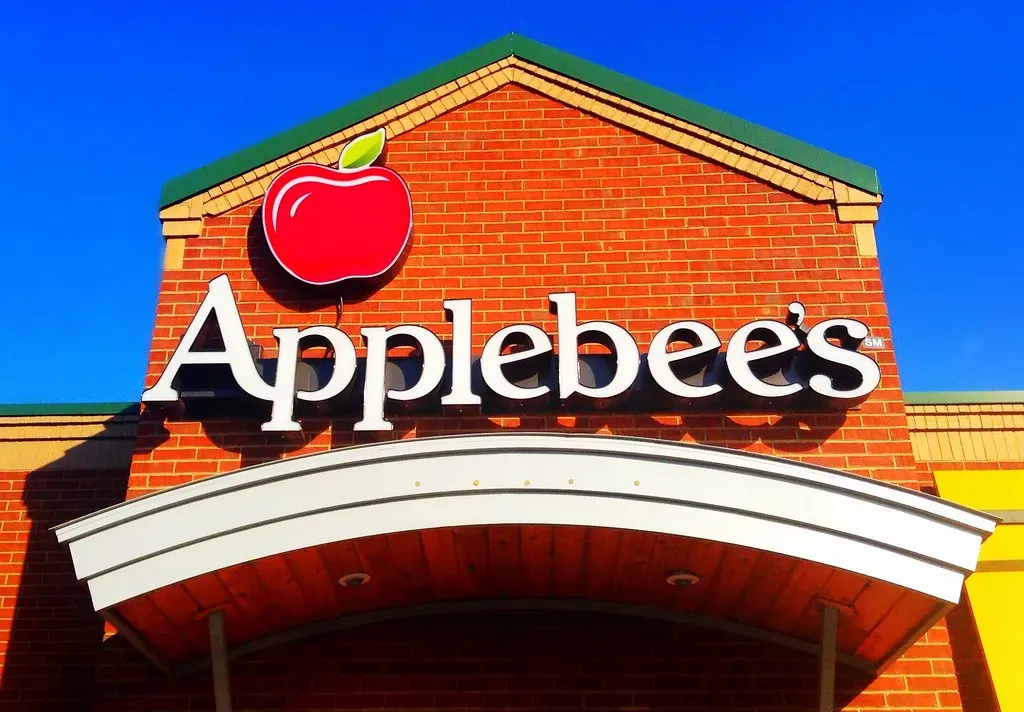
Let's be real. Applebee's has always existed in that fuzzy middle zone where it's not quite a real restaurant but it's a step above pure fast food. For years that was enough. Today, that middle ground is being squeezed from every direction.
Applebee's domestic same-store sales have decreased for three consecutive quarters, with a drop tied directly to declining customer traffic. Applebee's scores poorly on menu innovation, with analysis from Chatmeter showing that new items like the Nashville Hot Chicken Sandwich saw barely any customer mentions, implying they simply aren't exciting to consumers. Sentiment around cocktails also dropped.
Applebee's parent company, Dine Brands, has been transparent about its strategy to close underperforming locations. For several years, the chain has closed more restaurants than it has opened, and this strategic downsizing continued into 2025. The concept still works for some people, sure. But for anyone who cares about actual food quality, the experience often feels like a let-down at prices that no longer represent real value.
5. Subway - When "Fresh" Became a Punchline
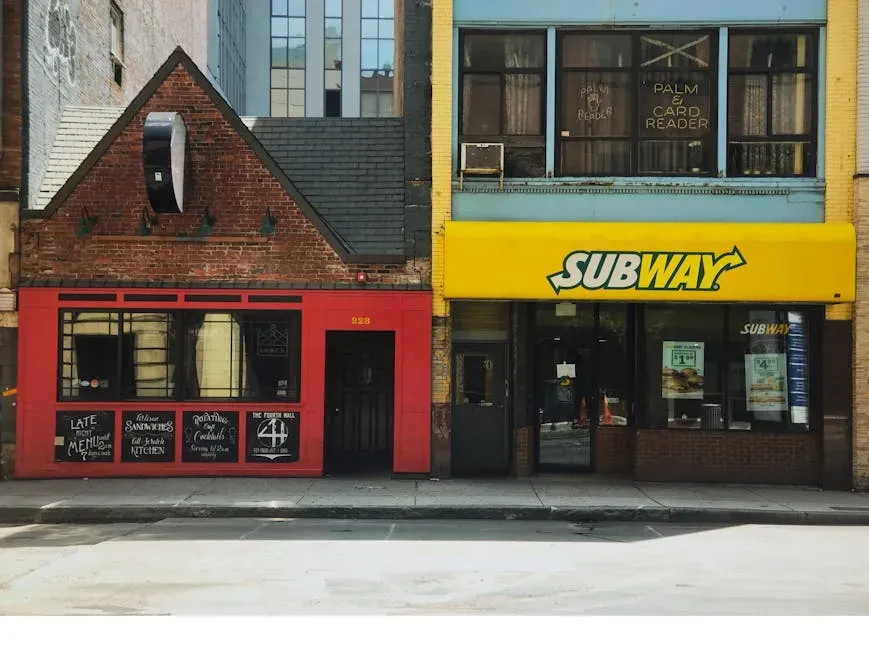
The word "fresh" was Subway's entire brand identity for decades. It worked brilliantly for a long time. You could watch them build your sandwich right in front of you. It felt healthier, more honest than a burger joint. Then the cracks started showing.
At its peak in 2015, Subway had approximately 27,000 U.S. restaurants. In 2024 alone, it had to close a massive 631 restaurants in the U.S., and it spent much of 2025 without a permanent CEO. According to the Better Business Bureau, Subway has received over 2,000 customer complaints in just the past three years.
Customer after customer argues that Subway's prices simply don't match the food being offered, with one online commenter putting it bluntly: "Subway is not $18 quality. You can go to the sandwich shop across the street to get better bread, better meat, bigger portions, and fresher ingredients and pay less." Reviews from major outlets suggest the new meat slicers, introduced to boost quality, haven't actually improved the eating experience for customers. The brand's core promise now feels like a distant memory.
6. Buffalo Wild Wings - All Hype, Cold Wings
Sports bar energy, wings, sauces by the dozen. On paper, Buffalo Wild Wings sounds like a genuinely fun time. I think a lot of people go in expecting a party and leave calculating whether the bill was worth it. Increasingly, the answer seems to be no.
Buffalo Wild Wings consistently ranks last in customer experience surveys, with customers particularly unhappy about wait times and disappointing new menu items. These restaurants have been hiking menu prices sharply at the same time their customer base has been squeezed by the rising cost of living. Since 2019, restaurant prices have increased 34%, outpacing overall inflation, according to Bureau of Labor Statistics data.
Here's the thing about wings specifically: they're a product where freshness and timing matter enormously. The difference between a great wing and a sad, soggy wing is about four minutes. At a busy chain location with high table turnover, you're gambling every single time. Foodies have largely stopped gambling on BWW when better, independent sports bars and wing spots exist in most cities.
7. KFC - The Colonel's Recipe Has Gotten Complicated
Nobody is arguing that fried chicken isn't delicious. That's not in dispute. What is in dispute is whether KFC, with all its brand history, still delivers on the promise of its own legacy. Based on recent data, it's falling significantly short.
KFC shows the steepest decline of any restaurant in the American Customer Satisfaction Index's quick-service category, falling from a score of 81 in 2024 to 77 in 2025. U.S. KFC sales were also down 5.2% in 2024, and the four-point satisfaction slide signals a real, brand-specific problem. Customers most often talk about budding inconsistency, including chicken that isn't as crisp, flavor differences from long-held recipes, longer wait times, and sides that feel hit-or-miss.
KFC's same-store sales dropped 7% in the United States and fell 2% worldwide in a recent quarter. Think about that for a second: the world's most famous fried chicken brand is losing on its home turf to competitors like Popeyes, Raising Cane's, and Dave's Hot Chicken. With so many other popular chicken restaurants now available, including Raising Cane's, Dave's Hot Chicken, Chick-fil-A, and Popeyes, KFC's hold on the market looks shakier by the month.
8. Arby's - We Have the Meats, But Not the Fans
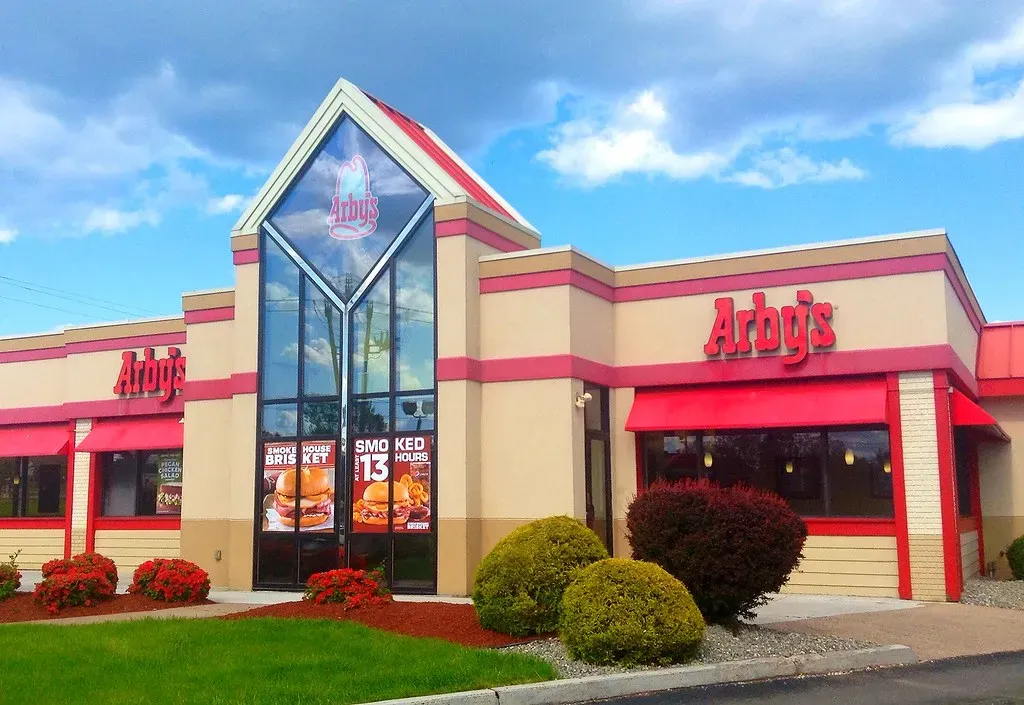
That slogan used to be everywhere. Arby's leaned into its roast beef identity with a kind of confident swagger that was genuinely fun to watch. The marketing team deserves real credit. It's just that the actual restaurant experience hasn't always matched the clever advertising.
A study by Comparably found that Arby's earned one of the worst Net Promoter Scores in the fast food industry, with a rating of negative 28. The NPS measures how likely customers are to recommend a restaurant to friends, making a deeply negative score particularly concerning for brand health. On Trustpilot, Arby's holds a 1.9 rating, and the reviews are consistently brutal.
There's also a notable gender split in the data, with women scoring Arby's at negative 28 and men giving it a negative 8. That difference begs the question of what specifically is driving women away at such higher rates. Whether it's service standards, atmosphere, or food quality, the reviews paint a picture of a chain that's struggling to connect with a broad customer base. Loyal fans exist, no question. But "not bad for Arby's" is a very different standard than actually being good.
9. Sonic Drive-In - A Novelty That Wore Off
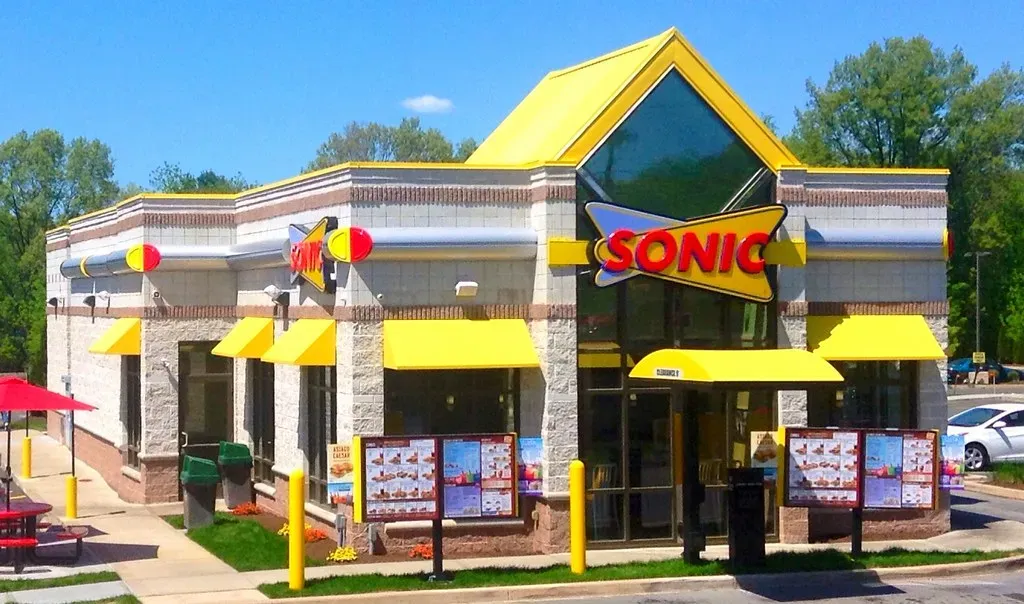
The drive-in concept is genuinely nostalgic and unique. Roller-skating carhops, drinks in giant foam cups, tots with everything. There's a lot of charm in the idea of Sonic. It's the execution that keeps letting people down.
Sonic scored a disappointing 73 out of 100 in the American Customer Satisfaction Index in 2025, falling well short of the 79-point average for quick-service restaurants. Even more concerning, that score fell considerably from the previous year's 76, suggesting things are heading downhill fast. On Trustpilot, Sonic's reputation takes an even harder hit with a dismal 1.5-star rating.
Customers consistently report rude staff, shakes that arrive runny instead of thick, an ordering app that frequently doesn't work, and orders that are routinely wrong. Getting orders incorrect appears to be a regular occurrence, and complaints about undercooked food are alarmingly common. When you're paying drive-in prices for inconsistency like that, the charm of eating in your car fades very quickly.
10. Cracker Barrel - Country Kitsch With a Side of Controversy
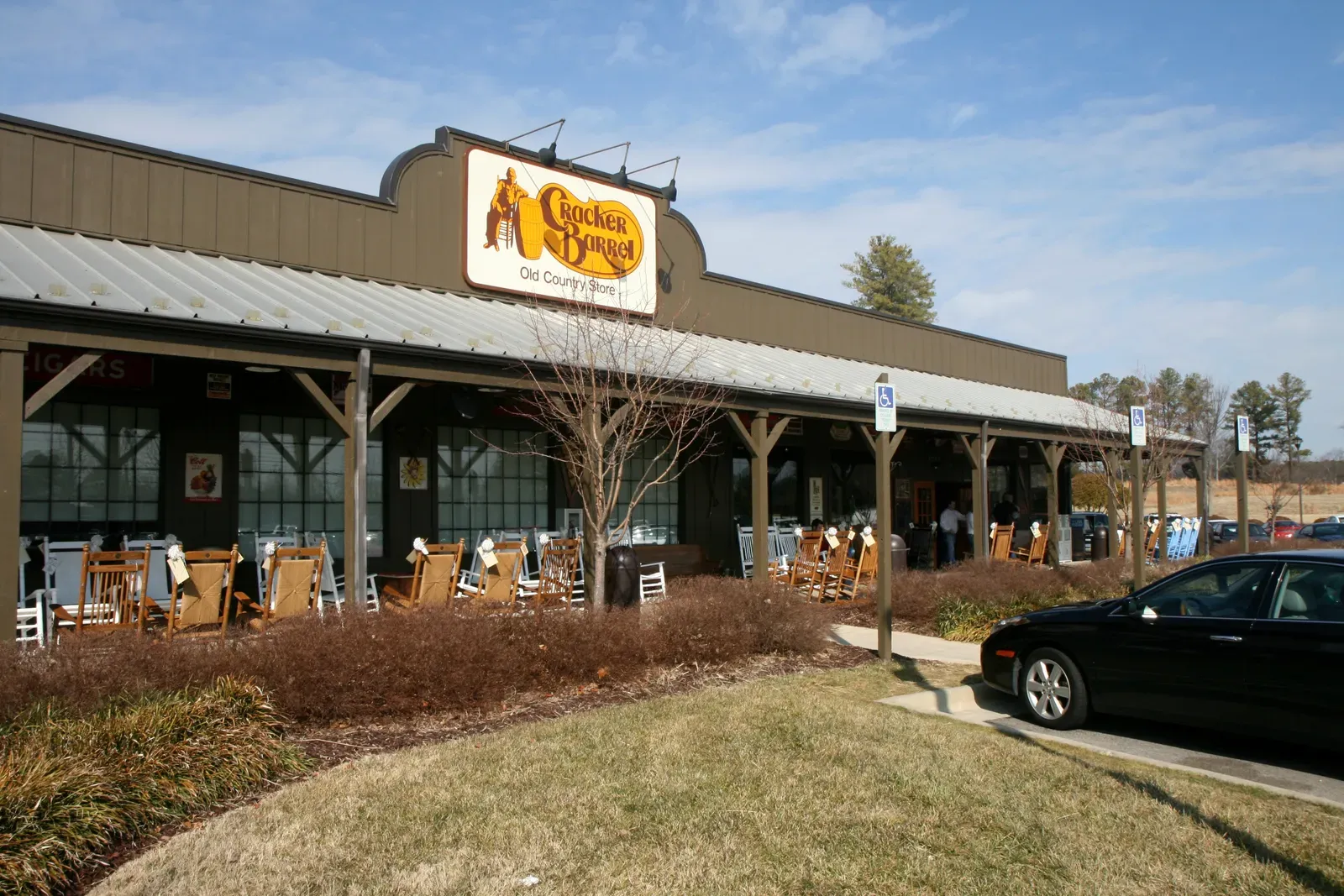
Cracker Barrel occupies a very specific cultural lane: the roadside country store aesthetic, comfort food aimed at travelers and families, rocking chairs on the porch. It's a whole vibe. For a certain generation, it genuinely hits. For many others, especially younger diners, it doesn't land at all.
Cracker Barrel scores poorly for both customer experience and menu quality in Chatmeter's restaurant analysis. Despite piloting over 20 new items and a redesigned menu layout, Cracker Barrel ranked second-to-last in menu satisfaction. Poor customer interactions with staff also cost the chain significant points. The company has laid off workers and watched its sales and profits plunge.
Sales at Cracker Barrel have been dropping, and the chain has been shuttering restaurants alongside other struggling casual dining names like Denny's, Applebee's, and Red Robin. It's hard to say for sure whether the brand can reinvent itself enough to win over a new generation of diners. What's clear is that right now, many people who walk through the gift shop end up wishing the food matched the charming decor surrounding it.
The Big Picture: Why Are So Many Chains Falling Behind?
This isn't just bad luck or a few rough quarters. There's a structural shift happening in how Americans eat. As food prices climbed in recent years, Americans tightened their belts and opted to dine out less. Rising wages and operating costs further squeezed the industry, forcing many restaurant chains to close locations and file for bankruptcy.
Nostalgia for legacy chains isn't translating into actual foot traffic. Boston Market, Red Lobster, and TGI Fridays all declared bankruptcy, faltering partly because of the changing tastes of younger diners who prefer fast-casual chains with more sophisticated, global flavors - or simply staying home and having dinner delivered.
The chains that survive and thrive going forward will need to be honest with themselves about what they're actually offering. According to recent ACSI survey data, for every chain that moved up in customer satisfaction between 2024 and 2025, two of them dropped a point or more. Mediocrity used to be acceptable when there were fewer options. In 2026, customers have infinite choices, and patience for overpriced, underwhelming meals has all but disappeared. The no-go list, it seems, keeps growing. What chain would you add to it?



Leave a Reply