
The American beef industry faces unprecedented challenges as prices reach historic highs while the very people producing our food struggle to survive. This crisis touches every corner of the country, from grocery store aisles to ranch lands stretching across the heartland.
What we're witnessing isn't just a temporary spike in meat prices. It's a fundamental shift in how Americans access one of their most beloved proteins, creating ripple effects that extend far beyond the dinner table.
Record Beef Prices Across The Nation
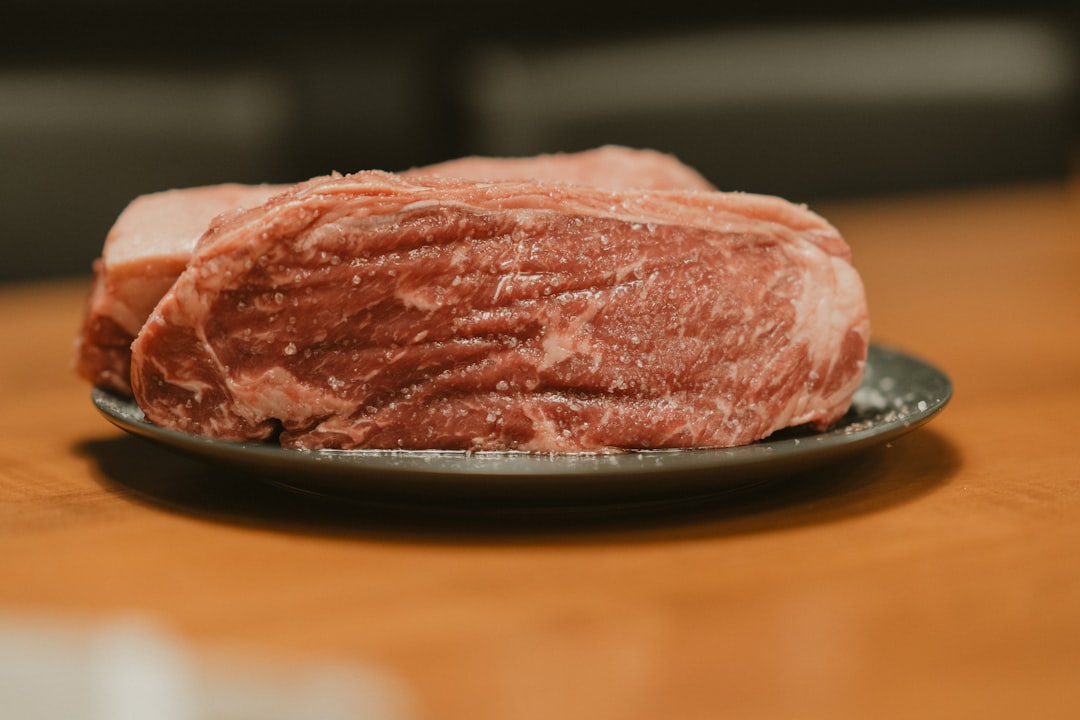
Beef prices in the United States have climbed to record levels, reshaping how Americans eat and shop. According to the U.S. Bureau of Labor Statistics, the average price of ground beef hit $6.63 per pound in August, one of the highest figures ever recorded. Restaurants and households alike are cutting back as costs soar and supply struggles to recover.
The Perfect Storm Behind The Surge
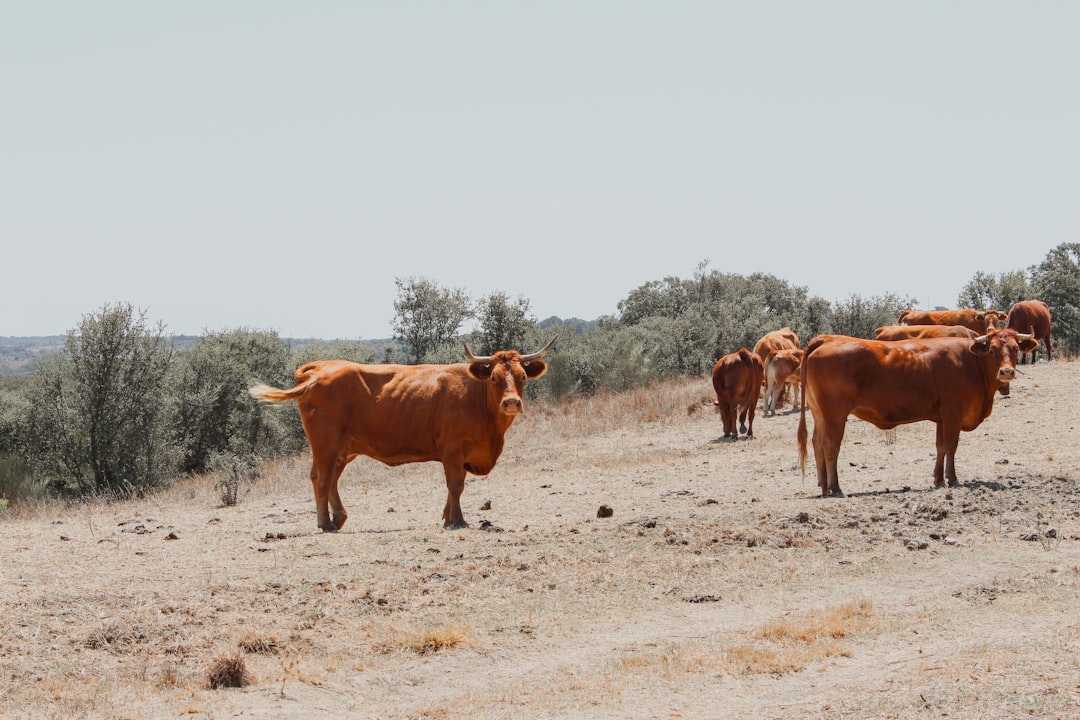
Industry analysts point to a combination of drought, high feed prices, and reduced herd sizes as the main drivers of this crisis. The U.S. cattle herd has dropped to a 75-year low, leaving fewer animals available for processing. Many ranchers have downsized herds or exited the business entirely, as feed, water, and transportation costs continue to climb.
Ranchers Sound The Alarm
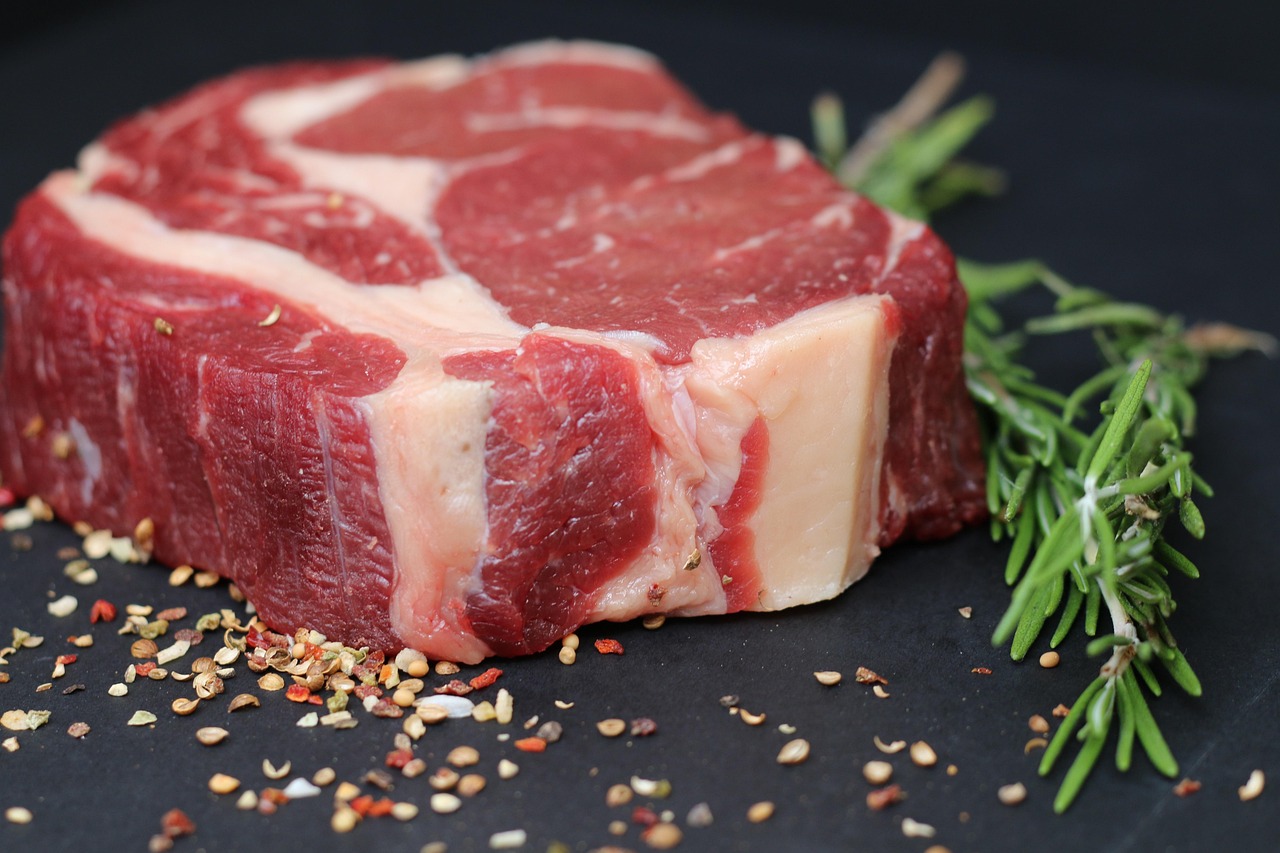
Across the Midwest and West, ranchers describe a sense of deep frustration. "It's really just a kick in the gut," said Kansas rancher Kyle Hemmert, echoing the hardship felt across rural America. Despite record consumer prices, most producers aren't seeing higher profits. Instead, they face narrowing margins as middlemen and large processors dominate the market.
Power Concentration In The Meat Industry
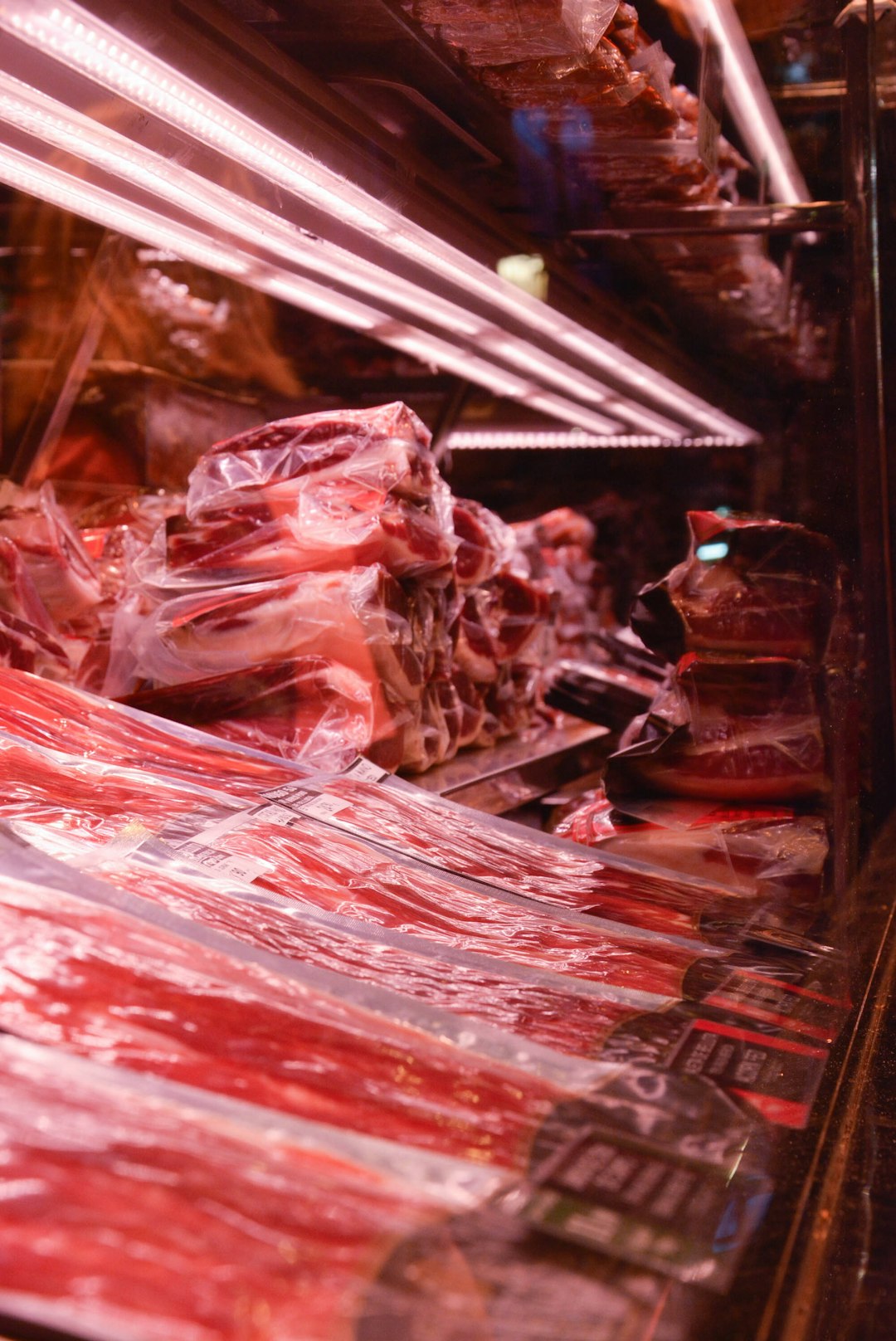
According to the National Cattlemen's Beef Association (NCBA), just four major companies control more than 80% of U.S. beef processing, limiting market competition and driving down payments to independent producers. The organization warns that without more regional processing options and fair pricing systems, small ranchers could be squeezed out entirely.
Calls For Reform And Recovery
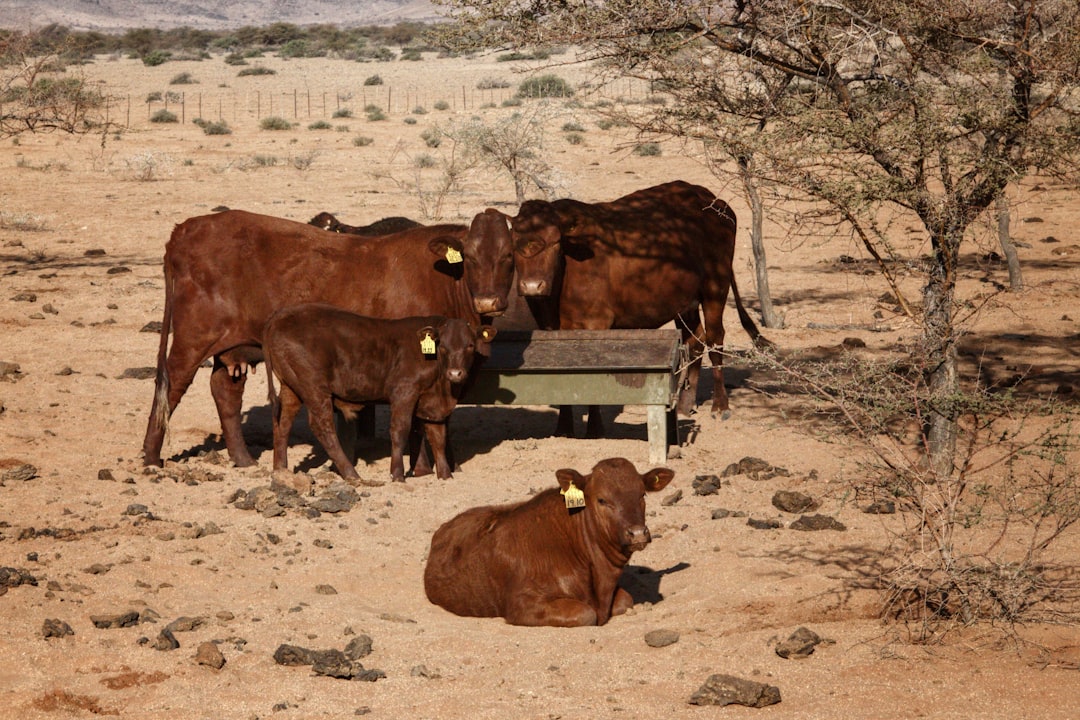
Ranchers and agricultural groups are urging policymakers to restore Country of Origin labeling and invest in regional processing plants to promote transparency and local resilience. These changes, they argue, would give U.S. consumers confidence in domestic beef and help producers rebuild herds after years of drought and economic strain.
The Future Of Beef In America
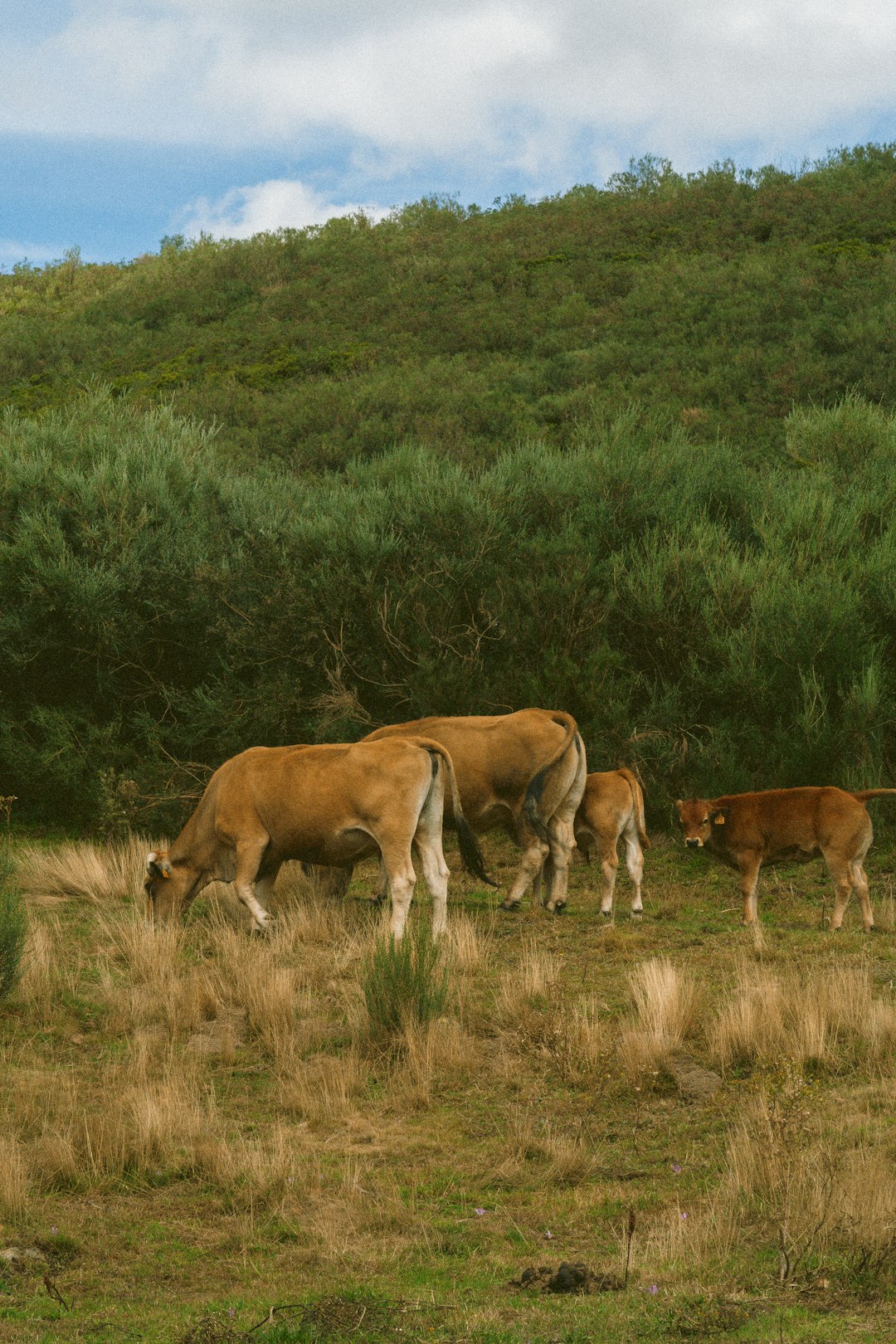
As beef prices remain high, the U.S. faces tough questions about food security, sustainability, and fairness in the agricultural system. Families are paying more at the grocery store while the ranchers who raise their food are earning less. The road ahead, ranchers warn, depends on rebuilding trust, restoring balance, and ensuring that the heart of American cattle country can continue to thrive.




Leave a Reply