
American families are feeling the pinch at checkout counters across the nation. What started as trade policy debates in Washington has now translated into real dollars coming out of household budgets. The ripple effects of tariff implementation are showing up in unexpected places, from children's toy aisles to morning coffee runs.
These aren't just abstract economic numbers anymore. They're the reality millions of Americans face when shopping for everyday essentials and occasional treats alike.
Tariffs Push Consumer Prices To New Highs
Recent Consumer Price Index (CPI) data shows that America's consumer prices climbed 2.9% year-over-year in August, surpassing the Federal Reserve's 2% inflation target. Economists attribute part of this rise to new tariffs on imported goods, which are driving up costs across everyday household products.
Toys Experience Noticeable Price Jump
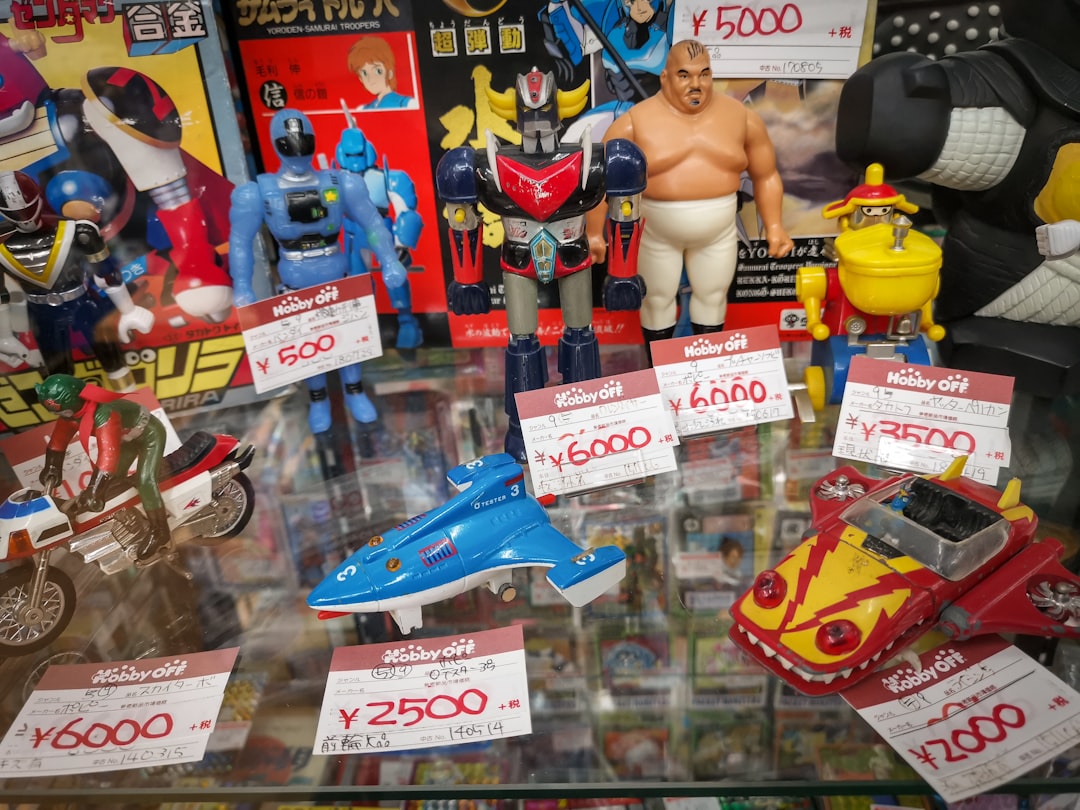
Toy prices have risen 2.5% since April, according to CPI data. For decades, affordable overseas production kept prices low, but with tariffs now applied to imported shipments - many of which come from China - costs have increased. Roughly three-quarters of toys sold in the U.S. are imported, leaving manufacturers and consumers feeling the impact.
Television Prices Reverse Long-Term Decline

TVs, once on a consistent downward trend in price, have risen by 3.1% since April. Many units are imported from China, Vietnam, and Mexico, where tariffs ranging from 20% to 30% have made production and distribution more expensive. Retailers say consumers are now seeing higher prices at checkout.
Coffee And Jewelry Among The Most Affected

Luxury and imported goods have seen some of the steepest increases. Jewelry and watch prices surged 5.5% in August, while coffee jumped nearly 10%. Since the U.S. produces less than 1% of its coffee, reliance on imports from countries like Brazil and Switzerland has made the product especially vulnerable to tariffs.
Bananas See Unusual Price Growth
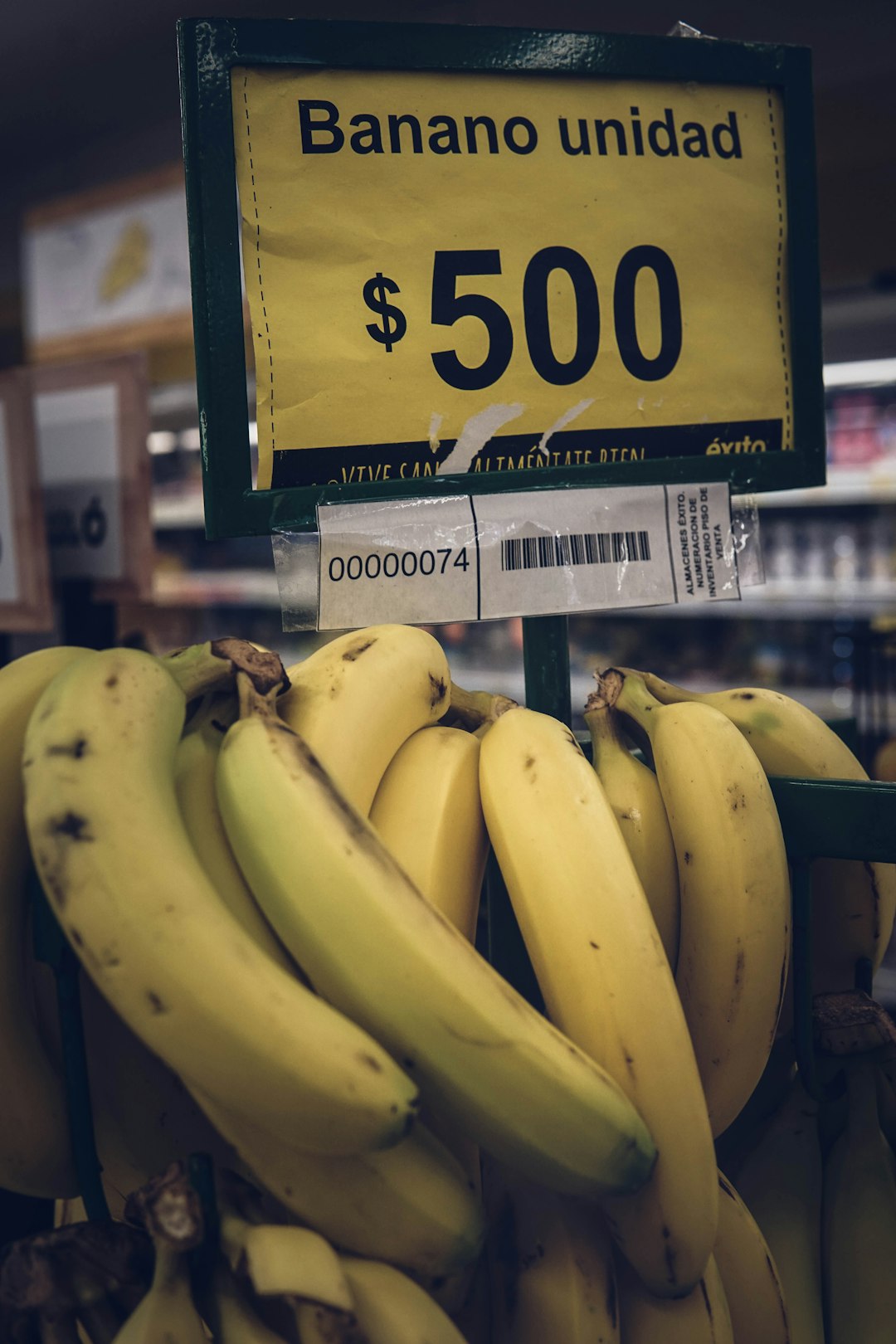
Even staples known for price stability, like bananas, have become more expensive. Between April and August, banana prices climbed 4.9%, according to CPI data. Because nearly all bananas consumed in America come from Central and South America, tariffs on agricultural imports are contributing to these higher costs.




Leave a Reply