
Love it or hate it, candy corn sparks passionate debates every Halloween season. This polarizing treat has been dividing Americans for generations, yet millions still reach for those iconic tri-colored kernels each October. What's fascinating is how geography plays a role in this candy controversy.
Regional preferences for candy corn reveal surprising patterns across the United States. Some states embrace this sweet tradition wholeheartedly, while others seem to avoid it entirely. The data tells an intriguing story about American taste buds and regional food culture.
A Holiday Just for Candy Corn
Every year on October 30, National Candy Corn Day arrives with both celebration and hesitation. While some Americans can't wait to snack on the tri-colored treat, others avoid it entirely. Despite its mixed reputation, candy corn remains a staple of Halloween season and has a long history in American candy culture.
A Colorful History of the Controversial Treat
Candy corn dates back more than 140 years. It was first created in the 1880s by George Renninger of the Wunderle Candy Company in Philadelphia. The Goelitz Candy Company, now known as Jelly Belly, helped popularize the candy under the name "Chicken Feed." Originally considered a "penny candy," candy corn didn't become tied to Halloween until the 1950s.
How America Eats Candy Corn
According to the National Confectioners Association, most candy corn lovers eat it whole - about 58%. Another 28% start at the narrow white tip, while 15% bite from the broad orange end. With its iconic three layers, even the eating method sparks debate among fans and skeptics alike.
Varieties Beyond the Original
Though the classic yellow, orange, and white version still reigns supreme, modern candy makers have expanded the lineup. Options now include Brach's Pumpkin Mellowcreme, Harvest Candy Corn with chocolate, Nerds Spooky Candy Corn, Blackberry Cobbler Candy Corn, Gummi Candy Corn, and even Jet-Puffed Candy Corn Marshmallows. There's truly a version for every taste - or none at all.
The Bugs and Bones Rumor - Kind Of True
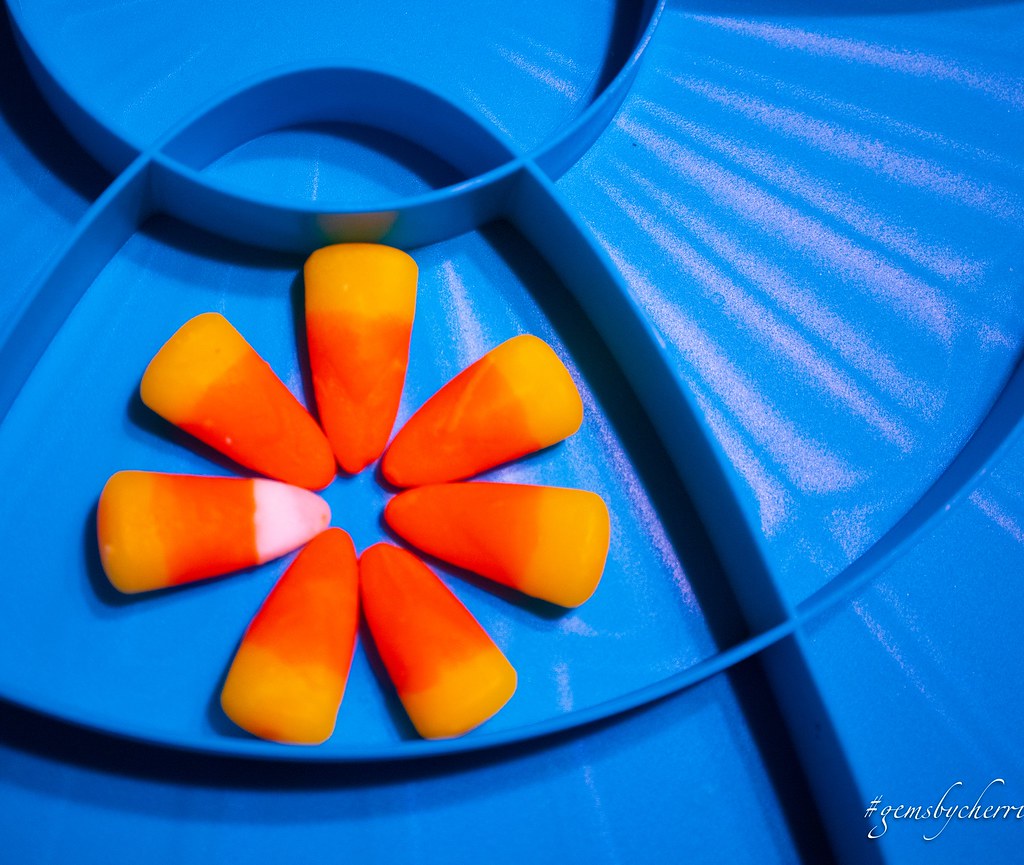
Candy corn isn't made of actual bugs or bones, but its ingredients may raise eyebrows. Gelatin - used for texture - is made from animal bones and cartilage. The glossy finish? That comes from confectioner's glaze, which may include shellac, a resin secreted by female lac bugs. These elements, while safe and common in confections, have contributed to candy corn's controversial reputation.
Who Buys the Most Candy Corn?
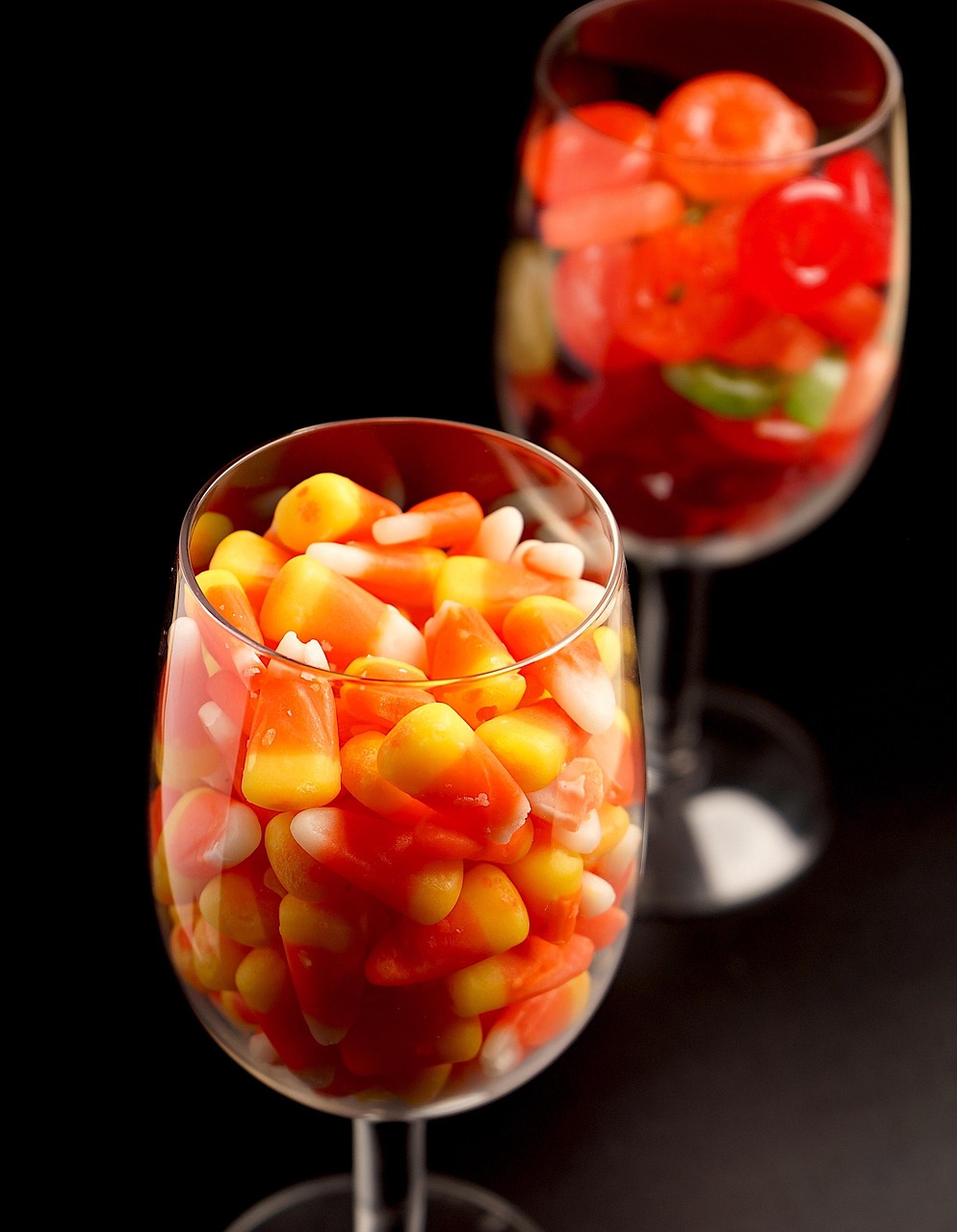
According to Brach's 2025 sales heatmap, Utah ranks #1 for candy corn consumption. Midwestern states also dominate the top 10, including Iowa, Kansas, Indiana, Missouri, Kentucky, Michigan, Colorado, Oklahoma, and Minnesota. In total, these states account for 48% of the 22 million pounds of candy corn Brach's produces annually - a clear sign that regional loyalty to the candy remains strong.
A Treat That's Here To Stay
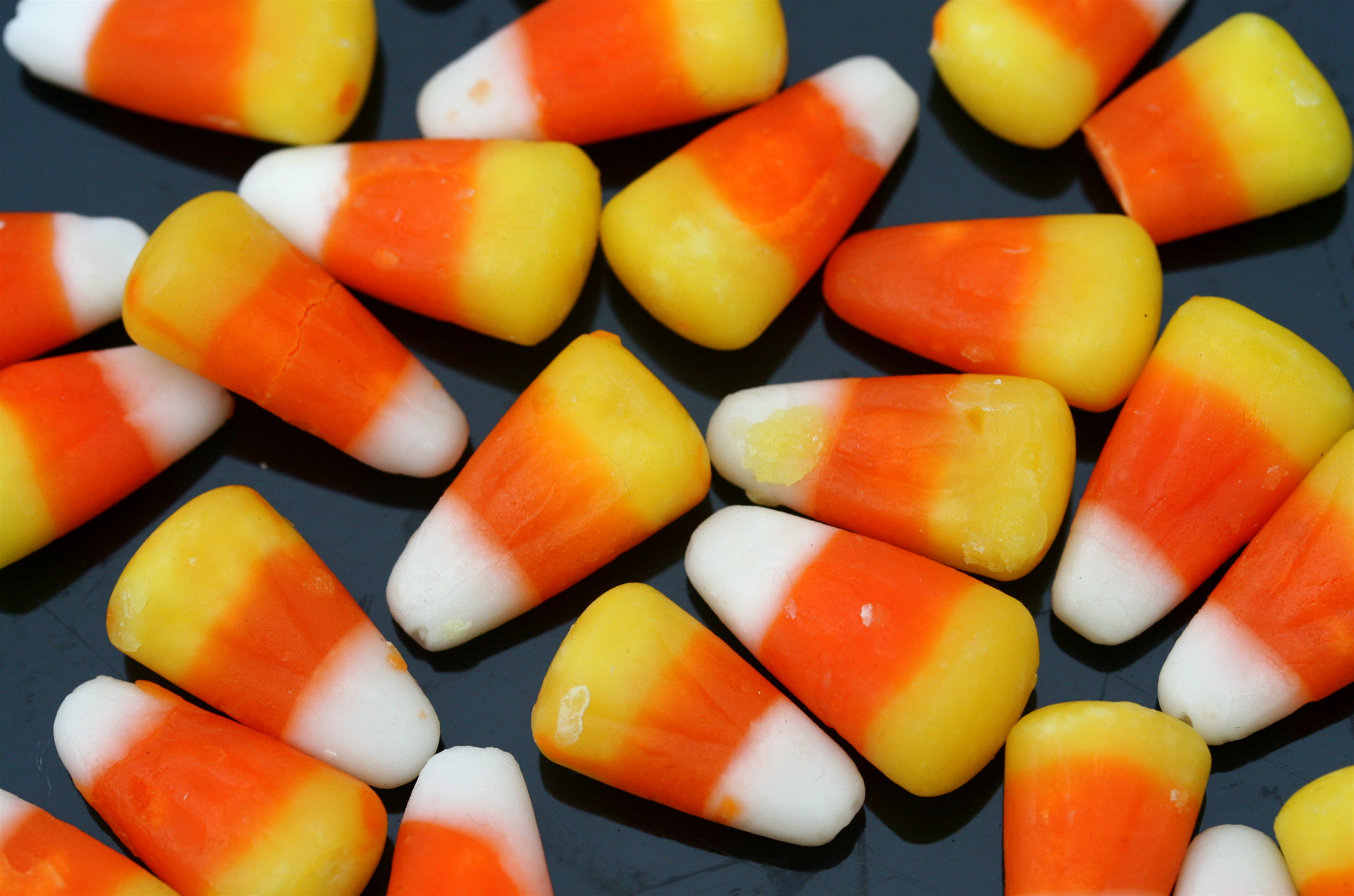
No matter where you stand in the candy corn debate, there's no denying its staying power. With a history that predates Halloween itself, and a fan base that spans generations, candy corn has carved out a permanent spot in American holiday culture. Whether you love it, hate it, or only eat it ironically, candy corn will continue to be celebrated each year in Utah, Iowa, Kansas, Indiana, Missouri, Kentucky, Michigan, Colorado, Oklahoma, and Minnesota - and beyond.




Leave a Reply