
Most diners assume great restaurant service is entirely in the hands of the staff. They sit down, wait, and hope for the best. Some guests seem to get the VIP treatment - extra refills, complimentary sides, and better attention - while others experience sluggish service punctuated with silent eye rolls. The difference isn't necessarily about handing over large amounts of cash, but more likely because certain customers have mastered the art of building positive rapport with their servers. The dynamic between a diner and a server is genuinely two-directional, and what you bring to the table - literally - shapes what comes back. Here are four quiet habits that servers notice, appreciate, and quietly reward with better care.
1. Greeting Your Server Like a Human Being
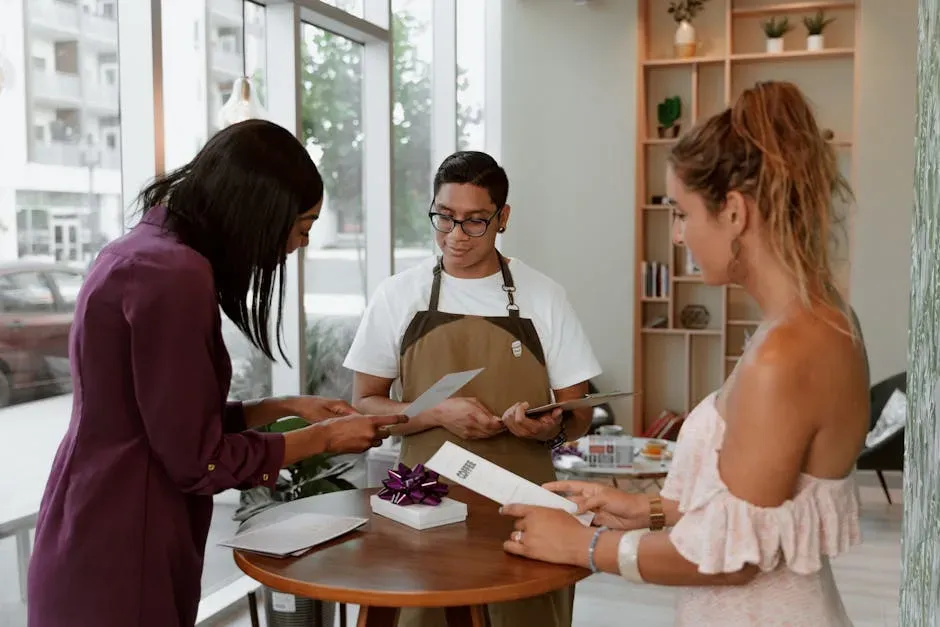
Making a good first impression by greeting your server warmly, and even using their name, is one of the most underrated moves a diner can make. If you're looking to build a real connection during a meal, making the effort to remember a server's name and use it respectfully throughout the interaction goes a long way. It sounds almost too simple. Yet servers across the industry consistently point to this as a moment that changes the energy of an entire table visit. The greeting sets the tone for everything that follows, and a warm one signals to the server that this is a guest worth going the extra mile for.
Restaurant manager Rishabh Khosla of The Westin Hyderabad Mindspace confirms it openly: using a server's name "shows genuine appreciation, builds rapport, and helps your server feel valued, often leading to more attentive, thoughtful hospitality." Research backs this up - roughly 73% of consumers say a friendly service experience is the key factor that makes them stick with a brand. That relationship starts from the very first moment of contact. The graceful approach is to learn the server's name during the initial introduction and use it naturally, such as adding it at the end of polite phrases like "Thank you" or "That was wonderful." It's a small gesture with a disproportionately large return.
2. Being Ready and Clear When Ordering

If you're ordering a menu item you can't pronounce, acknowledging your unfamiliarity with it and asking the staff for guidance shows respect for their expertise and time, ultimately leading to smoother service. A server managing six or eight tables at once works within tight time windows. Customers who have browsed the menu, reduced their questions to essentials, and communicate their needs clearly are a quiet relief in a fast-moving shift. The quality of attention that server then has available for your table increases noticeably.
In the foodservice industry, guests judge not only the product but also the quality of the service they receive during their restaurant experience. When the dining experience is regarded highly by consumers in terms of interpersonal interaction, they are more likely to recommend the establishment to others. Customers are more likely to accept recommendations when they feel the service is genuine and helpful - a server who suggests a wine pairing with a steak or an upgraded version of a dish can increase the total bill without feeling pushy. That kind of attentive, personalized service emerges more naturally when the customer has helped create the conditions for it by being prepared and communicative.
3. Practicing Patience During Peak Hours
Service times run longer when a restaurant is operating at full capacity during peak hours. Miscommunication between front-of-house and back-of-house teams increases when dealing with a high volume of orders, and staff may be fatigued. This is the moment where patience, rather than loud complaining, becomes the defining habit of a guest who will receive better care. A table that understands the rhythm of a busy service is simply easier - and more enjoyable - to take care of. Servers are human beings under real pressure, and guests who acknowledge that, even silently, earn goodwill.
Reacting calmly rather than with frustration "shows respect and empathy for staff who are managing pressure, preventing added stress that can affect service quality," according to Khosla. Data reinforces this logic from the other direction: 89% of customers say excellent customer service influences their decision to return, signaling that service quality is a major driver of loyalty. A survey by American Express found that roughly 70% of consumers are willing to spend more with companies that provide excellent service, while a PwC study revealed that nearly one in three customers would stop doing business with a brand they love after just one bad experience. Patience from the guest protects the quality of service on both sides of the encounter.
4. Keeping Your Table Tidy
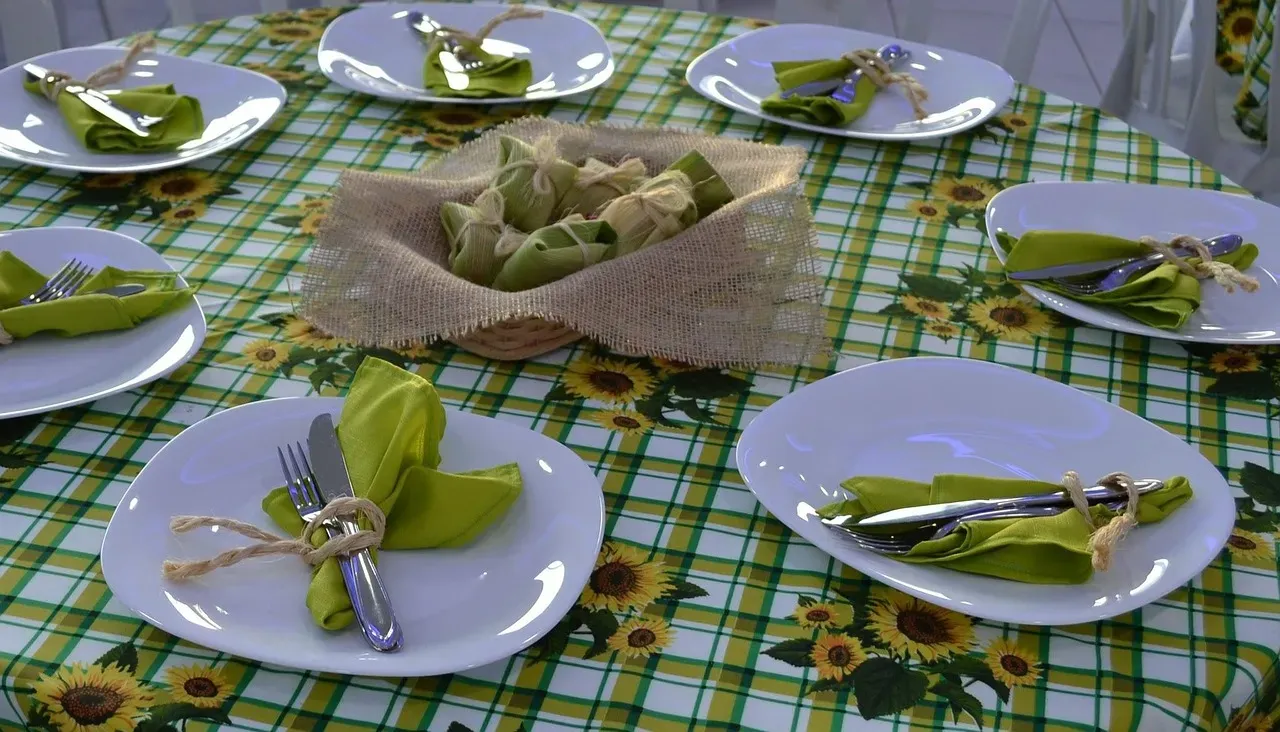
Small measures like keeping the table organized lead to smoother service. For Rishabh Khosla, maintaining cleanliness on the table demonstrates thoughtfulness for a server's efforts, as well as for nearby diners. It is one of those habits that most guests never think about, yet it creates a practical advantage during every interaction a server has with the table. A clear, organized surface allows food to be placed safely, drinks to be refilled without juggling obstacles, and the overall pace of service to move more efficiently.
Keeping the table tidy works in the customer's own favor, too: if servers are constantly struggling to find a spare inch to place new dishes, the likelihood of accidental spills increases. Practical ways to stay organized include placing used napkins neatly to the side rather than tossing them, keeping utensils orderly on the plate or napkin when not in use, and handing over empty glasses and dishes promptly when asked. A peer-reviewed study published in the International Hospitality Review in 2024 found, through content analysis of server interviews, that servers focus their time and effort across five key categories to provide better service: service quality, connection, personal factors, expertise, and food quality. Guests who reduce the physical friction of the job - even by simply stacking their own plates - give servers the room to focus on those higher-level elements of genuine hospitality.




Leave a Reply