
• Skip to primary navigation
  • Skip to main content
  • Skip to primary sidebar
Mama Loves to Eat
  • Food News
  • Recipes
  • Famous Flavors
  • Baking & Desserts
  • Easy Meals
  • Fitness
  • Health
  • Cooking Tips
  • About Me
menu icon
go to homepage
  • Food News
  • Recipes
  • Famous Flavors
  • Baking & Desserts
  • Easy Meals
  • Fitness
  • Health
  • Cooking Tips
  • About Me
    • Facebook
  • subscribe
    search icon
    Homepage link
    • Food News
    • Recipes
    • Famous Flavors
    • Baking & Desserts
    • Easy Meals
    • Fitness
    • Health
    • Cooking Tips
    • About Me
    • Facebook
  • ×

    American Ranchers Struggle As Beef Prices Reach Record Highs, USA Today Reports

    Nov 17, 2025 · Leave a Comment

    Disclosure: This post may contain affiliate links. I receive a small commission at no cost to you when you make a purchase using my link. This site also accepts sponsored content

    The American beef industry finds itself at a crossroads as prices soar to unprecedented levels while cattle inventories plummet. This perfect storm has created a complex situation that affects everyone from ranchers to consumers, forcing the government to consider drastic measures that could reshape the market.

    What's unfolding in the beef sector represents more than just market fluctuations. It's a story of economic pressures, trade policies, and the delicate balance between protecting domestic agriculture and keeping food affordable for American families.

    U.S. Considers Beef Imports Amid Soaring Prices
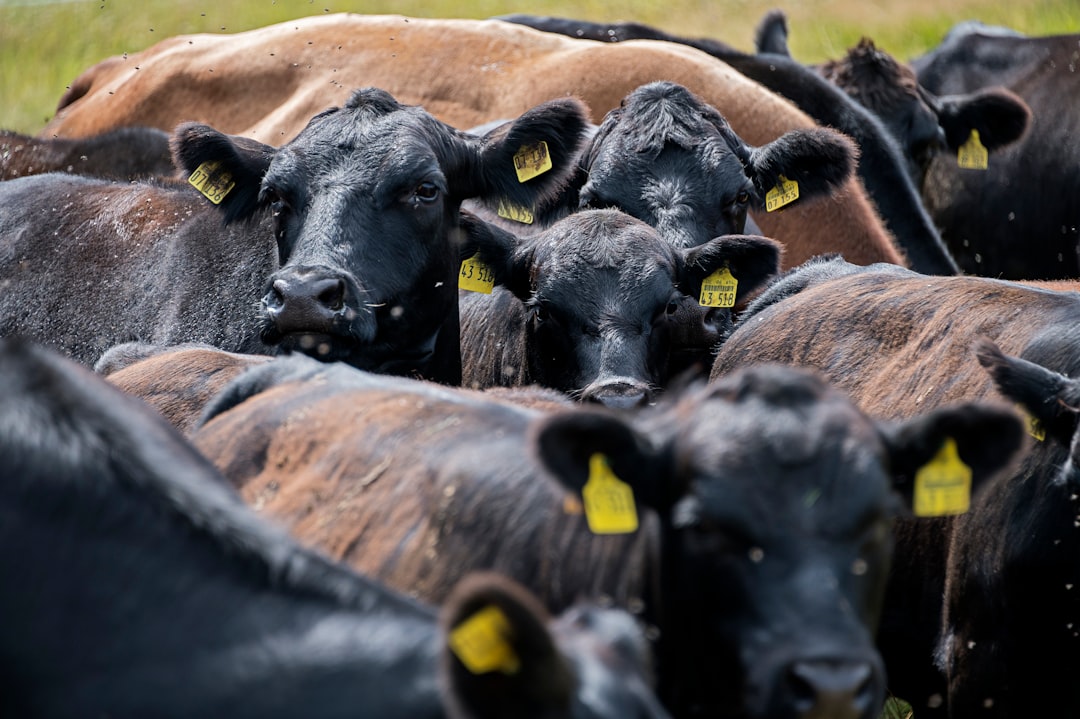
    U.S. Considers Beef Imports Amid Soaring Prices (Image Credits: Unsplash)
    U.S. Considers Beef Imports Amid Soaring Prices (Image Credits: Unsplash)

    Agriculture Secretary Brooke Rollins said Tuesday that the U.S. government is considering importing beef from Argentina to help lower prices, which have reached record highs this year. The plan, currently under review, aims to expand the domestic beef supply as cattle inventories fall to historic lows.

    A Push To Stabilize The Beef Market
    A Push To Stabilize The Beef Market (Image Credits: Pixabay)
    A Push To Stabilize The Beef Market (Image Credits: Pixabay)

    During an interview on CNBC's Squawk Box, Rollins noted that the Trump administration is preparing to outline a detailed import strategy soon. "You'll be hearing more about exactly what that looks like," she said, explaining that domestic production covers about 10 of the 12 million metric tons of beef Americans consume each year.

    What The Import Plan Could Mean

    What The Import Plan Could Mean (Image Credits: Unsplash)
    What The Import Plan Could Mean (Image Credits: Unsplash)

    Rollins clarified that potential imports from Argentina would make up only a small fraction of total U.S. beef consumption. She emphasized that the goal is not to replace American producers, but to balance market shortages and reduce prices for consumers struggling with rising grocery costs.

    USDA To Monitor For Livestock Diseases

    USDA To Monitor For Livestock Diseases (Image Credits: Pixabay)
    USDA To Monitor For Livestock Diseases (Image Credits: Pixabay)

    The U.S. Department of Agriculture plans to closely monitor all imports for diseases such as foot-and-mouth, which has affected cattle in Argentina. Rollins underscored that biosecurity remains a top priority: "We're going to ensure that our livestock industry is protected."

    Industry Leaders Voice Opposition
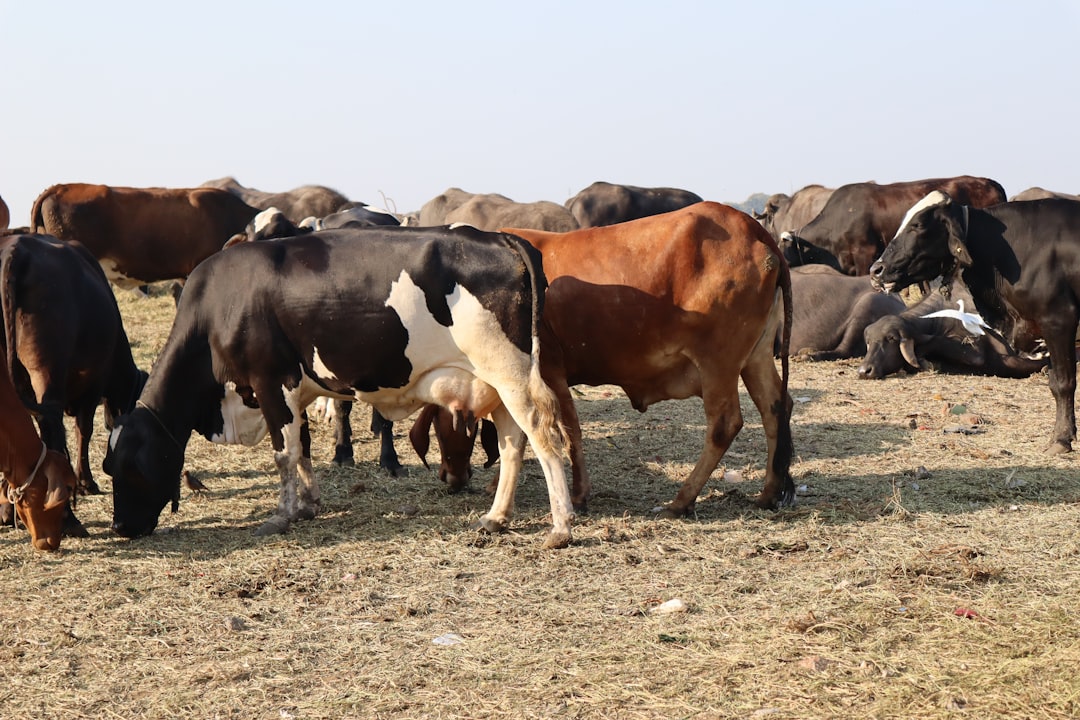
    Industry Leaders Voice Opposition (Image Credits: Unsplash)
    Industry Leaders Voice Opposition (Image Credits: Unsplash)

    Not everyone supports the proposal. Colin Woodall, CEO of the National Cattlemen's Beef Association, said the plan could disrupt the market and hurt American ranchers. "This only creates chaos at a critical time for cattle producers while doing nothing to lower grocery store prices," he told FOX Business.

    Longstanding Trade Imbalances With Argentina
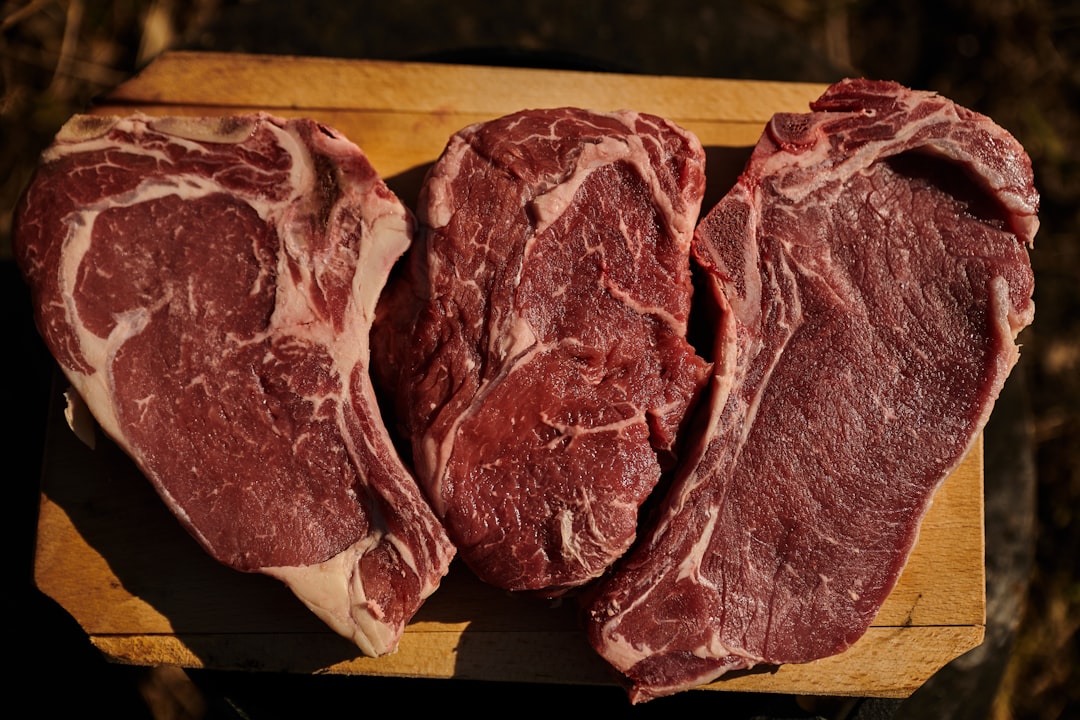
    Longstanding Trade Imbalances With Argentina (Image Credits: Unsplash)
    Longstanding Trade Imbalances With Argentina (Image Credits: Unsplash)

    Woodall also highlighted an uneven trade history between the two nations. Over the past five years, Argentina has exported roughly $800 million worth of beef to the U.S., while American producers have sold only about $7 million worth of beef to Argentina, raising concerns about fairness in future agreements.

    Balancing Consumer Costs And Rancher Concerns

    Balancing Consumer Costs And Rancher Concerns (Image Credits: Flickr)
    Balancing Consumer Costs And Rancher Concerns (Image Credits: Flickr)

    Despite pushback, Rollins maintains that the administration's goal is to stabilize the market while protecting domestic producers. "This is a nuanced and complex issue," she said. "We're moving in every possible direction to ensure a strong future for America's ranchers and affordable prices for families."


    More Food News

    • In-N-Out Opening New Locations in 3 States - Is yours In The List?
      In-N-Out Opening New Locations in 3 States - Is yours In The List?
    • Wendy's to shut hundreds of U.S. locations as budget shoppers pull back
      Wendy's To Shut Hundreds of U.S. Locations As Budget Shoppers Pull Back
    • 10 Expired Foods You Should Never Keep in Your Pantry (But Most People Still Do)
      10 Expired Foods You Should Never Keep in Your Pantry (But Most People Still Do)
    • Ex-Chef Reveals the 5 Menu Items You Should Never Order After 8 PM
      Ex-Chef Reveals the 5 Menu Items You Should Never Order After 8 PM

    Food News

    Reader Interactions

    Leave a Reply Cancel reply

    Your email address will not be published. Required fields are marked *

    Recipe Rating


    Primary Sidebar

    More about me →

    Popular

    • Why You Can't Find Authentic Wasabi in the US (and What You're Eating Instead)
      Why You Can't Find Authentic Wasabi in the US (and What You're Eating Instead)
    • Why Saffron Costs More Than Gold: The Economics of the World's Most Expensive Spice
      Why Saffron Costs More Than Gold: The Economics of the World's Most Expensive Spice
    • Why You Should Stop Washing Your Chicken, According to Food Safety Experts
      Why You Should Stop Washing Your Chicken, According to Food Safety Experts
    • Is Your Olive Oil Fake? How to Spot Counterfeit Ingredients in Your Pantry
      Is Your Olive Oil Fake? How to Spot Counterfeit Ingredients in Your Pantry

    Latest Posts

    • Wendy's to shut hundreds of U.S. locations as budget shoppers pull back
      Wendy's To Shut Hundreds of U.S. Locations As Budget Shoppers Pull Back
    • In-N-Out Opening New Locations in 3 States - Is yours In The List?
      In-N-Out Opening New Locations in 3 States - Is yours In The List?
    • Why You Can't Find Authentic Wasabi in the US (and What You're Eating Instead)
      Why You Can't Find Authentic Wasabi in the US (and What You're Eating Instead)
    • Why Saffron Costs More Than Gold: The Economics of the World's Most Expensive Spice
      Why Saffron Costs More Than Gold: The Economics of the World's Most Expensive Spice

    Footer

    ↑ back to top

    About

    • Privacy Policy
    • Terms & Conditions
    • Accessibility Policy

    Newsletter

    • Sign Up! for emails and updates

    Contact

    • Contact
    • Media Kit
    • FAQ

    As an Amazon Associate I earn from qualifying purchases.

    Copyright © 2023 Mama Loves to Eat

    We use cookies to ensure that we give you the best experience on our website. If you continue to use this site we will assume that you are happy with it.