
Social media has made everyone feel like a kitchen genius. Between TikTok tutorials, viral Instagram reels, and YouTube shortcuts, home cooks are drowning in tips that sound brilliantly clever but often have no backing from professional kitchens. The kitchen is often filled with advice, but not all of it leads to edible results. Many cooking tips circulating online, especially on platforms like TikTok, can be misleading or flat-out wrong - and chefs are now clarifying which cooking techniques can actually hinder your culinary efforts. The six hacks below are some of the most widespread offenders, and understanding why they fail could genuinely change the way you cook.
1. Adding Oil to Pasta Water to Prevent Sticking
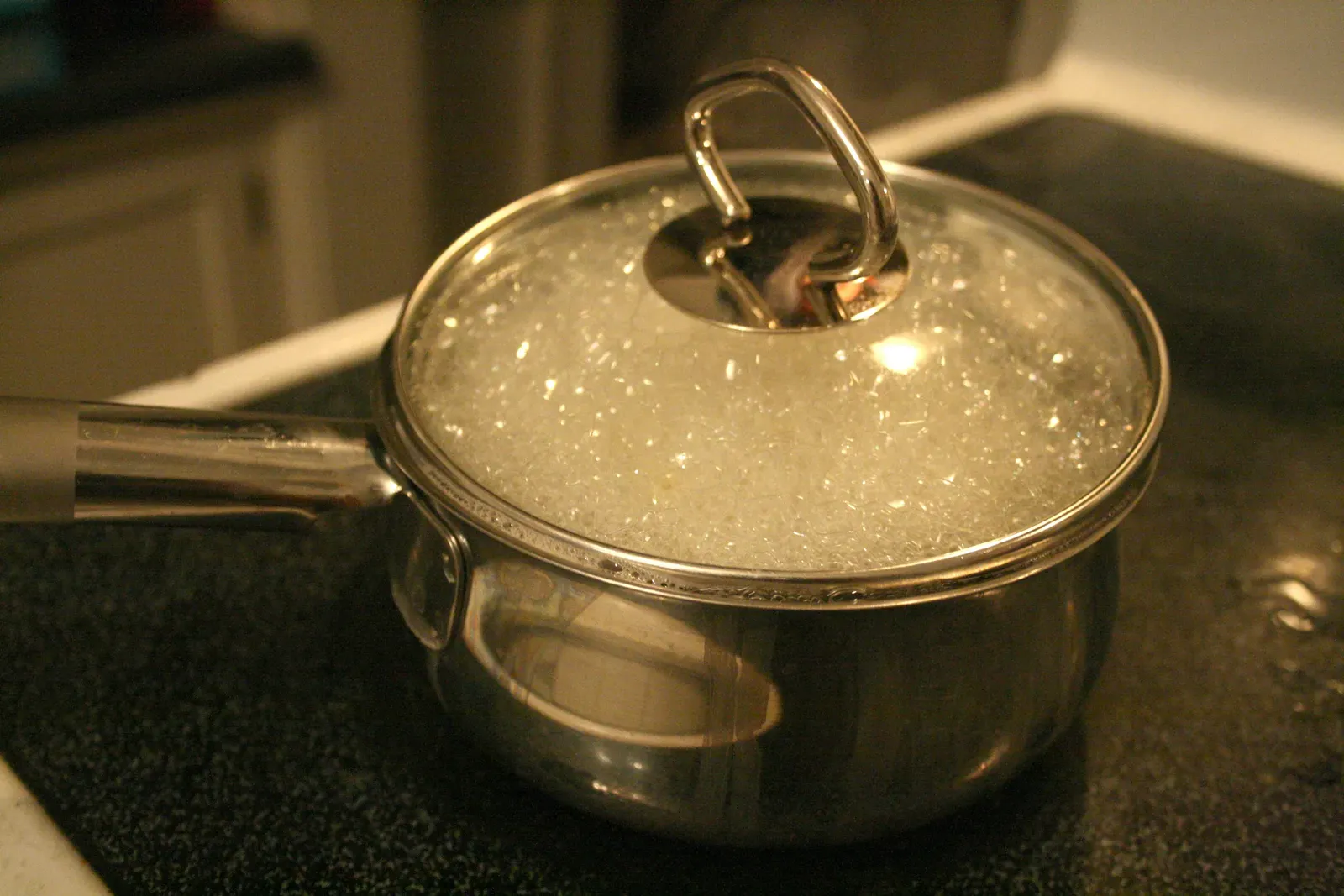
One common belief is that adding oil to pasta water prevents noodles from sticking. While oil might seem like a logical solution, professional chefs advise against it. "Pasta needs to be sticky to absorb sauce," says Lucas Toborek, head chef at Poptop. The logic behind the hack sounds sensible at a glance - oil and water don't mix, so surely a slick surface on the noodles keeps them from clumping. The problem is that the logic completely backfires once sauce enters the picture.
Adding oil creates a slick surface, ensuring the sauce slides right off instead of clinging to your dish. Chef David Buico emphasizes the importance of well-salted water and stirring during the initial minutes to prevent sticking, which is far more effective than using oil. The starchy water released from cooking pasta is vital for emulsifying sauces, providing a silky texture that makes a significant difference in your meal. Save the olive oil for the finishing touches. Simply keeping the boil steady and giving the pasta a stir in the first minute is all it takes.
2. Rinsing Pasta After Cooking
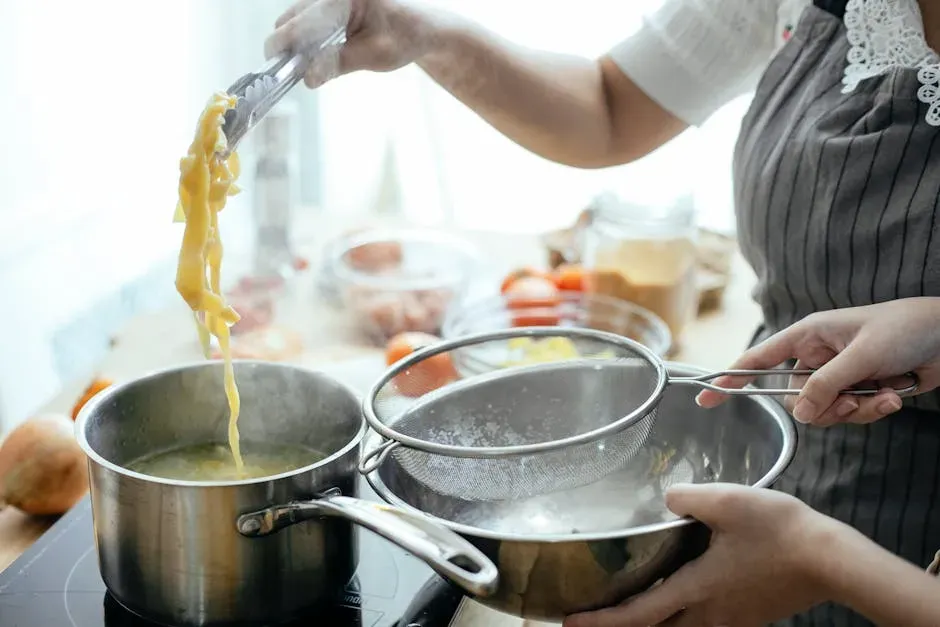
Rinsing pasta with cold water after cooking is a common mistake. This removes the starch that helps sauces adhere and cools down the pasta, affecting its texture. Many home cooks do this instinctively, believing it stops the cooking process or keeps the noodles from becoming gummy. What they don't realize is that they're essentially sabotaging their sauce before it even hits the plate.
An executive chef from Barilla America says you should never rinse your pasta. Letting the starch coat the pasta will create a clingy surface for the sauce. If you're cooking Italian pasta, there's no need to rinse it after cooking it, no matter what dish you're making. Rinsing removes the noodles' starchy coating, which not only adds extra flavor and a golden color but also helps sauce adhere to the pasta. For the tastiest pasta, Barilla America Executive Chef Lorenzo Boni recommends cooking it for a minute less than the package directions, straining it and finishing the cooking in the sauce.
3. Overcrowding the Pan to Save Time
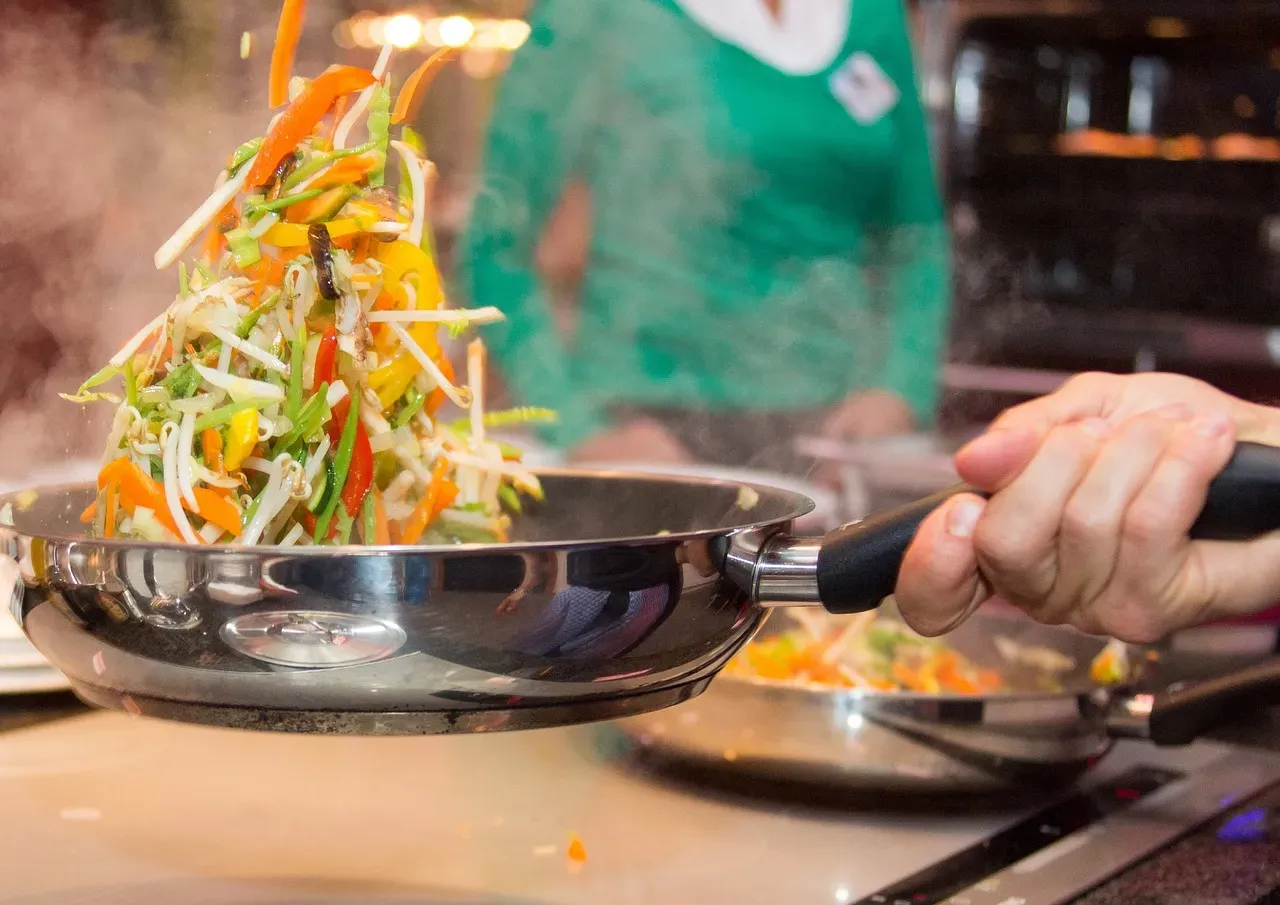
One of the most common cooking mistakes chefs see is overcrowding the pan. This occurs when too many ingredients are placed in the pan at once. Overcrowding the pan leads to uneven cooking as the ingredients don't have enough space to cook properly. It also hinders the browning process, as the ingredients may release moisture, preventing them from achieving a desirable sear or crispness. It feels like an efficient move in the moment - why use two trips when you can do it all at once? But efficiency isn't the same as effectiveness.
When food cooks, complex chemical reactions occur between amino acids and natural sugars, producing hundreds of flavor compounds that don't exist in the raw ingredients. This is known as the Maillard reaction - it's what gives seared meats their rich, savory flavor and causes the natural sugars in meats and vegetables to caramelize into deliciousness. Overcrowding the pan inhibits this process. Too much moisture and insufficient heat circulation prevent the Maillard reaction from occurring correctly. Chef Giuseppe Miggiano advises giving each piece space in the pan to achieve that appealing color and flavor. While it may require cooking in batches, the result is a much cleaner and lighter dish.
4. Adding Garlic and Onions to the Pan at the Same Time
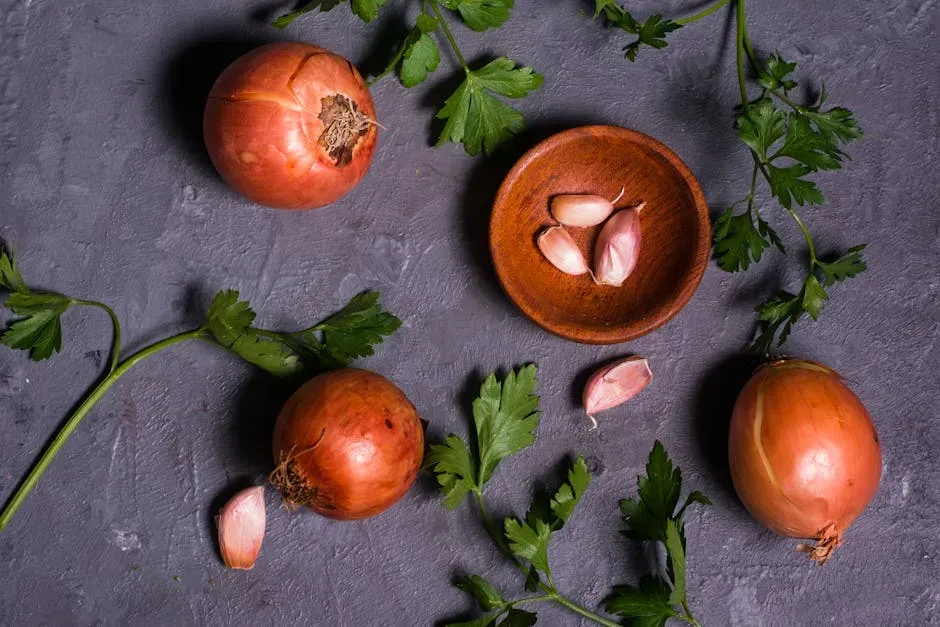
Many recipes call for sautéing garlic and onions together at the start, but this can lead to bitterness. Chef Lucas Toborek points out that garlic cooks much faster due to its lower water content, which can lead to burning when added too soon. This can spoil the dish's flavor. For best results, add garlic only after the onions or other base vegetables are cooked. It sounds like a minor detail, but burnt garlic has a harshness that spreads through an entire dish and cannot be undone once it's in.
If you must fry garlic on its own, start with a cold pan and low heat, stirring continuously to prevent burning. The idea that both aromatics need identical cooking time is simply untrue - onions are dense, watery vegetables that need several minutes to soften and become sweet, while a finely minced clove of garlic can go from golden to charred in under thirty seconds. Respecting those different timelines is one of the simplest upgrades any home cook can make, and a lot of home cooks have an issue with seasoning and technique - they're afraid to get it right. Almost nothing has one definitive, most correct and authentic way of doing it.
5. Only Seasoning Food at the End of Cooking
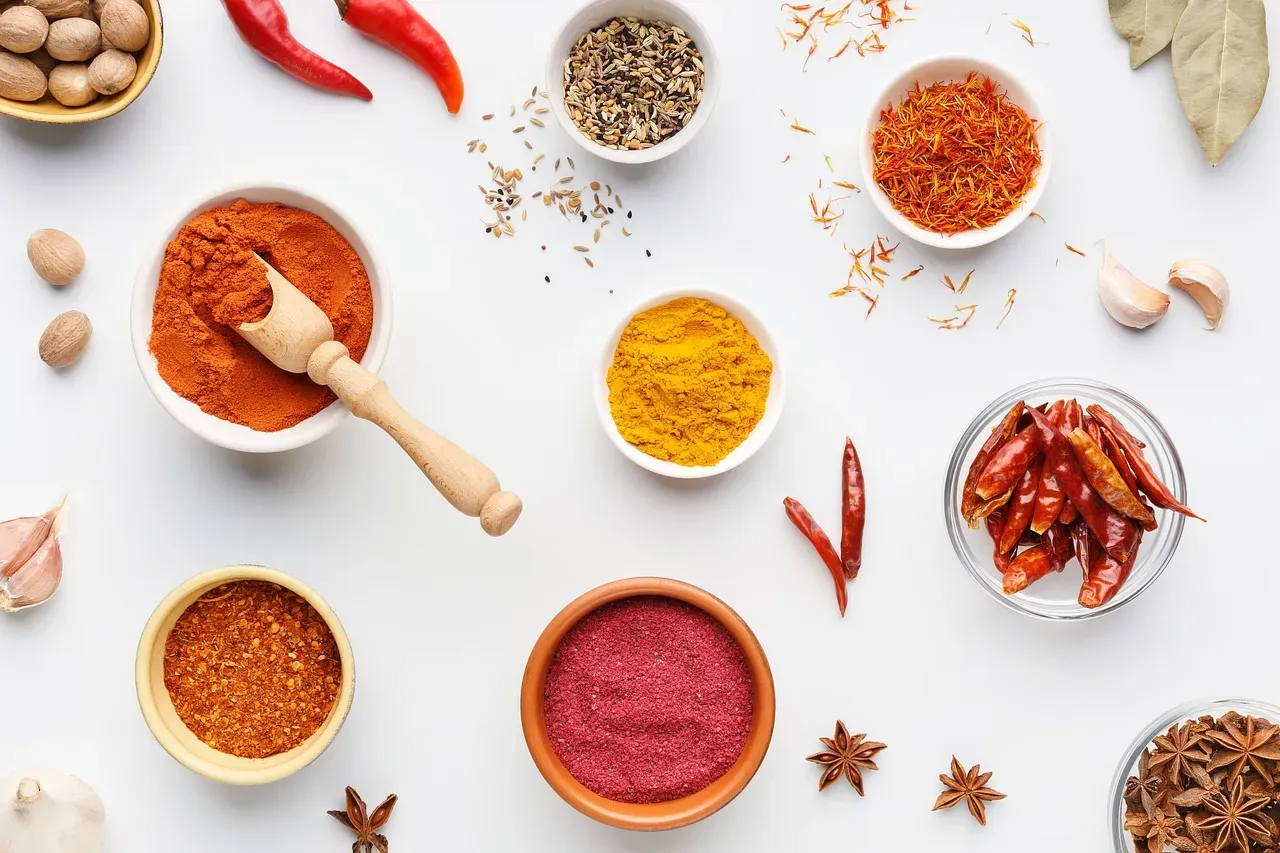
Only seasoning food at the end of cooking can lead to bland outcomes. Chef David Buico points out that seasoning should be incorporated throughout the cooking process. Adding salt early allows it to penetrate the ingredients, enhancing their natural flavors. To maximize flavor, consider salting or marinating ingredients before cooking and continuing to season as you cook. This misconception likely stems from health-conscious advice about reducing salt intake, which got misapplied to cooking technique. Less salt overall is fine - but the timing of when it goes in matters enormously.
In doing so, proteins absorb flavor, vegetables caramelize beautifully, and herbs bloom as they heat. This layered approach results in a dish that's rich in flavor rather than just superficially salty. Think of seasoning throughout cooking as building a foundation rather than slapping a coat of paint on the outside. Cooking pasta in unsalted water, for instance, is a missed opportunity for flavor. If you skip the salt, the pasta will taste bland, and the final dish will lack depth. That principle applies just as much to stocks, braises, roasted vegetables, and sautéed proteins.
6. Believing That Searing Meat "Locks In" the Juices
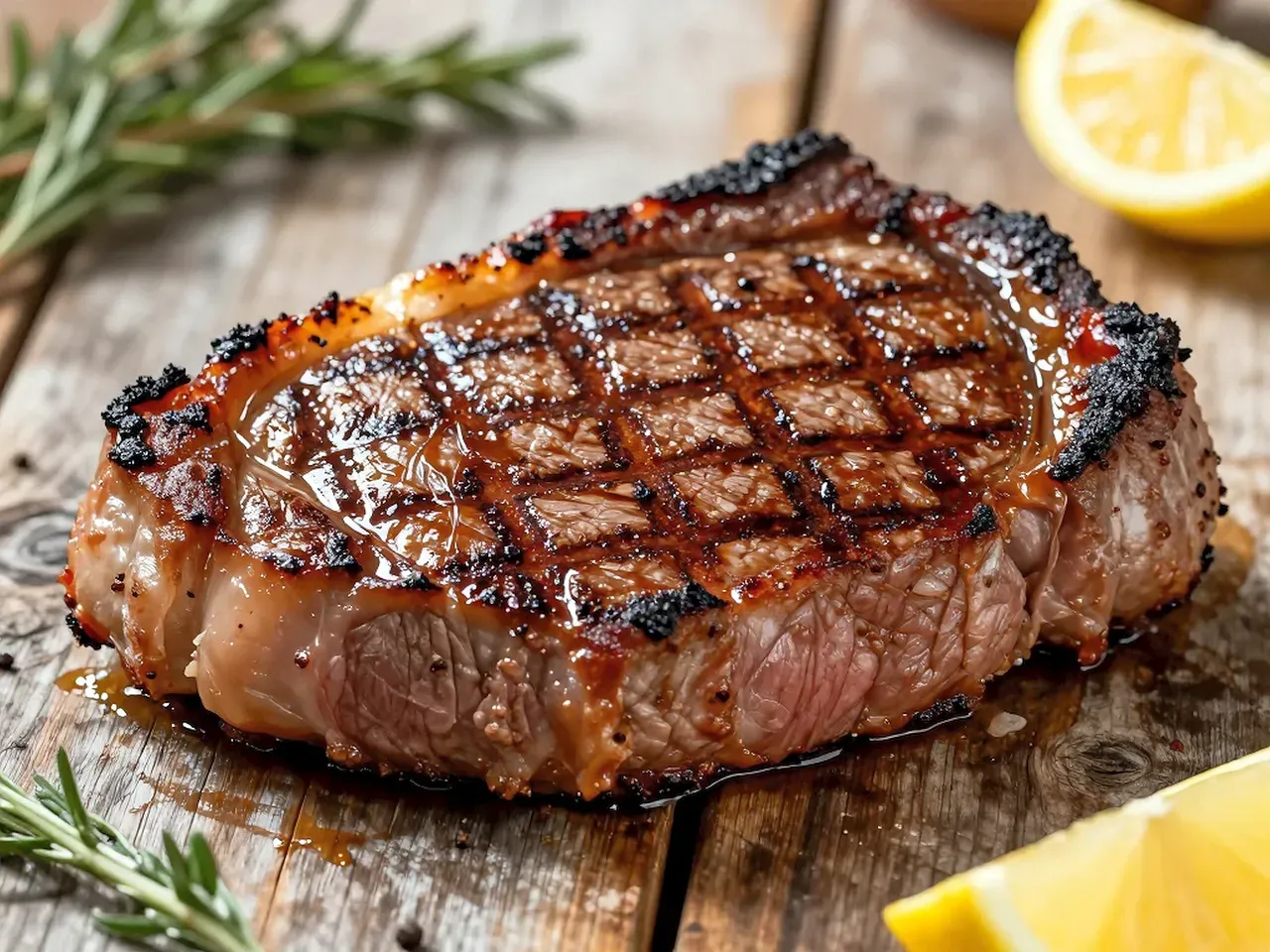
While there's no doubt that you should be searing your steak, the reason for the practice is the source of some confusion in the culinary world. You may have heard that the act of searing creates a seal, thus locking in delicious juices that would otherwise leech out of the meat. Sounds scientific, but there's no evidence to back it up. As is the case with any cooking method, searing your beef causes it to lose moisture, and no amount of crisping can make the outside watertight. This particular myth has appeared in cookbooks for over a century, which is precisely why it's so hard to shake.
According to an experiment conducted by Serious Eats, meat seared before going in the oven actually retained less liquid than meat that was seared after roasting - a technique known as reverse searing. The real value of searing is entirely about flavor and texture: it triggers the Maillard reaction, creating that deeply savory, browned crust that makes a well-cooked piece of meat genuinely irresistible. It comes up all the time on television, which doesn't make it any more true. In fact, the act of searing the outside of meat actually makes it more porous and therefore more likely to give off juices under pressure. Sear because it tastes extraordinary - not because it traps moisture, because it simply doesn't.

Leave a Reply