
The grocery store has become a battlefield for American families, where every aisle brings fresh reminders of how much more expensive basic necessities have become. Walking through the produce section or scanning prices at checkout, shoppers are confronting a harsh new reality that affects every household budget.
Food costs have reached levels that force difficult choices between quality meals and financial stability. The pressure isn't just economic anymore - it's deeply personal, touching the heart of how families plan, shop, and eat together.
Americans Feel The Pinch Of Rising Grocery Prices
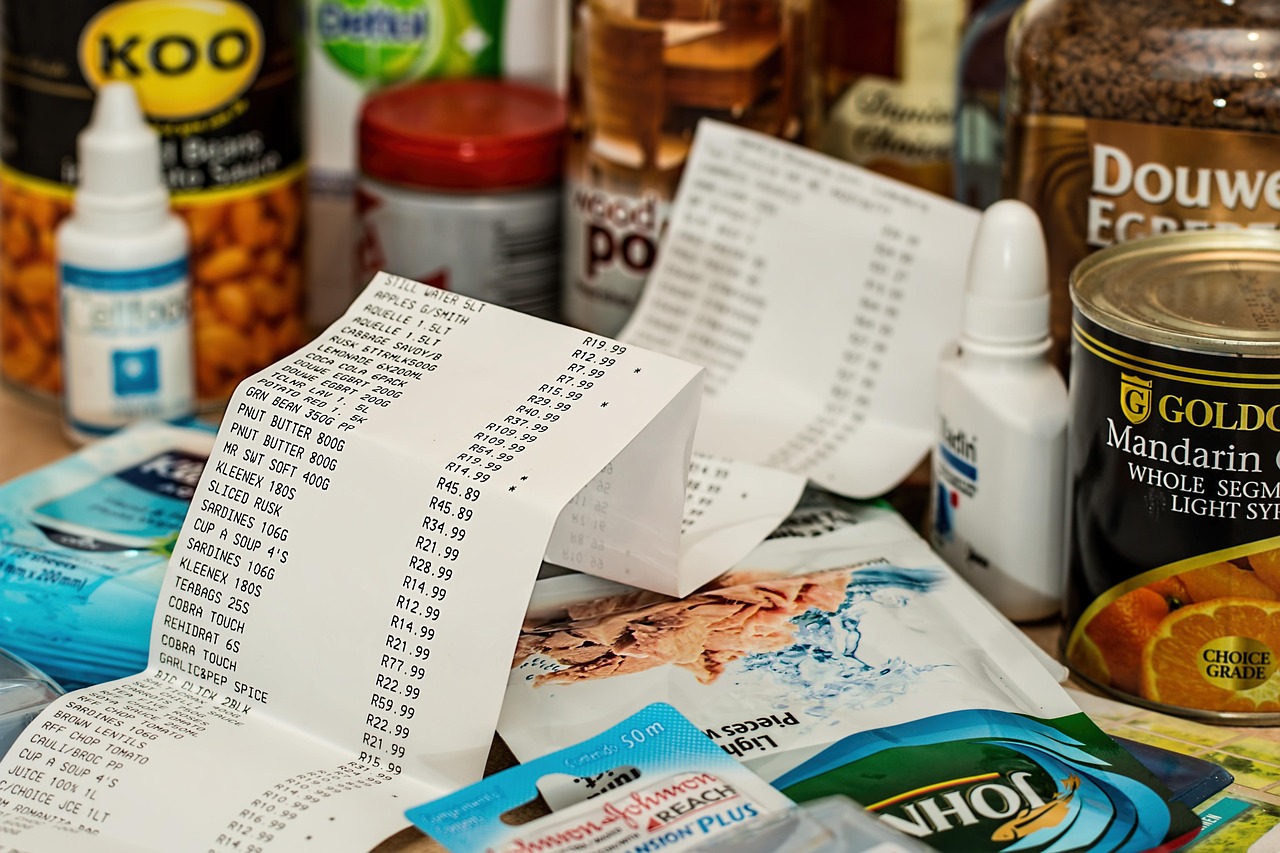
Grocery prices continue to climb, leaving many Americans feeling the squeeze each time they visit the supermarket. "It feels very visceral versus something that's updated once a year like car insurance," said Stephen Kates, a financial analyst at Bankrate.
With food costs projected to keep rising throughout the year, experts are offering strategies to help consumers cut expenses and manage their budgets.
Food Inflation Hits Hard
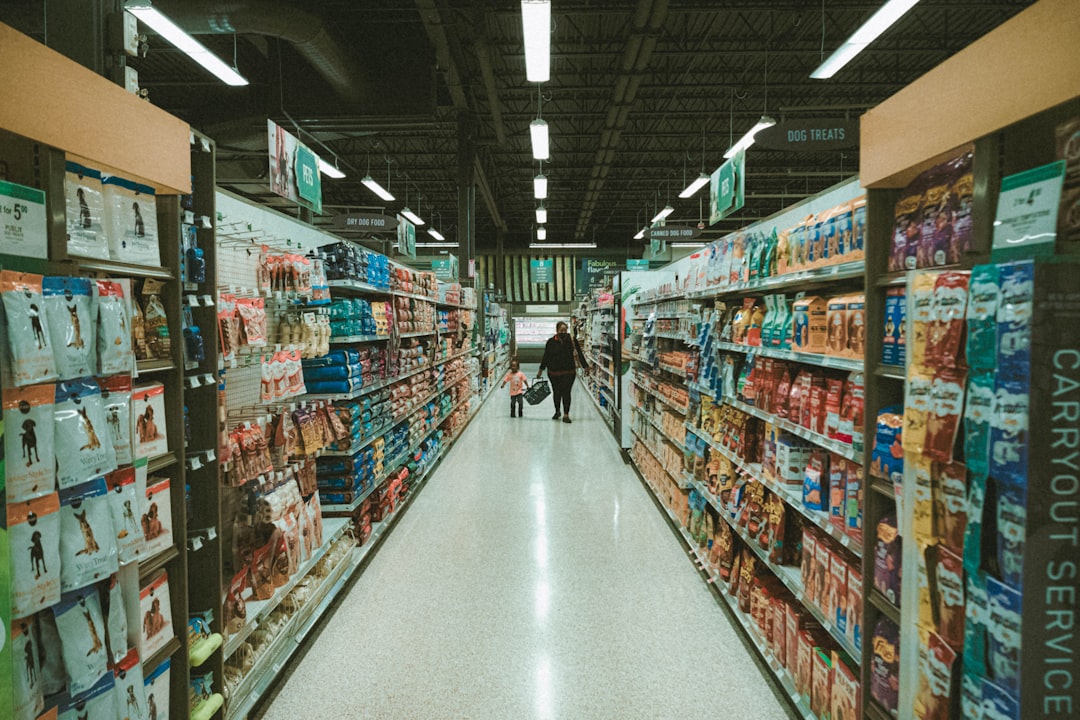
According to Credit Karma, 77% of Americans say grocery costs have risen more than any other expense. The Economic Research Service reported that food prices are up 24% since 2020.
The impact is immediate and visible - every trip to the store highlights the pressure inflation has placed on household finances.
More Price Hikes Ahead
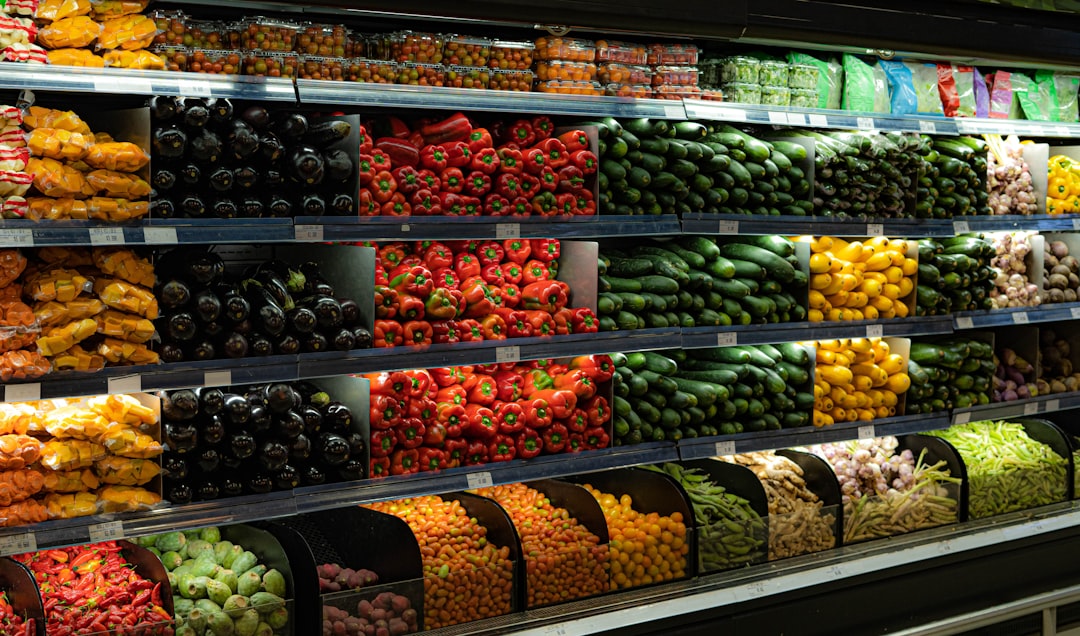
Experts warn that more increases are coming. A study from The Budget Lab at Yale suggests that new tariffs could cause an additional 2.6% rise in food costs in the short term, with fresh produce possibly increasing by 5.4%.
These looming hikes have consumers bracing for another wave of higher grocery bills.
Signs Of Financial Strain

The effect of high food prices extends beyond grocery aisles. Kimberly Palmer of NerdWallet noted, "You can't avoid needing to buy groceries."
Between 2022 and 2024, credit card delinquencies jumped nearly 40% as consumers relied on debt to afford essentials. LendingTree found that a growing number of shoppers are turning to "buy now, pay later" options, with late payments on those loans rising from 34% to 41%.
Pew Research also revealed that 19% of Americans used food banks in the past year.
Experts Urge Consumers To Prepare And Plan
Financial advisors recommend a proactive approach. "Use all available resources," said Kates, advising consumers to plan meals, compare prices, and shop at discount retailers.
Careful preparation, including creating grocery lists and checking sales flyers, can significantly reduce spending while maintaining meal quality.
Five Smart Strategies To Save On Groceries
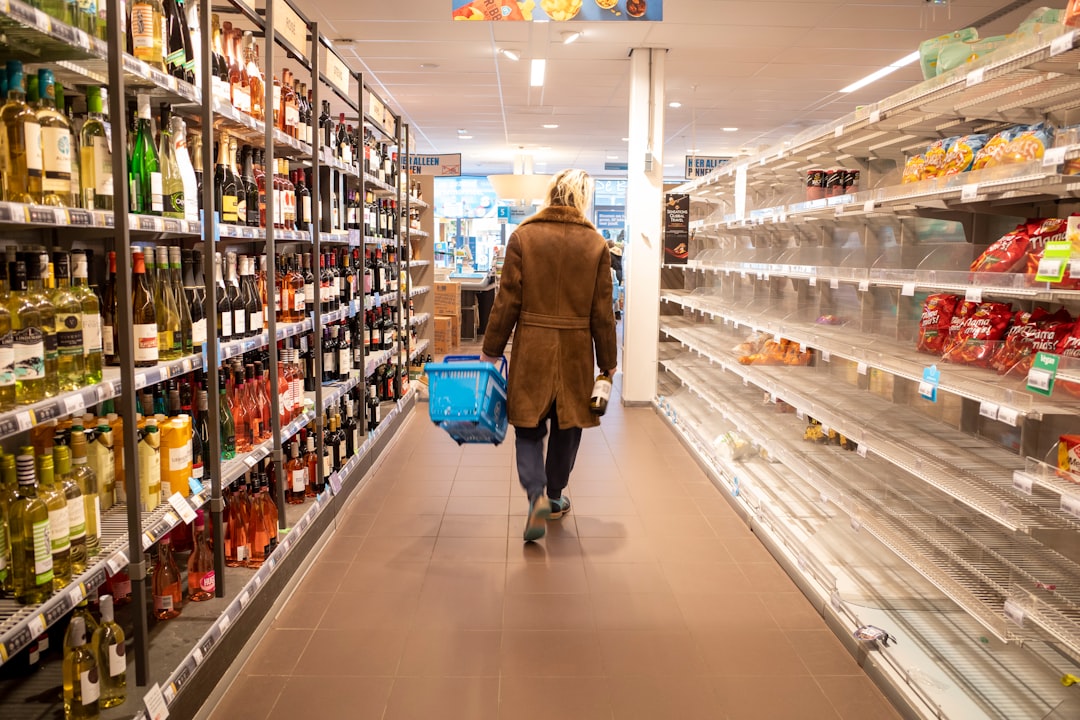
Experts highlight several cost-saving tactics:
Plan Your Meals - Know what you'll cook and make a list before shopping.
Stack Discounts And Coupons - Combine loyalty programs, weekly deals, and manufacturer coupons.
Buy Store Brands - Generic products can cost up to 70% less and often taste just as good.
Reconsider Where You Shop - Explore discount stores, compare prices online, or buy in bulk from wholesale clubs.
Use Government And Local Aid - Programs like SNAP and community food banks can ease the burden for families in need.
Finding Relief Amid Rising Costs
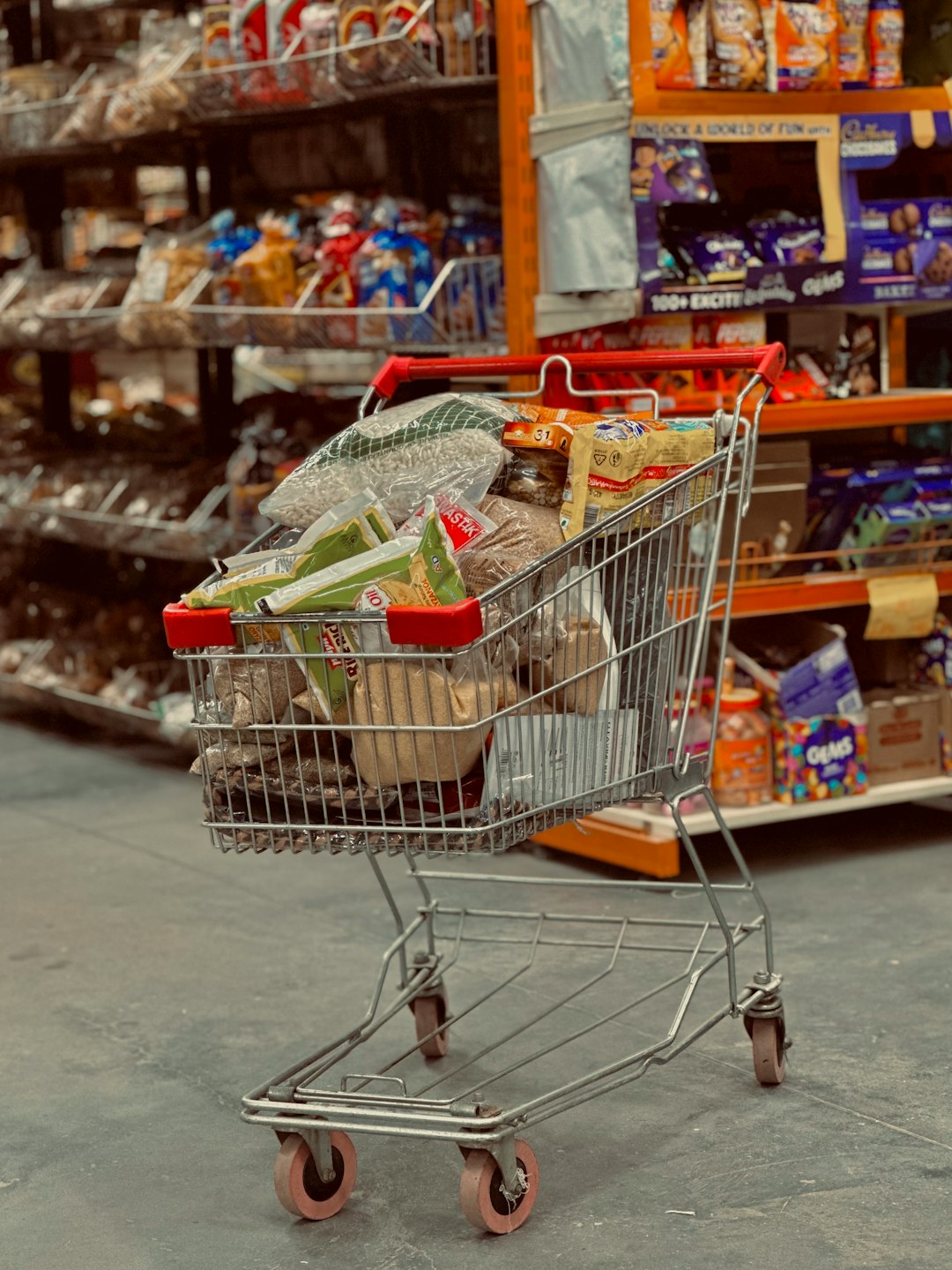
While inflation shows no sign of slowing soon, experts stress that consumers still have tools to navigate it. From meal planning to tapping government programs, small changes can lead to meaningful savings.
As Kates notes, financial awareness and resourcefulness remain key to managing the challenge of rising food prices.




Leave a Reply