
You've probably stood in a grocery store aisle, reached for a two-liter of Coke, and done a double take. The cap isn't red. It's yellow. Bright, unmistakable yellow. Most people walk right past it, maybe assuming it's a limited edition or some kind of marketing gimmick. Honestly, it's so much more interesting than that.
There's a century-old story behind that small, sunny cap. It connects a Lithuanian rabbi, a closely guarded secret formula, religious dietary law, and a sweetener swap that even non-Jewish soda lovers have come to obsess over every single spring. Let's dive in.
It All Comes Down to Passover
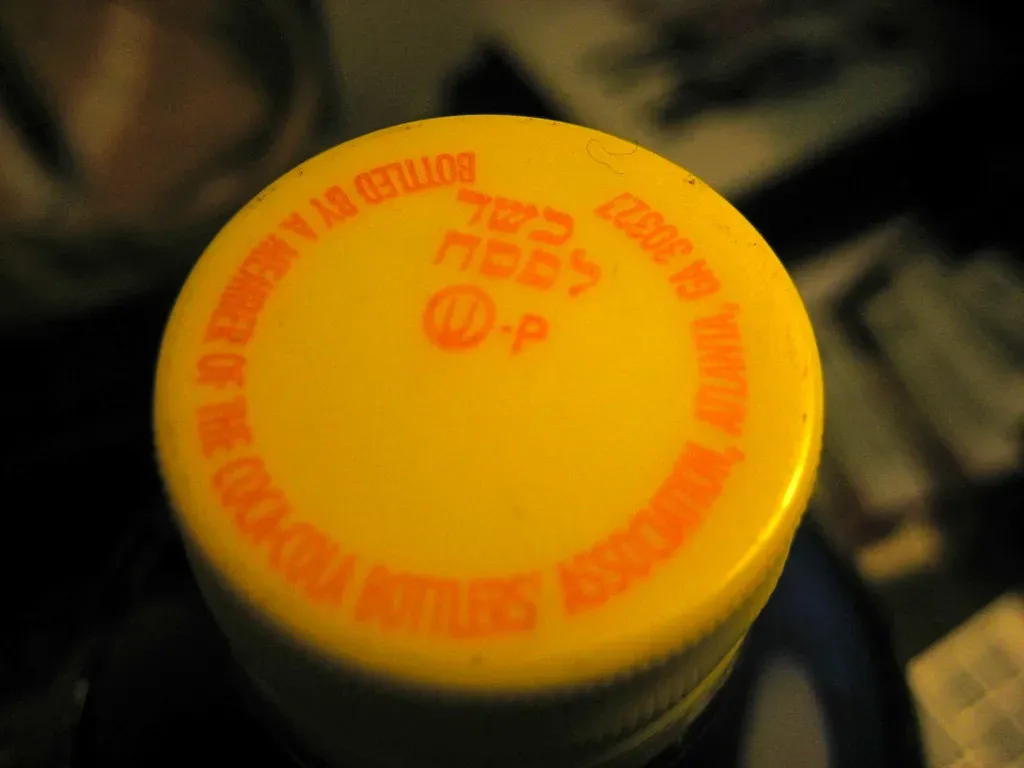
There's a very special reason for that yellow cap: to signify the recipe is kosher for Passover, the Jewish religious holiday that occurs during spring and lasts for seven days. It's not random. It's not decorative. Every detail is intentional.
Many Jews observing Passover refrain from eating anything categorized as "chametz," meaning leavened foods or foods with leavening ingredients made from barley, rye, oats, wheat, or spelt, for the duration of the holiday. Think of it like a complete pantry reset, once a year, every year.
Eastern European Jews of Ashkenazi descent, which make up roughly three quarters of the Jewish population, also avoid another category known as "kitniyot," which includes legumes and other grains like corn. That's where Coca-Cola runs into a problem.
Although Coca-Cola is kosher year-round, the high-fructose corn syrup used to make it keeps it from being Passover-friendly. So the familiar red-capped bottle you grab every other week of the year simply doesn't make the cut during Passover season.
Why Corn Syrup Is the Culprit
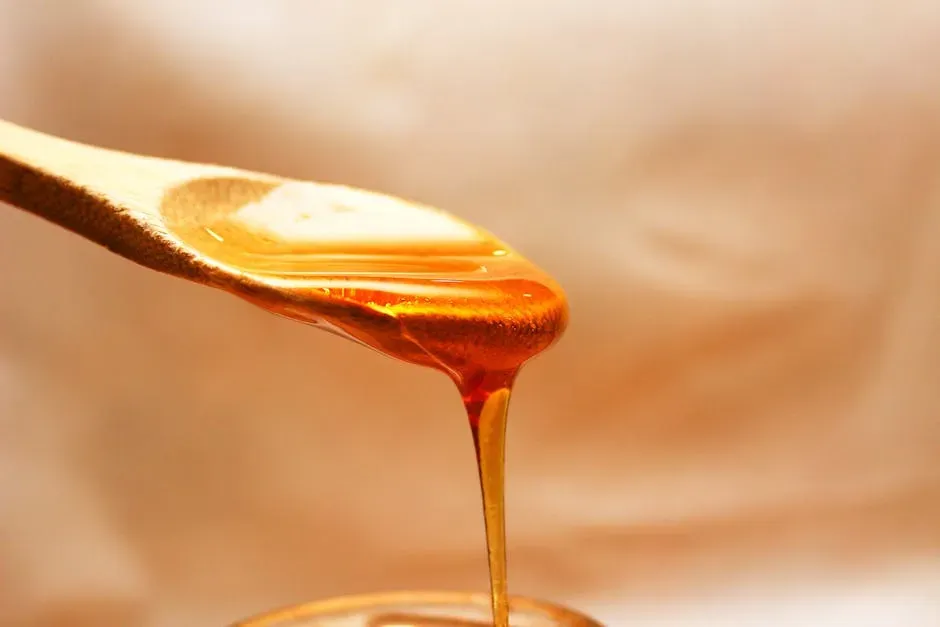
High-fructose corn syrup is not only made from corn, but it's also made from an enzyme, alpha-amylase, that is typically derived from barley. That double hit, corn and a barley-derived enzyme, makes it doubly problematic under Passover dietary rules.
Consumption of the cheap sweetener in the U.S. began spiking in the 1970s, coinciding with government subsidies for corn farmers. Coca-Cola started using it in the early 1980s to lower costs. Before that shift, American Coke was sweetened with plain old cane sugar, just like it is in many other countries today.
Coca-Cola uses HFCS-55, about 55% fructose and 45% glucose, which makes it slightly sweeter than table sugar, which is a 50/50 split of fructose and glucose. The extra fructose also gives the syrup a longer shelf life and more economic value for large-scale bottlers. It was a business decision, plain and simple.
The Rabbi Who Changed Everything

In 1935, Rabbi Tobias (Tuvia) Geffen, who led Congregation Shearith Israel in Atlanta for 60 years, received letters from Orthodox rabbis across the country asking whether the soft drink was halachically permissible under Jewish law. Being based in Atlanta, right in Coca-Cola's backyard, made him the natural point of contact.
Once Geffen inquired, the Coca-Cola Company made a corporate decision to allow him access to the list of ingredients in Coke's secret formula, provided he swore to keep them in utter secrecy. Geffen agreed to the terms. That's remarkable when you think about it. A rabbi negotiating access to one of the most guarded trade secrets in American history.
While reviewing the ingredients in the lab, he discovered that the glycerin used in the drink was derived from non-kosher beef tallow. Even though the amount was minuscule, just one part per thousand, Geffen informed the Coca-Cola Company that its deliberate inclusion made the product unsuitable for observant Jews. He explained that even trace amounts of non-kosher ingredients, if added intentionally, render the product non-kosher.
Back at the company's laboratories, they quickly got to work on finding a substitute for the tallow-based glycerin. They found a glycerin produced from cottonseed and coconut oil, supplied by Procter & Gamble. After an agreement was reached, Geffen gave his hechsher, or kosher certification, for Coke to be marketed as kosher year-round.
The Formula Swap That Created the Yellow Cap
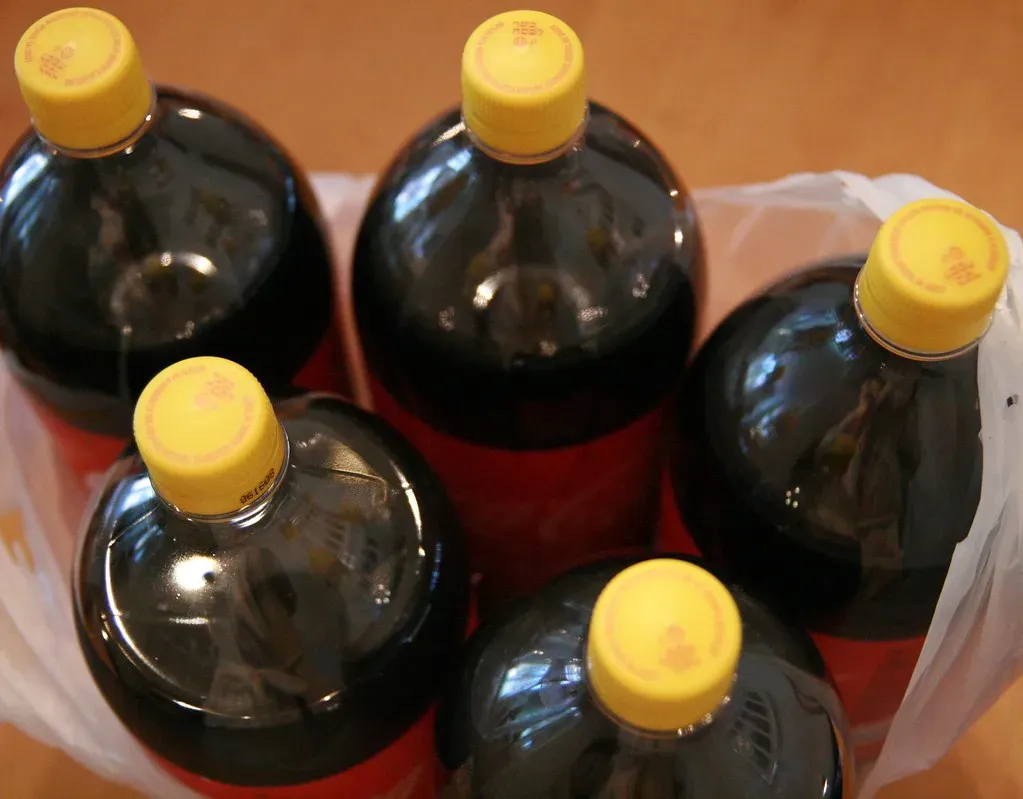
Coca-Cola created a special "kosher for Passover" version of their soda flavored with non-corn-based sweeteners, such as cane or beet sugar, to allow everyone to enjoy a Coke during the holiday. This is the key detail most people never know: yellow cap Coke is literally made with a different recipe.
The kosher-for-Passover Coke Classic variety, available in the two-liter bottle with the yellow cap at no additional cost, is sweetened with sucrose for the holiday table. This is the way Coca-Cola made the formula before the company switched to corn syrup in 1980 in a cost-saving measure. So in a sense, yellow cap Coke is actually the more original version.
The caps are also stamped with "O-U-P," the Passover kosher certification symbol of the Orthodox Union. It's not just a color change for show. Every bottle carries an official rabbinical stamp of approval that means it has been verified, monitored, and certified through the entire production process.
Answering the seemingly straightforward question of whether Coke was kosher led to Coca-Cola becoming the first nationally prominent company to adapt its product contents for kosher requirements. Creating a kosher Coke established important precedents for the future expansion of kosher-certified products. Think about that. A soda company helped shape the entire modern kosher food certification industry.
Does It Actually Taste Different?
Here's the thing that gets people genuinely excited, especially non-Jewish soda fans who stumble onto this information. Since the soda is sweetened with cane sugar, as opposed to the usual high-fructose corn syrup, it tastes slightly less processed. Compared to Coke's regular formula, kosher-for-Passover Coke tastes just a little sweeter, but it's a very subtle difference.
Some foodies who prefer the taste of Mexican Coke, which is also sweetened with cane sugar and sold in individual glass bottles, wait all year to stock up on two-liters of kosher-for-Passover Coke. It's practically a cult at this point. Food lovers mark their calendars for it.
When NBC News correspondent Gadi Schwartz and NBC News medical contributor Dr. Akshay Syal did a blind taste test comparing Mexican Coke with U.S. Coca-Cola sweetened with high-fructose corn syrup, they had a hard time telling them apart. So whether you'll notice the difference depends a lot on how trained your palate actually is. I think most casual drinkers will find it subtle at best.
Is Cane Sugar Actually Healthier?
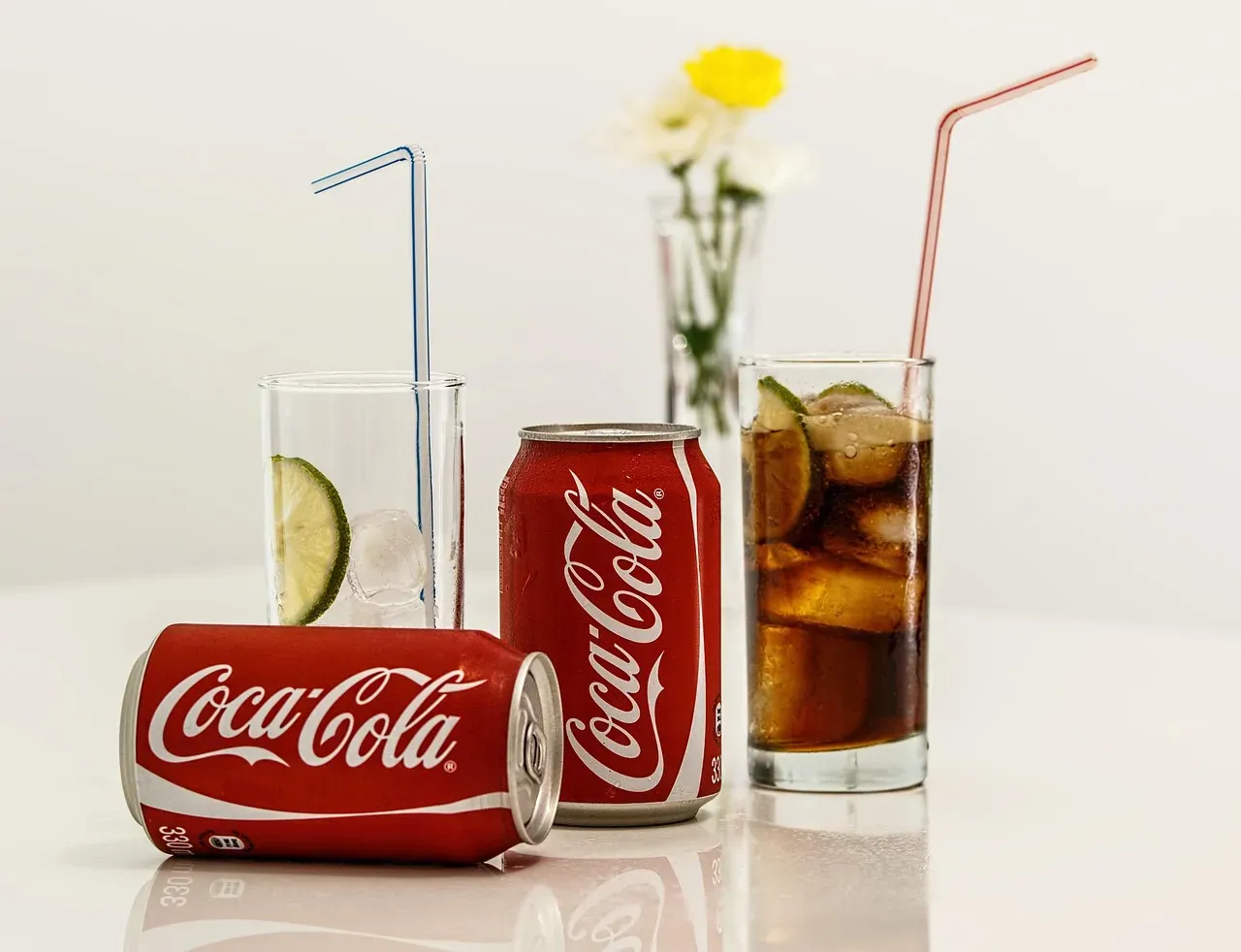
Let's be real, a lot of the hype around yellow cap Coke in recent years, especially after the "Make America Healthy Again" debates in 2025, is tied to the idea that cane sugar is somehow better for you than corn syrup. Nutrition experts have a pretty clear answer on this. Both are added sugars that provide the same number of calories and raise blood glucose levels. Experts urge people to stop drinking sugary sodas in general since they're empty calories.
Starting in the fall of 2025, consumers in the U.S. were given the option to buy Coca-Cola's signature soda sweetened with domestic cane sugar instead of high-fructose corn syrup. The move was confirmed by the beverage company in July 2025. It generated a huge wave of public debate about health and sweeteners.
There are 39 grams of sugar in a 12-ounce can of Coca-Cola, more than the American Heart Association's recommended daily limits for added sugar. If a person is going to drink a cola anyway, choosing a product sweetened with cane sugar rather than high-fructose corn syrup is not a wiser choice. The sweetener swap is more about religion and tradition than health science, honestly.
Where to Find Yellow Cap Coke and How Long It Lasts
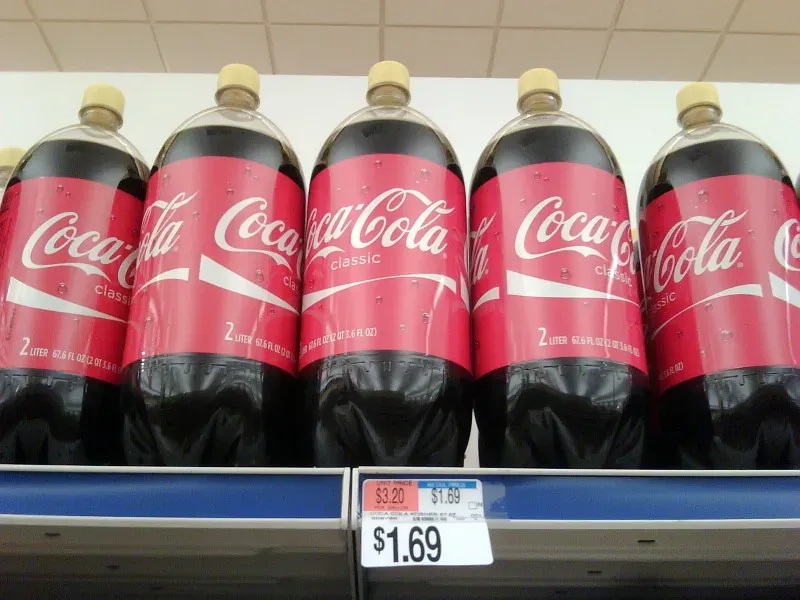
The yellow caps only appear on bottles of Coke once a year. That scarcity is part of what makes people rush the shelves. It's the soda equivalent of a limited seasonal menu, except this one is rooted in almost ninety years of tradition.
Coca-Cola is again available with an OU-P certification for Passover in regular and Diet flavors. Outside the New York metropolitan area, Coke is bottled in Jacksonville, Florida, and Los Angeles. Kosher for Passover Coca-Cola items are made in two-liter bottles. The distribution is deliberately targeted rather than nationwide.
Passover Coke hits shelves a few weeks before Passover, which falls in March or April depending on the year. It's usually available at major supermarkets with a kosher section, including Publix, Winn-Dixie, Whole Foods, and some Walmarts, especially in cities with large Jewish populations like Miami, New York, and Los Angeles. If you live outside those areas, you may have to hunt a little harder.
While Mexican Coke is only sold in 12-ounce glass bottles with a high import tax, U.S. kosher-for-Passover Coke is sold in two-liter bottles and is available at the same year-round price as conventional Coke. That makes it genuinely the best deal for cane sugar Coke that American consumers are likely to find all year.
So the next time you're in the soda aisle and spot that sunny yellow cap, you'll know you're holding a bottle with a backstory nearly a century in the making. A Lithuanian rabbi negotiated access to Coca-Cola's most guarded secret formula, a sweetener swap was born, and a religious tradition turned into a springtime obsession for food lovers of all backgrounds. Not bad for a bottle cap.
What do you think: will you be hunting down yellow cap Coke this spring?



Leave a Reply