
Coffee culture is deeply personal. For many people, that morning cup is practically a ritual - something sacred between them and their mug. But here's the uncomfortable truth: not all coffee chains are living up to that standard anymore. Prices keep climbing, drinks feel inconsistent, wait times are getting ridiculous, and some chains seem to have completely lost the plot on what made them great in the first place.
Across the U.S., the American coffee industry is undergoing significant changes, with major chains facing challenges from smaller competitors, labor disputes, and supply chain issues. Enthusiasts are noticing. They're talking about it online, in comment sections, and in review threads. Some are quietly voting with their wallets. So before you default to your usual order, it's worth knowing which chains are raising red flags right now. Let's dive in.
1. Starbucks - The Giant That Lost Its Way
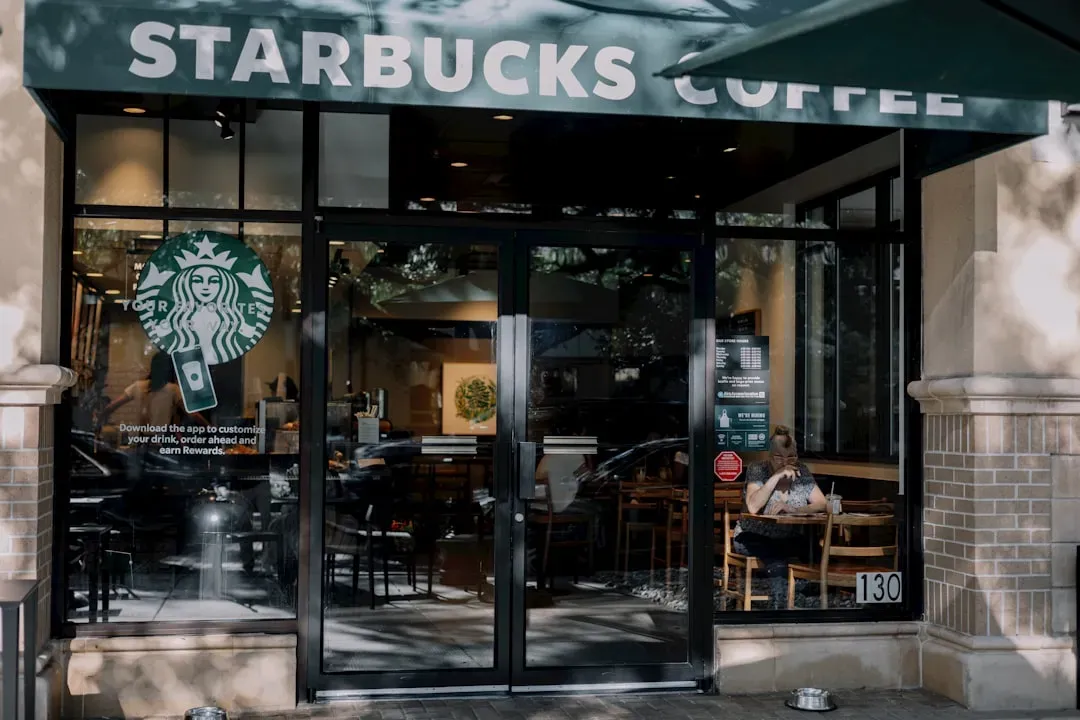
Starbucks is probably the most talked-about name on this list, and for good reason. Starbucks' sales fell in key U.S. and Chinese markets throughout 2023 and 2024, prompting the chain to appoint a new CEO, Brian Niccol, to revive its original coffeehouse culture. That's not a minor adjustment - that's a brand in crisis mode.
In its core U.S. market, the company reported six consecutive quarters of negative same-store sales growth, despite continued expansion abroad. Six quarters. That's a year and a half of customers consistently choosing to spend their money elsewhere. Honestly, that says something loud.
A survey of Starbucks baristas found that 9 in 10 respondents reported understaffing at their stores, which they say leads to long wait times for customers, while 3 in 4 reported an overwhelming pace managing across in-store, delivery, mobile and drive-thru orders. Think about that the next time your mobile order is 20 minutes late.
At Starbucks, sentiment around iced coffee was slightly negative, with excessive ice in beverages leading many customers to complain that drinks were watery and not worth the cost. For drinks that regularly cost between six and eight dollars, that frustration is completely understandable.
2. Dunkin' - Speed Is Not the Same as Quality
Dunkin' built its empire on being fast and affordable. That was the deal. You weren't going for a transcendent coffee experience - you just wanted something hot in your hand before 8 a.m. But the brand has been slipping on even those basic promises lately.
Analyzing thousands of customer reviews from 2023 to 2024 comparing Dutch Bros, Starbucks, and Dunkin', all three chains faced complaints about pricing, customer service, and beverage consistency, with Starbucks and Dunkin' consistently trailing their newer competitor. That is a rough finding for two chains that still dominate the U.S. market.
At Starbucks and Dunkin', pricing was perceived more negatively than at Dutch Bros, with customers complaining about unexplained price increases after ordering, with some feeling misled and unheard when they tried to protest. Surprise price bumps at the register are a fast way to erode trust, and Dunkin' has been getting that complaint repeatedly.
The quality gap was particularly evident in beverage satisfaction, with customers criticizing Starbucks and Dunkin' drinks as overly sweet or diluted with ice. When your signature cold coffee gets a reputation for tasting like sugar water, that's a branding problem that marketing campaigns alone cannot fix.
3. Tim Hortons - A Canadian Icon Running on Nostalgia Fumes
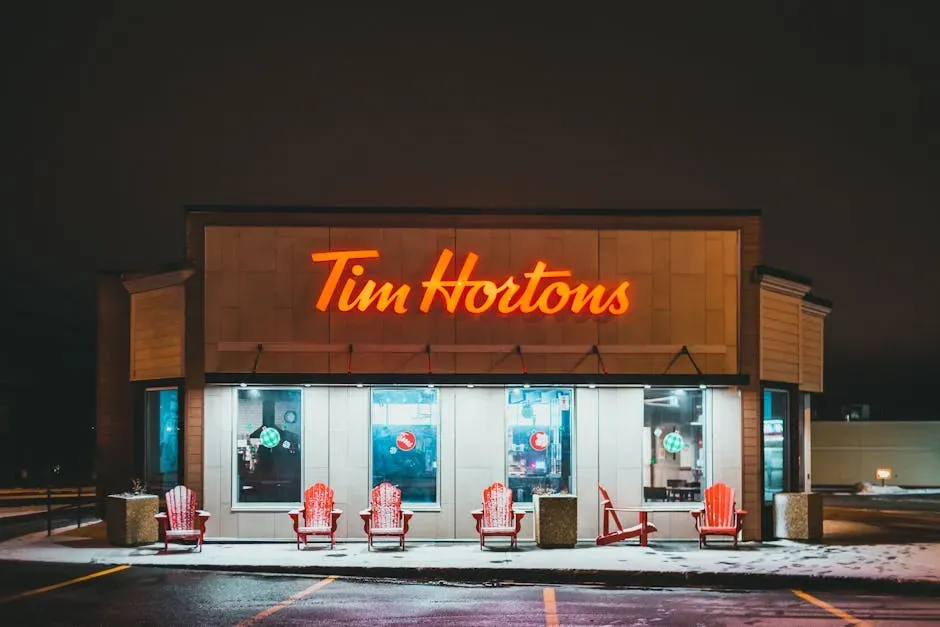
Tim Hortons occupies a truly unique cultural space in Canada. It's practically stitched into the national fabric. But let's be real - a whole lot of that love is nostalgia, not current quality. The chain has been struggling for years to recapture what made it special.
Some customers felt that Tim Hortons didn't live up to the hype, with one Canadian-born customer saying it "really is not that good." When locals from the chain's home country are saying that, it's hard to dismiss it as outsider criticism.
The consistency complaints are a recurring theme across platforms. Quality is described as atrocious for food items and notably the coffee, with the menu launching a new desperate item or category every month. That kind of frantic menu pivoting is usually a sign that a chain doesn't know what it stands for anymore. It's the restaurant equivalent of throwing spaghetti at the wall.
The chain's expansion into new U.S. markets continues, with Tim Hortons Coffee and Bakery having been founded in 1964 in Ontario and expanding to over 5,700 locations in 13 countries. Scale, however, has never been a substitute for a great cup of coffee - and many longtime fans seem to agree on that point.
4. Dutch Bros - The Hype Has a Hidden Catch
Dutch Bros is the darling of the coffee chain world right now, and in some respects, it deserves the love. The energy is fun, the drinks can be genuinely delicious, and the drive-thru staff is usually cheerful. Still, there's a side to the Dutch Bros experience that enthusiasts are increasingly calling out.
Despite Dutch Bros' rising popularity, operational efficiency in the drive-thru lane remains a problem, with some customers reporting 30-minute wait times, an issue that has been acknowledged by CEO Christine Barone in multiple quarterly earnings calls. A half-hour drive-thru wait is genuinely difficult to justify, no matter how good the drink is.
Some locations are described as extremely slow, with customers noting an average wait of around 25 minutes and that mobile ordering does not speed things up. For a chain that built itself on drive-thru convenience, that is a serious structural problem. Convenience is the whole pitch.
Order accuracy is another friction point showing up across review platforms. Dutch Bros might also be benefiting from novelty as a rising star, with many positive reviews specifically comparing the experience favorably to Starbucks or Dunkin' - suggesting some of the enthusiasm is relative rather than absolute. When novelty wears off, consistency has to carry the weight - and right now, that's shaky.
5. McDonald's McCafé - Coffee as an Afterthought
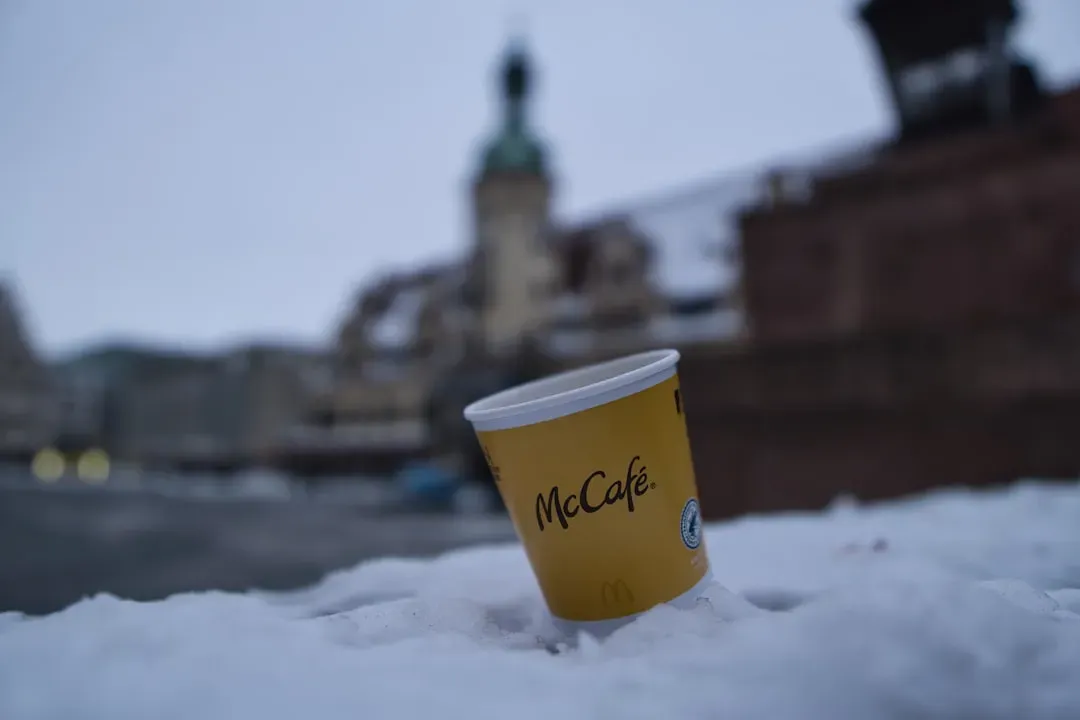
McDonald's McCafé earned surprisingly strong early praise for delivering decent coffee at fast-food prices. For a while, it genuinely disrupted the morning coffee market. But enthusiasm has cooled considerably, and the criticism from coffee lovers has grown sharper over time.
Experts say Starbucks is now less experiential than it used to be, leading to increased competition from value players like McDonald's, which is vying for a more price-conscious customer. McDonald's is chasing the budget crowd - which makes sense strategically, but it also means coffee quality is rarely the priority at the golden arches.
The McCafé experience varies wildly by location, which is one of the most consistent complaints. Coffee enthusiasts specifically cite inconsistent espresso quality and overly sweet standardized recipes as reasons to skip it. For a chain of McDonald's size, creating positive coffee perceptions and ultimately positive consumption experiences remains one of the biggest challenges. McDonald's is no exception to that rule.
It's hard to fully fault McDonald's here - coffee was always a side hustle for them. Still, for anyone who takes their morning brew seriously, McCafé has a hard time competing with even mid-tier specialty options on quality. When a cup of coffee feels like a factory product rather than a craft, the gap becomes obvious.
6. Peet's Coffee - Premium Pricing, Inconsistent Delivery
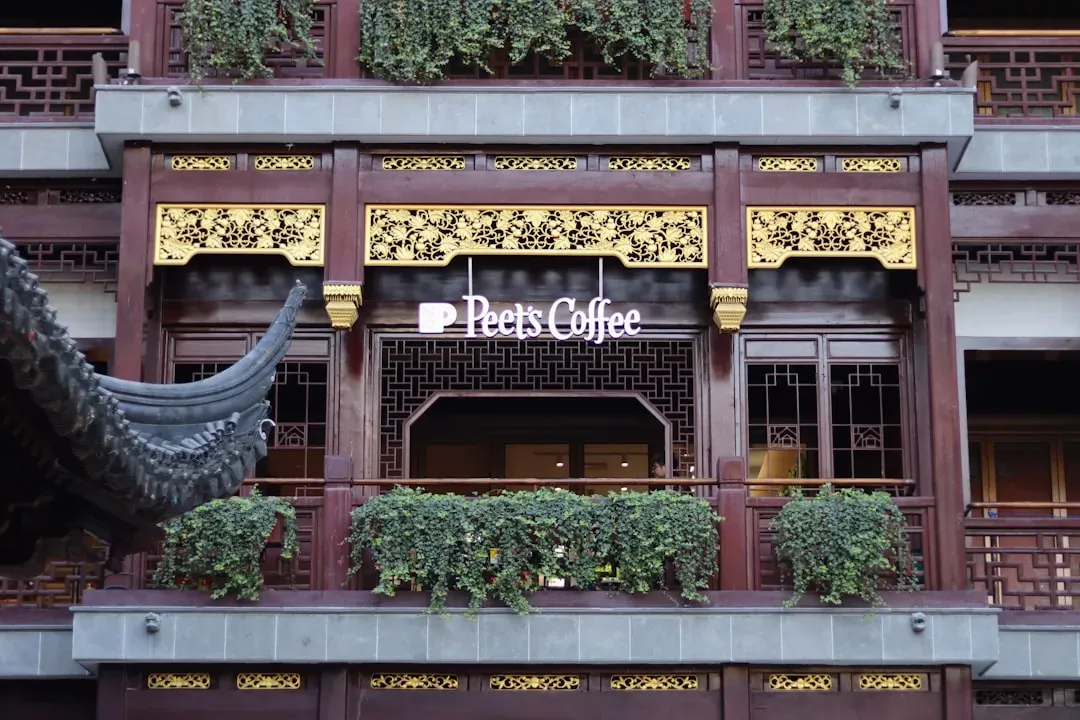
Peet's Coffee holds a special place in American coffee history. It was famously the original inspiration for what became Starbucks. That legacy deserves respect. However, over the past couple of years, a growing segment of enthusiasts has started raising questions about whether Peet's still delivers on its premium positioning.
Parent company JDE Peet's reported solid 2024 results, with organic sales growth driven largely by price increases of four and a half percent to counter significant green coffee inflation, while the Peet's Coffee segment specifically saw nine percent year-over-year sales growth. In plain terms: prices went up, and customers are noticing.
The International Coffee Organization's Composite Indicator Price surged dramatically, averaging 354.32 US cents per pound in February 2025, the highest monthly average on record at that time, while Arabica bean prices more than doubled over the past year. Peet's, which markets itself on superior Arabica beans and roasting, is caught in a pricing squeeze that gets passed directly to consumers.
On Trustpilot, Peet's Coffee holds a score of 2.4 out of 5, which is a difficult number to ignore for a brand that charges specialty-shop prices. When your pricing signals premium and your customer satisfaction signals mediocre, that's a credibility gap that erodes loyalty fast. It's a bit like paying for a first-class ticket and finding yourself in economy.
The Bigger Picture: Why Customers Are Walking Away
The dissatisfaction rippling through these six chains isn't random. It reflects something much deeper happening in the way consumers relate to coffee brands. Starbucks and Dunkin', which together commanded nearly 86 percent of the market in 2019, saw their combined dominance slip to roughly 78 percent by 2024 - and in an industry worth tens of billions of dollars, this represents massive revenue shifts and signals a fundamental change in consumer behavior.
According to the Edelman Trust Barometer, nearly nine in ten consumers said trust is critical when deciding which brands to buy or use, with customer service a close second. That statistic lands differently when you consider how many of these chains are scoring poorly on exactly those two dimensions right now.
Rising prices, implemented to offset inflation and labor costs, have strained perceptions of value - especially among younger consumers whose discretionary spending is more constrained. This is the crux of it. Coffee has become an emotional and financial calculation for millions of people, and chains that fail to honor that relationship are losing the argument.
Here's the thing: none of these chains are beyond redemption. Starbucks is actively working on its "Back to Starbucks" turnaround. The new strategy aims to improve in-store customer experience by making stores more welcoming and offering speedier service, including redesigned stores with updated aesthetics, more comfortable seating, and the return of ceramic mugs and condiment bars. Whether it works remains to be seen.
What do you think - is your go-to coffee chain making the grade, or has it let you down lately? Tell us in the comments.




Leave a Reply