
Something has been quietly shifting at the American dinner table. Fast food, once the unchallenged king of convenience, is losing its grip on a growing number of consumers who are swapping drive-throughs for cutting boards. The reasons aren't simple or singular - they're economic, cultural, digital, and deeply personal. I put the question to ChatGPT, dug into the latest real-world data, and what came back was a remarkably coherent picture of a country rethinking its relationship with food, one home-cooked meal at a time.
1. Fast Food Has Simply Gotten Too Expensive
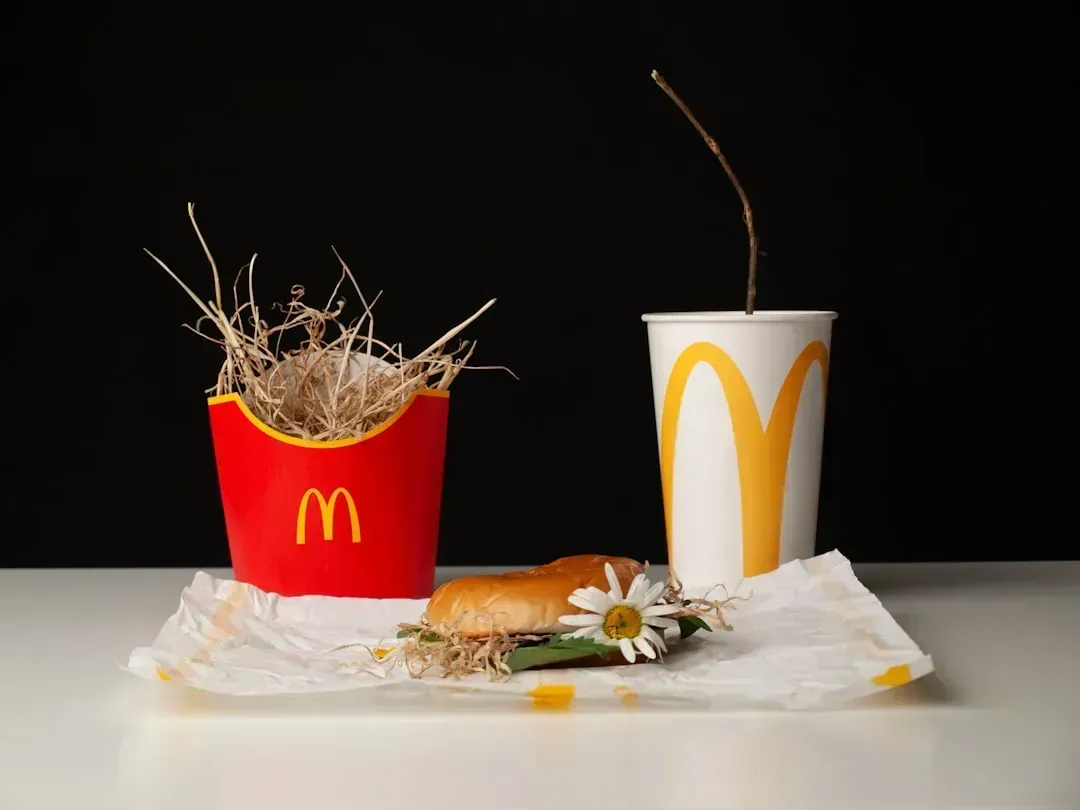
A study by Finance Buzz analyzing menu price data across twelve top fast-food chains between 2014 and 2024 found that most restaurants raised prices by roughly 60% on average during that period, with five chains - McDonald's, Popeyes, Taco Bell, Chipotle, and Jimmy John's - doing so at more than double the actual inflation rate. That's not a small jump. That's a fundamental reframing of what "cheap food" even means. People who once turned to fast food specifically because it was affordable are now finding that the math no longer works in their favor.
According to a 2024 survey conducted by LendingTree, 78% of consumers now consider fast food a "luxury" purchase due to its increasing cost. That stat alone is staggering when you stop and think about it. Meanwhile, according to a recent study by Toast, 79% of shoppers said that going grocery shopping and cooking at home is where they get the most value for their time and spend. Grocery prices, while not frozen, have been rising far more slowly. According to the US Consumer Price Index, "food away from home" rose about 6 percent from January 2024 to September 2025, driven by rising labor, rent, and ingredient costs, while "food at home" rose only around 3 percent over the same period. That gap is exactly what's pushing people back into their own kitchens.
2. Health Awareness Is No Longer a Niche Concern
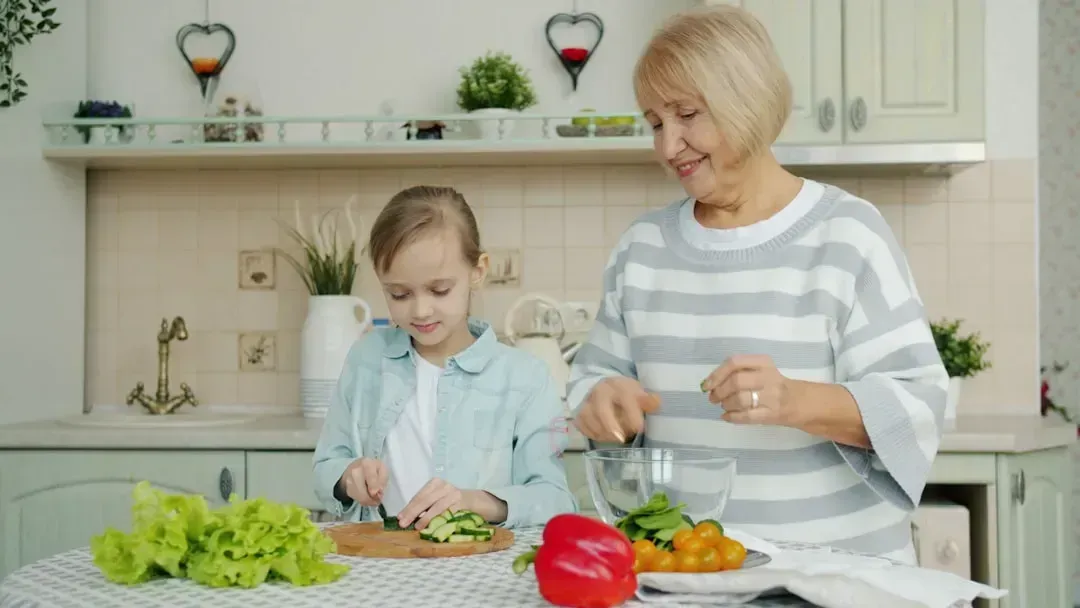
Research suggests that individuals who frequently consume home-cooked meals are less likely to be overweight, exhibit higher energy intake patterns, and have a lower risk of developing chronic diseases. This isn't fringe wellness talk - it's a scientific consensus that has steadily moved into the mainstream. An average American consumes three meals weekly from fast-food or full-service restaurants, which contain more calories, fat, sodium, and cholesterol than meals prepared at home. People are starting to notice what that accumulates to over years and decades.
People who frequently cook meals at home eat healthier and consume fewer calories than those who cook less, according to Johns Hopkins Bloomberg School of Public Health research, with home cooks consuming fewer carbohydrates, less sugar, and less fat. What's especially compelling is that eating healthier at home doesn't mean spending more. Home-cooked meals were associated with diets lower in calories, sugar, and fat, but not with higher monthly expenses for food. The health upgrade, in other words, comes essentially for free - and that's a message that's finally cutting through.
3. Social Media Turned Cooking into a Cultural Event
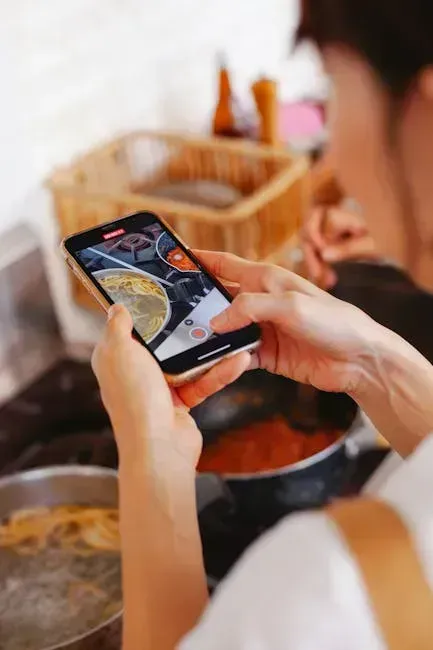
Social media has revolutionized how we discover and share food, with TikTok leading the charge. What started as a platform for quick cooking videos has evolved into a vibrant community where creative home cooks share everything from simple recipes to elaborate food presentations. The numbers behind this shift are hard to ignore. Food-related content on TikTok is often categorized under the hashtags #TikTokFood and #FoodTok, which have amassed 4.6 million and 4.5 million posts, respectively. That's an enormous volume of cooking inspiration landing on people's screens every single day.
The platform democratizes food content, allowing home cooks to inspire trends as effectively as celebrity chefs, leading to rapid virality for recipes and food concepts. The effect on actual behavior is measurable. 36% of Americans say social media has changed how they approach cooking at home. Cooking used to feel intimidating to many people - something that required formal training or a lot of free time. Now a 60-second TikTok video can teach someone to make a restaurant-quality dish on a Tuesday night, and that accessibility is genuinely reshaping habits at scale.
4. The At-Home Dining Shift Has Become a Statistical Reality
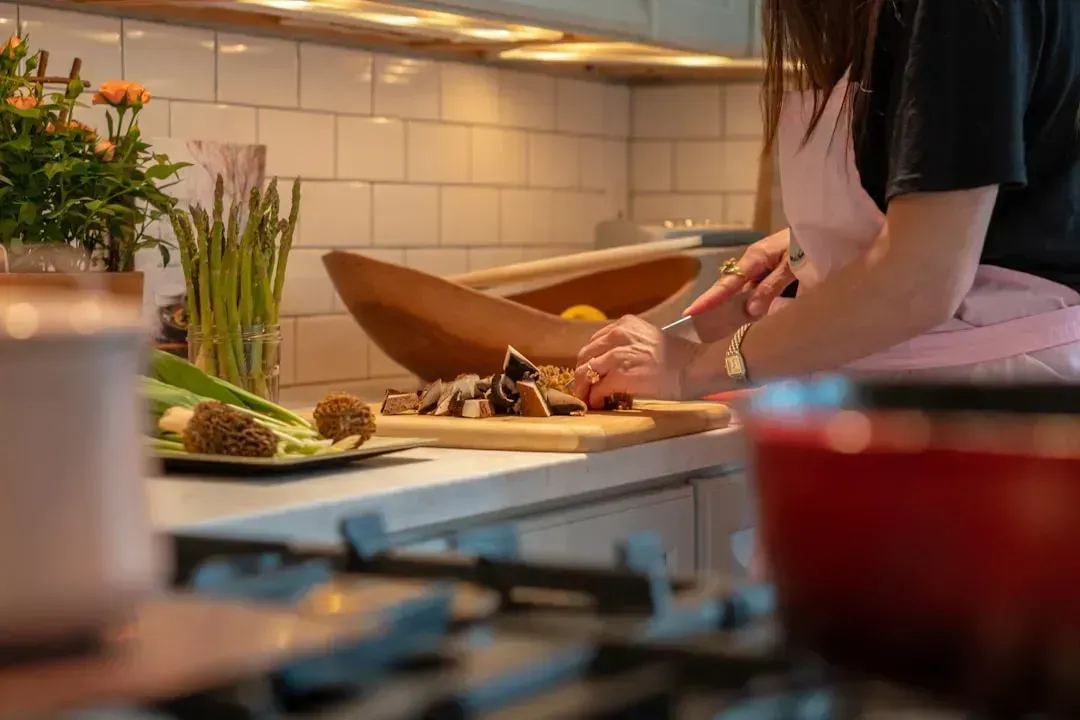
Circana's 39th annual "Eating Patterns in America" report highlighted the growing year-over-year trend toward at-home dining, with 86% of eating occasions now sourced from home. That is a dominant share of the daily food landscape, and it reflects a habit that has clearly solidified since the pandemic years. In fact, 93% of Americans expect to cook as much as last year or more in the next 12 months. The intent is there - and the follow-through, based on consumption data, appears to be matching it.
Gen X and baby boomers showed the sharpest pullback in dining and food delivery spending, with low- and middle-income households in these groups cutting back most across quick-service, sit-down, and delivery categories, signaling that these consumers are most acutely affected by today's economic pressures. Yet it's not only about money stress. In the wake of the 2020 pandemic, many people rediscovered home cooking as a mindful ritual that fosters connection, creativity, and well-being, and five years later, mealtime continues to evolve as Americans adapt to shifting lifestyles, wellness trends, new technologies, social media influence, and ongoing economic pressures. The cultural shift feels durable rather than temporary.
5. Cooking Has Become an Act of Control and Self-Care
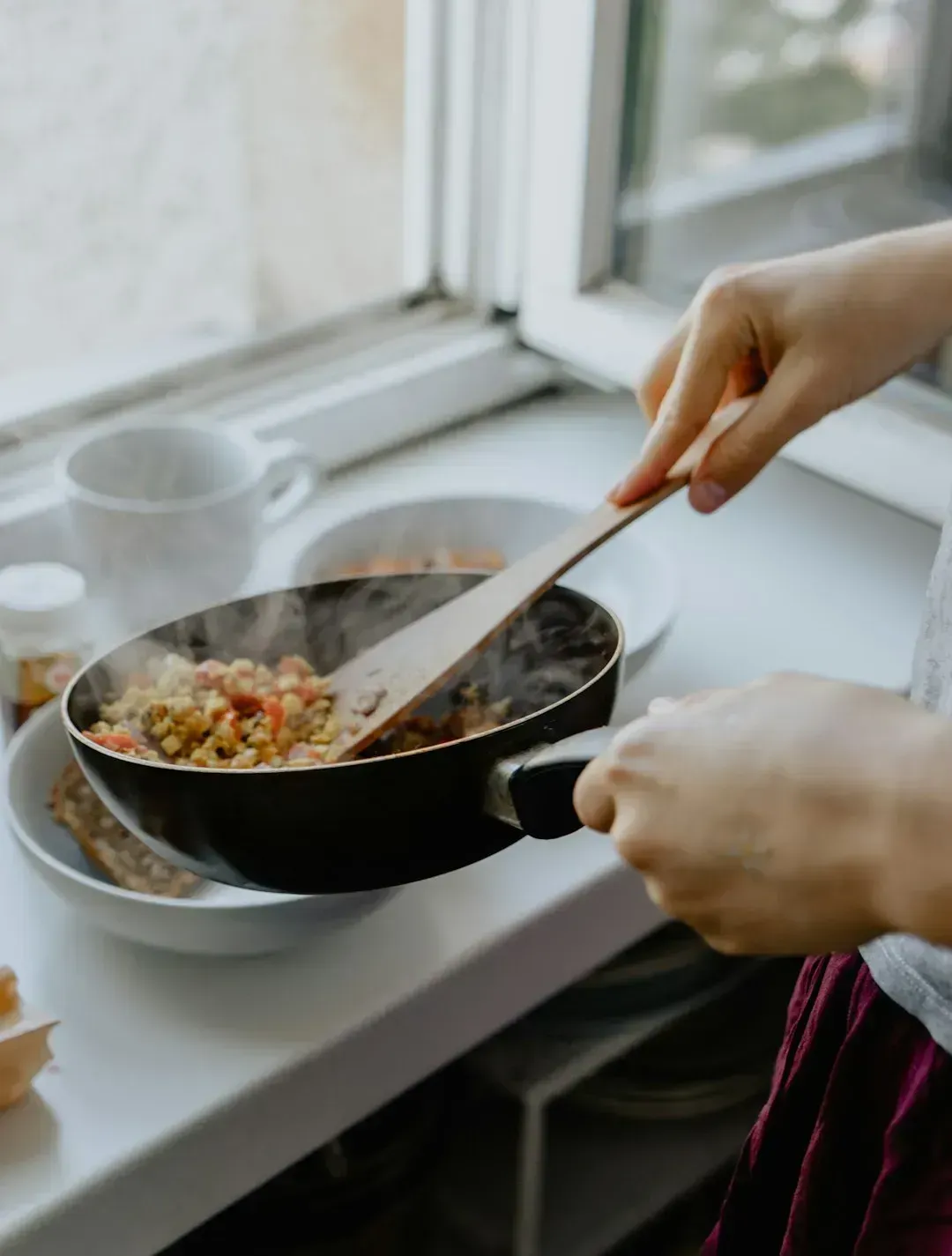
People are discovering that mealtime is about more than just getting food on the table - it's about setting aside time for the highest form of self-care. That framing might sound philosophical, but the data backs it up behaviorally. When you cook your own food, you decide exactly what goes into it - the sodium level, the portion size, the quality of the ingredients. By preparing your own dishes, you can control the ingredients, substituting sugar-free sweeteners or low-sodium options and including more vegetables and whole grains. In a world where so much feels out of individual control, the kitchen has become one place where agency is fully retained.
Home food preparation can be an affordable method for improving diet quality and reducing intake of ultra-processed foods, two important drivers of diet-related chronic diseases. There's also a relational dimension that's easy to underestimate. According to a 2024 study, over 60% of families ate dinner together more frequently during the 2020 pandemic compared to pre-pandemic times. Many of those families simply didn't stop once restrictions lifted. The dinner table became meaningful again, and home cooking was the vehicle that made that gathering possible. Cooking is more than a daily task - it's a spark for connection, and in 2025-2026, Americans are gathering in the kitchen to chop, dice, laugh, share stories, and savor the food that brings people together.
What the Fast Food Industry Is Doing About It
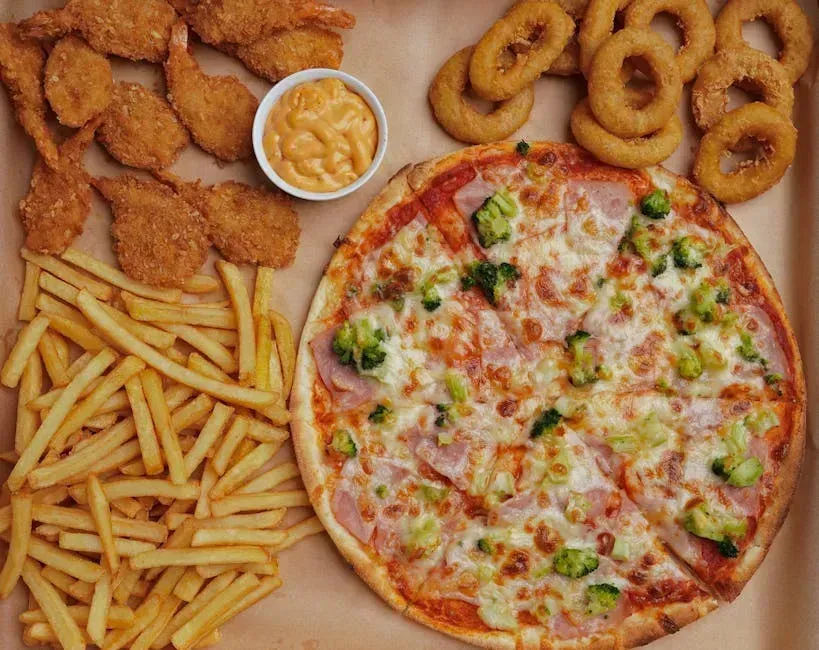
The fast food industry has noticed consumer pushback against rising prices and has responded with new value offerings. McDonald's announced its new McValue platform, which launched on January 7, 2025, extending its popular $5 Meal Deal through summer 2025. Other chains followed quickly. Taco Bell announced new value boxes starting January 16, 2025, costing $5, $7, and $9, while Wendy's introduced a "2 for $7 deal" allowing customers to pick two popular food items. The industry is clearly feeling the pressure and trying to win budget-conscious consumers back.
The results of these efforts have been mixed at best. In a quarterly survey of McDonald's franchisees, analyst Mark Kalinowski of Kalinowski Equity Research found that the $5 meal deal helped sales by just 1.3% on average. That's a modest number for such a heavily promoted campaign. Diners are still showing up to restaurants, but when they do, they're trading down - whether at a full-service or limited-service restaurant. The consumer mindset has shifted in a way that discounted menu items alone may not be enough to reverse. The homemade food revolution appears to be here to stay, with people increasingly looking to control their diets and experiment with flavors in their own kitchens, and the "DIY" food movement poised for continued growth.



Leave a Reply