
I'll be honest: I never thought I was that dependent on takeout. A Friday night burger here. A Tuesday evening pad thai delivery there. Totally normal, right? Then one January morning, I decided to try something that felt both simple and slightly terrifying - a full month with zero takeout, zero delivery apps, zero restaurant runs.
Thirty days later, I had a very different picture of myself. Some of what I discovered was genuinely surprising. Some of it was uncomfortable. A lot of it was revealing in ways I never anticipated. So let's get into it.
1. I Was Spending Way More Than I Realized
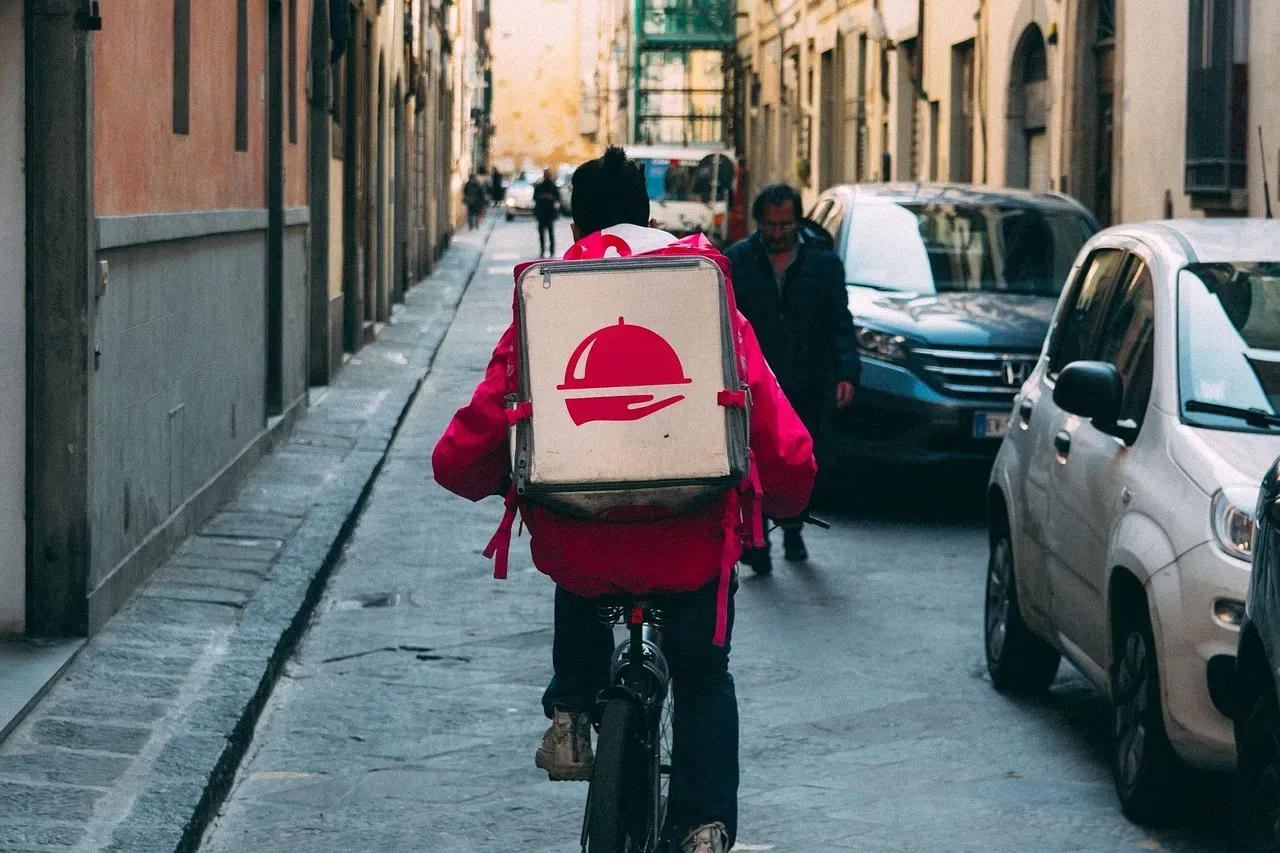
The first week, I did the math. Properly. And I nearly choked on my morning coffee. On average, people spend around $118 a month on food delivery alone, making it the third highest non-essential monthly expenditure after travel and fine dining, according to Empower data. For me, that number felt embarrassingly familiar.
Consumers spend about $88.50 per month on food ordered for takeout or delivery on top of what they spend dining out, according to the US Foods 2024 survey - a substantial chunk of food budgets devoted to off-premise meals. When you add dining out on top, the total is staggering. Honestly, I had been treating delivery as a cheap convenience when it was anything but.
Eating out costs an average of $20.37 per meal, while a home-cooked meal averages just $4.31. That gap is enormous. Do that calculation five days a week and you're looking at an eye-watering monthly difference. Cutting out takeout for just one month shifted my grocery and food budget in a way I felt immediately.
2. My Grocery Habits Were a Complete Mess
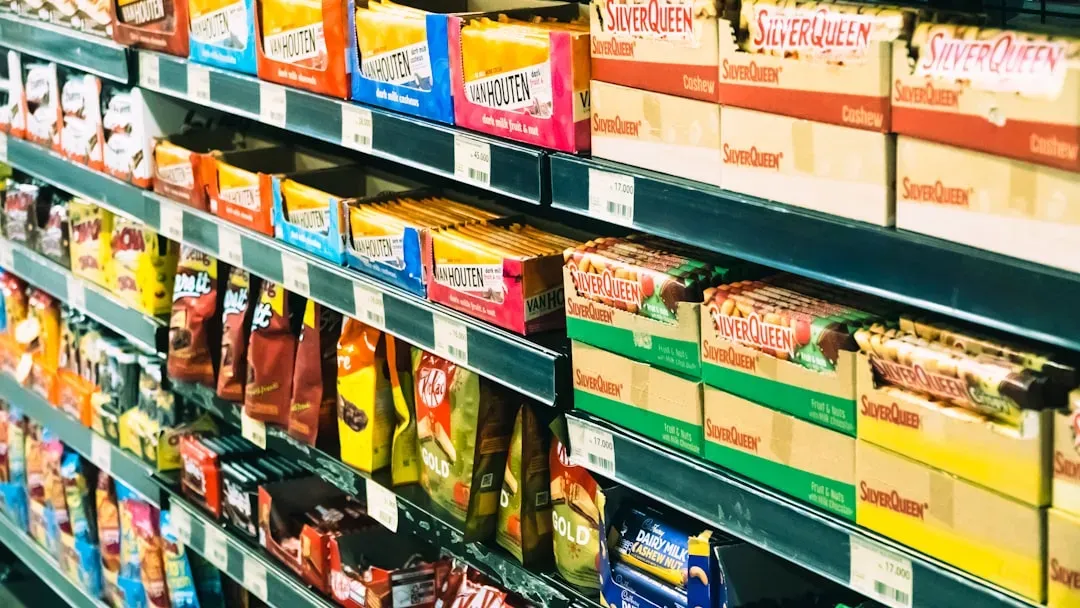
Here's the thing: when you can't fall back on delivery, you actually have to plan. And I was not a planner. I discovered very fast that I had been using takeout as a safety net for my own disorganized grocery shopping. A significant 38% of Americans don't have groceries on hand when they need them, and I was absolutely one of those people.
Meal planning forced me to actually think about what I was going to eat before I was already starving. I know it sounds obvious. Embarrassingly obvious. About 22% of people who meal prep say the top benefit is buying only what they need, which helps cut back on food waste and unnecessary spending. Planning meals ahead makes it easier to stick to a budget and avoid impulse takeout.
Within two weeks, my fridge was no longer a graveyard of half-used vegetables and forgotten condiments. I was actually using what I bought. That alone felt like a minor revolution in how I relate to food on a daily basis.
3. I Had No Idea How Reliant I Was on Takeout as "Emotional Comfort"
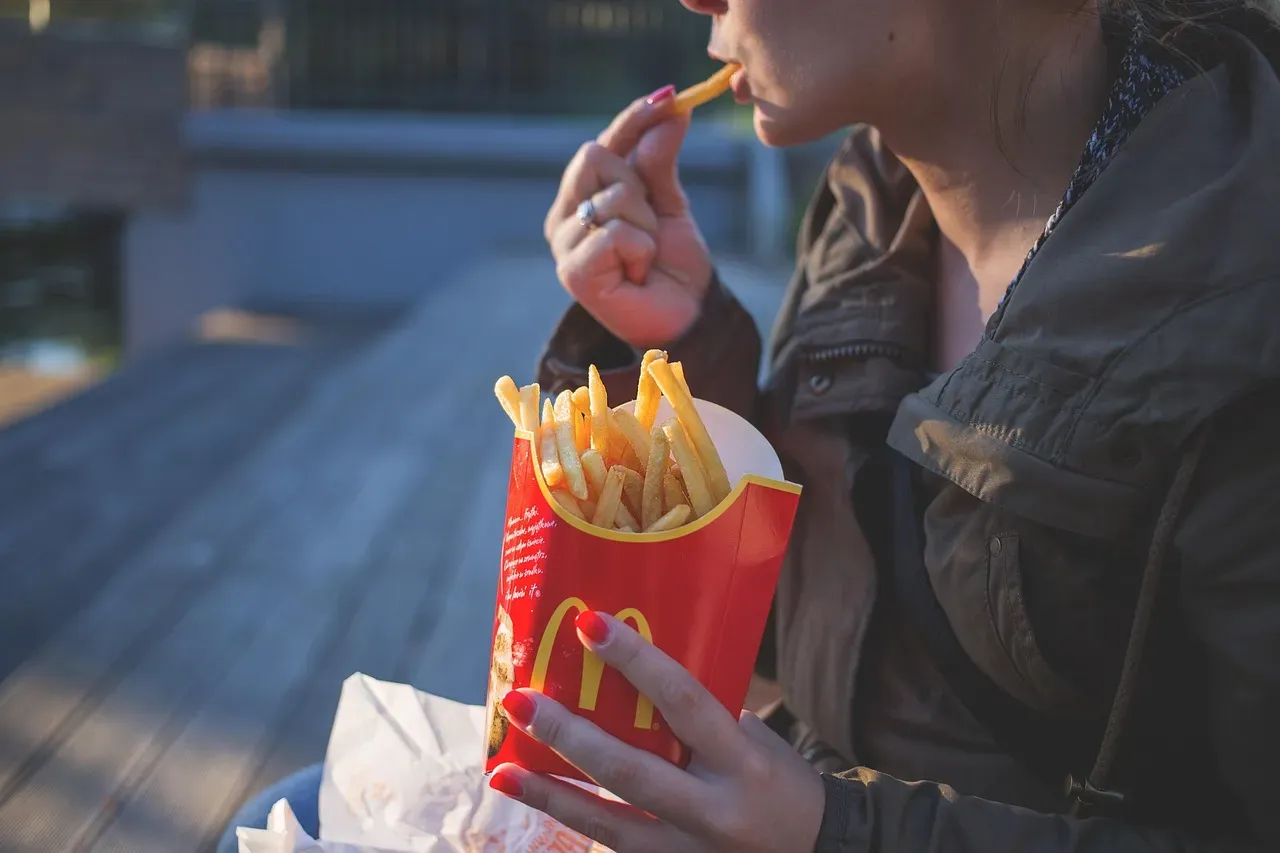
This one stings a little to admit. There were moments during the challenge when I didn't want takeout because I was hungry. I wanted it because I had a rough day, or because I was bored, or because the idea of deciding what to cook felt overwhelming. Dining out is an additional expense and can be a nice treat, but for many it is also a source of guilt - nearly half of adults (49%) felt guilty getting food from a restaurant instead of cooking at home.
That guilt-convenience loop is real. A full 72% of Americans say they go out to eat at restaurants to avoid cooking at home. Avoiding the kitchen is a habit, not a hunger signal. Recognizing that pattern in myself was genuinely useful.
Once I started cooking through the stress instead of ordering around it, I noticed something unexpected: a 2025 U.S. pilot study tested a virtual, plant-based culinary program among adults at risk for cardiovascular disease, and after six weeks, participants reported a 19% reduction in perceived stress and a 13% decrease in negative affect. Cooking was actively changing my mood. That was not what I signed up for, but I'll take it.
4. My Diet Quality Got Noticeably Better
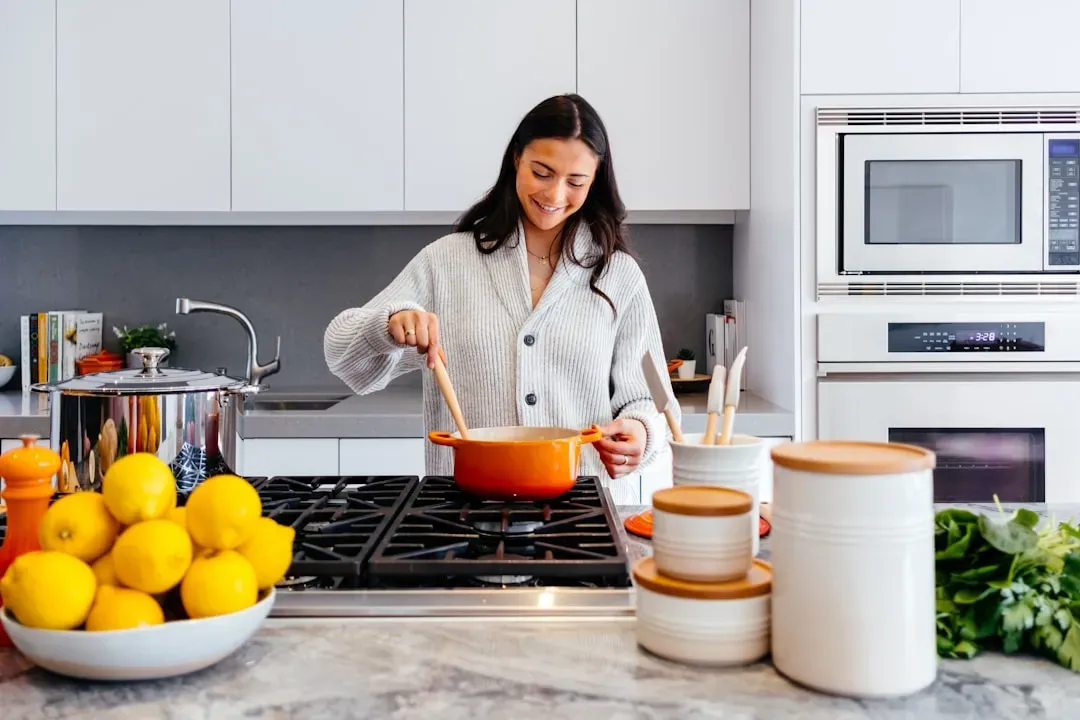
Within about ten days, I started feeling different. Lighter. Less bloated. More energetic by mid-afternoon, which is usually my slump window. It wasn't magic. It was just control over what I was actually putting in my body. Cooking at home is associated with better diet quality, and I was starting to feel that in a very tangible way.
People who frequently cook meals at home eat healthier and consume fewer calories than those who cook less, according to Johns Hopkins Bloomberg School of Public Health research. The difference isn't small either. Researchers found that adults who cooked dinner once or less a week consumed an average of 2,301 total calories per day, while the group cooking six to seven times a week consumed 2,164 calories, with meaningfully less fat and sugar daily.
Home food preparation can be an affordable method for improving diet quality and reducing intake of ultraprocessed foods, two important drivers of diet-related chronic diseases. Honestly, I had been eating ultraprocessed food from delivery apps far more often than I realized. Cooking at home made that impossible to ignore.
5. I Discovered Time Wasn't Really the Problem
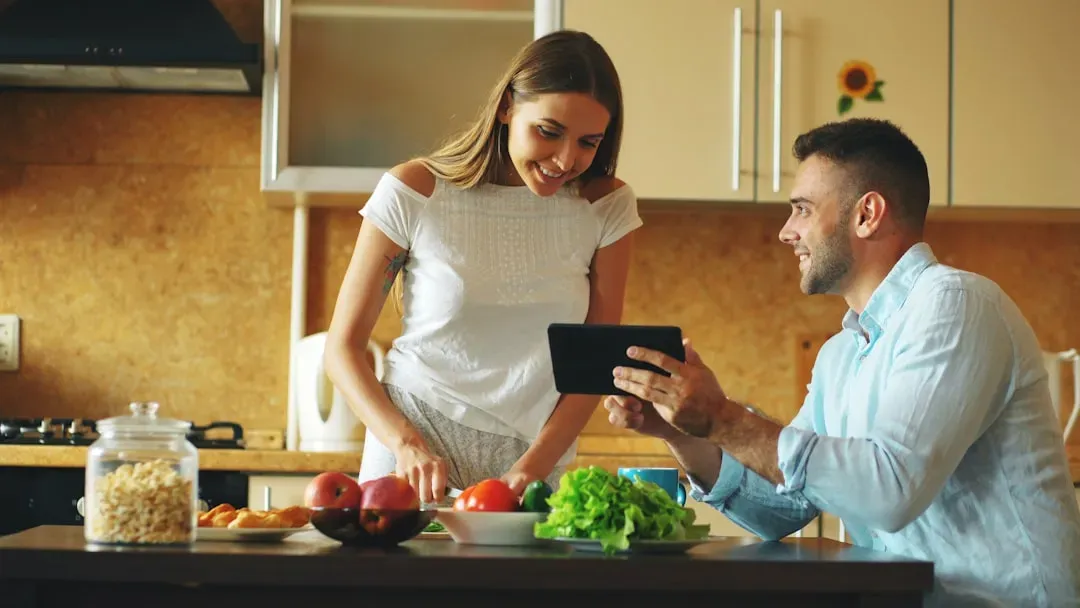
Lack of time and after-work fatigue are the biggest reasons people say they don't cook more, outweighing any lack of knowledge or inspiration. I believed this about myself completely. Then I started tracking. My average delivery wait time, plus scrolling the app and deciding, was often 35 to 50 minutes. Meanwhile, many of my home meals took 25 to 30 minutes from start to plate.
The perception of takeout as a time-saver is partly a myth. Part of ordering takeout means waiting for the food to arrive or driving to get it, and depending on where you live, what time you order, and whether the delivery person is good with directions, this could actually take more time than simply making a meal at home.
I think the exhaustion after work is real. I'm not dismissing it. Those ages 18 to 29 were most likely to say cooking is "too time-consuming," with being too tired after work coming in a close second. Still, the data and my own experiment suggest that the time argument is less airtight than we tell ourselves. It's often easier to just start cooking than to wait for the delivery driver.
6. Cooking Became Genuinely Stress-Relieving
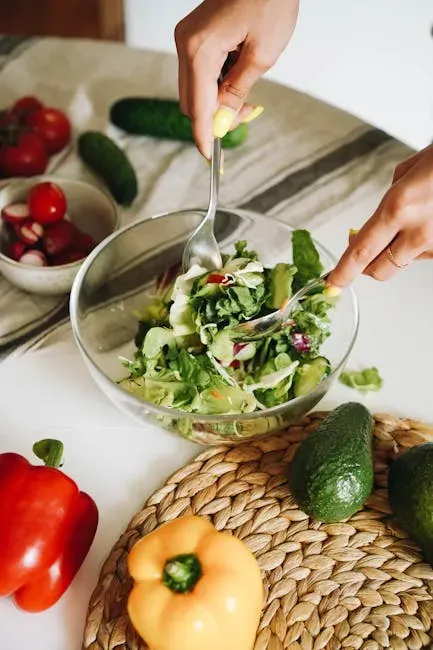
I did not expect this one. At all. By week two, I was actually looking forward to cooking after work, not dreading it. A full 71% of people find cooking to be more stress-relieving than stressful, and I finally understood why that survey result exists.
Cooking can induce a "flow state," a psychological concept associated with happiness and fulfillment. When in flow, time seems to pass differently, providing a break from daily worries. I noticed this especially when I was chopping vegetables or following a new recipe. My brain had to actually concentrate, which shut out the noise of the day.
Cooking requires focus and attention, helping to shift attention away from worries, and the repetitive motions like chopping or stirring can be meditative. Think of it like a light form of meditation that ends with you eating something delicious. That is a genuinely hard combination to beat after a long day.
7. I Realized I Had Almost No Kitchen Confidence
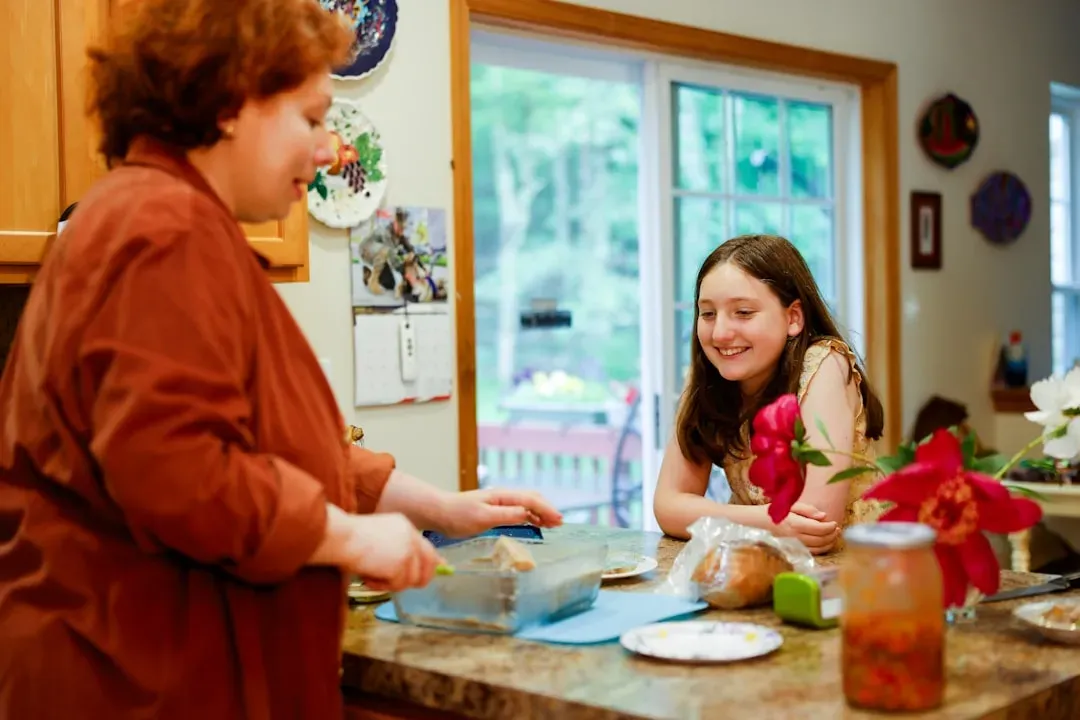
The challenge exposed a gap I hadn't wanted to look at directly: I didn't really know how to cook. Not properly, anyway. I could scramble eggs and boil pasta. Beyond that, things got murky fast. And I am apparently not alone in this. Well over one-third of all respondents in a 2024 nationwide survey were not comfortable cooking raw meat or fish, and 23% often resort to takeout or dining out due to a lack of confidence in the kitchen.
A striking quarter of adults skip preparing specific foods because they are not confident using a knife. A quarter! That is an enormous number of people quietly intimidated by their own kitchens. I was in that group more than I admitted to myself.
By the end of the month, I had cooked things I previously would have only ordered. Stir-fry. A decent risotto. A roast chicken that I was, frankly, way too proud of. Over 62% of Americans say they are "very" or "extremely" confident in the kitchen, with only 14% struggling or unsure about their cooking skills, according to a 2025 Instacart survey. I moved myself firmly into that first group by the end of thirty days, and it felt genuinely good.
8. My Social Life Around Food Completely Shifted
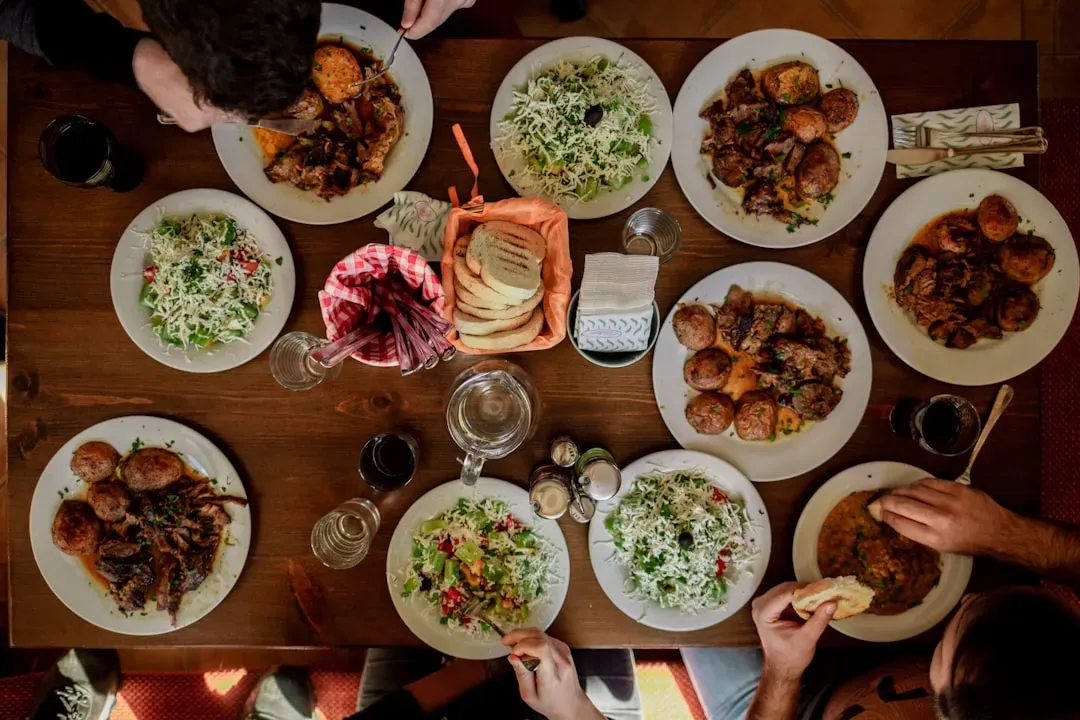
Something unexpected happened around week three. I started inviting people over for dinner instead of suggesting we order in or go out. The act of cooking became a social thing, not just a solo chore. About 52% of Americans view dinner as a time to connect with friends or family, and 83% believe that eating with others is better for their mental health.
Home cooking also offers social and emotional benefits. Preparing and sharing meals with someone you care about can strengthen relationships and promote a sense of community. Studies have found that families who eat together at home tend to have better dietary habits and a stronger family unit.
I also noticed that meals cooked at home lasted longer at the table. When delivery arrives in boxes, everyone eats quickly and disperses. When you've made something together, you linger. Conversations go deeper. Even if cooking isn't your thing, there are still powerful benefits to eating meals at home, especially when they're shared, because eating together is one of the most fundamental ways we connect as humans. That's not sentiment. That's research.
9. The Takeout Industry Is Engineered to Pull You Back In
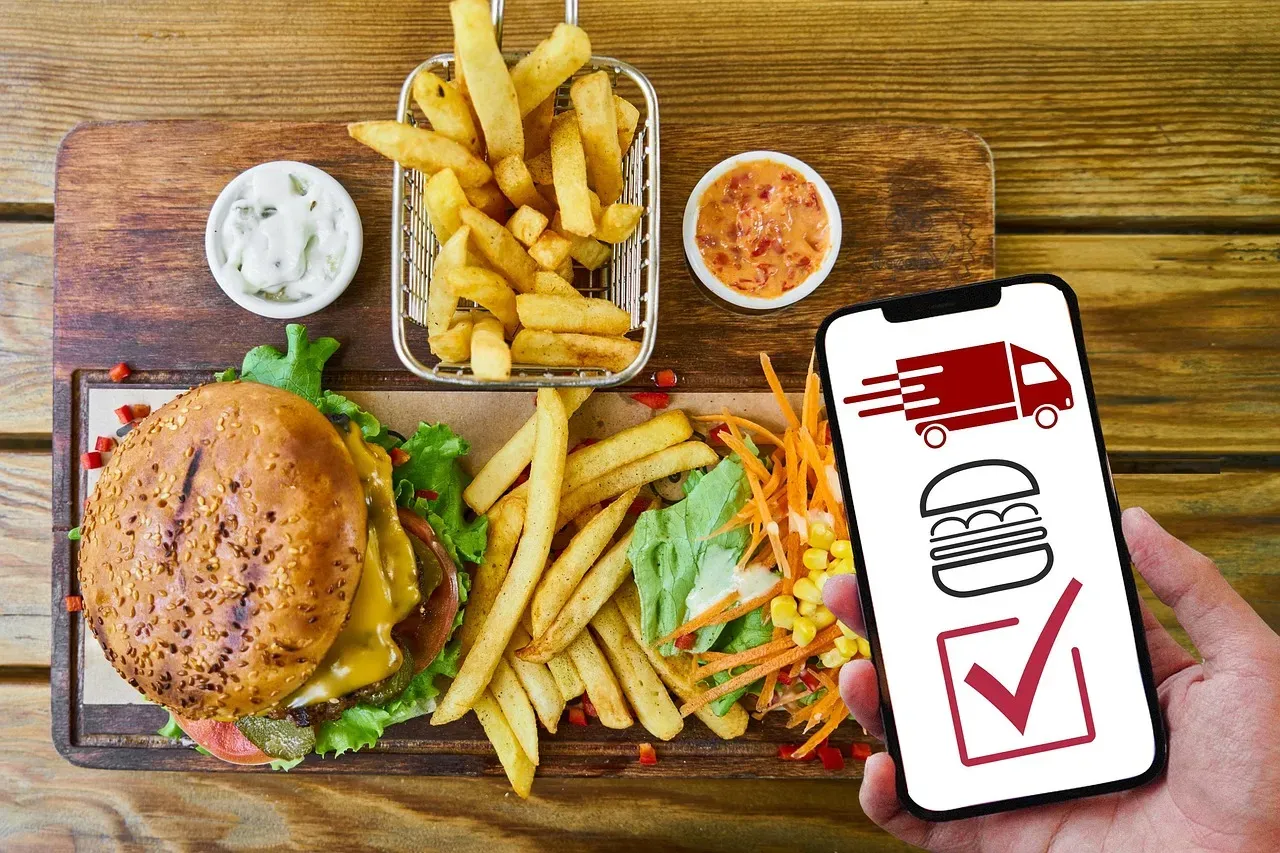
One thing the challenge made crystal clear: the system is not designed for you to cook at home. The National Restaurant Association's 2025 report found that 51% of U.S. consumers, including about two-thirds of Gen Z adults and Millennials, say ordering takeout from restaurants is an essential part of their lifestyle. That is not an accident. These companies have invested billions to make you feel that way.
Customers spend up to 20% more when ordering food via technology than through traditional phone orders. The apps are specifically designed to make spending feel effortless and invisible. Food delivery expenditures skyrocketed 924%, climbing from $9.8 billion in 1997 to $100.5 billion in 2024. That is not just changing consumer preferences. That is a cultural transformation engineered by very profitable platforms.
Going without for a month made the pull-back effect obvious when the challenge ended. The notifications, the "limited time" offers, the app suggesting your "usual" order - it is all friction-reducing design meant to bypass your better judgment. A recent survey by The Harris Poll found that 89% of consumers believe cooking meals at home is not only one of the best ways to save money on food, but also a healthier alternative to takeout or dining out. Most people already know this. The challenge is building habits that are stronger than convenience.




Leave a Reply