
Honestly, I thought I had it all figured out. Sunday afternoon, stack of containers, a playlist, and a big ambitious plan to cook my entire week's worth of meals in one sitting. For a while, it felt productive. Then week three arrived, and I was scraping sad, tired chicken from the bottom of a Tupperware container - again - wondering where it all went wrong.
Here's the thing: traditional meal prep, the kind where you cook five identical meals on a Sunday and eat them robotically until Friday, is not for everyone. Although any type of meal prep requires planning, there is no one correct method, as it can differ based on food preferences, cooking ability, schedules, and personal goals. So I went looking for smarter approaches. What I found was genuinely surprising.
Why the "Classic" Sunday Meal Prep Often Fails People
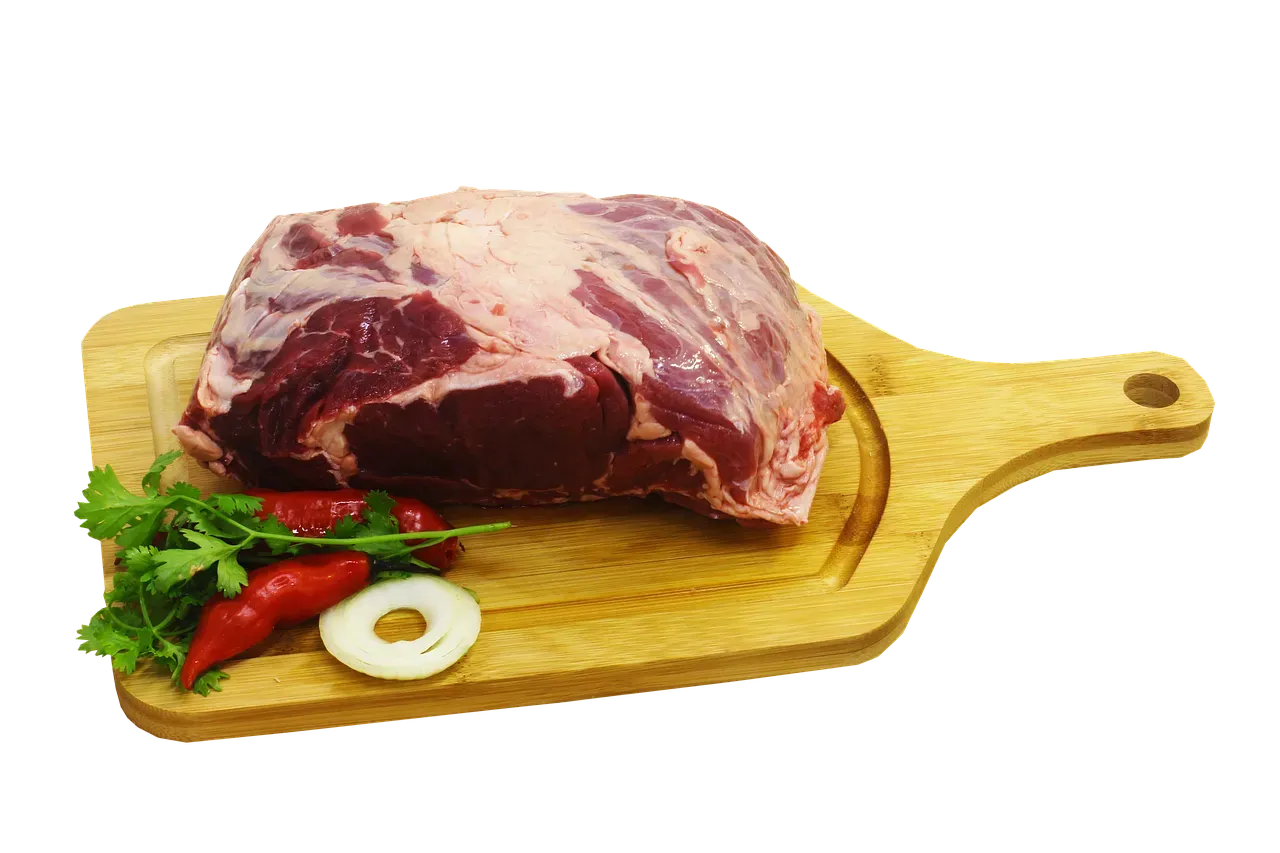
Let's be real for a second. The image of meal prepping online - beautiful containers perfectly lined up like soldiers, identical lunches color-coded by macro - is aspirational at best and outright misleading at worst. The reality is messier, and far more people give up than the wellness content creators would have you believe.
Who hasn't left work late with a growling stomach but little energy to shop and cook? A busy schedule is one of the top reasons why people choose quick takeout meals, which are often calorie-laden - and that's precisely the trap that classic meal prep is supposed to prevent. Yet when the prep system itself becomes a chore, people abandon it almost immediately.
It's also important to avoid picking only one recipe for the whole week. A lack of variety can lead to boredom and prevent your body from receiving the nutrients it needs. I know this from experience. By day three of eating the same rice bowl, willpower doesn't stand a chance.
Method 1: Ingredient Prep Instead of Full Meal Prep
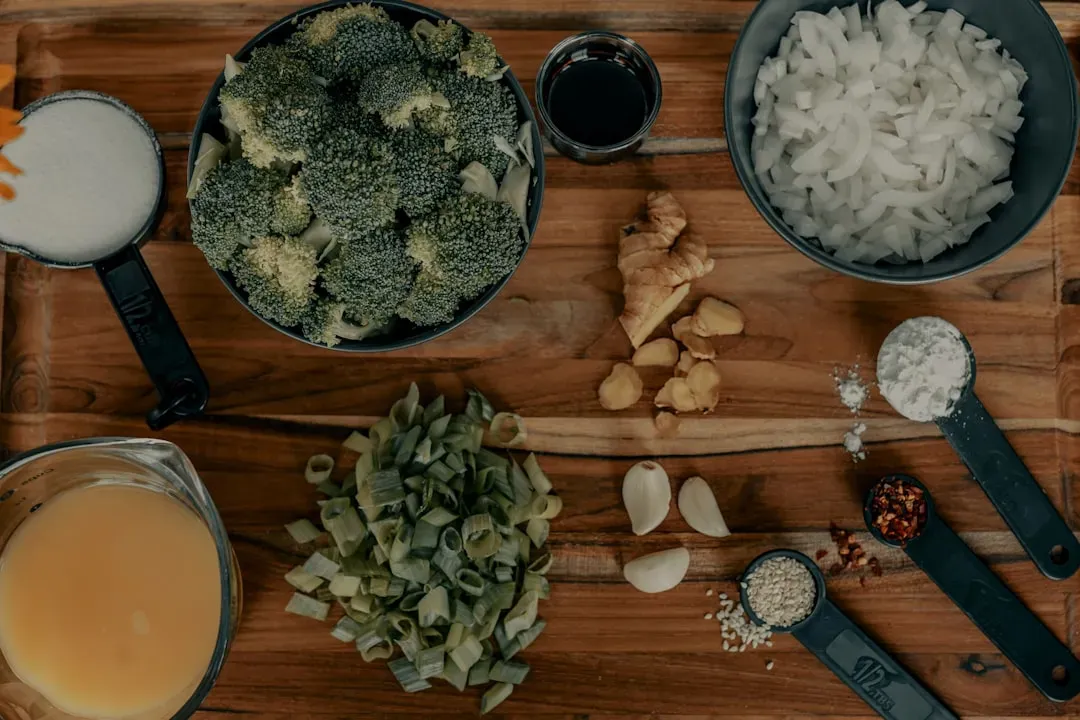
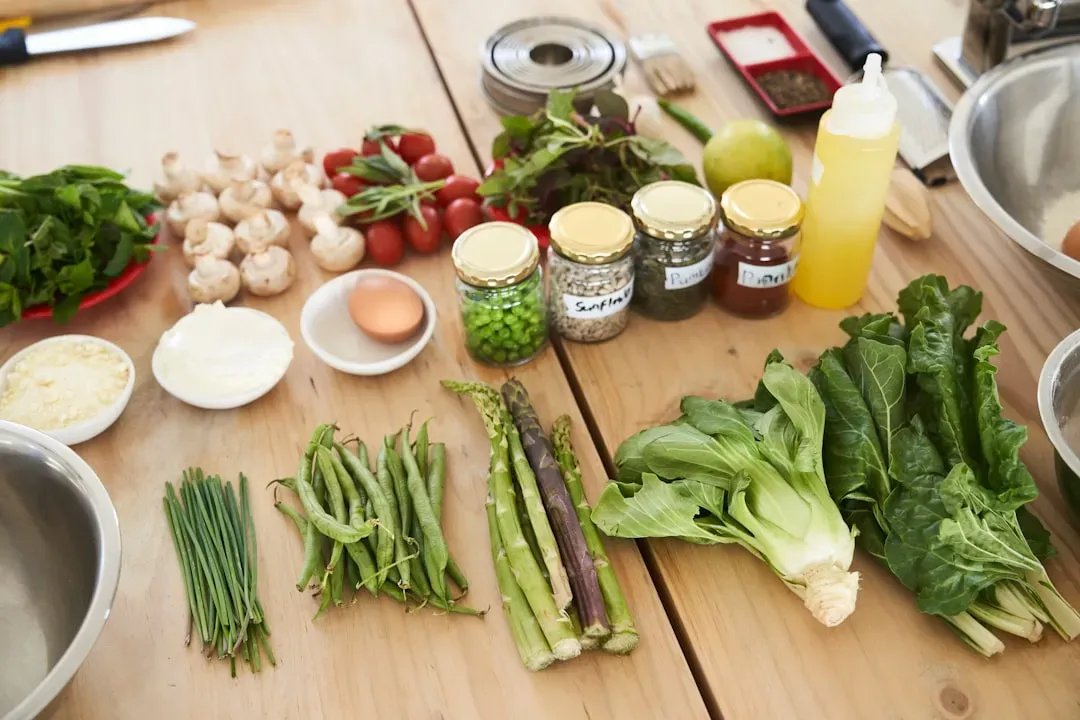
This was my single biggest breakthrough. Instead of cooking complete meals in advance, you prepare individual ingredients separately and mix and match them throughout the week. Think roasted vegetables, cooked grains, marinated proteins, and washed greens - all stored individually, ready to be assembled.
Meal prep can include washing and chopping fruits and vegetables, cooking whole grains or making sauces or dressings ahead of time. This helps everything come together quickly when it's time to actually cook the ingredients or assemble the meal. It sounds deceptively simple, but it completely changes how flexible and enjoyable weeknight cooking feels.
Ingredient prep is when you prepare ingredients to mix and match into different meals later on. You could roast lots of vegetables one day for different dishes. This method gives you more flexibility throughout the week. Think of it like having puzzle pieces ready to go, rather than a jigsaw already assembled and locked in place.
Method 2: Batch Cooking With a "Cook Once, Eat Twice" Mindset
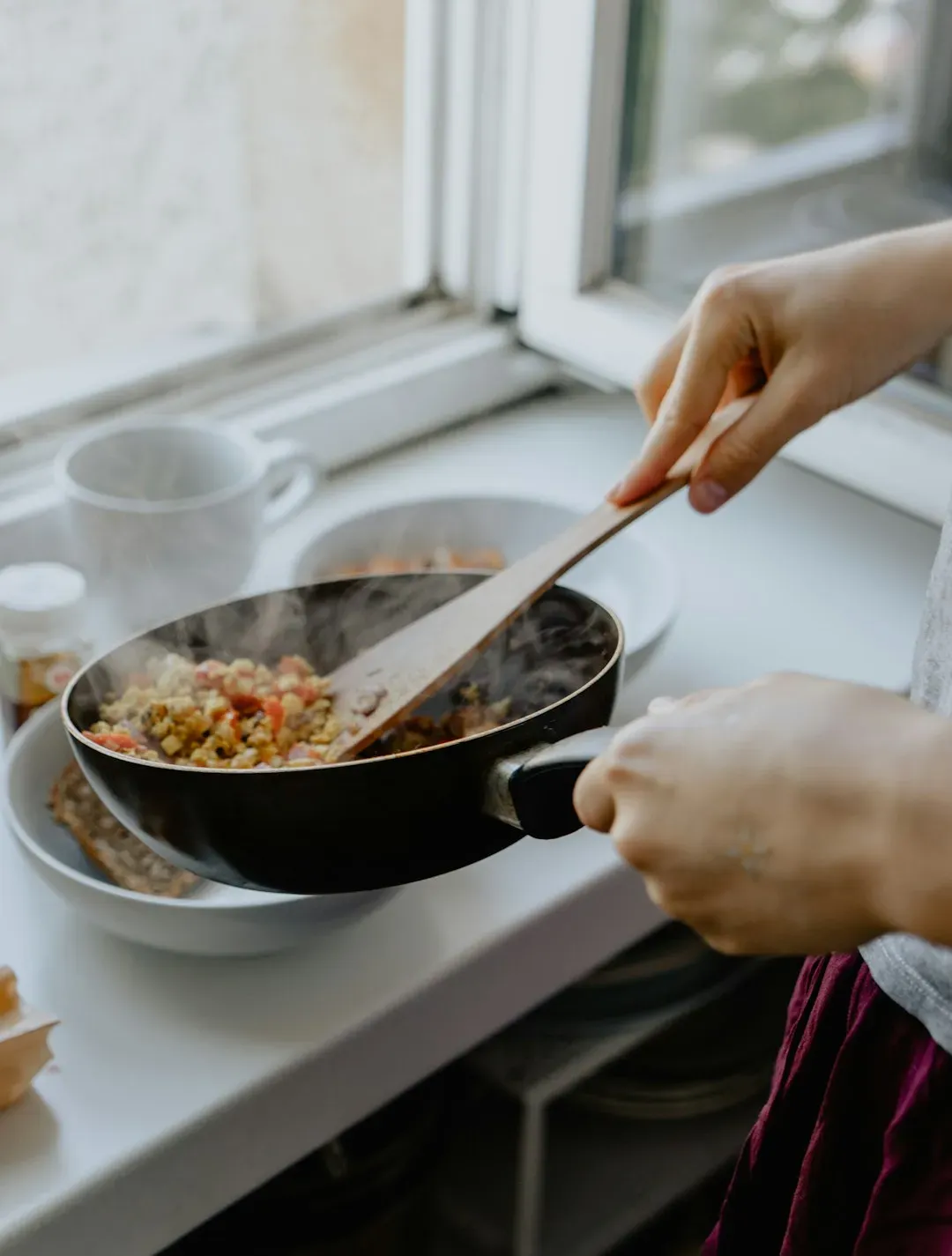
There are two types of batch cooking: bulk meal prep, which means cooking full meals and freezing leftovers, and ingredient prep, which means preparing components to mix and match later. Batch cooking with the "cook once, eat twice" mindset falls squarely into the first category, and it is far less intimidating than it sounds.
The logic is almost embarrassingly obvious once you hear it. You're already washing, chopping, prepping, and cleaning dishes just to make one dinner for two, but if you triple your ingredients you can easily make three days' worth of dinners without having to put in all the prepping work for each one. The overhead cost of cooking is fixed - you pay it once and eat it three times over.
Batch cooking is preparing multiple batches of a recipe to be portioned out and frozen for meals in the weeks to come. For example, doubling a chili recipe or steaming extra rice to freeze and use in the next three to six months. Small effort now, enormous payoff later. I think this is genuinely the most underrated cooking habit for busy people.
Method 3: The Freezer-First Strategy

The freezer is wildly underused by most home cooks. People tend to treat it like a backup plan, a place where leftovers go to be forgotten. Flipping that mindset - treating the freezer as the primary destination for prepped food - changes everything about how sustainable meal prep becomes.
Most freezer meals need to be eaten within three to six months and most refrigerated meals within three to four days. That enormous window of three to six months is the key. It means you're not locked into a rigid weekly cycle. You cook when you have the energy, and you eat when you're busy.
Make your own freezer meals. Freeze soups, stews, casseroles and veggie dishes in individual portions for easy weeknight meals. Portion-sized freezer meals are genuinely the closest thing most of us will ever have to a personal chef on standby. It's hard to say for sure, but for many people this one shift alone could transform their eating habits completely.
Method 4: The "Partial Prep" or Ready-to-Cook Approach
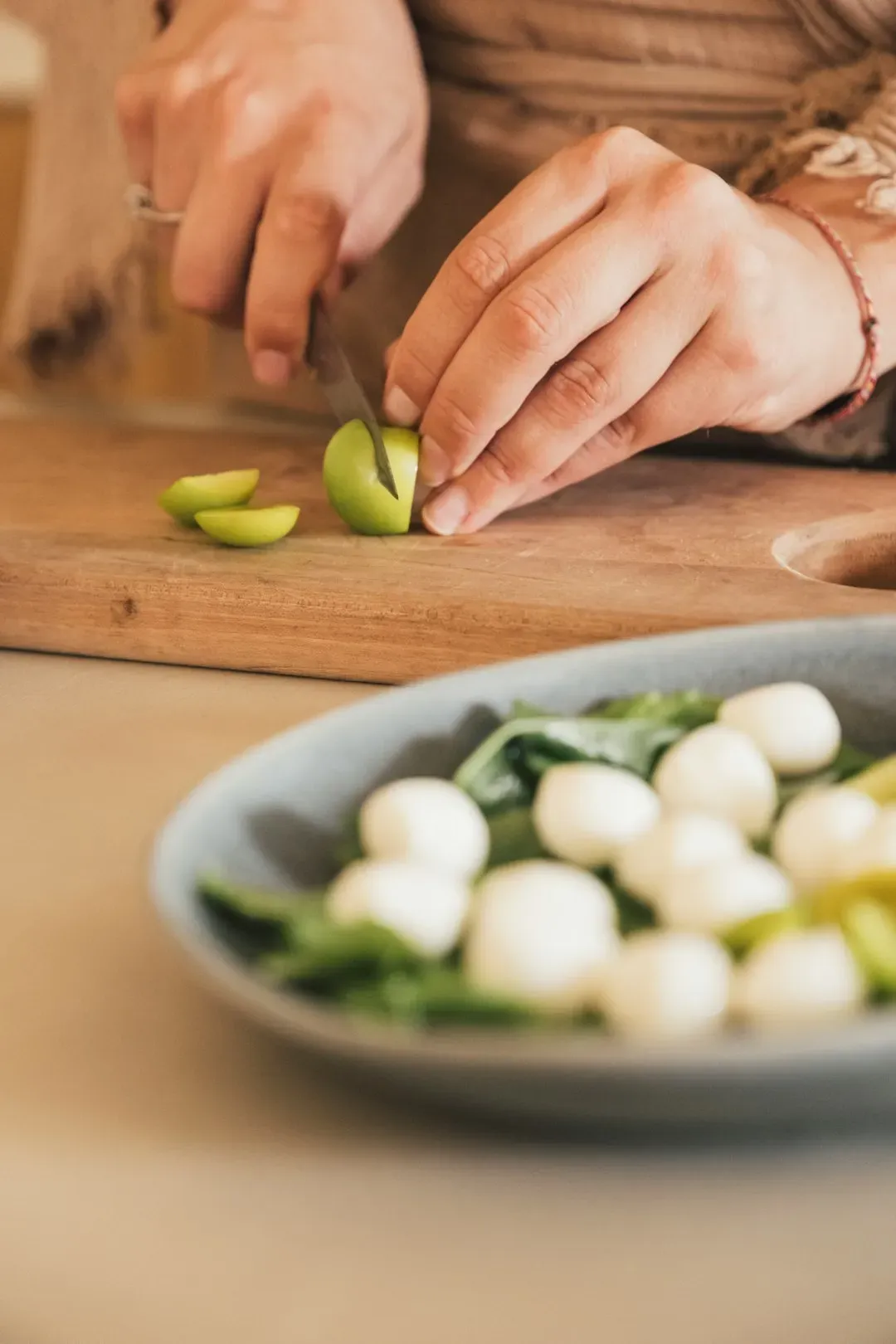
Not everyone has three hours on a Sunday. The partial prep method acknowledges this honestly. Rather than cooking full meals, you simply prepare ingredients to a stage where cooking them later during the week takes under fifteen minutes. Marinated proteins in the fridge, pre-chopped vegetables in sealed containers, sauces pre-made and ready to pour.
If you prefer not to pre-cook proteins, consider marinating poultry, fish, or even tofu on your prep day so that you can quickly pop them into the oven or stir-fry later in the week. This is a brilliant middle-ground approach. You still cook fresh each evening - which honestly produces better food - but with nearly none of the weekday friction that kills healthy eating habits.
If you prefer to cook meals right before serving, prepping ingredients, like chopping onion and peppers in advance for chili, cuts down on kitchen time considerably. When the hard part is already done, cooking stops feeling like a chore and starts feeling like a five-minute task. It's a small psychological shift, but the impact on consistency is enormous.
Method 5: The Hybrid Model - Mixing Methods by Day of Week
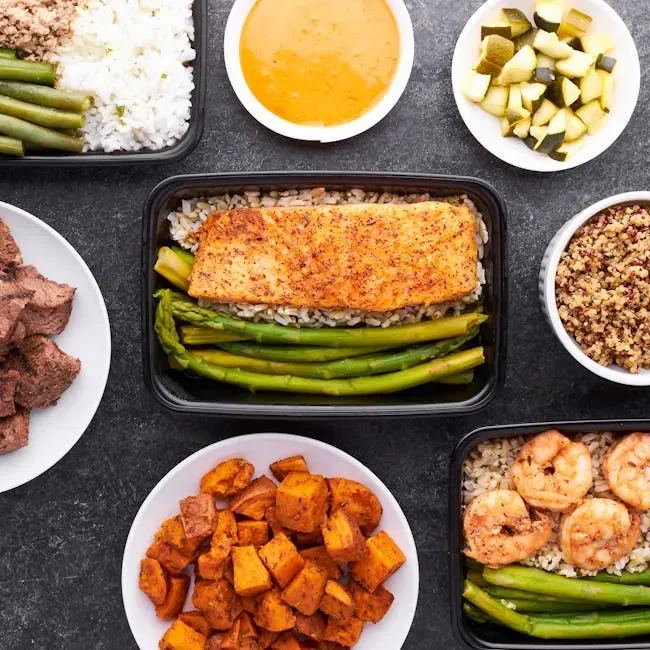
Depending on your goals, schedule and meal preferences, meal prepping may involve making large batches to be frozen, full meals to be refrigerated or prepared ingredients to be combined as needed. In other words, there is no rule saying you have to pick just one method and stick to it forever. A hybrid approach is not only acceptable, it may actually be the smartest system of all.
This balanced approach prevents overwhelm while building sustainable habits. Many successful meal preppers evolve toward this hybrid model because it offers both structure and flexibility. Think of it as scheduling your food strategy the way you schedule your week - some days need full ready-made meals, others just need a bit of help getting started.
The different meal-prepping methods can also be mixed and matched depending on your own circumstances. Start by choosing the most appealing method, then slowly experiment with the others to determine what suits you best. Give yourself permission to evolve. What works during a low-stress week may not work during a deadline-heavy one, and that is completely fine.
The Real Cost of NOT Prepping (And Why Any Method Beats None)
Here is the number that might actually make you sit up straight. By preparing meals in advance, there is a limited need for an individual to purchase food from restaurants or bars, which can have an average markup rate of around 300%. Three hundred percent. That is not a typo. Every time you grab takeout instead of eating something you prepped, you are paying a steep premium for the convenience you didn't create for yourself.
Meal planning could be a potential tool to offset time scarcity and therefore encourage home meal preparation, which has been linked with an improved diet quality. Research from a large-scale French study involving over 40,000 participants in the NutriNet-Santé cohort supports this directly, suggesting that planning meals in advance is linked to better nutritional variety and healthier weight outcomes.
The benefits of a balanced diet include a boost to overall mental health, by improving mood and reducing symptoms of depression. Good nutrition also helps to reduce stress, strengthen your immune system, build stronger bones, encourage muscle growth, and reduce your risk for many diseases. Meal prep isn't just a life-hack for saving time. At its core, it's a health investment that pays dividends most people never fully account for.
Conclusion: Ditch the System That Doesn't Work for You
Meal prepping is not a personality type. It's a toolkit. And like any good toolkit, you shouldn't be forced to use a hammer when a screwdriver is what the job actually needs. The rigid "cook everything Sunday, eat it by Friday" model works for some, but the data and the lived experience of many people suggest that more flexible approaches consistently lead to better long-term results.
The five methods covered here - ingredient prep, batch cooking, the freezer-first strategy, partial prep, and the hybrid model - each solve a different real-world problem. Meal prep can save time and money if you are preparing just enough for what is needed the following week. The keyword there is "just enough." Overdoing it leads to burnout. Under-doing it leads to takeout.
Start with whichever single method creates the least friction for your specific schedule. Experiment, adjust, and resist the urge to copy someone else's perfectly-filmed Sunday prep session. The best meal prep method is the one you'll actually keep doing. Which one of these five will you try first?


Leave a Reply