
Most of us rinse our apples under the tap for about three seconds and call it a day. It feels clean enough, right? Here's the thing though: the science of washing produce is far more nuanced than that quick splash suggests, and the stakes are higher than many people realize. From pesticide residues lurking beneath the skin to dangerous pathogens hitchhiking on leafy greens, what you do at the sink before dinner actually matters. Let's dive in.
The Real Scale of the Problem: Why Washing Matters More Than You Think
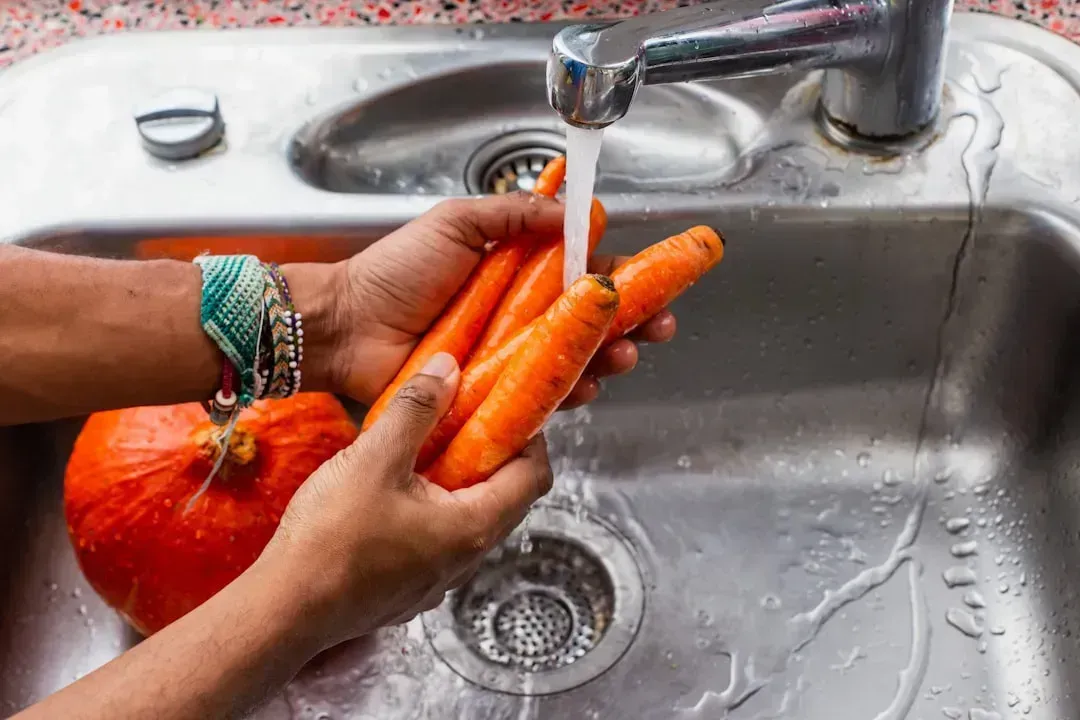
According to the FDA's annual report on 2024 foodborne illness investigations, vegetables and fruits were responsible for roughly six out of every ten illnesses linked to contaminated food. That is a jaw-dropping figure, especially when you consider that most people assume produce is already safe by the time it hits the grocery shelf.
The Food for Thought 2025 report revealed that a total of 1,392 Americans in 2024 became ill after consuming a contaminated food item, up from 1,118 in 2023. Even more alarming, the number of hospitalizations more than doubled, rising from 230 to 487, and deaths climbed from 8 to 19.
The CDC estimates that about one in six Americans gets sick from foodborne illness each year, leading to approximately 128,000 hospitalizations and 3,000 deaths. These numbers should make even the most casual produce rinsers take a long, hard look at their kitchen habits.
What Experts Actually Recommend: Plain Running Water First
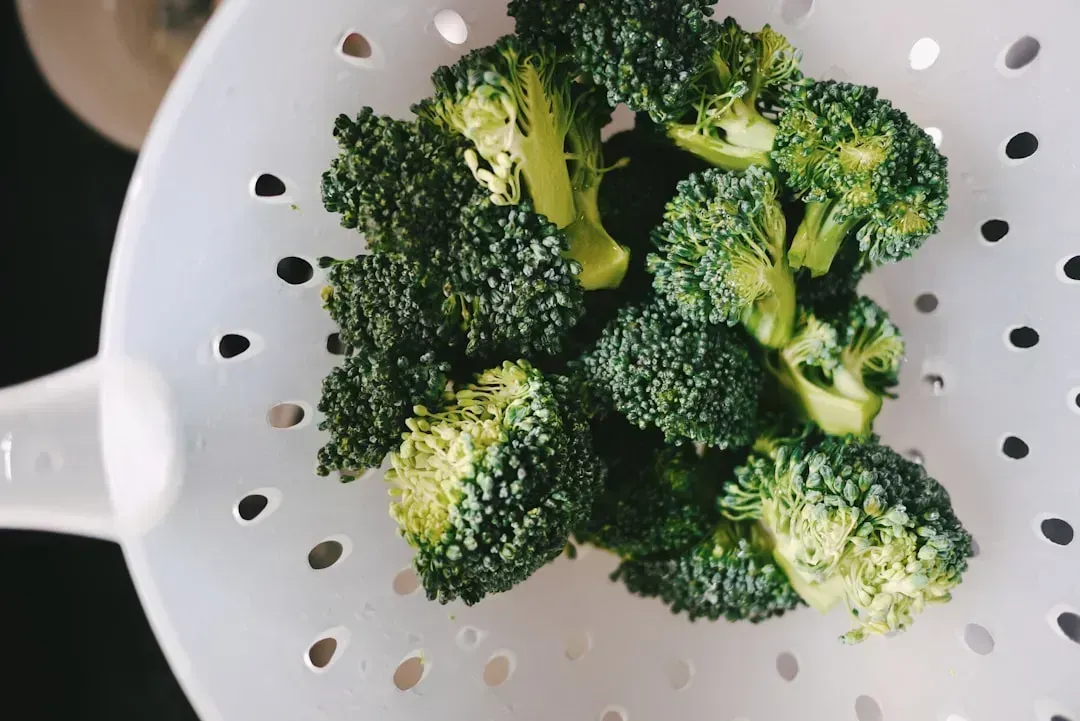
Experts advise gently rubbing produce while holding it under plain running water, and there is no need to use soap or a produce wash. This guidance comes directly from the U.S. Food and Drug Administration, and it may surprise people who have been reaching for commercial sprays or dish soap.
According to the FDA and FoodSafety.gov, washing fruits and vegetables with soap, detergent, or commercial produce wash is not recommended. Soap or detergent residues can stay on produce, and the FDA has not evaluated the safety of residues left from soaps and detergents if ingested. Think of it this way: scrubbing a strawberry with dish soap is a little like cleaning a sponge with more sponge. You might be adding a new problem while trying to solve an old one.
Washing your produce helps remove dirt, debris, and pesticide residue, and can reduce your risk of food-borne illnesses like E. coli. The method matters, but the habit of washing itself is the first non-negotiable step.
The Technique Varies Depending on the Produce
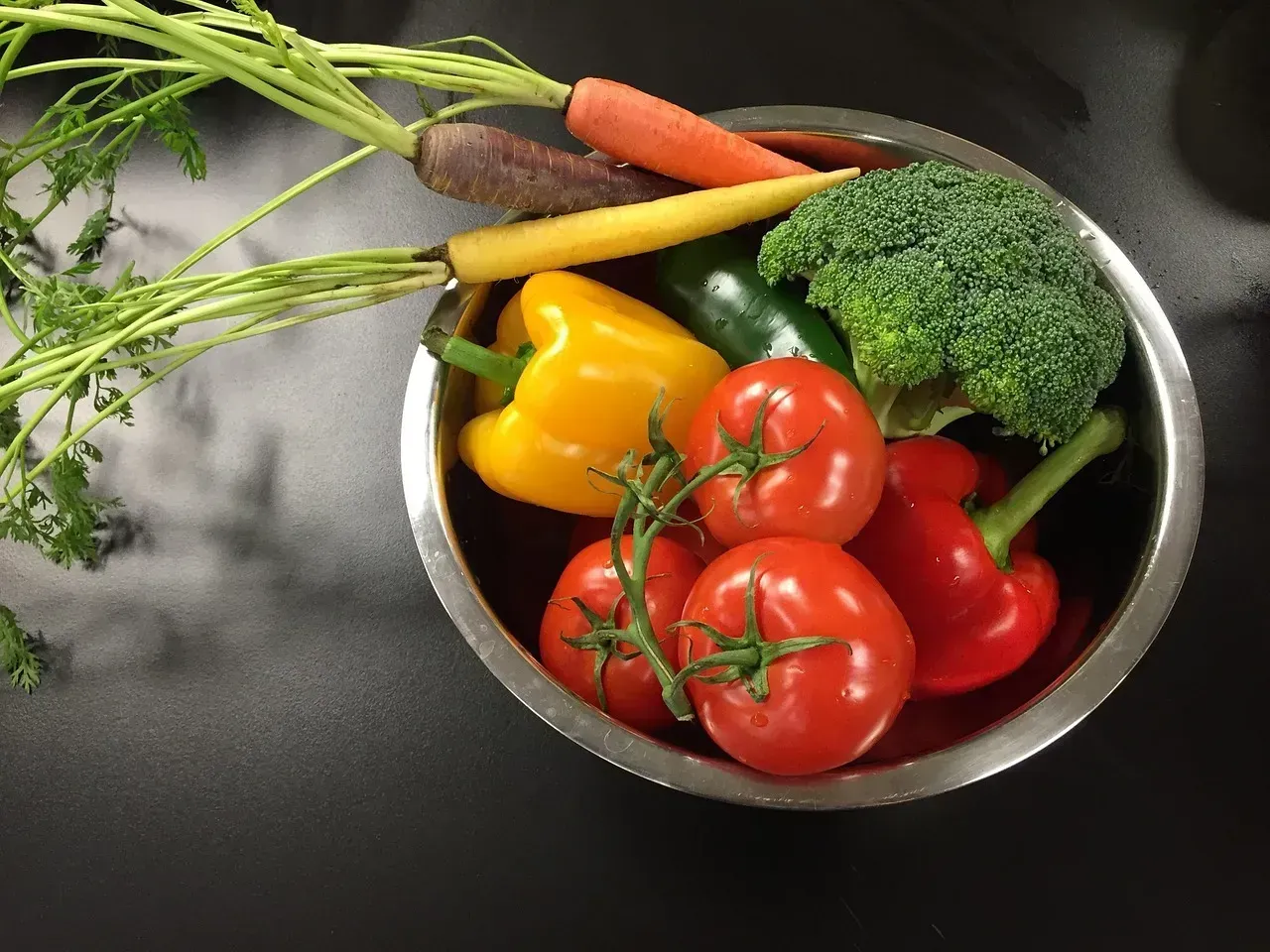
To wash fruits and vegetables, simply hold the item under cold running water and give it a gentle rub. Even items that you plan to peel should be washed. For herbs and leafy greens, it is best to soak them in a large bowl or sink basin filled with cold water. This distinction is important because one-size-fits-all washing simply does not work for every type of produce.
For root vegetables and other produce with a tough exterior, use a clean brush to firmly scrub while washing. Meanwhile, softer items like berries and grapes need a completely different approach: a gentler rinse, no scrubbing, and quick drying afterward to prevent moisture buildup.
Drying produce with a clean cloth or paper towel further reduces bacteria that may be present. Honestly, that last step is one most people skip entirely, and it is one of the easiest wins in produce safety.
Does Baking Soda Actually Help Remove Pesticides?
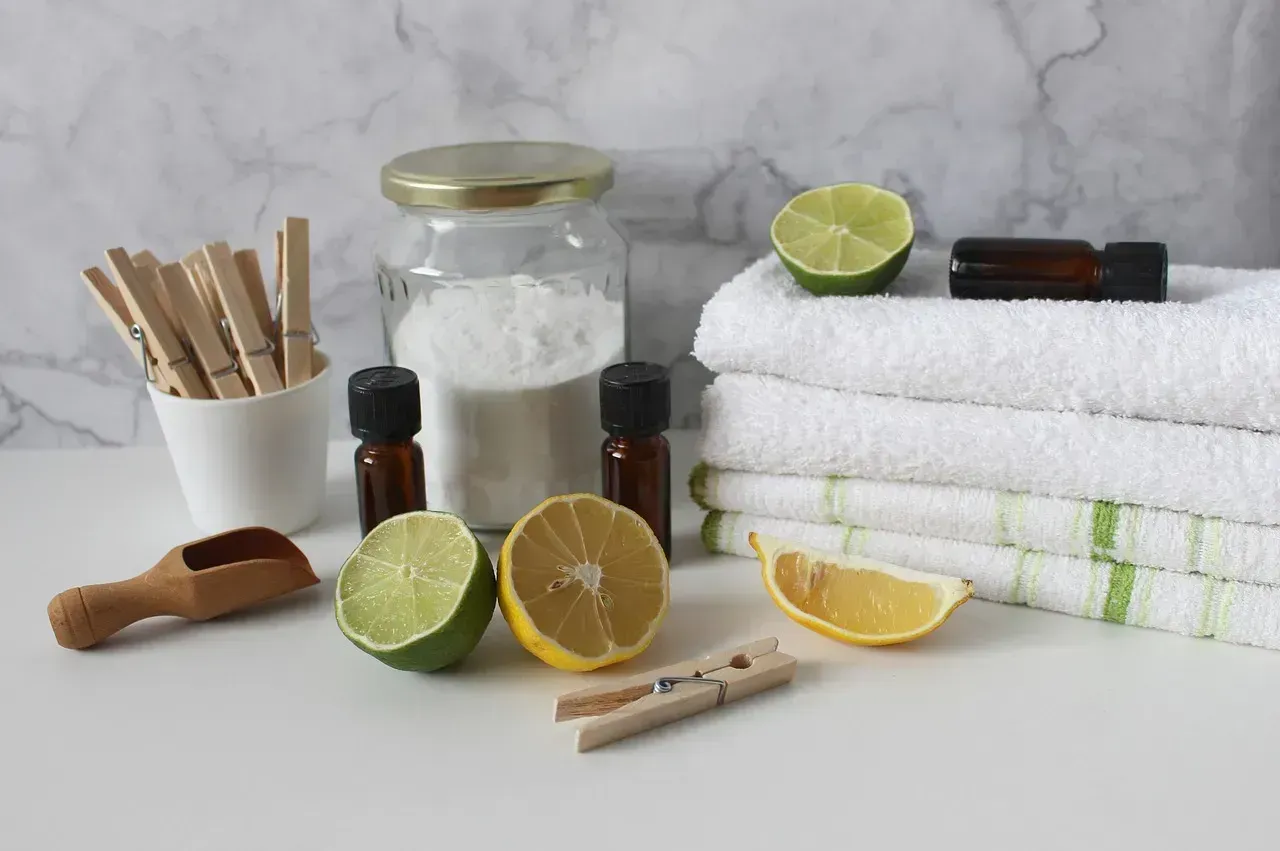
Research published in the Journal of Agricultural and Food Chemistry found that surface pesticide residues were most effectively removed by a sodium bicarbonate (baking soda) solution when compared to either tap water or Clorox bleach, and using a 10 mg/mL baking soda washing solution, it took 12 and 15 minutes to completely remove two common pesticides.
A more recent study published in January 2025 found that soaking in a corn starch solution followed by a baking soda soak was the most effective homemade strategy, removing over 94% of a model pesticide from apple surfaces. That is a compelling result from peer-reviewed science, not a viral social media trend.
However, the baking soda solution will only remove certain classes of pesticides, and only from the produce's surface. Spray pesticides that are designed to be absorbed cannot be rinsed away, nor can those applied to a plant's roots. So while baking soda is genuinely useful, it is not a magic shield. It helps, but it does not eliminate all risk.
The Sobering Truth About Pesticides on Your Produce
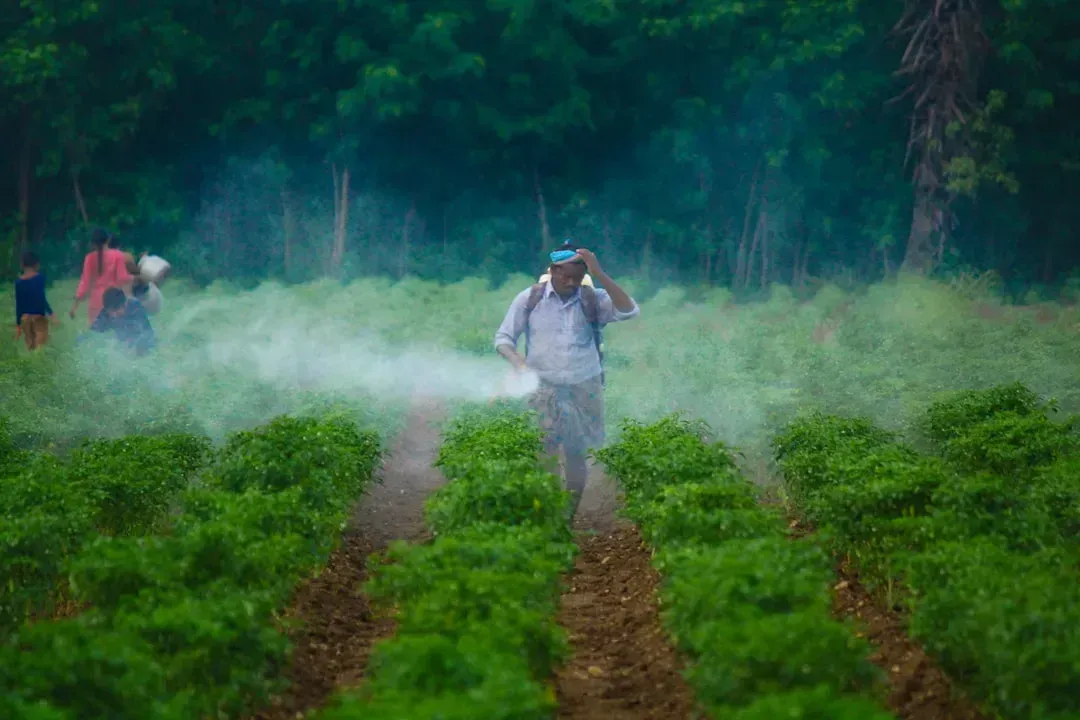
According to a 2022 survey conducted by the FDA, roughly three quarters of domestically grown fruits, about six in ten vegetables, and just over half of US grains sampled showed detectable pesticide residues. That is a striking figure that should give anyone pause when grabbing a handful of grapes straight from the bag.
A 2024 study published by the American Chemical Society detailed a technical process that better detects pesticides in produce, and in improving the process, the researchers found that washing fruit to remove pesticides is relatively ineffective, calling the measure "insufficient" for food safety. The researchers focused heavily on apples and found that pesticides can penetrate far deeper than the surface layer.
The 2024 study suggests that washing fruit alone is not enough to prevent pesticide ingestion, and that peeling fruit may be required to remove potential contamination on the skin and outer pulp. It is hard to say for sure whether peeling always makes sense from a nutrition standpoint, since many beneficial nutrients sit just beneath the skin. It is a real trade-off worth knowing about.
What About Pre-Washed Packaged Greens?
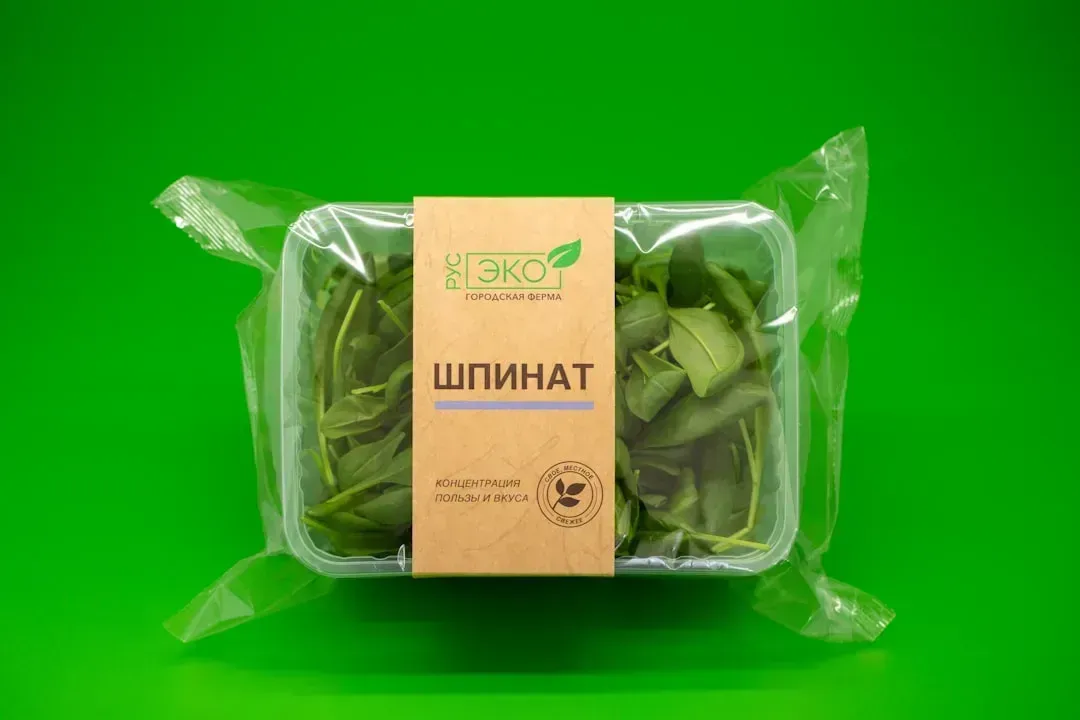
Many pre-cut, bagged, or packaged fruits and vegetables are pre-washed and ready to eat. This will be written on the package, and you can use the contents without any further washing, as the guidelines used in packaging facilities are extremely stringent. The Centers for Disease Control does not recommend washing "pre-washed" produce again at home.
If you do wash pre-washed produce, you actually have a greater chance of contaminating it from your own sink. This is counterintuitive for a lot of people. The instinct to wash everything feels responsible, but in this case, your kitchen sink may actually be the dirtier surface compared to the commercial washing process those greens already went through.
Let's be real: most kitchen sinks harbor bacteria from raw meat handling, general household use, and improperly cleaned surfaces. Dragging triple-washed spinach through that environment does not exactly improve the situation.
Hand Washing and Timing: The Overlooked Steps That Change Everything
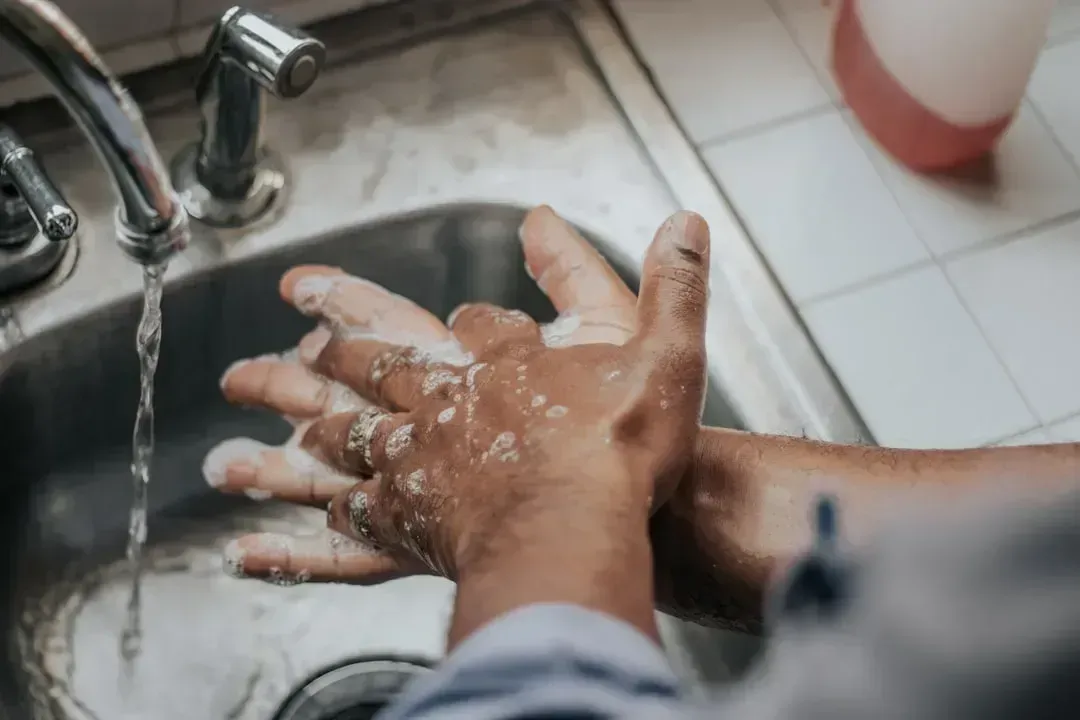
The process of safely preparing produce should begin and end with clean hands. According to FDA guidelines, you should wash your hands for at least 20 seconds with soap and warm water before and after preparation, then examine your produce, cut off any bruised areas, and discard any items that look rotten.
Since moist surfaces can be a breeding ground for bacteria, it is best to start the washing process right before you are ready to start cooking. This is a detail that tends to get overlooked. Washing produce and then letting it sit wet in a bowl for two hours is basically rolling out a welcome mat for bacterial growth.
During the growing phase, produce may be contaminated by animals, harmful substances in the soil or water, and poor hygiene among workers. After produce is harvested, it passes through many hands, increasing the contamination risk. Contamination can even occur after the produce has been purchased, during food preparation, or through inadequate storage. That chain of risk is a sobering reminder that washing is one important defense layer in a much longer journey from farm to fork.
Conclusion: Simple Habits That Make a Real Difference

The good news is that washing produce correctly does not require expensive products, complicated rituals, or a laboratory. Cold running water, a good scrub brush for firm items, and an awareness of which produce needs soaking versus rinsing will take you further than any commercial spray ever could.
The research is clear that baking soda offers a meaningful edge for pesticide reduction on hard-surfaced fruits, but plain running water remains the baseline recommendation from major food safety authorities including the FDA and CDC. Skipping the soap, drying thoroughly, and washing your hands first and last are the quiet habits that quietly protect your family every single day.
Produce contamination is not a new problem, but the data from 2024 and 2025 showed the risks were real, measurable, and growing. The kitchen sink is your last line of defense. Use it wisely. What would you do differently the next time you unpack a bag of groceries?



Leave a Reply