
The fast-food giant is making waves with a significant policy change that reflects America's evolving relationship with physical currency. As the nation grapples with coin shortages and production halts, one of the world's largest restaurant chains is pioneering a new approach to cash transactions that could reshape how we think about everyday purchases.
This shift represents more than just a minor operational adjustment. It signals a fundamental change in how businesses handle the smallest denomination of American currency, potentially setting a precedent for retailers across the country.
McDonald's Adjusts To A Penny-Free Economy
In response to the U.S. Treasury halting the production of pennies, McDonald's has announced a new policy for handling cash payments. Customers who pay with cash will now have their totals rounded to the nearest five cents. The change, which does not affect card or app transactions, is being rolled out at select locations facing coin shortages.
The New Rounding Policy Explained
According to signage spotted at a Chicago-area McDonald's and confirmed by the company, the policy breaks down as follows: totals ending in 1 or 2 cents are rounded down, 3 or 4 cents round up to 5 cents, 6 or 7 cents round down to 5 cents, and 8 or 9 cents round up to 10 cents. Totals ending in 0 or 5 cents will receive exact change.
Policy Applies Only To Cash Transactions

McDonald's has clarified that this change impacts only customers paying in physical cash. Those using credit cards, debit cards, or digital payment methods - including the McDonald's app - will not be affected by the rounding policy. These payment options remain precise to the cent.
The Reason Behind The Shift
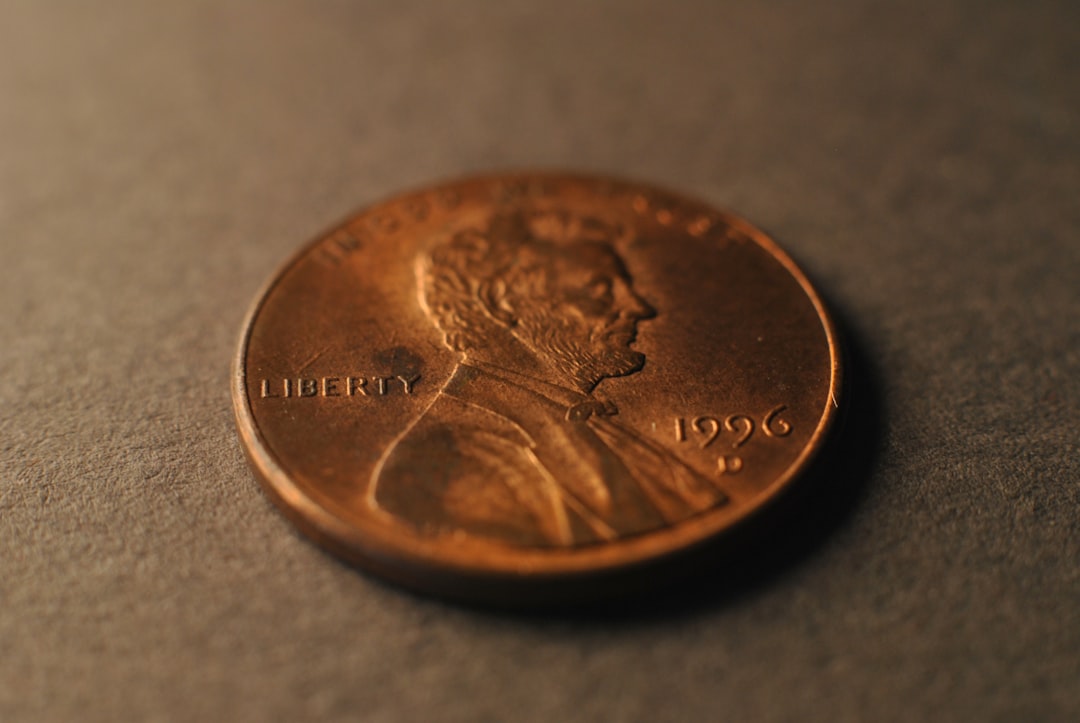
The discontinuation of penny production was ordered by President Donald Trump in early 2025 due to the increasing cost of minting the coin. By May, the Treasury had placed its final order for penny blanks. As a result, retailers nationwide - including McDonald's - began experiencing coin shortages and are now adapting policies to respond.
Rounding Policies Are Not New

Countries like Australia and Canada adopted similar practices years ago. Australia stopped minting 1- and 2-cent coins in 1992, and Canada followed suit in 2012. Both nations introduced rounding systems for cash purchases without significantly disrupting customer transactions.
McDonald's Customers Share Mixed Reactions
The internet responded quickly to the policy, with many voicing frustration. Some questioned the fairness of rounding up, while others noted that billions of pennies remain in circulation and could still be used. One user even worried about not being able to donate spare pennies to Ronald McDonald House charities.
McDonald's Seeks a Long-Term Fix
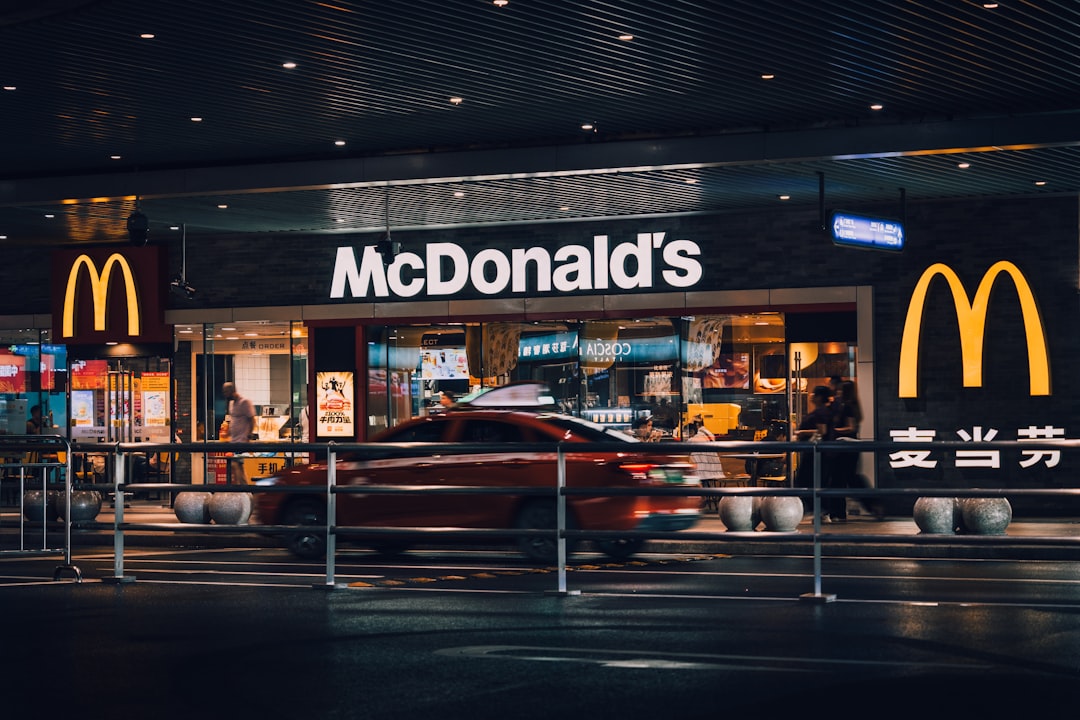
McDonald's acknowledged the concern and stated that it's working on long-term solutions to keep transactions fair and simple. A spokesperson emphasized that the issue is national and affects all retailers. The company also encourages customers to use exact change or go cashless to avoid rounding.
A Sign Of Bigger Economic Shifts

While the change may seem small, McDonald's rounding policy signals broader shifts in how everyday transactions are handled in a changing economy. As the U.S. joins other countries in phasing out low-value coins, consumers are adjusting to a new norm where the final price may no longer end in ".99."
Other Retailers Are Watching Closely

McDonald's isn't alone in navigating this penny-free future, and industry experts say other major retailers are paying close attention to how customers respond. Walmart, Target, and convenience store chains are reportedly monitoring the rollout to determine their own strategies for handling cash transactions without pennies. Some grocery chains in test markets have already begun similar rounding practices, though most haven't publicized the changes widely. The real question is whether consumers will accept this as the new normal or push back against what some see as unfair rounding practices. Early data suggests younger shoppers barely notice the difference, while older generations who grew up counting exact change tend to be more skeptical. What happens at McDonald's could set the standard for how America's entire retail landscape adapts to life without the penny.




Leave a Reply