
Walk into almost any sit-down restaurant these days, and there's a decent chance that instead of a menu, you'll find a small black-and-white square sticker waiting on your table. No laminated pages, no thoughtful typography, no sommelier's note tucked inside a leather folio. Just a QR code. You pull out your phone, squint at the screen, and scroll through a poorly formatted webpage, hoping to find the salmon. It's a change that started during the 2020 pandemic as a practical solution to a real problem. Still, it has overstayed its welcome in the eyes of a growing number of diners - boomers loudest among them, but increasingly everyone else too.
A Pandemic Fix That Never Left the Building
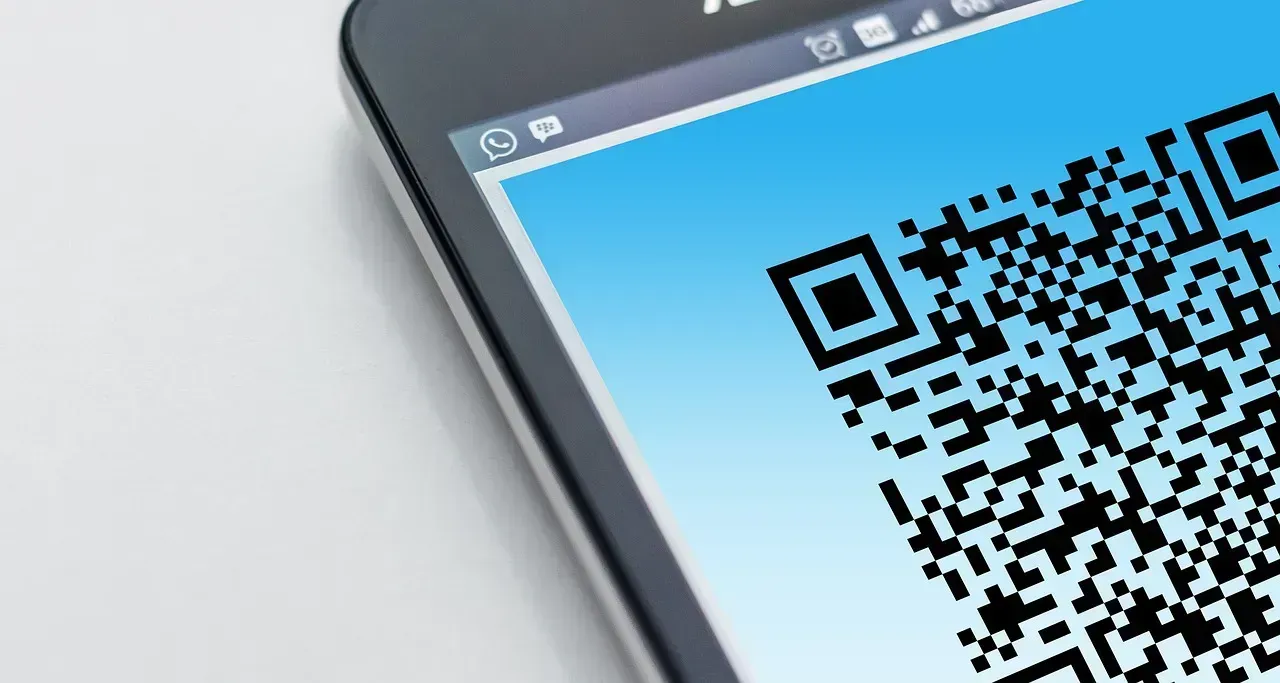
During the 2020 pandemic, as the restaurant industry struggled to stay afloat under social distancing guidelines, QR code menus rose in popularity because they reduced the need to handle physical menus that could spread germs. At the time, it made complete sense. Restaurants were fighting for survival, hygiene concerns were at an all-time high, and contactless everything was the order of the day. The QR code seemed like the perfect bridge between keeping tables full and keeping people safe.
The problem is that the 2020 pandemic ended, but many restaurants never made the switch back. In addition to more outdoor dining and takeaway meals, the 2020 pandemic also encouraged restaurants to fully accept digital menus. QR codes have been around since 1994 and entered the mainstream when smartphones with cameras came about. In 2026, QR codes go even further than the actual menu, offering guests the option to order and pay for their entire meal via their smartphone. What started as an emergency measure gradually became permanent policy at hundreds of establishments across the country, with operators appreciating the cost savings and flexibility.
The Numbers Don't Lie: Most Diners Prefer Paper
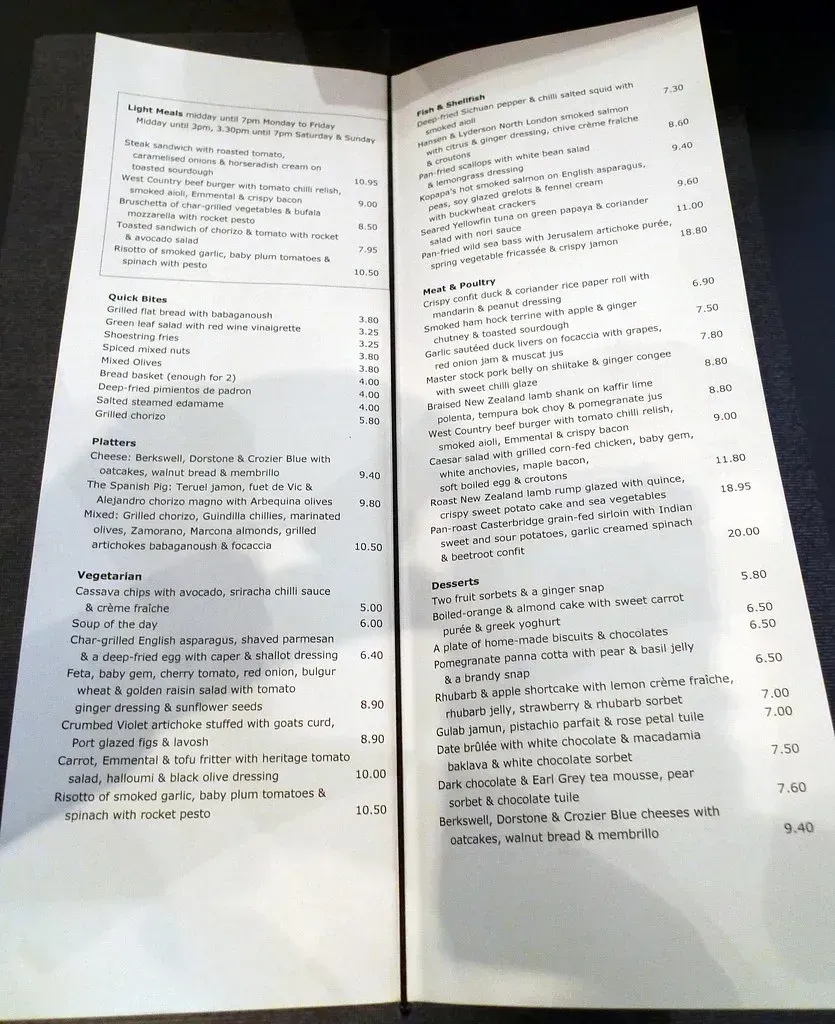
The backlash against QR code menus is not just a generational complaint - it's a measurable, documented shift in consumer sentiment backed by serious survey data. According to US Foods' 2024 Diner Dispatch survey, 90 percent of diners prefer print menus over QR codes, up from 74 percent in 2023. Dislike of QR codes is growing across all generation segments, with 95 percent of Baby Boomers increasing their paper menu preference in 2024 versus 86 percent in 2023, and 90 percent of Gen Z preferring paper menus over QR codes in 2024, up from 69 percent in 2023. That last figure is particularly striking - it means that even the generation most comfortable with smartphones is rapidly souring on the format.
When Toast surveyed diners in 2024 on how they prefer to view restaurant menus, physical menus remained the frontrunner, with 81 percent expressing a preference for them. This is especially true for older diners - 90 percent of guests ages 55 and older prefer traditional menus. Furthermore, 20 percent of diners said there's nothing they like about QR code menus at all. That's a significant portion of any restaurant's customer base walking in the door already frustrated before they've even ordered a drink.
Boomers Bear the Brunt - But They're Not Alone
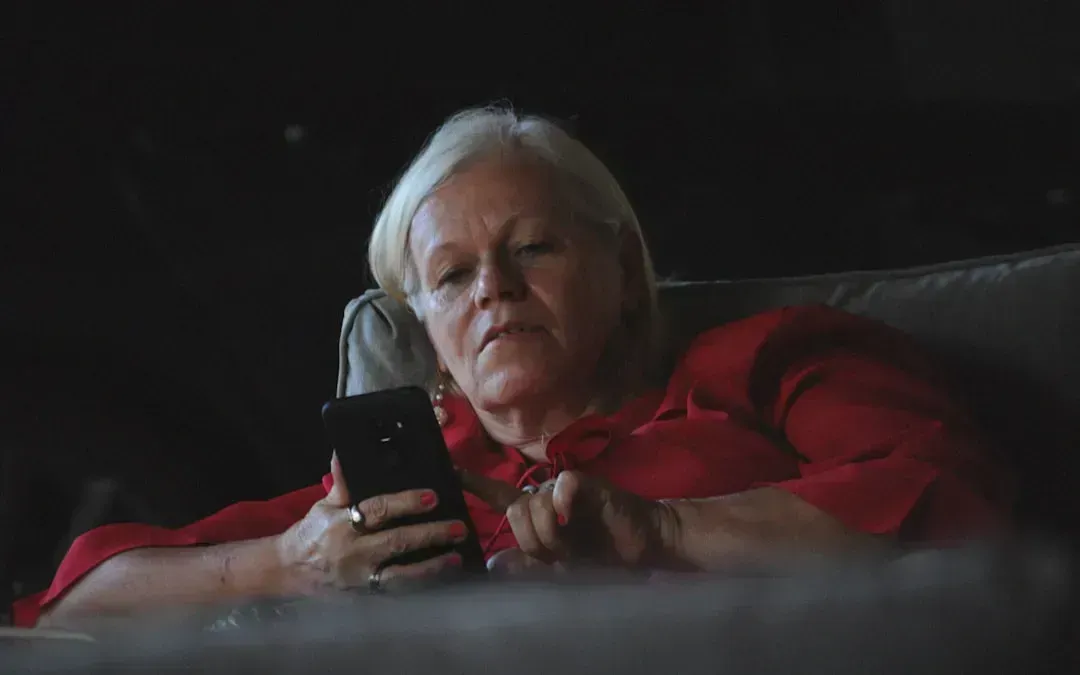
Over 45 percent of consumers said they aren't comfortable using QR codes via their mobile phones to view menus, order, and pay, according to a survey from William Blair. Consumers are becoming less comfortable with the technology over time, with 43 percent saying they felt uncomfortable during a December survey, which climbed to 47 percent during a March survey. Among those most uncomfortable using this technology are consumers over the age of 60, with 65 percent saying they weren't comfortable viewing menus and ordering at restaurants this way. The frustration runs deep in this demographic, many of whom feel the dining experience is being redesigned around a technology that doesn't serve them.
The National Restaurant Association's State of the Restaurant Industry 2023 report revealed that only 46 percent of baby boomers were interested in accessing menus on their phones via a QR code, versus 73 percent of Gen Z adults. Baby boomers are also less willing to use contactless or mobile pay options, with 57 percent reluctant, and only 53 percent said they would order and pay using a smartphone app. A big problem, especially for the boomer generation, was the technology gap. Still, the trend of growing discontent is now spreading well beyond that age bracket, suggesting restaurants that bank on QR-only menus risk alienating a majority of their clientele.
The Dining Experience Takes a Hit
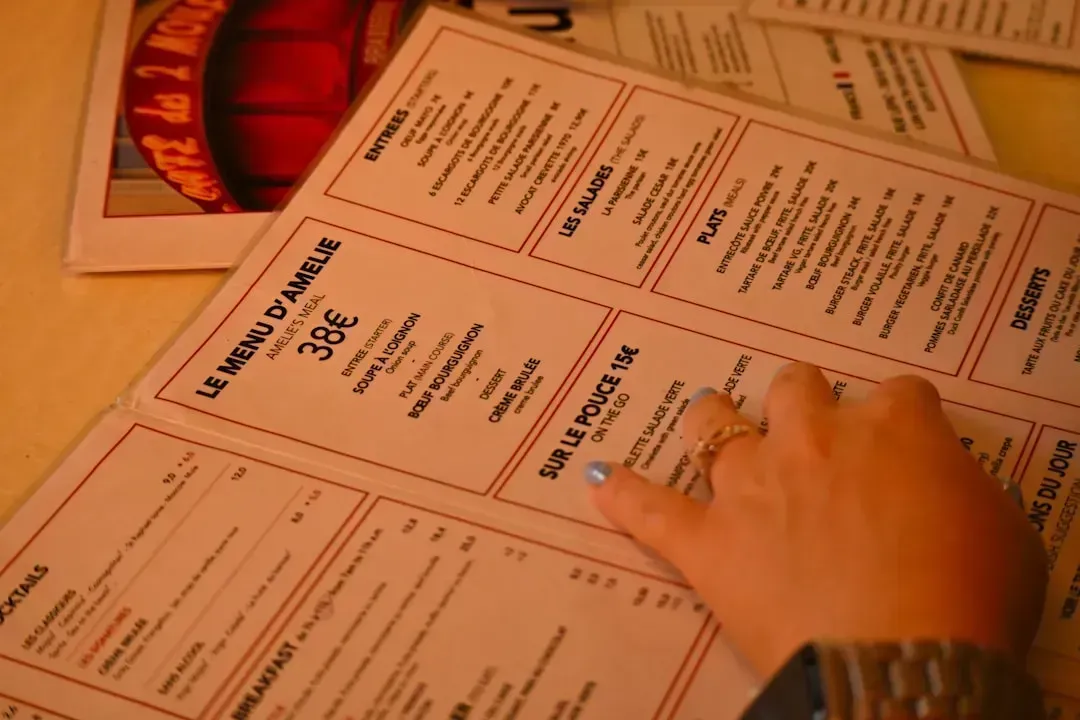
Many diners have expressed frustration with QR code menus, citing issues such as difficulty in navigating the menus, concerns about privacy, and a perceived negative impact on the restaurant's ambiance, as reported by the Wall Street Journal. These are not trivial complaints. For a lot of people, going out to eat is about atmosphere, connection, and a little bit of ceremony. A physical menu is part of that ritual. QR codes do the opposite of creating a vibe. A good physical menu plays a big role in a restaurant's identity.
Respondents' top gripe is that they don't like having to pull out their phone as soon as they sit down at a restaurant, with 66 percent agreeing with that statement. Another 50 percent said the codes lessen the dining experience. Perhaps most alarmingly for operators, 55 percent of respondents said that QR code menus are hard to read and browse. People also viewed QR codes as another layer of work foisted on the consumer. Software trainer Oz du Soleil mused that "it's like self-checkout or putting your own IKEA stuff together." That framing captures the frustration well - dining out is supposed to be a service, not a chore.
Bad for Business: The Revenue and Loyalty Consequences
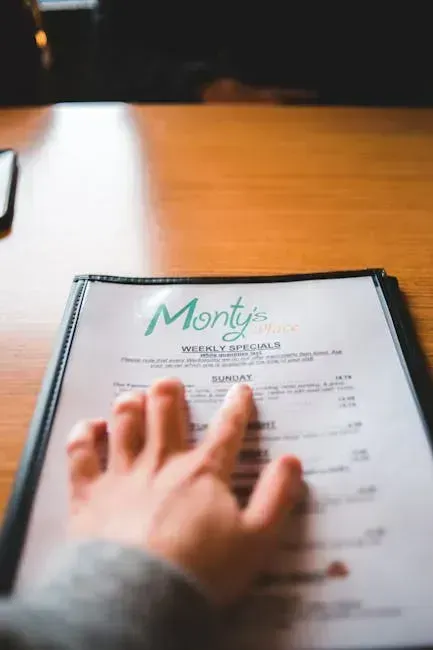
Beyond the customer experience, there's growing evidence that QR code menus are quietly costing restaurants money. The negative impact of QR codes on check averages and tips for servers has prompted some restaurants to reconsider their use. One restaurant group experienced a 10 percent decrease in check averages when using QR code menus, as diners often failed to scroll through all the offerings. That's a material hit to revenue, and it makes intuitive sense - a physical menu guides your eye, draws attention to specials, and encourages browsing in a way a scrolling phone screen simply doesn't.
The academic community has weighed in as well. A December 2024 study published in the Journal of Hospitality and Tourism Management found, across two studies, that QR code menus diminish customer loyalty compared to traditional menus, due to perceived inconvenience. This effect is further moderated by customers' need for interaction. The research showed that while QR codes provide benefits such as cost savings, operational efficiency, and contactless hygiene, they are often perceived as inconvenient due to the extra time, effort, and disruption they require, especially for customers who value social interaction during dining. For restaurants in competitive markets, loyalty is everything - and eroding it over a cost-cutting measure deserves serious reconsideration.
Restaurants Are Listening - and Bringing Paper Back
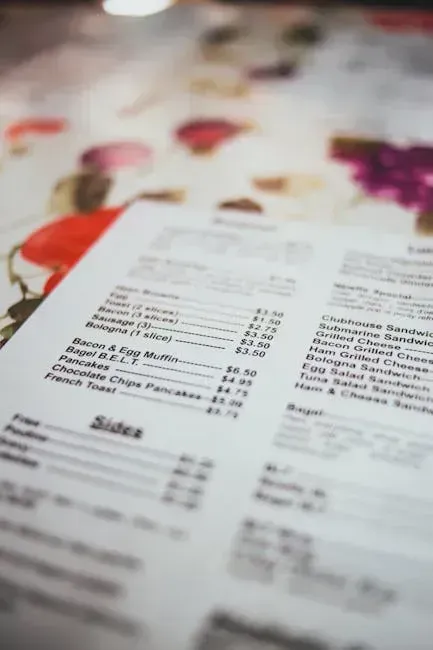
In response to customer complaints, many sit-down eateries are ditching QR codes and reintroducing paper menus. Some establishments stopped using QR codes on menus altogether. Others have adopted a hybrid approach, catering to the preferences of different customers by discontinuing QR code offerings at one location while maintaining them at another, or by offering both printed menus and QR codes and allowing customers to choose their preferred method of ordering. This hybrid model appears to be the most sensible path forward for full-service restaurants that want to retain all types of customers without abandoning the operational benefits of digital menus.
In 2024, a widespread backlash was already prompting many restaurants to abandon QR codes in favor of traditional paper menus. Many restaurants offer both, but some have gone fully QR, which alienates diners to the point they will walk out without ordering at all - a real red flag for some customers. The direction of travel is clear. Whether a restaurant serves power lunches in Manhattan or Sunday brunch in a small town, the expectation that customers will unanimously embrace scanning a code just to find out what's for dinner is proving to be a costly assumption. Research highlighted the tension between technological efficiency and customer experience, suggesting that restaurants should balance digital and traditional options to retain loyalty while reaping the benefits of digitalization.



Leave a Reply