
You probably think you're just choosing a seat and glancing at the menu. In reality, something far more interesting is happening. From the moment you pull out that chair, your server has already begun building a detailed mental picture of who you are, what kind of guest you'll be, and yes, possibly how the evening is going to go.
It's not surveillance. It's skill. Years spent reading dozens of strangers every single shift, night after night, sharpens a kind of human radar that most of us never develop. The things servers pick up on would surprise you, and honestly, some of them might even make you rethink your own habits. Let's dive in.
1. How You Greet Them in the First Seconds
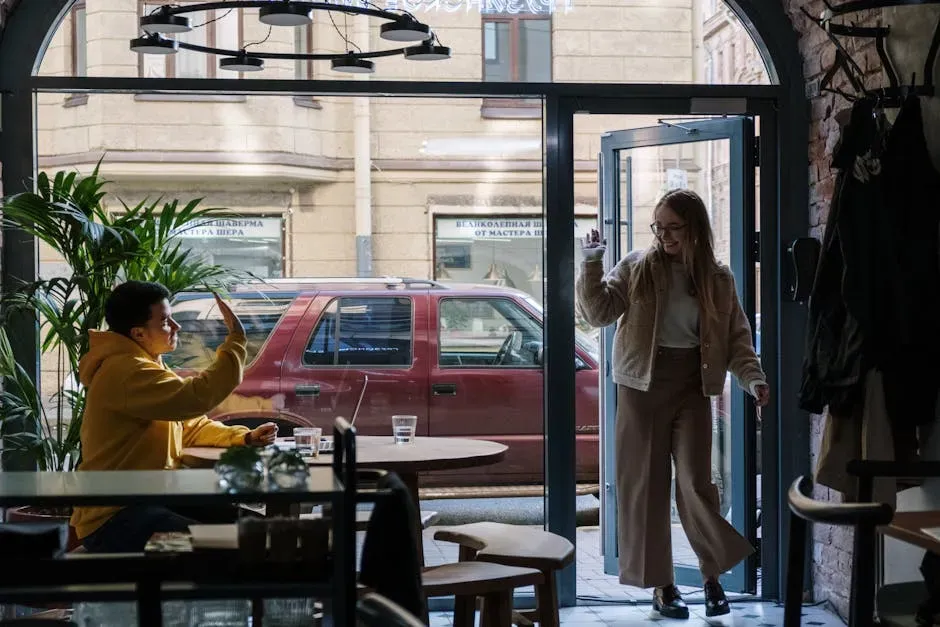
How you greet your server in those very first seconds matters enormously. Do you make eye contact, smile, and say hello? Or do you barely look up from your phone? That split-second exchange tells a server practically everything they need to know about whether you see them as a person or a piece of furniture.
Saying please and thank you, being patient when the restaurant is busy, and treating servers like human beings rather than servants creates a positive feedback loop. Rudeness, however subtle, gets noticed immediately and can affect everything from service speed to the server's willingness to go the extra mile with special requests.
If you're ignoring your server every time they come by your table or snapping at them to get food and drinks faster, they're probably going to feel disrespected. There's a strong "I'm a server, not your servant" mindset that runs deep in the industry. Experienced servers have seen it all, and they know within moments whether you're a gracious guest or a difficult one.
2. Who You're Dining With
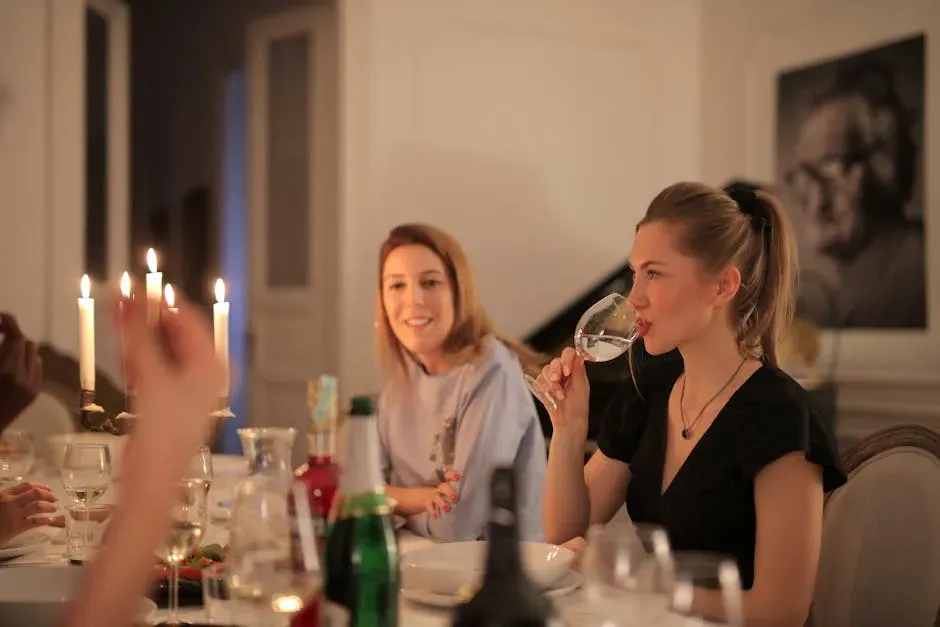
When you sit down at your table, servers usually notice who you are dining with. Are you on a date? A business lunch? A family reunion dinner that's already showing signs of tension? Each social configuration changes everything about how service should be approached and paced.
Servers pick up on everything, especially how people interact with those at the table, how couples look at each other, how friends sit side-by-side or across, how parents treat their children, or whether they exhibit impolite behaviors in front of friends and family. This isn't idle curiosity. It directly informs how the server will act around your table.
When guests show dismissive behavior toward their companions, servers note this as a potential indicator of how they might treat the staff. Groups that cooperate and show consideration for each other typically extend the same courtesy to their server. Think of it like a social barometer. The table's internal energy always leaks outward.
3. Your Body Language and Posture
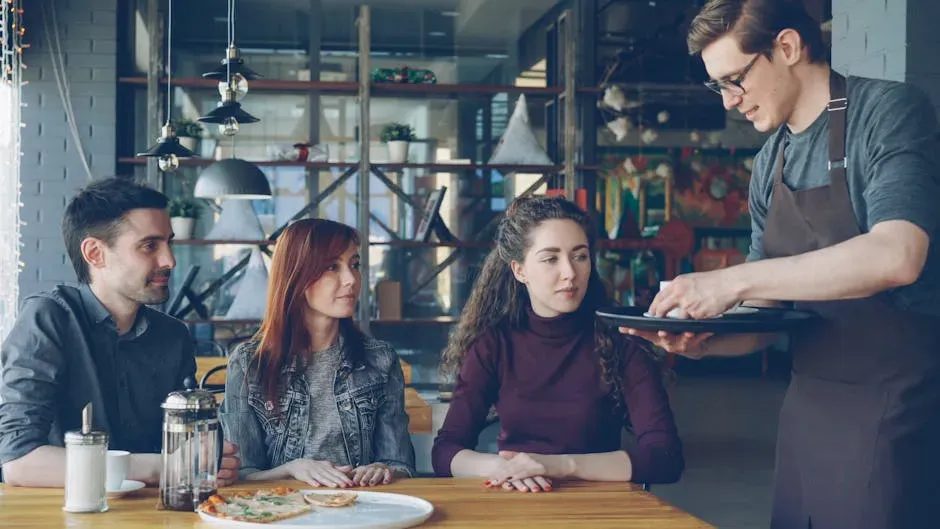
After you're seated, servers continue to watch for cues in your facial expressions, your posture, and the tone of your conversations to assess your mood and comfort level. A slouched back and crossed arms sends one message. Open shoulders and a relaxed posture sends an entirely different one.
If you're fidgeting, glancing around, or checking your watch, a server may recognize you're in a rush and speed things up, offering quicker suggestions or prioritizing your order. Conversely, if you're leaning back, smiling, and enjoying long conversations, they'll likely slow the service, letting you savor your experience without feeling rushed.
Your posture also reveals whether you're an introvert, with arms crossed and eyes cast downward, or an extrovert, with an open posture, relaxed shoulders, and frequent eye contact. This can help servers determine how much interaction you might want and figure out how to handle tricky situations. Honestly, it's almost like they're reading a book you didn't know you were writing.
4. Where You Put Your Phone
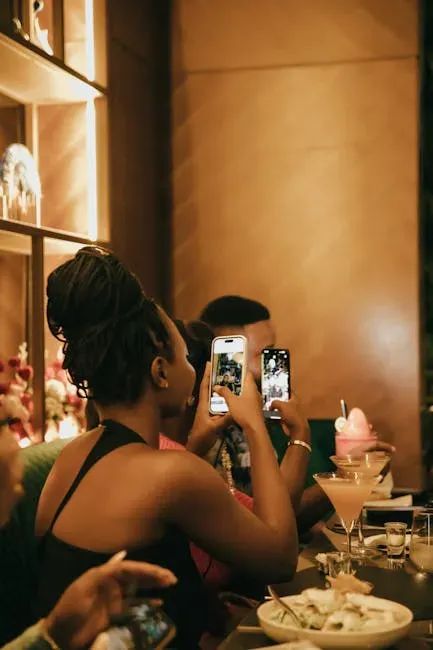
Let's be real: almost everyone is guilty of this one. Where you place your phone when you sit down sends an immediate message about how engaged you'll be with your dining companions and your server. It's a small detail that carries a loud signal.
Servers notice when every person at the table is scrolling rather than conversing. It's become such a common sight that many restaurants now discuss phone etiquette in staff meetings. A table of four people all staring down at screens is a very different service challenge than a table of four people actually talking to each other.
If your phone is tucked away, servers know they'll likely get your full attention when taking orders and can move more efficiently through their section. It seems minor. It truly isn't. Servers navigate a complex flow of timing and attention across multiple tables simultaneously, and a distracted table throws off that entire rhythm.
5. How You Handle the Menu
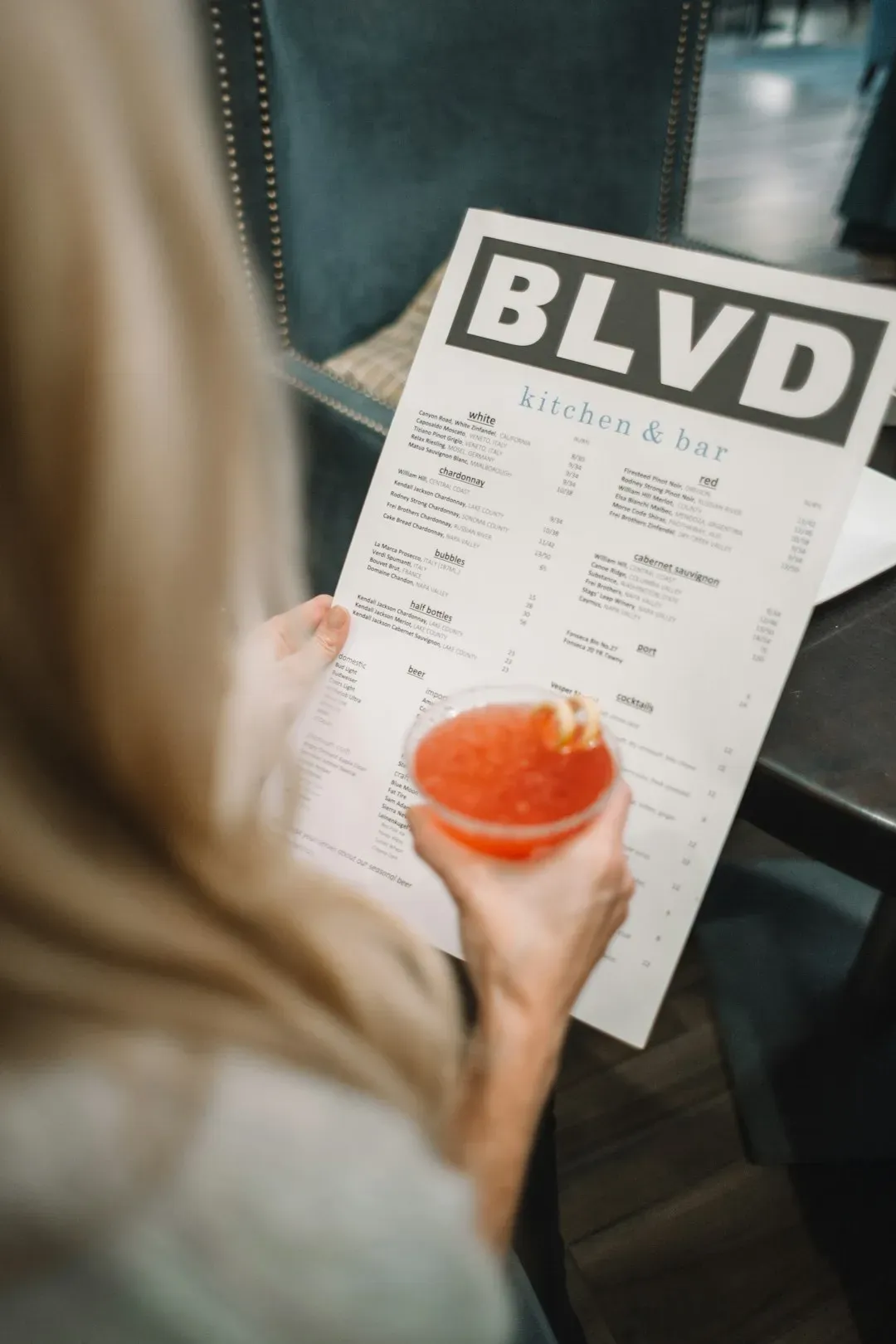
The menu says more about you than the food you choose from it. Guests who close their menu and set it down at the edge of the table are signaling they're ready to order, which makes a server's job so much easier. It's a small gesture, but servers notice it and appreciate it more than you'd think.
Then you've got the menu fondlers who touch every single page, flip back and forth many times, and still can't make a decision when the server returns. That indecisiveness with the menu almost always signals they'll change their order twice and send something back later. It's not a judgment. It's a prediction born of pure pattern recognition.
Servers also notice guests spending lots of time looking at food options while skipping the drink menu entirely, even though drinks usually come first. This habit often slows down beverage service and throws off the dining flow. Little things like this tell experienced servers exactly what kind of pace to expect for the whole meal.
6. How You Treated the Host on Your Way In
Here's something most diners don't realize: the staff is already talking about you before your server even arrives at your table. Servers pay close attention to how you interacted with the host or hostess before even reaching your table. Research found that customers who are rude or dismissive to front-of-house staff are nearly four times more likely to exhibit difficult behavior toward servers throughout their meal.
Restaurant staff talk to each other constantly, and if you were impatient or demanding at the host stand, your server already knows before they introduce themselves. Think of it like reputation traveling just ahead of you. You walk in, but your behavior at the door arrives first.
I think most people genuinely don't connect these moments because they feel separate. The host stand feels like a gate; the table feels like the actual experience. But for the team working that floor, it's one continuous performance. Being warm at every step costs nothing and changes everything.
7. Your Group's Dynamics and Who's in Charge

Within moments, servers figure out who's calling the shots. Who's holding the menu longest? Who's asking all the questions? Every table has an unofficial leader, and experienced servers identify that person fast because directing the conversation there makes everything run smoother.
Someone who insists on ordering for the whole table, dominates the conversation, or orders the waitstaff around like servants sends clear signals about table dynamics. Smart servers adapt their focus accordingly, directing questions to the decision-maker while remaining inclusive of everyone.
Walk-in guests, particularly large groups, don't always understand how restaurants work. A group of many people might show up without warning during the dinner rush and wonder why they can't sit right away. Staff must handle these expectations carefully while staying professional. Group dynamics are complex, and servers become surprisingly skilled psychologists when managing them.
8. Your Clothing and What It Signals
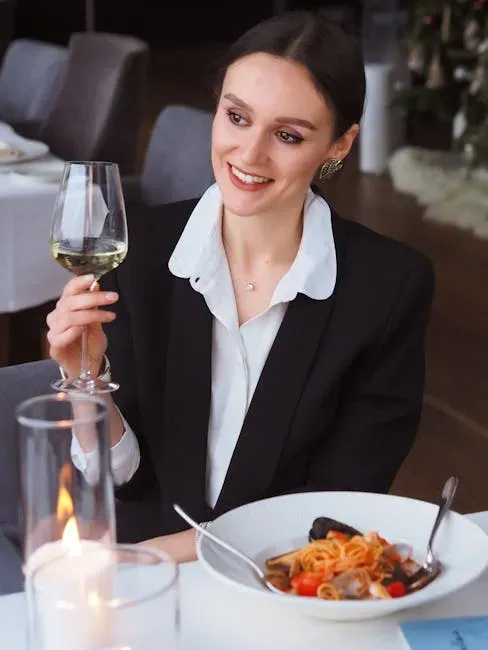
What you wear can provide clues to the waitstaff about your mood and expectations. Casual clothes might signal a desire for a relaxed, low-pressure meal, while formal wear often indicates a special occasion or a more serious dining experience. Waiters use these subtle signals to adjust their tone and service style to match your expectations.
Whether customers are in a full suit or wearing a grungy T-shirt and shorts, servers told HuffPost that you can never really tell how they'll treat the waitstaff, how much they'll spend, or how much they'll tip just based on looks. So don't assume your Sunday best automatically earns you better treatment. It's more nuanced than that.
Clothing is a starting clue, not a conclusion. A server might clock that you're dressed for a milestone birthday and adjust their warmth and energy accordingly. Or they might note the casual couple in sweats is celebrating an anniversary. Details like these help servers and other restaurant professionals adjust their approach to provide the best experience for each guest.
9. Whether You're in a Rush
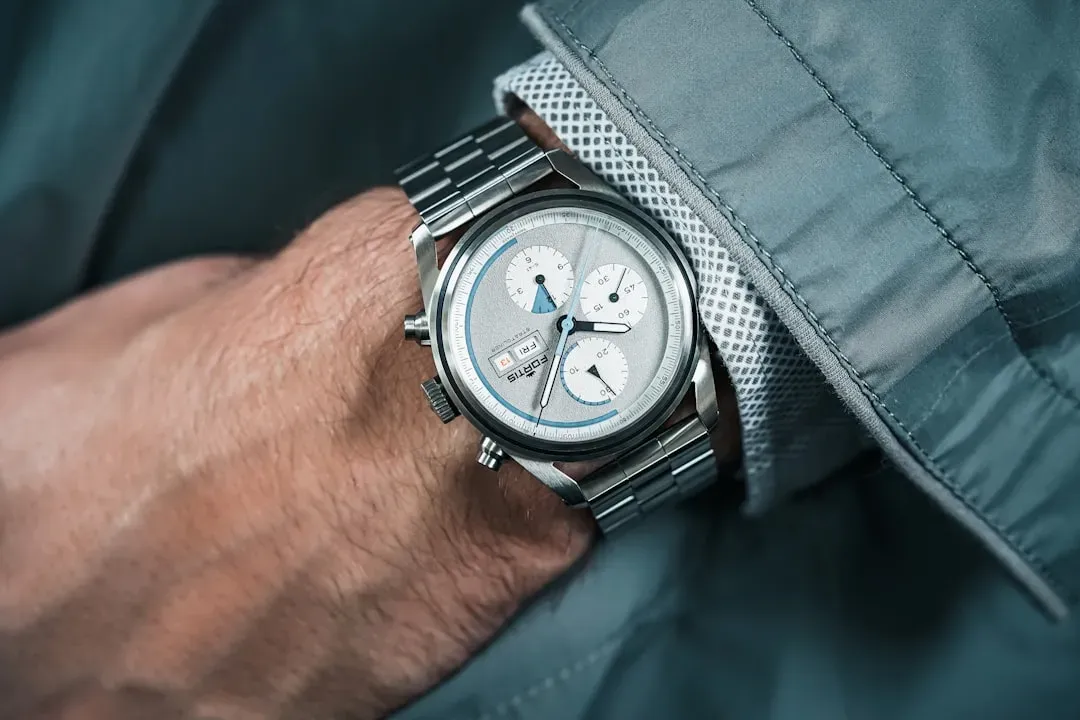
Time pressure is one of the most immediately readable signals a table can give off. If you're fidgeting, glancing around, or checking your watch, a server may recognize you're in a rush and speed things up, offering quicker suggestions or prioritizing your order. Good servers act on this before you even say a word about your timeline.
There's a saying: "Your lack of time management is not my problem." That is genuinely how many servers feel about people who are in a rush. Arriving late and expecting the kitchen to bend time for you is a frustration that experienced servers handle professionally but notice immediately.
Guests who book ahead show more organized dining habits. They show up on time, know their table's time limit, and order without delay. This leads to a smoother dining experience. It seems obvious when stated plainly, but the difference between a guest who plans and one who scrambles is visible the instant they sit down.
10. The Tipping Signals You Don't Know You're Sending
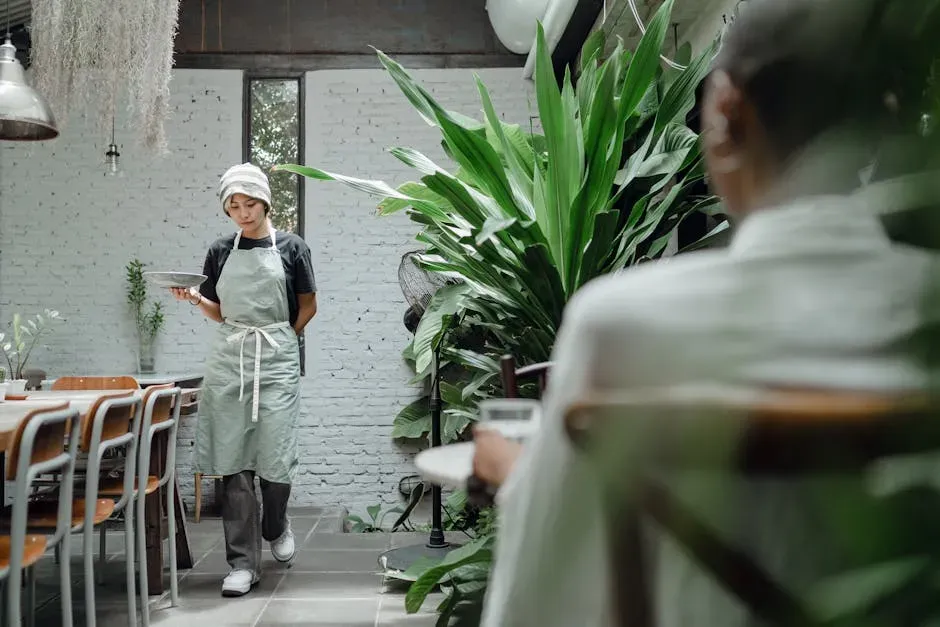
Here's the thing nobody loves to admit. Servers are trying to gauge tipping potential, though they'll tell you it's nearly impossible to predict accurately. Nationally, the average tip percentage in full-service restaurants was 19.8% in 2024. Tips make up roughly 58.5% of a server's earnings on average, making this assessment critical to their livelihood.
Customers' tipping behaviors can be influenced by a waiter's perceived friendliness, efficiency, and even physical appearance, leading to potential bias in how tips are distributed among staff. This can create disparities in earnings among waiters, even within the same establishment, based purely on subjective customer perceptions rather than the quality of service.
Despite the uncertainty, servers constantly recalibrate their approach based on subtle cues, hoping to maximize both customer satisfaction and their own income. The warmth you show at the very beginning, your eye contact, your patience, your basic courtesy; it all feeds into an unspoken contract between guest and server that shapes the entire meal. Fair tipping can also earn you better service in the future, which is important if you plan on becoming a regular customer.
The Takeaway
These observations aren't about servers judging you harshly or looking for reasons to provide poor service. Quite the opposite. Experienced servers develop these reading skills to provide better, more personalized service and to protect themselves from potentially difficult situations.
Next time you sit down at a restaurant, remember that your server is doing complex mental calculations from the moment you arrive. They're not being nosy or judgmental. They're professionals trying to give you exactly the experience you're looking for while managing multiple tables and keeping the kitchen happy.
In the end, dining out is a two-way relationship. The table you show up as shapes the experience you get back. Small things, a genuine hello, a closed menu, a glance away from your phone, create ripples that a seasoned server feels immediately. What would you change about how you show up next time you sit down?


Leave a Reply