
The federal government shutdown continues to cast a shadow over essential services across America. One program facing particular uncertainty is SNAP, which provides crucial food assistance to millions of families nationwide. The implications of this funding crisis extend far beyond Washington politics, reaching into kitchen tables and grocery stores across the country.
Millions Face Uncertainty Over Food Assistance

As the federal government shutdown stretches on, millions of Americans who rely on the Supplemental Nutrition Assistance Program (SNAP) may soon feel its effects. Beginning November 1, funding shortages could prevent states from distributing full benefits to families who depend on the program for groceries.
Why SNAP Funding Is In Danger

According to the U.S. Department of Agriculture, the ongoing shutdown could drain the resources needed to operate SNAP. The program, which supports more than 42 million Americans, relies entirely on federal funding. Without a resolution in Congress, many states will be unable to deliver payments next month.
Federal Officials Issue Early Warnings
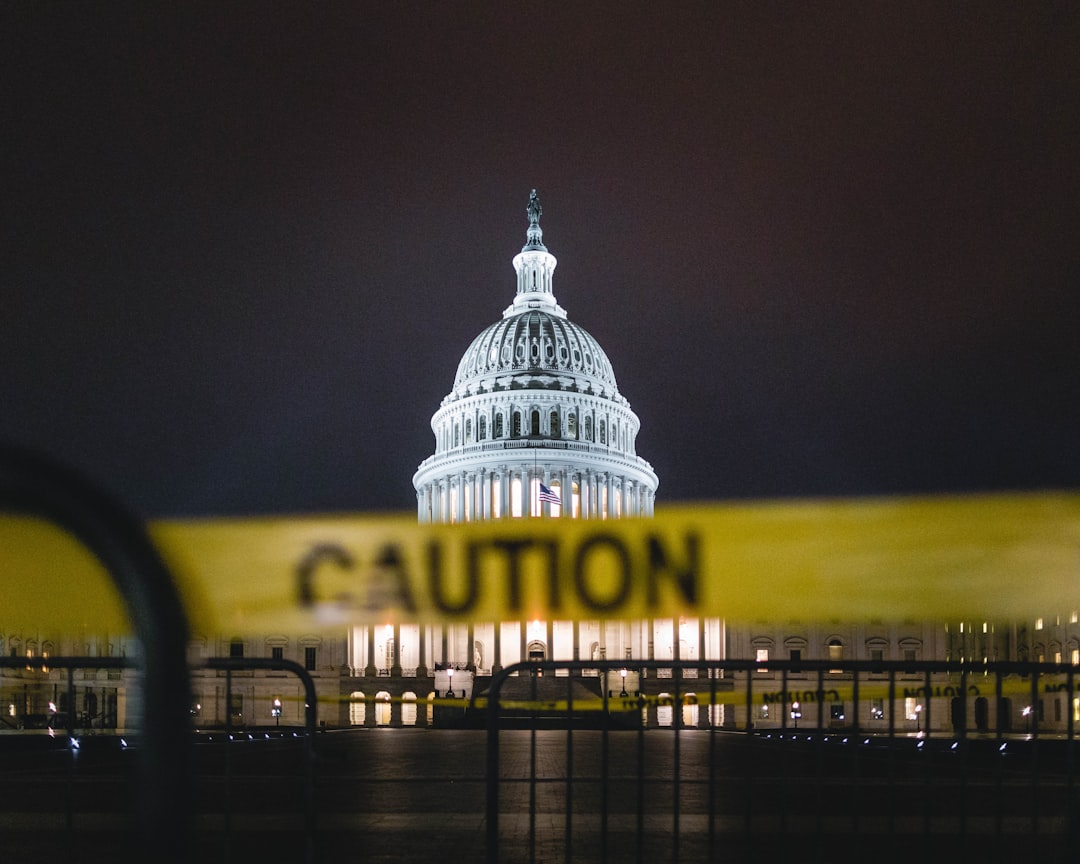
The Department of Agriculture alerted state agencies on October 10 that a prolonged shutdown could jeopardize November benefits. Although October payments were distributed before the funding lapse began, future disbursements are now uncertain. Officials note that such a disruption has not occurred in recent U.S. history.
States Begin Preparing For Disruption
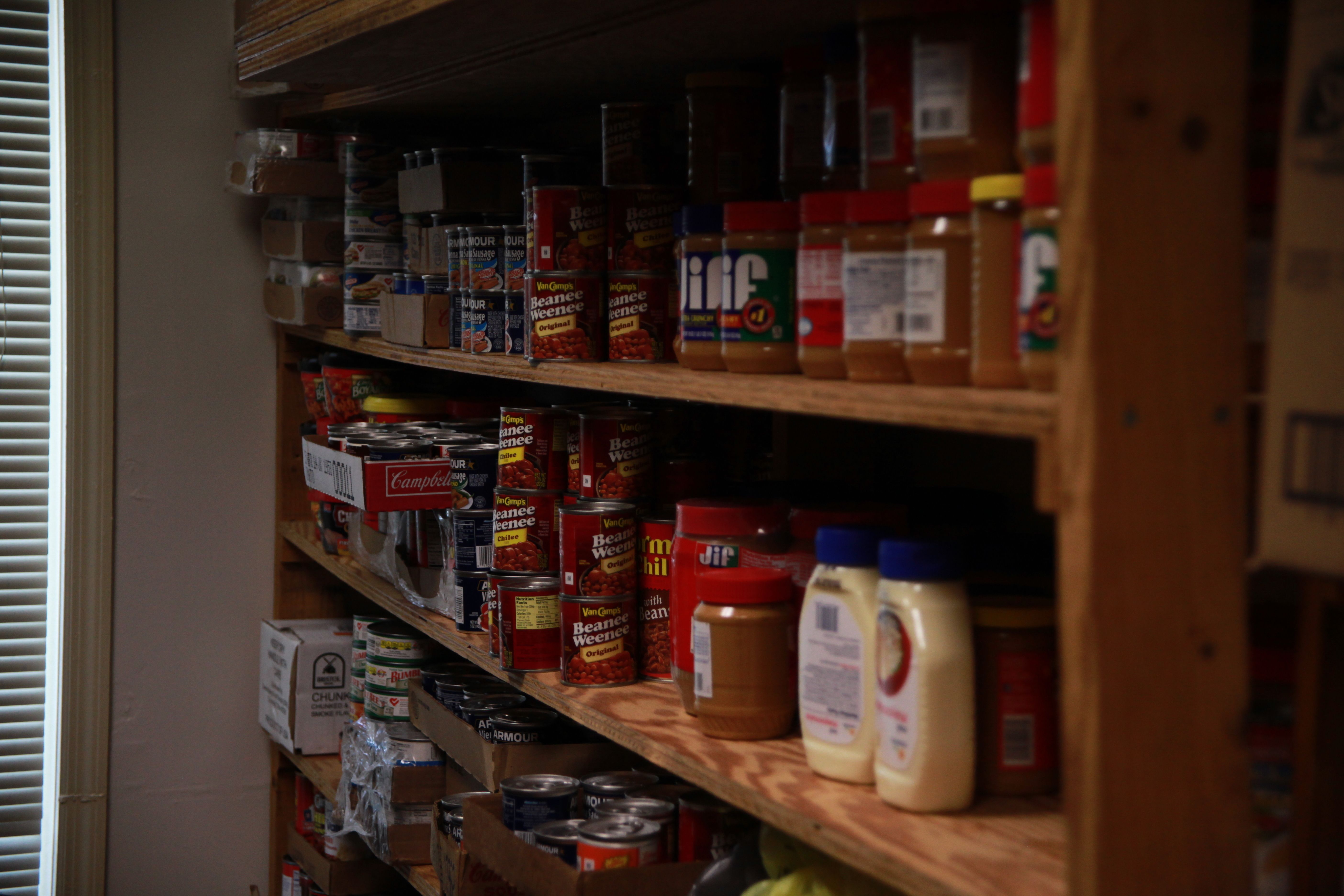
Several states - including Texas, Pennsylvania, and Wisconsin - have already advised residents to prepare for possible delays. In Arkansas, families are being encouraged to conserve their October benefits or seek assistance from local food banks. But many food banks are already stretched thin and may not be able to meet growing demand.
States Likely To Be Impacted

According to Newsweek, 36 states have warned they could face difficulties distributing November SNAP benefits without additional federal funds. These include Alaska, Arkansas, California, Colorado, Connecticut, Delaware, Florida, Hawaii, Idaho, Illinois, Kansas, Kentucky, Louisiana, Maine, Maryland, Minnesota, Missouri, Montana, New Jersey, New York, North Carolina, North Dakota, Oklahoma, Oregon, Pennsylvania, Rhode Island, South Carolina, Tennessee, Texas, Utah, Vermont, Virginia, Washington, West Virginia, Wisconsin, and Wyoming.
The Real-World Consequences

For millions of Americans, SNAP serves as a critical lifeline. Disruptions could force households to skip meals, rely on credit, or turn to local charities already struggling to keep up with demand. Officials warn that even a short interruption could deepen existing food insecurity across the country.
Urgent Calls For Congressional Action
Advocates and policymakers are urging Congress to restore funding before the situation worsens. If the shutdown continues past late October, experts predict a surge in hunger rates and mounting pressure on food assistance organizations nationwide. For many families, continued inaction could mean going without essentials.




Leave a Reply