
Heart disease is the leading cause of death worldwide, yet millions of people have no idea just how much their daily meals either fight or feed the problem. Every single bite you take is either quietly damaging your arteries or quietly defending them. That's a fact that most people don't sit with long enough.
Plaques made of cholesterol, fat, and other substances build up inside blood vessels, a condition known as atherosclerosis, which can gradually narrow the arteries. The good news? Diet is one of the most powerful tools we have against this. So let's dive in.
1. Fatty Fish: The Ocean's Gift to Your Arteries
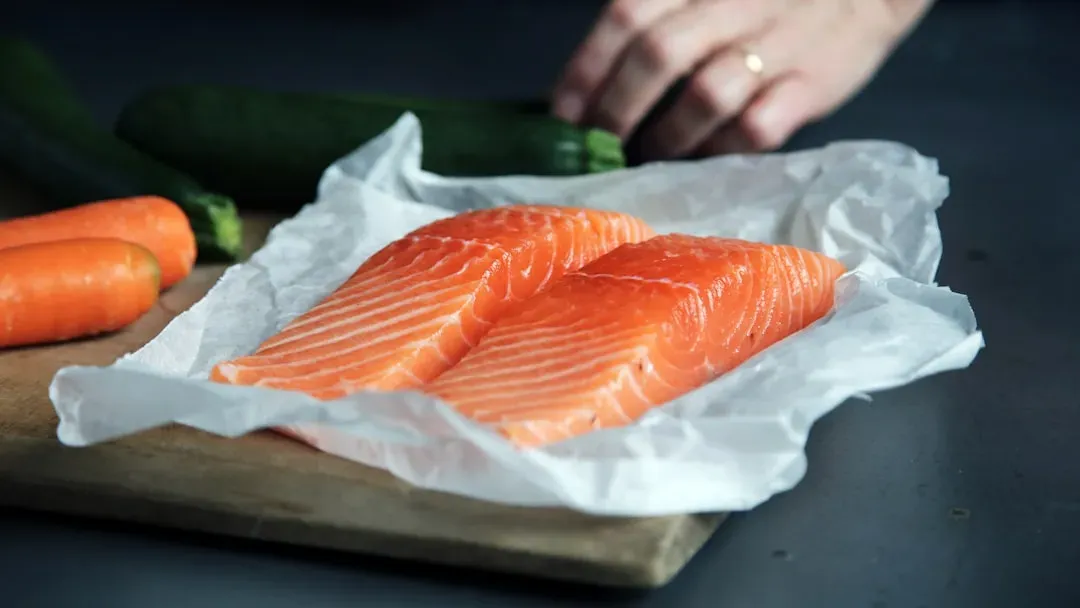
If you only made one change to your diet for your heart, eating more fatty fish would be a seriously strong contender. Many epidemiological studies report that higher consumption of fish, rich in omega-3 polyunsaturated fatty acids, is associated with a lower risk of coronary artery disease and stroke. That's not a small finding. That's decades of population-level evidence pointing in the same direction.
The anti-atherosclerotic effects of omega-3 fatty acids include reduced platelet aggregation, a triglyceride-lowering effect, anti-inflammatory effects, and plaque stabilization, with the anti-inflammatory effect being principally responsible for preventing atherosclerosis. Think of it like this: your arteries are under constant low-grade attack from inflammation, and omega-3s are essentially the peacemakers.
Sources of omega-3 fatty acids include fatty fish like salmon, mackerel, and sardines, as well as flaxseeds, chia seeds, and walnuts. Aim to include fatty fish in your meals at least twice a week, and your cardiovascular system will quietly thank you for it.
2. Garlic: The Ancient Remedy That Still Delivers

Garlic has been used medicinally for thousands of years, and honestly, modern science keeps finding new reasons to take it seriously. Garlic is a food that can help treat heart disease and high blood pressure, and according to studies, consuming garlic every day not only helps clean blood vessels but also prevents calcium deposits and calcification in the coronary arteries. That last part is particularly striking.
Several previous studies have demonstrated that aged garlic extract inhibits the progression of coronary artery calcification and non-calcified plaque in the general population. A 2025 review published in Experimental and Therapeutic Medicine confirmed garlic's anti-atherosclerotic effects, examining its mode of action and therapeutic benefits in detail.
The active compounds in garlic, particularly allicin, appear to reduce LDL oxidation and suppress inflammatory markers involved in plaque development. Garlic has also been recognized as a powerful blood pressure buster. Raw, aged, or lightly cooked, it genuinely belongs in your daily meals.
3. Oats: The Humble Breakfast That Fights Back
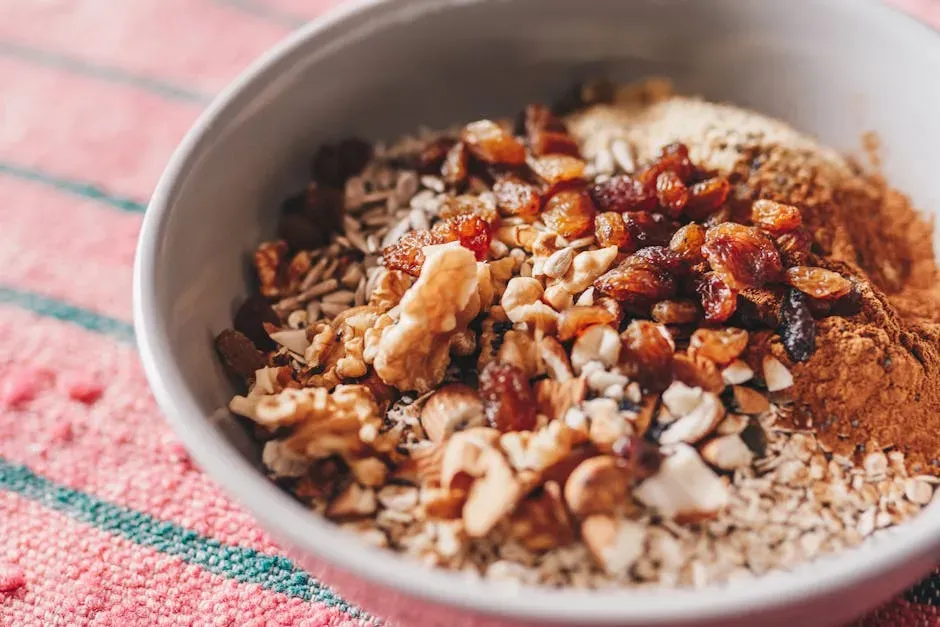
Let's be real. Oats are not glamorous. They're not trending on social media. But the science behind them and arterial health is rock solid. Oats offer a rich supply of soluble fiber, which has been shown to lower bad LDL cholesterol levels, and since cholesterol can seep into the inner layer of blood vessels and form plaque over time, the four grams per cup that oats deliver are a welcome addition.
Soluble fiber can help reduce cholesterol levels by binding to cholesterol particles and removing them from the body, and consuming fiber-rich foods like oats, barley, beans, lentils, fruits, and vegetables can significantly lower LDL cholesterol and improve arterial health.
The FDA approved heart-healthy claims for oats more than two decades ago, and research has only continued to stack up in favor of this grain. It's one of those cases where the simplest food on the shelf might just be the smartest choice you can make in the morning.
4. Berries: Small Fruits, Big Arterial Impact
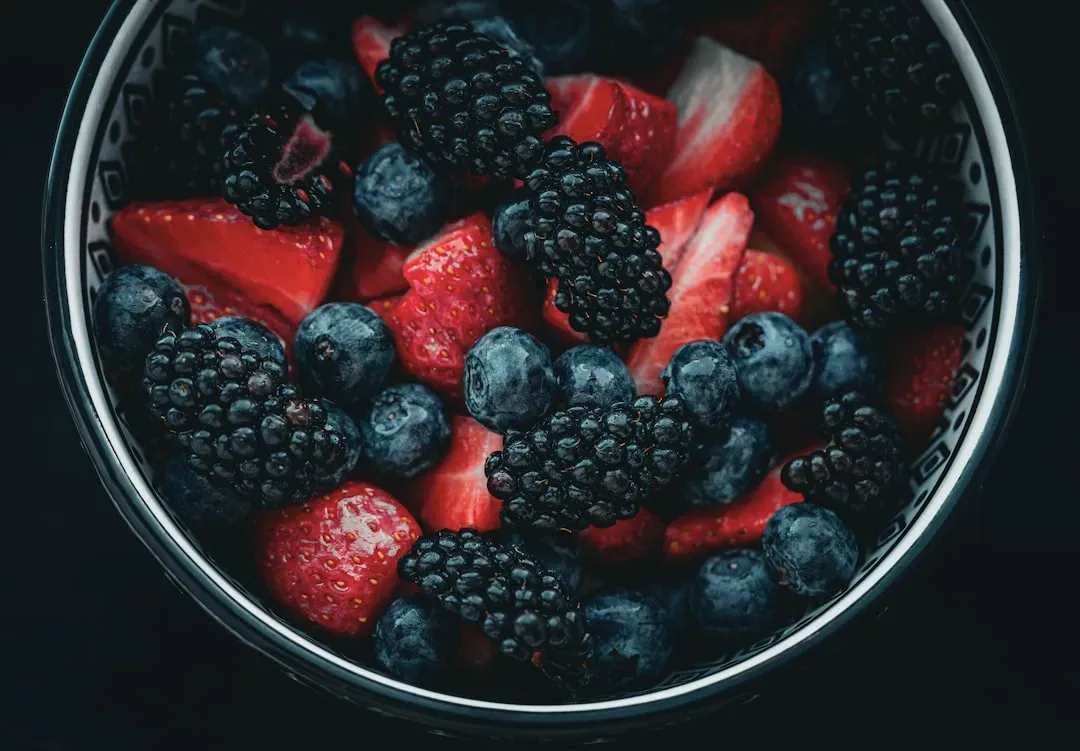
Berries are almost unfairly powerful for something that tastes like a treat. Fruits like strawberries and mulberries have a lot of flavonoid antioxidants, which help clear up plaque and prevent atherosclerosis. The color itself is a clue. That deep red and purple pigmentation comes from compounds called anthocyanins, and they work hard inside your blood vessels.
According to a 2024 study, eating foods rich in beneficial plant compounds called flavonoids may lower the risk of atherosclerosis in the arteries of the legs and neck. The study, involving more than five thousand participants, was published in the November 2024 issue of Arteriosclerosis, Thrombosis, and Vascular Biology. Compared to people who consumed the least amount of flavonoids, those who ate the highest amounts had notably lower odds of having plaque in their legs and a meaningfully lower chance of plaque in their necks.
Polyphenols, a group of antioxidants found in fruit and vegetables, may decrease the oxidation of LDL cholesterol. Blueberries, raspberries, blackberries, strawberries. Mix them up, eat them often. This is one dietary upgrade that requires almost no effort.
5. Extra Virgin Olive Oil: The Mediterranean Secret
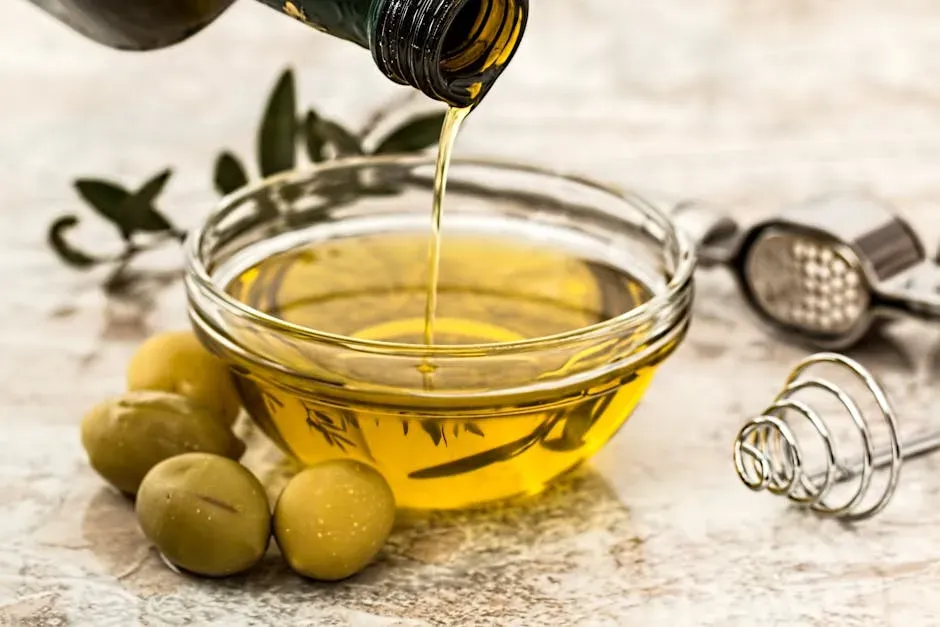
The Mediterranean diet keeps showing up in cardiovascular research as one of the most protective eating patterns ever studied. And olive oil is arguably its most essential ingredient. When monounsaturated lipids in olive oil are combined with harmful cholesterol molecules, they undergo less oxidation, making cholesterol less likely to bind to arterial walls and create plaques.
The evidence supports a Mediterranean-style diet of antioxidant-rich plant foods, olive oil, and nuts. A 2025 systematic review published in MDPI examined the Mediterranean diet's role in arterial stiffness, reviewing 16 observational and randomized controlled trials and confirming its consistent vascular benefits across the literature.
Incorporating extra virgin olive oil, which has anti-inflammatory properties, can help reduce plaque buildup in blood vessels and promote healthy arteries. Go for extra virgin over refined. The difference in polyphenol content is significant, and those polyphenols are exactly what you want working inside your vessels.
6. Walnuts: The Brainy Nut With a Heart of Gold
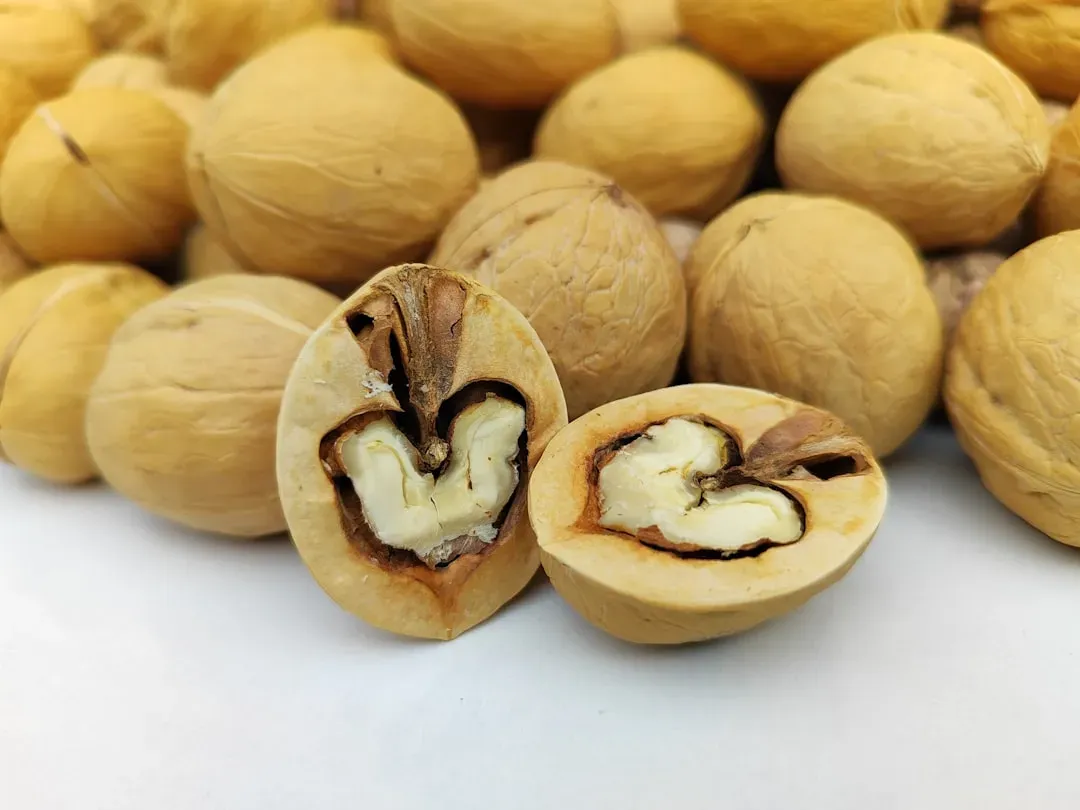
Walnuts genuinely punch above their weight when it comes to heart health. The consumption of various nuts, especially walnuts, may benefit both primary and secondary prevention of cardiovascular disease due to their bioactive components. Primary prevention means protecting healthy people. Secondary prevention means helping those who already have heart disease. Both. That's impressive.
In addition to their LDL cholesterol-lowering effect, a cause-and-effect relationship was found between walnut consumption and endothelium-dependent vasodilation, which characterizes healthy vascular function. The endothelium is the inner lining of your blood vessels, and keeping it healthy is foundational to preventing blocked arteries. Epidemiological studies indicate that there is a dose-effect relationship between the daily intake of nuts and cardiovascular disease risk reduction, with walnuts showing the strongest association.
Research has found that frequently eating nuts lowers levels of inflammation related to heart disease and diabetes, and regularly eating a healthy diet that includes nuts may improve artery health, lessen inflammation related to heart disease, and lower the risk of blood clots that can lead to heart attacks and strokes. A small handful daily is a genuinely evidence-based habit worth building.
7. Leafy Greens: The Underrated Artery Cleaner
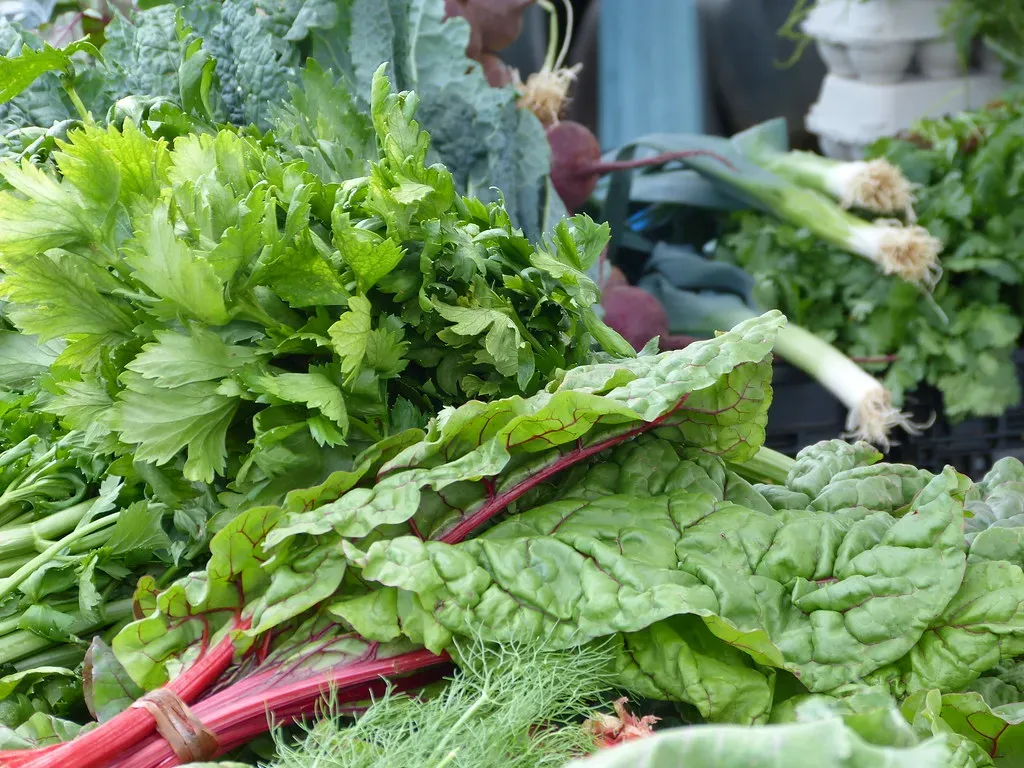
Spinach, kale, Swiss chard, arugula. These might seem like side-dish territory, but the research suggests they deserve far more real estate on your plate. Spinach contains a high concentration of lutein, a chemical that helps protect the body from macular degeneration in the eyes, and furthermore this chemical helps prevent heart attacks by avoiding cholesterol accumulation and keeping arterial walls clean.
In addition to antioxidant vitamins C and E, green and yellow vegetables contain abundant quantities of carotenoids and polyphenols, and the consumption of carotenoids and vitamins C and E has been shown to be inversely associated with coronary artery disease. In other words, more greens generally means lower heart disease risk. The relationship is well-documented across dozens of studies.
A diet rich in fruits, vegetables, whole grains, lean proteins, and healthy fats can help reduce plaque buildup and improve overall cardiovascular health. Leafy greens are the cornerstone of that approach. They're also high in nitrates, which the body converts to nitric oxide, a compound that helps relax and dilate blood vessels.
8. Pomegranate: The Antioxidant Powerhouse
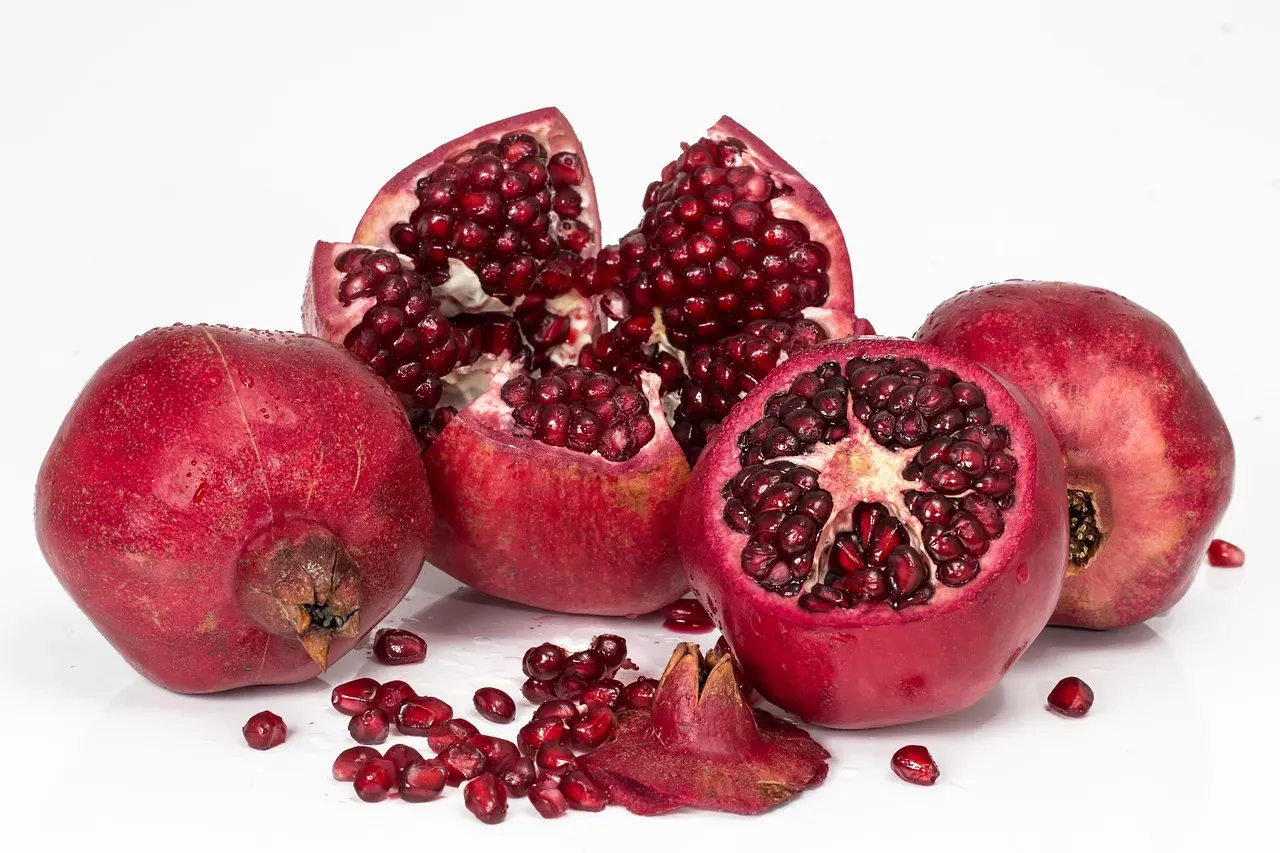
Pomegranate might just be the most underappreciated fruit when it comes to artery health. Its antioxidant profile is extraordinary. Strong antioxidants found in pomegranate juice enhance blood flow, lower oxidative stress, and may aid in the regression of carotid artery plaque, while also lessening arterial stiffness and increasing the availability of nitric oxide.
Pomegranate extract treatment reduced the size of atherosclerotic plaques in the aortic sinus and reduced the proportion of coronary arteries with occlusive atherosclerotic plaques, with treatment resulting in substantial reductions in levels of oxidative stress in atherosclerotic plaques. That comes from direct laboratory research published in the journal Atherosclerosis.
It's hard to say for sure how much pomegranate juice you would need to consume to see the same results, since animal models sometimes differ from human outcomes. Still, the mechanistic evidence is compelling. Pomegranate includes a high concentration of antioxidants, which help prevent hardened plaque from adhering to arterial walls, and eating pomegranates can help prevent the development of diseases caused by hardened plaque while also reducing the effects of stress on blood vessel cells.
9. Turmeric: The Golden Spice With Real Science Behind It
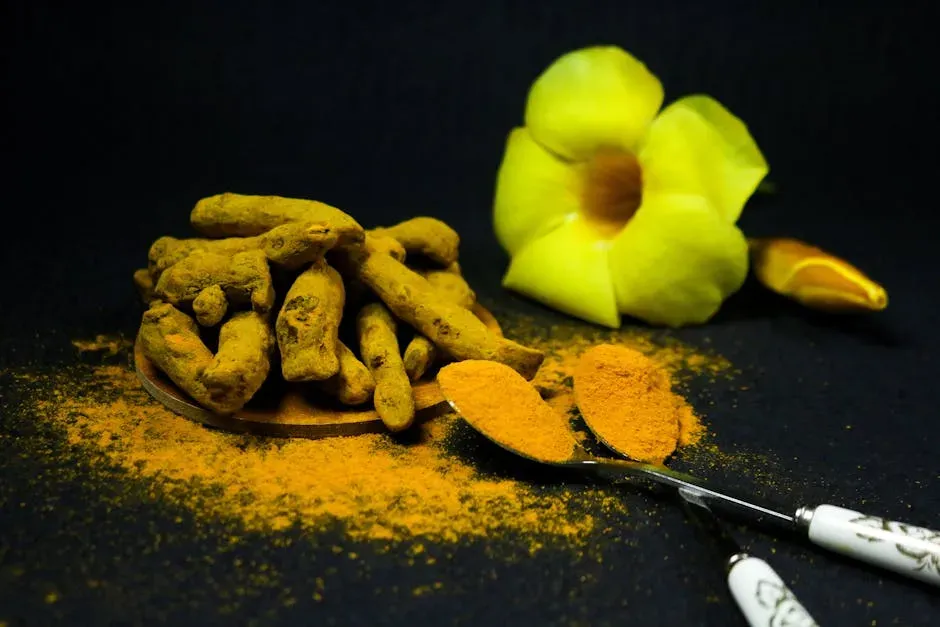
Turmeric has had something of a wellness-industry moment over the past several years, and for once, the hype isn't entirely misplaced. Turmeric's anti-inflammatory and antioxidant properties could help slow or reverse coronary heart disease, with research examining the protective effects of curcumin in cardiovascular diseases and its impact on oxidative stress.
A 2025 study published in ScienceDirect investigated the therapeutic potential of curcumin, the active compound in turmeric, specifically in the context of atherosclerosis. Atherosclerosis, a chronic inflammatory disease defined by plaque formation in artery walls, is still a significant cause of cardiovascular morbidity, and curcumin's ability to modulate inflammatory pathways makes it a subject of serious scientific investigation.
For optimal absorption, turmeric should be incorporated into everyday meals or taken with warm milk and a dash of black pepper. That tip about black pepper matters. The compound piperine in black pepper dramatically improves the body's ability to absorb curcumin. Without it, most of the benefit passes right through you.
10. Green Tea: A Daily Cup in Defense of Your Heart

Green tea is one of the most studied beverages on the planet when it comes to cardiovascular health, and the findings keep coming. Tea is rich in various bioactive substances such as tea polyphenols, theaflavins, and tea polysaccharides, and due to their regulatory effects on multiple pathways and anti-inflammatory and antioxidant properties, these active substances have shown significant efficacy in regulating dyslipidemia, hypertension, diabetes, and obesity.
Catechins, which are abundant in green tea, lower LDL oxidation, increase vascular function, and improve fat metabolism, and frequent green tea consumers have better cholesterol profiles and reduced heart disease rates. There's also the flavonoid angle. Green tea contains flavonoids, which are a rather strong antioxidant, and flavonoids can assist the inner lining cells of blood vessels to remain stable, lowering the risk of cardiovascular disease.
Drinking green tea every day helps to dilate the arteries, allowing the blood vessels to work more easily. Three to four cups a day appears to be a reasonable target based on the research. It's one of the simplest daily habits you can build, and the evidence backing it is genuinely solid.
11. Legumes: The Most Underestimated Food Group for Artery Health
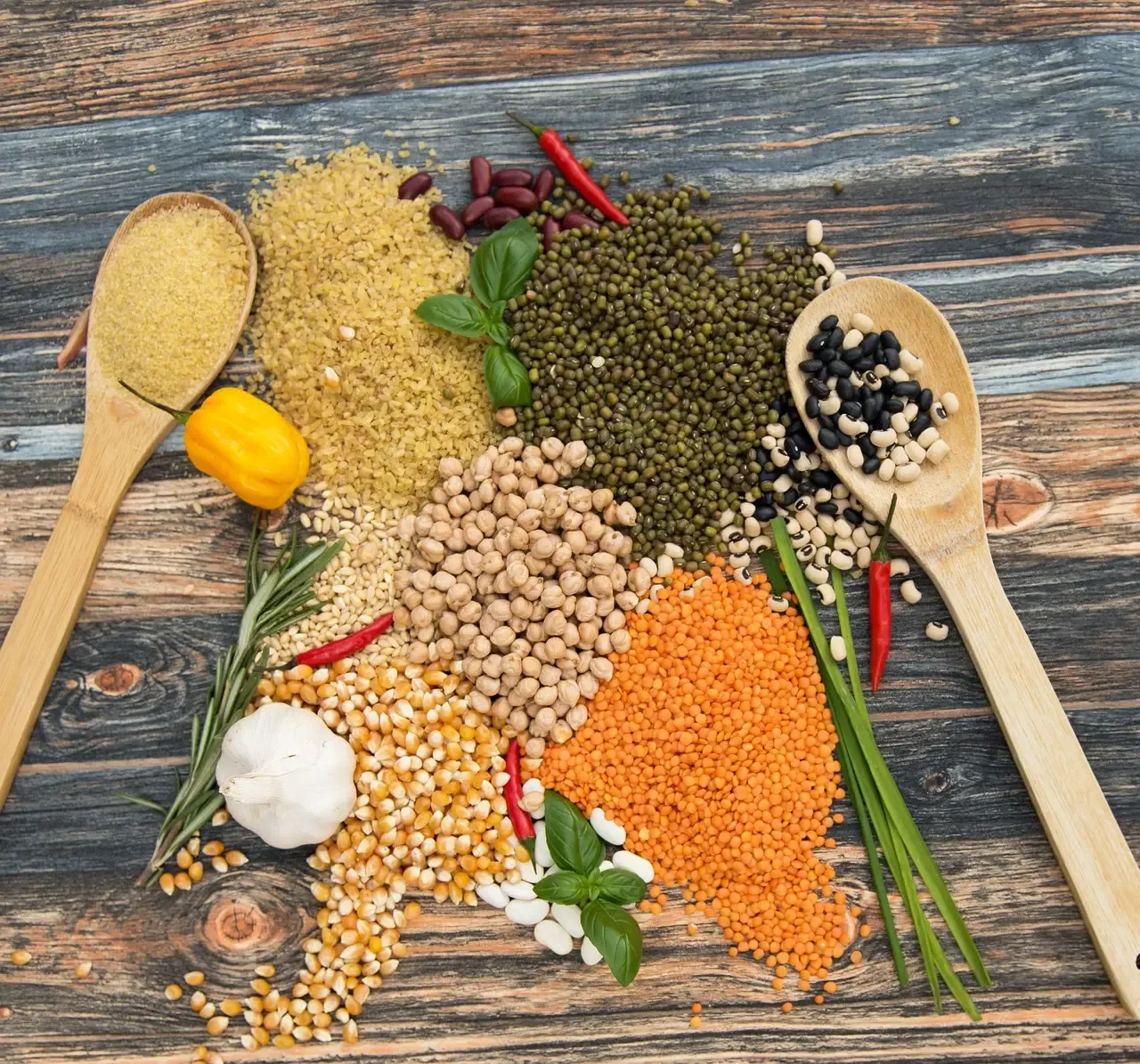
Beans, lentils, chickpeas, peas. These are foods that somehow never get the credit they deserve, despite being consistently linked to better heart health in research. Black beans have a remarkable amount of soluble fiber per cup, and antioxidants, which are especially abundant in colorful varieties such as black beans and red kidney beans, may fight inflammation that contributes to heart disease.
Aiming for a healthy dietary pattern that includes a variety of fiber-rich fruits, vegetables, whole grains, and legumes may be a more positive and realistic way to focus efforts rather than seeing a diet as a restrictive measure. That's a useful reframe. This isn't about deprivation. It's about addition. Adding legumes to your plate is one of the most affordable, accessible, and research-backed moves you can make.
Evidence shows that healthy dietary patterns such as the DASH diet may lower LDL cholesterol and reduce plaque, and in a 2021 randomized study, researchers found that a combination of dietary changes and increased physical activity slowed the progression of atherosclerosis compared to a control group. Legumes are a cornerstone of that kind of dietary pattern. Simple, cheap, and surprisingly powerful. What else do you need?
A Final Word
You may be able to stabilize and partially reverse buildup of plaques in clogged arteries with lifestyle management, including diet and physical activity. No single food is a magic bullet, and it would be misleading to suggest otherwise. Both the DASH and Mediterranean diets may slow or even partially reverse the progression of atherosclerosis, and regular consumption of good fats and whole, plant-based foods has a key role in lowering cholesterol levels, inflammation, and blood pressure, all of which contribute to clogged arteries.
The 11 foods in this list are not exotic or expensive. Most of them are sitting in your local grocery store right now. The evidence for each one is real, peer-reviewed, and mounting with every passing year of research. When it comes to atherosclerosis or clogged arteries, prevention is better than the cure, and people can reduce their risk of the condition by adopting a healthy diet and maintaining a moderate weight.
Your arteries are not a fixed system. They respond to what you feed them, week after week, year after year. The question worth sitting with is this: what have you been feeding yours?




Leave a Reply