
Most people assume that if it says "prime" on the label, they're getting the real deal. Honestly, that is one of the most expensive assumptions you can make at a grocery store or restaurant. The beef industry is layered, confusing on purpose, and full of terminology that sounds impressive but means absolutely nothing legally.
Here's the thing: real USDA Prime beef is genuinely rare. Knowing how to identify it in under 12 seconds - before you even get to the checkout counter - can save you money, elevate your cooking, and help you stop being fooled by clever marketing. Let's dive in.
What "Prime" Actually Means - and Why It's Not Just a Marketing Word
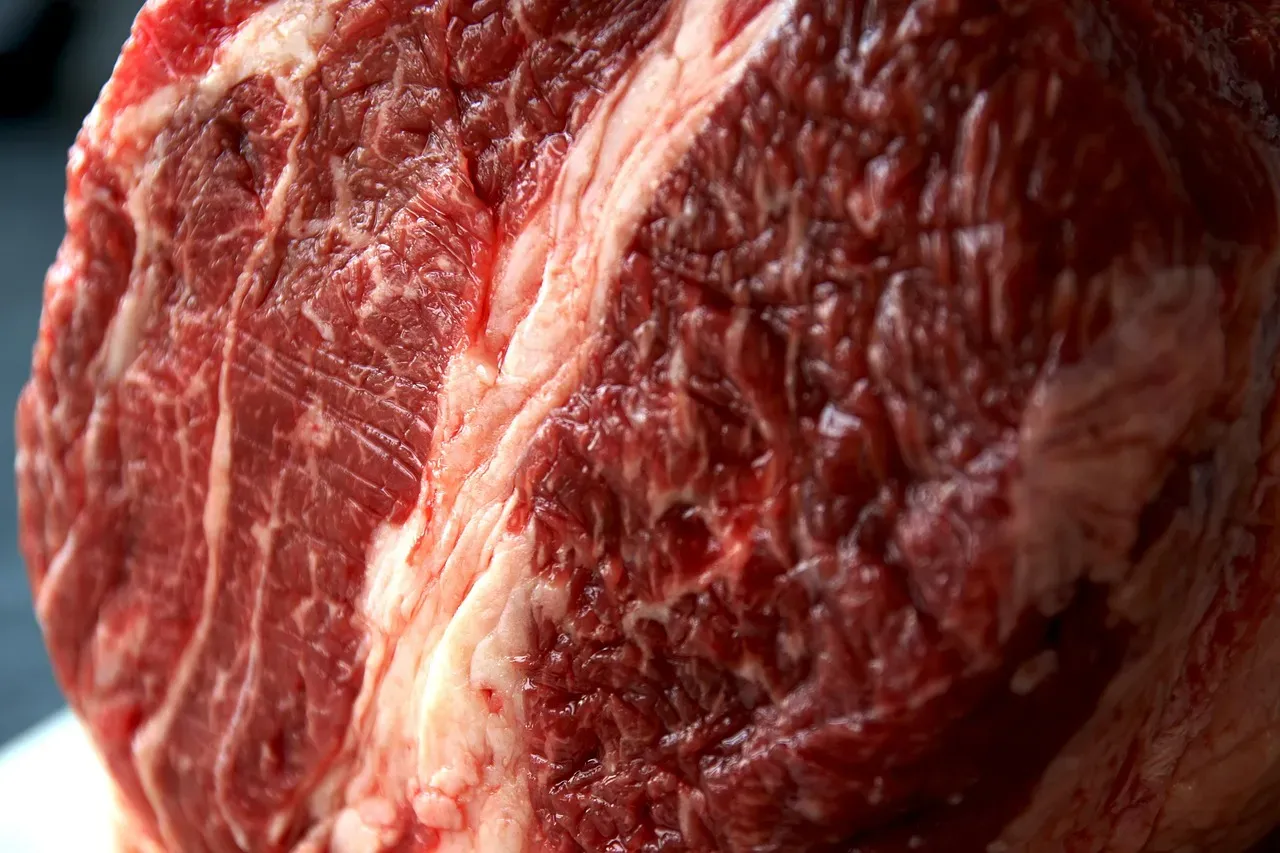
USDA Prime sits at the very top of the beef grading scale. It's produced from young, well-fed beef cattle, which contributes to its abundant marbling and superior quality. Think of it as the honor roll of beef - only a select few make the cut, and the criteria are strict.
Beef is graded in two ways: quality grades for tenderness, juiciness and flavor; and yield grades for the amount of usable lean meat on the carcass. So when you see "Prime," it refers specifically to eating quality, not just size or yield. That distinction matters more than most people realize.
According to the USDA, prime beef must come from young, healthy cattle and exhibit abundant marbling. The USDA grading process also looks at factors like meat color, firmness, and texture. Nevertheless, it's really the marbling that plays the most critical role in separating prime beef from lower grades like choice and select.
The Rarity Factor: Just How Little Prime Beef Actually Exists
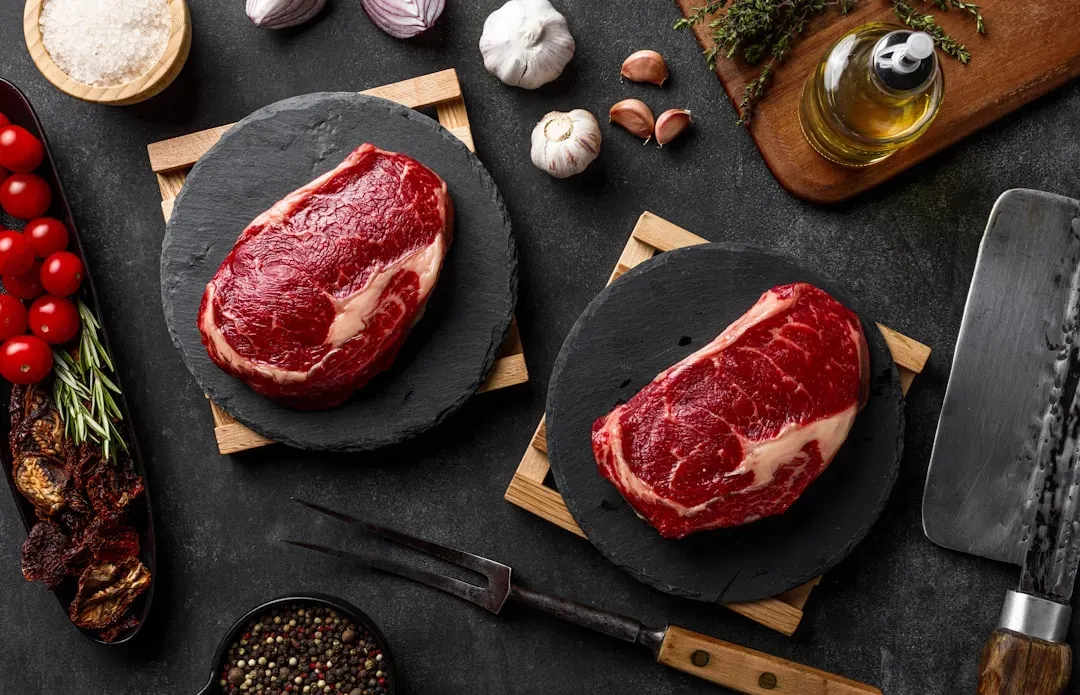
The USDA meat grading reports for 2024 and 2025 show roughly 10 percent of all beef graded each fiscal year - specifically 10% in 2024 and 10.8% in 2025 - earned the prime rating. That number sounds modest, but it's significantly higher than what the industry claimed for decades.
In the past, it was commonly stated among industry pros that less than 2% of American beef was given the prime grade, although the figure is now more than doubling. Part of this shift reflects changes to grading standards over the years - so a steak that qualifies as Prime today might not have qualified a generation ago.
On average, approximately 15% of USDA Prime beef that some specialty producers bring in, they choose not to sell as USDA Prime because, in their opinion, it doesn't meet the pre-1987 definition of Prime. That's a sobering thought. Even the label doesn't always tell the full story.
The 12-Second Visual Check: The Marbling Test
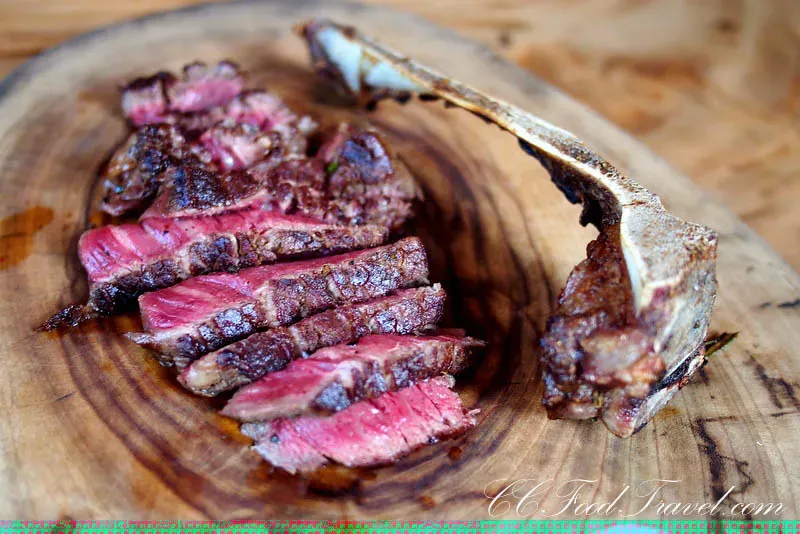
Here's the heart of it. You don't need a degree in animal science to spot a real Prime cut. You just need your eyes and roughly 12 seconds. The single most important thing to look for is marbling - and how it's distributed.
Marbling will present slightly differently depending on the cattle breed, but the absolute best USDA Prime steaks will be laced with thin flecks of marbling, the intramuscular fat, spaced evenly throughout the meat. This concentration and uniformity of marbling is what creates such a memorable dining experience.
You can tell the difference between good and bad marbling in steak by looking at the meat's color and the veins of fat. When comparing raw cuts of steak, choose the one with a lighter color and thinner veins. If the fat is too thick and spread out in clumps, it will result in a much chewier steak. That's your 12-second visual test right there - thin, evenly spread white lines win every time.
Step Two: Read the Color of the Meat Itself
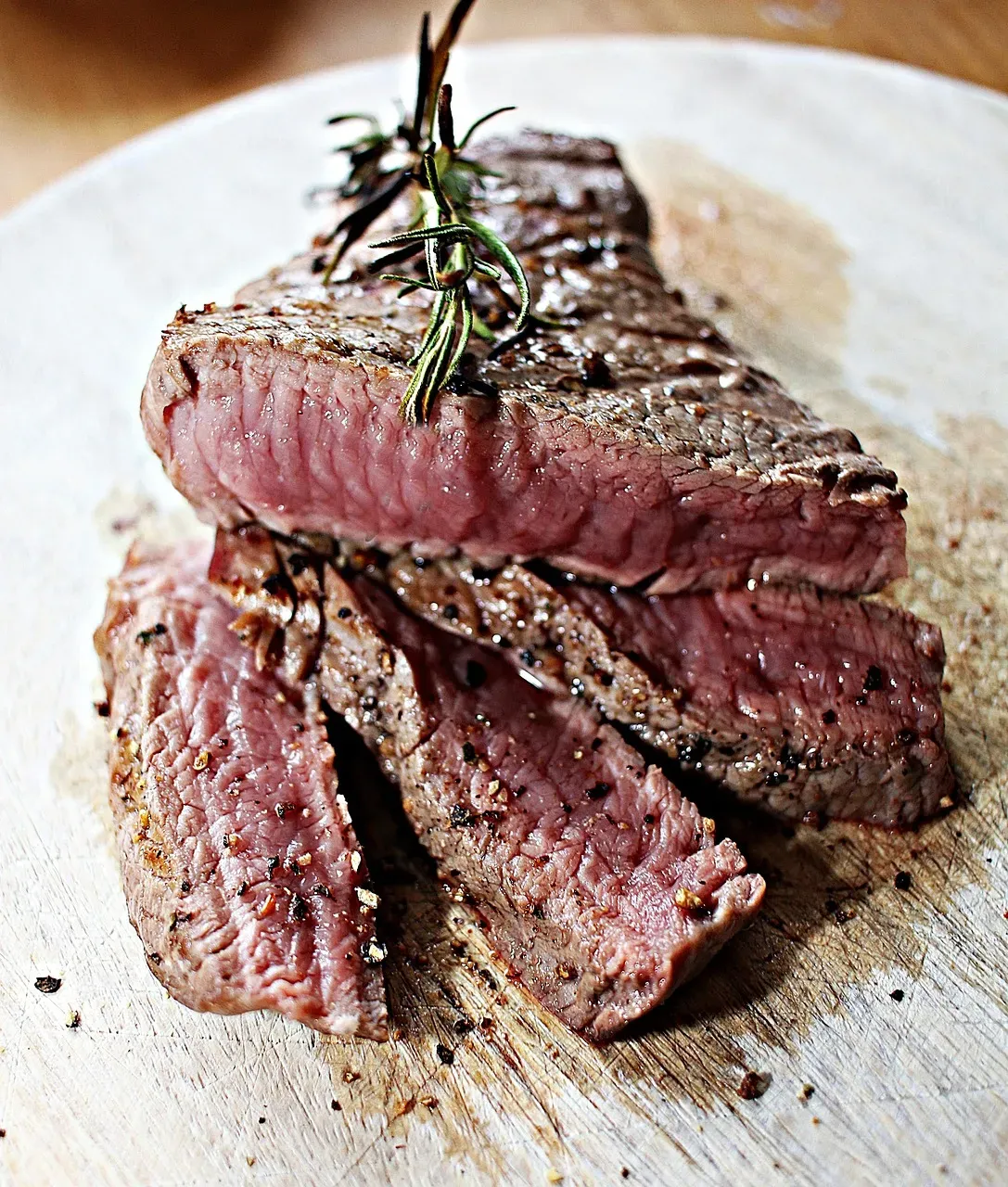
Color is one of those instant, gut-level signals that most shoppers skip right over. They grab a steak, glance at the price, and move on. That's a mistake. A steak's color tells you a huge amount about its quality and freshness.
Premium beef displays fine, evenly distributed white marbling throughout the meat, a deep red colour without dark spots, and a smooth, slightly moist surface texture. The fat should appear creamy white rather than yellow, indicating proper ageing and handling processes.
Beef should be bright red. If it's dull, gray, brown, or green, it's not fresh. I know that sounds obvious, but under grocery store lighting, these differences can be genuinely hard to spot. Take an extra few seconds and look critically - your plate will thank you.
Step Three: Touch It (Yes, Really)
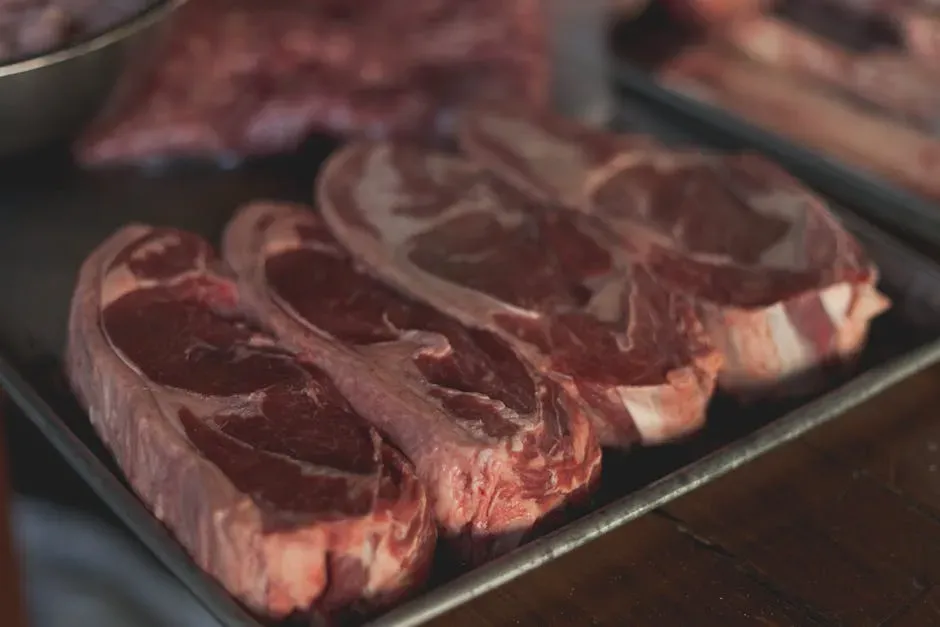
This is the step most people skip because it feels weird pressing on a steak through plastic wrap in the middle of a supermarket. Do it anyway. The texture of premium beef is remarkably different from lower-grade cuts, and it's something you can feel even through packaging.
High-quality premium beef feels firm and springs back when pressed, with a fresh, clean aroma that's slightly sweet or metallic but never sour or ammonia-like. The texture should be smooth and fine-grained rather than coarse or slimy.
Premium beef maintains consistent firmness throughout the cut without soft or mushy areas. When pressed gently, the meat should bounce back quickly, indicating proper moisture content and cellular structure. Avoid cuts that feel sticky or leave residue on your fingers. Think of it like pressing a good mattress versus a cheap one - the quality bounces back.
The USDA Shield: Your Non-Negotiable Starting Point
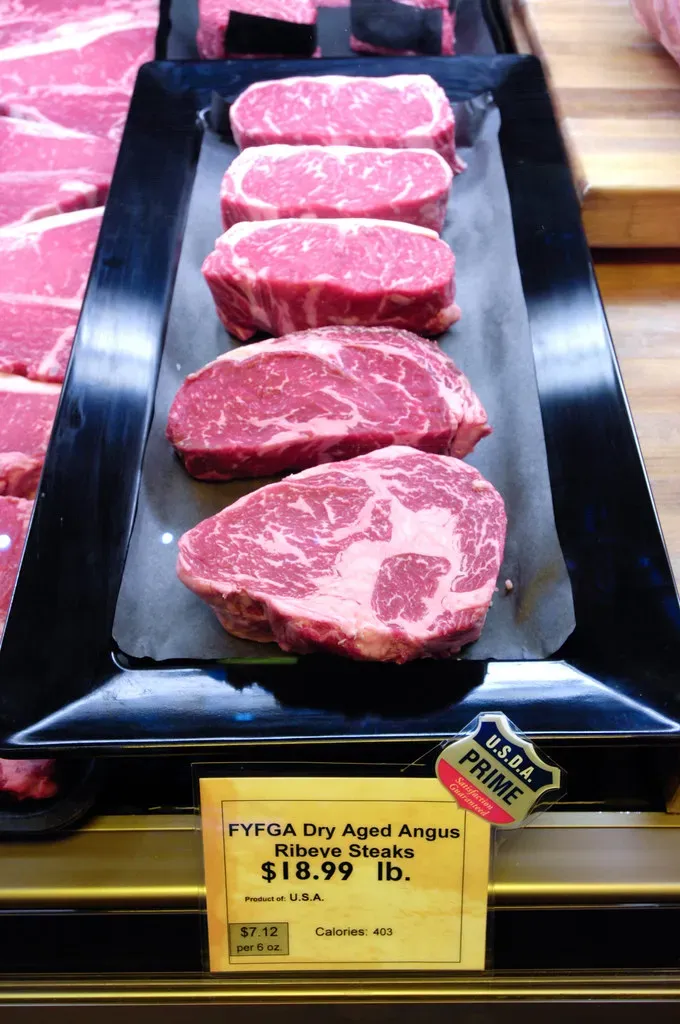
Before any of the tactile or visual checks even come into play, there's one thing you must confirm first. It's not optional, and it's not subtle. The easiest way to gauge the amount of marbling on a steak is to look for the USDA shield. They grade all the beef produced by a single carcass at once, using the ribeye muscle between the 12th and 13th ribs as their metric. Only cows with sublime marbling may qualify for the USDA Prime designation, the highest grade awarded.
Restaurants are aware of this, and will sometimes try to co-opt that prestige by using the term "prime" without the USDA label. Alternatively, they might call their beef "premium" or say that it has been rated "in-house." These are common tactics to cover up the fact that they use sub-par beef.
The USDA grade shields are highly regarded as symbols of safe, high-quality American beef. Quality grades are widely used as a "language" within the beef industry, making business transactions easier. Without that shield, "prime" is just a word on a sign.
How the Graders Actually Do It - and What You Can Learn From Them
Understanding how the professionals assess beef helps you mimic their process in a quick, practical way. It's like learning how a sommelier smells wine - once you know the method, you start seeing things you never noticed before.
USDA meat graders evaluate each side of beef using a mix of subjective assessments and electronic measurements. The process begins by cutting the beef carcass in half lengways, then in half down the center of the animal to create four quarters. The second cut is made between the 12th and 13th ribs to give graders the best view of the ribeye, which tells the evaluators all they need to know about the beef in question.
The quality grade of a beef carcass is determined by evaluating carcass indicators of physiological maturity and marbling. Ten marbling scores are used to determine USDA quality grades for beef. As a regular consumer, you're essentially performing a compressed version of that same assessment every time you pick up a steak at the store.
Fine vs. Coarse Marbling: A Distinction That Changes Everything
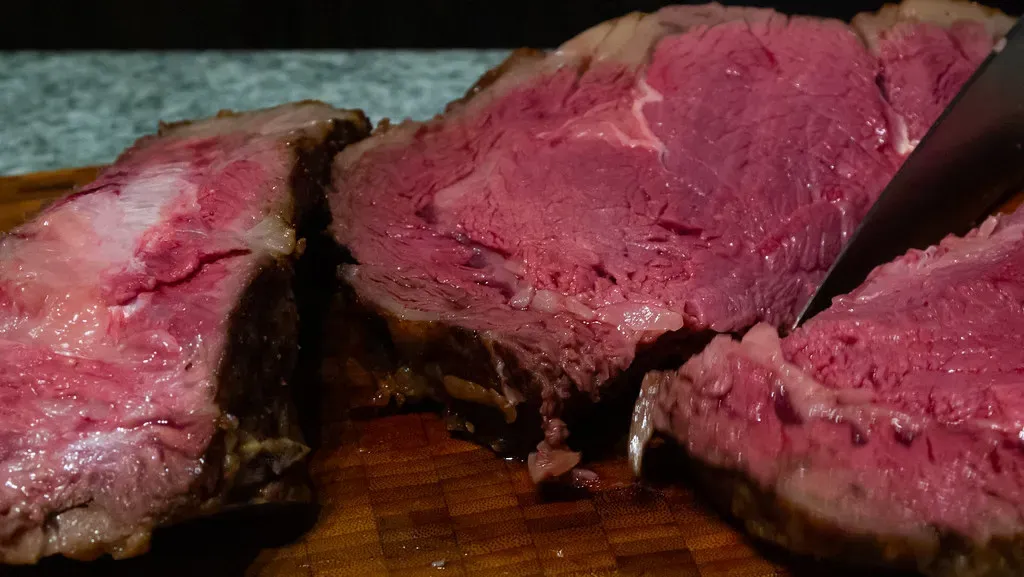
Not all marbling is created equal. This is one of those nuances that separates a truly knowledgeable steak buyer from someone who just knows the basics. More fat isn't automatically better - the type of fat matters enormously.
Fine marbling has an even distribution of thin, light flecks of fat. The juiciest, most tender steaks have fine marbling. Medium marbling contains larger pieces of fat and a slightly uneven distribution. Medium marbled steaks are less juicy and tender because the thick veins of fat take longer to melt.
The most sought after marbling is called "fine" - and it looks like it sounds. Fine marbling is small, thin flecks of fat in the lean muscle, and when you have a high frequency of fine marbling, you've got yourself a winner. It's a bit like the difference between a well-woven fabric and one with loose, chunky threads - the finer weave is always superior.
The Marbling Percentage Numbers Behind Each Grade
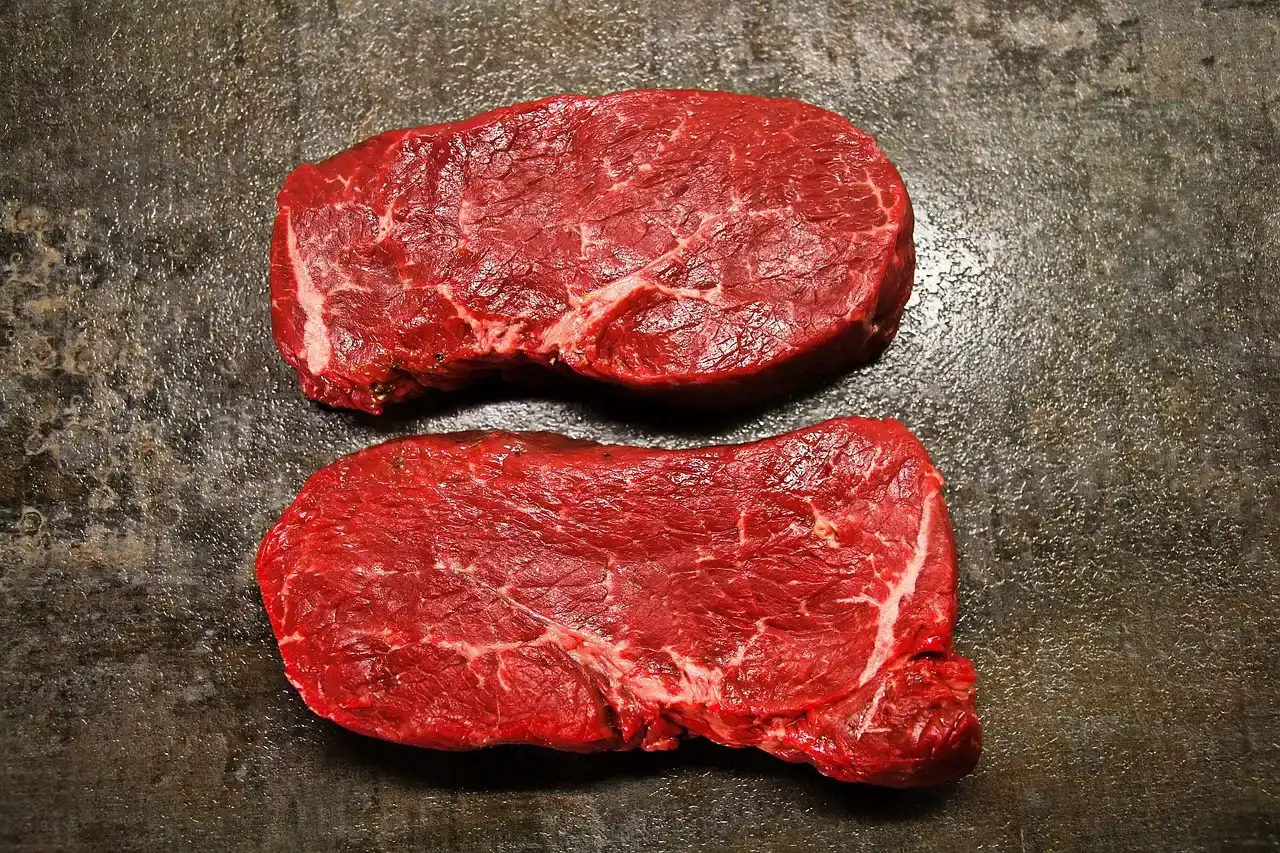
If you want hard data to back up your visual inspection, the numbers behind each USDA grade are genuinely illuminating. This is where the difference between Prime and Choice becomes concrete rather than just impressionistic.
The most important difference between prime and choice beef is that prime has way more marbling. Prime beef has marbling at 8-13% fat, while choice beef has marbling only at 4-10% fat. More marbling means more flavor, juiciness, and tenderness - that's why prime beef is considered better than choice beef.
Choice is the most common USDA grade of beef in the food industry, making up 50-60% of all beef sold in the United States. So what you see on most grocery shelves isn't Prime - it's overwhelmingly Choice. That's not a bad thing, but it means "Prime" truly is the exception, not the baseline.
Grass-Fed vs. Grain-Fed: Why This Affects Your Prime Check
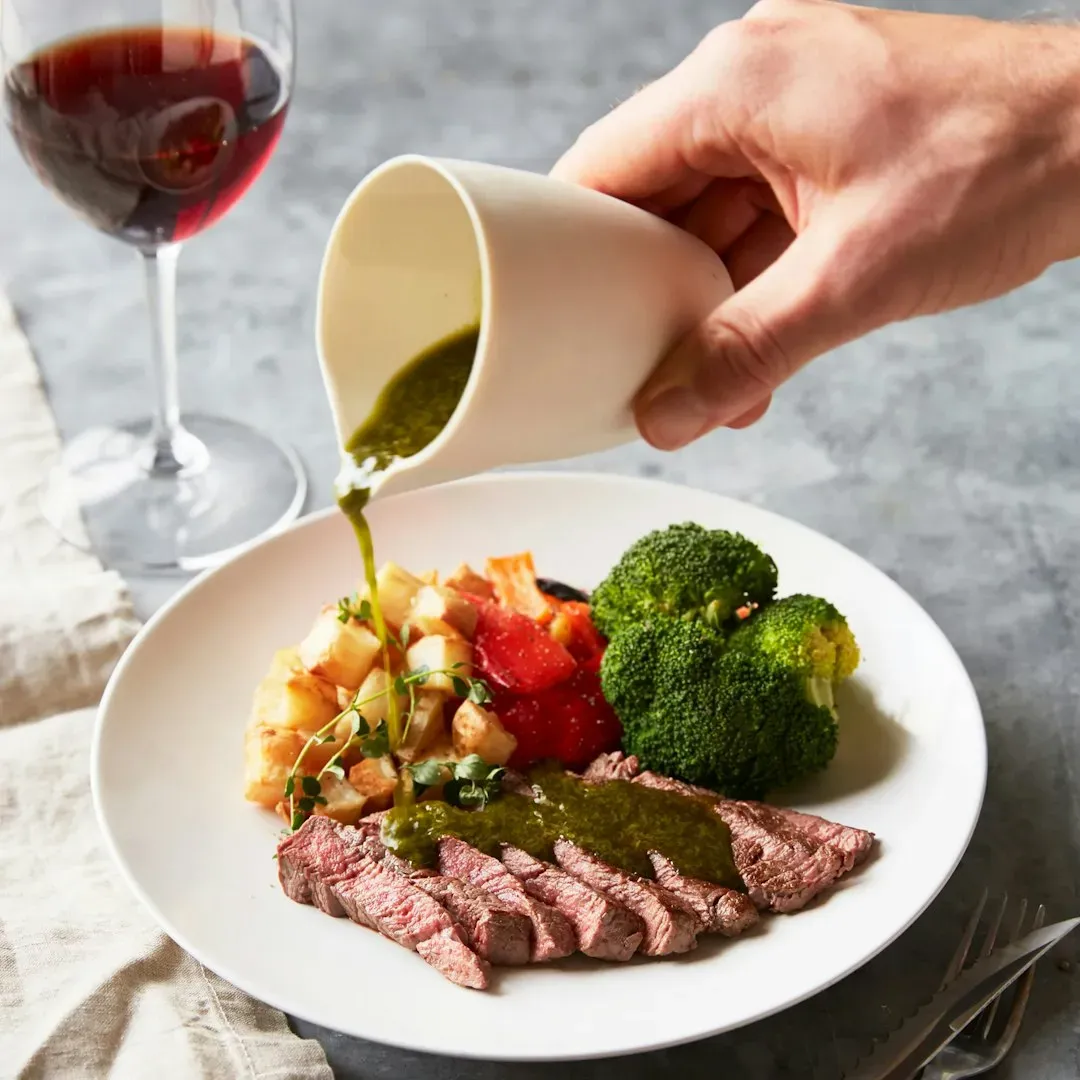
This is where a lot of health-conscious shoppers get confused. They're drawn to grass-fed beef for ethical and dietary reasons - which is completely understandable - but they also assume it must be the highest quality. The two goals are actually in tension with each other when it comes to USDA Prime.
Grass-fed and organic beef have grown significantly in popularity in recent years as customer preferences steer more toward ethical sustainability and health. However, because USDA beef grades place high focus on the amount of marbling, it's rare for grass-fed beef - which is naturally leaner - to make the prime grade.
Cattle that feed on grain often marble more easily than strictly grass-fed cattle, which are typically leaner. Some producers note they have yet to see a Prime steak that is also grass-finished. Because grass-finished beef is leaner, it doesn't meet the USDA's qualification for Prime. So if you're hunting for Prime, grain-fed is almost always your path there.
Watch Out: "Meat Glue" and the Fake Prime Scam
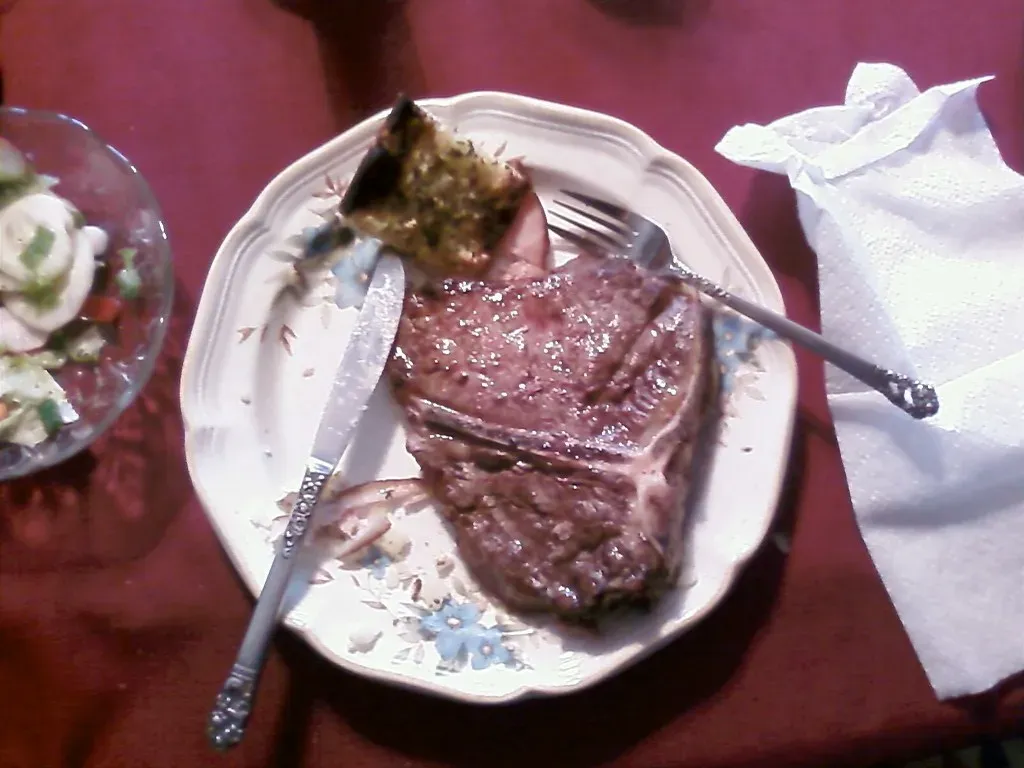
This is the part of the article that's going to make some people uncomfortable - and it should. Because beyond simple mislabeling, there's a more deceptive practice lurking in parts of the meat industry that directly affects your ability to trust what's on your plate.
One deceptive practice involves using a substance called transglutaminase enzyme - commonly referred to as "meat glue" - to bind animal scraps that would otherwise be discarded. While grocery stores are required to vaguely mark these items as "formed from pieces of whole muscle meat," restaurants are under no obligation to disclose this information. Diners who believe they are eating a fresh, prime steak could unknowingly be consuming glued-together scraps.
You should also be wary of artificially marbled beef. These cuts have had fat injected into the muscle to try and emulate a higher-quality steak. The results can look very convincing, even better than the genuine article, so it's almost impossible to tell the difference at a glance. Fortunately, the USDA demands strict labeling of such products, usually saying something like "fat injected" or "fat enhanced." Always read the fine print on the label.
Where to Actually Find Real Prime Beef in 2026
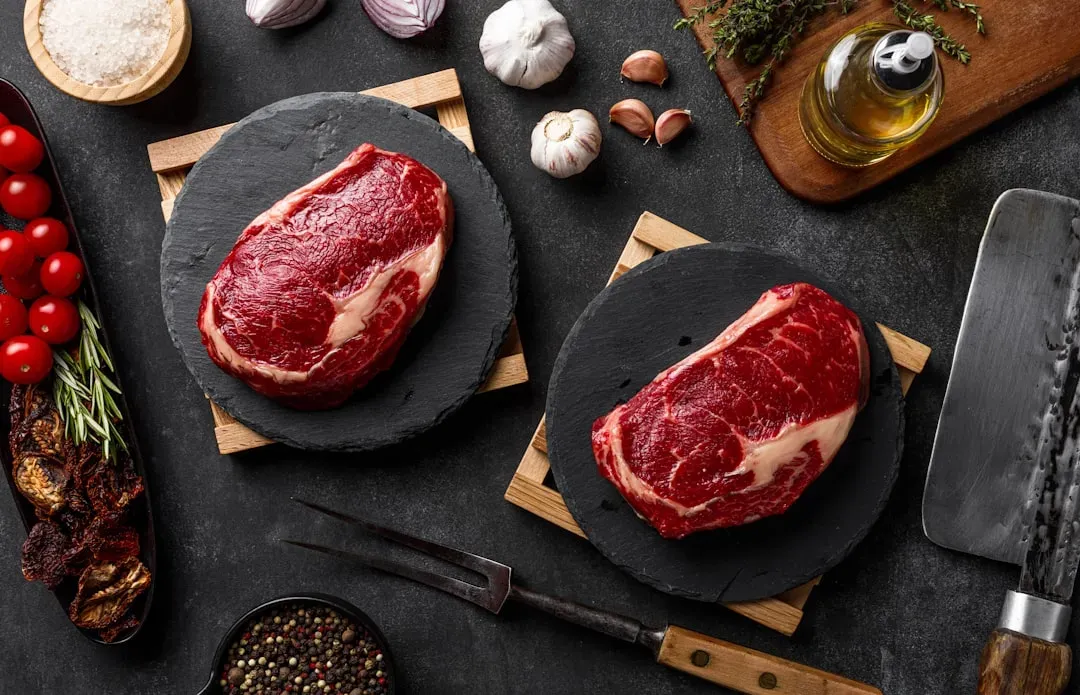
So you've done your visual check, confirmed the marbling, checked the color, pressed for firmness, and verified the USDA shield. Now the question is: where are you most likely to find the real thing without paying steakhouse prices?
At one point, prime beef was known to be mostly allocated to commercial kitchens, but now it's also sold at a familiar retailer: Costco. You can find a range of prime cuts at the store when they're in stock, with everything from tenderloin to sirloin to a whole rack of ribs. Sure, it's a little pricier, but it also brings steakhouse-quality cuts into your home kitchen.
You'll typically find Prime beef in high-end restaurants and specialty butcher shops, though some supermarkets now carry it at premium prices. The key is always looking for that USDA Prime shield printed directly on the packaging - not a sticker applied by the store, but the mark that came from the processing facility. In at least one documented 2025 case, a retailer's own label listed beef as USDA Choice, but the rest of the packaging was clearly embossed with the USDA Prime label printed directly on the plastic, which comes from the processing facility before the retailer adds its own labels. That kind of discrepancy is worth knowing about.




Leave a Reply