
Anyone who has pushed a cart through a grocery store recently knows the quiet dread of watching the register total climb. What used to feel like a reasonable weekly shop now regularly surprises people at checkout. The good news is that there are real, data-backed benchmarks to measure yourself against, and understanding where the bar sits in 2026 can completely change how you think about your food spending.
What the USDA Moderate-Cost Plan Actually Says

The USDA Food Plans and Cost of Food Reports give a rough estimate of what households could spend on groceries, broken down into four different budget levels: Thrifty, Low-Cost, Moderate-Cost, and Liberal. The moderate-cost tier is what most financial professionals point to when they talk about a "comfortable" grocery budget. It assumes all meals are cooked at home and follows current nutritional guidelines. The Moderate-Cost Food Plan represents food expenditures in the second from the top quartile of food spending.
For 2026, the USDA moderate-cost plan suggests a single adult should aim for about $328 to $388 per month depending on age and gender, while a couple can expect to spend around $800 monthly. A family of four including two adults and two older children should budget approximately $1,500 per month, and those numbers assume cooking at home, not eating out. These figures give households a concrete target rather than a vague sense of whether they are overspending.
How Real Spending Compares to the Benchmarks
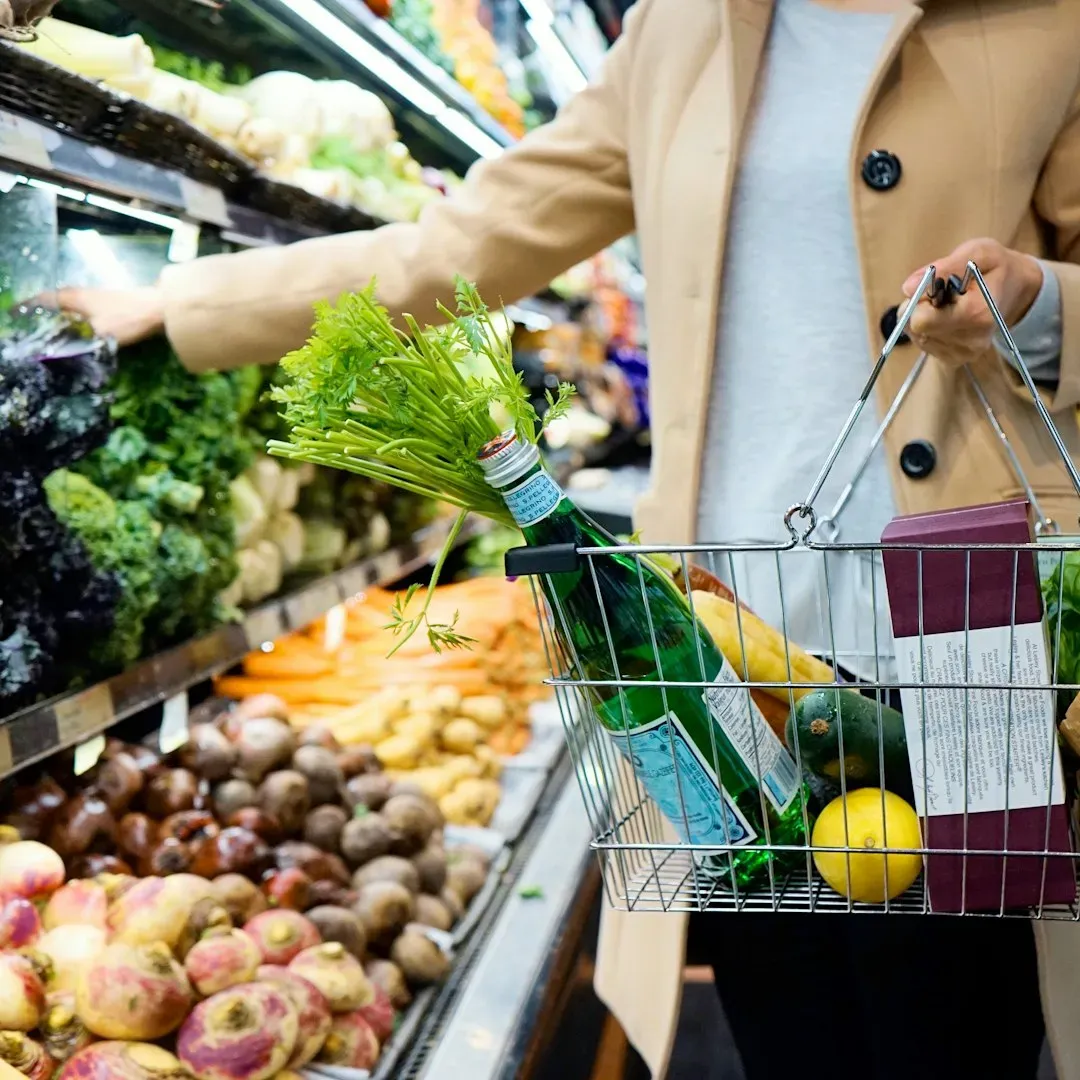
The average U.S. household spends about $504 per month on groceries, according to Bureau of Labor Statistics data, though that number lumps together single people, couples, families of six, and more. When you break it down further, the picture shifts. Recent data shows Americans spend around $370 per month per person on groceries, while some surveys report even higher numbers, with people spending closer to $940 per month per household.
September 2025 data shows that the average family of four on the thrifty food plan spends $1,002.20 per month on groceries, which is more than $12,000 per year, while that same family would spend $1,631.10 per month on the liberal monthly plan, amounting to $19,573 per year. According to FMI, the average weekly grocery spend is now $170, which is up significantly from 2020 when the average household spent $120 on groceries per week, and this exceeds the rate of inflation in that period.
The Ongoing Pressure of Food Price Inflation
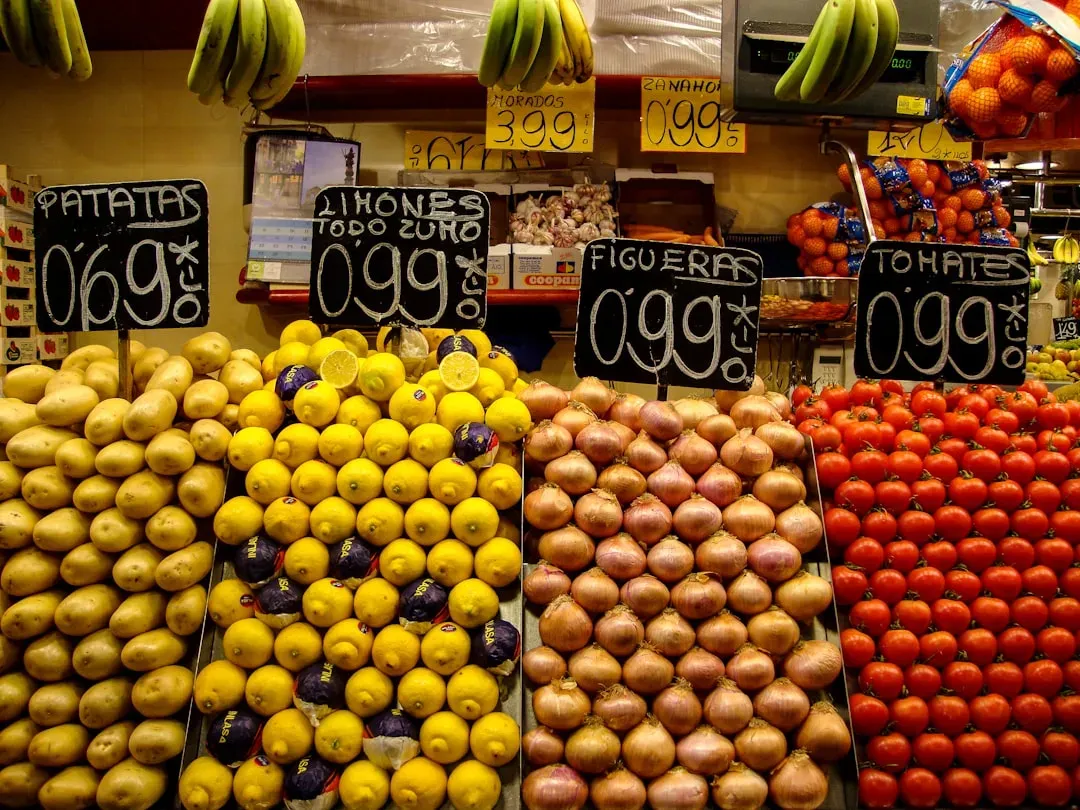
Since February 2020, grocery prices have jumped 29% cumulatively. That compounding effect is why so many households feel stretched even when they have not changed their shopping habits. Food-at-home prices increased by 1.2 percent in 2024 and 2.3 percent in 2025, lower than the historical average pace of growth of 2.6 percent per year.
In 2026, prices for all food are predicted to increase 3.1 percent, with a prediction interval of 0.7 to 5.7 percent. In January 2026, 62% of consumers told FMI in a rolling survey that they feel very or extremely concerned about rising prices, which is high, but also 6 percentage points lower than a year ago. Food and beverage prices are unlikely to return to pre-pandemic levels, yet the pace of inflation should continue to settle during 2026.
The Specific Categories Driving Budget Pain
Beef and veal prices decreased by 0.9 percent from December 2025 to January 2026 but were still 15.0 percent higher in January 2026 than in January 2025. Beef and veal prices are predicted to increase 5.5 percent in 2026. Meanwhile, sugar and sweets have also surged. Prices for sugar and sweets were 5.7 percent higher in January 2026 than in January 2025, and the USDA predicted that prices for sugar and sweets will rise by 6.7 percent in 2026.
Non-alcoholic beverages are forecast to see the third-highest increase in cost, with prices having increased by 1.6 percent from December 2025 to January 2026 and being 4.5 percent higher in January 2026 than in January 2025. Non-alcoholic beverage prices are likely to rise 5.2 percent in 2026, above the 20-year average for the category, driven in part by coffee prices. Eggs are the one notable exception. Retail egg prices decreased 5.3 percent from December 2025 to January 2026, and the spread of Highly Pathogenic Avian Influenza had caused retail egg prices to spike in late 2024 and early 2025.
How Much of Your Income Should Go to Groceries

Financial experts often suggest a range of 6% to 15% of after-tax income for groceries, and this broad range highlights the considerable variability depending on individual circumstances. The widely cited 50/30/20 rule offers another frame of reference. The 50/30/20 budget suggests spending 50% of monthly take-home pay on needs, including groceries, 30% on wants, and 20% on savings and debt repayment.
A healthy budget is to spend 10 to 15% of net monthly income on all food-related expenses, including groceries and dining out. Geography plays a real role here too. Louisiana residents are the most cost-burdened by grocery spending, with the typical household spending about 13% of income on groceries, while Massachusetts residents spend the smallest share of their income on groceries at just 6.7%. Where you live can shift you from comfortable to strained without changing a single shopping habit.
Signs Your Grocery Budget Is Off Track and How to Fix It
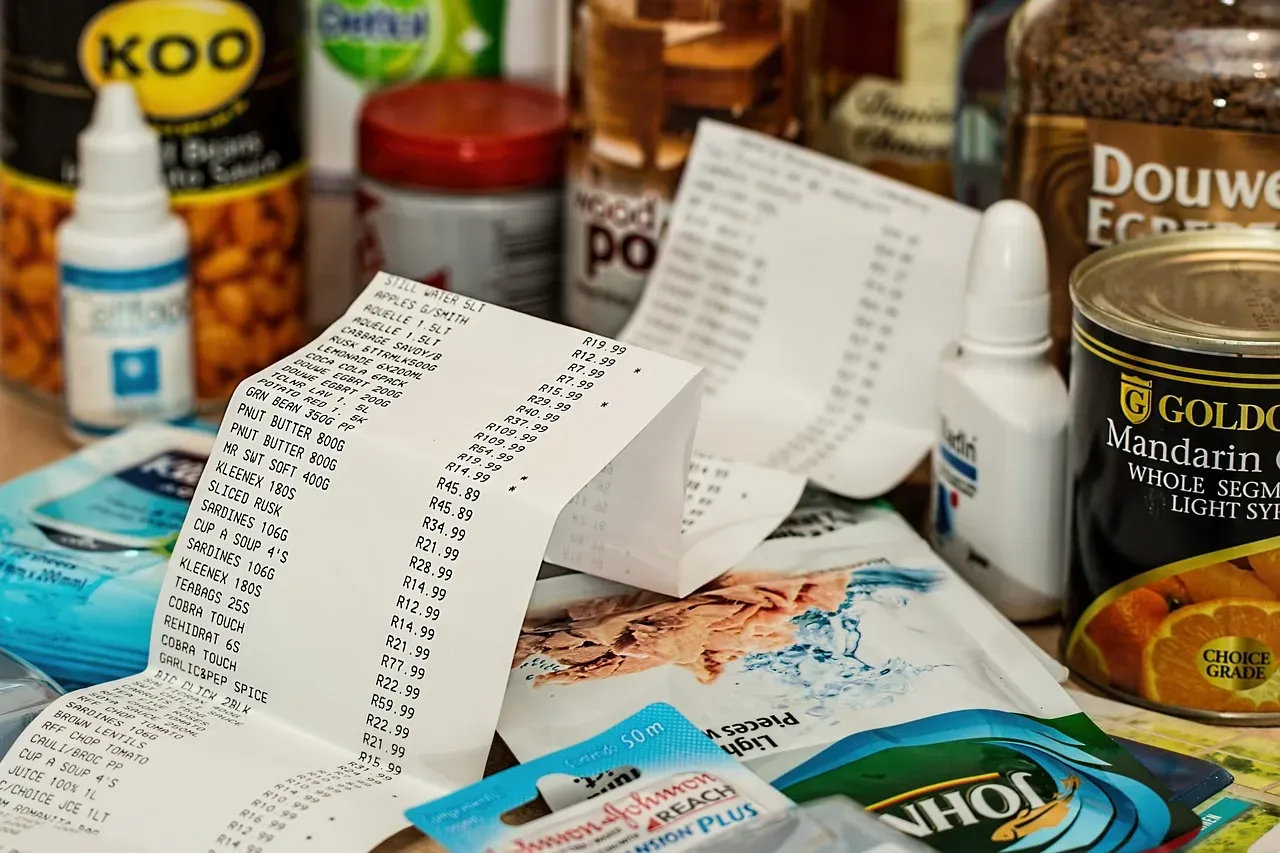
If you are spending 20% to 30% more than the USDA moderate benchmark for your household size, there is probably room to cut back, and signs you might be wasting money include throwing out spoiled food regularly, buying a lot of prepackaged convenience items, shopping without a list, or making multiple grocery trips per week instead of planning ahead. These patterns quietly inflate spending without people noticing. Smart shopping habits like meal planning, making a list, and using coupons can significantly lower grocery costs.
According to a Consumer Reports study, store brands cost anywhere from 5 to 72% less than name brands, and most of them taste just as good. The average grocery cost by household size will increase with additional household members, but the price per person will decrease due to bulk purchasing and meal sharing - for example, a single adult female may spend $392 on groceries per month, but her cost will decrease to $327 if she is living in a four-person household. Knowing your own pattern and comparing it honestly to these benchmarks is where the real financial clarity begins.




Leave a Reply