
There is something almost sacred about a plate of perfectly made Italian pasta. It's simple, it's honest, and when done right, it's one of the most satisfying things you can eat. Yet somehow, outside of Italy, pasta has become one of the most casually mistreated dishes on the planet.
The average American eats roughly 20 pounds of pasta every year, and the U.S. has become the second-largest pasta-producing nation in the world. That's a lot of pasta. Honestly, it's a lot of opportunity to get it spectacularly wrong. If your hypothetical Italian grandmother were watching from over your shoulder, there's a solid chance she'd have already left the kitchen in quiet despair. Let's dive in.
Mistake 1: Not Salting the Water Properly
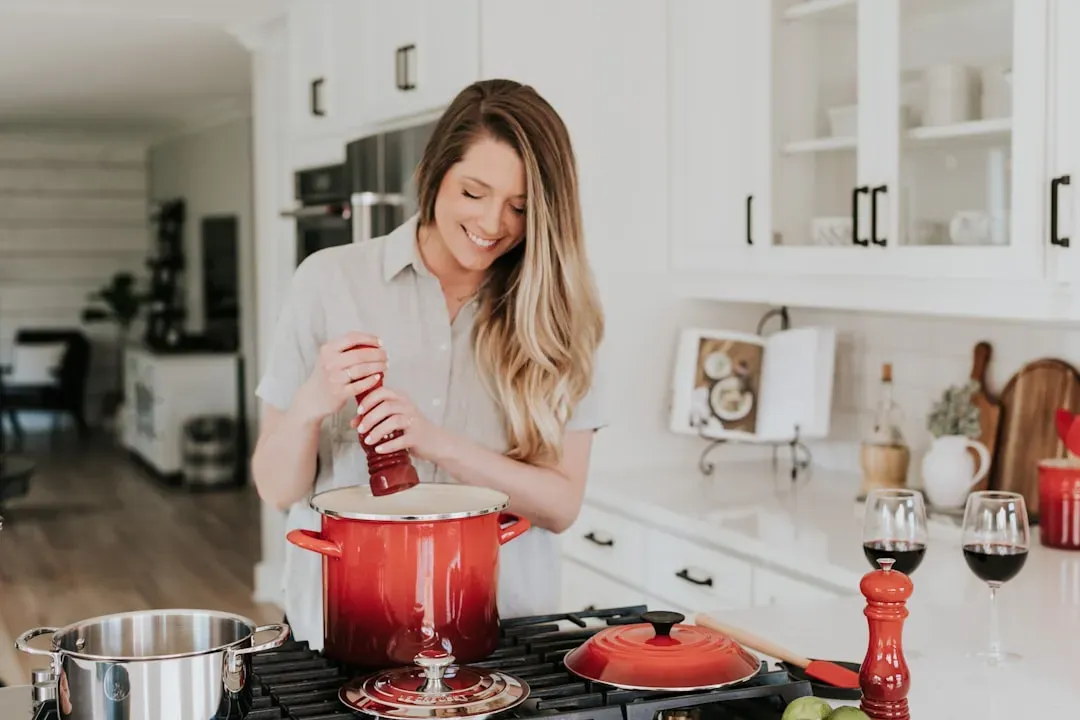
Here's the thing: unsalted pasta water is the original kitchen sin. Not seasoning the boiling water properly is one of the biggest pasta cooking mistakes you can make. The boiling water is your only chance to season the pasta itself, and once it is drained, adding salt on top does nothing meaningful.
One of the most common mistakes is simply not salting the cooking water at all. The water should be salted generously to infuse flavor into the pasta while it cooks. Without salt, the pasta can lack flavor entirely.
The standard ratio from Italian culinary tradition is 10 grams of salt per 1 liter of water and 100 grams of pasta, which is a great starting point. Think of it less like seasoning soup and more like giving the pasta its only real chance to taste like something. One notable exception involves very salty Roman-style dishes like cacio e pepe, carbonara, and pasta alla gricia, where you should go lighter with the salt because the cheese does most of the work.
Mistake 2: Adding Oil to the Cooking Water
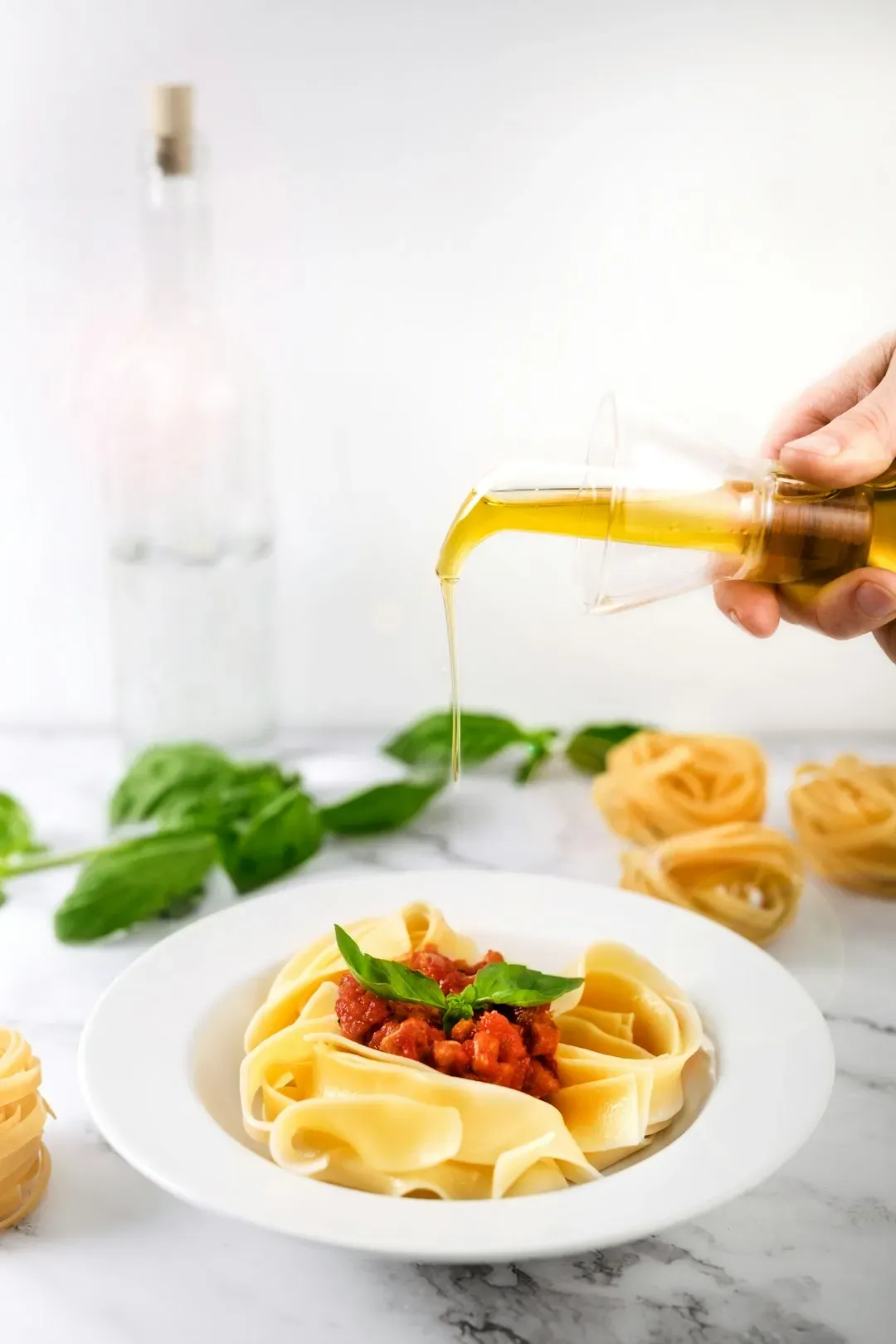
This myth simply refuses to die. Oil in pasta water does not stop sticking. Oil simply floats on top while the pasta sinks. It does literally nothing useful down there. Thinking of it as a shield between your pasta strands is like putting a raincoat on a fish.
Some people add olive oil while cooking to separate the pasta, especially when it is long or egg-shaped. It's totally useless. Worse, it can actually coat the pasta and prevent the sauce from adhering properly later. If you want pasta not to stick, use enough water, a big pot, and stir well in the first few minutes. Save the extra virgin olive oil for finishing the dish where it actually matters.
Mistake 3: Using Too Little Water
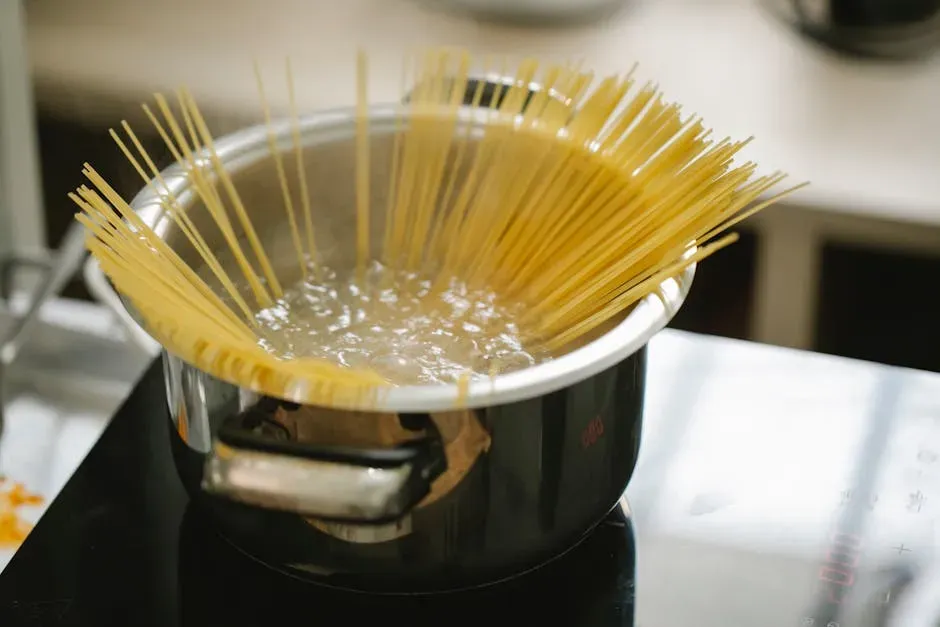
Using too little water when boiling pasta can lead to sticky, unevenly cooked pasta. It can also cause the water temperature to drop significantly when the pasta is added, resulting in a longer cooking time. Think of pasta needing to swim freely, not just float in a puddle.
The golden rule is to use 1 liter of water for every 100 grams of pasta. Having a sufficient amount of water offers numerous advantages. First, plenty of water is essential to maintain a constant temperature during cooking. The more water available, the more difficult it is for the temperature to drop quickly. This abundance of water also ensures that the pasta can rehydrate adequately and cook evenly.
Mistake 4: Rinsing the Pasta Under Cold Water
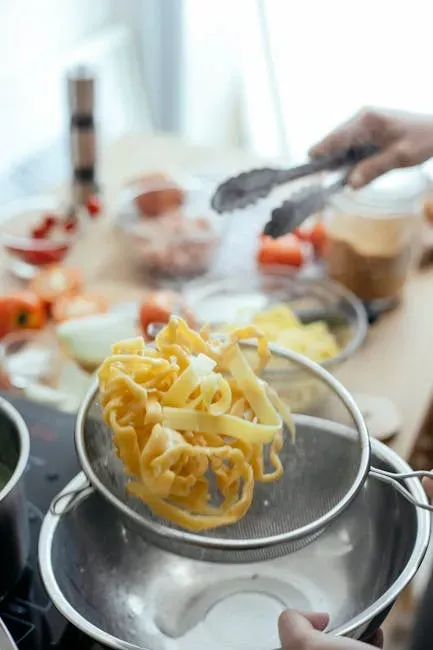
I'd argue this is the one that would genuinely make a nonna put on her coat and leave. Dousing any type of pasta with cold water will chemically stop that pasta from continuing to cook. This step ultimately cools down your noodles quickly, but inadvertently removes the invaluable starch your pasta developed while in the pot. That starch matters because it connects your sauce to your pasta, binding the two together for one cohesive dish. Without starch, your sauce won't have anything to stick to, and the pasta will struggle to come together.
Rinsing pasta is generally a mistake when preparing hot pasta dishes that rely on the starch to bind the sauce. For dishes like spaghetti with marinara or carbonara, rinsing can lead to a watery, lackluster sauce that slides off the pasta. The only real exception? Only when making a cold pasta salad does rinsing help cool the pasta and remove excess starch, giving you the best pasta salad experience.
Mistake 5: Overcooking the Pasta
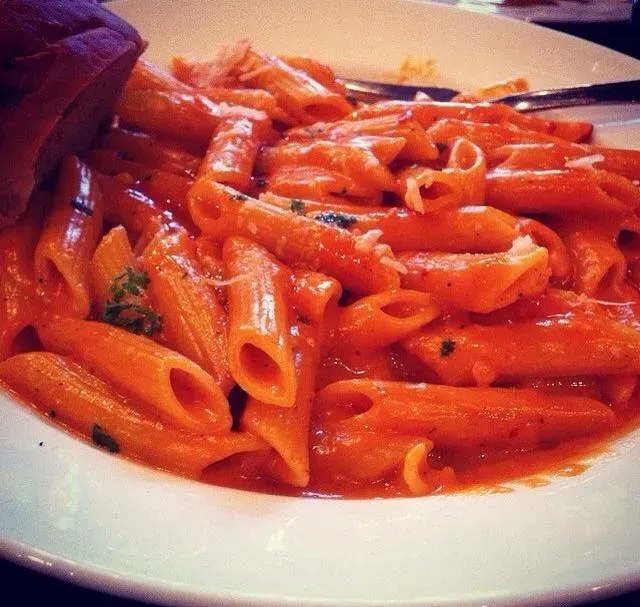
Italians like their pasta "al dente," which means a little firm to the bite. You usually achieve al dente by cooking for exactly the indicated cooking time. But beware: since foreigners often prefer their pasta soft, you may find on the package a cooking time that reflects this and advises you to cook the pasta for much more time than an Italian would.
As culinary educators explain, when pasta is overcooked, starches break down completely, resulting in a pasta that is soft and soggy. Cooking pasta al dente actually gives it a lower glycemic index, which means a slower, more stable release of energy. There's a practical bonus too. If the package indicates 10 minutes of cooking, do not go beyond that. Drain it just before the time is up, keep the cooking water, and throw the pasta directly into the sauce to let it finish cooking during the creaming process.
Mistake 6: Throwing Away the Pasta Water
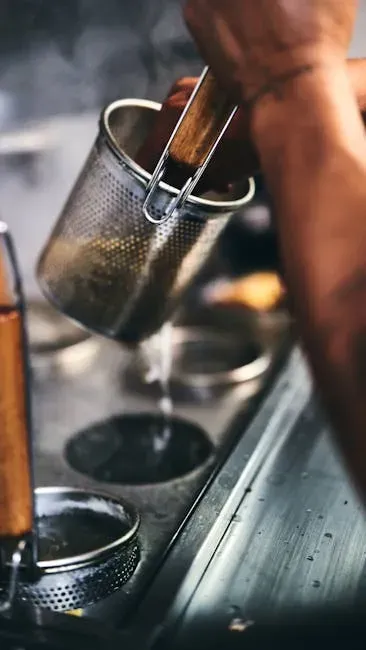
Liquid gold. That is what chefs and Italian home cooks call that cloudy, starchy water left in the pot. That cloudy, murky water left in the pot after cooking pasta is not dirty water. It is full of two things: salt and starch released from the pasta. This starchy water is a magical ingredient. It acts as a natural thickener and emulsifier, helping the fats like olive oil or butter and water in your sauce bind together. This creates a smooth, creamy, and cohesive sauce that coats the pasta perfectly rather than separating into an oily mess.
Throwing away all the pasta cooking water is a common oversight. This water is rich in starch and can enhance the texture of your sauce. Before draining, scoop out a cup of the pasta water and set it aside. Use this water to adjust the consistency of your sauce or to help the sauce cling to the pasta. Honestly, treating pasta water like kitchen waste is one of the most expensive free mistakes you can make.
Mistake 7: Mismatching Pasta Shapes and Sauces
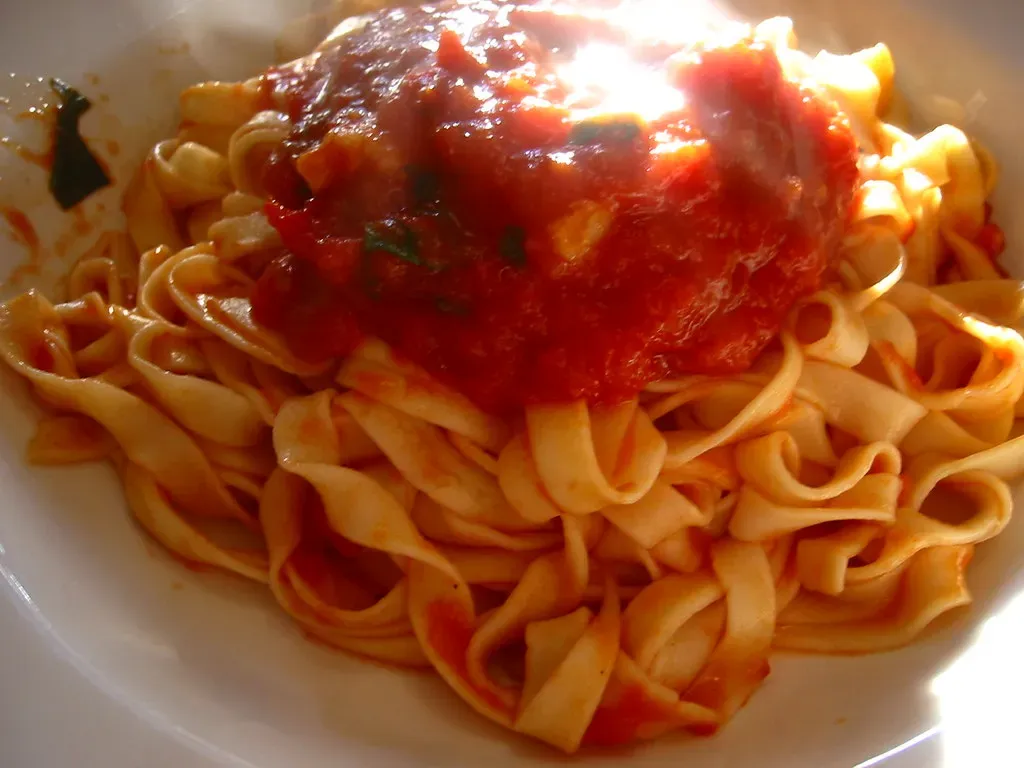
If you think all pasta shapes are equal, you could not be more wrong. Pasta shapes are not decorative. There are reasons behind every shape. Each shape is designed to work with a specific type of sauce. It's not a matter of preference. It's architecture.
In Italy, people rarely serve bolognese with spaghetti. That hearty meat sauce is from Bologna, where they traditionally pair it with a wide, flat noodle like tagliatelle. The broad surface of the noodle is much better at holding onto the chunky sauce. Spaghetti, being long and thin, is perfect for lighter, smoother sauces like a simple garlic and oil or a light tomato sauce that can evenly coat each strand. Using any pasta shape with any sauce can lead to an unbalanced dish. For example, pairing delicate angel hair with a heavy meat sauce simply does not work well.
Mistake 8: Pouring Sauce on Top of the Pasta Instead of Mixing It Properly
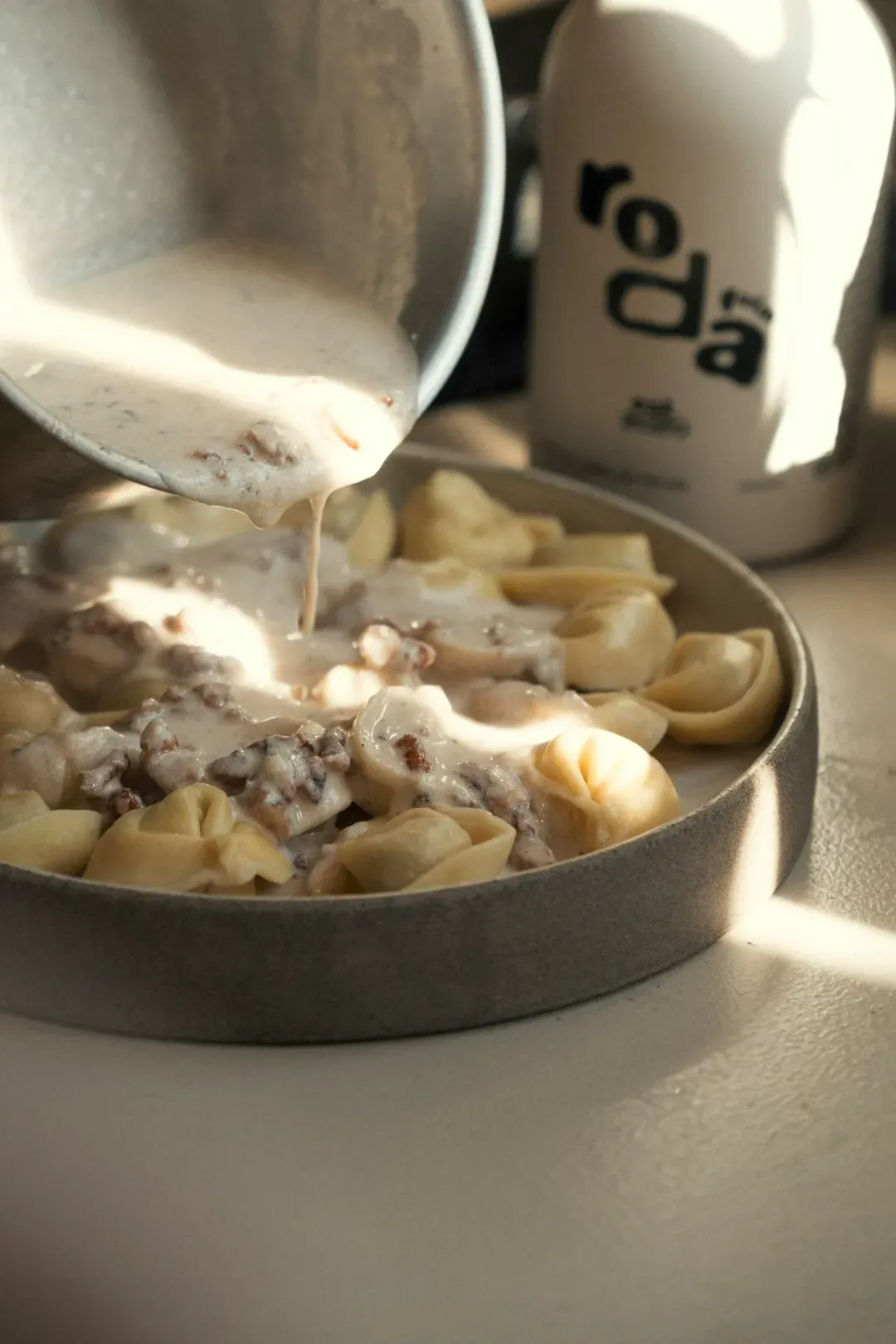
So many people around the world put cooked pasta on a plate and pour sauce on top. This is simply wrong. The pasta and sauce need to actually meet, not just share a bowl. Think of it like an introduction at a dinner party where nobody actually speaks to each other. Technically present, but not really together.
To properly combine pasta and sauce, heat the sauce in a pan large enough to hold the pasta. Once the pasta is about one minute away from being completely cooked, use a slotted spoon to remove it from the boiling water and add it to the pan with the sauce. Stir everything together on low heat, coating the pasta completely in the sauce. The starch from the pasta will give the sauce a creamier consistency, causing it to better stick to the pasta.
Mistake 9: Adding Parmesan to Seafood Pasta
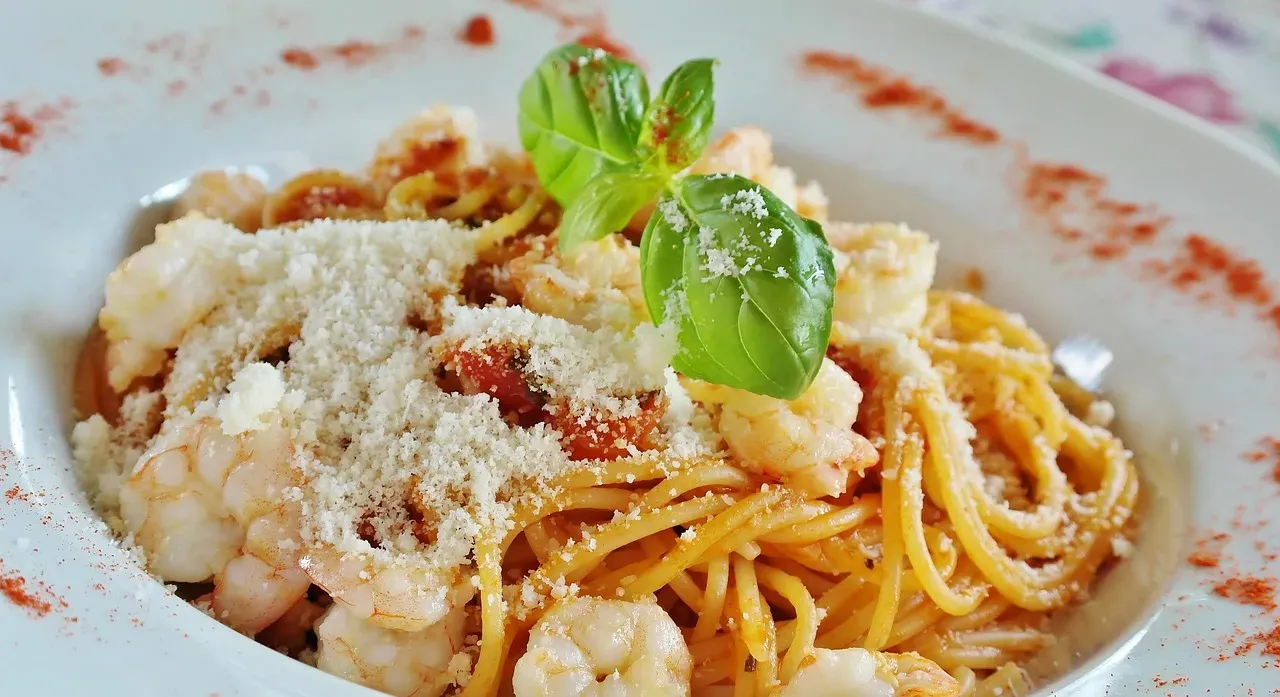
This one is almost a point of national honor in Italy. Parmesan and fish or any kind of seafood is a big no-no in Italian culinary tradition. When there is fish or seafood involved in a pasta or risotto recipe, cheese simply should not be added. Even waiters and chefs in Italy can refuse to grate it if you ask.
In the Italian culinary tradition, some pasta sauces do not pair well with the addition of grated Parmesan or other cheeses, and seafood is a prime example. This is mainly because the savory and robust flavor of the cheese can overpower the delicate taste of the fish. Furthermore, Parmesan is a very salty cheese that can dramatically amplify the flavor of a dish, especially one that is seafood-based. Fresh fish and shellfish have incredible, delicate flavors that will only be masked by a shower of dairy, so in order to preserve its integrity, these dishes are served without it.
Mistake 10: Heating Pesto in a Pan
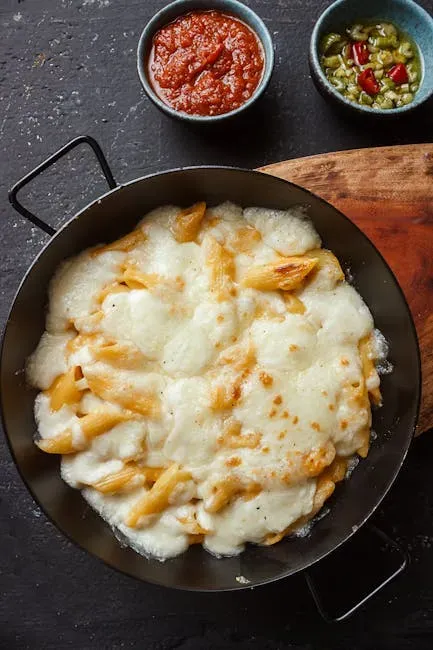
Pesto is one of Italy's most iconic pasta sauces, and it's also one of the most routinely destroyed outside of its homeland. Most people just dump it into a hot pan and wonder why it tastes bitter. Here's what actually happens. Pesto is a sauce that does not stand much heating up before it changes flavor and becomes bitter. Adding a small spoonful of warm pasta cooking water is acceptable, but if you warm it up in a pan, it will be spoiled.
For pesto sauces, you do not want to heat the sauce too much, as this will cause the basil to oxidize and turn brown. The correct method is elegantly simple: toss the freshly drained al dente pasta with pesto off the heat, adding a spoonful of that reserved pasta water to help the sauce coat every strand. No pan required. No heat needed. Just timing, care, and a bit of respect for the basil.
Final Thoughts
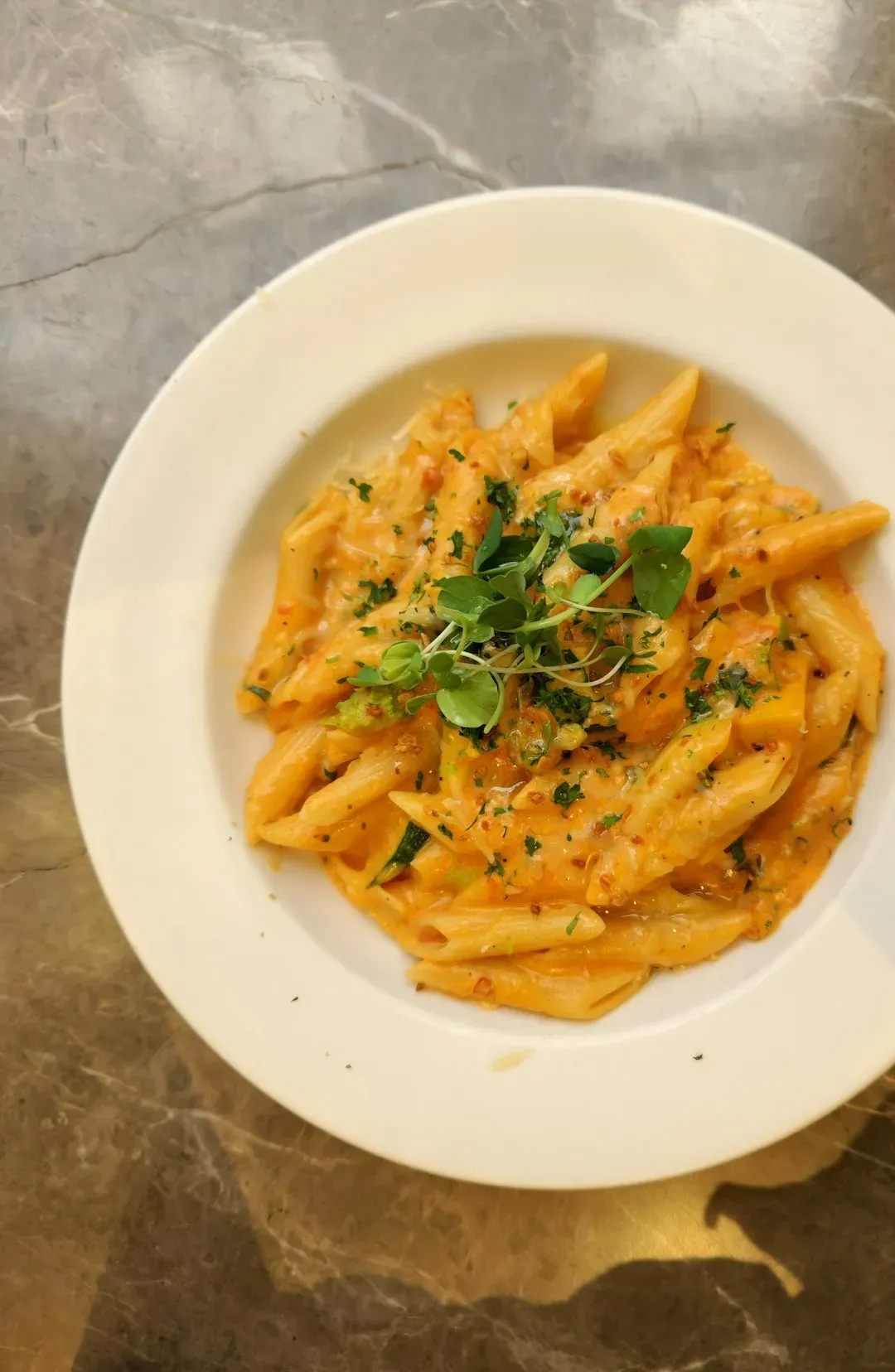
Let's be real. Most of us learned to cook pasta by watching someone else do it, or worse, by ignoring the rules entirely and figuring it was just boiling water. It's a humbling list of mistakes when you see them all together.
Italian food is really easy to make, but it thrives on the quality of a few basic ingredients. If you use three ingredients for a dish and they are poor quality, there is nowhere to hide and nothing will save it. The nonna rule isn't about being fussy. It's about not wasting perfectly good pasta.
The beautiful thing is that every single mistake on this list is fixable tonight, with zero extra cost and no special equipment. Salt your water. Keep the pasta water. Match your shape to your sauce. Get the pasta into the sauce while everything is still hot. It sounds almost too simple. Yet that simplicity is exactly the point. What pasta mistake do you think you've been making the longest? Tell us in the comments.




Leave a Reply