
You brew your morning coffee with all the hope in the world. For a couple of hours, everything clicks. Then somewhere around midday, the energy just drops off a cliff. You're staring at your screen, barely remembering what you were doing five minutes ago. Sound familiar?
Here's the thing most people don't know: there's a single, inexpensive kitchen ingredient that research suggests can actually change this pattern. It doesn't require a new coffee machine, an expensive supplement, or giving up your favorite brew. It fits right into your cup, and the science behind it is more compelling than you might expect. Let's dive in.
The Mid-Day Crash Is Not Just in Your Head

Before we talk about the fix, it's worth understanding the actual problem. A caffeine crash is when a person experiences a sudden decline in energy and alertness, occurring hours after consuming coffee as the effects of caffeine wear off. The underlying cause is biochemical: caffeine temporarily blocks sleep-promoting signals in the brain, and when its effect fades those signals return, sometimes more noticeably than before.
Caffeine works primarily by blocking adenosine receptors in your brain. Adenosine is a molecule that builds up naturally throughout the day and signals your body to feel sleepy. When caffeine occupies those receptors, adenosine can't do its job, so you feel alert and energized. But adenosine doesn't stop accumulating just because caffeine is blocking the signal. It keeps piling up in the background. Once the caffeine is metabolized and clears those receptors, all that built-up adenosine floods in at once.
Crashes are more than an inconvenient dip: they often combine mental and physical symptoms such as headache, mood change, and poor concentration. How severe the crash becomes depends on factors like total caffeine dose, timing of consumption, individual metabolism, hydration, and sleep quality. In other words, you're not imagining it. It's a very real, very measurable physiological event.
Blood Sugar: The Hidden Driver Nobody Talks About
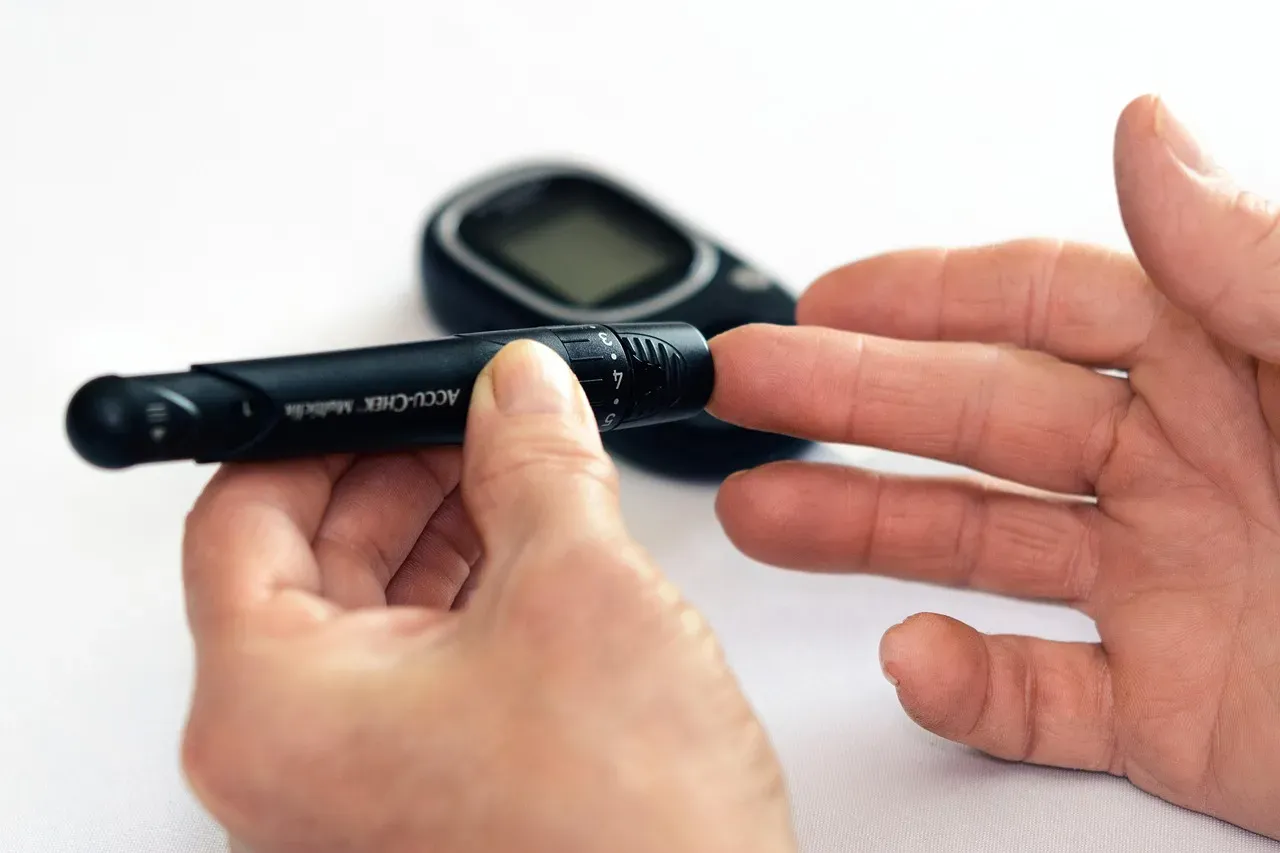
The crash stems from two overlapping processes: caffeine wearing off and blood sugar dropping. Most people only think about the caffeine side of the equation. The blood sugar piece is the sneaky second punch that makes the crash feel so brutal.
Caffeine can affect how your body uses insulin, the hormone that helps move sugar from your blood into your cells for energy. For some people, especially if they drink coffee on an empty stomach, caffeine can cause a quick rise in blood sugar followed by a sharp drop. That swing can feel like an energy crash, with symptoms like shakiness, irritability, or sudden fatigue.
Caffeine raises adrenaline, which signals the liver to release stored glucose. This can create a short-lived elevation in blood sugar followed by a drop as the body uses or regulates that glucose. The result is a sugar-style slump layered on top of caffeine withdrawal effects. Honestly, when you see both mechanisms working against you at the same time, it's a wonder anyone gets through the afternoon at all.
Meet the Ingredient: Cinnamon

Cinnamon. Yes, that dusty jar sitting at the back of your spice rack has been hiding a surprisingly powerful secret. Cinnamon contains bioactive compounds like cinnamaldehyde, polyphenols, and flavonoids that contribute to its anti-diabetic potential. These compounds enhance insulin sensitivity, promote insulin secretion, and regulate glucose metabolism, meaning both Ceylon and Cassia varieties of cinnamon can mimic insulin by helping glucose enter cells more easily.
Compounds in cinnamon mimic insulin, increasing glucose uptake, and research shows doses of one to six grams per day can lower blood sugar in people with diabetes. Cinnamon may also slow digestion and gastric emptying after meals, blunting the blood sugar spike from carbohydrates.
Cinnamon contains antioxidants that can help reduce oxidative stress, which is linked to chronic diseases like type 2 diabetes. This spice can imitate insulin and increase insulin sensitivity, helping to move sugar from the bloodstream into cells, which is beneficial for people with diabetes. Consuming cinnamon may lower blood sugar levels after meals and reduce the risk of diabetes complications like heart disease. Simply put, it works where the crash begins.
What the Research Actually Says

Let's be real. The wellness world is full of ingredients that "might help" or "some people say" work wonders. Cinnamon is different because there are actual controlled studies behind it. In a four-week randomized, controlled, double-blind, crossover trial, four grams daily of cinnamon supplementation lowered glucose concentrations during continuous glucose monitoring relative to placebo, with excellent compliance and no digestive side effects.
In practice, the four gram cinnamon doses used in this study, which equate to the contents of a typical sugar packet, can easily be incorporated into foods. That's an incredibly accessible amount. A 2024 study in the American Journal of Clinical Nutrition suggests that cinnamon may improve glucose control for people who have obesity-related prediabetes, though this study and most others used cinnamon supplements in capsule form at standardized doses, not as a sprinkle in your latte.
Some systematic reviews show that supplementation with cinnamon can help with blood sugar control and reduce HbA1c by about 0.6 percent, according to registered dietitian Ayanna Smart, RD, founder of The Dementia Dietitian. That's not a magic number, but it's a real and measurable effect that shouldn't be dismissed.
How Cinnamon Actually Buffers the Coffee Crash

Here's where things get genuinely interesting from a practical standpoint. When you add cinnamon to your coffee, you're essentially introducing a glucose-regulating agent right alongside your caffeine hit. Compounds in cinnamon mimic insulin, increasing glucose uptake, and cinnamon may also slow digestion and gastric emptying after meals, blunting the blood sugar spike from carbohydrates. Other mechanisms like inhibiting enzymes involved in carbohydrate breakdown contribute to cinnamon's antidiabetic effects.
A chemical in cinnamon called methyl hydroxychalcone polymer, or MHCP, essentially mimics insulin, giving it an assist in blunting blood sugar spikes by stimulating glucose oxidation, enabling glucose to be absorbed into cells from the blood and used as energy. Think of it as a slow-lane on-ramp for glucose, rather than a sharp spike and dive.
Cinnamon can help keep blood sugar spikes after meals in check. Some research suggests that it does this by slowing down the rate at which food empties out of your stomach. Slower gastric emptying means more gradual energy delivery, which is exactly the opposite of a crash.
The Double Antioxidant Boost: Coffee Plus Cinnamon

Beyond blood sugar, adding cinnamon to your coffee creates a surprisingly powerful antioxidant pairing. Scientific studies show that cinnamon is anti-inflammatory, can help reduce cholesterol, and supports cardiovascular health. One reason for this is because it's high in antioxidants, which protect tissues in the body from damage caused by free radicals, preventing an inflammatory response. When you add a dash of cinnamon to your coffee, you're adding an anti-inflammatory herb to a drink that is already anti-inflammatory, getting benefits on top of benefits.
Coffee is one of the main sources of antioxidant polyphenols in the diet, with its total polyphenol content being higher than that of other beverages, including green tea. The average intake of polyphenols from coffee is about 426 milligrams per day.
A meta-analysis of randomized controlled trials found that cinnamon supplementation resulted in a significant reduction of C-reactive protein, a key marker of inflammation, as well as malondialdehyde, a marker of oxidative stress. It was also associated with an increase in total antioxidant capacity. Two powerful antioxidant sources in one cup is an excellent deal, honestly.
Ceylon vs. Cassia: Which Cinnamon Should You Use?

Not all cinnamon is created equal, and this is an important detail that a lot of people skip over. Cinnamon is a spice derived from the bark of the cinnamon tree. The most common species are Cinnamomum cassia, known as cassia cinnamon, and Cinnamomum zeylanicum, often called Ceylon cinnamon or true cinnamon.
It's recommended to use Ceylon cinnamon if you plan to use it daily. The more common kind, Cassia cinnamon, has a compound called coumarin that can be harmful to your liver in large amounts. Ceylon is the safer everyday choice for your coffee routine.
It may be best to stick to lower doses of around 0.5 to one gram of Cassia cinnamon per day to avoid surpassing the tolerable daily intake of coumarin. On the other hand, Ceylon cinnamon contains significantly less coumarin and can be consumed safely in higher doses. If you only have Cassia in your cabinet right now, keep portions modest and look for Ceylon on your next grocery run.
How Much and How to Add It to Your Coffee

Practical questions deserve practical answers. Stick to half a teaspoon to one teaspoon per day. That's the amount most studies use to see noticeable health benefits, according to Jessica Jones, MS, RDN, CDCES, CEO and co-founder of Diabetes Digital.
Adding cinnamon to a high-sugar drink won't help your blood sugar much. For best results, mix it into black coffee or one with minimal added sugar. I think this is the key point that most social media posts conveniently leave out. If you're dumping cinnamon into a caramel latte loaded with syrup, you're working against yourself.
If you put ground cinnamon in your disposable coffee filter rather than directly in your coffee, you can get the benefits from cinnamon without the danger of coumarin. That's a clever brewing tip for anyone who uses drip coffee. Just a small sprinkle into the grounds before you brew is enough to make a real difference across the course of a day.
Who Should Be Cautious and What to Watch For

It's worth being upfront: cinnamon is not a universal miracle and a couple of groups should pay attention before adding it to their daily routine. If someone is on medications that affect blood sugar, they should always check with their doctor or dietitian before adding in supplements or high doses of anything, because cinnamon may slightly lower blood sugar or have mild blood-thinning effects. Additionally, if you notice any symptoms like mouth irritation, nausea, or digestive discomfort after adding cinnamon to your coffee, it's best to scale back and consult a healthcare provider.
In 2024, the independent testing organization Consumer Reports found high levels of lead, above one part per million, in a dozen brands of cinnamon. That's roughly a third of the thirty-six brands it tested. This is a real concern. Always choose reputable brands and consider checking independent testing resources like ConsumerLab when in doubt.
Cinnamon in coffee won't replace medication or lifestyle changes when it comes to lowering blood sugar. It's not going to do the heavy lifting on its own. It can be a helpful addition, but the biggest impact comes from building consistent habits that support blood sugar balance. It's a supportive tool, not a shortcut to skip everything else.
Timing Your Coffee Still Matters Too

Adding cinnamon is a powerful move, but pairing it with smart caffeine timing amplifies the effect even further. Delaying your first caffeine dose by roughly ninety minutes after waking might sound counterintuitive, but here's why it works: when you wake up, your body is naturally releasing cortisol, a hormone that helps wake you up. Caffeine jacks up cortisol further. If you wait an hour or two, you ride your natural wake-up chemistry first, then use caffeine mid-morning when you might start dipping. This also prevents that early afternoon crash a lot of people feel when they gulp coffee at dawn.
Common habits such as consuming caffeine immediately upon waking or relying on large doses in the late afternoon are frequently at odds with human circadian biology. These misaligned practices can lead to unintended consequences, including diminished efficacy, increased tolerance, energy crashes, and sleep disturbances.
To fend off energy crashes and prolong the focus benefits, it's better to have smaller amounts more frequently than a huge dose at once. For example, one cup in the morning and one in late morning might sustain you better than a giant twenty-ounce cup at seven in the morning that leaves you crashing by noon. Cinnamon plus smart timing is the full strategy, and it costs virtually nothing extra.
The Bottom Line: A Tiny Addition With Real Impact

Sometimes the most effective solutions are the most overlooked ones. Cinnamon has been sitting in kitchens for centuries, used in cooking and ancient medicine alike, and it turns out it has a genuine and research-supported role in smoothing out the blood sugar swings that fuel the dreaded mid-day energy collapse.
In recent decades, many studies have found cinnamon can lower blood glucose levels in people with diabetes. While fewer studies have examined its metabolic impact on healthy people or people with prediabetes, growing evidence suggests benefits there as well, and researchers have identified multiple potential glucose-affecting mechanisms at work. In addition to its anti-diabetic qualities, cinnamon also shows other health benefits, including anti-inflammatory and antioxidant properties.
The evidence is not perfect and there are important safety caveats to respect. Still, as a low-cost, natural addition to your existing coffee ritual, cinnamon offers a compelling case for anyone tired of watching their productivity nosedive every afternoon. Half a teaspoon of Ceylon cinnamon, stirred into a low-sugar cup of coffee, costs you nothing and might give you back your afternoons. What would you do with that extra focus? Tell us in the comments.




Leave a Reply