Every time you sit down at a restaurant, something subtle is happening that you probably never fully clock. It's not the ambient music or the lighting, though those play a role too. It's a carefully layered set of psychological tactics that servers, POS systems, and restaurant managers use to nudge your generosity upward, often dramatically, before you even reach for your wallet.
Logic says that the size of a server's tip should be based on the quality of service provided, but research shows that quality rarely has anything to do with it. As it turns out, other seemingly irrelevant factors make much more of a difference. And once you understand what those factors are, you'll never look at a restaurant receipt the same way again. Let's dive in.
The Current State of Tipping: What the Numbers Actually Say
Before we break down the tricks, it helps to understand the landscape we're operating in. While 15% was the standard tip amount for many years, those days appear long gone, as data shows the average tip at full-service restaurants has hovered between 19% and 20% since at least 2018. That's a massive cultural shift that snuck up on most people.
Just 35% of Americans now say they typically leave a 20% tip, down from 37% the previous year, reflecting tighter budgets and rising menu prices. Meanwhile, 68% of full-service restaurant diners still always leave a tip when dining. The pressure is real, and the guilt is real.
About 58.5% of a waitstaff's hourly earnings comes from tips. That's the economic engine driving every single one of the tactics you're about to read. Servers aren't manipulating you out of greed. They're doing it because their rent depends on it.
The Digital Tip Screen: The Most Powerful Trick Nobody Talks About
Here's the thing about those little screens that flip toward you at checkout. They feel neutral. They're anything but. Researchers in the POS industry have conducted experiments to encourage higher tips and have found that on-screen tipping options can drive tips up by 20% to 40%. That's an enormous leap, triggered by nothing more than a glowing rectangle.
Some digital tipping systems now offer preset options like 18%, 20%, 25%, and 30% that simplify the decision-making process for customers and encourage higher gratuity amounts without overwhelming them. Notice what's missing from that list? The old standard of 15%. It has been quietly retired.
A 2025 survey found that 65% of consumers feel weary of frequent tipping requests, and 66% feel pressured by digital payment screens suggesting gratuities. So most people feel pressured, yet most people still tip anyway. The screen is winning.
The Name Game: Why "Hi, I'm Jessica" Costs You Money
Research published in the Journal of Applied Social Psychology found that having a server introduce herself by name resulted in a significantly higher tipping rate of 23.4%, compared to just 15.0% when the server did not introduce herself by name. Think about that for a second. A single sentence at the start of your meal. A roughly 55% difference in tip rate.
Multiple regression analysis found that food servers received a 6% increase in tips when they invited introductions and addressed customers by name throughout the service interaction. So the trick doesn't stop at the opening line. Using your name on the credit card slip at the end of the meal? That's a strategy too.
Research confirms that introducing themselves by name enhances a server's perceived friendliness, which directly correlates with higher tips. It sounds obvious when spelled out. Yet most diners have no idea it's a documented, studied, and deliberately deployed tactic.
Repeating Your Order Back: The 68% Trick
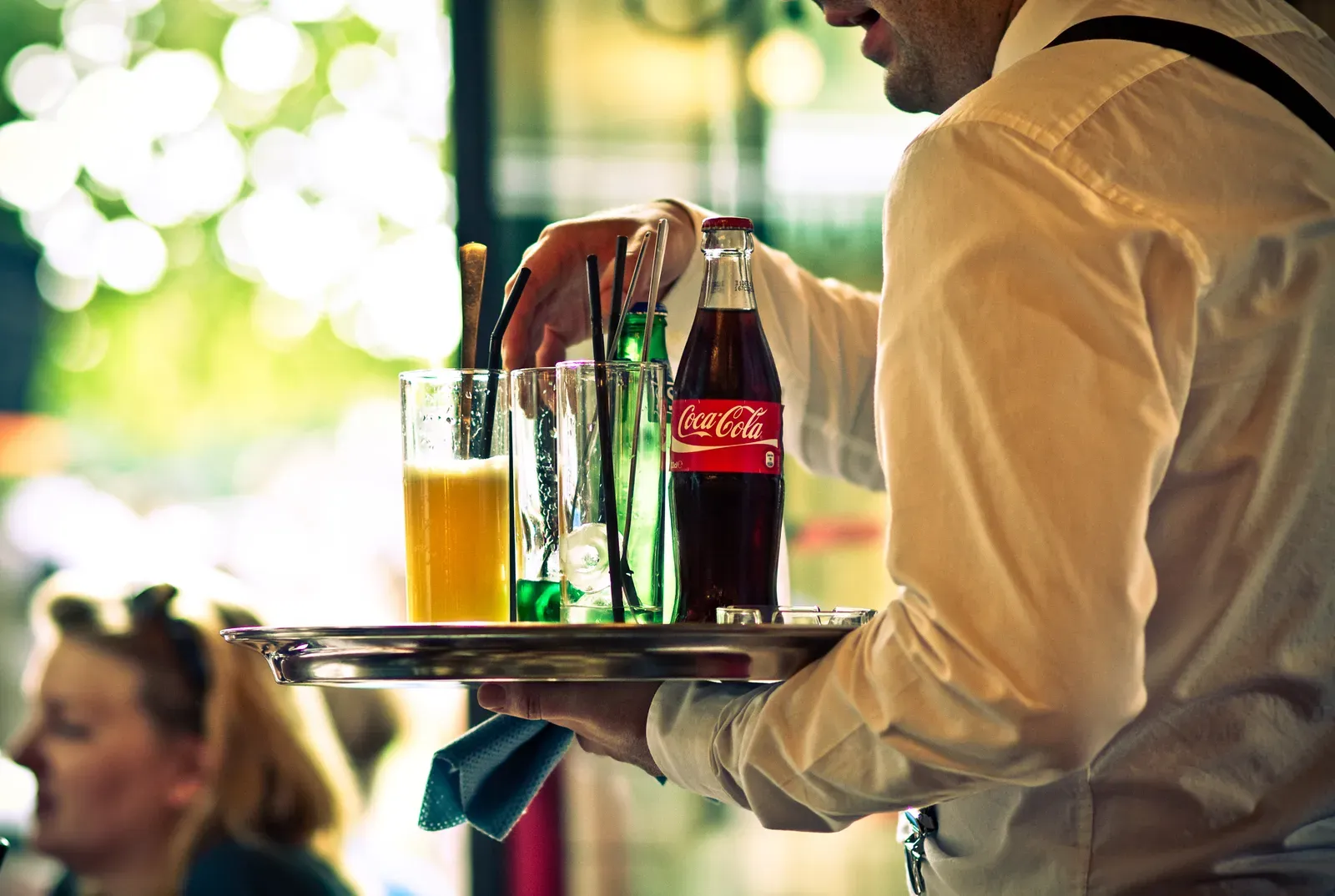
Behavioral scientist Rick Van Barren once led a series of psychological experiments which revealed that when servers repeated an order back to guests, their tips rose by over 68%. Sixty-eight percent. From simply saying "So that's the grilled salmon and a sparkling water, correct?" That's not good service. Well, it is, but it's also a scientifically validated money multiplier.
The psychology here is surprisingly deep. When a server echoes your order back, it signals attentiveness and care. It makes you feel heard, like you actually matter beyond the transaction. That emotional response translates directly to cash, or more accurately, to a higher percentage on the card terminal.
The recency effect is the scientific principle that people are most influenced by what they have seen or heard last. There are studies proving that what is experienced last has a tremendous influence upon the brain's retention of an experience. A server's behavior at the conclusion of the meal will shape the diners' perception of the server and impact the size of the tip.
The Candy and Mint Trick: Tiny Gift, Big Return
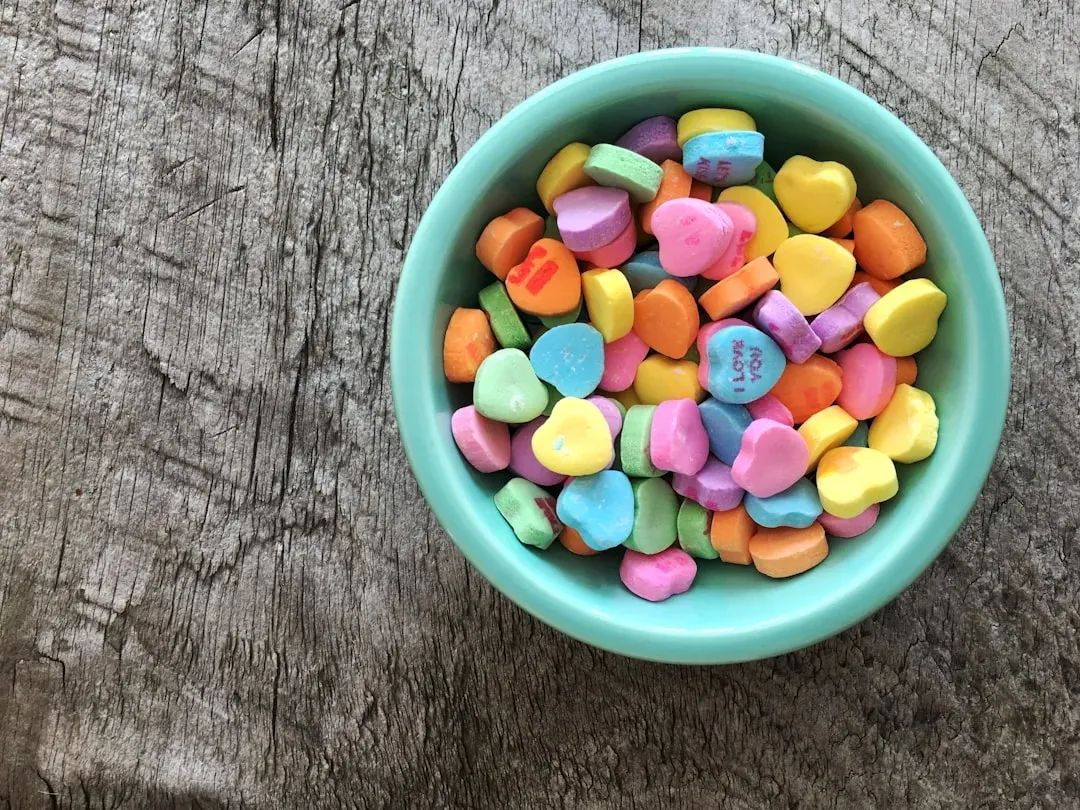
It's almost laughably simple when you hear it. A mint. A small square of chocolate. A piece of candy. Honestly, it sounds too small to matter. Research published in the Journal of Applied Social Psychology found that when a server gave guests a piece of candy when providing the bill, tips rose an average of 3.3%. When the server gave each guest two pieces of candy, tips increased by 14.1%.
Here's where it gets genuinely clever. Servers who enhanced their apparent generosity by providing each diner with one piece of candy, walking away from the table, and then returning and placing one additional piece of candy in front of each diner, saw their tips increase by 23%. The theatrical return is the key move. It creates the impression of spontaneous, personal kindness.
This works because of the principle of reciprocity. Reciprocity is the belief that one should repay others for what they have done. Sociologists have confirmed that reciprocation is a powerful motivator across all human cultures. A two-cent mint triggers a social instinct that costs you far more than two cents.
The Compliment That Boosts Your Bill
Research published in the Journal of Applied Social Psychology analyzed the effect of complimenting customers' orders on tipping behavior in restaurants. In the study, servers were instructed to compliment customers after receiving an order by saying "You made a good choice!" The servers who expressed verbal approval received larger tips than those who did not. Two words. Bigger tips.
Customers who received a compliment about their menu choice tipped 19% of their bill on average, while customers who weren't complimented tipped only 16% of the bill. That's a three-percentage-point gap from a two-second interaction. Scale that across an entire shift, and it's meaningful money.
The psychological mechanism is flattery, yes, but specifically it plays into our desire to feel like our choices were good and validated. We're social creatures. We love being told we chose right. Servers know this, and the data backs it up thoroughly.
Squatting Down Next to the Table
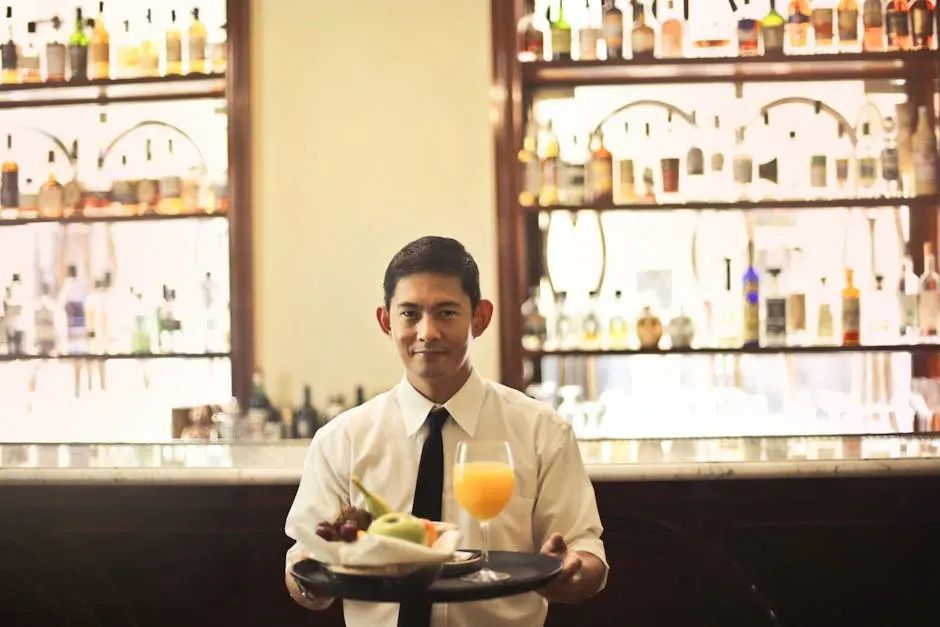
This one surprises people. Most servers stand throughout the service encounter. However, some servers squat down next to the table when interacting with customers. Squatting down does several positive things: it increases congruence between the server's and customers' postures, brings the server's eye level down to customers' eye levels, and brings faces physically closer together.
Psychological research on tipping has found that servers earn larger tips when they introduce themselves by name, squat down next to the table, flash sincere smiles, touch their customers, and use tip trays with credit-card insignia. All of these non-verbal signals communicate warmth, approachability, and genuine human connection.
Most of those simple actions increased tips by 20% or more. Think about that next time a server kneels at your table with a warm smile. It may feel like hospitality, and perhaps it genuinely is. Yet it's also a technique with a paper trail of research behind it.
The "Thank You" on the Receipt and the Smiley Face
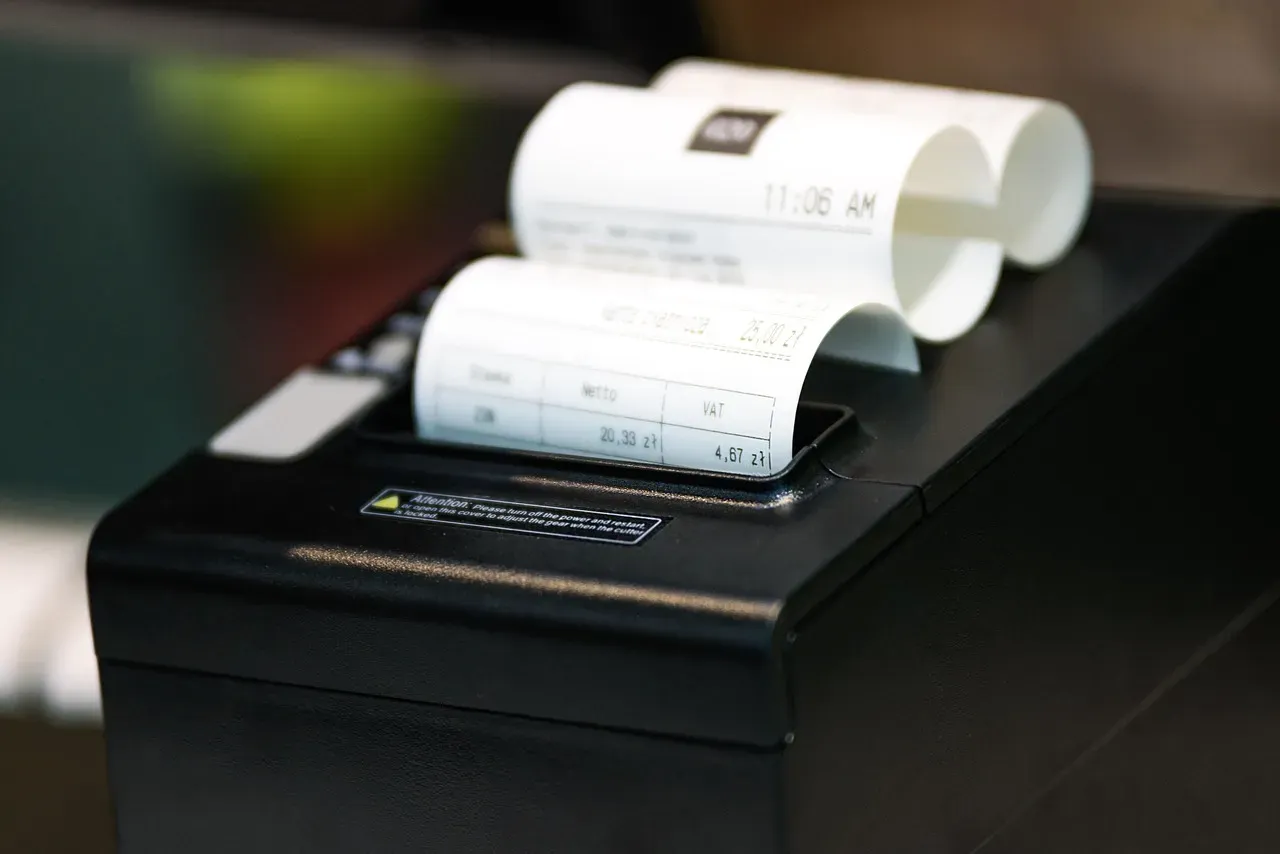
Seems almost childish, right? A smiley face on the back of a check? Studies highlight the recency effect, the psychological principle that people are most influenced by what they have seen or heard last. One study published in the Journal of Applied Social Psychology found that servers who wrote "Thank You" on the back of guests' checks received larger tips than those servers who did not.
Research from 2006 has shown that waiting staff can increase their tip percentages by writing "Thank you" or drawing a smiley face on the back of a customer's bill. In one upscale restaurant, writing a friendly message about an upcoming special event on the back of the check increased tips by 3%. Three percent on a busy Saturday night adds up fast.
There's something almost poetic about it. The last thing you see before you write in your tip amount is a hand-drawn smiley face or a warm handwritten note. Your brain softens. Generosity flows. When servers demonstrate their appreciation for their guests immediately before the guest decides on the tip amount, the guest is primed to think highly of the server and reciprocate appreciation in the form of an improved tip.
The Touch: Small, Brief, and Scientifically Effective
This is the one that feels most surprising when you see the actual numbers behind it. Customers left an average tip of 12% when they were not touched, as compared to 14% when touched once on the shoulder, and 17% when touched twice on the palm of the hand. A brief, casual touch on the shoulder or hand nearly doubled the gap between the lowest and highest tipping groups.
Studies suggest that being touched may also increase the tips that customers leave their servers. According to one study, customers left an average tip of 12% when not touched, 14% when touched once on the shoulder, and 17% when touched twice on the palm. Subsequent research has demonstrated that casually touching customers increases the tips of both male and female servers.
It's worth noting that context matters enormously here, and cultural sensitivity is essential. A brief, appropriate touch in the right setting creates warmth and human connection. In the wrong setting, it backfires completely. Skilled servers read the room before deploying this one.
The Tip Creep Problem: When Tipping Spreads Everywhere
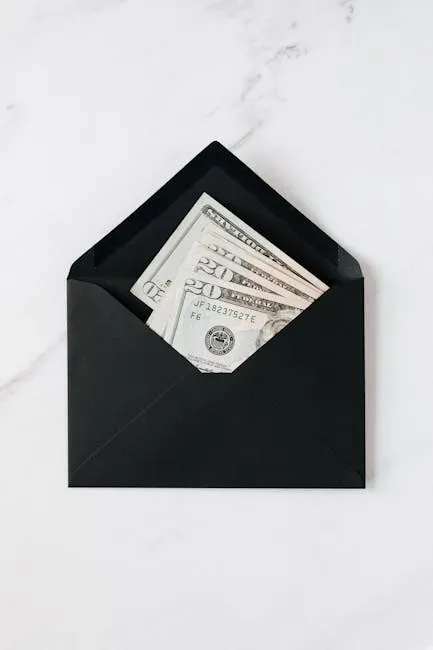
This is tip creep in action. Tip creep is the growing expectation for customers to tip in more places and often for higher amounts than ever before. It started at sit-down restaurants. Now it's at coffee counters, airport newsstands, food trucks, and even auto repair shops, everywhere a screen can be turned around.
Research shows Americans spent $283 on pressure-driven tips in 2025, down 38% from the $453 they reluctantly handed over in 2024. The average person now caves to tipping pressure 4.2 times per month, compared to 6.3 times last year, according to a Talker Research survey of 2,000 Americans. People are finally starting to push back.
A whopping 78% of Americans think businesses should pay employees more instead of relying on tips. The frustration is near-universal. Still, tipping culture in America remains deeply embedded, and until wages change structurally, servers will keep reaching into the psychology toolkit, and honestly, can you blame them?


Leave a Reply