
Bringing a rescue dog home is one of those experiences that sits somewhere between pure joy and genuine uncertainty. They arrive with a history you may only partly know, carrying invisible weight from shelters, past homes, or the streets. Some will wag cautiously. Others will press themselves into a corner and wait.
What makes a dog feel secure is predictability and structure, and this goes double for a rescue dog. What has often been missing from their life is exactly that: routine, consistency, a sense of knowing what comes next. Many have lost their original family, been bounced between shelters, and arrived at your door carrying real emotional baggage. The good news is that rebuilding that sense of safety doesn't always require grand gestures. Often, it's the smallest things that matter most.
Give Them a Space That's Truly Theirs
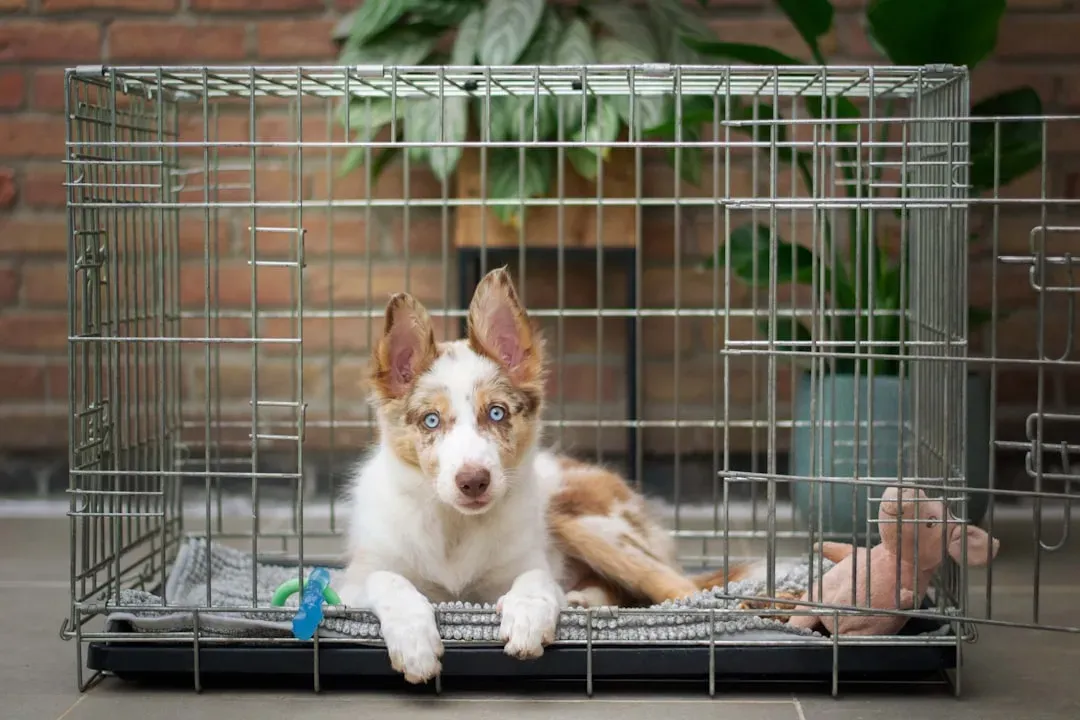
Whether it's a crate, a carrier, or simply a dog bed with a cozy blanket, giving a rescue dog a dedicated space where they can feel safe and secure makes a meaningful difference. Dogs naturally seek out sheltered dens, so creating that kind of comforting space can be a real help in easing anxiety.
When your dog is in their safe space, avoid disturbing them or allowing other family members to do so, as this could make your dog feel cornered. As your rescue pup becomes more confident and feels more at home, they may eventually let others join them in that space on their own terms.
One of the most effective ways to soothe an anxious dog is by providing a designated safe space where they can retreat and feel secure. This could be a quiet room or a cozy crate equipped with their favorite blankets, toys, and possibly an item with your scent. The goal is to create an environment where the dog feels protected. Having a specific area they can go to during stressful situations can significantly reduce their stress levels.
Establish a Routine as Early as Possible

Dogs thrive on predictability, and a consistent daily routine helps them feel secure. Establishing a routine for meals, walks, bathroom breaks, and playtime will help your rescue dog know what to expect each day, and will also help them understand that they are safe and that their needs will be met consistently.
Routine can be soothing and reassuring to pets and people alike. When you bring a rescue dog home, try to create a routine for them as soon as possible: a set time for when they eat, when they go for walks, and when the lights go out. By creating a routine, you allow them to feel reassured that they know when their next meal is coming and when everything happens.
This approach is particularly valuable for rescue dogs who've been abandoned and had a challenging former life. Think of routine not as rigidity but as a kind of daily promise you keep for them, quietly, every single day.
Let Them Approach You First
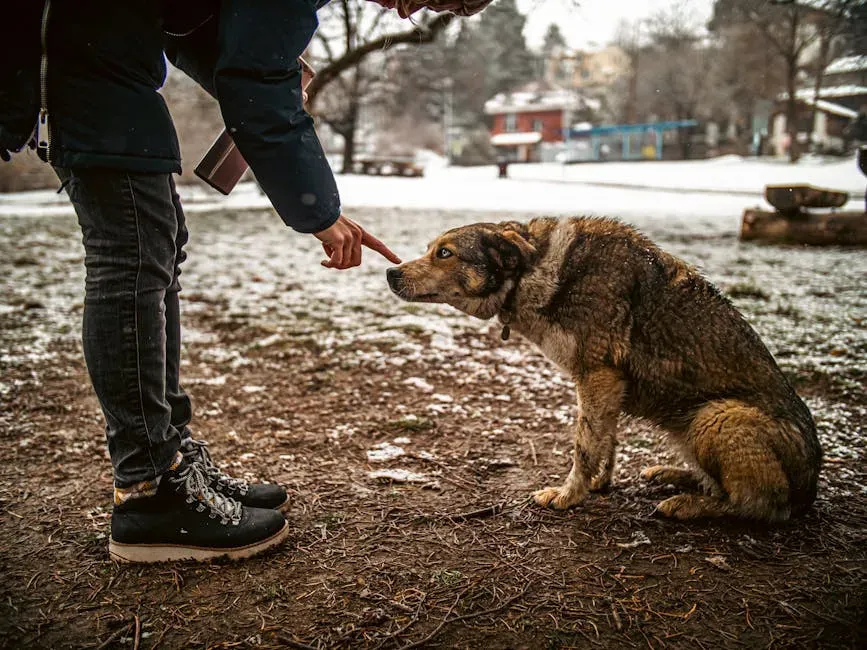
Give your new dog the time and space they need to take the initiative to approach you, and never force an interaction. If you want to pet or call them, position yourself a few meters away, crouch down, and call them with a gentle voice. If they don't come, give them some time and try again later.
When introducing new people or engaging your dog, let them choose to approach or withdraw. They'll do what they need to feel safe. If you allow them the chance to retreat, they'll be less likely to resort to aggression and will view the experience more positively, making them more open to future interactions.
The challenge for new owners is to respect boundaries. Not all fearful dogs want to be touched during moments of stress. Offering a calm presence, letting the dog approach first, and rewarding voluntary contact preserves choice and builds confidence over time.
Introduce the Home Gently, Room by Room
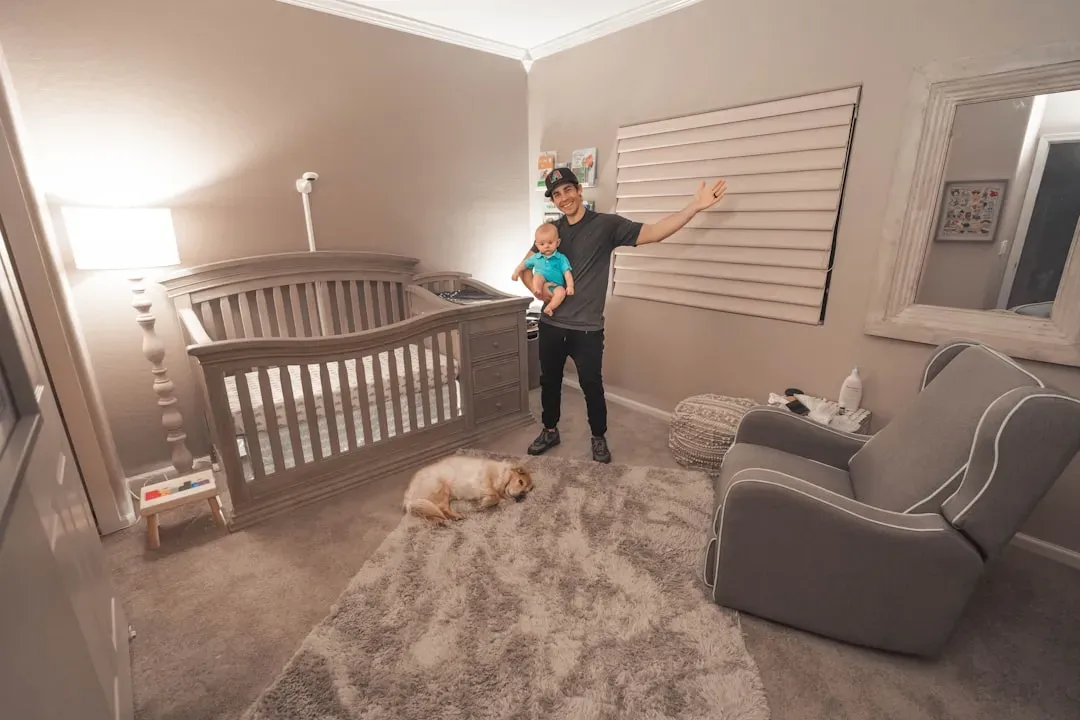
When bringing your rescue dog home for the very first time, give them a quick tour of all the indoor and outdoor spaces. This will eliminate some unknowns and help them feel more comfortable in your home.
Once you arrive home, let your new dog explore fully. You want them to know their way around and feel at home. Allow time to explore and try not to crate the dog until they've had a chance to get the lay of the land. After they've had time to explore and understand the home, you can begin to set boundaries and start training.
This kind of guided familiarity removes a layer of the unknown. When bringing a dog home, show them your entire space and make sure they know where they can access water, food, and their resting areas. Even this simple act communicates something important: you're not hiding anything from them.
Use Scent as a Comfort Tool
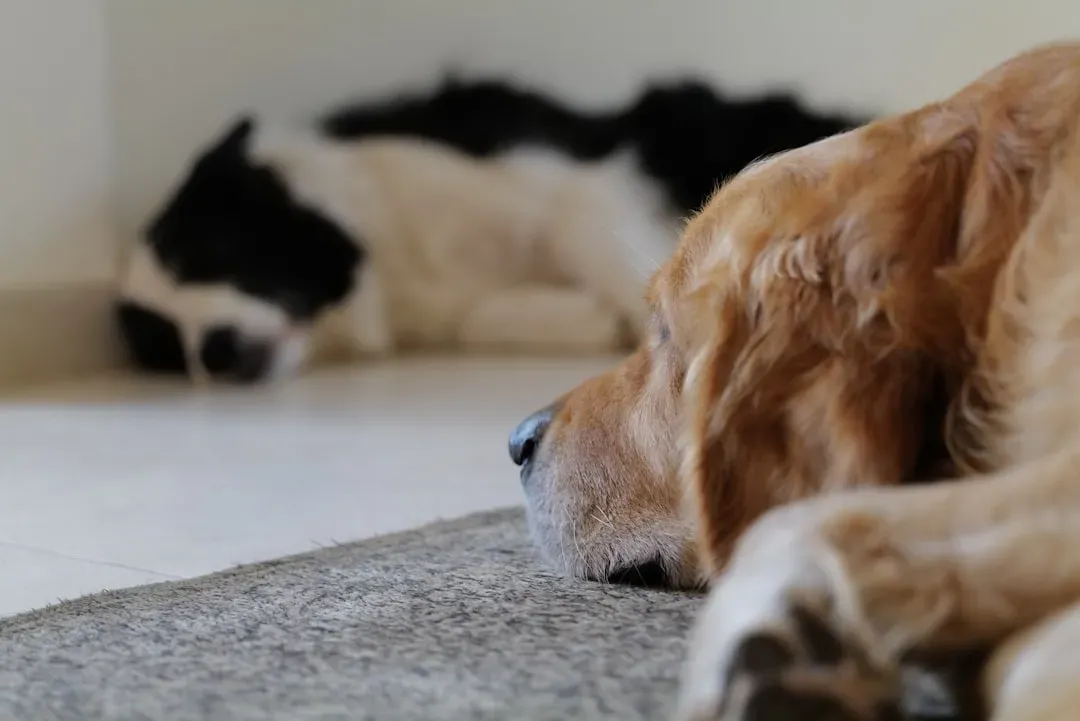
Scent holds incredible power for dogs, acting as a gateway to comfort and familiarity. This is one of the most underrated tools available to a new rescue owner, and it costs almost nothing to use.
It's a good idea to leave your dog with a shirt or towel that has your scent on it, which can help mimic your presence and therefore calm your dog. This is especially useful during times when you're away or when they're settling into their safe space for the first time.
Over-the-counter pheromone-based calming aids can also help relieve stress. These products release small amounts of a synthetic version of the dog-appeasing pheromone, known as DAP. Adaptil, for example, uses pheromones to help allay fears, much like a nursing mother gives off to her puppies. Both approaches, personal scent and synthetic pheromones, speak the dog's own sensory language.
Keep Introductions to New People Slow and Low-Key
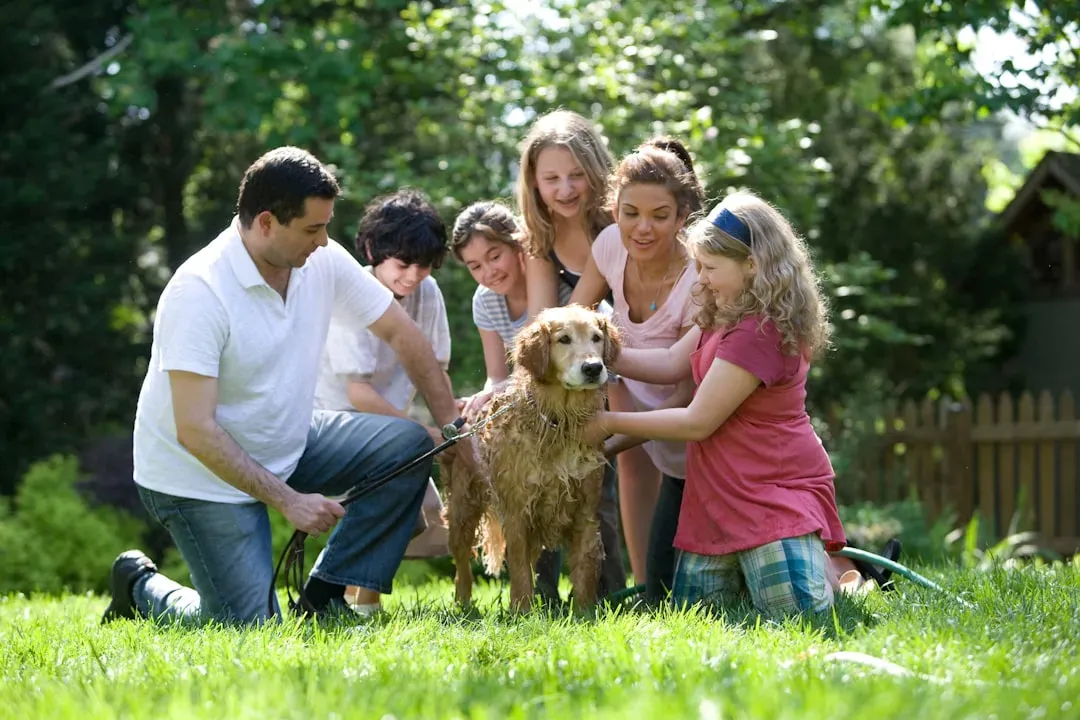
Everyone in your family will likely be excited to meet the new addition. However, meeting too many people too quickly can be overwhelming for rescue dogs transitioning to a new home. Taking it slow and giving them a chance to adjust to each new family member helps considerably.
Introduce family members one at a time, and ask each person to exhibit non-threatening behavior. This means crouching down, turning slightly sideways, not staring directly, and calling the dog to them rather than approaching head-on. When the dog does approach, patting them under the chin and on the chest area is best to begin with.
Your dog may be immediately comfortable with the whole family, but every dog is different and some need to take it a bit more slowly, so it's worth starting gently just in case. There's no prize for rushing this part.
Provide Enrichment to Build Confidence
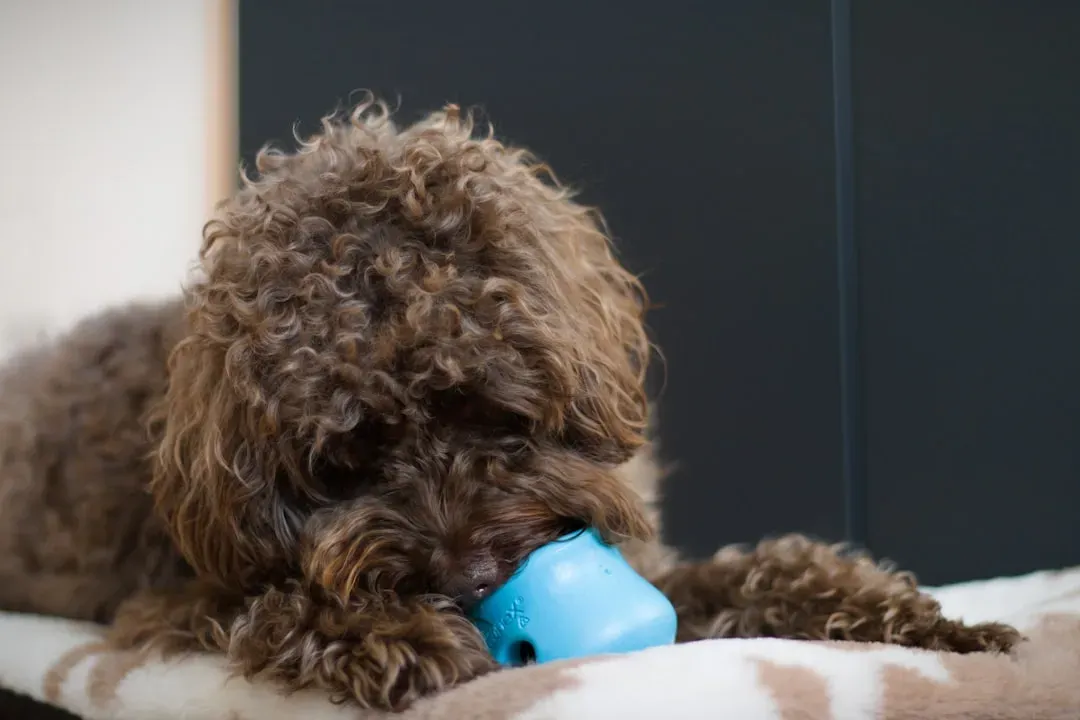
Enrichment is one of the best ways to make a rescue dog feel comfortable, promote desirable behaviors, and increase confidence. It's also a powerful distraction from anxious thoughts, if a dog can be said to have them.
Games can be a great way to ease a dog's nerves and distract them from anxiety triggers. Consider calm games that engage the brain rather than riling them up with high-energy activities. Try scattering food across the ground for your dog to sniff out, or placing treats behind furniture in a game of hide-and-seek. Snuffle mats also encourage sniffing out hidden food, and lick mats are particularly handy if grooming or handling stresses your dog.
Even short five-minute training sessions help build trust and mental focus. Stimulation and enrichment not only prevent unwanted problem behaviors but also give your dog confidence in their new environment.
Use Positive Reinforcement, Not Pressure
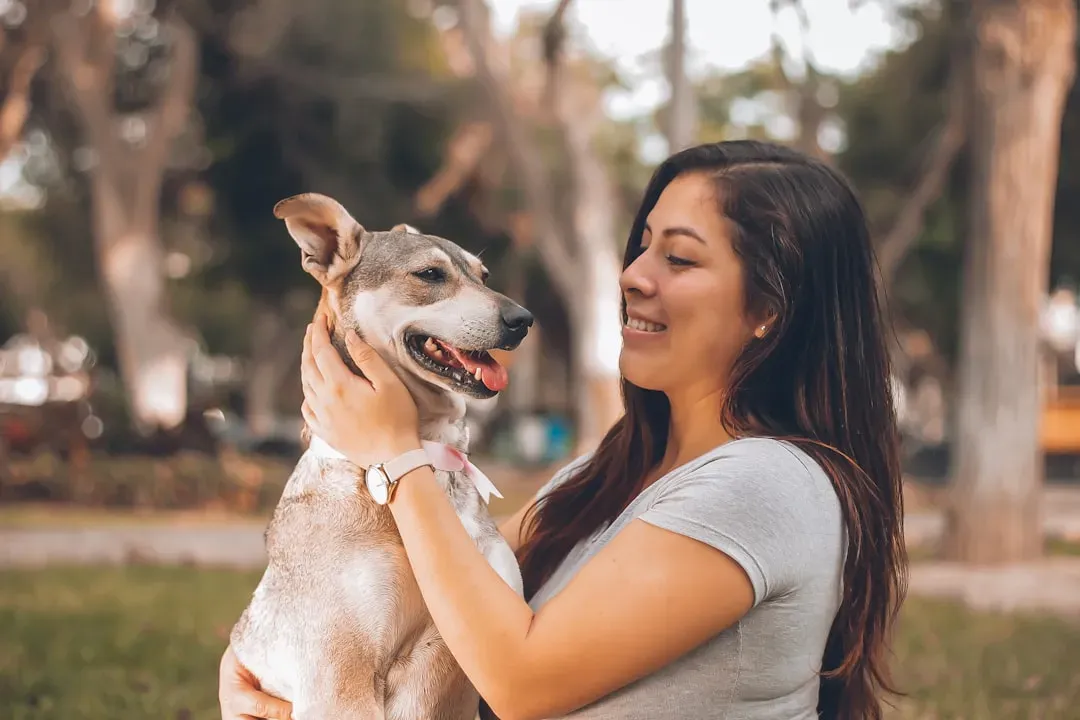
Traditional training styles that emphasize dominance, correction, or punishment frequently heighten fear and erode trust rather than resolve underlying insecurity. Positive reinforcement, by contrast, aligns perfectly with canine learning biology: behaviors that produce pleasant consequences are eagerly repeated.
Using positive reinforcement to reward calm behavior can help your dog associate stressful situations with positive outcomes. This involves giving treats, affection, and verbal praise when they remain calm. By consistently reinforcing calm behavior, your dog learns that they have nothing to fear. Positive reinforcement builds confidence and encourages them to remain relaxed even when faced with potential stressors.
Staying quiet and unemotional during your comings and goings also helps your dog remain calm, and this can be particularly effective for dogs with separation anxiety. It sounds minor, but the energy you bring through the door shapes how they interpret every arrival and departure.
Understand the 3-3-3 Timeline
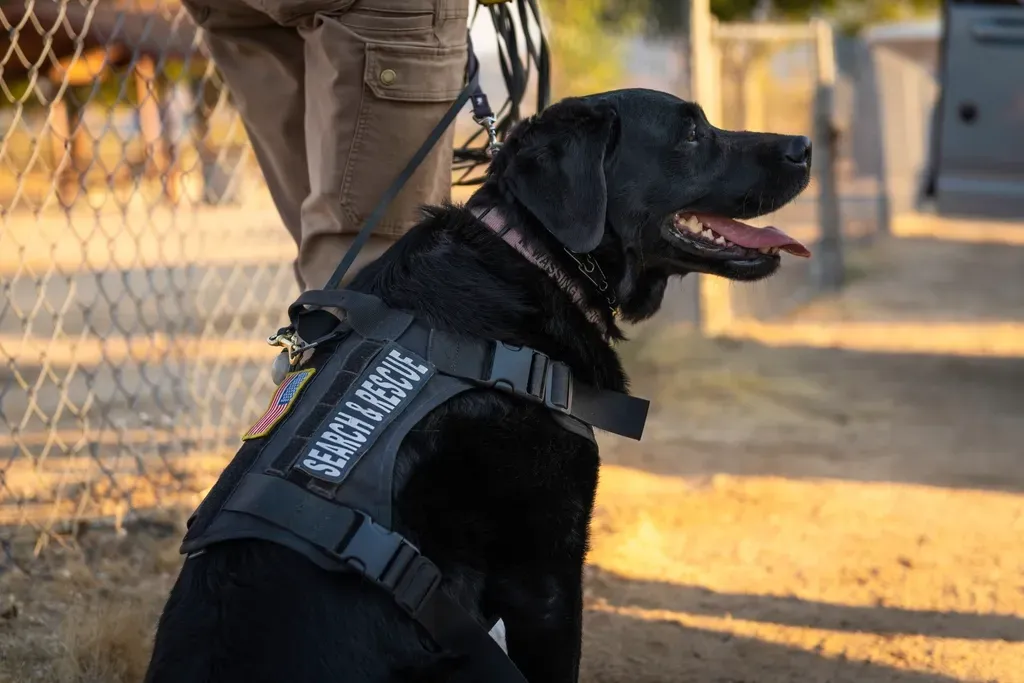
The 3-3-3 rule refers to the amount of time it typically takes for rescue dogs to feel comfortable in a new home, broken down into milestones: three days, three weeks, and three months. During the first few days, rescue dogs are often overwhelmed and may be skittish or unengaged. Some will avoid food and water, and testing boundaries is common as they work to understand what is expected of them.
At the three-week mark, many dogs are starting to settle in, and you'll likely notice more of their true personality emerging as they open up. This is also when behavior issues can become more pronounced. By the three-month mark, most dogs are comfortable in their new homes because they have established trust with their adopted family.
Knowing this timeline matters because it changes how you interpret your dog's behavior. What looks like stubbornness in week one is often just fear. What looks like mischief in week three is often a sign they're finally relaxing. Building a bond with your rescue dog is a journey, not a race. It may take days, weeks, or even months for your pup to feel completely at ease, and that's perfectly normal.
A Final Thought
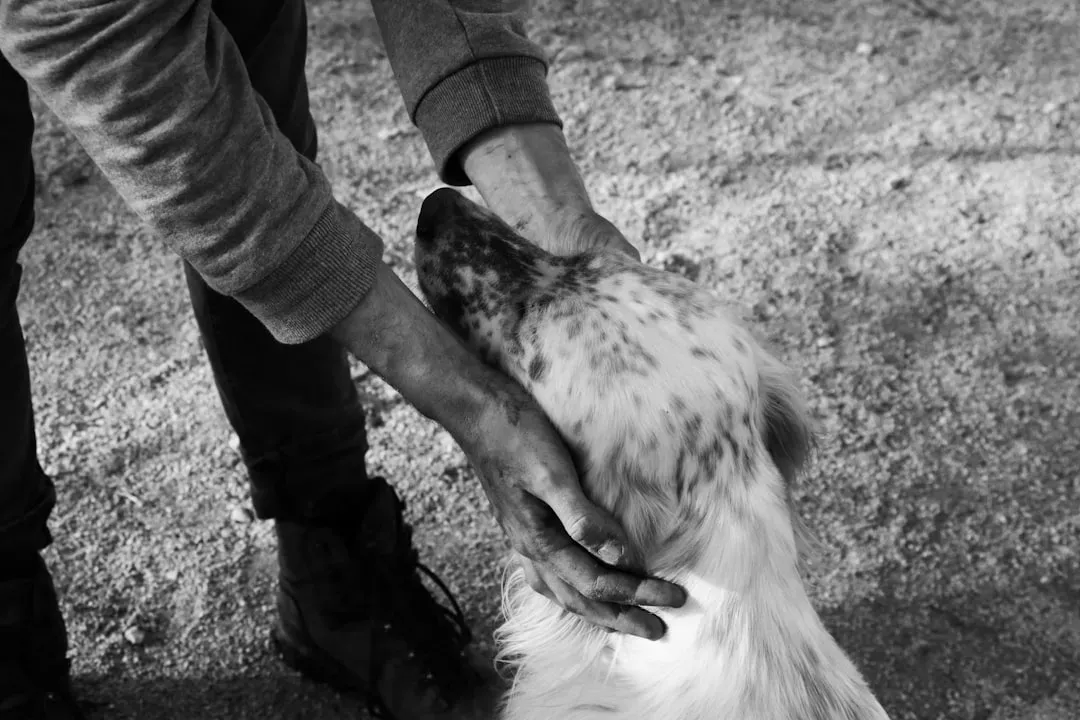
The most important thing to understand about a rescue dog is this: they're not broken, they're just waiting to see if you'll keep your word. Every quiet moment you give them, every consistent meal, every gentle introduction, and every time you let them come to you on their own terms is another small deposit into a trust account they've never had before.
It doesn't take dramatic gestures. It takes the ordinary, repeated with patience. The tiny things accumulate quietly, and one day you'll notice them sleeping on their back, paws in the air, fully at ease. That moment is earned, not rushed.


Leave a Reply