
Most of us spend a fortune on supplements, apps, and productivity hacks trying to think clearer and remember more. Yet the most powerful tools for a sharper brain might already be sitting in your kitchen. Honestly, the science here is more convincing than most people realize.
Research published in Nature showed that a healthy, balanced diet was linked to superior brain health, cognitive function, and mental wellbeing. That's not a vague wellness claim. That's a massive study with real data behind it. The research, involving scientists at the University of Warwick, analyzed the dietary choices of over 181,000 participants against a full range of physical evaluations, including cognitive function, blood metabolic biomarkers, brain imaging, and genetics.
So which specific foods made the biggest difference? That's where it gets really interesting. Let's dive in.
1. Fatty Fish: The Undisputed Champion of Brain Nutrition

Here's the thing about fatty fish. It has earned its top spot on virtually every credible brain health list, and for solid reasons backed by decades of science. Fatty fish such as salmon, mackerel, and sardines are rich in omega-3 fatty acids, particularly EPA and DHA, which are vital for brain cell communication. Studies link regular consumption of these fish to improved memory and slower cognitive decline, as these fats help build and maintain nerve cells and reduce brain inflammation.
Fatty fish are abundant sources of omega-3 fatty acids, healthy unsaturated fats that have been linked to lower blood levels of beta-amyloid, the protein that forms damaging clumps in the brains of people with Alzheimer's disease. Think of beta-amyloid like rust building up inside an engine. Omega-3s essentially act as a cleaning agent, slowing that process down. Experts recommend eating fish at least twice a week, choosing varieties that are low in mercury, such as salmon, cod, canned light tuna, and pollack.
2. Blueberries: Tiny Berries With a Massive Brain Impact
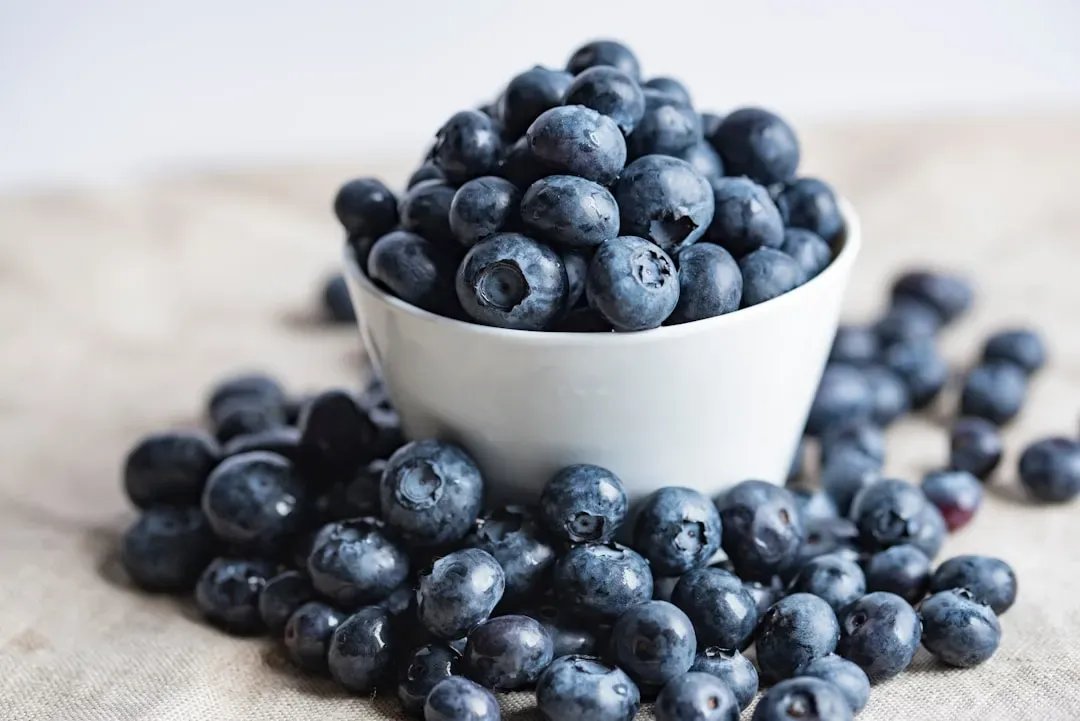
If you could only pick one fruit for your brain, blueberries would win in a landslide. Few foods in the research world have been studied as obsessively, and the results keep impressing scientists. Blueberries are loaded with antioxidants and flavonoids, compounds that cross the blood-brain barrier to combat oxidative stress and inflammation. Research indicates that blueberry intake is associated with enhanced memory and delayed brain aging, making them a prime example of effective brain-boosting foods.
Research from King's College London found that eating a handful of wild blueberries daily has health benefits, including lowered blood pressure, faster reaction time, and improved memory and brain cognition. The study involved a randomised, double-blind, placebo-controlled trial of 61 healthy men and women aged 65 to 80. Over twelve weeks, researchers found that volunteers who consumed the berry powder experienced better memory, improved accuracy on attention tasks, and lower blood pressure. A 2024 Frontiers in Pharmacology report also found that metabolites in blueberries have the potential to protect the brain.
3. Olive Oil: A Harvard-Backed Brain Defender

Olive oil is the quiet achiever on this list. It doesn't get the dramatic headlines that blueberries or dark chocolate enjoy, but the research behind it is genuinely eye-opening. A 2024 Harvard study of 92,383 American adults found that regardless of genetic predisposition and overall diet, participants who consumed at least 7 grams of olive oil per day had a notably lower risk of dementia-related death compared to those who never or rarely consumed olive oil.
Olive oil is rich in monounsaturated fats, which are well-documented for their role in brain health. These healthy fats promote blood flow to the brain and reduce inflammation. Additionally, olive oil contains polyphenols, such as oleocanthal, which have been shown to combat oxidative stress and inflammation, both of which can increase the risk of neurodegenerative diseases like dementia. Seven grams a day, by the way, is barely more than a teaspoon. A small daily habit with a surprisingly large payoff.
4. Leafy Greens: The 11-Year Brain Age Advantage

Spinach, kale, Swiss chard, collard greens. They're not the most exciting foods in the world, let's be real. But the cognitive benefits they deliver are remarkable enough to change anyone's mind. Those who ate the highest amounts of leafy greens, about 1.3 servings per day, had significantly slower cognitive decline than those who ate very little. In terms of the estimated effect of age on cognitive decline, lovers of leafy greens were the cognitive equivalent of 11 years younger.
When researchers examined individual nutrients linked with slowing cognitive decline, they found that vitamin K, lutein, folate, and beta-carotene were most likely helping to keep the brain healthy. Research in Boston that studied postmortem brains in elderly people found a correlation between adequate brain-level concentrations of vitamin K and better cognitive function prior to death. Higher brain vitamin K concentrations were also associated with lower odds of dementia or mild cognitive impairment, providing compelling evidence that adequate intake of vitamin K could reduce the risk of cognitive decline.
5. Walnuts: Brain-Shaped for a Reason
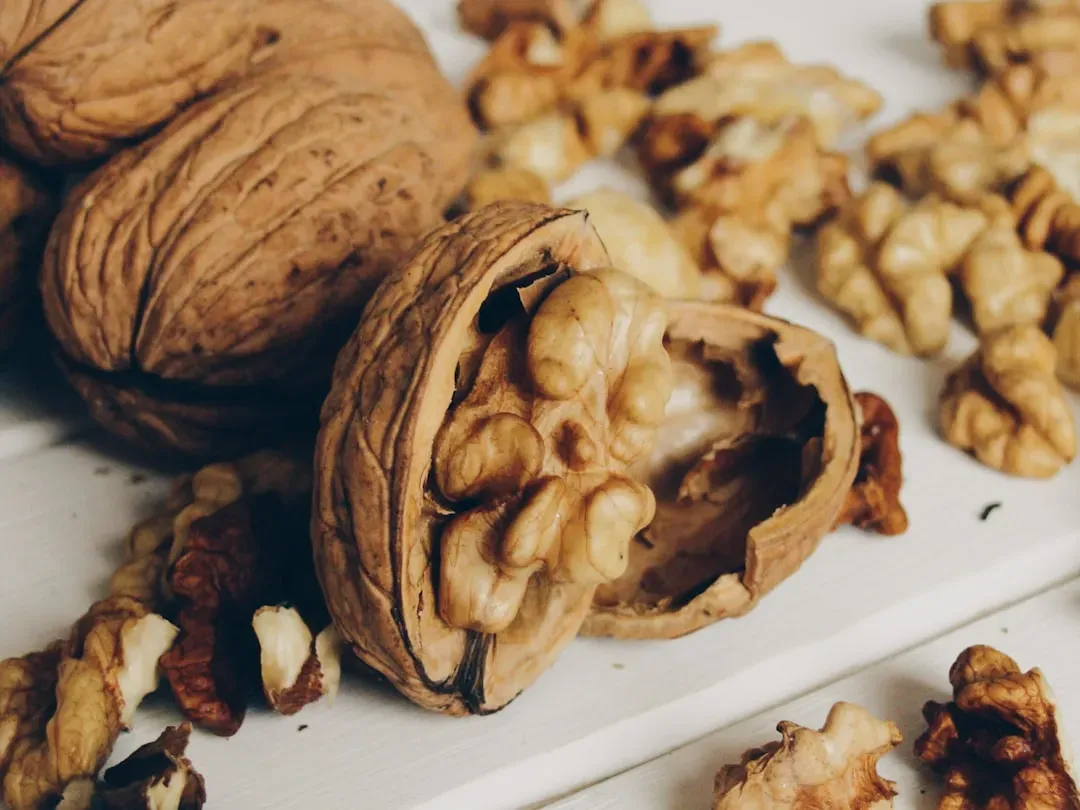
I know it sounds a little too neat that walnuts actually look like tiny brains, but the resemblance isn't the only reason they've earned a reputation as the ultimate nut for cognitive health. Nuts are excellent sources of protein and healthy fats, and walnuts in particular appear to improve memory. A study from UCLA linked higher walnut consumption to improved cognitive test scores, and walnuts are high in a type of omega-3 fatty acid called alpha-linolenic acid.
Walnuts are rich in omega-3 fatty acids and antioxidants that support brain health. They also contain polyphenolic compounds that can reduce inflammation and protect against neurodegenerative diseases. Additionally, nuts are a good source of vitamin E, which is known to slow age-related cognitive decline. A fresh 2025 study from the University of Reading, published in Food & Function, examined whether walnuts led to cognitive improvements throughout the day, testing 32 healthy young adults, aged 18 to 30, in a double-blind, crossover pilot study comparing the effects of a breakfast containing 50 grams of walnuts with a calorie-matched control containing no nuts.
6. Dark Chocolate: The Brain Boost You Actually Want

This one brings genuine joy to write about. Dark chocolate is not just a guilty pleasure. It's a scientifically backed brain food, provided you choose the right kind. Researchers used imaging methods to look at activity in the brain after participants ate chocolate with at least 70 percent cacao. They concluded that eating this type of dark chocolate may improve brain plasticity, which is crucial for learning, and may also provide other brain-related benefits.
Dark chocolate, rich in polyphenols, increases cerebral blood flow and improves cognitive function. Dark chocolate contains antioxidants, flavonoids, and caffeine, which can improve blood flow to the brain and help with memory and focus. Choosing chocolate with at least 85 percent cocoa provides the most benefits. The key word here is quality. A cheap milk chocolate bar won't cut it. Think rich, dark, and properly bitter.
7. Eggs: The Underrated Choline Powerhouse

Eggs have had a complicated public image over the years. First they were bad, then they were fine, now they're quietly climbing the ranks of genuinely brain-protective foods. Eggs are a widely consumed, nutrient-dense food containing choline, phospholipids, tryptophan, and omega-3 fatty acids, which individually support cognitive processes such as memory, attention, and neurogenesis.
Eggs are an excellent source of protein and contain several nutrients beneficial for brain health, including choline, a nutrient that is vital for the production of acetylcholine, a neurotransmitter that regulates mood and memory. Eggs are also a great source of B vitamins, which help reduce the risk of cognitive decline and support overall brain function. A systematic review on egg intake and cognitive function included eleven studies involving a total of 38,722 participants, published between 2016 and 2024. That's a substantial body of evidence that most breakfast routines are quietly getting right.
8. Green Tea: The Smarter Way to Caffeinate

Coffee gets most of the attention in the caffeine-and-brain conversation, but green tea offers something genuinely different. The combination of compounds it contains is hard to match. Green tea contains caffeine and L-theanine, compounds known to enhance brain function by improving alertness, attention, and relaxation simultaneously. Continuous consumption has been linked to a reduced risk of cognitive decline and improved memory.
A 2024 meta-analysis including nine randomized controlled trials, 23 cohort studies, and 12 cross-sectional studies examined the effects of habitual tea drinking on dementia, mild cognitive impairment, and age-related cognitive decline. A meta-analysis of randomized controlled trials found that habitual tea drinking decreased cognitive dysfunction, as measured by the Mini-Mental State Examination. Overall, green tea consumption is associated with a reduced risk of cognitive impairment, suggesting real and measurable cognitive benefits.
9. Broccoli: Vitamin K and a Lot More Going On

Broccoli doesn't have the glamour of blueberries or the indulgence of dark chocolate, but it consistently earns its place among the most scientifically supported brain foods. Broccoli is an excellent source of vitamin K, which plays a vital role in the production of sphingolipids, a type of fat that's essential for the formation of brain cells. Broccoli is also rich in antioxidants and a compound called sulforaphane, which may help fight inflammation and promote brain health.
Broccoli is rich in compounds called glucosinolates. When the body breaks these down, they produce isothiocyanates. Broccoli also contains vitamin C and flavonoids, and these antioxidants can further boost brain health. Research findings support the potential beneficial roles of vegetables, especially cruciferous vegetables like broccoli and green leafy vegetables, in maintaining cognitive function and slowing cognitive decline in middle-aged and older adults. It's not just good for your body. It really is food for thought.
10. Turmeric: The Golden Spice With a Brain-Crossing Compound

Turmeric has been used in traditional medicine for centuries, but modern science has started to catch up with what many cultures have known for a long time. The active compound in turmeric is where most of the action is. Turmeric contains curcumin, a compound with powerful anti-inflammatory and antioxidant properties. Curcumin has been shown to cross the blood-brain barrier, meaning it can directly benefit brain cells. It can also boost levels of brain-derived neurotrophic factor (BDNF), a protein that promotes brain cell growth and resilience.
Research in nutrition science suggests curcumin supports memory function, promotes the growth of new brain cells, and may improve mood by increasing levels of key brain chemicals. Curcumin, the active compound in turmeric, has potent anti-inflammatory and antioxidant effects. It can cross the blood-brain barrier and stimulate brain cell repair, making it a powerful tool for recovery and long-term brain health. One important note: curcumin is poorly absorbed on its own. Pairing turmeric with a pinch of black pepper dramatically improves absorption, something to keep in mind when cooking.
The Bigger Picture: It's the Pattern, Not Just the Food
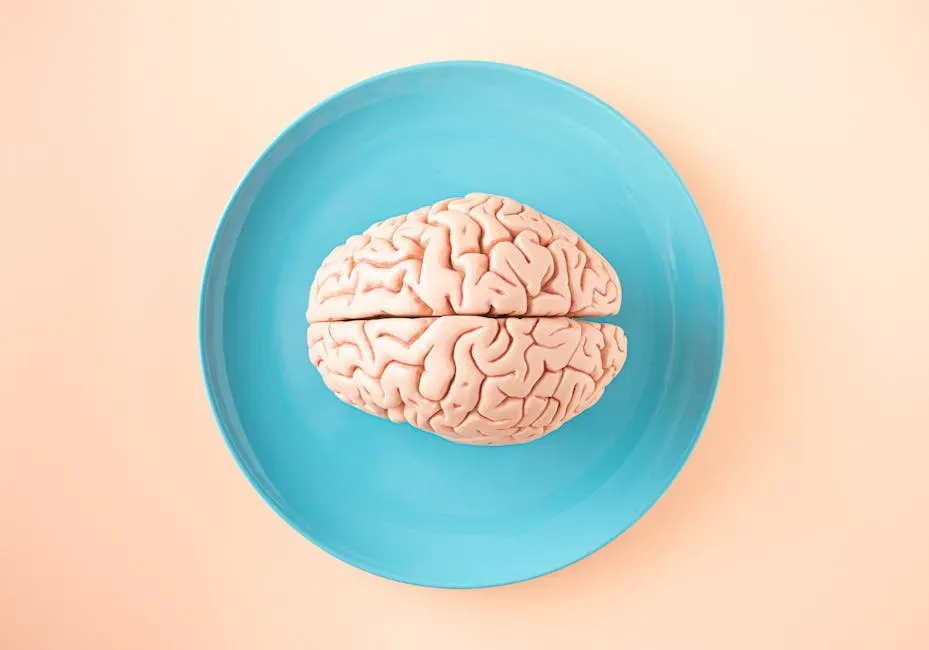
Looking at this list, a theme emerges almost immediately. Every food here reduces inflammation, fights oxidative stress, or supports neurotransmitter function. Sometimes all three. Some brain-boosting foods contain nutrients such as omega-3 fatty acids and antioxidants that may support mental health by reducing inflammation and improving neurotransmitter function. While these foods can complement treatment, they are not substitutes for professional care in managing anxiety or depression.
A growing body of research finds what's good for the heart is also good for the brain, revealing that the same risk factors that lead to heart disease contribute to Alzheimer's disease and other dementias. Nutrition science also shows that diet works synergistically with lifestyle factors like physical exercise, sufficient sleep, stress management, and social engagement to optimize brain health. No single food is a magic bullet. These ten, eaten consistently as part of a varied diet, build something greater together. Think of it less like a supplement and more like a long-term investment in your most important organ.
Did you expect to find chocolate and coffee-adjacent drinks defending your memory? What's your current go-to brain food - and does it make this list? Tell us in the comments.




Leave a Reply