
Something major is happening inside every Starbucks in America. The lines are shorter. The regulars look older. The green mermaid logo, once the unofficial badge of cool, is slowly losing its grip on the youngest generation of coffee drinkers. Gen Z, a group of roughly 69 million people in the U.S. alone, is quietly walking out and not coming back the way it used to. And the coffee industry is scrambling to figure out exactly what went wrong, and what comes next. The answers are more surprising than you'd expect. Let's dive in.
The Numbers Don't Lie: Starbucks Is Losing Its Gen Z Crown
Starbucks' market share among Gen Z has slipped from 67% to 61% over the past two years, marking four consecutive quarters of declines, according to Consumer Edge data. That might sound like a small drop on paper, but in a market this competitive, it's a major warning sign.
In its core U.S. market, the company has reported six consecutive quarters of negative same-store sales growth, despite continued expansion abroad. The brand kept opening new doors while fewer people chose to walk through the old ones.
The coffee chain reported a 7% decline in same-store sales in the fourth quarter ended September 2024, with the weakness especially evident in the U.S., where transactions were down 10% from the prior year, and in China, where comparable sales fell 14%. For a company of Starbucks' size, that's not a stumble. That's a structural problem.
From Status Symbol to "Basic": How Starbucks Lost Its Cool
Here's the thing about brand prestige. It's almost impossible to build and shockingly easy to lose. For Gen Z, carrying a Starbucks cup, tall and plastered with the green mermaid, was once a status symbol, a badge of modernity. That era is fading fast.
The youngest cohort, Gen Z, encounters Starbucks in a different symbolic landscape: localism, transparency, and individuality carry more weight than uniform global identity. Their preferences for boutique roasters, boba cafés, and functional-beverage shops illustrate a search for authenticity and novelty that mass chains often struggle to provide.
Surveys and market reports increasingly show that Gen Z perceives Starbucks as mainstream, expensive, and culturally generic. Honestly, being called "generic" might be the most damaging thing a brand can hear from a generation that treats their coffee order as a form of self-expression.
The Price Problem Is Very Real
Let's be real, money matters. Even for a generation known for their "little treat" spending culture, Starbucks has crossed a line in terms of what people feel comfortable paying on a regular basis.
Rising prices, implemented to offset inflation and labor costs, have strained perceptions of value, especially among younger consumers whose discretionary spending is more constrained. A $8 lavender oat milk latte hits differently when your rent just went up again.
In the U.S., the chain has been losing its occasional customers, who have opted to save money instead of spending on its macchiatos and Refreshers. The occasional visitors are the heartbeat of any consumer brand. Lose them, and you lose your future.
"Little Treat Culture" Is Reshaping Everything
Despite a lack of income, Gen Z finds ways to reward themselves frequently: roughly 57% buy themselves a small treat at least once a week, according to a Bank of America report from late July 2025. So this generation isn't exactly skipping coffee, they're just redirecting where they spend.
Their preferences are driven by "little treat culture," a trend where they seek small, affordable indulgences to boost their mood. Think of it less like a caffeine habit and more like micro-therapy. A cute drink that looks great on camera and genuinely makes you feel something.
Rather than one-off purchases, these drinks are a routine part of a self-care ritual, making highly customised, often sweet, and visually appealing signature beverages crowd pleasers. That's a powerful insight. It means the drink needs to do more than taste good. It needs to perform.
Customization Is No Longer Optional, It's the Whole Point
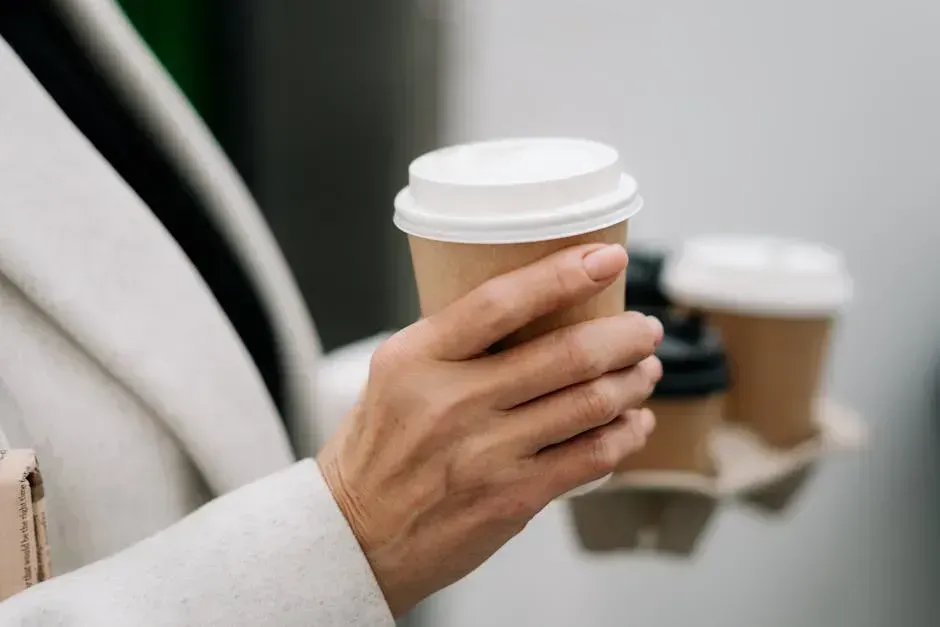
A 2025 report shows roughly three quarters of young coffee drinkers opt for flavored syrups, from toasted marshmallow to lavender. That stat is wild when you sit with it. Flavored syrups aren't a niche add-on anymore. They're basically the default.
Gen Z consumers are not just buying beverages, they're curating experiences. This comes in the form of personalized coffee and tea options that reflect their identity, mood, and lifestyle. Your drink order is your personality now. It says something about who you are before you've said a word.
This generation's demands for convenience, customization, and wellness are reshaping coffee consumption and the café landscape. Coffee shops that haven't figured this out yet are operating on borrowed time.
Matcha, Mushrooms, and Functional Drinks Are Stealing the Spotlight
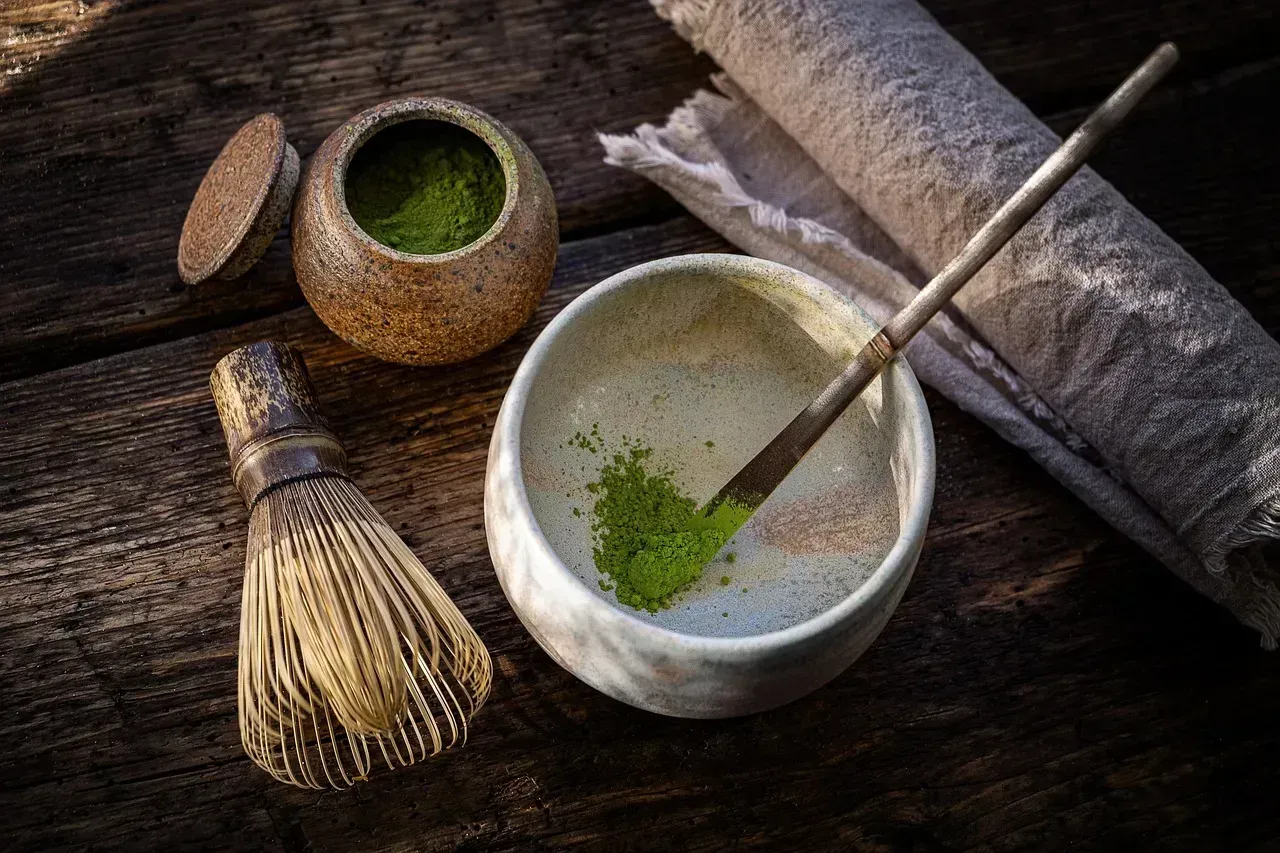
According to the National Coffee Association's Spring 2025 National Coffee Data Trends Report, Gen Z consumes more tea-based beverages than coffee, drinking significantly less coffee than Millennials, Gen X, or Boomers. That one stops people in their tracks every time.
Gen Z consumers are leading the charge for functional benefits, with roughly 38% wanting coffee with cognitive or mood-boosting benefits, and roughly 35% wanting relaxation and stress relief. Additionally, roughly 20% of Gen Z consumers were interested in hydration and immune support coffees. This isn't just about flavor anymore. It's health. It's wellness. It's the whole package.
"Proffee" generated over 20 million related posts on TikTok alone in early 2025, prompting brands like Peet's and Starbucks to launch protein-boosted coffee drinks. When a made-up portmanteau goes viral and forces billion-dollar companies to change their menus, you know the consumer has all the power.
TikTok and Instagram Are the New Coffee Menus
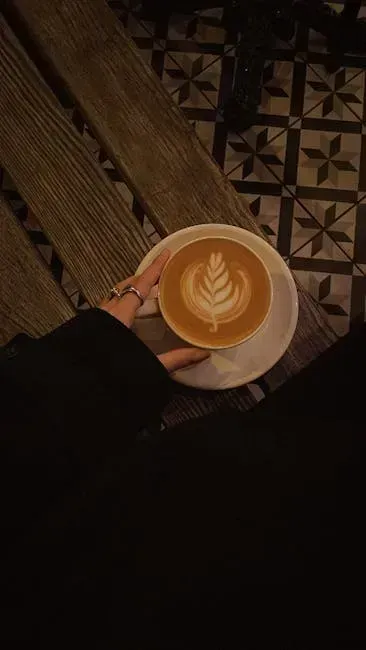
Social media doesn't just reflect coffee trends in 2025 and 2026. It creates them. Overnight. Tastewise reported 150% year-over-year growth in Gen Z's coffee-related social media conversations. That's not organic growth. That's an explosion.
Instagram and TikTok overflow with baristas crafting unique concoctions that trend overnight. Coffee with spirulina, whipped coffee, blueberry coffee, all driven by creators and DIY aesthetics. The new coffee menu is whatever went viral on Wednesday. If a coffee shop can't keep up, Gen Z simply moves on.
Instagram is the most widely used social media platform within the Gen Z population, making aesthetic experiences top of mind. Instagrammable cafés and aesthetically appealing products make for curated "coffee moments" with major viral potential. In other words, if your café doesn't look good on a phone screen, it might as well not exist.
Dutch Bros and Blank Street Are Eating Starbucks' Lunch
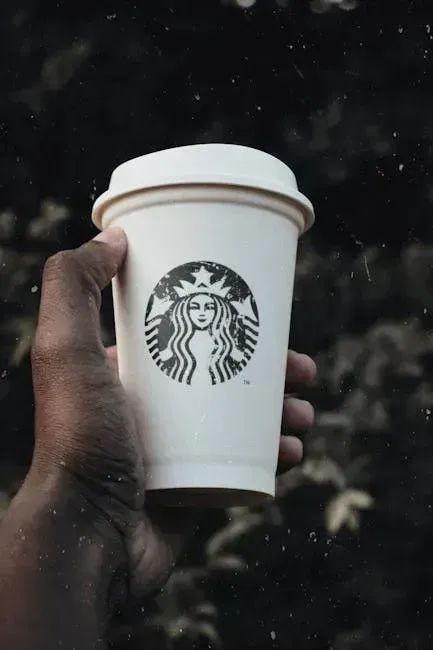
If Starbucks is losing ground, someone is picking it up. The rise of competitors such as Dutch Bros and Blank Street Coffee illustrates how smaller players can use local storytelling, minimalist aesthetics, and digital-first engagement to build cultural relevance.
Dutch Bros has expanded to 1,000 locations, with plans to double again by 2029 and hopes for a 7,000-unit chain that stretches across the country. Dutch Bros is scaling by removing friction, prioritizing speed, and leaning into indulgence and identity in a way that connects with younger consumers.
Blank Street's valuation surged past $500 million in just a few years by selling affordable, to-go coffee at tiny, no-frills stores in New York and London. The company's matcha drinks in particular have resonated with consumers, representing a shift away from traditional coffee and tapping into the rising popularity of wellness-oriented and functional beverages.
The Rise of the Independent Coffee Shop
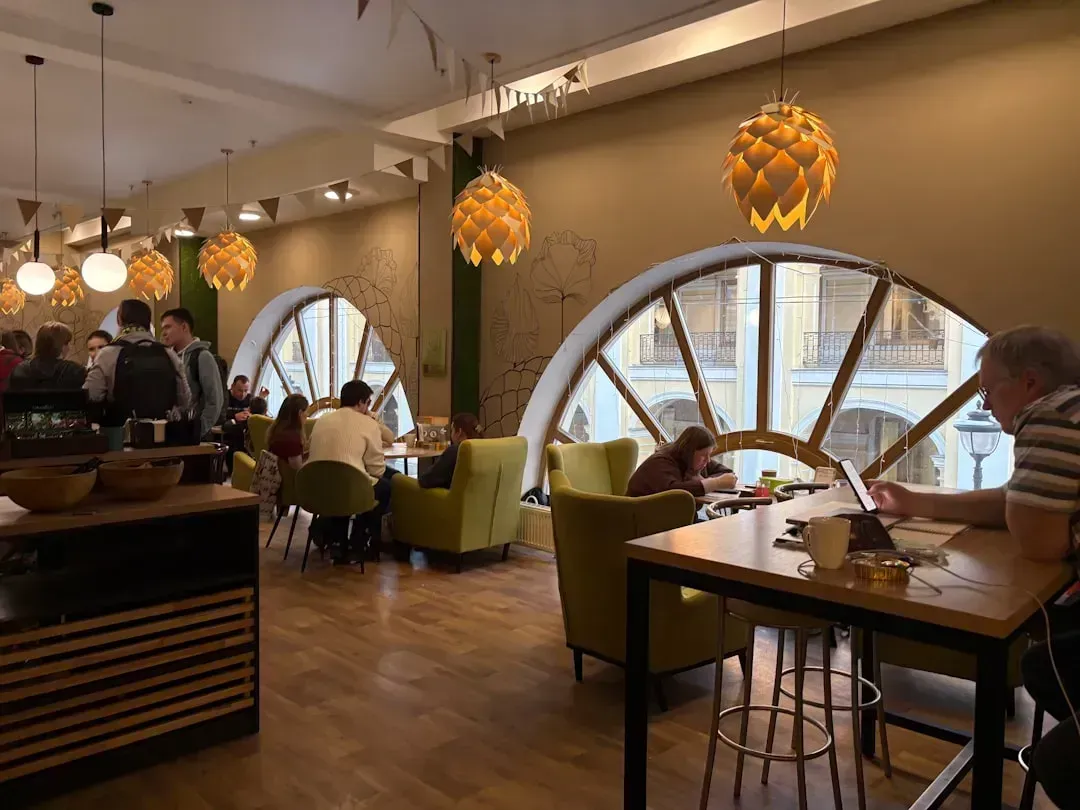
Gen Z is gravitating toward quirky, local coffee shops that double as community hubs and cultural signifiers, the kind you would see on shows like Friends or How I Met Your Mother, according to Consumer Edge data. I think this is one of the most revealing data points in this whole story. Gen Z, supposedly the most digital generation ever, is craving something deeply analog.
Consumer preferences are shifting, with younger consumers favoring independent cafés and innovative cold beverages. Independent coffee houses and third-wave cafés emphasize craftsmanship, with brewing styles like pour-over, siphon, nitro, and cold brew appealing to a growing niche consumer base.
Over one third of people aged 18 to 29 report having recently visited a coffee shop, while only one quarter of older adults could say the same. Gen Z is showing up for coffee. Just not necessarily at the places that counted on them the most.
Starbucks Is Fighting Back, But the Road Is Long
To its credit, Starbucks isn't just sitting quietly. The coffee giant unveiled a $1 billion restructuring plan that will shutter more than 100 North American cafés, cut 900 non-retail jobs, and remodel over 1,000 locations. That's a massive bet on a turnaround.
Starbucks has a program underway to upgrade its coffee houses, investing $150,000 per store to upgrade seating, lighting, and atmosphere. The chain's new prototype stores, already being piloted in New York City, reintroduce cozy chairs, power outlets, and large tables, fostering a more communal and linger-friendly environment.
The company delivered global comparable store sales growth for the first time in seven quarters, with its "Back to Starbucks" strategy building momentum into the fourth quarter of fiscal year 2025. It's early, but there are signs of life. Whether Gen Z comes back, or whether it's older, more loyal customers doing the heavy lifting, that's still the open question.
Conclusion: The Coffee Cup as a Cultural Mirror
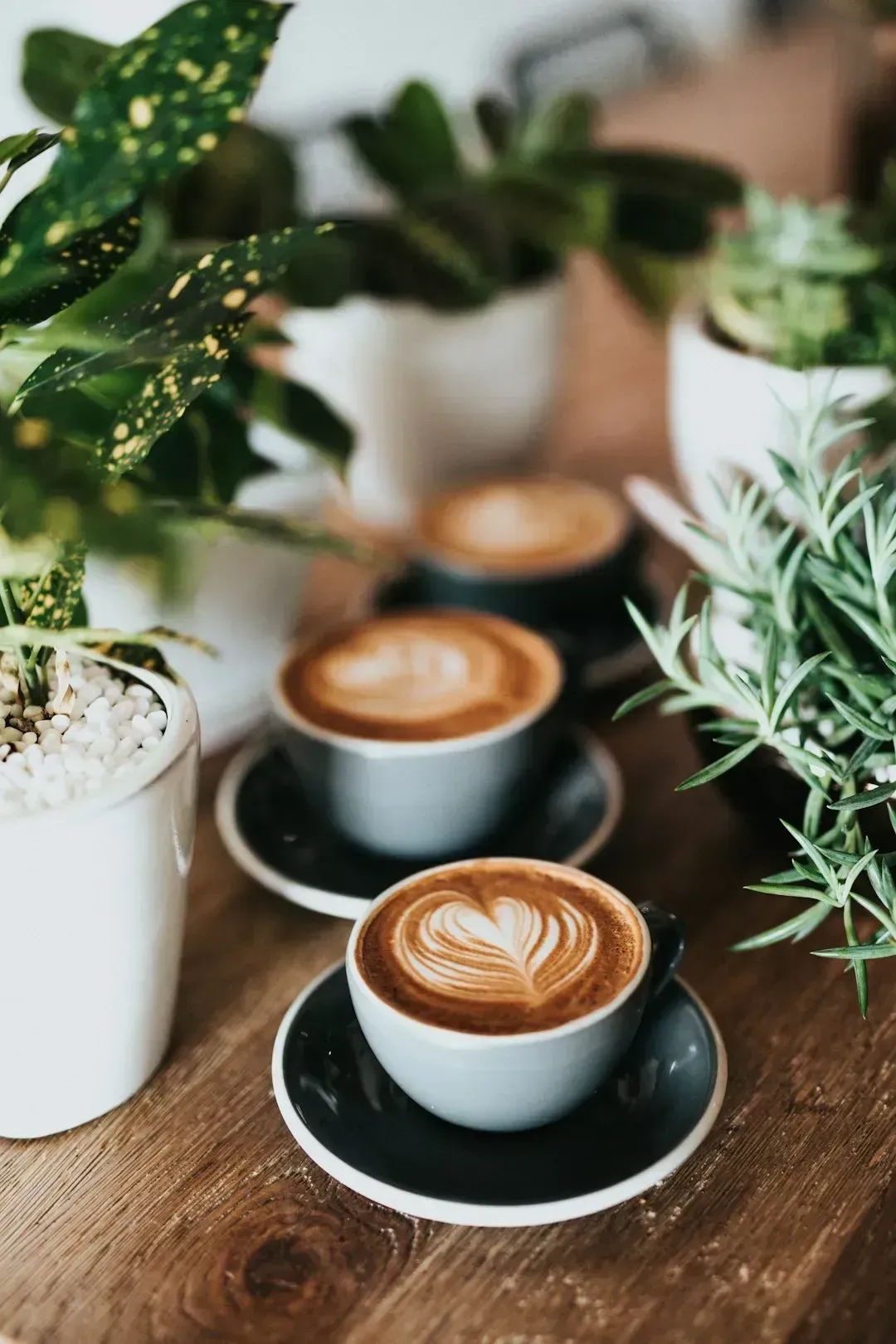
What Gen Z is doing with coffee isn't just a consumer trend. It's a statement about what this generation values. Authenticity over brand recognition. Wellness over habit. Community over convenience. The Starbucks green cup dominated an era. But that era is clearly shifting.
The brands winning right now are the ones that understand a simple truth: Gen Z consumers are gravitating toward coffee products and brands that reflect both their aesthetic tastes and personal values, with research identifying "Attractive" and "Sustainability" as the top-ranking consumer needs among Gen Z coffee drinkers.
Coffee will always matter. The question is who gets to pour it. What do you think: is this a permanent cultural shift, or will Starbucks find its way back? Tell us in the comments.




Leave a Reply