
Most of us have a drawer, shelf, or cabinet we quietly avoid opening. You know the one. It's the place where things go to be forgotten, stacked on top of other forgotten things, until the whole situation becomes vaguely embarrassing. Here's the thing though - all that accumulated stuff isn't just messy. It's actually costing you something.
Professional organizers spend their careers walking into homes and offices, and they're consistently amazed by what people hold onto. Not because people are careless, but because letting go is genuinely hard. Still, certain categories of items come up again and again, and the case for tossing them today is far stronger than most people realize. Let's dive in.
1. Expired Medications Hiding in Your Medicine Cabinet

Honestly, this one surprises people more than almost anything else. Most of us have a small pharmacy of forgotten pill bottles in the back of the cabinet, and we assume expired medications are mostly harmless. That assumption can be dangerously wrong.
The Food and Drug Administration (FDA) warns against taking any expired medicine because it may not work as intended or may even be harmful to your health. Some expired medications are at risk of bacterial growth, which can cause infection, irritation, and other potentially harmful side effects. Think about that the next time you reach for something "just past its date."
Certain antibiotics are not safe to take after their expiration date because they lose their potency. Taking expired antibiotics can lead to antibiotic resistance or harmful effects. That's not a theoretical risk. That's a real-world consequence affecting real patients.
Failing to safely dispose of old medications, especially opioids, all too often leads to dangerous drugs ending up in the wrong hands and can injure children and pets if taken by mistake. The CDC reports that in 2020, there were an estimated 36,564 emergency department visits among children aged 5 years and under for unsupervised medication exposures. Those are sobering numbers that no parent should ignore. Professional organizers consistently flag the medicine cabinet as one of the first places to audit.
2. Expired and Outdated Makeup Products
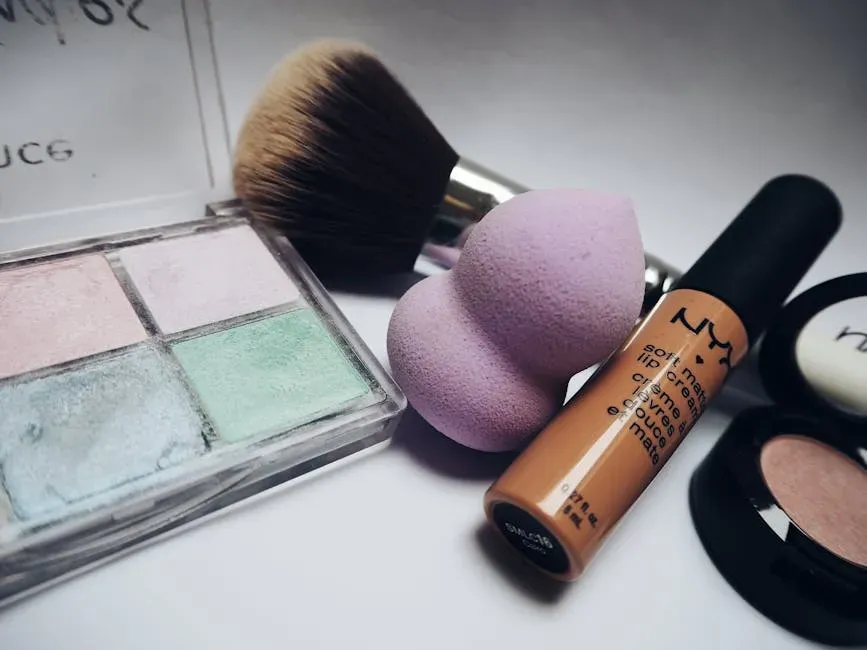
Your makeup bag might be hiding something worse than bad color choices. Most people keep products long after they should have been tossed, and the health consequences are more serious than a dull eyeshadow palette.
Holding onto expired or worn-out products can pose serious risks to your health, from harboring harmful bacteria and allergens to causing skin irritation. It sounds almost too simple, but the biology behind it is real and well-documented.
Eye make-ups and liquid foundations last the least amount of time and should be tossed out after just three months. Bacteria can get in there and the preservatives might not be working quite as well as they were when you first opened it. If you get some of that in your eye, you may develop conjunctivitis, which we know as pink eye.
Products that are applied close to the eye area, like mascara and concealer, should be tossed after six months. If you're still using last year's mascara - stop. Research shows that women tend to continue to use makeup beyond the expiry date, and frequently these products have a high level of contamination with pathogenic microorganisms. That's what science says is living inside that tube.
3. Broken and Non-Functioning Kitchen Tools and Gadgets
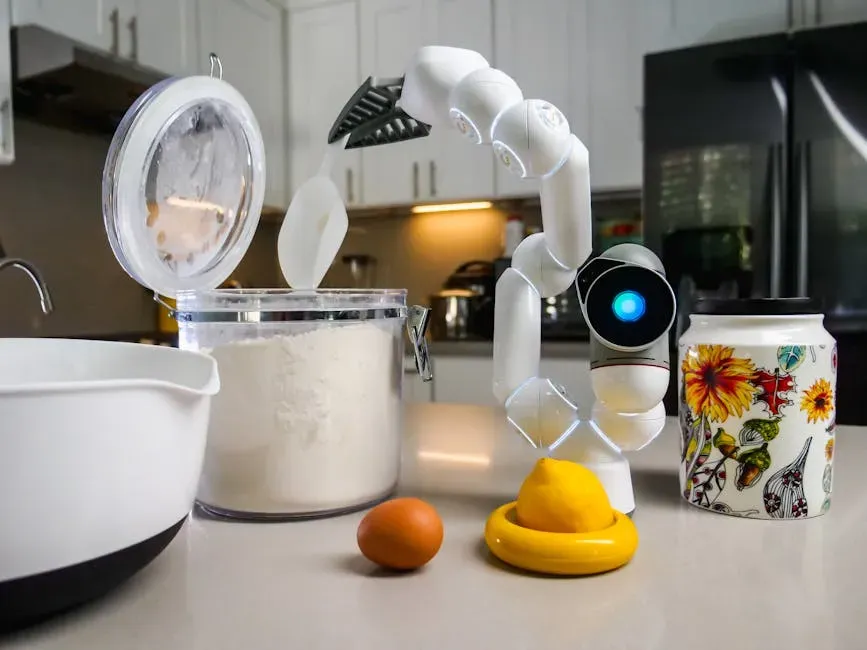
We all have that one gadget. The garlic press that never really works. The wine opener that requires three attempts and some luck. The spatula that bends under the weight of anything heavier than a crepe. Professional organizers say these items are clutter dressed up as function.
The wine opener that never works and the garlic press that never gets clean are just two of the tosses you can make from your utensil drawer. Professional organizers would also ditch the slotted spoons and pancake turners that bend under the weight of food. It's not about being a minimalist. It's about only keeping what actually works.
The kitchen is often the gathering spot of a home. When you declutter and let go in the kitchen, you make more space to connect, to create, and to enjoy what is often the heart of your house. A cleaner, more functional kitchen isn't just nicer to look at. It actually changes how you use the space.
Think about it this way: a kitchen drawer crammed with broken tools is like a toolbox where nothing fits the job. Every time you reach in, you're fighting the clutter instead of cooking the meal. Professional organizer Lori Reese puts it plainly: "When people declutter and create some order in the home, it saves time, it saves money, it saves stress."
4. Old, Mismatched, and Stained Food Storage Containers
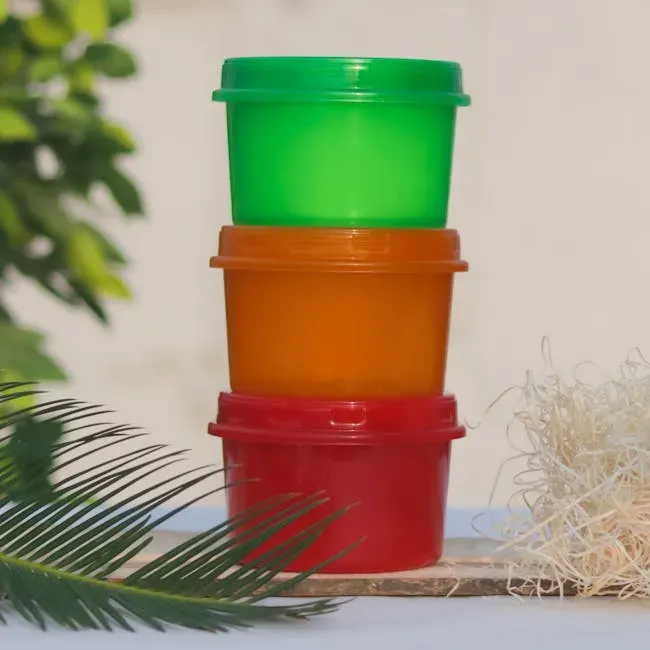
The lids. Where do all the lids go? This is a universal mystery, and yet most of us continue to hold onto a tower of lidless containers that topple out of the cabinet every single time. It's chaos masquerading as preparedness.
Those stained plastic food containers have not only heated one too many leftover spaghetti meals, they've also likely lost their lids. If it has no lid, it's not a container. It's a curved piece of plastic taking up prime real estate in your kitchen.
If you truly take a step back and be honest with yourself, you'll find that some of the empty containers in your home barely come to be used. Empty containers in kitchens and even laundry rooms create unnecessary clutter, and donating the food containers and recycling the rest is the sensible move.
Professional organizers also point to health concerns with older plastic containers that have been microwaved repeatedly. If yours are stained, warped, scratched, or suspiciously discolored, the case for replacing them is both practical and health-related. Holding onto them really isn't doing anyone any favors.
5. Expired and Forgotten Foods in the Pantry and Freezer
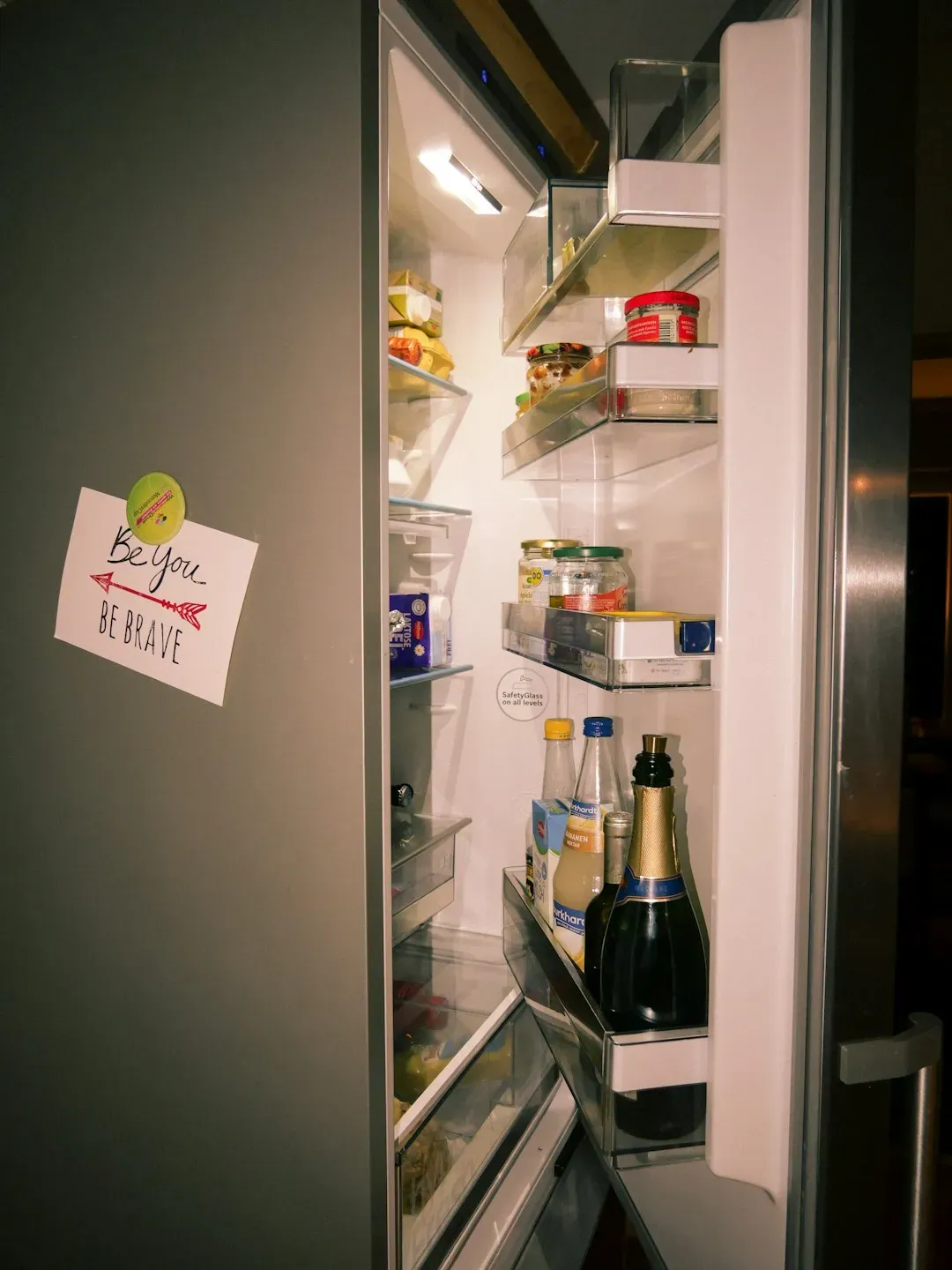
Here's a category that seems obvious but remains one of the most consistently neglected corners of the home. The back of the pantry shelf is basically a graveyard of impulse buys and forgotten meal plans. That can of chickpeas from two years ago is not coming back to life.
We have all experienced reaching into a crowded cupboard of bottled spices and herbs, only to come out with a bottle past its expiry date. In the moment, we dump the bottle but forget to rummage through the rest of the cabinet to discard the others - and there's always others.
Professional organizer Di Ter Avest, founder of Di Is Organized, notes that "expired foods are a common problem factor in many homes" and that "a lack of pantry checks will likely keep your kitchen cluttered with expired goods that can reduce the quality of your cooking." Less flavor, more risk. That's the reality of cooking with expired spices and sauces.
Organizing the freezer will make dinnertime madness a bit less chaotic. Whether you want to eliminate freezer burn or just better understand what to toss, start by decluttering your space. There's likely an old bag of frozen vegetables, expired freezer meals, and unrecognizable leftovers buried somewhere. If you can't identify what's in the bag, it's already gone.
The Science Behind Why Clutter Stresses You Out
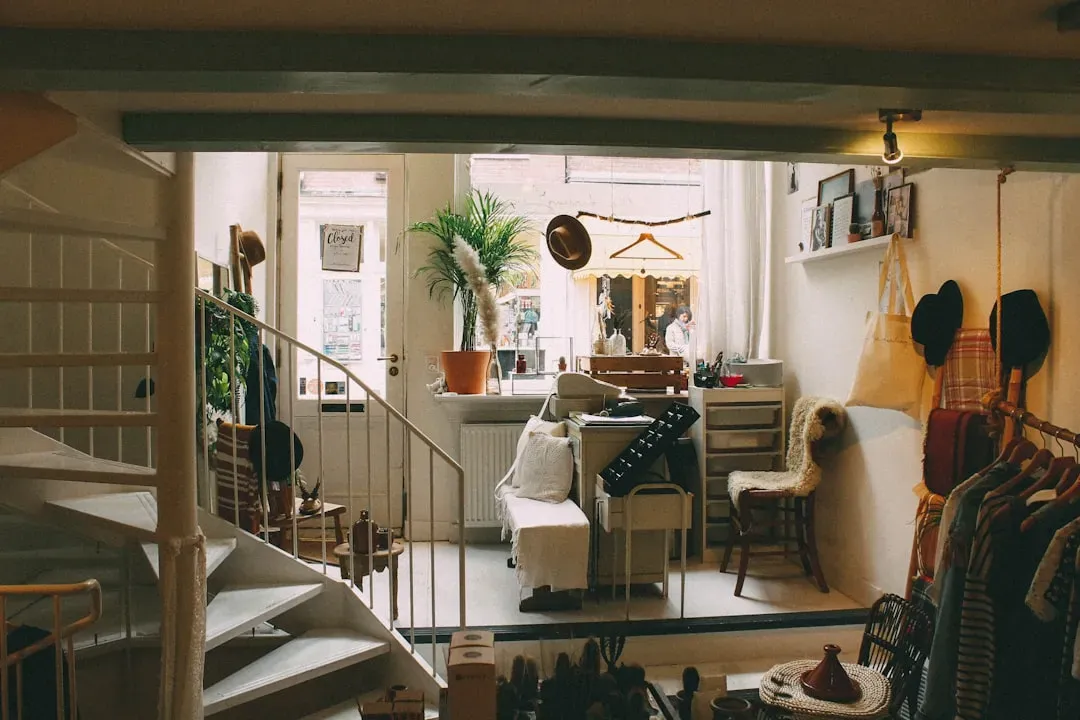
Before you convince yourself that all this stuff really doesn't bother you, consider what the research is actually showing us. The connection between physical clutter and mental wellbeing is stronger than most people expect, and it's backed by legitimate science, not just lifestyle blog advice.
In one study, women who saw their homes as cluttered had high levels of the stress hormone cortisol throughout the day, while those who described their abode as a well-organized, restful space had lower levels. Cortisol is the body's primary stress hormone. Elevated levels over time are linked to a range of serious health problems.
A study conducted by the Princeton University Neuroscience Institute found that a cluttered environment overwhelms the brain and impairs its ability to process information, contributing to heightened stress levels. Think of it like trying to concentrate in a room where someone keeps tapping on the wall. The stimulation never fully stops.
About 55 percent of Americans find themselves stressed out by the clutter in their homes. That's more than half the country. You are almost certainly not alone in feeling this way, and you are also almost certainly not imagining it.
The "Just In Case" Trap That Keeps Your Home Full
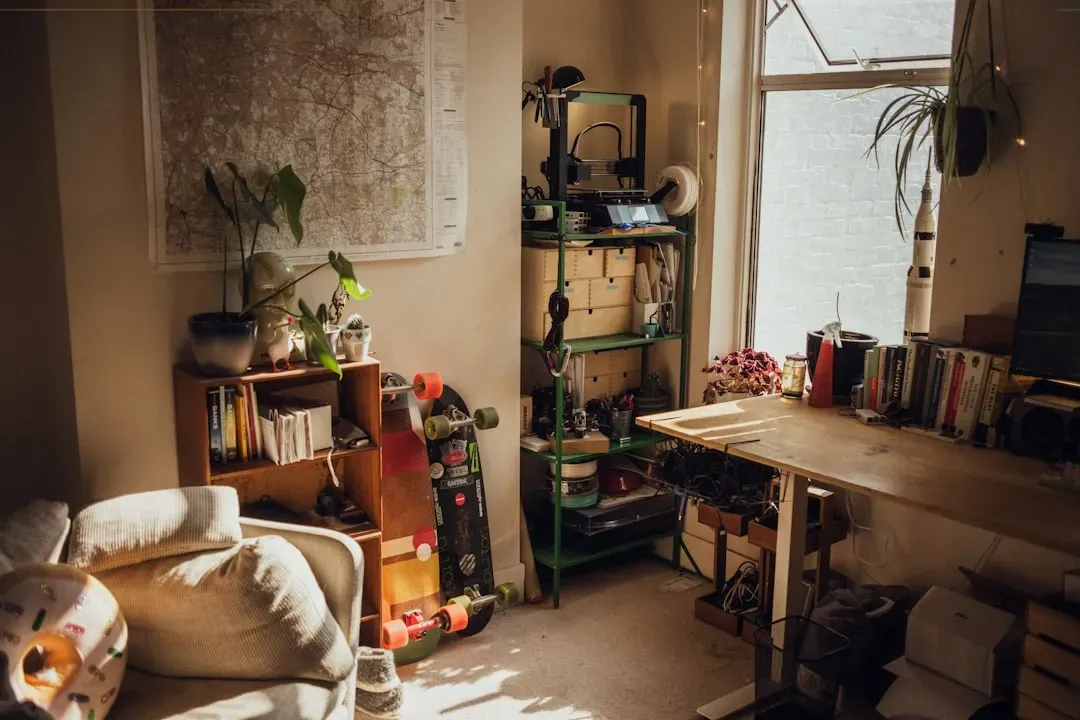
Professional organizers encounter one justification more than almost any other: "I'm keeping it just in case." It feels prudent. It feels responsible. It is, however, a subtle trap that accumulates over years and slowly fills every available surface.
To minimalist thinkers, "just in case" are three dangerous words. If you look around your house, you'll likely find thousands of items you're storing just in case you might need them in some nonexistent hypothetical future. The hypothetical future almost never arrives.
If you own something because you love it, or because it serves a vital purpose in your everyday life, hang on to it. If you examine your reason for owning something and it's because you feel too guilty to throw it out or are tied up with how it made you feel in the past, it may be time to let it go. That's a genuinely useful test for borderline items.
I think this is the hardest part for most people - the emotional weight attached to objects. We're not just clearing clutter. We're making decisions about the past and the future. But holding on to things out of guilt or anxiety rarely serves us as well as we hope it will.
How Clutter Affects Your Focus and Productivity
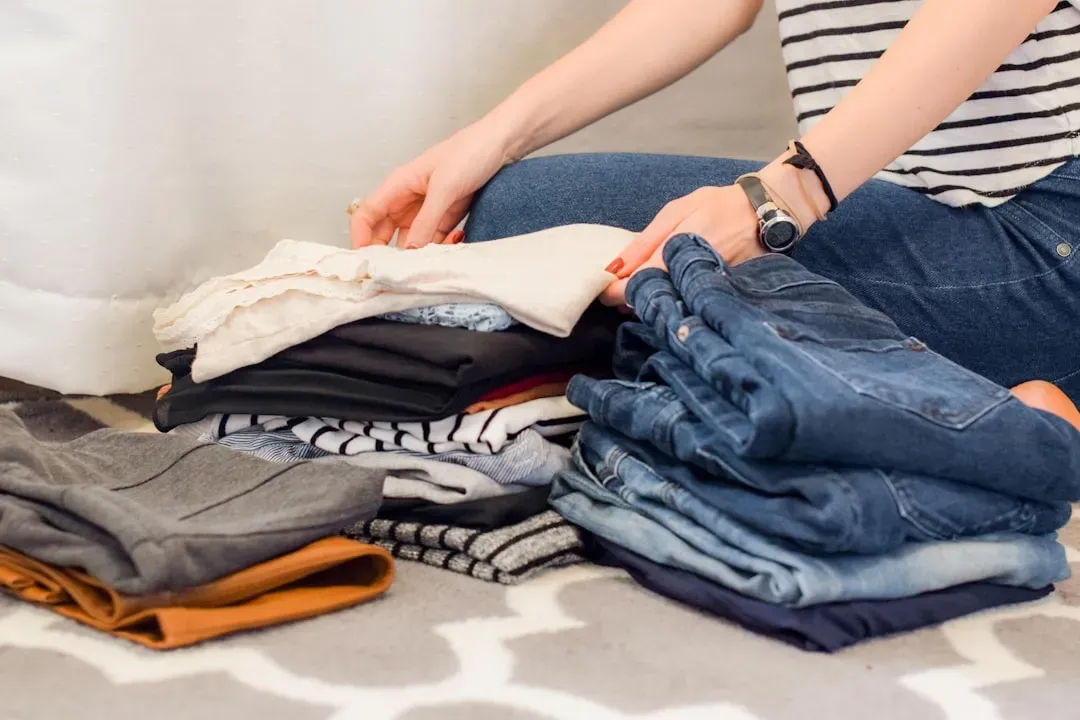
It's not just about stress. Clutter has a measurable effect on your ability to think clearly, make decisions, and get things done. That sluggish, "I can't seem to focus" feeling you sometimes get at home? It may be partly environmental.
A study by Princeton University found that clutter competes for your brain's resources, preventing focus and limiting processing power. Multiple stimuli present in the visual field at the same time compete for neural representation, providing a neural correlate for the limited processing capacity of the visual system.
Thinking through the act of navigating clutter can create cognitive overload, which results in a stressed state that can cause agitation, overwhelm, and shutdown. That shutdown is real. It's not laziness. It's your brain protecting itself from too much competing input.
Clutter bombards our minds with excessive stimuli, signals to our brain that our work is not done, creates feelings of guilt, produces feelings of anxiety, and frustrates us by preventing us from locating what we need quickly. Five separate psychological loads, all from objects sitting quietly around your home.
The Health Risks Nobody Talks About

Clutter rarely gets flagged as a physical health risk, which is strange because the evidence is pretty clear. Beyond the mental toll, the accumulation of items in your home can create conditions that directly threaten your physical wellbeing.
Too much stuff makes it harder to keep your space clean. If you're allergic to things like dust mites or pet dander, decluttering should make it easier to dust and vacuum and get symptoms like sneezing, wheezing, and itchy eyes under control. For anyone with respiratory sensitivities, this alone is a compelling reason to act.
Slips and falls are more likely when there are more things underfoot. Objects are more likely to fall when shelves and tables are overloaded. Excess paper or other flammable items can heighten the risk of fire, either by providing fuel or by blocking exits and paths for people who are trying to help extinguish the blaze.
It's a bit sobering, honestly. We think of our accumulated things as neutral, even comforting. The research suggests they can quietly work against our health in ways that build up over time without us fully noticing.
How to Actually Start Decluttering Without Burning Out

Let's be real. Knowing you should declutter and actually doing it are very different things. The gap between intention and action is where most decluttering projects go to die. Professional organizers have clear, practical advice on how to close that gap.
Facing down a huge task can lead to analysis paralysis, organizing pros say. As certified professional organizer Mindy Godding of Abundance Organizing explains, "It's actually easier to take small bites over a long period of time, instead of delay, delay, delay, and trying to do it all in one weekend."
Another solution that has been described as "life-changing" for clients is to set aside space in the home for a bin or a bag for the specific purpose of regular decluttering. Every time you go about your regular routine and find something you no longer need, instead of putting it back, walk over and put it in the bag. The rule is simple: when that bag gets full, drive it to your favorite charitable organization.
Start with the five categories covered in this article. They're high-impact, clearly defined, and most of them carry a genuine health rationale for immediate action. You don't need to overhaul everything at once. One drawer. One cabinet. One decision at a time.
Conclusion: The Cost of Holding On
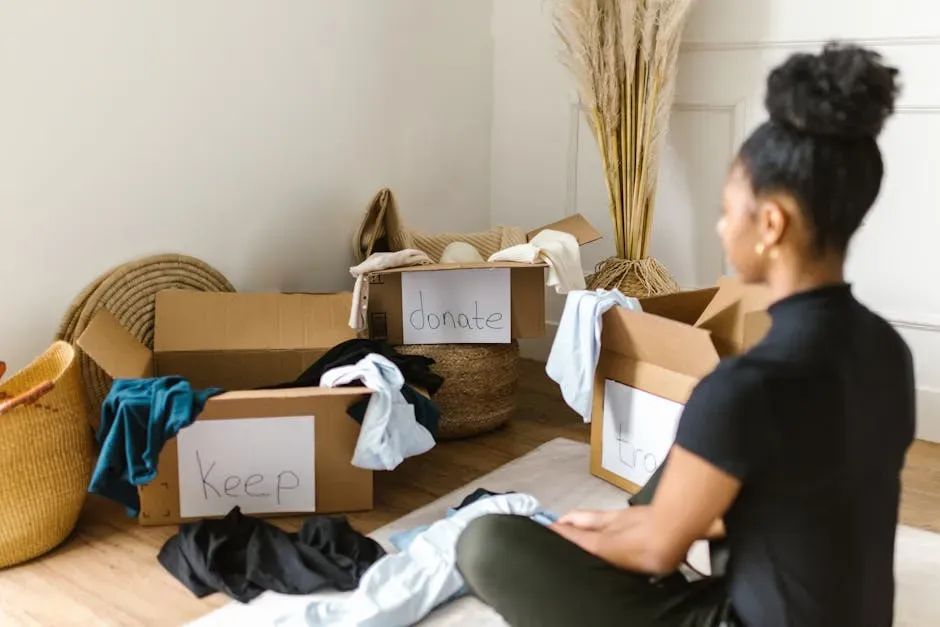
The things you keep say something about the life you're expecting to live versus the life you're actually living. Expired medications, old makeup, broken gadgets, lidless containers, forgotten food - none of these are serving you. They're just taking up space, physically and mentally.
Eliminate the physical clutter, and the mental clutter goes with it. That's not just motivational language. It's consistent with what the research shows about how our environments shape our inner states.
Home organization is more than just rearranging the things you have - it's also getting rid of the things you don't need. The distinction matters. Reorganizing clutter is not the same as releasing it. True clarity starts when the item is gone, not just shuffled to a different shelf.
Take a look around the room you're sitting in right now. Is there something that fits into one of these five categories? What would it feel like to simply let it go? What do you think - are you ready to start today? Tell us which category surprised you the most in the comments.



Leave a Reply