
You sit down at a restaurant, open the menu, and immediately feel the dopamine hit. Words like "artisan," "farm-fresh," and "hand-crafted" jump off the page. Suddenly the $22 pasta feels almost justified. There's a reason restaurants invest heavily in the language of their menus - menus with professional photography increase sales by roughly a fifth to nearly half, and the words themselves carry just as much psychological weight as any glossy image.
The truth, though, is that some of those delicious-sounding phrases are doing a lot more marketing work than culinary work. A surprising number of premium-sounding menu descriptors have no legal definition, no third-party verification, and no binding standard behind them whatsoever. Let's dig in.
1. "Artisan" - The Word That Means Almost Nothing
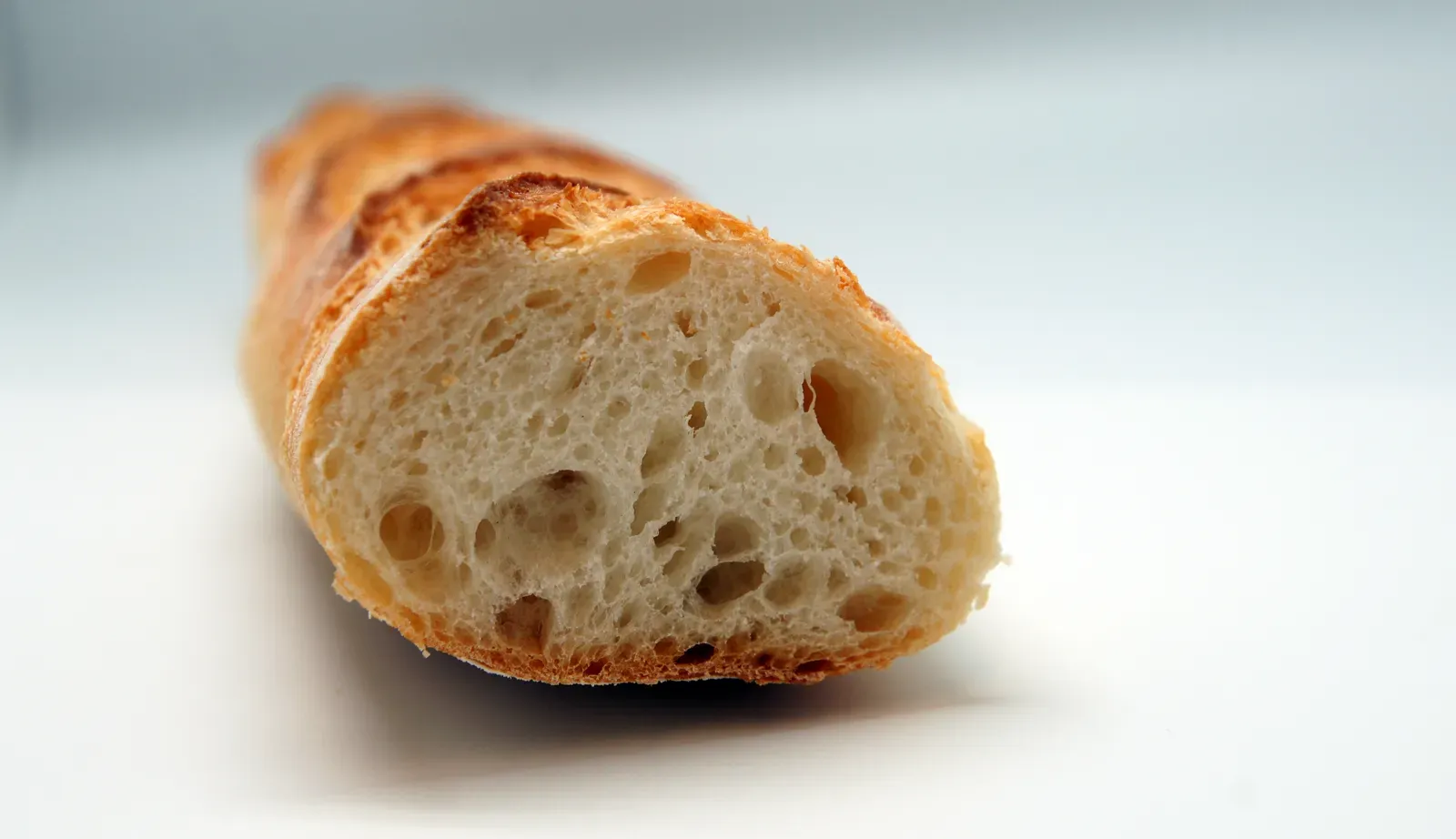
Here's the thing about the word "artisan": it sounds like a bearded craftsman hand-rolled your pasta at 4 AM. In reality, there is no legal definition for artisan when it comes to food in the United States or in most of Europe. Any restaurant, fast food chain, or industrial food producer can slap this label on virtually anything they serve.
Subway famously introduced "artisan bread" years ago, and nobody blinked. That alone should tell you something. There's a genuine industry trend toward ingredient specificity on menus, and this has been most accurate in high-end and niche restaurants - but the word artisan alone guarantees nothing. Think of it less like a quality certificate and more like a polite suggestion.
2. "Farm-Fresh" - But Which Farm, Exactly?
Farm-fresh is emotionally powerful. It conjures images of dewy vegetables picked at sunrise by someone who actually knows the chickens by name. The problem is that "fresh" itself has a loose regulatory definition when used in restaurant menus, and "farm" could mean a massive industrial operation thousands of miles away. Food labeling is legally required to be truthful and non-misleading, and food not in compliance is deemed misbranded - but proving a "farm-fresh" claim is vague rather than false is a whole legal adventure in itself.
What's more, menus were predicted to become increasingly detailed, with ingredient specificity and regional origins emphasized - and this is exactly what genuine farm-to-table claims should look like. Named farms. Specific counties. Actual relationships. Anything short of that is more aspiration than reality.
3. "Hand-Crafted" - Does One Hand Touch Count?
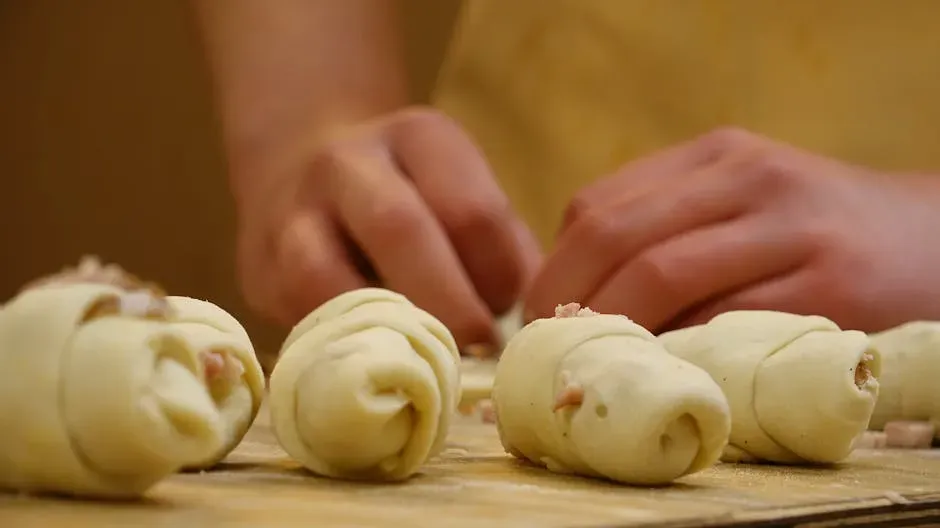
Hand-crafted is another term that sounds wonderfully personal. The implication is that a skilled human being, not a machine, made your food with care and attention. Honestly, in many cases, the only "hand-crafting" involved is a kitchen worker pressing a pre-portioned scoop of frozen protein onto a grill. That's technically touching it with a hand, so - mission accomplished, apparently.
Consumers are demanding value in return for the hard-earned money they spend at restaurants, and according to Technomic's 2025 annual outlook, nearly three-quarters of consumers wish more restaurants would offer value meals. When diners feel burned by misleading descriptions, trust erodes fast. Hand-crafted has become so overused that it barely registers anymore - it's the verbal equivalent of a participation trophy.
4. "Truffle" - Often a Lab-Made Illusion
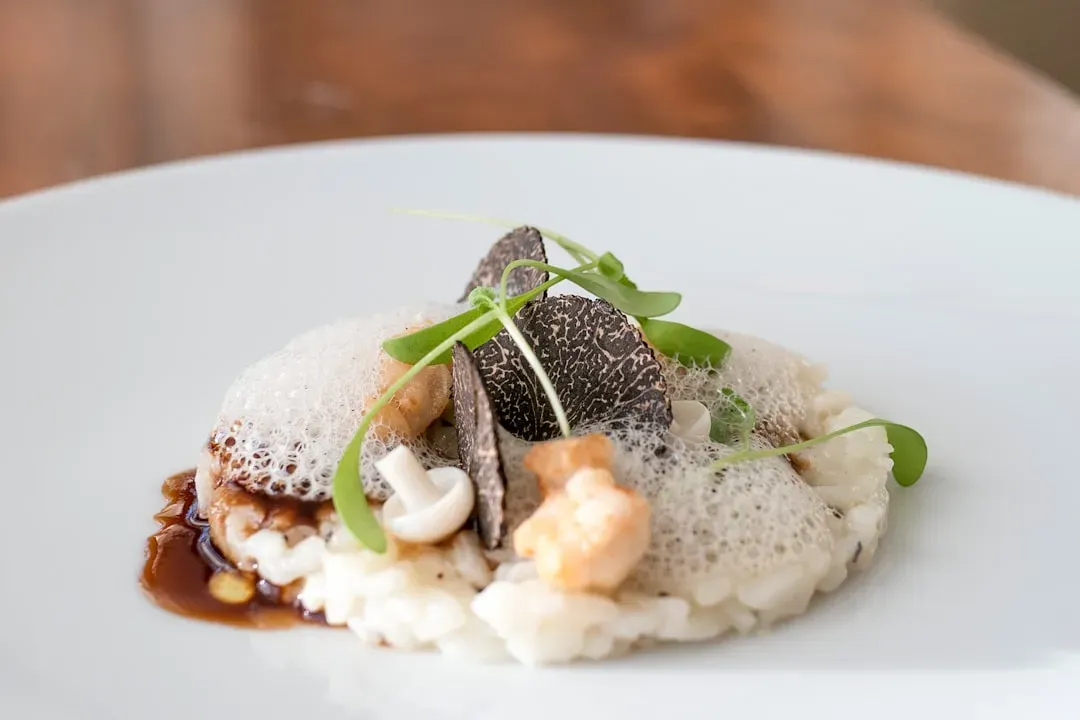
Few words elevate a menu price tag faster than "truffle." Real truffles are extraordinarily rare, seasonal, and expensive. A single pound of fresh black Périgord truffle can cost hundreds of dollars wholesale. So when you see a "truffle fries" side dish for $9 on a casual dining menu, what exactly are you getting?
In the vast majority of cases, "truffle flavor" comes from synthetic truffle oil, typically made from a chemical compound called 2,4-dithiapentane, which is designed to mimic the aroma of truffles but has no actual truffle content whatsoever. Actual truffles are almost never used in mass-market truffle fries, truffle aioli, or truffle popcorn. The word truffle on a casual menu is frequently pure theatre - fragrant, expensive-sounding theatre.
5. "Wild-Caught" - Technically True, Practically Misleading
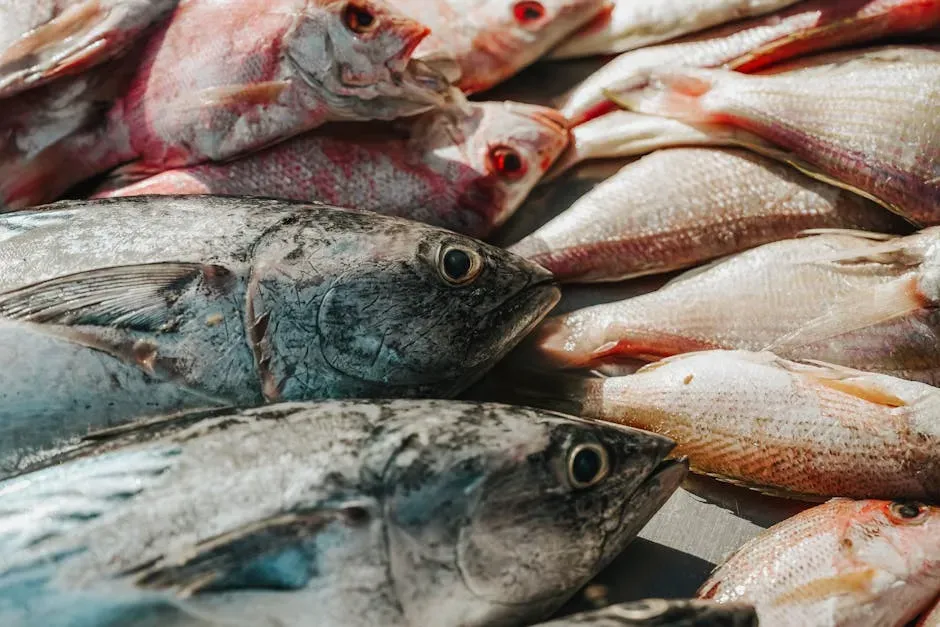
Wild-caught sounds clean, ethical, and premium. It's the oceanic counterpart to "free-range." The label does mean the fish wasn't farmed, which is genuinely meaningful in some contexts. However, "wild-caught" tells you nothing about sustainability practices, bycatch levels, fishing methods, or how old the fish was when it finally hit your plate.
Some wild-caught fish is frozen for months before reaching a restaurant. Others are caught using highly destructive trawling methods. Under U.S. law, food labeling is considered misleading if it fails to reveal facts that are material in light of representations made - yet wild-caught as a standalone phrase leaves enormous gaps in what's actually being communicated. It's a little like calling a used car "previously driven." True. But also, not exactly the whole story.
6. "Small Batch" - Big Brand, Small Batch Label
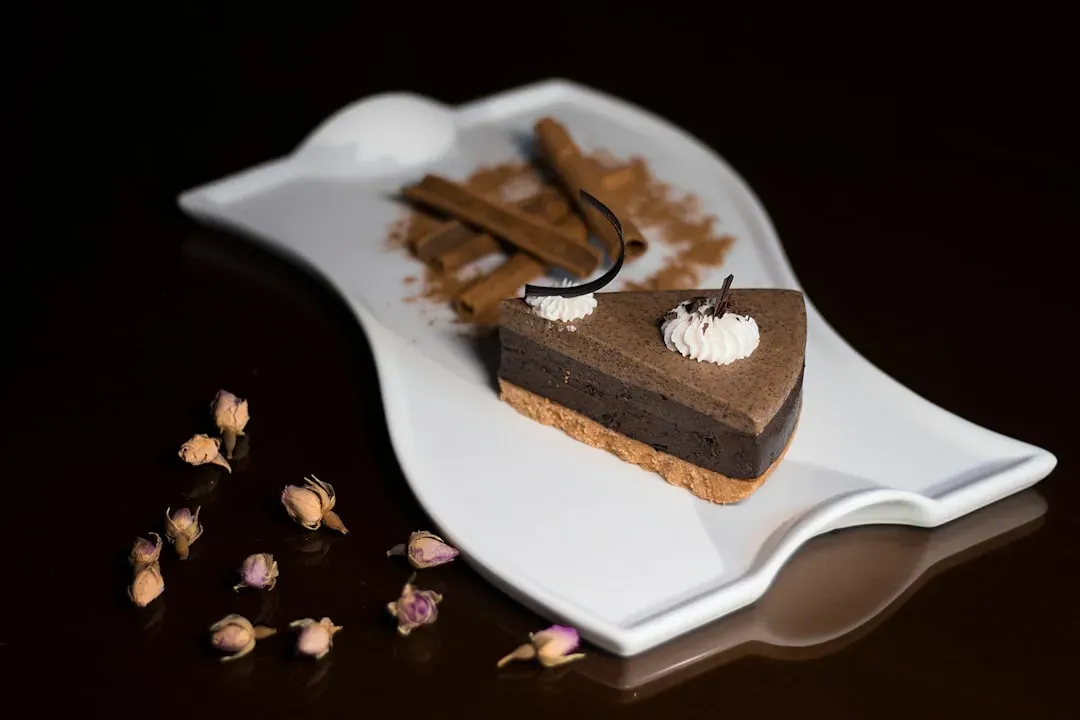
Small batch whiskey, small batch hot sauce, small batch ice cream. There's an undeniable romance to the idea of limited production runs overseen by passionate people. It signals exclusivity, attention to detail, quality over quantity. Sounds premium, right? Except "small batch" has no official regulated definition in the food or spirits industry in most markets.
Large national spirits producers have used "small batch" on bottles that represent hundreds of thousands of gallons of production. In the restaurant context, "small batch" pickles or sauces might simply mean a commercial supplier uses the phrase on their label - and the kitchen just passed that language along to the menu. Value meals and menus exploded as consumers became more cost-conscious, but brands engaging in value or premium trends without delivering on them won't secure consumer loyalty. The same is absolutely true for buzzword-heavy menus.
7. "Sustainably Sourced" - No One Is Checking
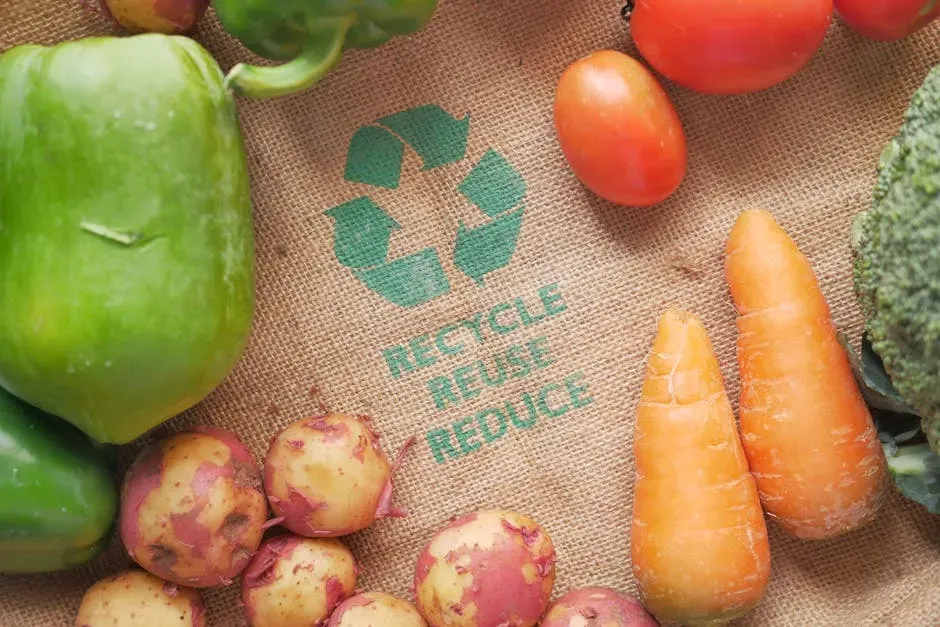
Sustainability is one of the most powerful values in modern dining culture. Diners increasingly care where their food comes from, how it was produced, and what impact it has on the planet. The value equation for consumers involves much more than price - they have expectations about quality and expectations about the experience. Ethical sourcing has become a core part of that experience expectation.
The phrase "sustainably sourced" sounds like a certified guarantee. It's not. There is no single universal certification required to use it on a menu. A restaurant can describe ingredients as sustainably sourced with little more than a supplier's word and a marketing instinct. Third-party certifications like MSC for seafood or Rainforest Alliance for coffee do exist, but they're the exception - not the standard hiding behind every sustainability mention on a menu.
8. "Wagyu" - A Name Stretched Very Thin
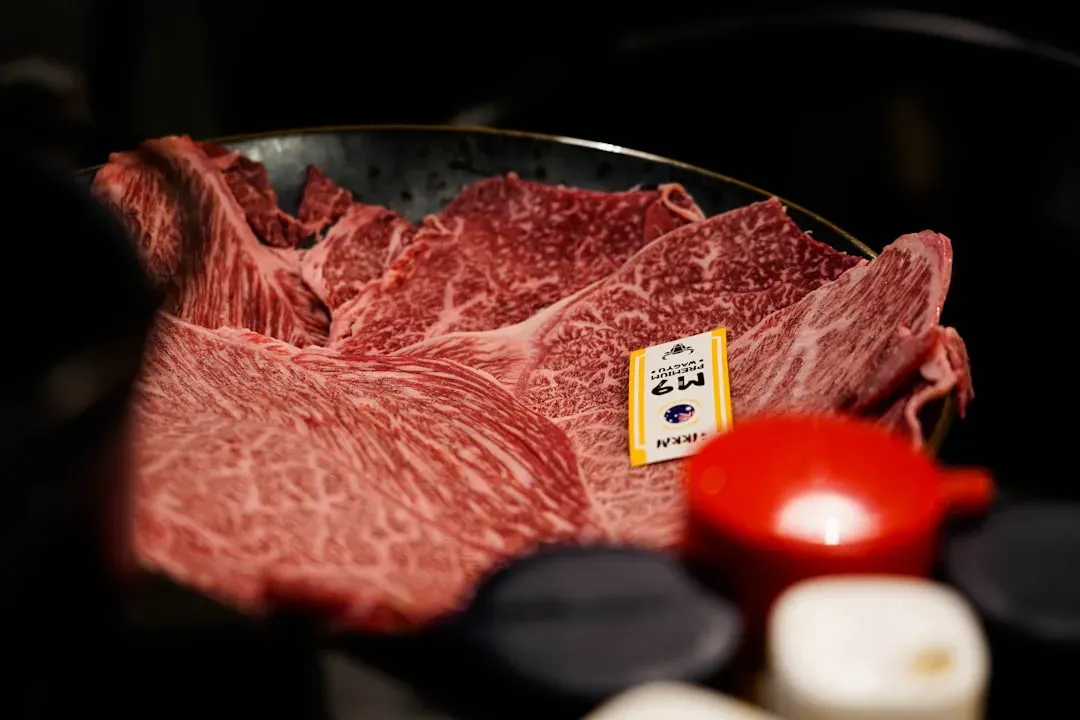
Wagyu is one of the most prestigious beef designations in the world, referring to specific Japanese cattle breeds known for extreme marbling, tender texture, and a flavor profile that borders on absurd. Authentic Japanese A5 Wagyu is among the most expensive beef on earth. So when you see a "Wagyu burger" on a gastropub menu for $18, something interesting has happened.
Much of the beef sold as wagyu in American and European restaurants is actually American-raised crossbreeds, typically a mix of wagyu genetics and conventional Angus cattle. It's higher quality than standard beef, sure - but calling it wagyu without qualification borrows enormous prestige from a product that is categorically different. It's a bit like calling a Honda Civic a German sports car because it happens to have German-brand tires.
9. "Organic" - Real Label, Real Loopholes
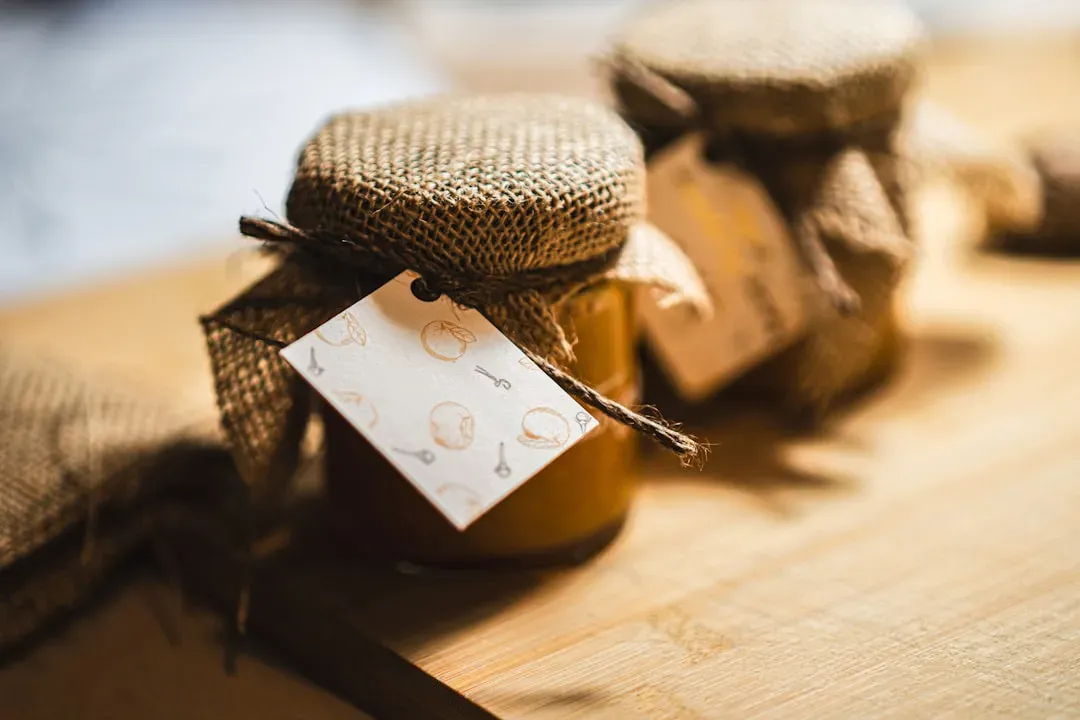
Unlike most terms on this list, "organic" in the United States is a regulated designation backed by the USDA. Products that meet certified organic standards genuinely have to follow specific guidelines regarding pesticide use, GMOs, and farming practices. So far, so good. The catch is that restaurants themselves are mostly not required to carry the same certification as packaged food producers. Calorie information must be listed on menus and menu boards in chain restaurants with 20 or more locations, but organic claims on menus carry no equivalent mandatory verification requirement.
That means a restaurant can describe a dish as "organic" based on a supplier's word, a casual assumption, or a loose interpretation of what that word means to them. I think most diners assume there's an inspector somewhere double-checking these claims. There almost certainly isn't. On a retail package, organic has teeth. On a chalkboard menu, it may be more of a vibe.
10. "Homemade" - When Home Is an Industrial Kitchen
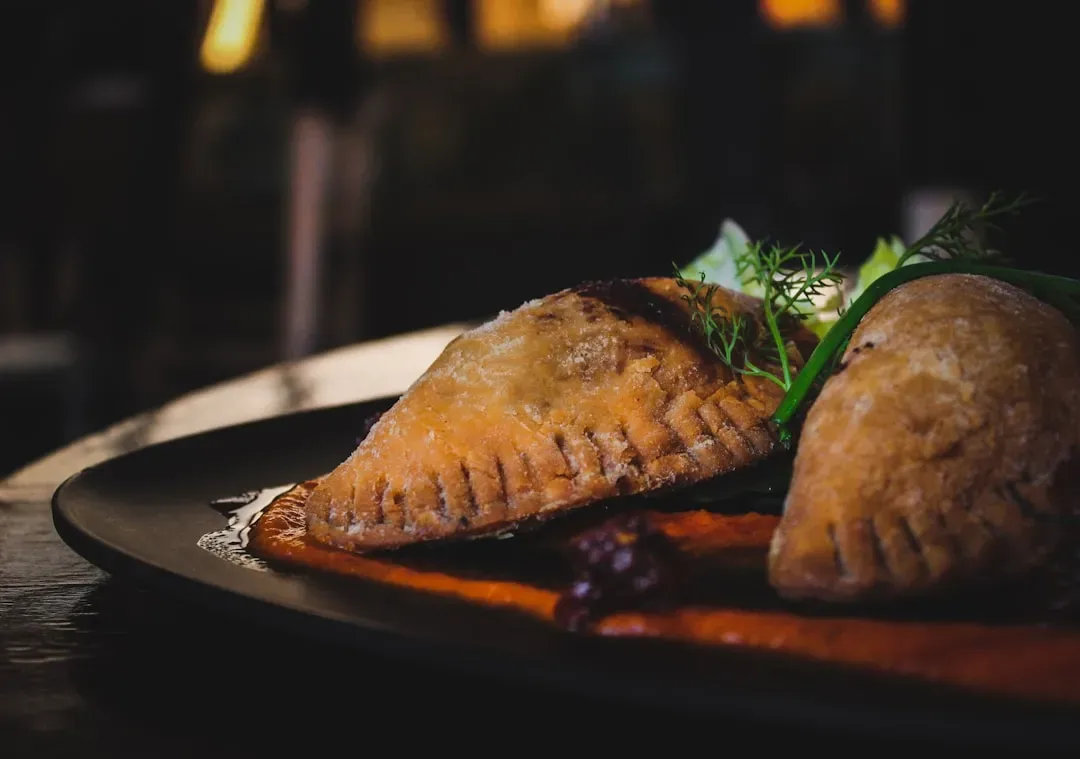
Homemade may be the most emotionally loaded word in the entire restaurant vocabulary. It suggests a grandmother's kitchen, a recipe passed down through generations, something made with personal love and no shortcuts. Comfort food culture thrives on this association. Menu innovation played an important role in the strategy of many restaurant brands, as companies sought to leverage novelty to win price-sensitive consumers - and "homemade" is practically the oldest form of that leverage.
In practice, "homemade" at a restaurant can legally mean made on the premises - which could include assembling a sauce from a commercial concentrate, finishing a pre-made soup base, or layering a dessert from packaged components. There is no federal regulation in the U.S. that formally defines what "homemade" means in a food service context. Nearly seven in ten restaurants increased their menu prices in 2025, which makes the emotional value of words like homemade even more commercially useful. Diners who feel they're getting something personal are more willing to absorb a price increase - and restaurants know it.
A Final Thought Worth Chewing On
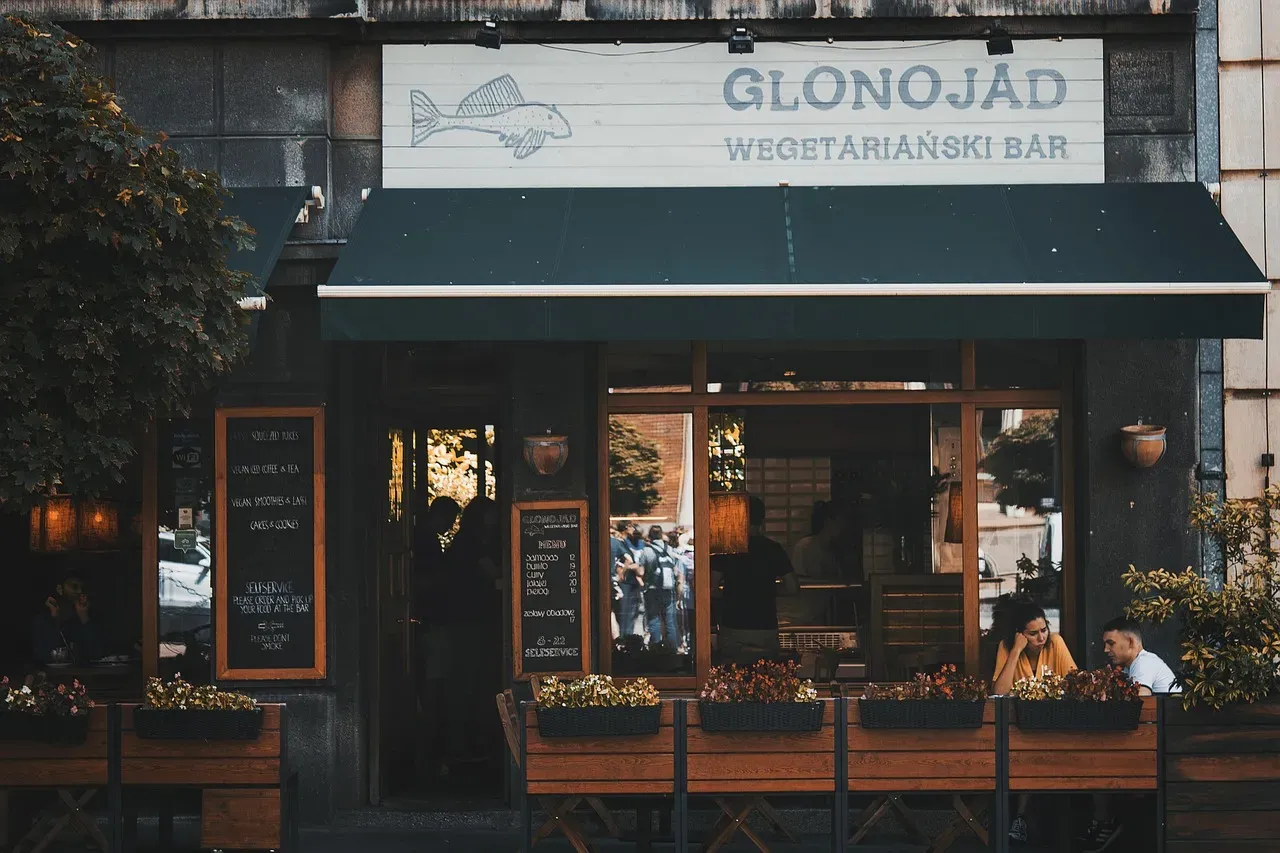
None of this means every restaurant using these phrases is deliberately deceiving you. Some genuinely mean it. A small chef-owned bistro calling its pasta artisan might really mean it in every honest sense of the word. Context matters enormously. The issue isn't the words themselves - it's the gap between what they imply and what they're actually required to deliver.
Consumers are demanding value in return for the hard-earned money they spend at restaurants, and the pressure on menus to perform as marketing tools has never been higher. Menus with professional photography can increase sales by a significant margin, and premium language functions the same way - it sells the experience before the food ever arrives at the table.
The next time a menu makes your eyes light up with phrases like "hand-crafted small-batch artisan goodness sustainably sourced from a family farm," take a breath and ask yourself one simple question: what, specifically, does that actually mean? The honest answer might surprise you more than the food ever could. What's the most misleading menu description you've personally fallen for? Tell us in the comments.



Leave a Reply