
We all like to think we're the ideal restaurant guest. Polite, patient, easy to please. But here's the thing - the moment you walk through that door and open your mouth to order, the staff has already started forming an impression. Not necessarily a mean one. Just an honest one, born from hundreds of shifts dealing with every type of diner imaginable.
Restaurant workers notice everything. The way you snap for attention. How many modifications you layer onto one dish. Whether you've even glanced at the menu before declaring, loudly, that you're ready to order. These small moments, invisible to most diners, speak volumes to the people serving you. So before your food even arrives, here's what might already be going on behind those professional smiles.
1. Saying You're Ready to Order When You Clearly Aren't
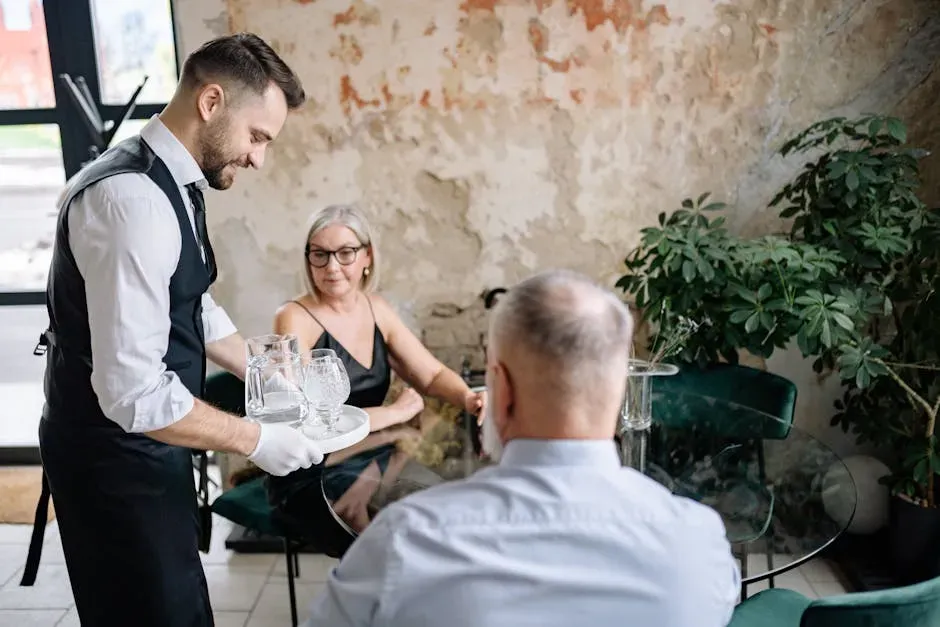
Honestly, this one might be the most universal server frustration on the planet. All too often, parties will confidently declare they're ready to order, only for one out of six patrons to actually be prepared. The server walks over, notepad ready, and suddenly the table turns into a reading circle, eyes scanning the menu like it's the first time they've seen words.
As made evident by the chaotic energy in a busy restaurant, servers have things to do. Monopolizing their time won't make your food arrive any sooner - in fact, it's more likely to slow things down. Every second counts in the kitchen and on the floor. Think of it like calling someone over to help you move furniture, then realizing you haven't even decided which room to move it to.
One thing that every server has dealt with a thousand times, and that's a frustration every time, is when diners say they are all ready to order, only to proceed to ask lots of questions and clearly have no idea what they'll be getting. The fix is simple. If you need more time, just say so. Servers genuinely prefer honesty over a performative readiness that wastes everyone's time.
2. Stacking On Endless Modifications
Dietary needs are real, and good restaurants respect them. But there's a meaningful difference between a genuine allergy and simply redesigning a dish from scratch because you once saw something on a food blog. The reason this behavior is bad restaurant etiquette is because it monopolizes the time of one busy server, breaking the flow of the kitchen staff behind the scenes, and creating a ripple effect throughout the restaurant.
It becomes an issue when requests are excessive and turn tickets into "novels." Line cooks are working fast and under real pressure. When a ticket arrives loaded with six substitutions, two omissions, and a special sauce from a dish three tables away, it disrupts the entire kitchen rhythm. If attendance is light, it's less likely that small modifications are going to cause a problem for the staff. But if the restaurant is packed and has a long wait, it's better to be courteous and just order right from the menu; the staff would certainly be appreciative of that.
Some staff have noted that certain customers "know exactly what goes on products but choose to ignore it," with some industry voices suggesting "places need to remove most customizations as they're in most cases not on the menu and shouldn't be ordered." That's an extreme view, sure. Still, it gives you a sense of just how much these requests weigh on the back of house.
3. Demanding Things One at a Time, Every Single Trip
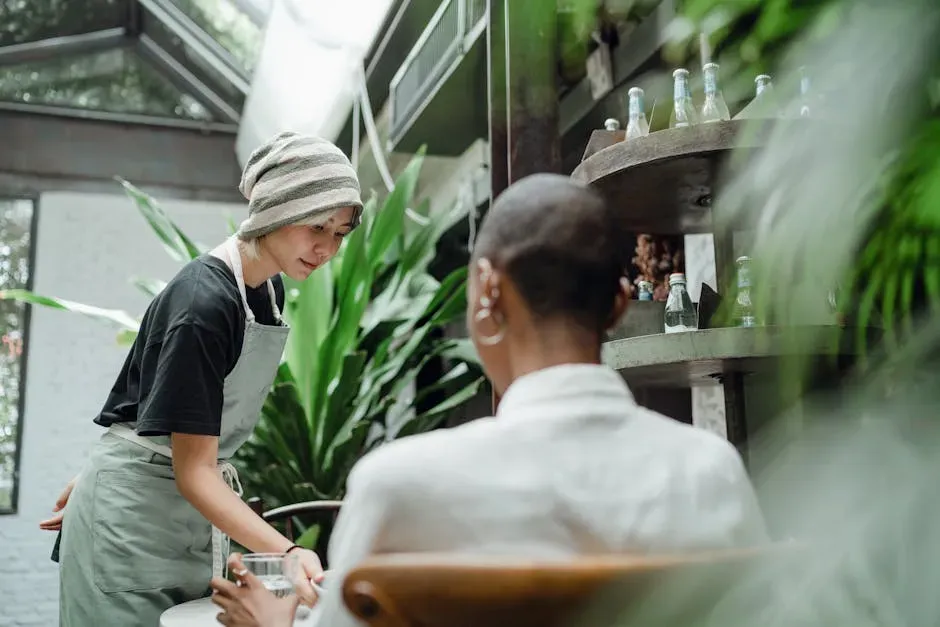
Picture this: your server brings your drinks. You immediately ask for ketchup. They return with it. You ask for extra napkins. They bring those. You ask for hot sauce. By this point, they've made four separate trips to your table before you've even taken a bite. As servers themselves have put it, "It's annoying when people make their server take multiple trips back and forth because they don't order everything at the same time. If you know you like ketchup, ranch, hot sauce, and more ranch, please ask for it all at once."
A Reddit user with experience in the restaurant industry made sure to mention instances where diners ask for things one by one each time a server stops at their table. This forces servers to make more trips to the table than needed, an issue that customers can prevent by asking for everything all at once so a server can fulfill all the requests in one trip. It's a small thing from your side of the table. From theirs, it's a logistical nightmare during a packed Friday service.
This is a consistent complaint: customers who have to ask for everything one at a time, never all at once, especially during busy hours. Wait staff often recognizes these kinds of people who will ask for things they don't even end up needing. Think of it as basic conversational efficiency. Batch your requests. Your server will silently thank you for it.
4. Being Glued to Your Phone During Ordering
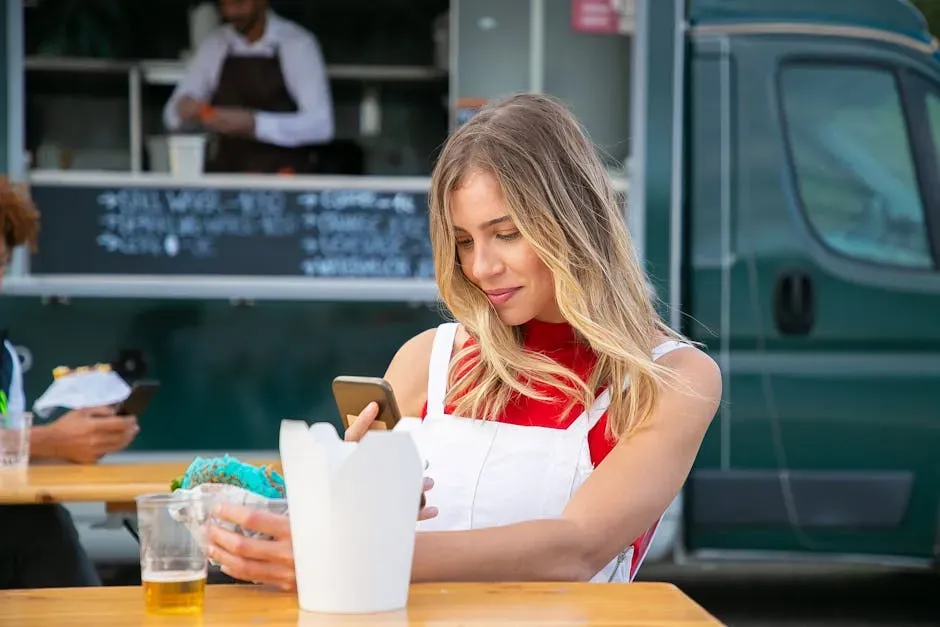
We live in a phone-first world, no one is arguing against that. But there's a specific scenario servers universally dread: walking up to a table to take an order, only to be greeted by the top of someone's head as they continue scrolling. Multiple servers reported how much they hate when customers are chatting away on their cellphones when the server just wants to take the order and do their job. Not only is this behavior universally rude, but many servers reported customers acting as though they had been rudely interrupted just because the server had the gall to approach and try to take an order.
Let's be real - this one goes beyond professional annoyance. It's about basic respect. Servers put their smile on for every table, but sometimes the phony grin disappears the moment they turn around. The phone-during-ordering behavior ranks among the top triggers for that exact reaction. It signals, loudly, that you consider the interaction beneath your attention.
The good news is this is the easiest habit to fix on this entire list. Put the phone down for 90 seconds. Make eye contact. Give your order clearly. If you want your server's attention, eye contact and a little wave are all that's needed - they will immediately understand that you'd like them to come on over. It goes both ways. A little acknowledgment transforms the whole energy at the table.
5. Snapping, Whistling, or Calling Out to Get Attention
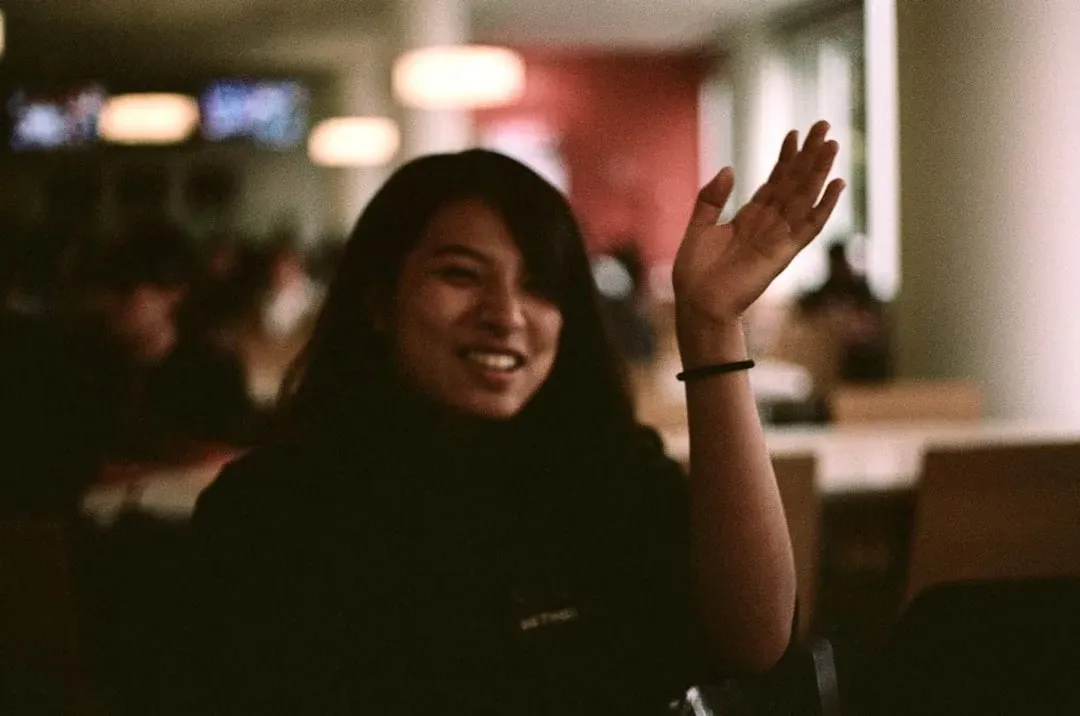
Few things in the restaurant world carry quite the same charge as a customer who snaps their fingers at a server. It's an act that cuts across every layer of professional courtesy and lands somewhere between rude and, honestly, a little shocking. From snapping their fingers to interrupting the staff, some server complaints seem almost unbelievable. Yet it happens constantly, in restaurants across every price range.
As one server put it directly: "My pet peeve is when people shake their glass at me for a refill... Literally nothing irritates me more than when people snap at me. I'm not your dog or your servant." It's hard to say for sure whether people doing this are fully aware of how it lands, or whether they genuinely believe it's efficient. Either way, the internal judgment is instant and unanimous among staff.
If you want a server's attention and their enmity, then by all means snap or whistle or call out - but if you want to maintain an air of respect and conviviality, just don't. According to Food & Wine, customer entitlement at restaurants is extremely high, and restaurant workers are at their limit. Customer behavior has worsened over time, often making the staff feel unsafe and unvalued. A quiet moment of eye contact is genuinely all that's ever needed.
6. Leaving a Noticeably Low Tip After High Demands
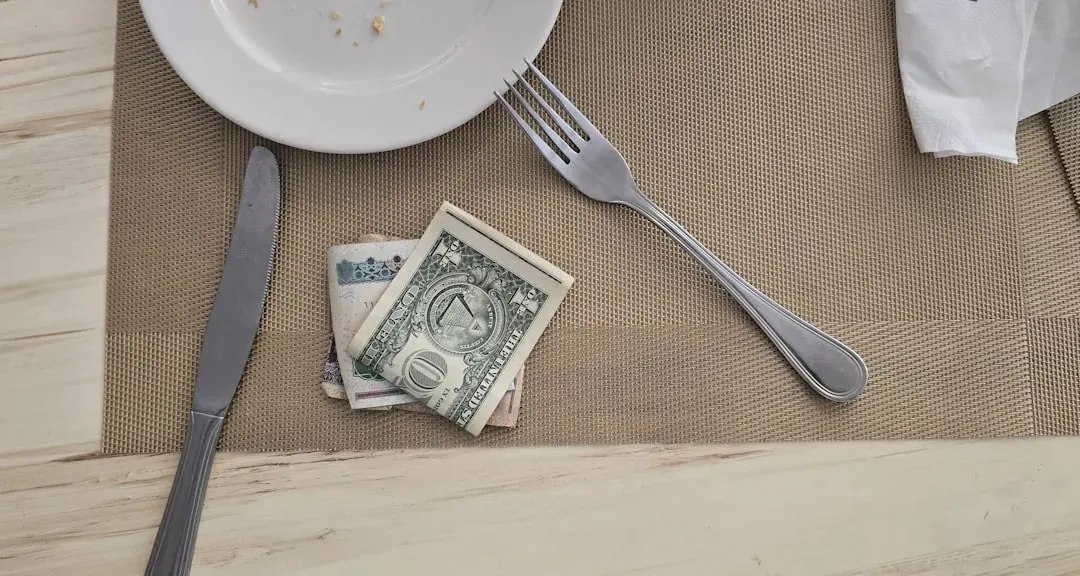
Tipping is a loaded topic right now, no question. Tipping behavior in U.S. restaurants has experienced notable shifts, with the national average tip declining to 14.9% in Q2 2025, down from 15.5% in 2023 - marking the lowest level in recent years. Staff are aware of this pressure, and most extend genuine understanding when budgets are tight. The moment it becomes a judgment call, though, is when a demanding table leaves almost nothing.
Here's the thing: servers remember tables. They remember the six modifications, the four separate trips, the snapping, the phone-during-ordering, and then they look at the receipt. Just about one third of Americans now say they typically leave a 20% tip, down from 37% the previous year, reflecting tighter budgets and rising menu prices. Only 65% of diners at sit-down restaurants always tip waitstaff, down from 77% four years prior.
In 2024, the average full-service worker earned $23.88 per hour, with base pay now accounting for roughly 43% of total income, up from 35% in 2020. Tips still make a real, material difference in income for most servers. Service industry employees depend on tips as part of their income. While tipping should always align with your comfort level, it's important to acknowledge that many of these workers depend on tips to meet their essential needs. A table that makes a server's shift genuinely harder and then tips below the norm is the combination that triggers the strongest judgment of all - quietly, but unmistakably.
A Final Thought Worth Carrying Into Your Next Meal
None of this is meant to make dining out feel like a test you can fail. The National Restaurant Association notes that for many customers, the overall restaurant experience, including service, ambience, and hospitality, matters more than the price of the meal in choosing where to eat. Both sides of the table want the same outcome: a good experience.
The habits listed here aren't about perfection. They're about awareness. Working in a restaurant is genuinely character-building, and servers have joked among themselves that the top thing they wished customers would stop doing was coming in at all - but that's the dark humor of a tough job. Most servers aren't looking for difficult guests. They're looking for decent ones.
The restaurants you love exist because of the staff inside them. Servers are essentially the face of the restaurant - the middleman between the meal and the table, making sure everything goes swimmingly. Guests don't see the mayhem that goes on behind the scenes, and it's the server's job to make sure of it. A little curiosity about what that world looks like might be the most underrated ingredient in a genuinely great dining experience. So next time you sit down - what kind of table do you want to be?


Leave a Reply