
Getting older is a privilege, but it comes with a catch. The same foods you enjoyed for decades without much thought can start working against you in ways you might never expect. Your metabolism slows, your kidneys filter differently, your gut microbiome shifts, and your body becomes far less forgiving about what you put into it.
The science here is not vague or speculative. Over the past two years, some of the largest nutrition studies ever conducted have confirmed specific patterns that put older adults at serious, measurable risk. The list that follows might surprise you. Some of these foods have a healthy-sounding reputation. Let's dive in.
1. Processed Meats: The Dementia and Cancer Connection

People who eat at least a quarter serving of bacon, bologna or other processed red meat a day, roughly about two servings a week, have a higher risk of dementia than those who eat less than a tenth of a serving a day. That is a stunning finding. We are not talking about daily slabs of deli meat. Two servings a week is enough to register a meaningful risk.
Mass General Brigham researchers found that diets high in processed meats, including bacon, hot dogs, and sausage, were associated with a roughly one-in-seven higher risk of dementia in participants followed for up to 43 years. The good news? Replacing processed red meat with protein sources like nuts and legumes or fish may decrease dementia risk by approximately one fifth.
The World Health Organization has determined that processed meat is a major contributor to colorectal cancer, classifying it as "carcinogenic to humans." Just 50 grams of processed meat daily, which is about one hot dog or a few strips of bacon, increases cancer relative risk by 18%. For seniors, that is simply not a trade-off worth making.
2. Sugar-Sweetened Beverages: Liquid Danger in a Can

Here's the thing about sodas and sweetened juices. They go down fast, they feel harmless, and yet they are one of the most studied villains in elderly nutrition. No amount of added sugars or nonnutritive sweeteners is recommended or considered healthy or part of a nutritious diet, according to federal dietary guidelines, which specifically call out sugar-sweetened drinks.
Older adults who reported consuming higher amounts of ultra-processed foods, including soft drinks, were about one in ten more likely to die over a median follow-up period of 23 years compared with those who consumed less processed food. That is not a small margin. Sugary drinks were among the specific subgroups most strongly associated with that mortality risk.
Added sugar limits in the latest 2025-2030 Dietary Guidelines for Americans have now dropped to under 6% of daily calories, down from the previous 10% limit, and the guidelines now explicitly recommend avoiding highly processed foods. For seniors already managing blood sugar, kidney function, or inflammation, this is not a guideline to ignore.
3. Salty Packaged Snacks: A Blood Pressure Timebomb
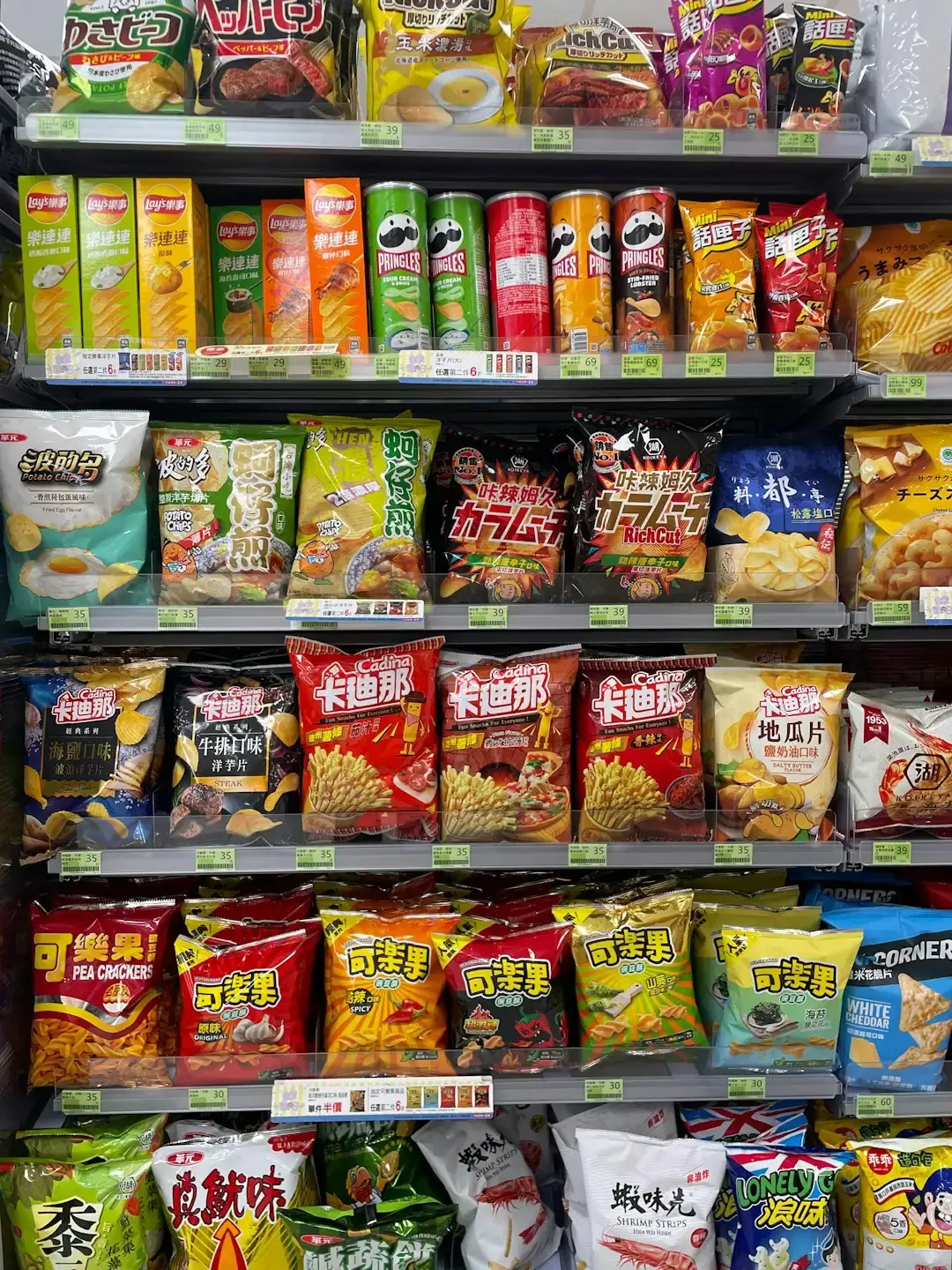
Hypertension affects over 85% of older adults and is a contributor to cardiovascular disease. That number is almost hard to believe. Honestly, it means that if you are a senior at a dinner table with five of your friends, at least four of you are likely managing high blood pressure. Salt in packaged snacks is a hidden accelerant for this problem.
Too much sodium can raise blood pressure, which is a major risk factor for heart disease and stroke. Most Americans consume about 3,400 mg of sodium a day, and the bulk of it comes from packaged and restaurant food, not from the salt shaker on the table. That gap between perception and reality is part of why seniors often underestimate how much sodium they are actually consuming.
Dietary sodium reduction significantly lowered blood pressure in the majority of middle-aged to elderly adults, and the decline in blood pressure from a high- to low-sodium diet was independent of hypertension status and antihypertensive medication use. In other words, even seniors already on medication benefited from cutting back. The chips really are not worth it.
4. Flavored Yogurts: The Sneaky Sugar Trap

Yogurt sounds like the kind of food nutritionists would celebrate. Protein, probiotics, calcium. What is not to love? The problem is what the food industry does to it before it hits the shelf. Flavored yogurts, especially fruit-on-the-bottom and dessert-style varieties, are often closer to pudding than health food.
Nutritionists have flagged flavored yogurts for the ditch list, with concerns centering on added sugars and flavorings. A single serving of flavored yogurt may have the equivalent of five to six added teaspoons of sugar. For an older adult trying to stay within the new federal guidance of limiting added sugars, that one cup of strawberry yogurt could blow nearly the entire daily limit.
The latest dietary guidance suggests that a single meal should not contain more than 10 grams of added sugars. The swap is simple. Plain yogurt with actual fresh fruit delivers probiotics and natural sweetness without the sugar overload. It is a small change that adds up significantly over time.
5. Ultra-Processed Foods Broadly: The Biggest Threat of All
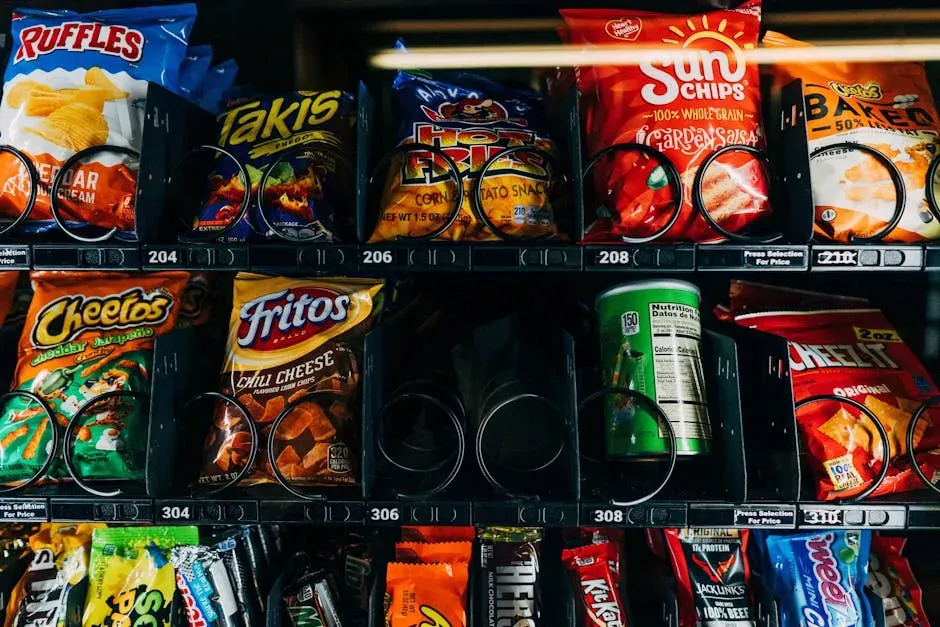
If processed meats and sugary drinks are individual threats, ultra-processed foods as a category are the overarching war. Think chips, frozen meals, packaged cookies, commercial breads, and breakfast cereals. According to data from the U.S. Centers for Disease Control and Prevention, more than half the calories Americans eat and drink come from ultra-processed foods, which are tied to increased risks for heart disease, obesity, diabetes, and cancer.
A large, nationally representative study of nearly 5,000 U.S. adults showed that those with the highest intake of ultra-processed foods suffered a statistically significant and clinically important 47% higher risk of cardiovascular disease. That is not a modest bump. That is nearly a coin-flip swing in heart attack and stroke risk, depending on what ends up on your plate.
Compared to the lowest consumption group, participants with the highest ultra-processed food consumption had a 15% increased risk of all-cause mortality. Possible mechanisms include inflammation, immune system dysregulation, and changes in the gut microbiome. For seniors whose immune and digestive systems are already changing with age, that combination of factors is particularly worrying.
6. High-Sodium Canned Soups: Convenience at a Cost
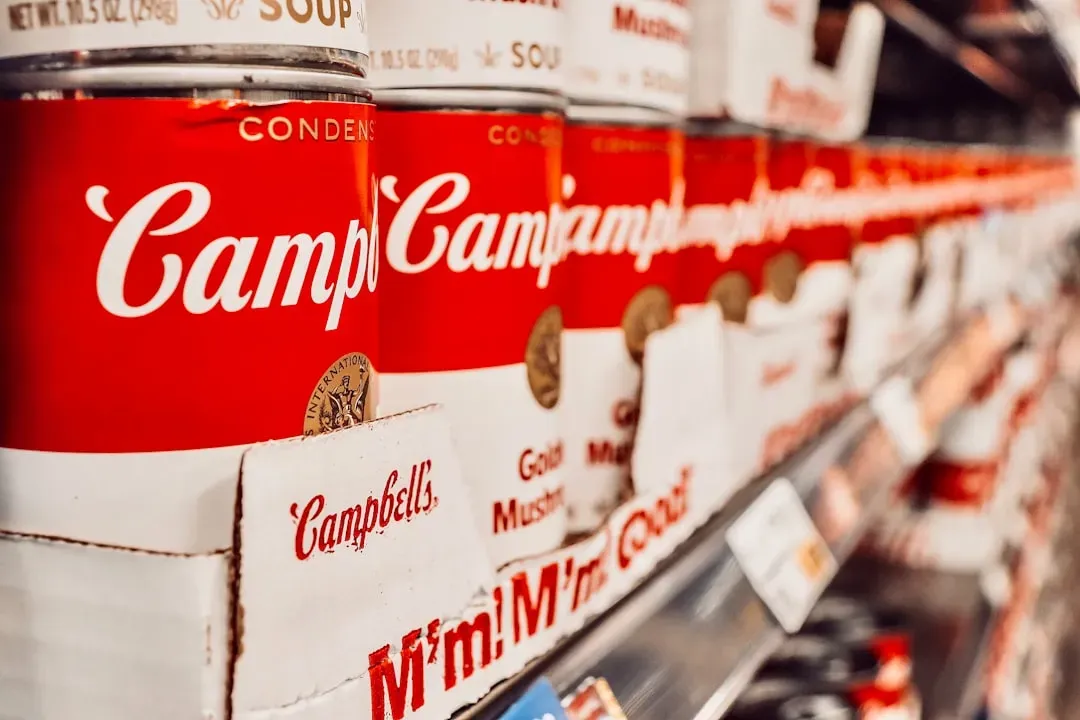
Canned soup is one of those pantry staples that feels almost medicinal. You are sick, you reach for it. It is cold outside, you reach for it. It is cheap, shelf-stable, and fast. But for seniors, the sodium content in many commercial canned soups is genuinely alarming, often packing over 800mg to well over 1,000mg per serving, sometimes more in a single can.
Adults should aim for 2,300 mg of sodium per day or less, ideally moving toward a limit of less than 1,500 mg per day. A single bowl of commercial canned soup can consume well over a third of even the more generous daily allowance. Eat two servings, which the can often contains, and you are close to the daily ceiling before dinner even starts.
Hypertension is one of the most common chronic diseases and the primary risk factor for stroke, myocardial infarction, and cardiovascular death. More than half of the elderly population has high blood pressure. Low-sodium canned soup options exist, and they are worth seeking out. Reading the back label, not just the front, is one of the most practical habits any senior can develop.
7. White Bread and Refined Carbohydrates: Fast Energy, Slow Harm

White bread is the nutritional equivalent of a speed bump you can barely feel. It raises blood sugar quickly, delivers almost no fiber, and does very little for you in terms of genuine nutrition. For an older adult managing or trying to prevent type 2 diabetes, this matters more than most people realize.
Fiber is one of the nutrients Americans most consistently fail to consume in adequate amounts, and it is central to long-term health, yet it continues to be downplayed in mainstream dietary guidance. Refined carbohydrates like white bread, white rice, and most commercial pastries strip out that fiber during processing, leaving behind products that metabolize rapidly and spike blood sugar. Think of it like burning dry kindling instead of a slow-burning log.
Muscle mass and strength begin declining more rapidly in the 60s, and losing muscle contributes to the slower rate at which the body uses calories. When you combine a slowing metabolism with high-glycemic refined carbs, weight gain and blood sugar instability follow quickly. Whole grain alternatives are not just marketing. They genuinely change how your body processes what you eat.
8. Alcohol: More Dangerous Than Most Seniors Expect

I want to be careful here because alcohol is genuinely complex. Moderate drinking has been both praised and questioned by researchers for years. But in the context of aging, the risks tend to outweigh casual assumptions. Older adults metabolize alcohol more slowly, medications interact with it more dramatically, and balance and cognitive risks increase with every drink.
As people age, they need fewer calories to maintain the same weight, and multiple changes occur as people grow older that affect how their bodies digest and use the food and drink they consume. Alcohol, already calorie-dense and nutritionally empty, becomes metabolically more disruptive as those changes compound. The liver processes it less efficiently, and its effects on blood pressure, sleep quality, and bone density are all elevated concerns for seniors.
The American Heart Association recommends drinking less or no alcohol to lower or prevent high blood pressure. For older adults who are already managing hypertension, which as we have seen accounts for the vast majority of the senior population, that is a direct and clear piece of guidance. A nightly glass of wine might feel relaxing, but the downstream effects on blood pressure and medication interactions are worth a serious conversation with a doctor.
9. Artificially Sweetened Products: Not the Safe Alternative They Seem

Switching from sugar to artificial sweeteners feels like doing the right thing. Less sugar, fewer calories, problem solved. But the emerging science here has grown increasingly uncomfortable, and nutritionists are sounding louder alarms specifically for older adults who may have been relying on these substitutes for years.
The latest dietary guidelines suggest limiting foods and beverages with artificial flavors, dyes, low-calorie nonnutritive sweeteners, and artificial preservatives. No amount of added sugars or nonnutritive sweeteners is recommended or considered healthy or part of a nutritious diet. That is a striking and direct statement from federal health authorities. Artificial sweeteners are not simply a neutral swap.
Possible mechanisms linking processed food additives to harm include inflammation, immune system dysregulation, and changes in the gut microbiome. For seniors whose gut health is already changing naturally with age, repeatedly disrupting the microbiome with synthetic sweeteners and additives may have effects that accumulate quietly over time. Plain water, unsweetened tea, and sparkling water without additives remain the most defensible alternatives.
10. Fried and Fast Foods: A Perfect Storm of Risk Factors

Fried foods combine most of what nutritionists warn seniors against into one convenient package. High sodium. Saturated fat. Refined carbohydrates in the coating. Low nutrient density. It is honestly remarkable that something so problematic became a cultural staple, but here we are.
The risk for hypertension, cardiovascular events, cancer, digestive diseases, and mortality increased with every 100 grams of ultra-processed foods consumed each day. Ultra-processed foods are characterized by high sugar, high salt, and other non-nutritive components, exhibiting low nutritional density yet high caloric content. Fast food and fried takeout slots firmly into that description, and for seniors eating it regularly, the cumulative damage is real.
The calories in a senior's diet should come from nutrient-dense foods, with an emphasis on vegetables, fruits, whole grains, lean meats, and low-fat dairy, prepared with minimal added sugars, refined starches, saturated fats, and sodium. Fast food is the structural opposite of that recommendation. It is not that one burger will cause immediate harm. It is that making it a habit, week after week, pushes against almost every physiological change that aging brings. The occasional treat is human. The daily habit is where the risk lives.
What is striking about all ten of these items is how many of them look ordinary, even comforting. Packaged soup. Flavored yogurt. White bread. A cold can of soda. None of them announce themselves as dangerous. That is precisely what makes the research so worth paying attention to. The foods most likely to erode health in later life are rarely the ones that feel dramatic. They are the quiet, everyday choices that add up over years. What would you change on your own plate after reading this?


Leave a Reply